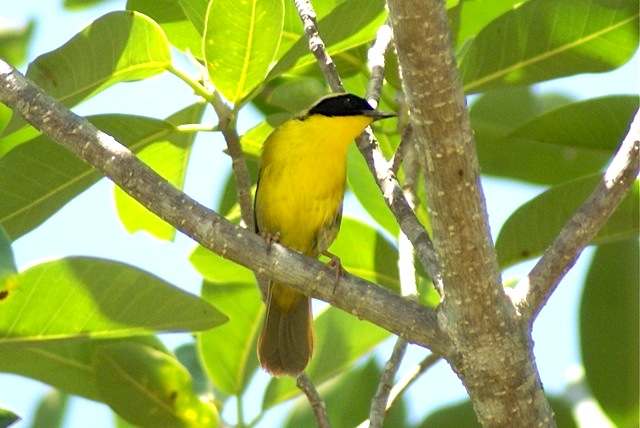
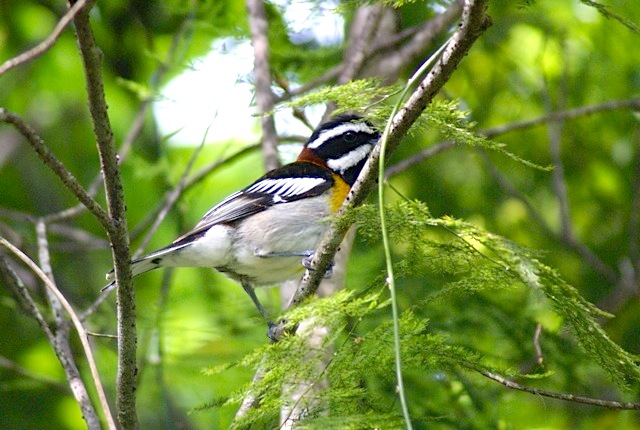
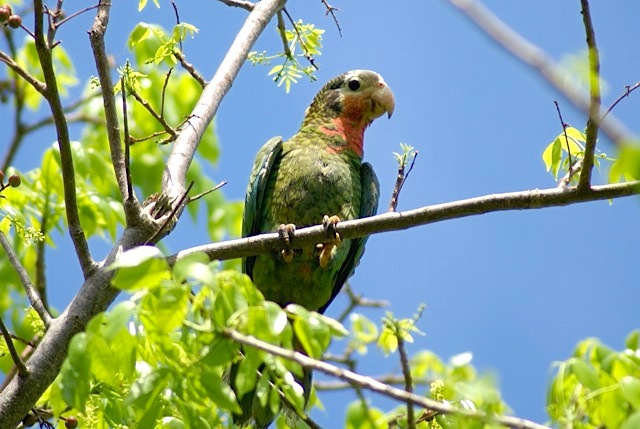
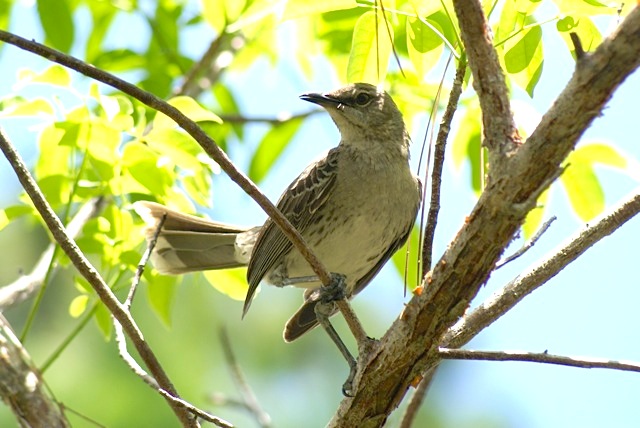
APOLOGIES for posting about a birding expedition on Abaco – pressed ‘Publish’ when it should have been ‘Save Daft’… Complete version due when I’ve recovered my composure… Post and linked Tweet and FB publication have been deleted. Publish in haste, repent at leisure… RH
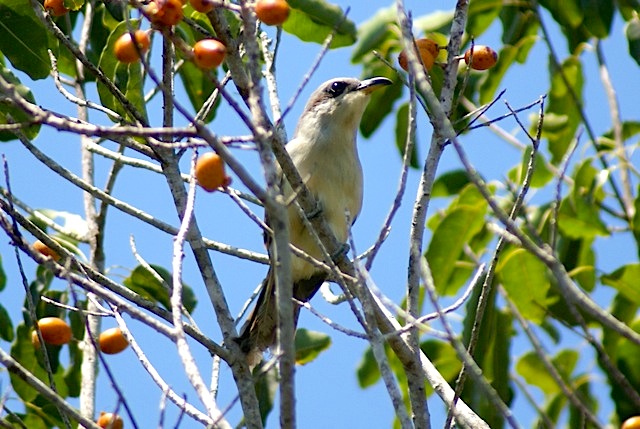
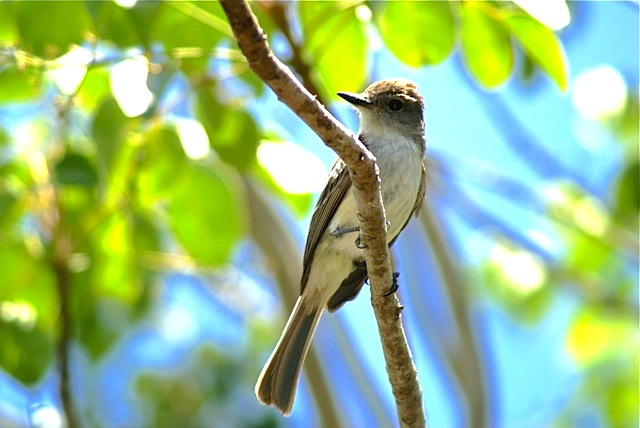
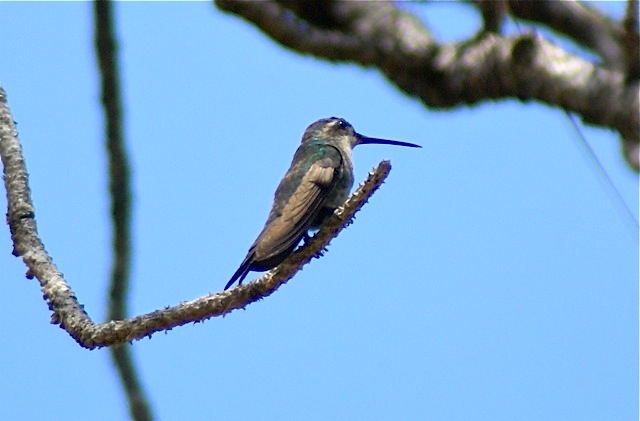
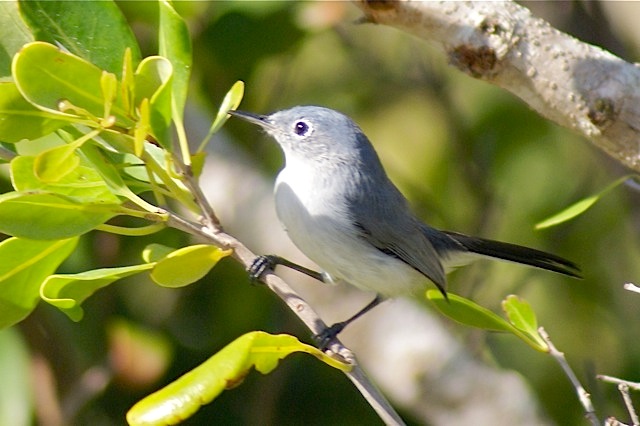
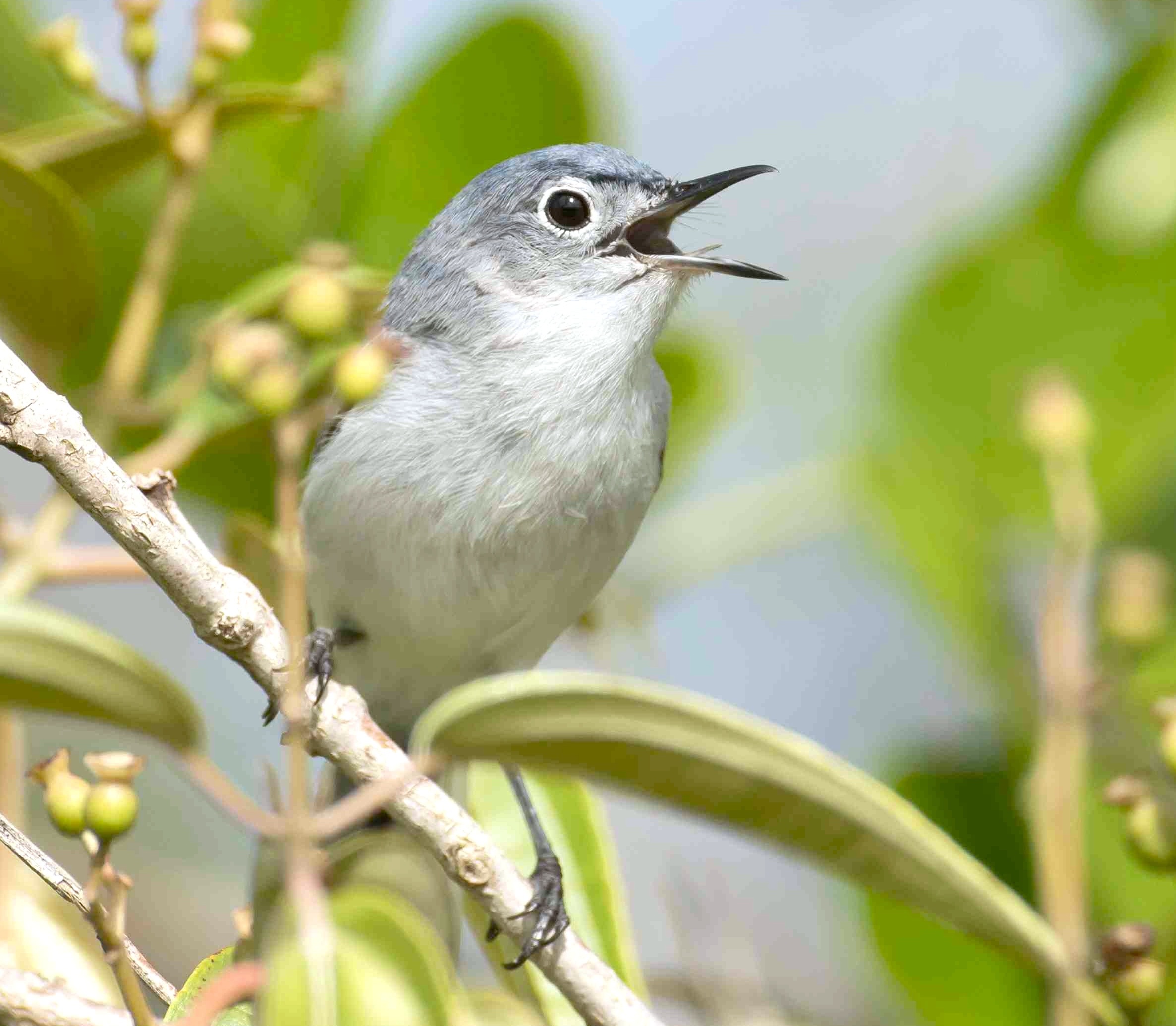
“STRIKE THE POSE”: BLUE-GRAY GNATCATCHERS ON ABACO
I’ve featured these little birds before, including a few I took a couple of months back. For reasons to do with a current project I have been revisiting some of my archive folders of Abaco birds. Most are carefully and correctly labelled, which in most cases is easy – ‘Abaco Parrots’; ‘W Spindalis’; B/quits’ etc. Some have more fancy shortcut names that I’m just getting into – ‘PIPL’; ‘BAWA’; ‘WESA’ and so on. And some are crammed into generic folders like ‘Shorebirds Misc’, ‘Gulls Terns Whatever’ or ‘Warblers???’ pending further attention (if ever).
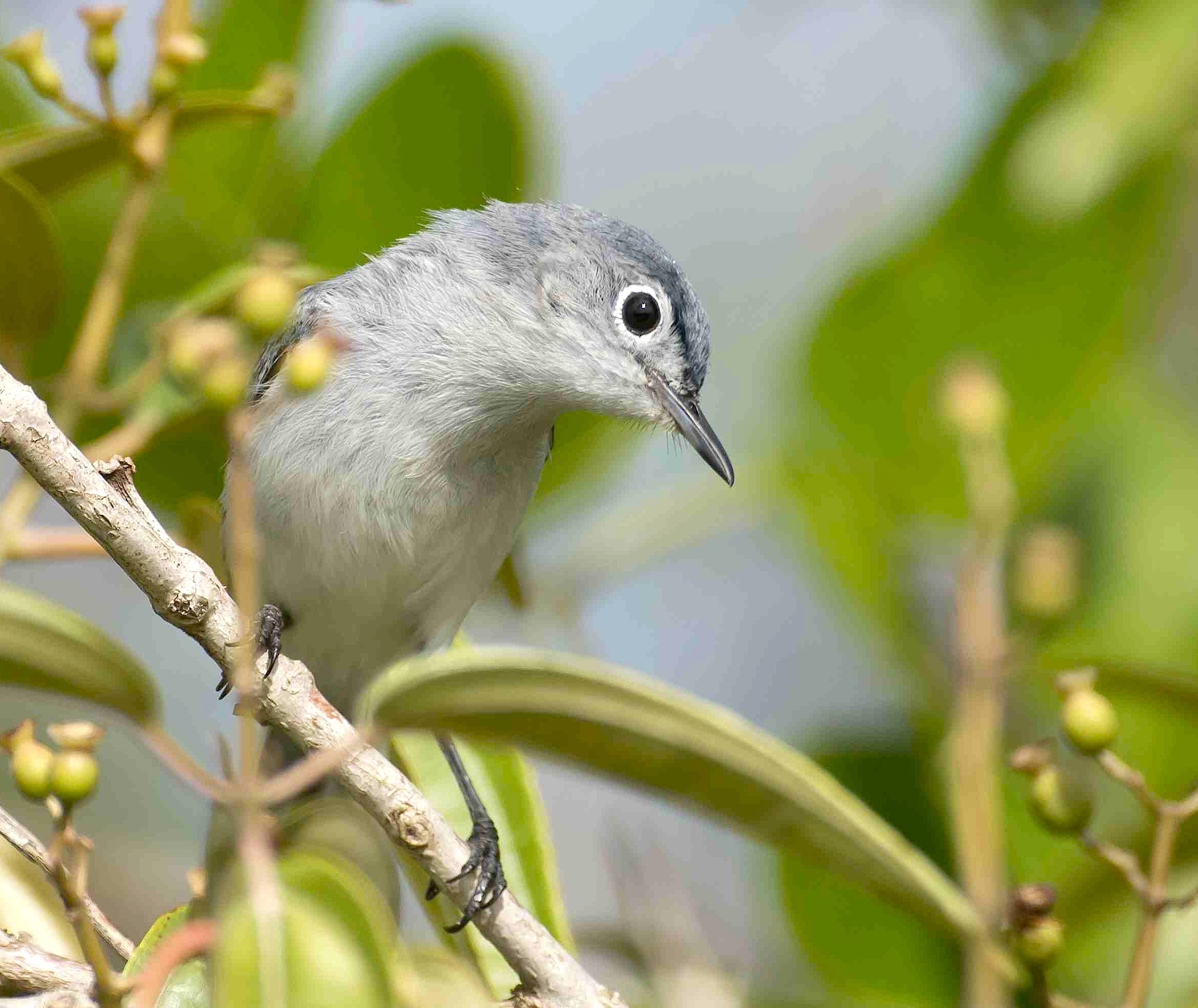
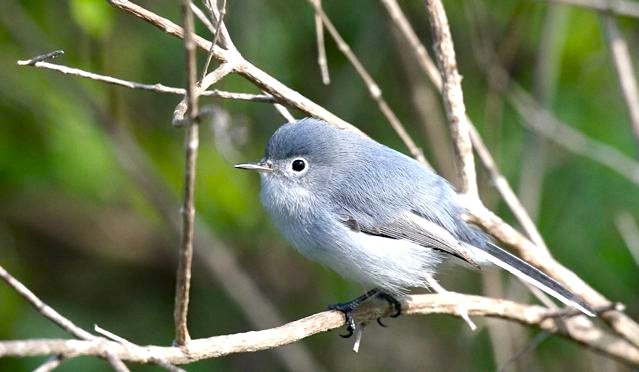
The BGGs I have previously shown have all been photographed on South Abaco. Several of the photos here were taken in and around the Treasure Cay area by Becky Marvil, one of the photographic contributors to THE BIRDS OF ABACO. It’s good to remember that although South Abaco provides the best birding, there are other parts of the island, and some Cays such as Man-o-War, where the birding is also very good.
BGGs are well-known for their irreziztbz little ways – coming to check you out if you pish, click or whistle softly in thick coppice; posing daintily for the camera; and maybe even preceding or following you down a track in a companionable way. They may be small, but they always a welcome sight and they make for a very attractive bird gallery.
Credits: Becky Marvil (1,2,3,4,5), Tom Sheley (6,7,8), Charlie Skinner (9,10), Bruce Hallett (11)
‘BONEFISH CHASE’: A SKIFF RIDE FROM CROSSING ROCKS
Does any ‘fun’ (toxic concept) ever happen around Rolling Harbour? All that detailed business about our little winged friends. All that earnest historic stuff with, like, maps and things. All those fish that are basically just… fish. Ditto the flowers. The prints of Whales (geddit?). But does Rolling Harbour ever truly come alive?
Well here’s a little brief entertainment in a skiff setting off from Crossing Rocks for a day of bonefishing, throwing some shapes along the twisty channel between the jetty and the flats beyond. Anyone who has enjoyed the sometimes exhilarating / sometimes painful (in choppy waves) skiff trips on Abaco to get out to the bonefish grounds will relate to this. You get 2 versions: high definition, with some pretentious music to match the mood. According to me.
Here’s a smaller version with a more familiar theme (also to be found on the Sidebar of this blog) for those who are allergic to pretentious music… it’s more ‘fun’, in fact.
Dreadits: all stuff, RH; music by Preston Reed and Commander Bond
HOLE-IN-THE-WALL, ABACO: A UNIQUE PERSPECTIVE (1) THE PAST
I’ve posted several times about the desolate, unpopulated area on the southern tip of Abaco known as Hole-in-the-Wall. It’s a place of history and mystery – indeed arguably the most historically, geographically and nautically important location on the entire island. The material in this post has to an extent been combined from earlier posts a couple of years back, since when a great many more people have been showing an interest in the wildlife and history of Abaco (thanks!) and may be new to the history and significance of HITW…
Although Abaco is identifiably – though not geographically reliably – mapped from as early as 1550 (only 58 years post-Columbus), the earliest map of Abaco showing any actual named place is the van Keulen map of 1728 in the header picture. The importance of HITW (‘Hole Rok’ marked on the east side) is clear. Indeed it is the only settlement shown. Thereafter, the place is mapped variously as Hole-in-the-Rock, Trou dans la Roche and Hole-in-the-Wall, before finally settling on the last name. HITW was clearly a significant nautical landmark from at least the c16. You can read more on this topic at HITW – A SHORT HISTORY IN MAPS
Incidentally, note the early spellings including of the word ‘Cay’ as ‘Kee’ in the bottom right corner – doubtless an explanation for the pronunciation today, when one might otherwise rhyme the word with ‘Bay’.
The print above, dated 1803, is the earliest depiction of HITW that I have traced. For now, note the familiar ‘Hole’ between the two ships; and the outcrop to the right showing that another, larger ‘Hole’ had, by the early c19, collapsed. Remains of the outcrop, now badly eroded, can still be seen. Read more about pictures of HITW in SHIPS, MAPS & HITW , or in ‘HOLE TO GAP‘, including a more recent print by Winslow Homer (below) which I contend is the proof that his famous painting ‘Glass Window’ in the Brooklyn Museum is of Abaco and not (as claimed elsewhere) the famous Glass Window on Eleuthera. Of which more another time…

The sad fact is that although the name lives on and probably always will, in October 2012 Hurricane Sandy smashed the Hole in the Wall to smithereens, leaving what one can best describe as GAP IN THE WALL.
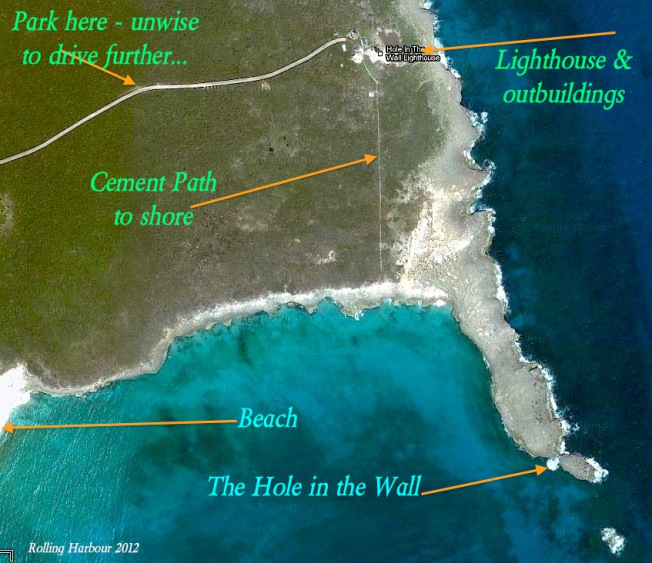
Here is the position of the Hole, shown before Sandy struck. Note the outcrop at the tip (bottom right corner), as seen in the old print above 
One of very few photos taken from the sea that I have come across. There’ll be more, and much closer, in the next post 
The view from the lighthouse down to the ‘Land’s End’ promontory (RH)
An aerial view of ‘Land’s End’ (with thanks to marinas.com for free use permission)
The Hole, very shortly before Hurricane Sandy blasted away the bridge – the perfect place for a picnic…
Or, as the storm approaches, maybe not…. Jack Bowers took this wonderful (and dangerous to acquire) sea-level shot – possibly the last photo ever of the intact arch
Photos of the ‘Ex-Hole Now Gap’ taken within a very few days of the storm. Note the pale fresh stone 


This post covers the history of Hole-in-the-Wall over the last 400 years or so, with links to earlier posts from a couple of years back. Then there’s a bit of a gap, I’m afraid, back to the LATE PLEISTOCENE EPOCH roughly 125,000 years ago when the landmass was formed…
PART 2 will show how the ‘Hole’, the promontory and the lighthouse now look in 2015 from the ocean. During a recent highly successful whale-watching expedition with Charlotte & Diane from the BMMRO, we took the RHIB close to the point and took a seaward look at it from both sides, the first time I had done so. A few days before we’d been to Hole-in-the-Wall for birdwatching purposes by conventional means – the thirty mile round trip by truck along the track from the ‘Y’ of the Highway (NB no hire cars allowed). You can read an early post about this perilous adventure in TO THE LIGHTHOUSE…
HOLE-IN-THE-WALL LIGHTHOUSE: THE LANTERN ROOM
Credits: S. Wright, RH, marinas.com, Jessica Arrington, Jack Bowers, Luc Lavallee, Tara Lavallee, open source images
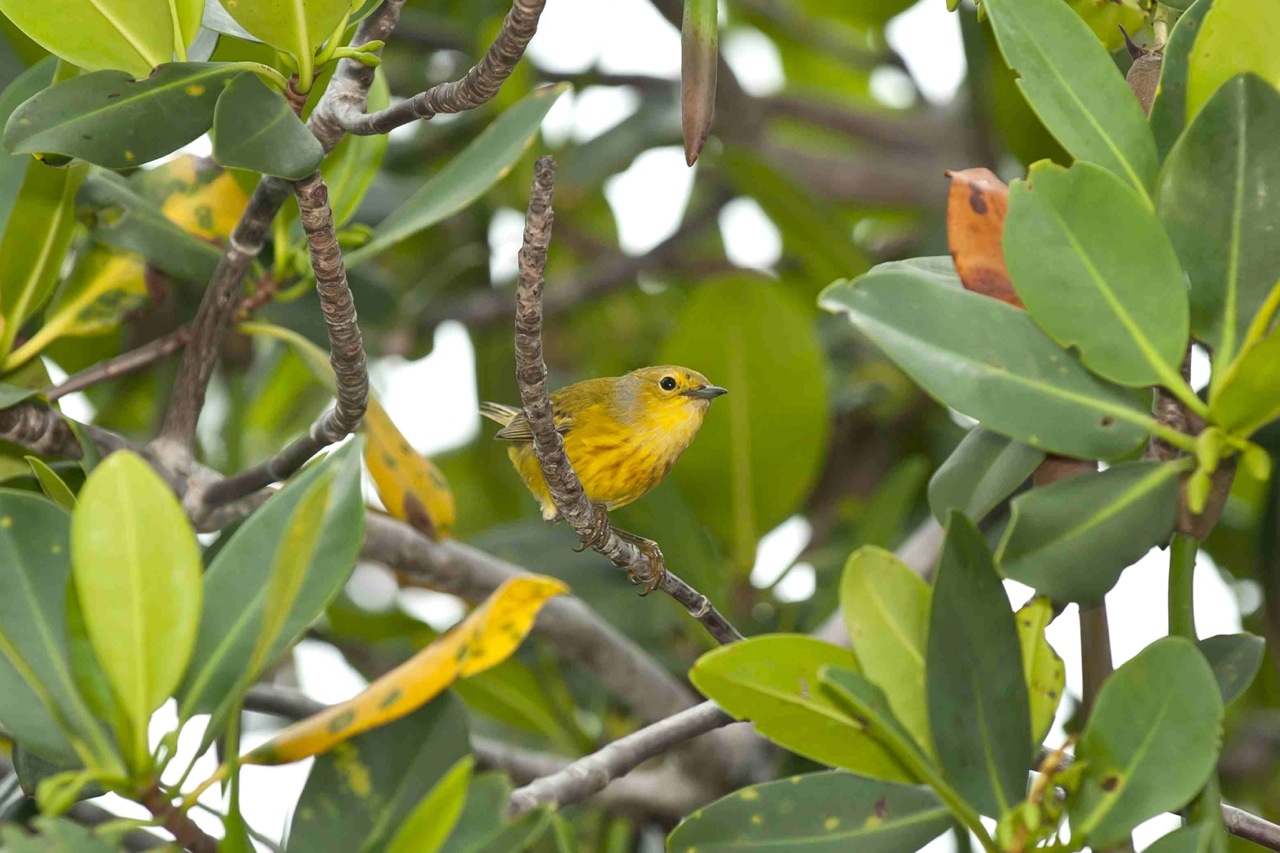
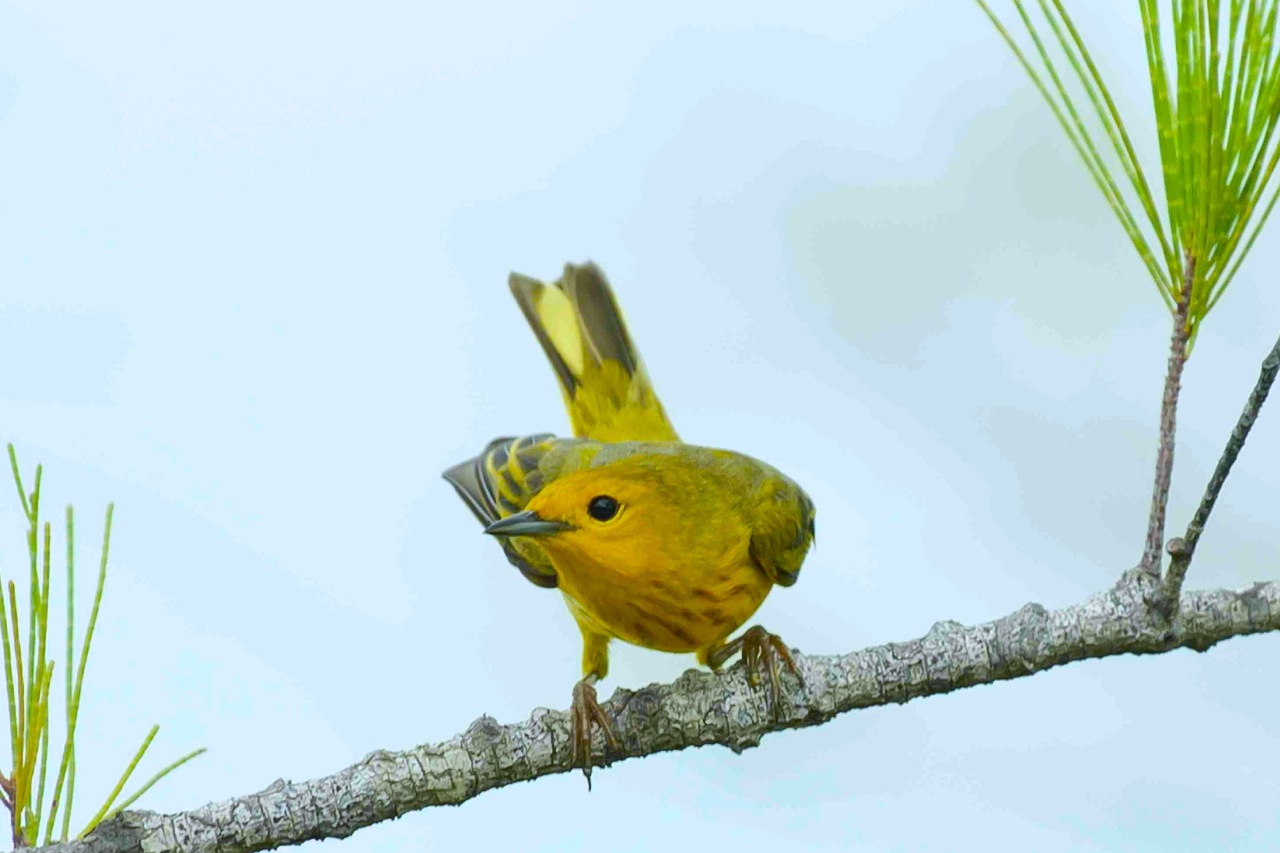
YELLOW WARBLERS ON ABACO
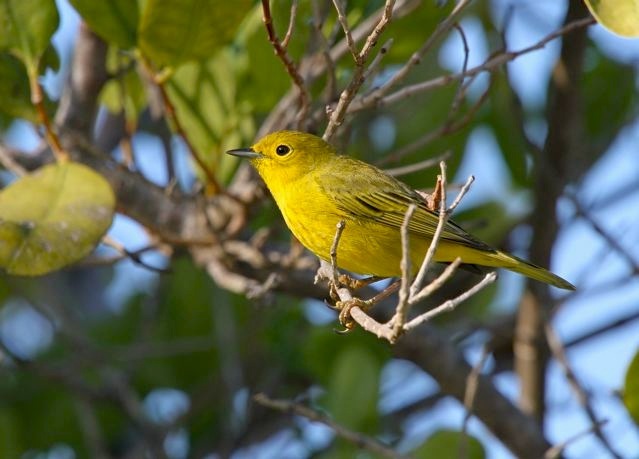
Of the 37 WARBLER SPECIES recorded for Abaco, 25 are mainly or partly yellow. So talk of a ‘yellow warbler’ can as easily be a general description matching any one of a number of species, as a particular description of the one and only Yellow Warbler Setophaga petechia. This small sunny bird is a common permanent resident on Abaco, one of only 5 resident warblers. The other 4 don’t help the situation much, by dint of all being yellow to a greater or lesser extent.
My general rule of thumb is that the Yellow Warbler out-yellows all the rest (though the winter-resident PROTHONOTARY gives it a run for its money), with the adult males bright and cheerful all over and the females rather less glaring but still demonstrably yellow from beak to tail tip.
Q. ARE THEY ALWAYS EASY TO SEE? A. SEE BELOW, GO FIGURE
Q. CAN YOU SHOW MORE PRETTY FEMALES? A. BY ALL MEANS

Q. SO YEWAs ARE COMMON? HAVE YOU EVER PHOTOGRAPHED ONE? A. ONLY HOPELESSLY
Q. DO THEY HAVE AN ATTITUDE PROBLEM? A. ONLY VERY RARELY
A THREAT TO THE SPECIES Shiny Cowbirds, luckily still rare on Abaco, favour yellow warbler nests for their parasitic egg-laying, with sadly predictable results. These cowbirds properly belong in South America, but they are gradually spreading north through the Caribbean, and have now reached Florida. I’m beginning to take a (purely personal) hard line on invasive species where they diminish and destroy indigenous species: eradication. The feral peacocks of Casuarina, now several generations down the line from their original introduction as exotic pets, do no harm and are undeniably decorative. But would you prefer the pretty yellow warbler and its fledglings in your garden, or the shiny cowbird that displaced them?
Credits: Tom Sheley (1,2,5,9); MDF (3)Bruce Hallett (4); Gerlinde Taurer (6,7); RH (8)
And finally… the song that out-yellows all other songs with the word ‘yellow’ in the title – it is the only song called just that one word!
ENDANGERED SPECIES DAY: ONE LITTLE REASON WHY IT MATTERS…
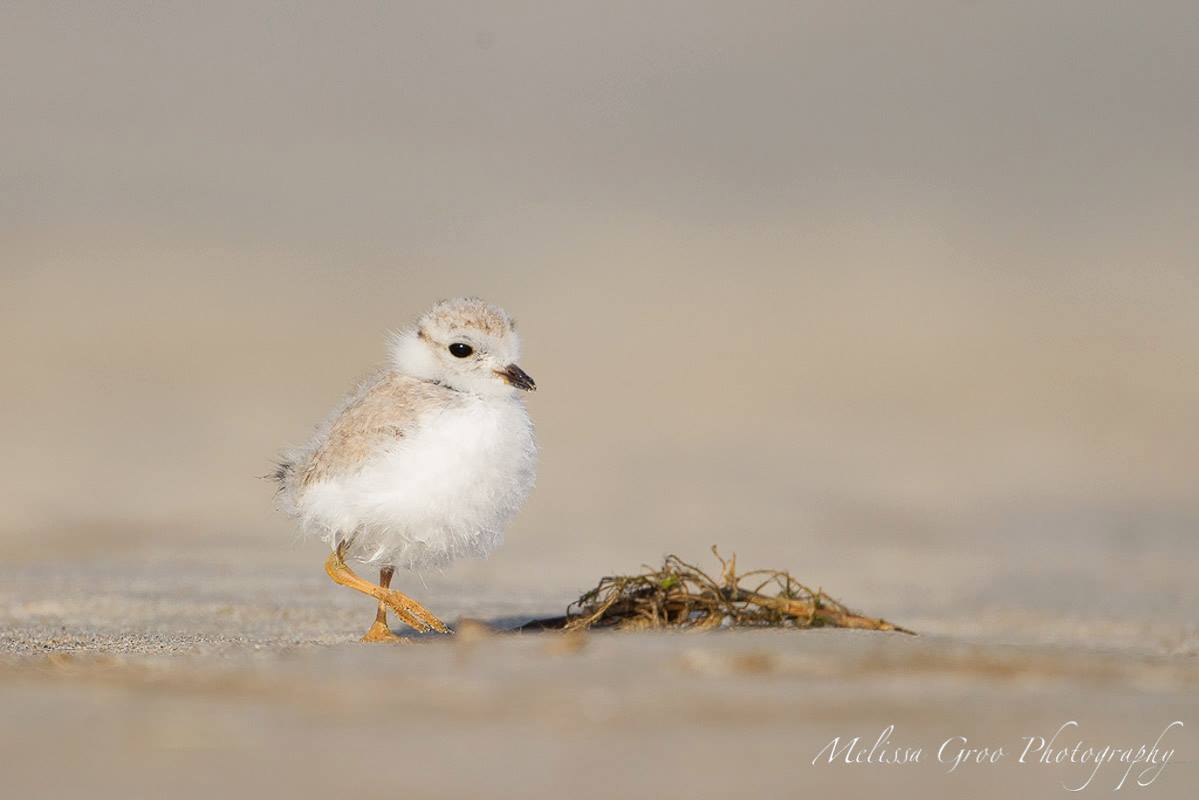
I had been going to post a selection of bird photos to mark Endangered Species Day today. I’d begun to plan the details – the birds to use, the captions for each and so on. Then I saw one photograph that is so charming and yet so poignant that I realised that adding further images would be superfluous. This tiny piping plover chick is a potent symbol of the vulnerability of all threatened species.
This shot was taken by award-winning and renowned wildlife photographer Melissa Groo. If you want to see the most wonderful and varied wildlife photography that you could ever imagine, please go to Melissa’s website and prepare to be amazed. You will find it HERE.
I have posted several times about the endangered piping plovers, many of which overwinter in the northern Bahamas generally, Abaco particularly, and the Delphi Club beach specifically. There are believed to be fewer than 8000 individual birds on earth, and their little world of the shoreline is threatened at both ends of their migration, as well as at their rest ‘stopovers’ en route in either direction. Conservation programs at each end of the range are proving effective at preserving the plovers’ habitat, and the population does seem to have increased slightly. Each chick protected represents a small triumph for conservation.
RELATED POSTS
Photo credit: Melissa Groo, with thanks for the inspiration! “Less is more…”; Conserve Wildlife Foundation of NJ for their partnership conservation work with PIPL on Abaco and in the Bahamas; the originator – ?Great Lakes Piping Plover Project – of the neat small logo…
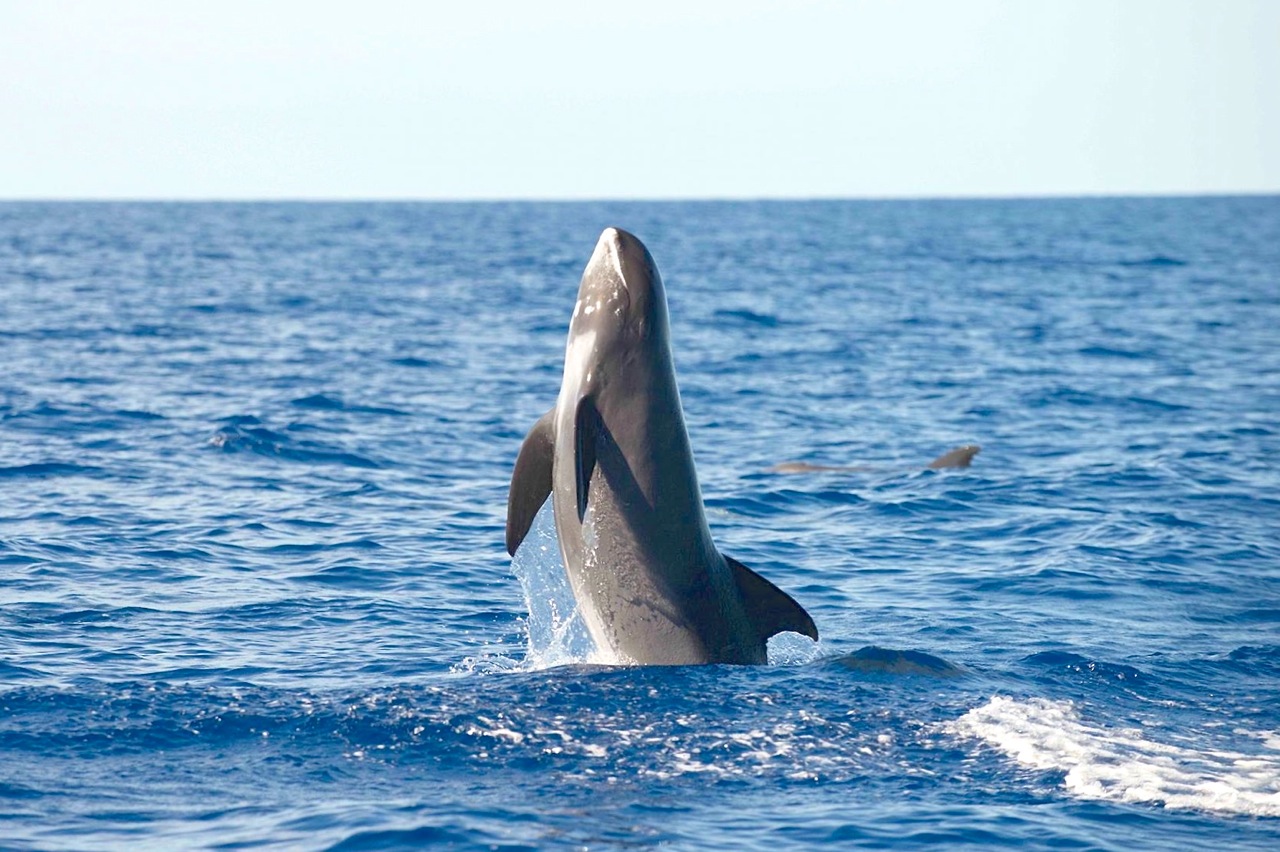
BAHAMAS WHALES & DOLPHINS IN ABACO & ANDROS WATERS
The Bahamas Marine Mammal Research Organisation (BMMRO) has its HQ at Sandy Point, Abaco. We recently went out in their research boat, a RHIB, to spend an unforgettable day with Blainville’s beaked whales and bottlenose dolphins. I posted some of the dolphins HERE; and a two-part beaked whale post is a work in progress.
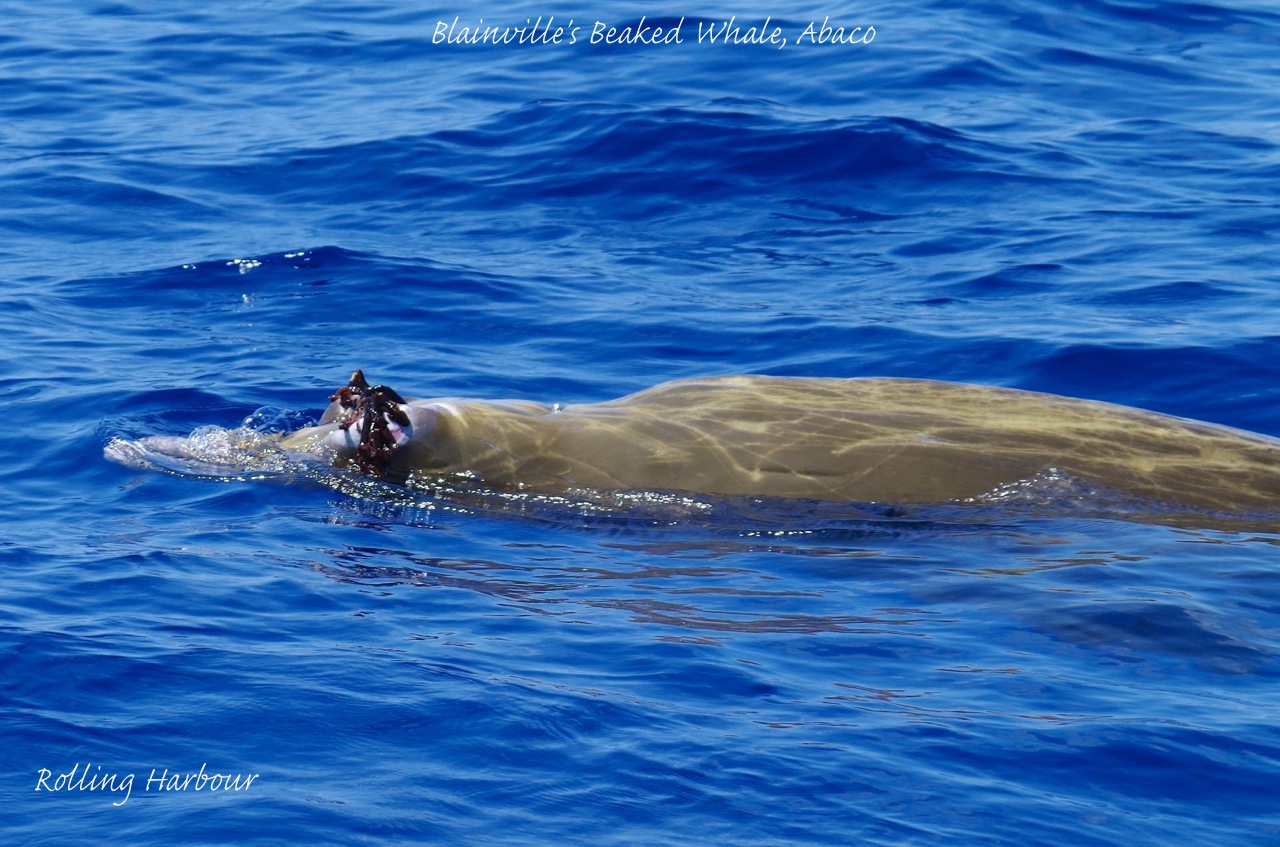
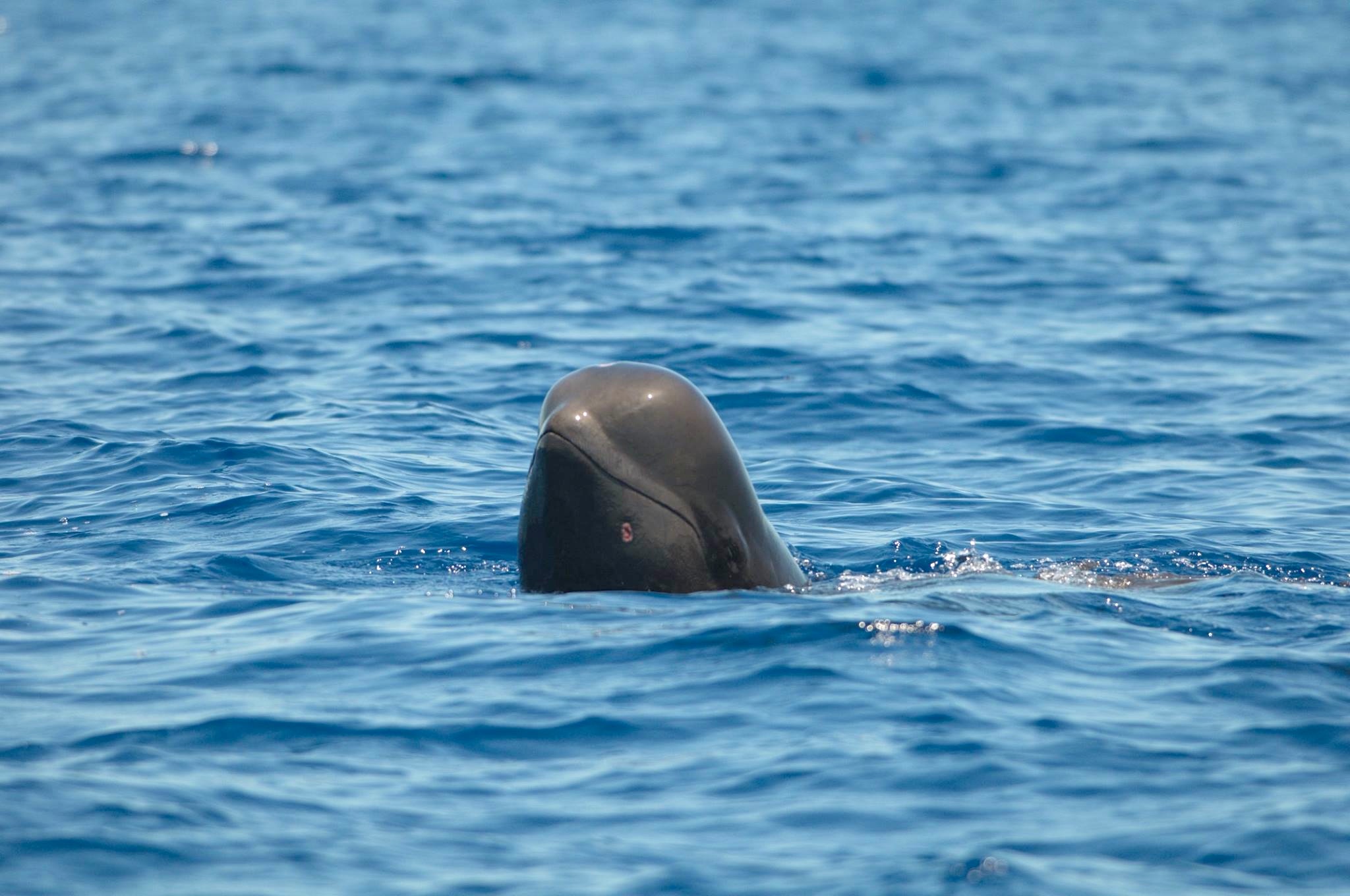
Male Blainville’s beaked whale with its extraordinary barnacle-encrusted teeth that protrude upwards from its lower jaw. The prominent beak is plainly visible. Sighted off the south-west point of Abaco during our second encounter with a group of these whales – the only male we saw that day
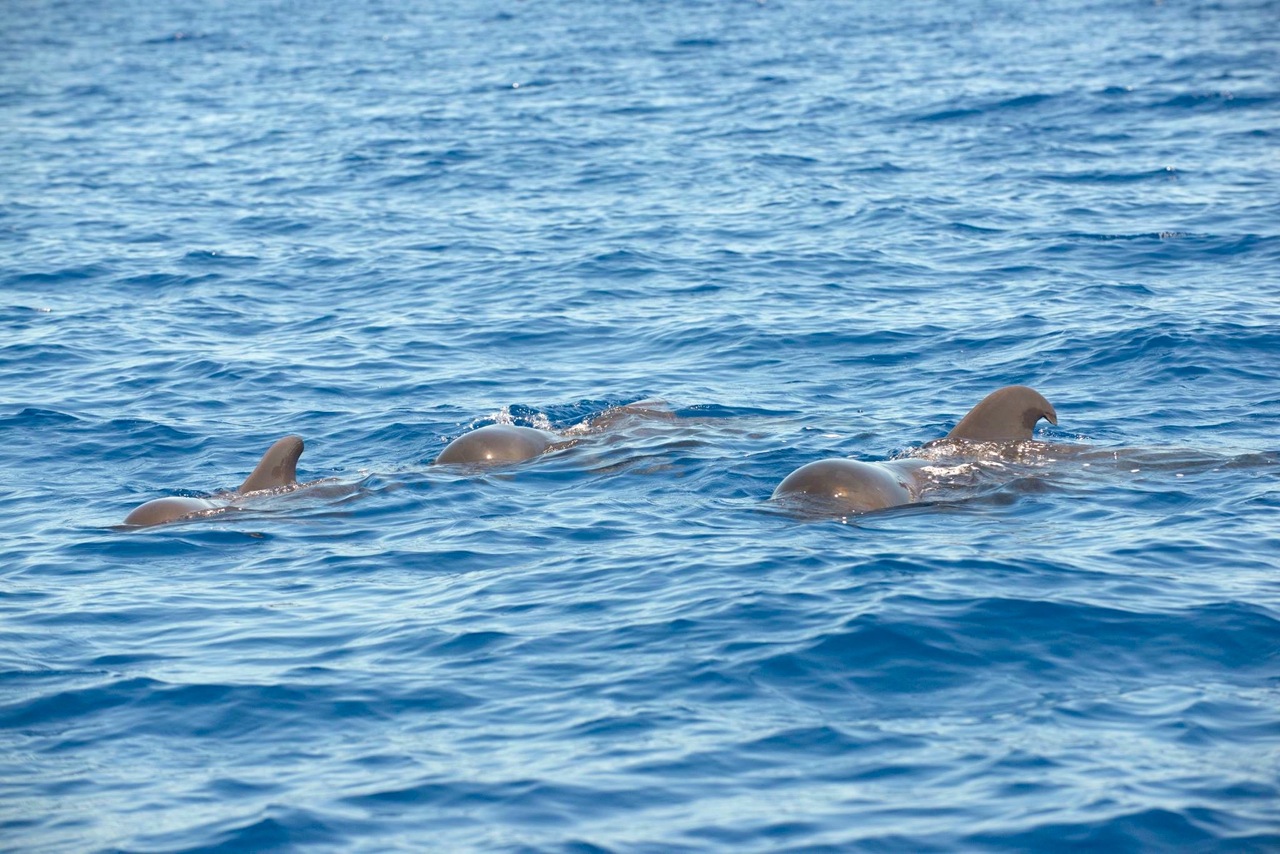
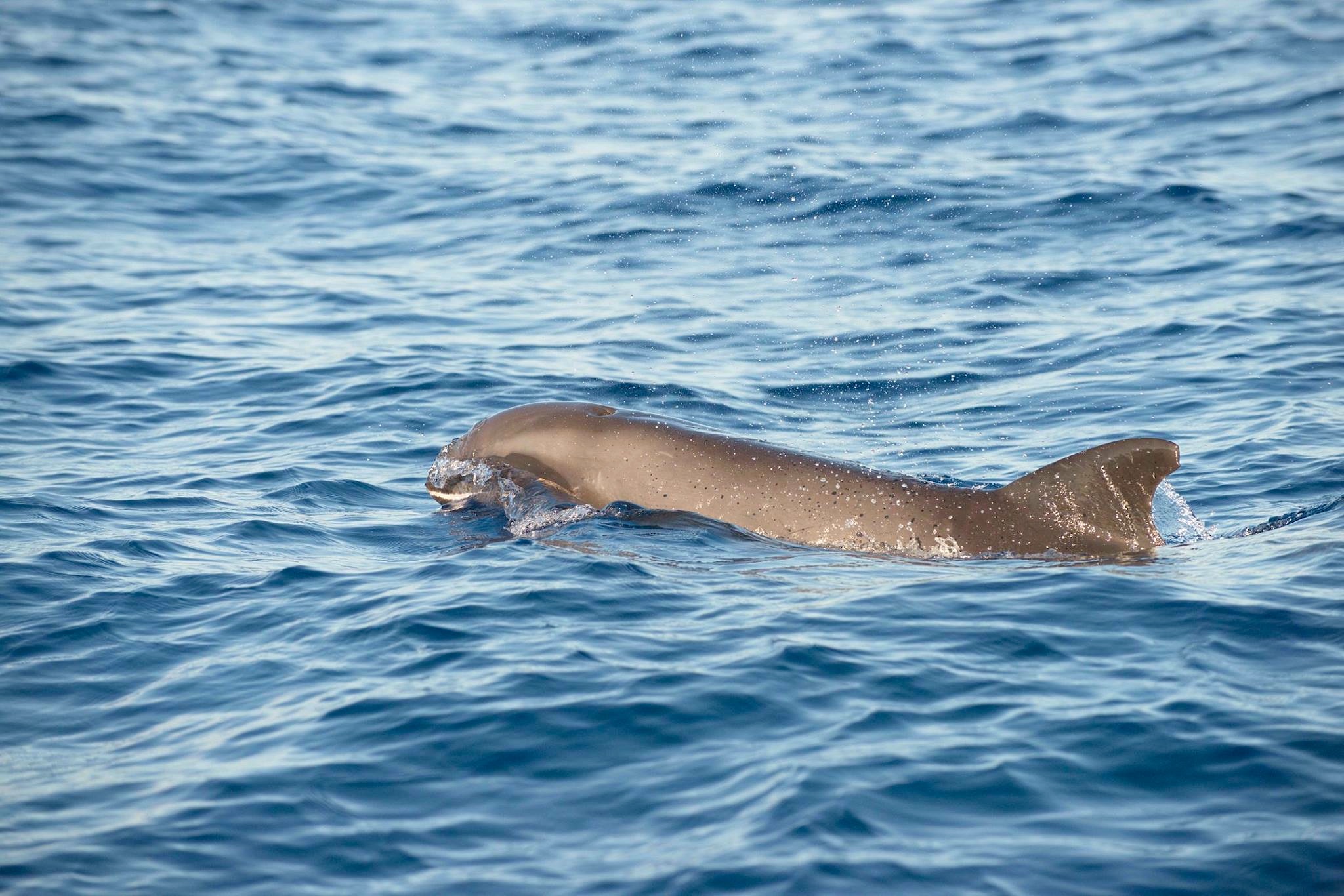
Abaco waters are ideal for marine mammals, especially off the southern shores where the walls of the Great Bahama Canyon drop vertiginously down from the shallow coastal waters to depths of up to 3 miles below. This is one of the deepest ocean canyons in the world. The area provides a rich source of food and nutrients for the whales and dolphins and many different species are regularly sighted there, from huge sperm whales to small pilot whales (including plenty of species I had never heard of before).
As the name suggests, the BMMRO’s remit extends far beyond Abaco. The researchers often spend time exploring and recording cetaceans in other Bahamian waters. For the last few weeks the team have been off Andros and have encountered quite a few target species. I have included a selection below taken within the last month to illustrate the importance of the area for a remarkable assortment of wonderful whales and dolphins.
On board the research vessel, every sighting is recorded in detail – where possible by species, numbers, ages, sexes, and individual identifying characteristics. Thus ‘SW34’ may have a damaged fluke, whereas ‘RD49’ may have a long scar on its back.
The research boat is equipped with sound devices which, when the microphone is immersed, are capable of picking up whale or dolphin sounds from a considerable distance. It’s astounding to be able to listen in ‘live’ to the wide assortment of clicks and whistles produced as the creatures communicate with each other. The recorded sound patterns are studied and can often be matched to enable an individual animal to be identified.
Other work, including photography, is done underwater. Perhaps the most intriguing aspect is the collection of poop specimens, from which a great deal can be ascertained about the diet and health of an individual animal. I wrote about this task and the methods used a while ago in ‘FAMILIAR FECES‘.
I’ll be writing more about whales soon. Meanwhile, here’s a short BMMRO video of a large group of melon-headed males. At the start, you can clearly hear communication sounds between them.
Credits: Charlotte & Diane of the BMMRO for taking us out with them and for all the photos except the male Blainville’s beaked whale (mine, for once!)
BRITTLE STARS: PRIMITIVE YET INCREDIBLY COMPLEX STARFISH
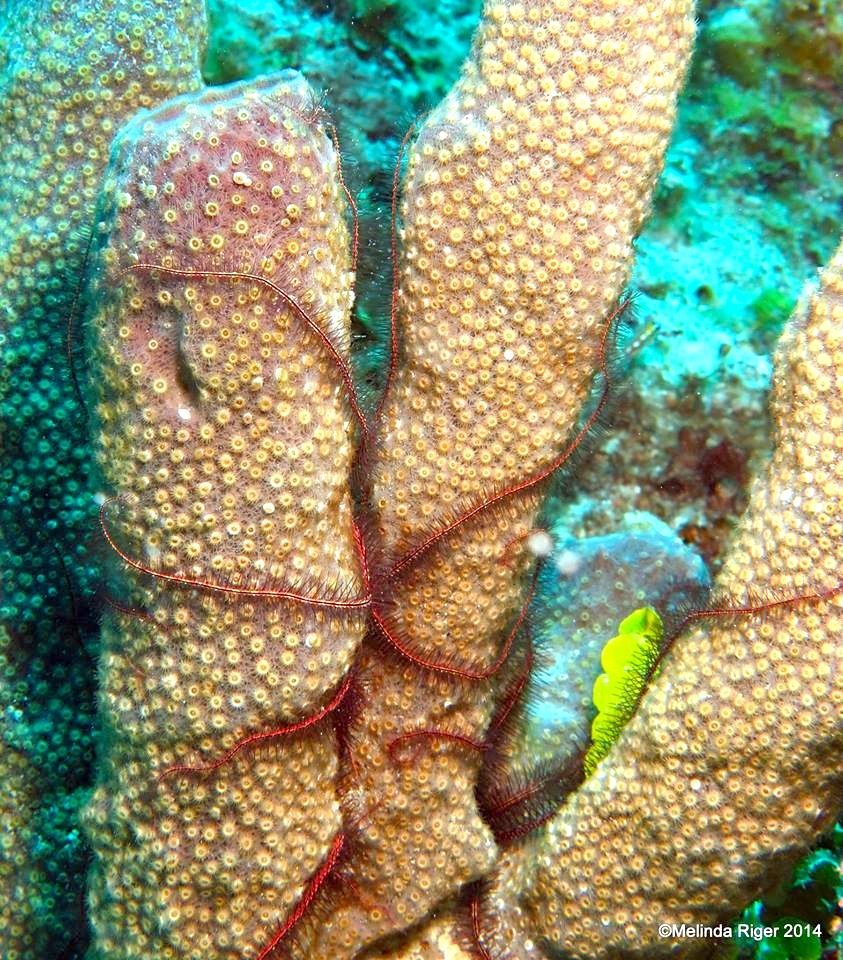
BRITTLE STARS are closely related to starfish, and in particular to Basket Stars. They are commonly known as “serpent stars”, having 5 long, thin arms that may grow as long as 2 feet long. There are lots of different types of brittle star – at least 2000 – and they are found in every ocean on earth from the poles to the tropics. In Bahamian waters they a commonly found living on reefs.
Although these creatures look primitive, their structure, nervous systems, respiratory systems, digestive systems, sex lives and transportation methods are incredibly complex. Take it from me – I’ve just read about it all. So I’ve decided to pick a few aspects of these creatures to highlight rather than discuss the minutiae of their ossicles (tiny bones), madroporites (a sort of water filter / pressure balancer) and viscera.
You are most likely to see Brittle Stars clinging to coral or sponges
A DOZEN BRITTLE STAR FACTS TO PLAY WITH
- The star has no eyes and no sense organs as we know them, but can detect light chemically; and (why would they need this?) sense smell through their ‘feet’… [Not a superpower I would prize, but still]
- The mouth is on the underside of the central disc (‘body’) of 5 segments, each with a toothed jaw
- The mouth is used both for ingestion and, putting it delicately, egestion. [Nor that superpower]
- Stars eat tiny organisms suspended in the water or mini-worms, gathering them with their arms
- If I have understood this, they breathe through their armpits, and can excrete from here also
- The arms fit the main part with ball and socket joints, and are flexible in all directions
- The genitals seem to be located in or between the armpits (lucky we are not descended from stars)
- Stars readily regenerate lost arms until they lose the 5th – then they are in real trouble
- This enables them to shed an arm in a predator attack, like a lizard its tail
- Trials indicate that a jettisoned arm cannot regenerate from itself
- They use only 4 arms to move along, with the fifth ‘steering’ out in front or trailing behind
- Brittle Stars are inedible but non-toxic
Often, brittle stars will cling on inside a sponge
I quite liked this infographic from a source new to me, ‘Weird ‘n’ Wild Creatures Wikia’
Here is a great video from Neptune Canada of a brittle star fight on the ocean floor over the remains of a shrimp. If you watch the ones joining the fight, you will clearly see the locomotion method described above, with one limb pathfinding and the other four ‘walking’.
I’m not renowned for extreme sensitivity, so I feel no shame in showing mating brittle stars, courtesy of Channel Banks. It’s not exactly Lady Chatterley and Mellors, but the entwined arms are rather romantic, no?
Credits: all wonderful photos by Melinda Riger of Grand Bahama Scuba; BS infographic and viddys as credited
PIONEER NATURALISTS & ABACO BIRDS: POTTED BIOGRAPHIES
Who were all the people – all men, I’m afraid – who are immortalised in the names of birds they first discovered or recorded or collected specimens of or wrote about? In various previous birds posts I have given brief bios of the naturalist for whom the particular species under consideration is named. I’ve decided to bring all those who specifically relate to Abaco together in one place. There is not (as far as I know) a collective term for ornithologists, so may I introduce a “Scope” or “Twitch” of them…
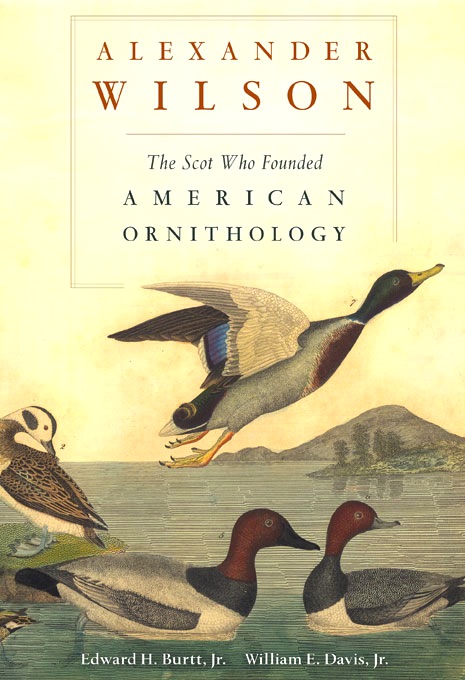
ALEXANDER WILSON 1766 – 1813
Wilson’s phalarope, plover, snipe, storm-petrel, warbler
Alexander Wilson was a scottish poet and writer. He specialised in ballads, pastoral pieces, and satirical commentary on the conditions of weavers in the mills. The latter got him into trouble when he overstepped the mark by making a vicious written attack on one mill owner. He was arrested, convicted and sentenced to burn the work in public (fair enough, perhaps) and imprisoned (somewhat harsh). After his release, he sensibly emigrated to America in 1794.
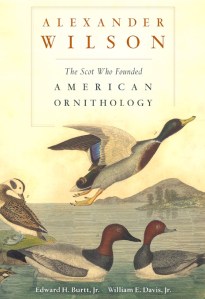
Wilson became a teacher in Pennsylvania, and develpoped his interests in ornithology and painting. His ambitious plan was to publish a collection of illustrations of all the birds of North America. He travelled widely, collecting, painting, and securing subscriptions to fund a nine-volume American Ornithology (1808–1814). Of the 268 species of birds illustrated, 26 had never previously been described. Wilson died during the preparation of the ninth volume, which was completed and published by George Ord. Wilson predated John James Audubon (though not by many years) and is generally acknowledged to be the founder of American ornithol0gy.
For examples of Wilson’s American Birds, check out the excellent Virginia University records HERE
CHARLES LUCIEN BONAPARTE 1803 – 1853
Bonaparte’s gull, Zenaida dove
Charles Lucien Bonaparte, 2nd Prince of Canino and Musignano was a French biologist and ornithologist. He was nephew of the Emperor Napoleon. He married his cousin Zenaïde, by whom he had twelve children. They moved from Italy to Philadelphia, by which time Bonaparte had already developed a keen interest in ornithology. He collected specimens of a new storm-petrel, later named after the Scottish ornithologist Alexander Wilson (see above).
Bonaparte studied the ornithology of the United States, and updated Wilson’s American Ornithology. His revised edition was published between 1825 and 1833. He was a keen supporter of a (then unknown) ornithologist John James Audubon. Rather sweetly, he created the genus Zenaida, after his wife, applying it to the White-winged Dove Zenaida asiatica, Zenaida Dove Zenaida aurita and Mourning Dove Zenaida macroura. He himself was later honoured in the name ‘Bonaparte’s Gull’.
RAMON LA SAGRA (1798 -1871)
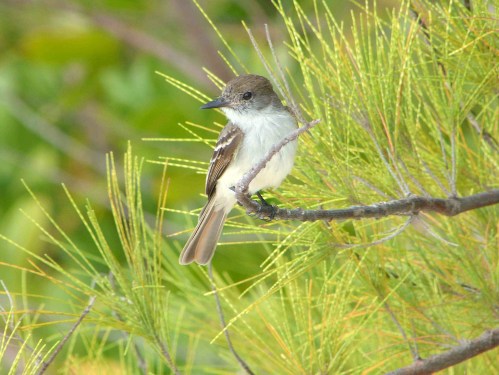
La Sagra’s Flycatcher
Ramón Dionisio José de la Sagra y Peris was a multi-talented man, being a Spanish botanist and also a writer, economist, sociologist, politician, anarchist, and founder of the world’s first anarchist journal El Porvenir (“The Future”). He lived in Cuba and became director of Havana’s Botanical Garden; his name lives on arguably more significantly in ornithological than in anarchist circles (actually, an ‘anarchist circle’ must surely be a contradiction in terms…)
A Cuban stamp commemorates the death of Juan Gundlach, the nauralist who chose La Sagra’s name to bestow on the flycatcher, and who himself is honoured in the name of the Bahama Mockingbird Mimus gundlachii 
WILLIAM JOHN SWAINSON (1789 – 1855)
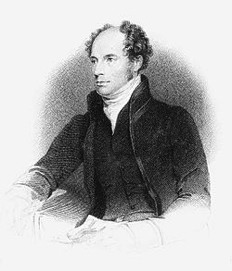
For Abaco: Swainson’s Hawk, Thrush & Warbler
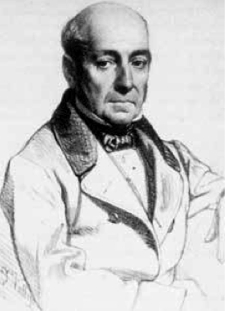
Swainson was an English ornithologist, entomologist, conchologist, natural historian, and a gifted illustrator of the natural world. He was a pioneer of the new lithographic technology, which enabled quicker reproduction of his work than engraving. Swainson lent his name to a number of avian species, three of which may be found on Abaco – the Swainson’s Hawk, Thrush and Warbler. The hawk is a rare visitor; the thrush is a transient, passing through the Bahamas during migration; and the warbler is a hard-to-find winter resident. Below is the only known Swainson’s Hawk to be photographed on Abaco.
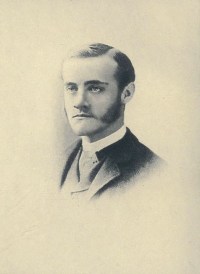
JOHN ISIAH NORTHROP (1861 – 91)
Bahama Oriole (Icterus northropi)
John Isiah Northrop, for whom the endemic BAHAMA ORIOLE Icterus northropi is named, entailed a bit more research. The link above will take you to my post about this very beautiful species that is sadly on the brink of extinction. Until recently it was found only on Abaco and Andros, but is now extirpated from Abaco and exists only in certain enclaves on Andros.
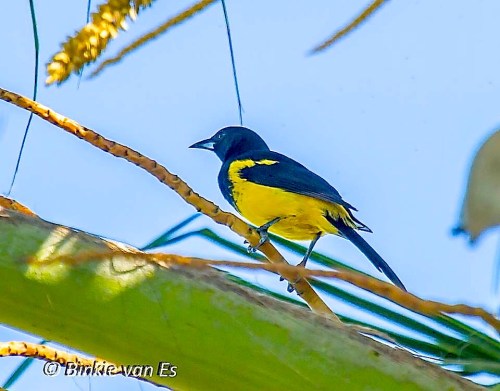
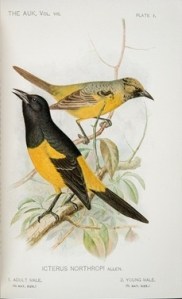
I can do no better than regurgitate the info provided by the University of Glasgow Library Research Annexe in relation to a fine illustration from A Naturalist in the Bahamas (1910), reprinted in The Auk journal (below) at a time when Icterus northropi was still a mere subspecies:
“The yellow and black Bahama Oriole (Icterus Northropi) is a bird species unique to the Bahamas. The bird was named for American ornithologist and zoologist, John Isiah Northrop (1861–91); the illustration comes from an account of the trip Northrop and his botanist wife, Alice, took to the Bahamas in 1889 which was published in his memory: A Naturalist in the Bahamas: John I. Northrop, October 12 1861-June 25, 1891; a memorial volume (Columbia University Press, 1910). It was edited and introduced by Henry Fairfield Osborn, professor of zoology at Columbia University where Northrop worked as a tutor and was killed in a laboratory explosion shortly (9 days) before the birth of his son John Howard Northrop (who became a Nobel prize-winning chemist)”.
JARED POTTER KIRTLAND 1793 –1877
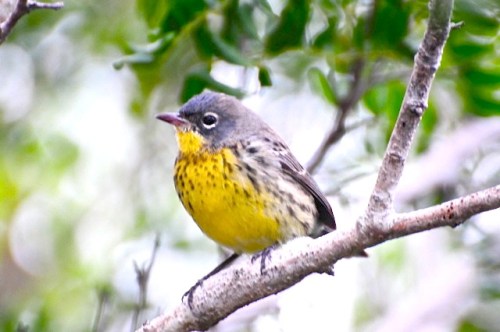
Kirtland’s Warbler (Setophaga kirtlandii)
Jared Potter Kirtland was a naturalist, malacologist and politician, most active in Ohio where he served as a probate judge, and in the Ohio House of Representatives. He was also a physician and co-founder of a University Medical School. Kirtland became one of America’s leading naturalists, with a particular interest in horticulture and sea shells. He published numerous natural history articles, and was a founder and president of the Kirtland Society of Natural History and the Cleveland Academy of Natural Science.
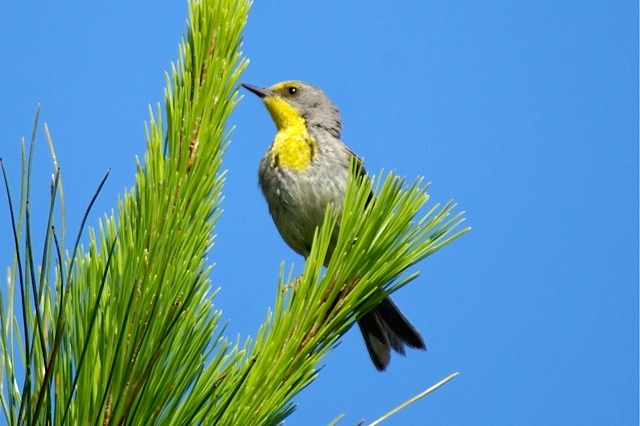
Somewhere in amongst all this, he discovered or at least studied the warbler that was named after him. This rare bird is found in small numbers only in certain areas of Michigan; and overwinters in the Bahamas including on Abaco. They a very hard to find, and harder still to photograph. This year we made an expedition into remote backcountry and found 4, more of which another time…
JOHN JAMES AUDUBON (1785 – 1851)
John James Audubon never went to Abaco. The nearest he got was probably in 1820, when he made a field trip to the southern states, including Florida; or in the 1830s when he made at least one trip to Key West. One technique that set him apart from contemporaries was his method of producing naturalistic (as opposed to ‘stuffed bird’) drawings. It involved killing birds using very fine shot, and then using wires to pose them naturally, according to his field sketches. This contrasted with the usual technique of using a stuffed specimen as a model.
Although no Abaco birds are specifically named for Audubon, it is almost impossible to dip a toe into ornithological history without immediately stubbing it on Audubon’s name. Hence his inclusion in this piece, bringing it to a conclusion.
Audubon’s master-work was his renowned Birds of America, arguably the most famous bird tome ever. There are about 120 sets of the original book still in existence. They were incredibly expensive to produce in contemporary terms; and in modern times a set sold for $11.5 million at Sotheby’s London in 2010, setting the unbeaten record for the world’s most expensive book sale. Recently there was great excitement over the sale of another set at Christie’s New York, but the sale price was far lower, a mere $7,922,500…

Credits: Bird pictures as shown; Encyclopaedia of Cleveland History, University of Glasgow Library, The Auk, Audubon Society, Wiki, Magpie pickings
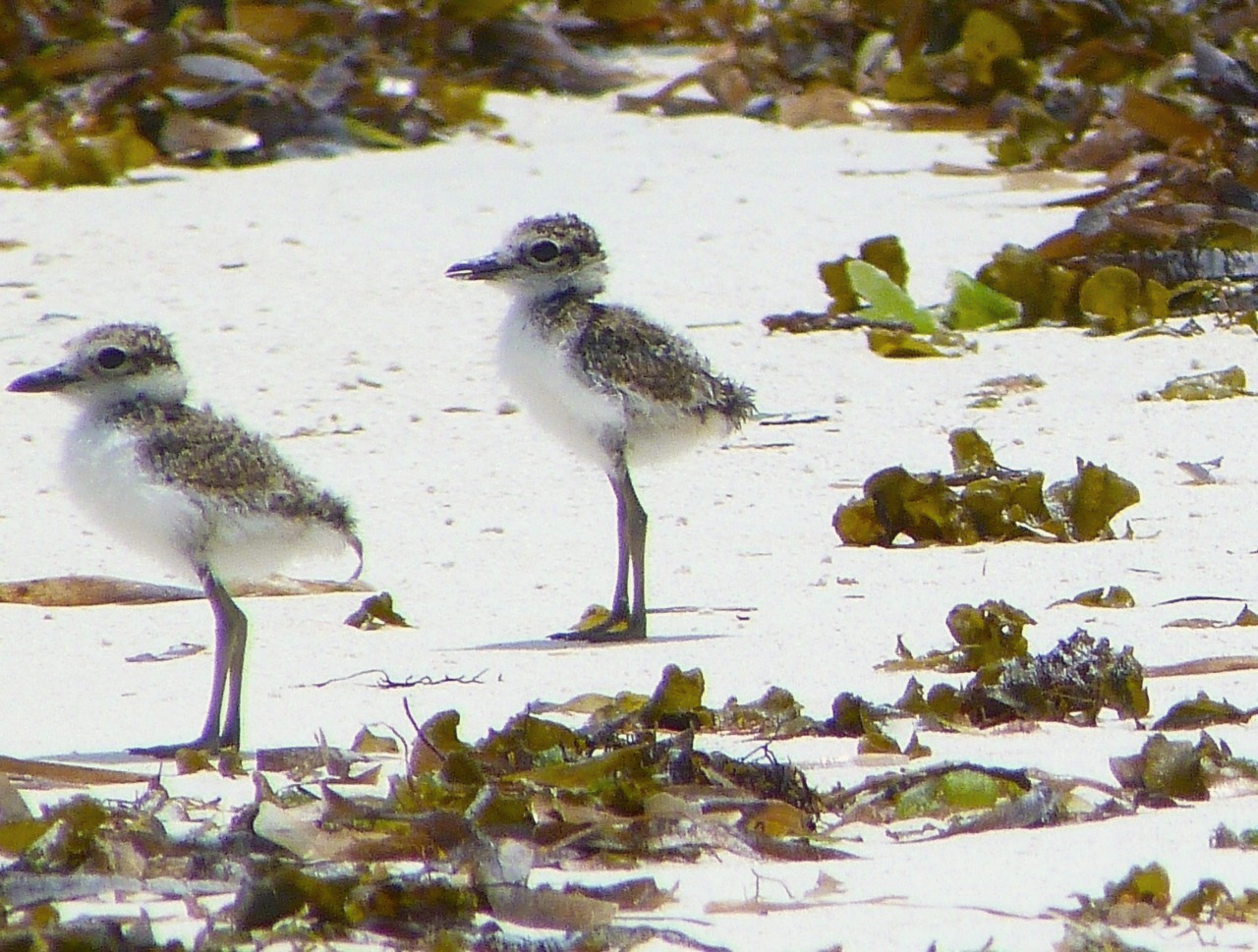
PLOVER LOVER? MEET SOME CUTE CHICKS ON ABACO
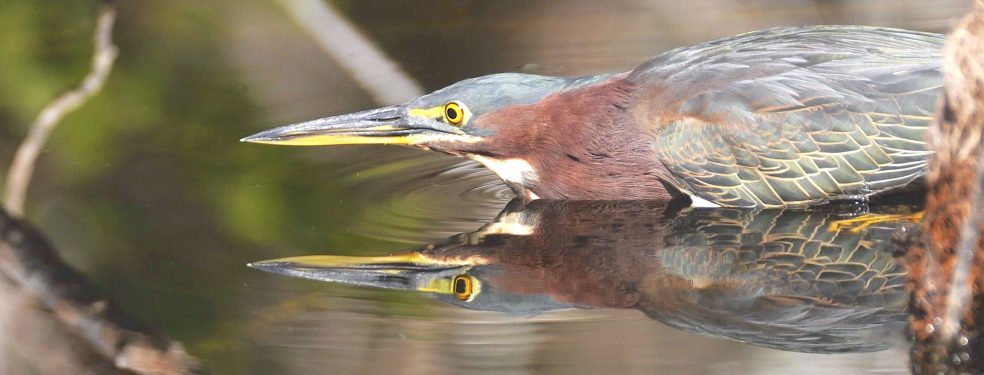
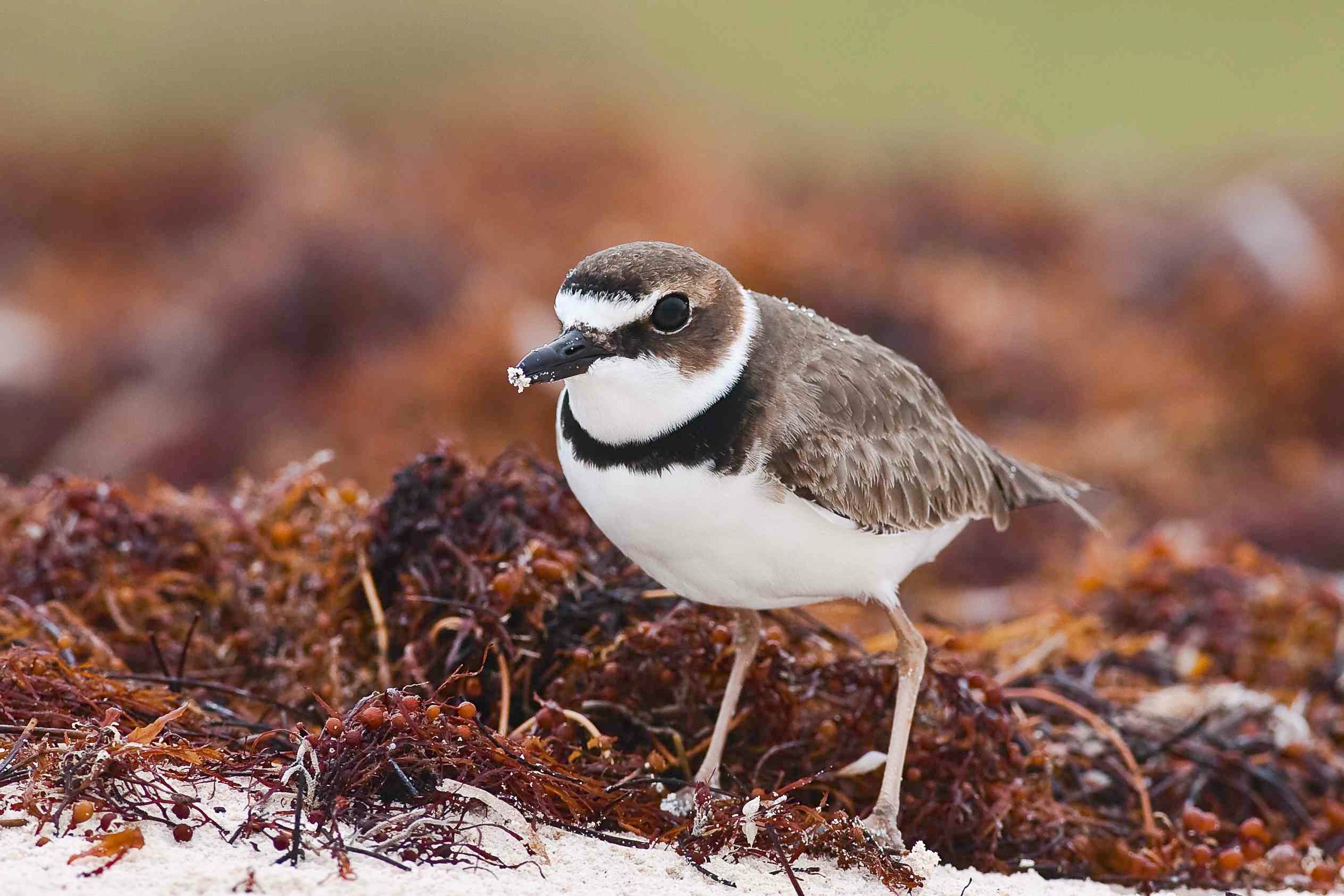
(*Serious Voice*) “The Wilson’s Plover is the only permanent resident plover found on Abaco, the other species being the winter resident Black-bellied Plover, Semipalmated Plover, Piping Plover and Killdeer; and the rare transient American Golden Plover. The nidification of the Wilson’s Plover is by common consent among naturalists the most…”
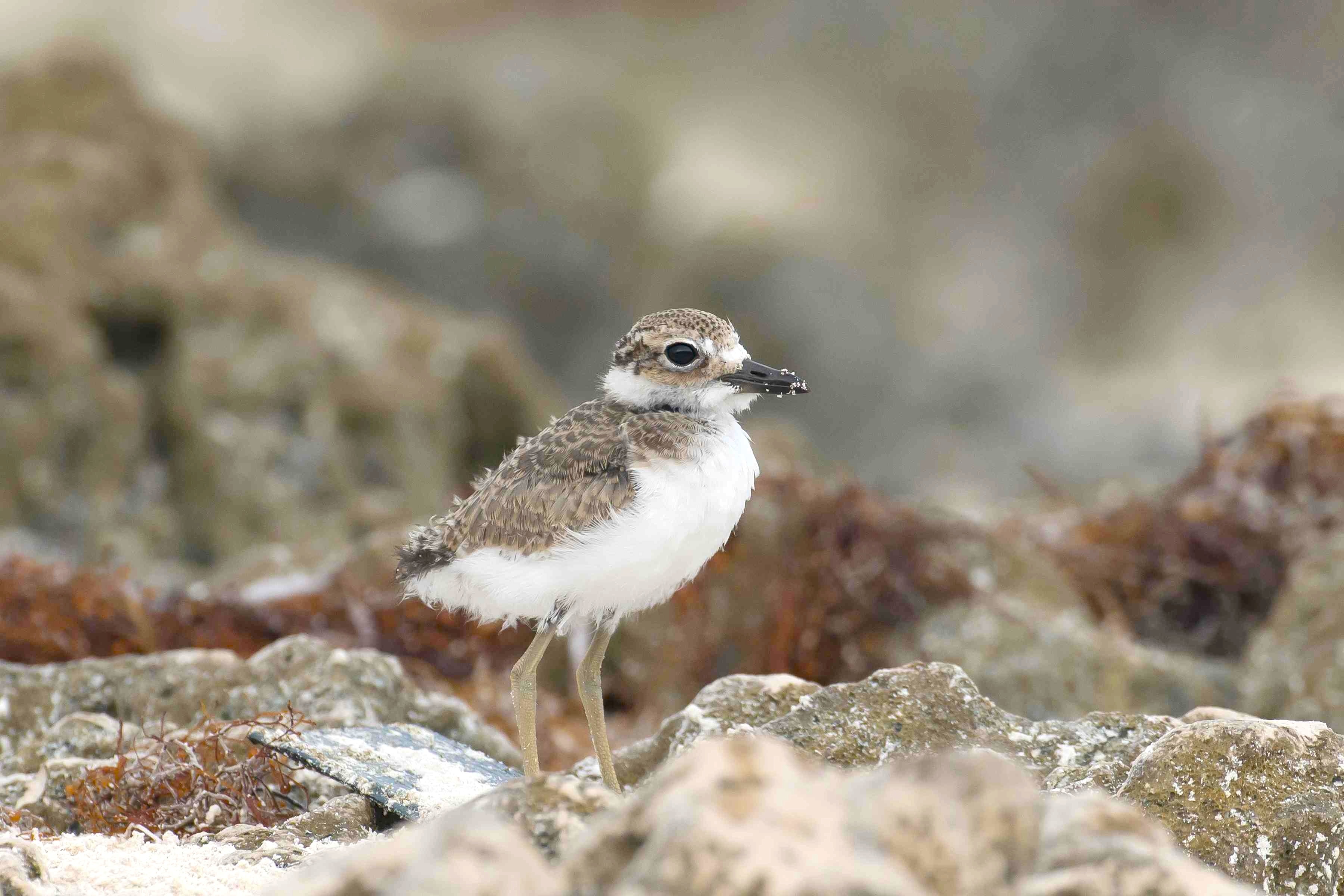
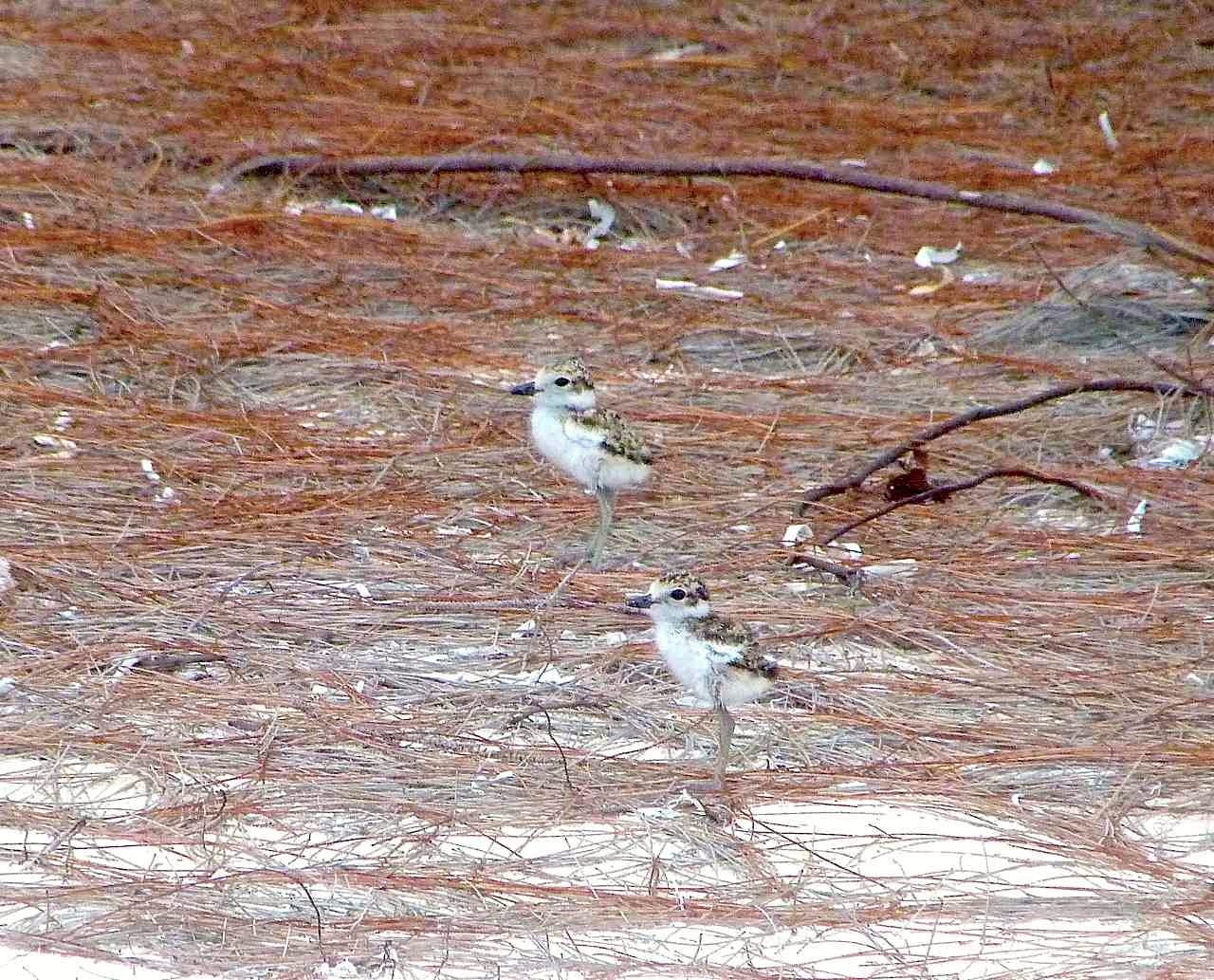
But let’s not get carried away with all that pompous ornithological stuff. There are baby plovers to be considered. Each one exudz adorbz and absorbz admirz. Most of the photos below were taken on the beach at Delphi. Ready? Let’s meet some chicks… But you can’t have them without first having the eggs, can you?
The Wilson’s Plovers at Delphi generally nest at the north end of the beach, up towards the reef. It is secluded, has good sight-lines and is bordered by pines. On the approach of a predator or human (in this case, me), the tiny chicks are sent scuttling to safety at the back of the beach while the parents prepare to tough it out if need be…
“I know we are caught in the open, but if we stand really still, you can’t see us, right?”
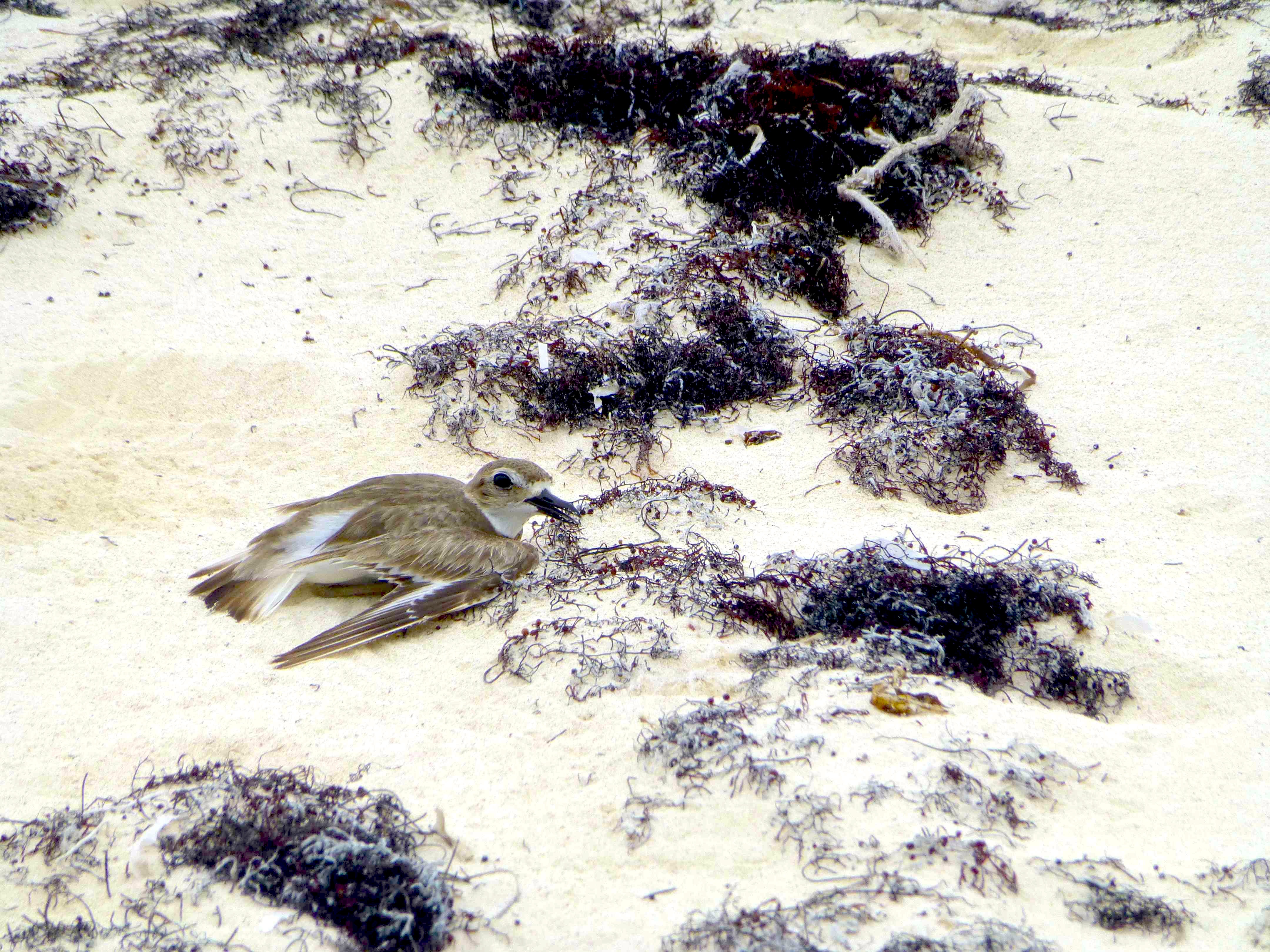
One of the most fascinating aspects of bird behaviour to watch is the so-called ‘broken-wing’ display put on by plover parent(s) to distract a predator away from a nest or scrape, and the eggs or chicks in it. Kildeer and black-necked stilts are among other species that do this performance. It goes like something like this:
“Oh! OW! I am helpless. Please don’t attack me, Apex Predator, for I am but a vulnerable plover…”
“But kindly follow me as I flap pathetically (moving away from my nest). I can’t fly, you know…”
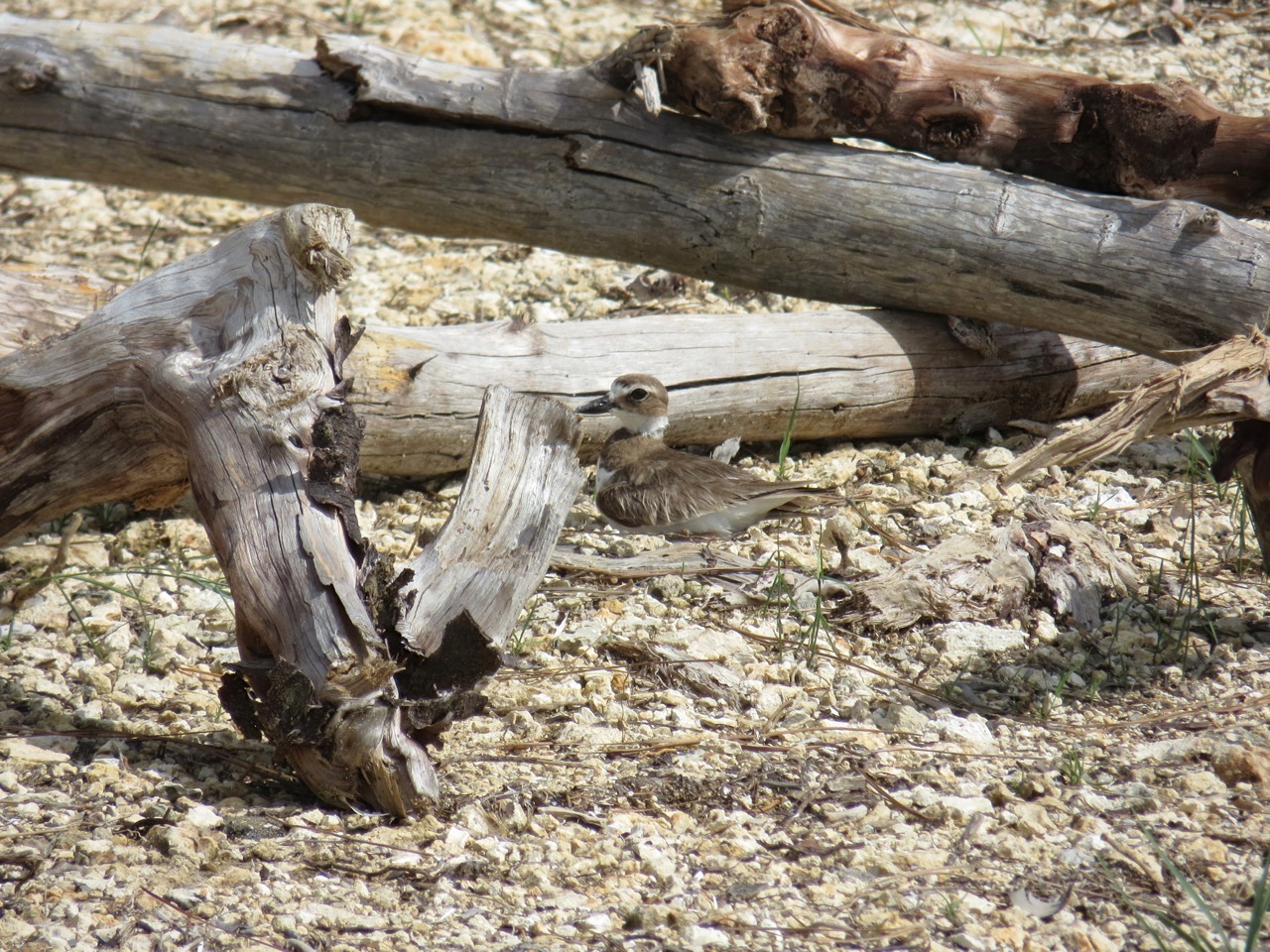
Camouflage also plays a part in the protection of these little creatures. This chick is on the rocks at the north end of the Delphi beach, the bit where you begin to wish you’d worn shoes because the rock is so sharp… From 10 feet away, you might well miss seeing the chick completely.
This is one of my favourite shots, also at Delphi, taken by Sandy Walker
Quite a while ago, I wrote about a Wilson’s Plover family that had made their scrape at Nettie’s Point, the place where the bonefishing skiffs are launched. They chose their homemaking site right where the trucks and trailers turn. Big mistake you might think. But the kind guides built a small stockade of branches round the scrape so that it could clearly be seen and avoided. After that, Mrs WP settled down happily and Mr WP stood guard whenever anyone was around…
The protective stockade in place. Mrs Plover in place. All’s well with the world

Soon after, two chicks hatched, were reared by both parents, and in due course fledged safely

Photo Credits: Clare Latimer (2, 7, 8); Tom Sheley (1, 3, 9, 13, 14); Sandy Walker (10); RH (the rest)
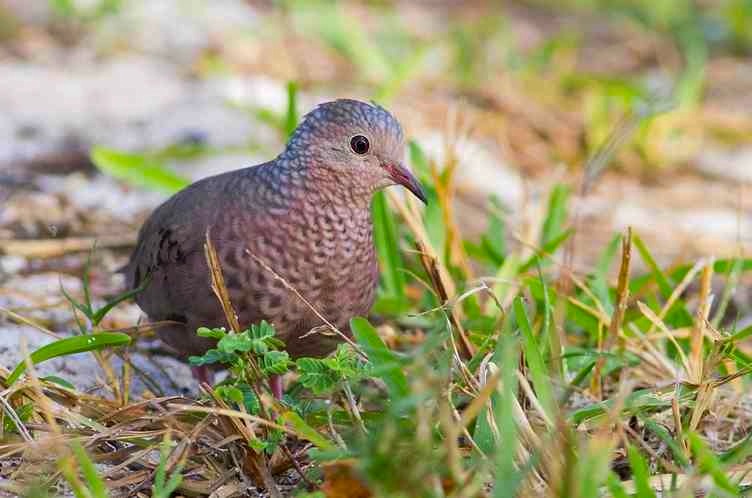
COMMON GROUND DOVE (‘TOBACCO DOVE’) ON ABACO
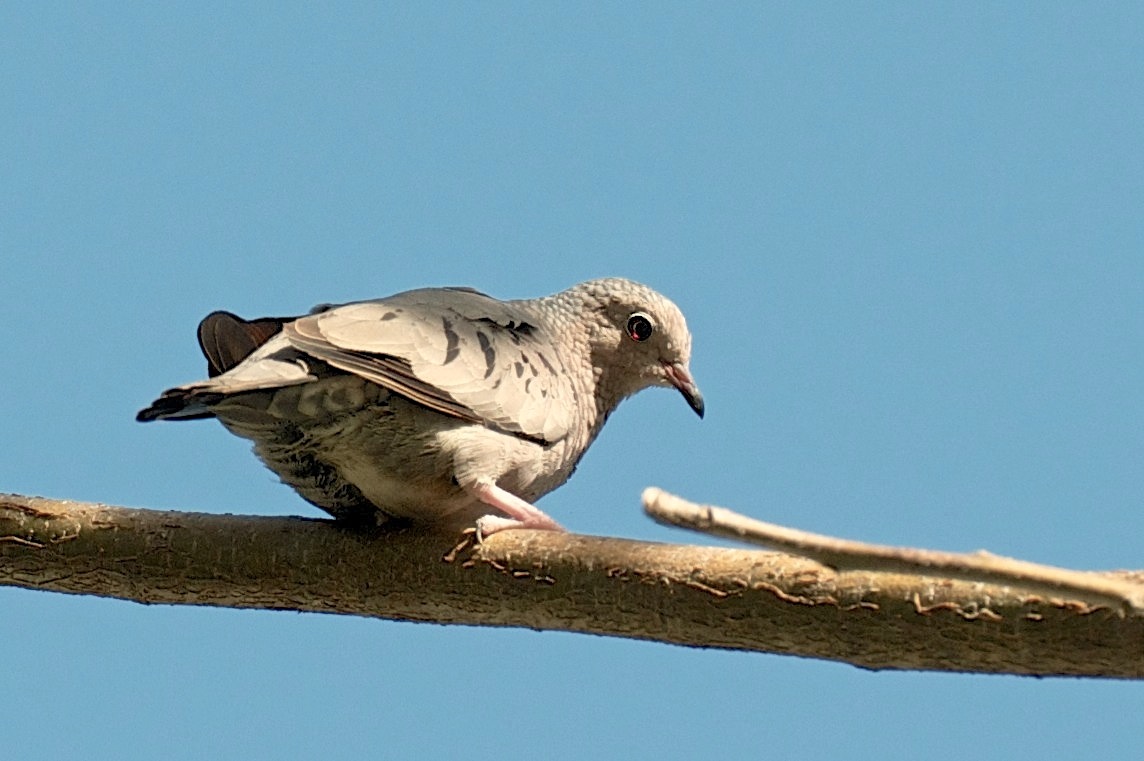
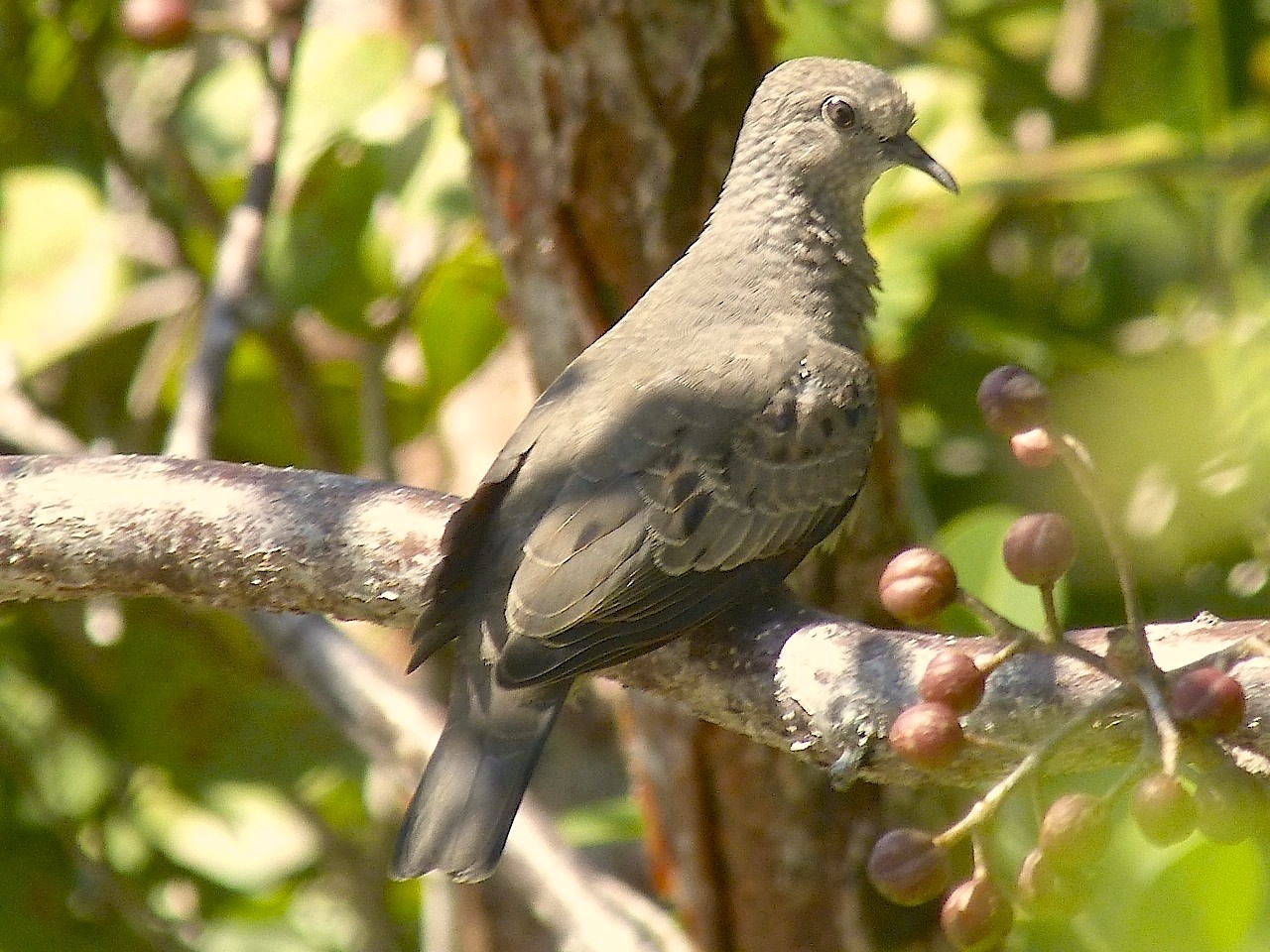
These small birds Columbina passerina are also known as tobacco doves. Although they sometimes perch in the branches of trees, you are more likely to encounter them on the ground, where they forage for seeds, fruit, and insects. 
They will often fly in front of a person or vehicle in short fluttering stages, keeping out of reach but never going too far ahead.When they fly, their undersides flash reddish-brown (sometimes described as chestnut) – hence (I presume) the tobacco dove name.
The common ground dove is one of the world’s smallest doves – roughly 6 inches long. Its beak has a black tip, and its feathers have a pinkish tinge. The feathers on the head and the breast look rather like scales. Females are similar to males but tend to be greyer.
Common ground doves mate with their partner for life, and a pair may have 2 or even 3 broods a year. Both parents feed the young birds until they are ready to feed themselves. Rather amazingly, hatchlings can fledge in 11 days.
Here’s the sound to listen out for, a (frankly) rather monotonous and subdued little ‘whoop’.
Andrew Spenser / Xeno Canto
My own attempts to photograph a CGD satisfactorily have been rather feeble. I have taken plenty of photos of them on the ground, but nothing memorable, let alone useable. However the one below surprised me by flying onto a branch quite near me, and I had time to squeeze the trigger before it flew off again. Far from perfect compared with others on this page, but I’m not going to let that little detail prevent me from showing it… 
Photo Credits: Tom Reed (1), Tom Sheley (2, 3), Nina Henry (4, 5, 6), RH (7); Audio – Andrew Spenser / Xeno Canto
WHITE IBISES ON ABACO: UNCOMMONLY EXCITING SIGHTING
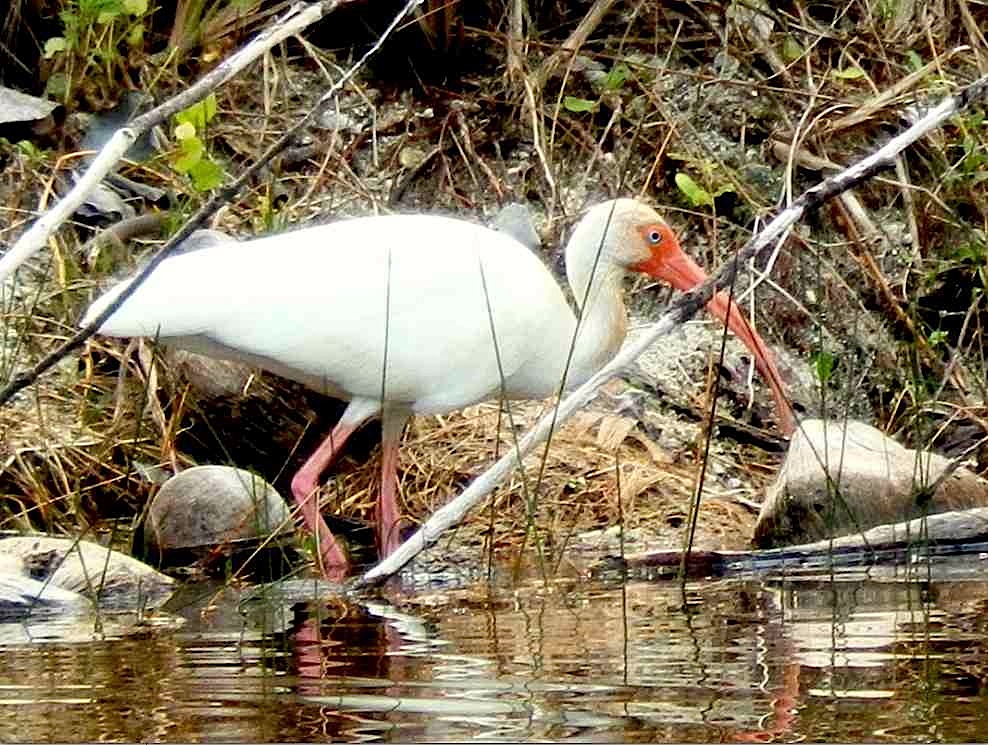
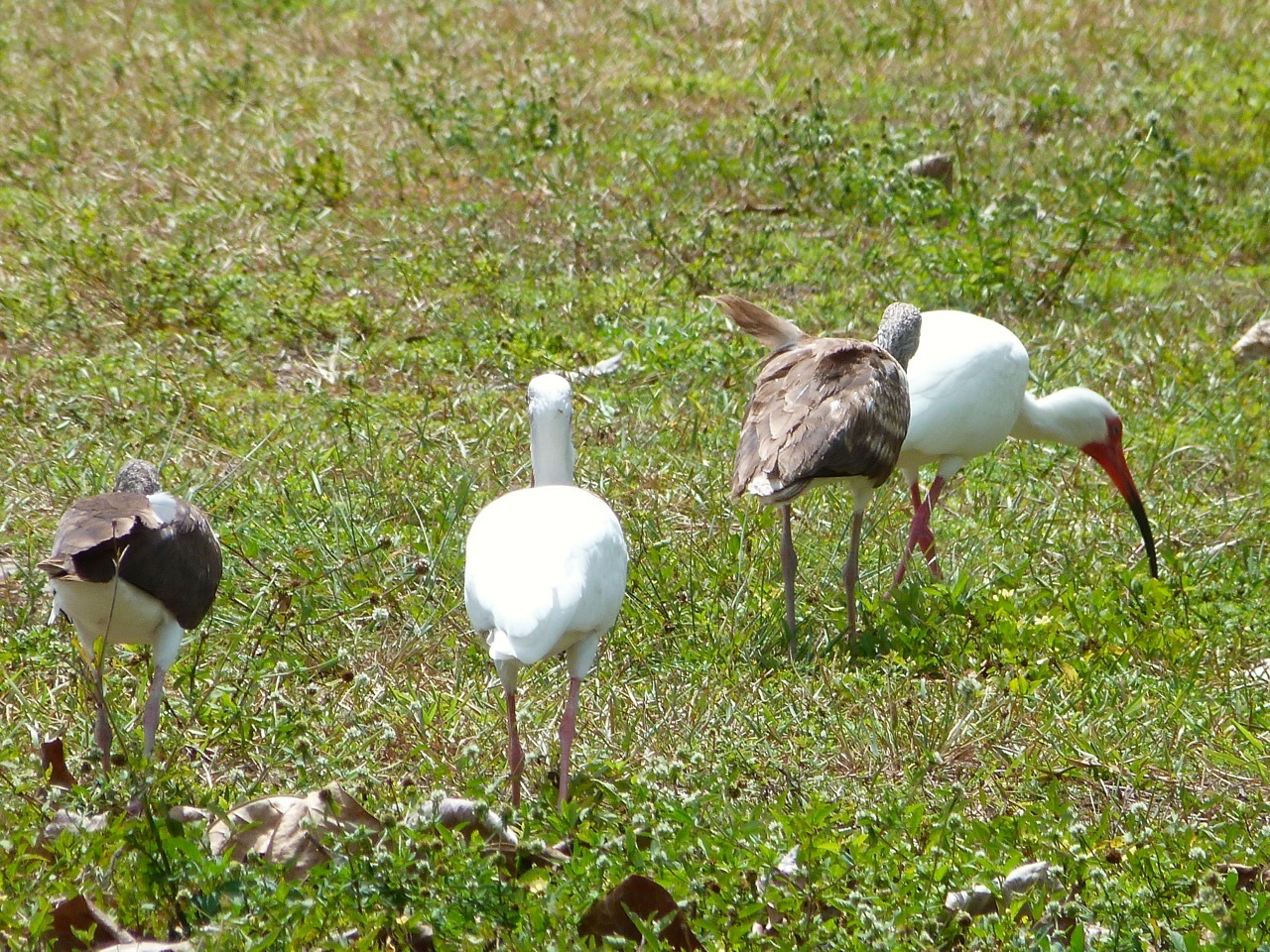
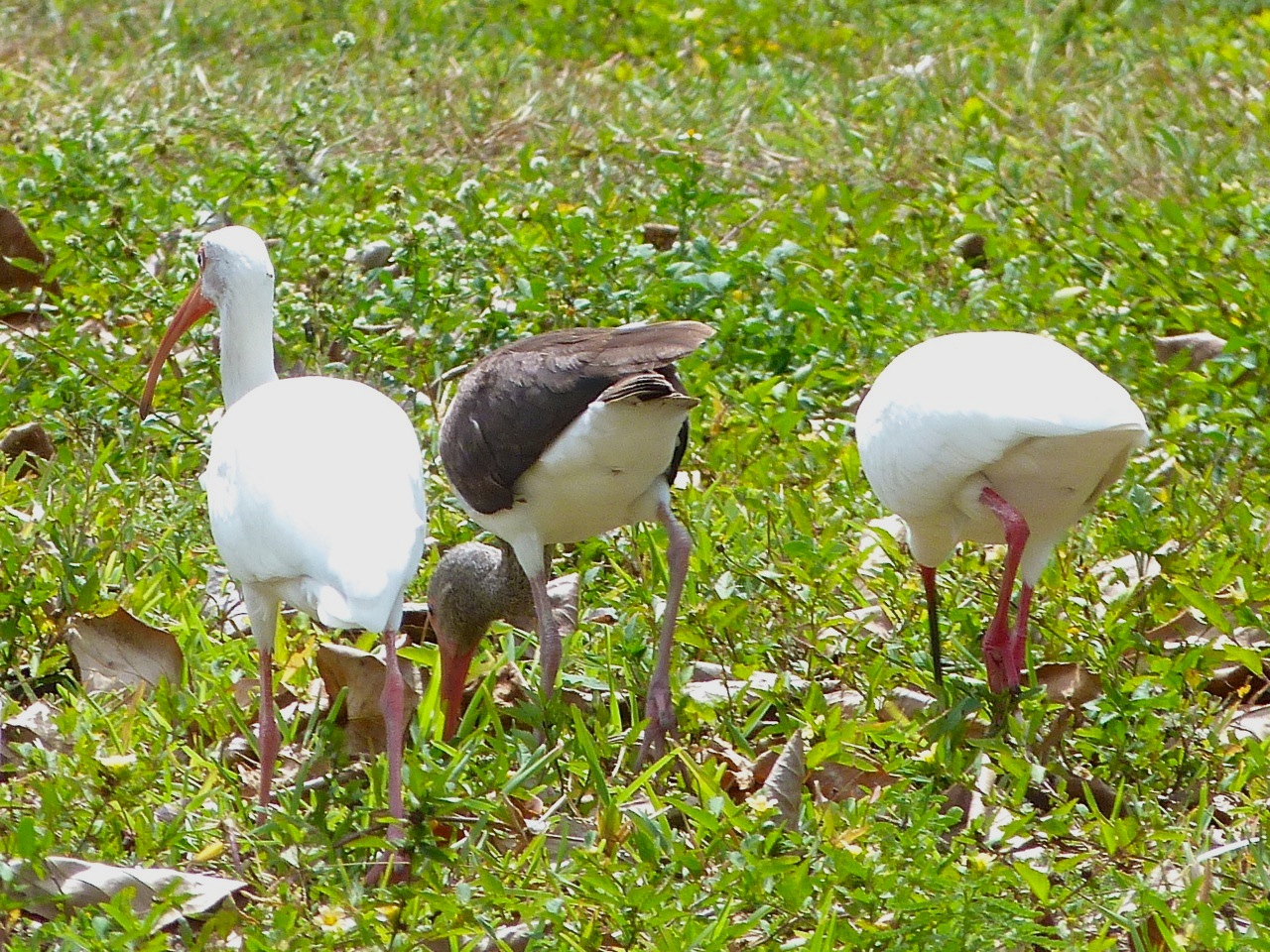
“STOP THE CAR!” The shout was embarrassingly loud, amplified by being yelled inside a vehicle. Loud, because it seemed to emanate from very close indeed to my ear. Embarrassing, because it appeared to come out of my own mouth. Good grief! It was me. And I’d seen White Ibises. There they were, 2 adults and 2 juveniles, strolling and feeding their way across an open grassy area right in the middle of Sandy Point, as casual as you please.
So I leapt out of the car (it had conveniently and fortunately stopped by this stage), remembered to remove the lens cap for once, and took some photos. Unfortunately we had driven slightly past them which inevitably increased the risk of bird-butt shots (as the birds were moving away from me) to add to my already impressive ‘aves-ass’ collection
The reason for the excitement was that the White Ibis is classed on Abaco as a ‘WR4‘, that is to say a Winter Resident that is both uncommon to rare and irregularly reported. Some years, maybe none will be seen at all. When I was collecting the images – hundreds and hundreds of them – for THE BIRDS OF ABACO, I rejected any that had not actually been taken on Abaco. That was part of the point of the enterprise, to showcase Abaco’s birds, not “birds from other islands that you may also encounter on Abaco”. So although we had some wonderful White Ibis pics from Nassau, they were ineligible for the book…
We ended with just the one, taken by Kasia Reid at the Treasure Cay Golf course ponds. In the course of the 16 months it took to produce the book, we never obtained another Abaco White Ibis photo, which meant that Kasia’s image did not qualify for a spread and sadly had to be relegated to the supplement… (bird 159 on page 262!). Here it is.
Meanwhile, returning swiftly to Sandy Point, the 4 Ibises (Ibi?) were working their way slowly and systematically over the greenery, picking through it for morsels of food.
Then they were gone, and I got back into the car feeling that I had seen something special. I may have been the only occupant who felt that way, but such is life. For all I know, the birds may have been there for weeks. Or forever. But I have never seen them there before, nor seen reports of them. The sighting further confirms the excellence of Sandy Point as a birding location on land, shoreline and out to sea.
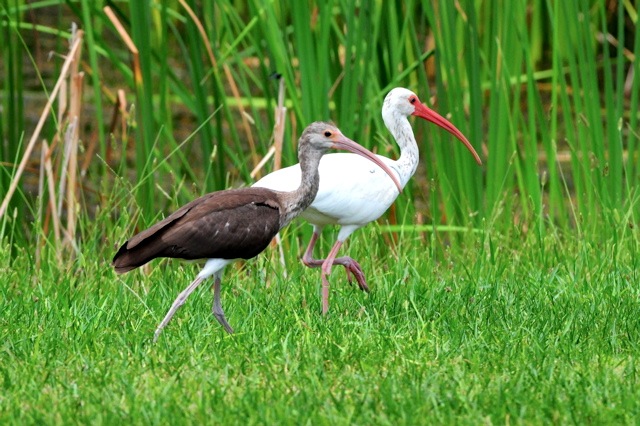
And then it was off to the legendary Nancy’s for lunch (fresh snapper, Kalik). Here are some of the Ibi (that sounds a much better plural) that had to be ruled out of the book for being non-Abaconian.
THE SALON DES REFUSÉS OF THE NASSAU EUDOCIMUS ALBUS
Credits: RH, Kasia Reid, Tony Hepburn, Woody Bracey
“THE ABACO BACKCOUNTRY – AN APPRECIATION” by JIM TODD

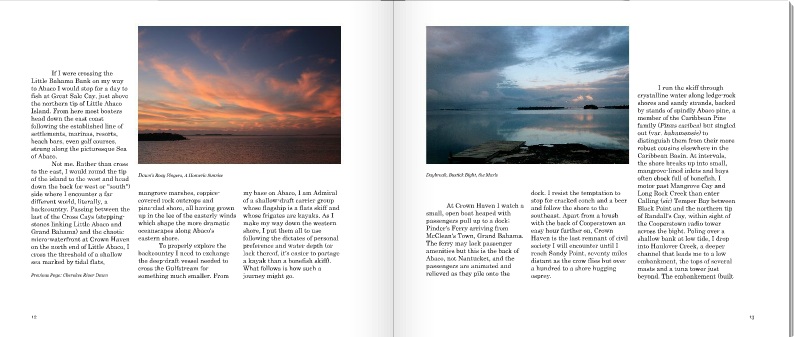
Jim Todd has produced an attractive self-published book, available in 3 formats, showcasing some of the outstanding features of the less-frequented areas of Abaco and its waters. It contains many excellent photographs, with interesting notes and observations. There are places and facts in the book that may not be known even to locals! Below are some sample pages.
Anyone who loves Abaco, its natural surroundings, its ecology and its wildlife will love this book. If this post has whetted your appetite, here are some further details:
Available exclusively on BLURB (this is the direct link)
“The Abaco Backcountry draws on the author’s extensive exploration of the area to describe a hypothetical traverse of its length in words and pictures. It is not a guidebook but an appreciation of a unique Bahamian marine ecosystem”
56 pp, available softcover ($35), Hardcover, Dustjacket ($38.99) and Hardcover, Image Wrap ($40.99)
STOP PRESS In answer to a UK query, the Blurb price is shown in $$$. When you go to the checkout, the shipping is added e.g. $10.99 to ship the PB version to the UK. You can pay by CC or Paypal. The conversion to sterling (or presumably euros) happens… by magic
- PREVIEW (15 pages)
Jim is a photographic contributor to The Delphi Club Guide to the Birds of Abaco by Keith Salvesen, available directly from Delphi (see below) or in the UK / Europe from the author (email rollingharbour.delphi [@] gmail.com). Nearly 75% of the edition has sold in just 12 months, and stocks are dwindling…
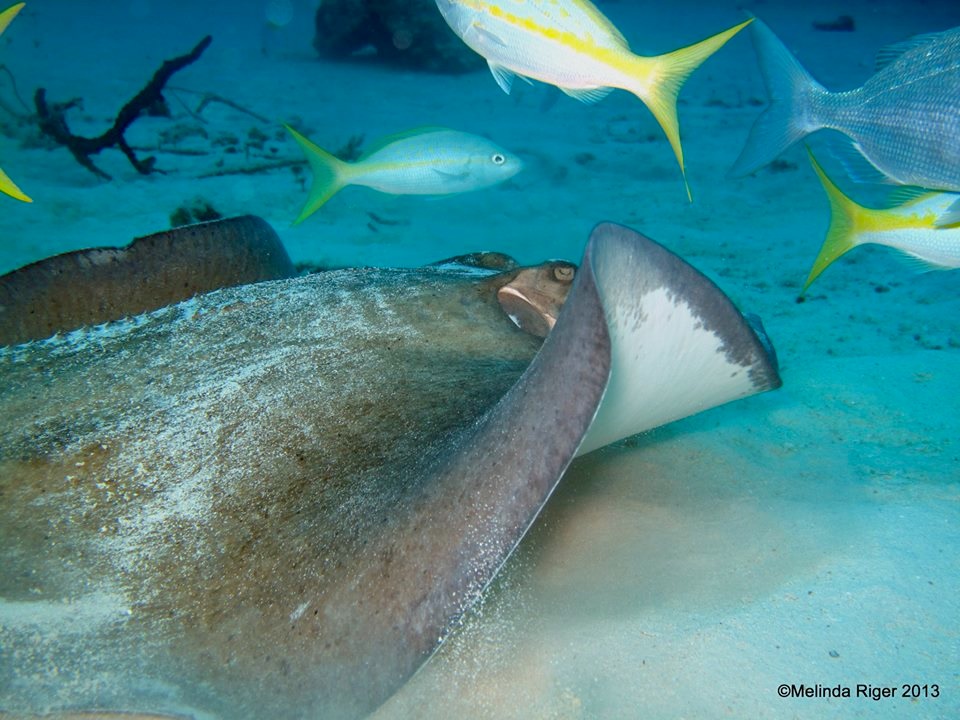
GRACE WITH ATTITUDE: SOUTHERN STINGRAYS IN THE BAHAMAS
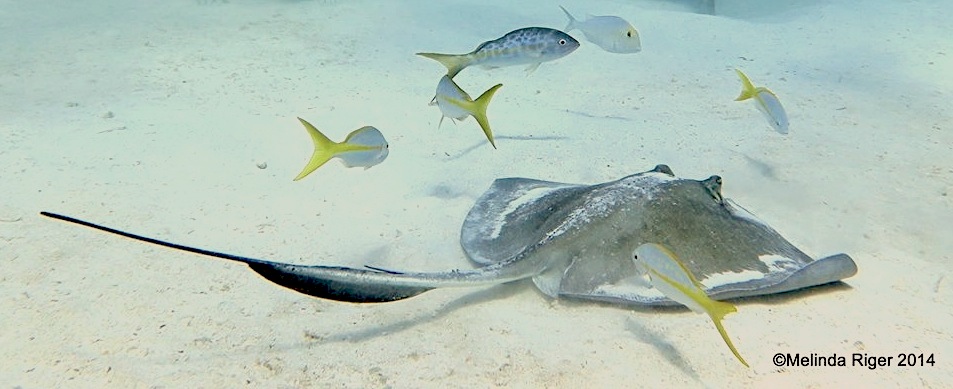
Southern Stingrays are often seen in Abaco waters. In the bay of Rolling Harbour at Delphi, we sometimes watch them admiringly from the balcony or beach as they lazily cruise along the shoreline in the turquoise water. If someone is in the water, they will make a leisurely detour round them – unfrightened in their own element, but unthreatening and disinclined to investigate human intrusion. Diving with them is a wonderful experience (though I have never got very close). Melinda Riger – a scuba expert with great camera skills – takes the most beautiful photos of the stingrays she encounters. Here are a few that I haven’t yet featured. Notice the little striped CLEANING GOBIES going about their business.
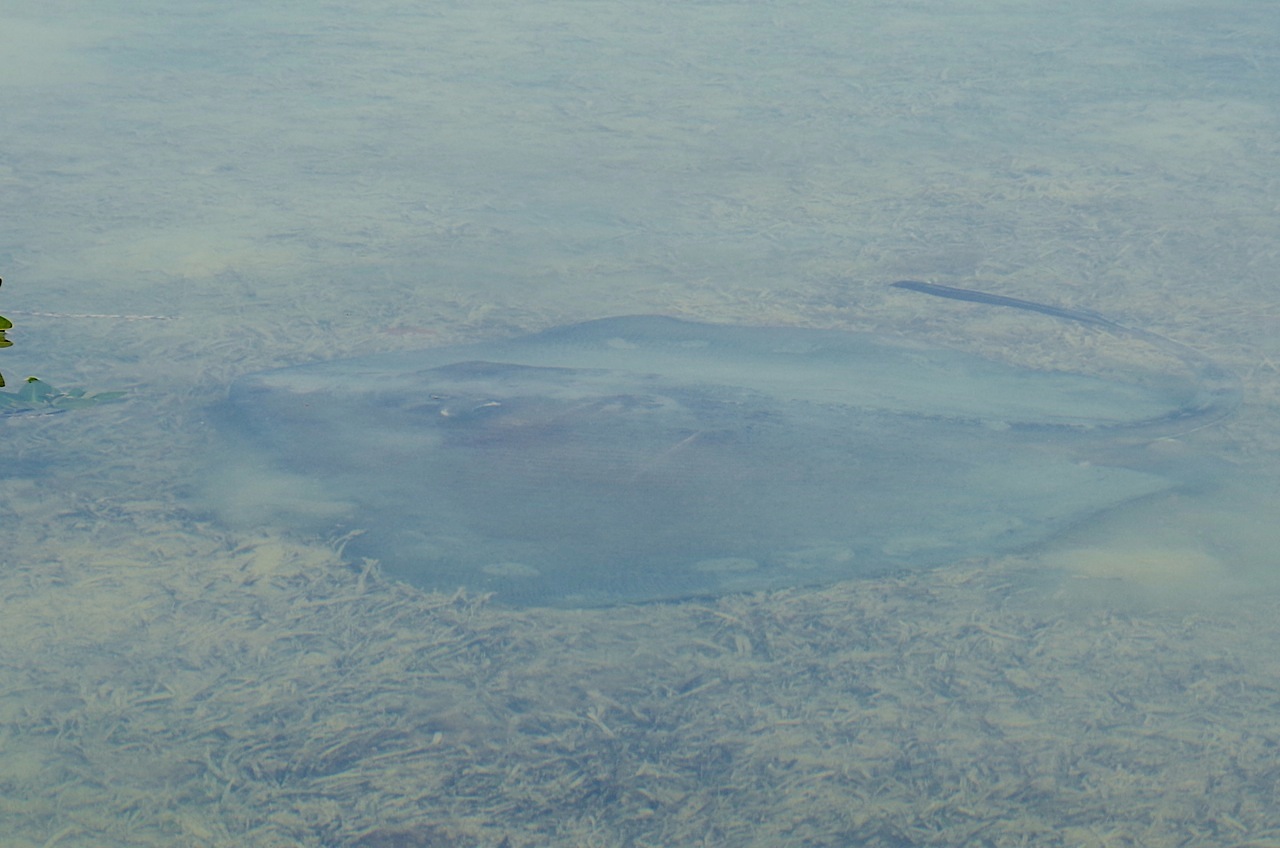
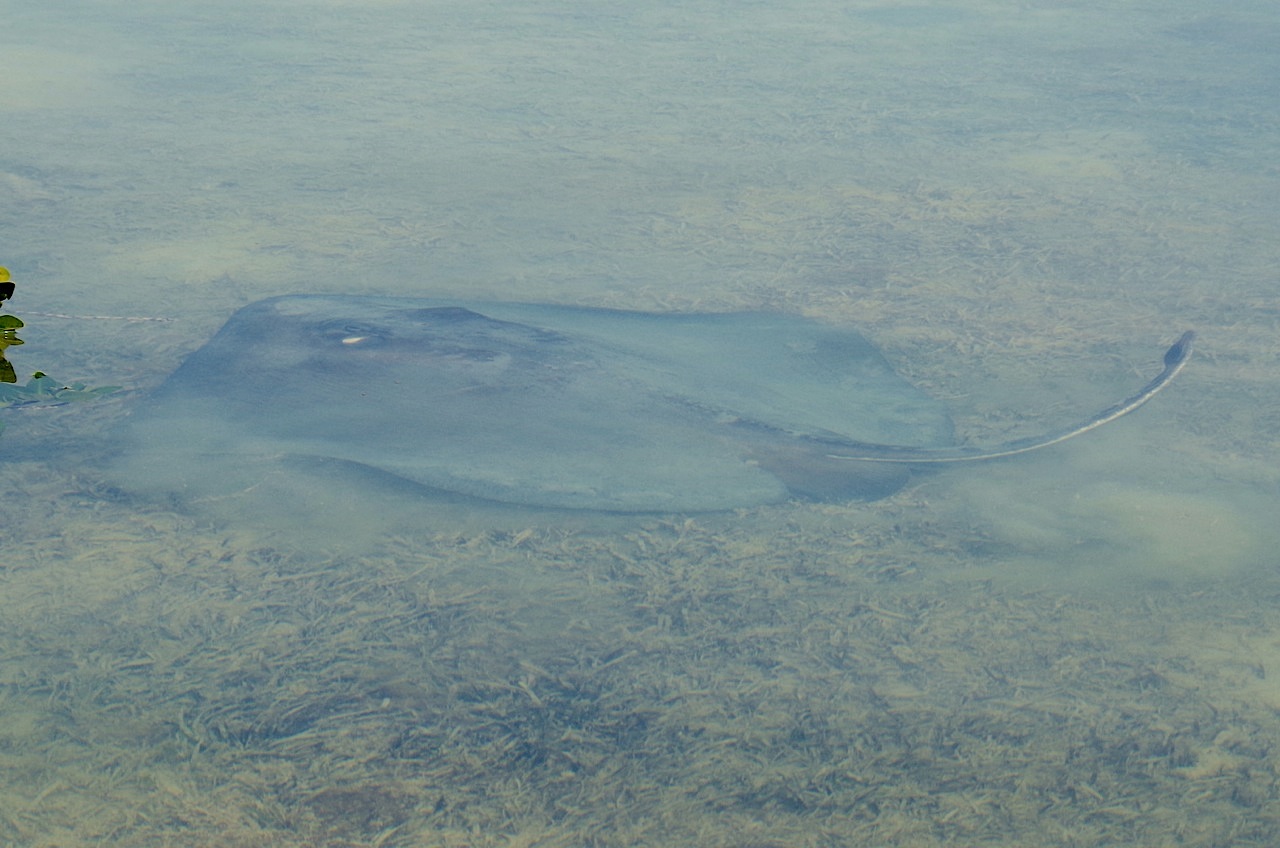
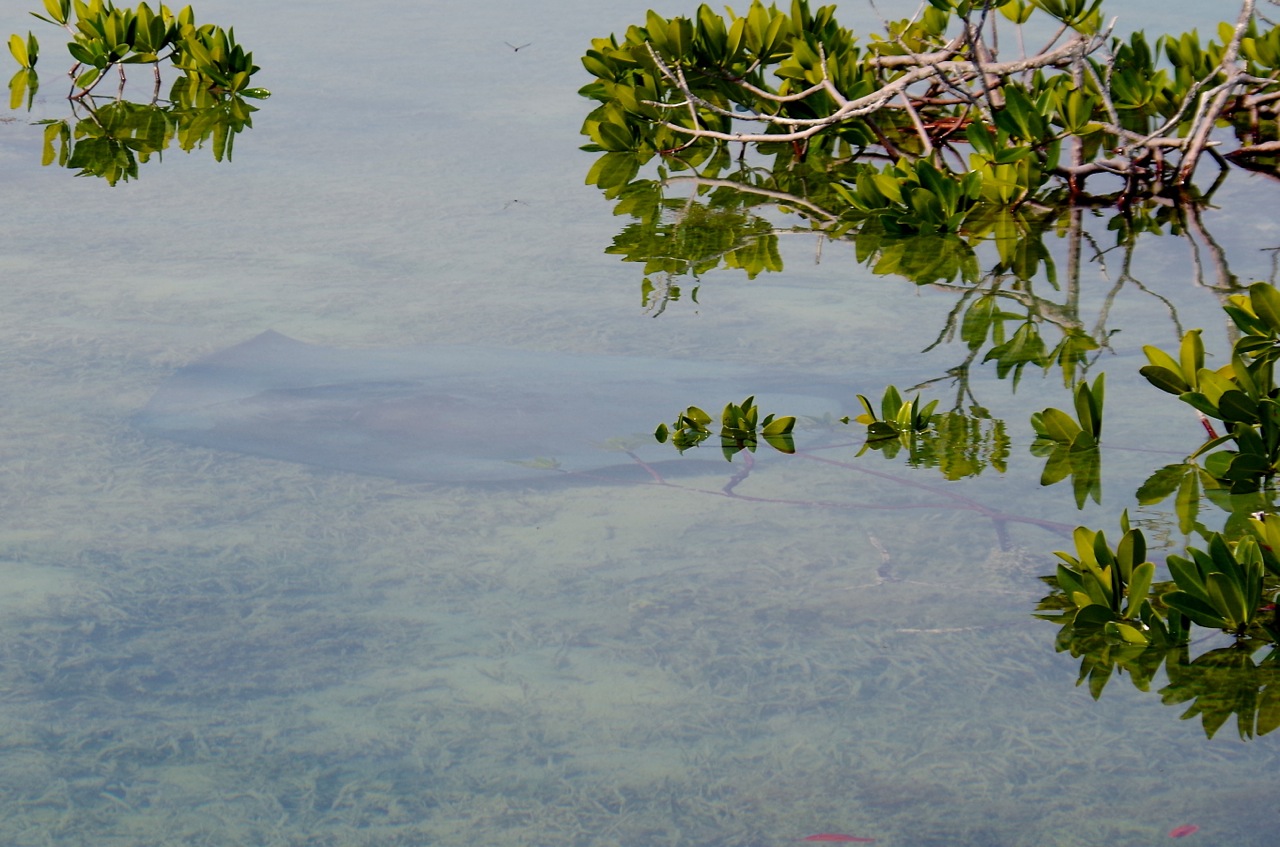
Southern Stingrays are often encountered when one is bonefishing in the low waters of the Marls. I took the photos below while we were fishing in a channel between areas of mangrove. As the skiff was poled very slowly forward, I saw the stingray coming straight towards us. I wondered how it would react. Very elegantly, was the answer. It turned effortlessly and unperturbed to one side, then resumed its original course leaving a clump of mangrove between it and the skiff.
RELATED POSTS
Credits: Melinda Riger, Grand Bahama Scuba; RH
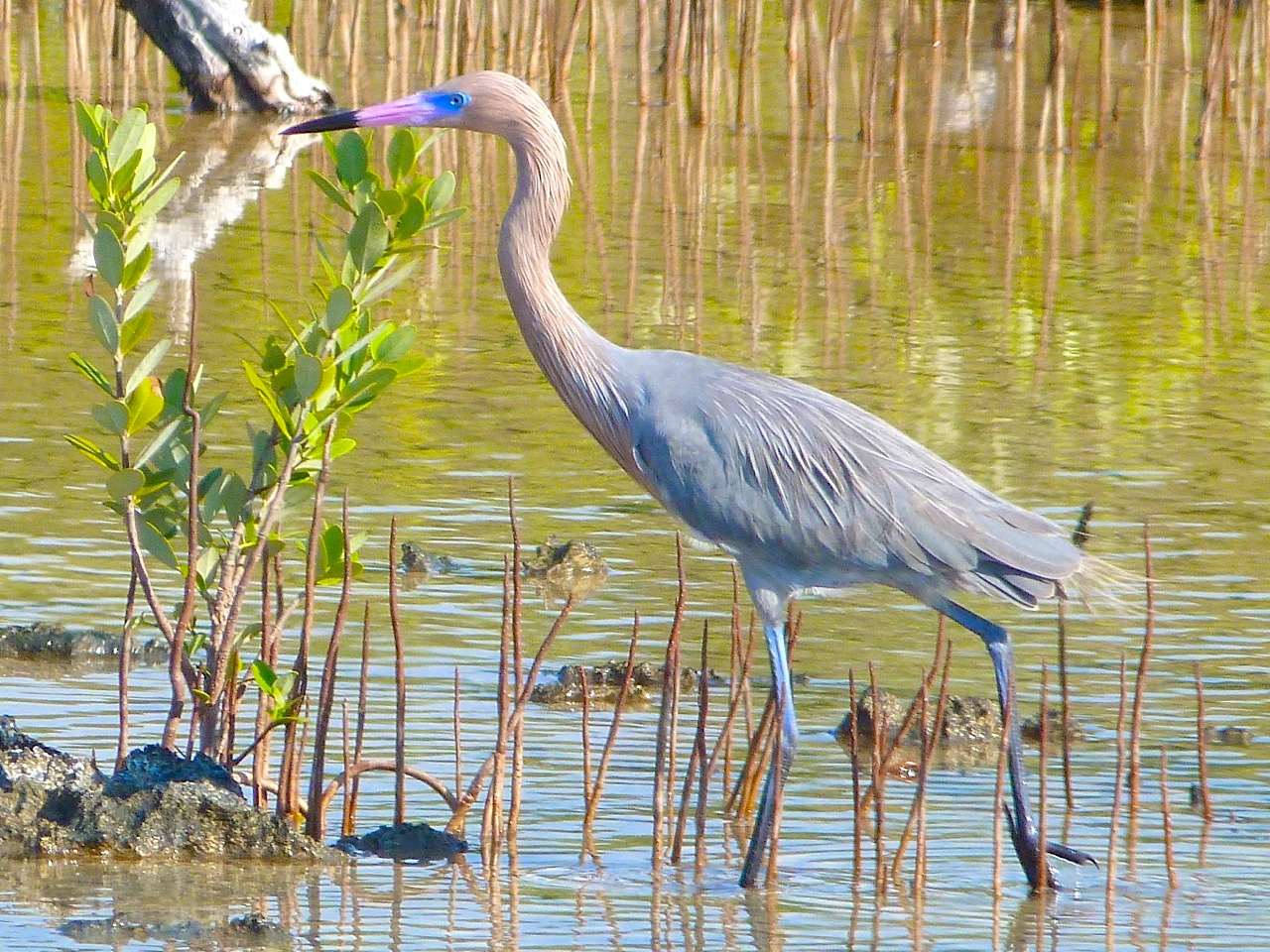
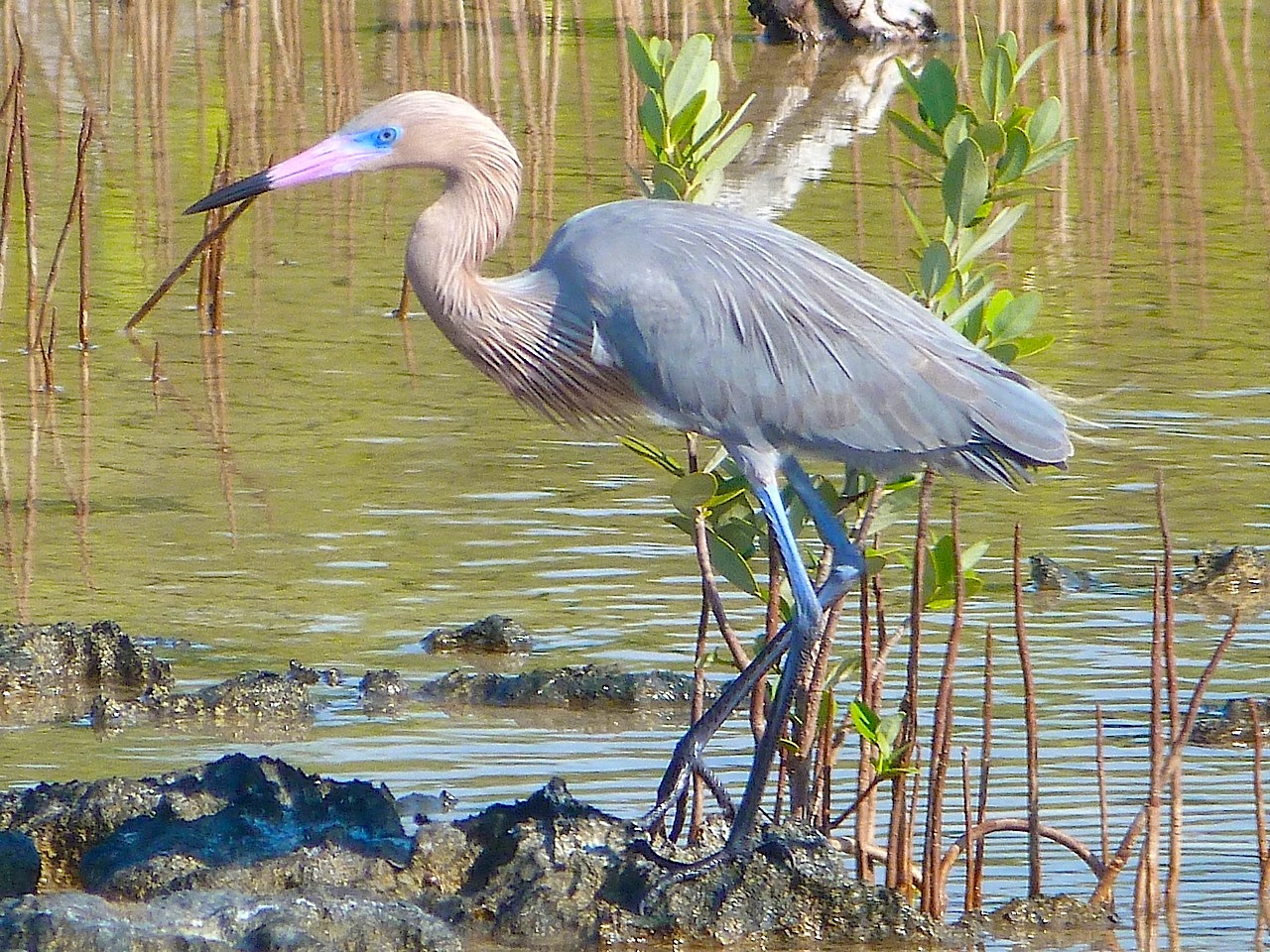
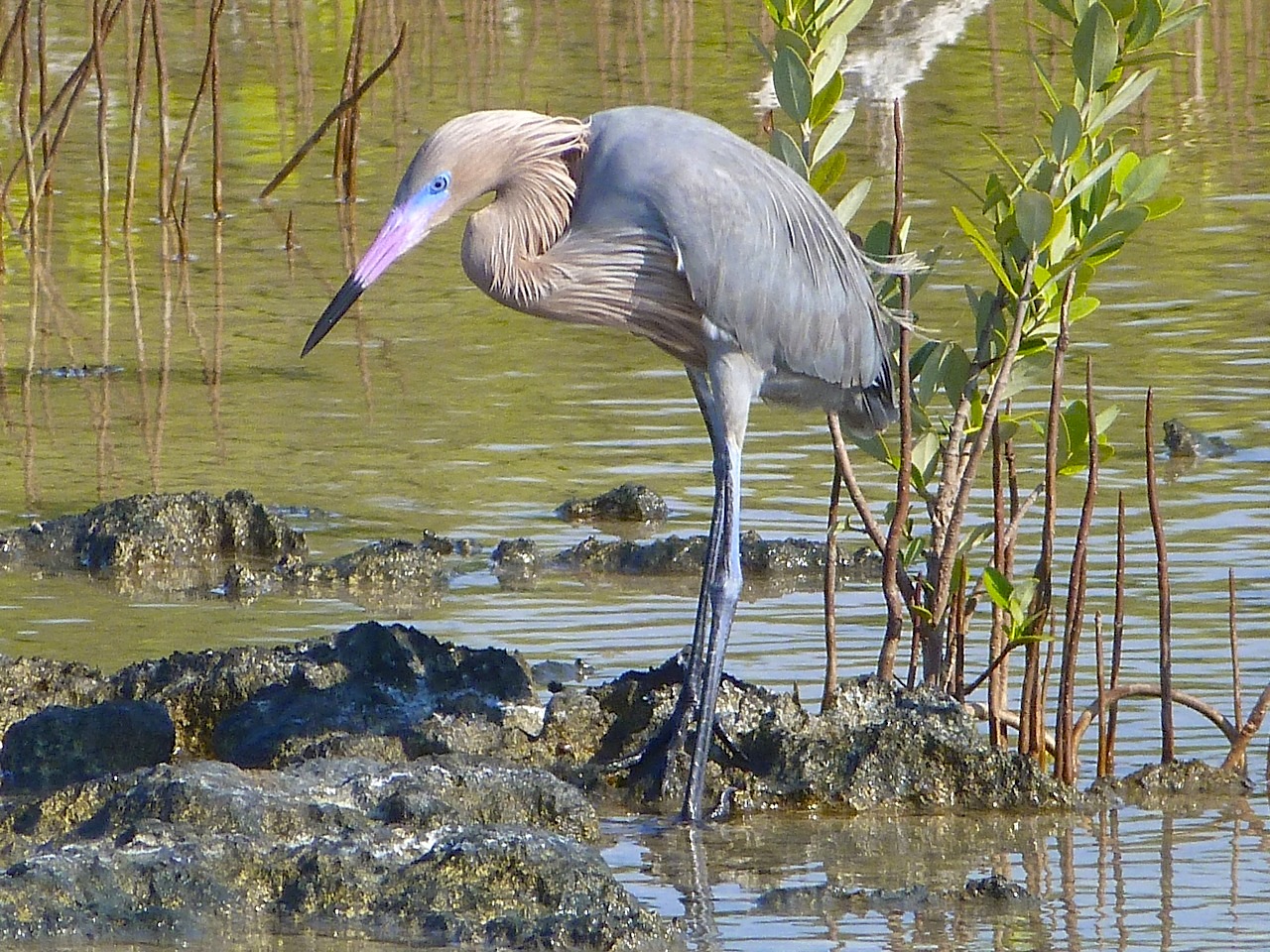
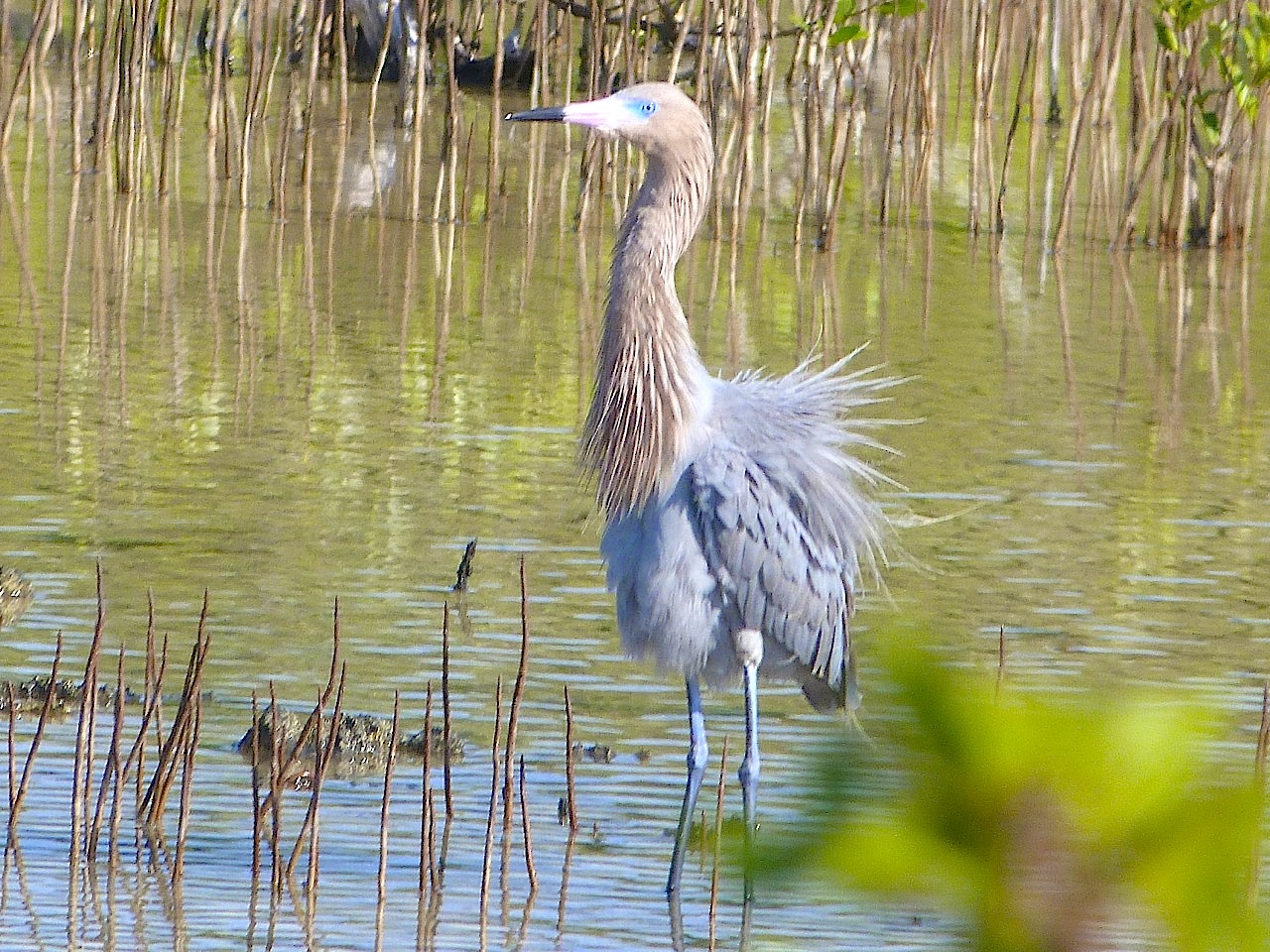
REDDISH EGRET ON ABACO, LOVES FISHING, STILL SEEKS ‘THE ONE’
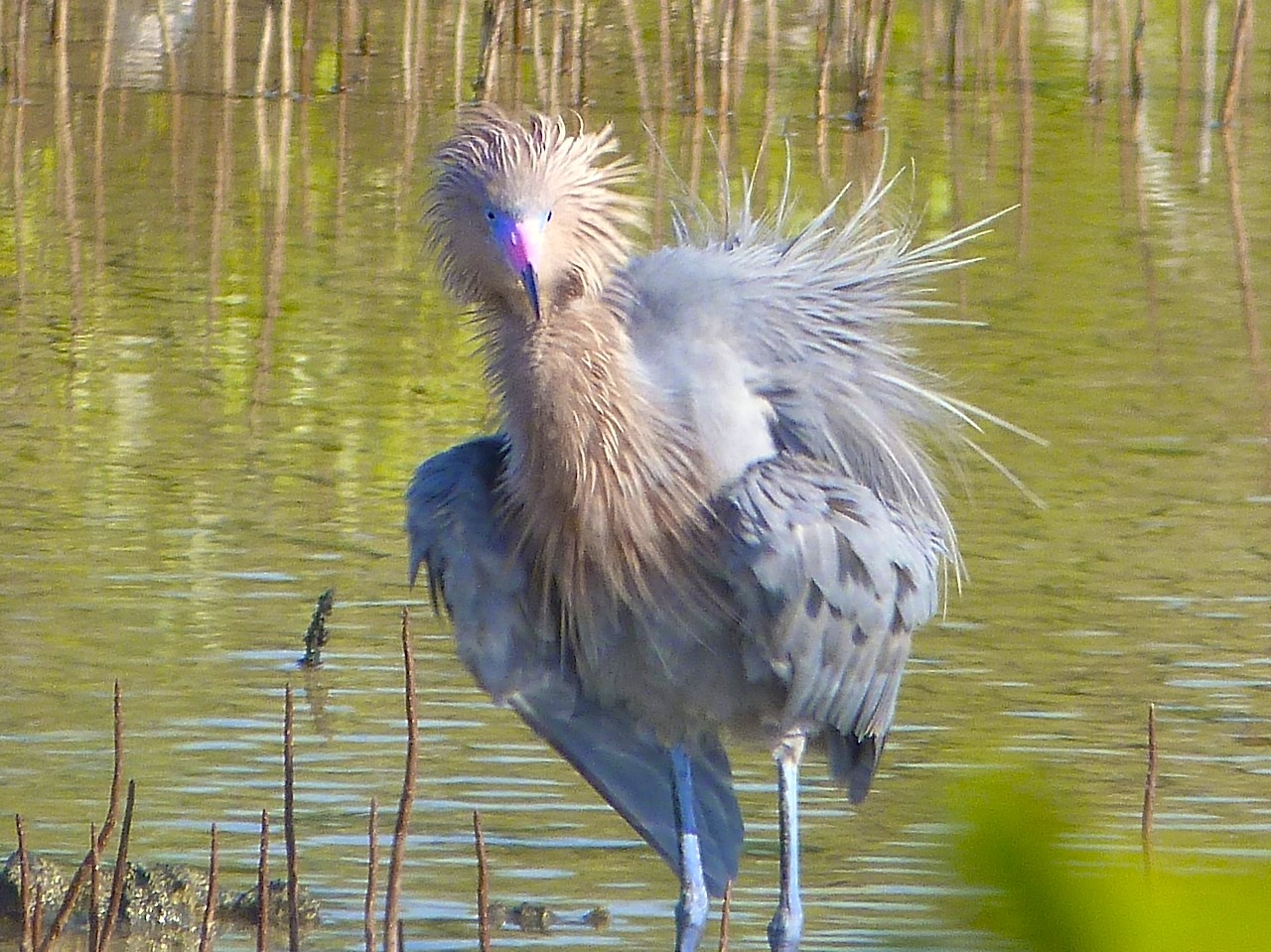
A couple of weeks ago I wrote about a wonderful male reddish egret in his splendid breeding colours. He was hanging out in the brackish ponds opposite the Crossing Rocks jetty, ‘spear fishing’ from a standing position and ‘chase-fishing’ frantically through the water. You can see that post HERE. Unsurprisingly, we decided to take another look down there – easily done, since we had spent the morning out bonefishing on the west side. We’d earlier seen a tri-colored heron in the ponds, and a reddish egret WHITE MORPH, so it was worth having a (different) camera to hand…
We were in luck. The RE was still there, looking every bit as handsome as before (though not the entire time – see below) So here are some more shots of this gorgeous bird.
Mostly, the RE was sleek and elegant. There were times however when the wind ruffled him up a bit, and he lost some of his composure… not the ideal look should a female RE arrive looking for her perfect partner at that very moment. A bit ‘morning after’ rather than ‘evening before’…
…and does this (unfairly undignified) view reveal a touch of early baldness’?
This turned out to be our last opportunity to see the RE. Let’s hope he has paired off happily, and that his offspring will be at the ponds next year.
I posted this photo on FB, because the bird strongly reminded me of someone. A very small amount of digging produced the human likeness and inspired a bit of creativity – see below (with apologies to both parties).
RODDISH EGRET MEETS RED STEWART…


RELATED POSTS
REDDISH EGRETS (WHITE MORPH)
WOOD DUCK: THE LEAST REALISTIC DUCK EVER
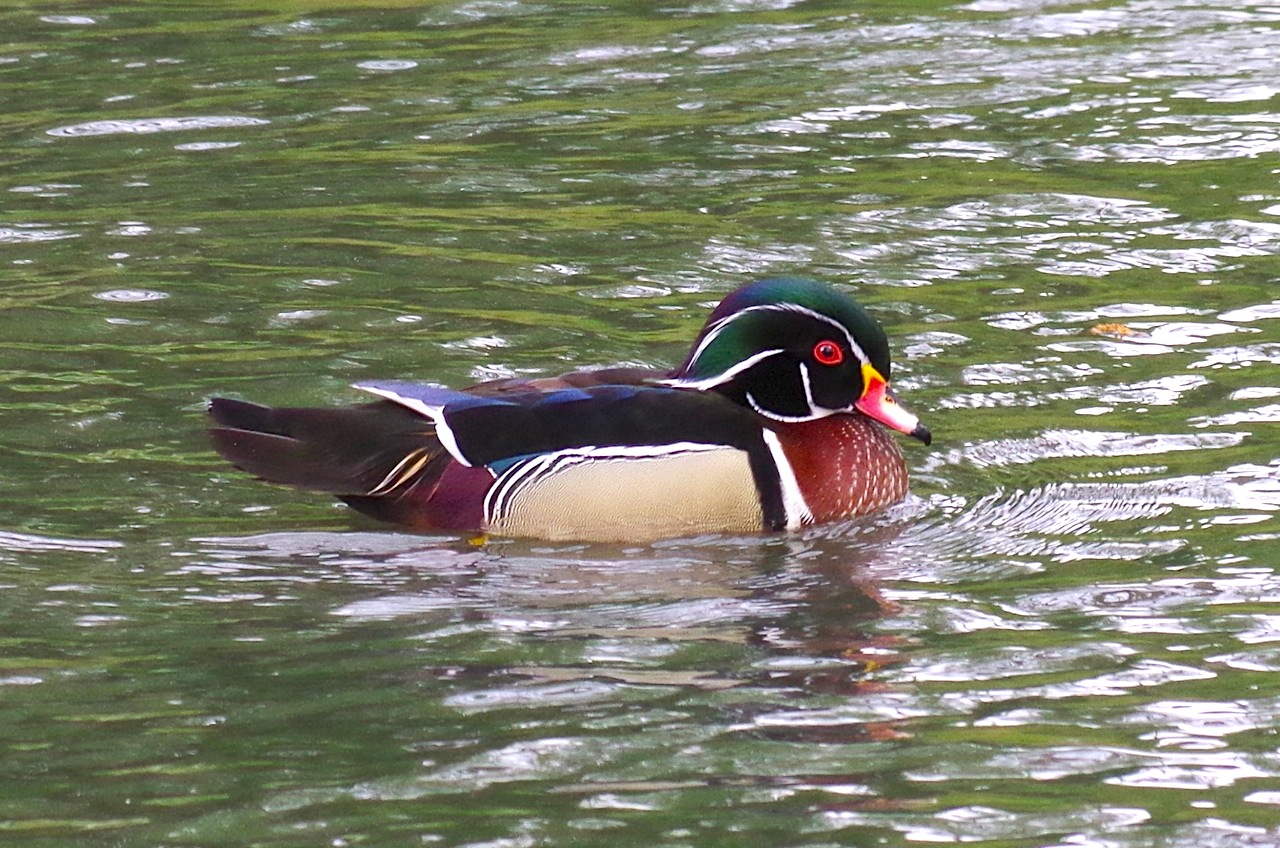
I’ve been out shooting duck, camera-wise. Ducks are a bit of a mystery to me, and to be honest I often find it hard to tell one ruddy duck from another. I’ve found a memorable one now, though – the Wood Duck Aix sponsa. With all due respect to the Family Anatidae, these birds are just wooden toys brightly painted. I’ve watched them, and I’m still not convinced they don’t have tiny motors in them that propel them slowly in the water and make the wings twitch from time to time.
Wood Ducks may be found on Abaco, which I why I mention them. I’m showing some here in case you should be lucky enough to meet one – then you’ll recognise it at once. They are infrequent winter residents on Abaco – not exactly rare, but not commonly seen and therefore irregularly reported.
If you do happen upon one of these birds you’ll be fortunate, for they are undoubtedly very beautiful. It might be worth clapping your hands to test my theory that they won’t react at all. Their little motors will just keep them chugging through the water…
All photos: RH. Idiotic duck-based theory: RH
AUDUBON’S ‘PRIORITY BIRDS’ ON ABACO: 21 SPECIES TO TREASURE
AUDUBON’S ‘PRIORITY BIRDS’
“Audubon’s priority bird species are birds of significant conservation need, for which our actions, over time, can lead to measurable improvements in status. Eighteen are Red WatchList species, 23 are Yellow WatchList species, and eight are Vulnerable Common Birds. The breadth of this list reflects the dramatic loss of habitat and the pervasive threats that confront birds and wildlife.” Audubon Birds
PRIORITY BIRDS ON ABACO
Of the total of 49 species listed by Audubon, an astonishing 31 are recorded for Abaco. Such a statistic underlines the importance of the island and its cays as a major birding location with habitat suitable for these ‘Priority Birds’ . Some of them birds may be rare ‘vagrants’, or occasional ‘transient’ visitors but all are considered threatened or vulnerable. I have marked in red the ones that may easily or with reasonable diligence and luck be found on Abaco. These are either Permanent Resident (PR) species; or Migratory species resident in Winter (WR) or Summer (SR); or TRansients that are seen annually or at least are regularly reported. For all practical bird-spotting purposes, the remainder can be set aside, and with no disrespect to them I have reduced their image & entry sizes… That leaves 21 species selected by Audubon for special protection that may be quite readily found on Abaco – and that will be adversely affected by significant habitat change. Birds to treasure, in fact.
PR
IT’S A WARBLER. WITH A YELLOW THROAT. ON ABACO. SIMPLE?
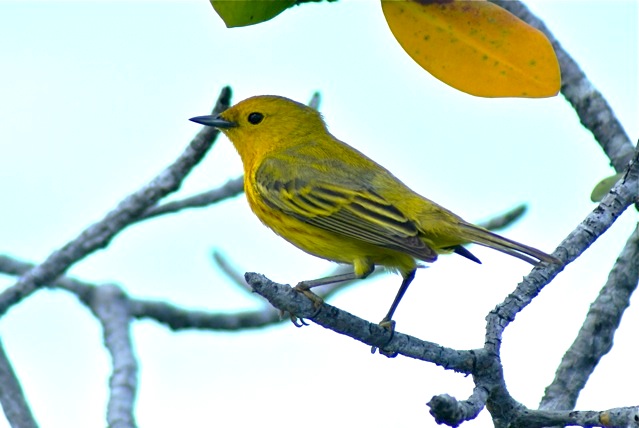
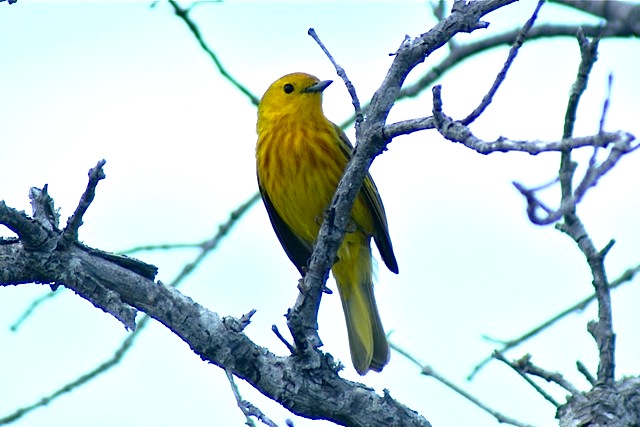
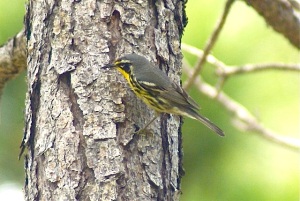
The Yellow-throated Warbler (Setophaga dominica) is a most helpful warbler, in that what you see is what you get. You needn’t go to embarrassing lengths to determine whether it has a Yellow Rump. It doesn’t make extravagant geographical claims like the Cape May, Kentucky, Tennessee, Nashville or Connecticut warblers. It doesn’t disguise its warblerdom with a confusing name like ‘American Redstart’ or ‘Ovenbird’. Nor with a weird warbler name that is completely obscure like the Prothonotary. It’s a winter resident only, so it won’t try to puzzle you in the summer. The males and females are roughly similar in appearance, unlike so many species. All-in-all, a most agreeable and obliging little bird. Here are a few to enjoy, before I spoil the magic slightly…
YTWs are quite pose-y birds, and tend to strike attitudes. One is the ‘head-in-the-air’, as below and further above. There’s the ‘butt-in-the-air’ too, immediately above (one of my favourite photos)


This shape is both characteristic and characterful. You might call it the ‘sag-in-the-middle’
This year I saw my first YTW in the Delphi Gardens, skulking around in a Gumbo Limbo tree. Having taken a number of rather poor shots – partly due to the intervention of branches, twigs, leaves, berries, shaky hands and so forth – I got some clearer shots at it, the two above and below being the best of an indifferent bunch.

“ONE IS CALLED LUCY…”: SWIMMING WITH BAHAMAS SHARKS
“ONE IS CALLED LUCY…”: SWIMMING WITH SHARKS
From time to time I wonder about the naming of animals. I know about the problems that can arise when people name their chickens Henny, Penny, Denny & Lenny, and the time comes to (please look away now). And how a slavering dog coming towards you (not on a lead) that the owner calls ‘Tyson’ or ‘Killer’ is possibly one to cross the street for. And that the owner of a cat called ‘The Reverend Wenceslas Muff’ (Sir Roy Strong, in fact) may not take kindly to you referring to it facetiously as ‘Puddy-tat’. But does it make things any better to know that the shark that is eyeballing you is called Lucy? I don’t know the names of the others, but I am sure they would all like to be introduced… 


REMORAS Some of the photos show a strange creature attached to the underside of the shark. For more info about these weird shark passengers, and some great images, click HERE
All the fabulous photographs above were taken by Melinda Riger and Virginia Cooper of Grand Bahama Scuba, on whom I rely entirely for subaqueous material, being a pathetic swimmer, a gnarly ancient, and a certified scaredy-cat (‘highly commended’). My thanks as always to them for use permission
‘TYRANTS OF ABACO’: FLYCATCHER ID (1) – LOGGERHEAD vs GRAY KINGBIRD
‘TYRANTS OF ABACO’: FLYCATCHER ID (1)
LOGGERHEAD vs GRAY KINGBIRD
Abaco has 275 (or so) recorded bird species. Omitting the transients, vagrants and (frankly) oddities – hello, feral peafowl of Casuarina – and concentrating on the residents and the summer / winter migrants brings the checklist down considerably. Maybe to around 200. But there is still an awful lot of scope for species confusion. This is frequently found with the warblers (37 species, mostly yellow), shorebirds and (my particular blind spot) gulls & terns with all their gender, age, season and breeding plumage variations. There is one common confusion that surrounds just 4 birds. I’ve decided to tackle the issue because these are the birds I am most frequently asked by people to identify. They send me their photos or a link, or post them on my FB page, and I am always delighted to help. Except… I get confused myself sometimes. So now I plan to demystify the Tyrant Flycatchers (Tyrannidae) of Abaco once and for all. Or for the time being, anyway.
ABACO’S TYRANT FLYCATCHER SPECIES
There are 14 tyrant species recorded for Abaco, as listed in the checklist clip above taken from “THE BIRDS OF ABACO” (a FORK-TAILED FLYCATCHER was seen recently for the first time on Abaco, and will in due course be added to the checklist). You’ll be relieved to learn that we can at once dispense of 10 of the above for present purposes. In practical terms – i.e. everyday life – the only flycatchers you need to be concerned with are the 4 underlined in red above: Cuban Pewee, Gray Kingbird, La Sagra’s Flycatcher and Loggerhead Kingbird. The underlined codes provide useful information for each bird .
- PR 3 of the 4 are permanent residents – not the gray kingbird, which is SR a summer resident
- B these 4 are the only flycatchers that breed on Abaco
- 1 all 4 are widespread, commonly and easily found. All other candidates are unusual to very rare
LOGGERHEAD Tyrannus caudifasciatus vs GRAY Tyrannus dominicensis
DIFFERENCES and SIMILARITIES
TOP TIP ANY KINGBIRD SEEN IN WINTER WILL BE A LOGGERHEAD
- A kingbird seen between (say) October and March is a Loggerhead. Grays are strictly summer visitors
- Both are medium size birds and roughly the same size as adults (around 23 cms)
- Loggerheads have dark brownish heads (some say black), grays have lighter, slate-coloured heads
- Loggerheads have a ‘squared’ tip to the tail; grays have a notched tip
- Loggerheads may have a whitish fringe at the tip of the tail; grays not so
- Loggerheads have yellowish tinges to their white undersides & forewings; grays less so or not at all
- Grays have a dark or black ‘mask’ through the eyes, often clear but not always easy to see
- Loggerheads allegedly have inconspicuous orange head crests; grays are red. I’ve never seen either!
- [*RH opinion alert*] Grays have larger, heavier beaks than loggerheads
- Grays are territorially aggressive; when they turn up, the loggerheads tend to retreat to the forest
Here is how David Sibley shows the differences
Illustrations: David Allen Sibley
Gray or Loggerhead? Note the light head, discernible mask & notched tail
Loggerhead or Gray? Note the darker head and no mask
GRAY KINGBIRDS: masked & notch-tailed

CLASSIC LOGGERHEAD: squarer tail, yellowish underside, dark head, hint of a crest
COMMON TO ALL FLYCATCHERS An Insect ‘Hook’ at the tip of this Loggerhead’s ‘top’ bill
MEMORABLE FACT TO DEPLOY IN CONVERSATION
The collective names for a group of kingbirds are: a Court, a Coronation, or a Tyranny
I hope this helps with ID, but it’s fair to say that even the birds shown here don’t conform strictly to the rules. A couple of gray kingbirds have distinctly yellowish undersides. And the real problem is this: you see a medium-size bird. It is hawking for insects. It is high summer. It’s a kingbird. It is 150 feet away, and against the sun. It’s just a darkish bird. You can’t see a notched tail or yellowish underside, still less a mask. But at least you can be confident that you can restrict the ID to just 2 birds… Just ask me which, and I’ll do my best…
NEXT UP LA SAGRA’S FLYCATCHER vs CUBAN PEWEE
Credits: Tom Reed (1), Tom Sheley (2, 4, 5), Gerlinde Taurer (3), Mrs RH (6, 7), Alex Hughes (8), Charles Sharp (9), Dick Daniels (10), Peter Mantle (11), RH (12); Illustrations David Sibley



















You must be logged in to post a comment.