Unknown's avatar

ONE ROYAL BABY DESERVES… AN ABACO ROYAL TERN


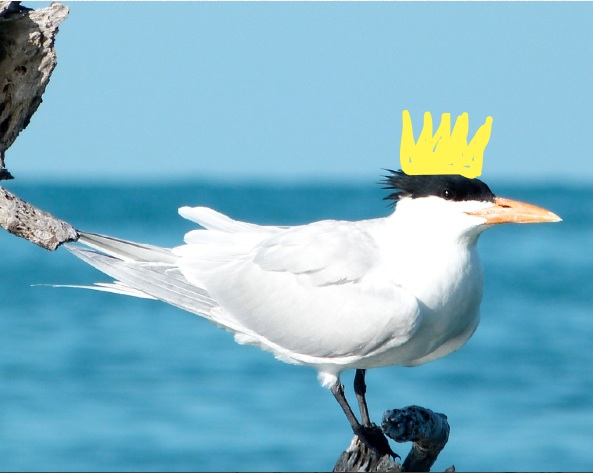
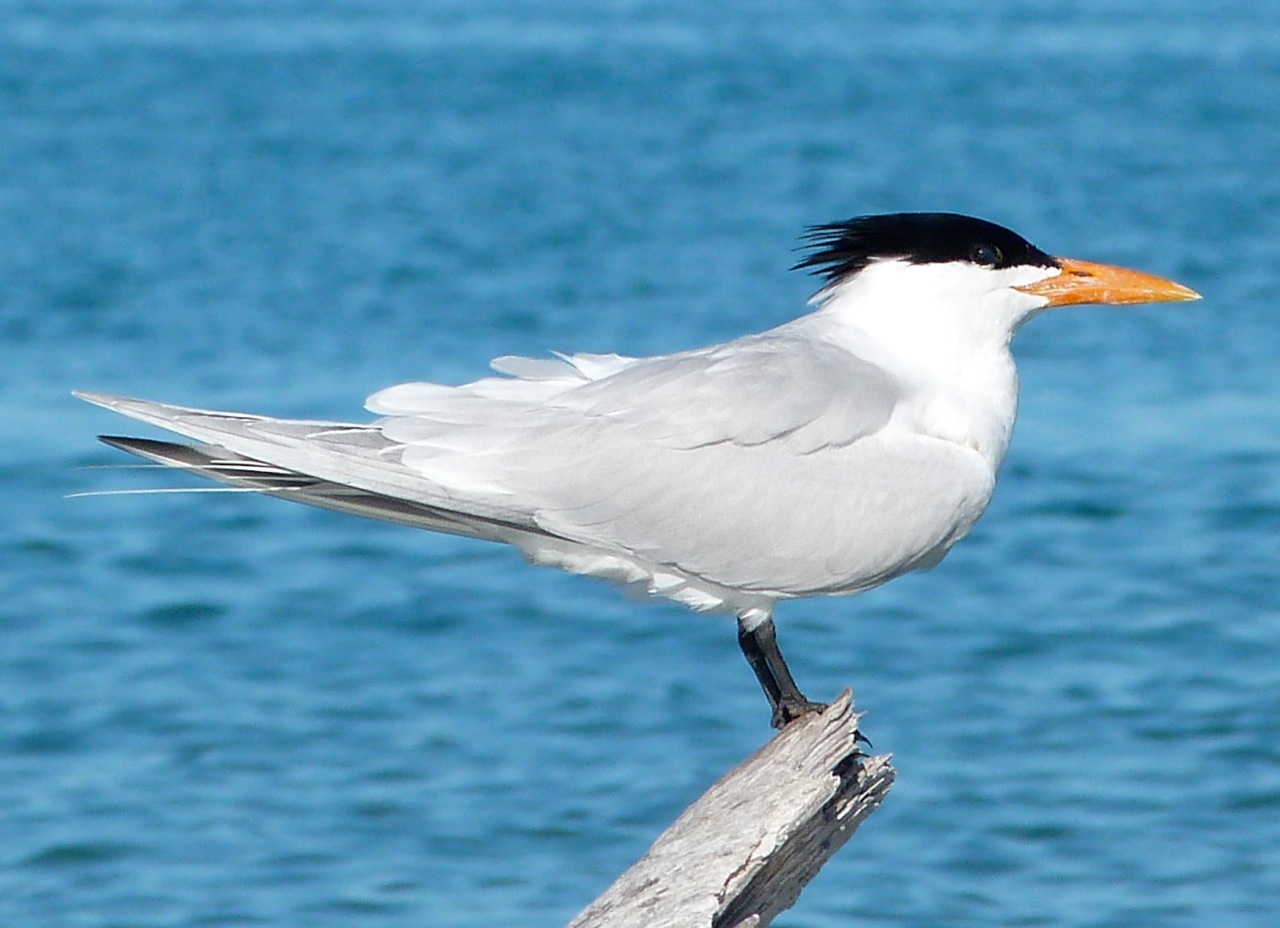
Royal Tern Crowned

ONE ROYAL BABY DESERVES… AN ABACO ROYAL TERN

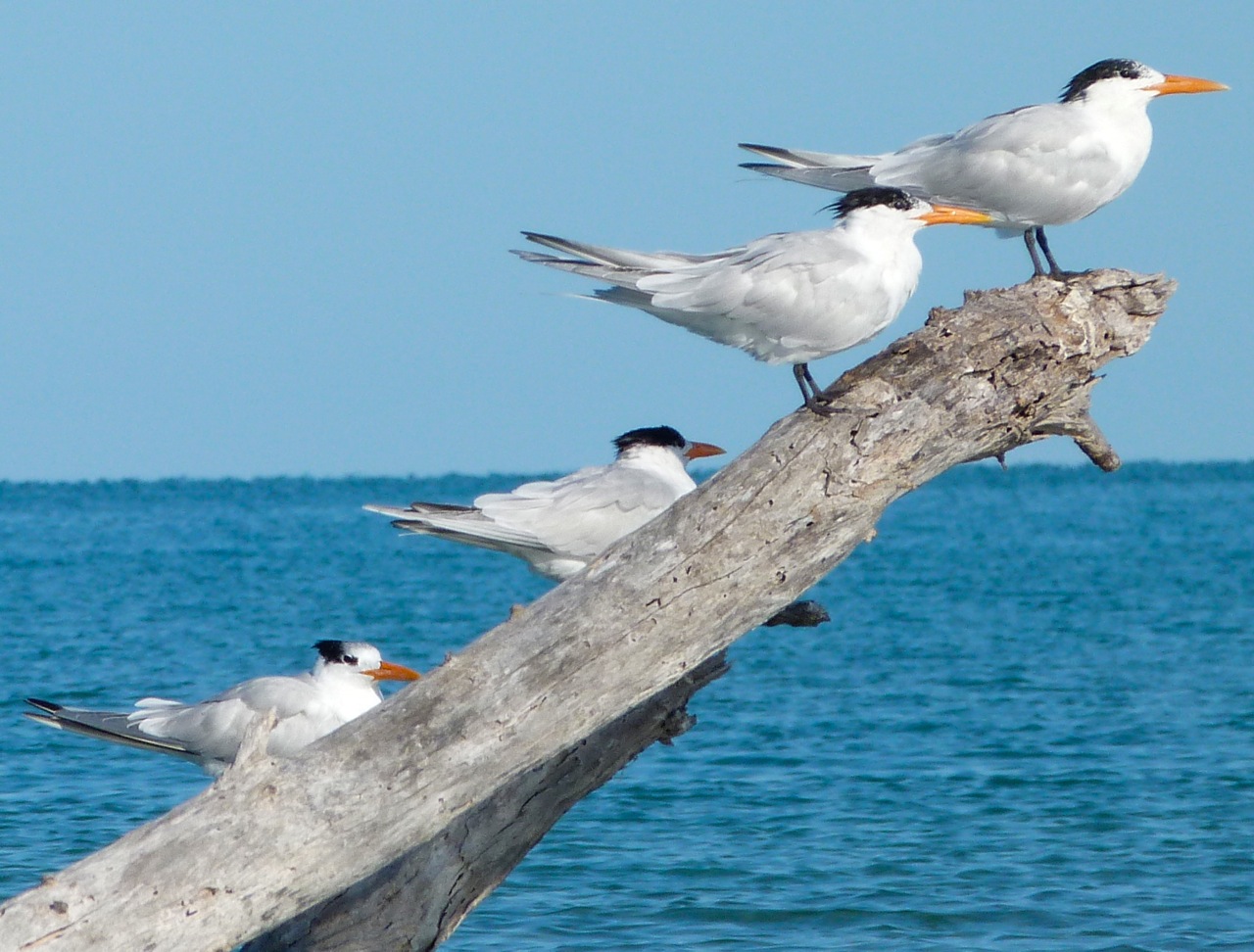
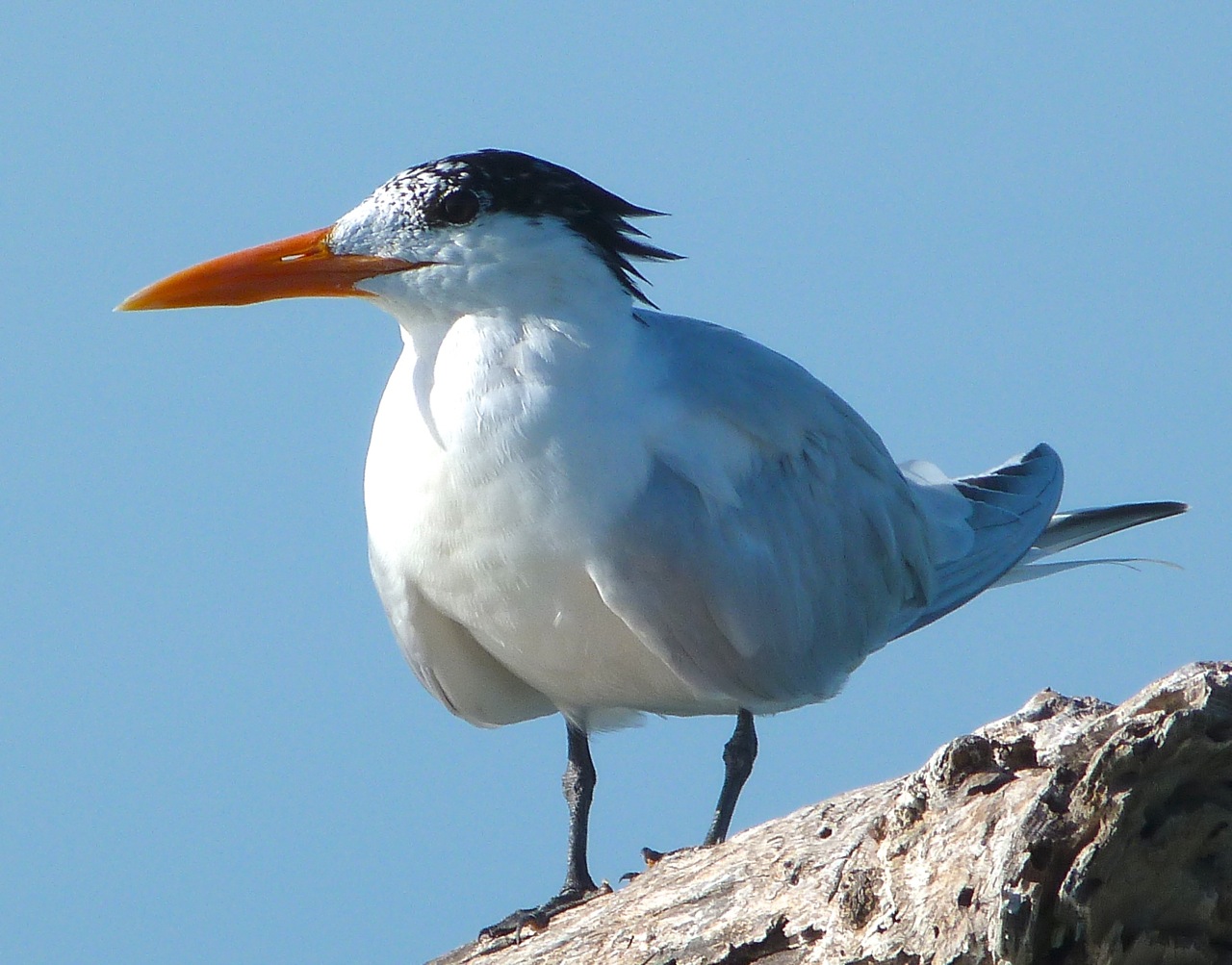
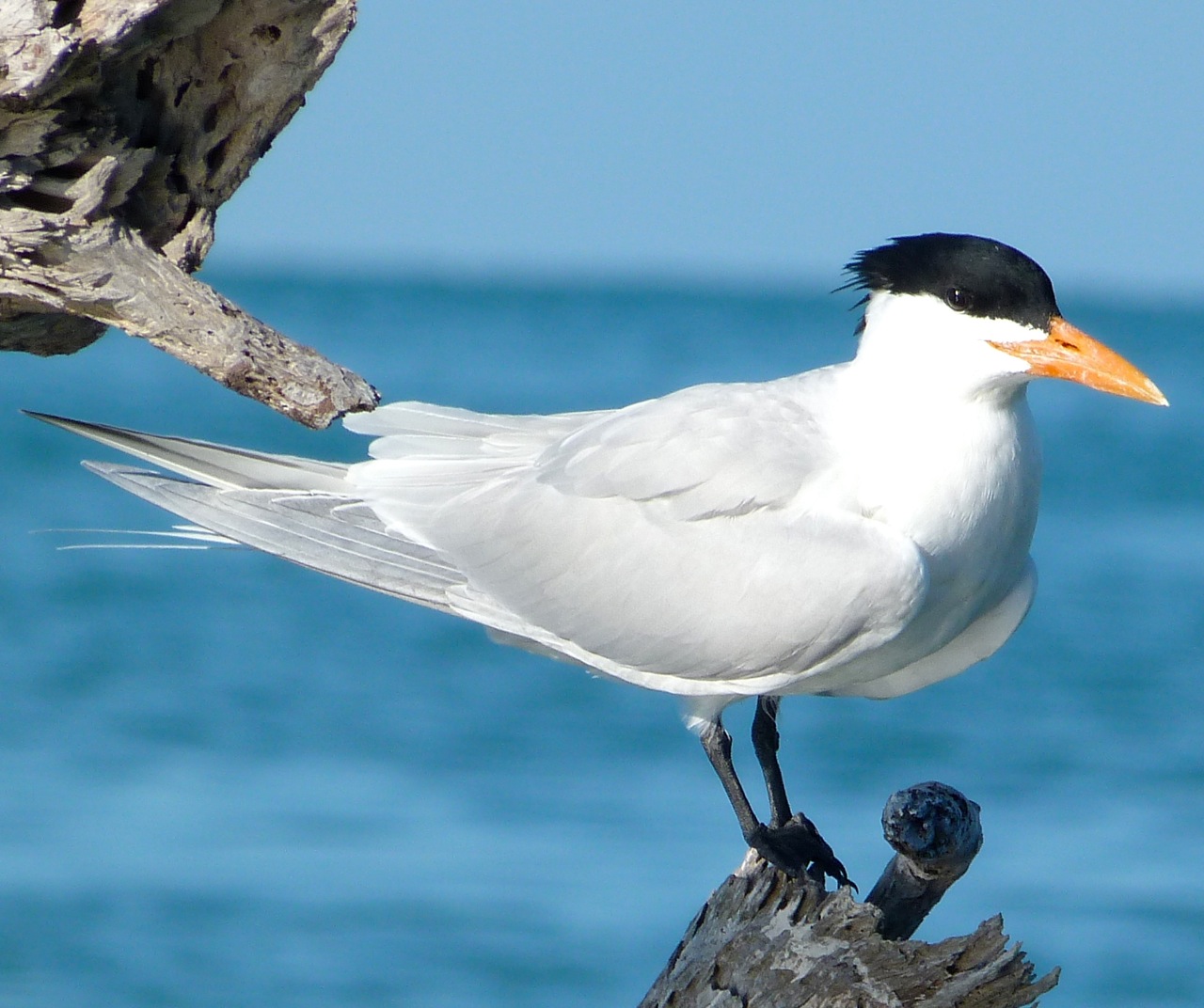
I posted briefly about ROYAL TERNS (Thalasseus maximus) on the Abaco Marls earlier this year HERE. Yesterday’s news from the Lindo Wing (anti-Monarchists look away now) surely justifies a few more photos of these fine and noble seabirds. Everyone else is using the event to sell newspapers / magazines / products (‘Royal’ Baby Lotion – so gentle, so soft – fit for a future King’s delicate…’ etc etc). If there’s a cheerful bandwagon passing, why not just hop on? I’ll skip the info about the range and nesting arrangements of these birds and show some them in all their glory, posing in the sunshine on a dead tree way out in the Abaco Marls.

Royal Terns Abaco (2) 4Royal Terns Abaco (2) 6 Royal Terns Abaco (2) 5 Royal Terns Abaco (2) 3 Royal Terns Abaco (2) 2 Royal Terns Abaco (2) 1PS No terns were hurt trying to get the yellow crown to fit one of them. In fact, they rather enjoyed it…

Unknown's avatar

‘CARRION SCAVENGING’: TURKEY VULTURES ON ABACO


‘CARRION SCAVENGING’: TURKEY VULTURES ON ABACO

TURKEY VULTURES (Cathartes aura) are a familiar sight, wheeling effortlessly overhead on thermals or gliding with the wind in singles, pairs or flocks. Statistically, 83% of all photographs of turkey vultures are taken from below and look like this TURKEY VULTURE

Of those, 57% are taken in unhelpful light, and look like the one below. On the positive side, this picture show the extreme delicacy of the wing-tip feathering that enables these birds to adjust their direction and speed (this is not the bird above; it was taken by someone else at a different time. But 100% of TV in-flight photos are indistinguishable).Turkey Vulture Abaco CL 1

TVs have a wide range in the Americas and the Caribbean, and can prosper in almost any type of habitat. This is probably because these large birds are almost exclusively carrion feeders, and carrion is everywhere. They spend their days scavenging, or thinking about scavenging. They do not kill live creatures.

The word ‘vulture’ derives from the latin word ‘vulturus’ meaning ‘ripper’, ‘shredder’, or ‘very loud Metallica song’. TVs have very good eyesight, and an acute sense of smell that enables them to detect the scent of decay from some distance. A breeding pair will raise two chicks which revoltingly are fed by the regurgitation of all the rank… excuse me a moment while I… I feel a little bit…

Turkey Vulture Abaco 11

When they are not flying, feeding, breeding or feeding young, TVs like best to perch on a vantage point – a utility post is ideal. But unusually for a bird, you won’t ever hear them sing or call. They lack a SYRINX (the avian equivalent of a larynx), and their vocalisation is confined to grunting or hissing sounds. Here’s a hiss (at 10 / 15 secs).

These vultures are often seen in a spread-winged stance, which is believed to serve multiple functions: drying the wings, warming the body, and baking bacteria.Turkey Vulture Abaco 3

They are equally happy to spread their wings on the ground, the shoreline being idealTurkey Vulture Abaco CL 3

10 SCAVENGED TURKEY VULTURE FACTS FOR YOU TO PICK OVER

  • One local name for TVs is ‘John Crow’
  • An adult  has a wingspan of  up to 6 feet
  • Sexes are identical in appearance, although the female is slightly larger
  • The eye has a single row of eyelashes on the upper lid and two on the lower lid
  • TVs live about 20 years. One named Nero had a confirmed age of 37 
  • LEUCISTIC (pale, often mistakenly called “albino”) variants are sometimes seen
  • The Turkey Vulture is gregarious and roosts in large community groups
  • The Turkey Vulture has few natural predators
  • Though elegant in flight, they are ungainly on the ground and in take-off
  • The nostrils are not divided by a septum, but are perforated; from the side one can see through the beak [some humans also suffer from MSS (missing septum syndrome). They tend to sniff a lot]

REVOLTING CORNER / TOO MUCH INFORMATION 

SQUEAMISH? LOOK AWAY NOW

UNATTRACTIVE HABITS The Turkey Vulture “often defecates on its own legs, using the evaporation of the water in the feces and/or urine to cool itself, a process known as UROHIDROSIS. This cools the blood vessels in the unfeathered tarsi and feet, and causes white uric acid to streak the legs”. The droppings produced by Turkey Vultures can harm or kill trees and other vegetation.

HORRIBLE DEFENCES The main form of defence is “regurgitating semi-digested meat, a foul-smelling substance which deters most creatures intent on raiding a vulture nest. It will also sting if the predator is close enough to get the vomit in its face or eyes. In some cases, the vulture must rid its crop of a heavy, undigested meal in order to take flight to flee from a potential predator”

Turkey Vulture Abaco CL 2

DIETARY NOTES TVs tend to prefer recently dead creatures, avoiding carcasses that have reached the point of putrefaction. They will occasionally resort to vegetable matter – plants and fruit (you could view this as their salad). They rarely, if ever, kill prey – vehicles do this for them, and you’ll see them on roadsides feeding on roadkill. They also hang around water, feeding on dead fish or fish stranded in shallow water. 

ECO-USES If you did not have birds like this, your world would be a smellier and less pleasant place, with higher chance of diseases from polluted water and bacterial spread.

FORAGING TVs forage by smell, which is uncommon in birds. They fly low to the ground to pick up the scent of ethyl mercaptan, a gas produced by the beginnings of decay in dead animals. Their olfactory lobe in the brain is particularly large compared to that of other animals.

SEX TIPS Courtship rituals of the Turkey Vulture involve several individuals gathering in a circle, where they perform hopping movements around the perimeter of the circle with wings partially spread. In humans, similar occasions are called ‘Dances’. In the air, one bird closely follows another while flapping & diving.Turkey Vulture Abaco 4

For more about Turkey Vultures, including cool videos, visit DEAR KITTY

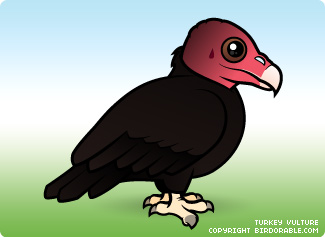
It’s possible you may enjoy a visit to max-out-cute Birdorable. Click TV below for linkturkey-vulture

And if you’d prefer something TV but less cute, depressingnature.com has the thing for you…turkey_vulture2

Credits: Photos mainly RH, 2 by Clare L, small ones Wiki; Info – cheers Wiki & random pickings

Oh. Ok. Here’s the Metallica thing referenced above. Sweaty. Not my taste these days.

Unknown's avatar

“STRIKE THE POSE”: RED-WINGED BLACKBIRDS ON ABACO


Red-winged Blackbird Abaco Bahamas 5

“STRIKE THE POSE”: RED-WINGED BLACKBIRDS ON ABACO

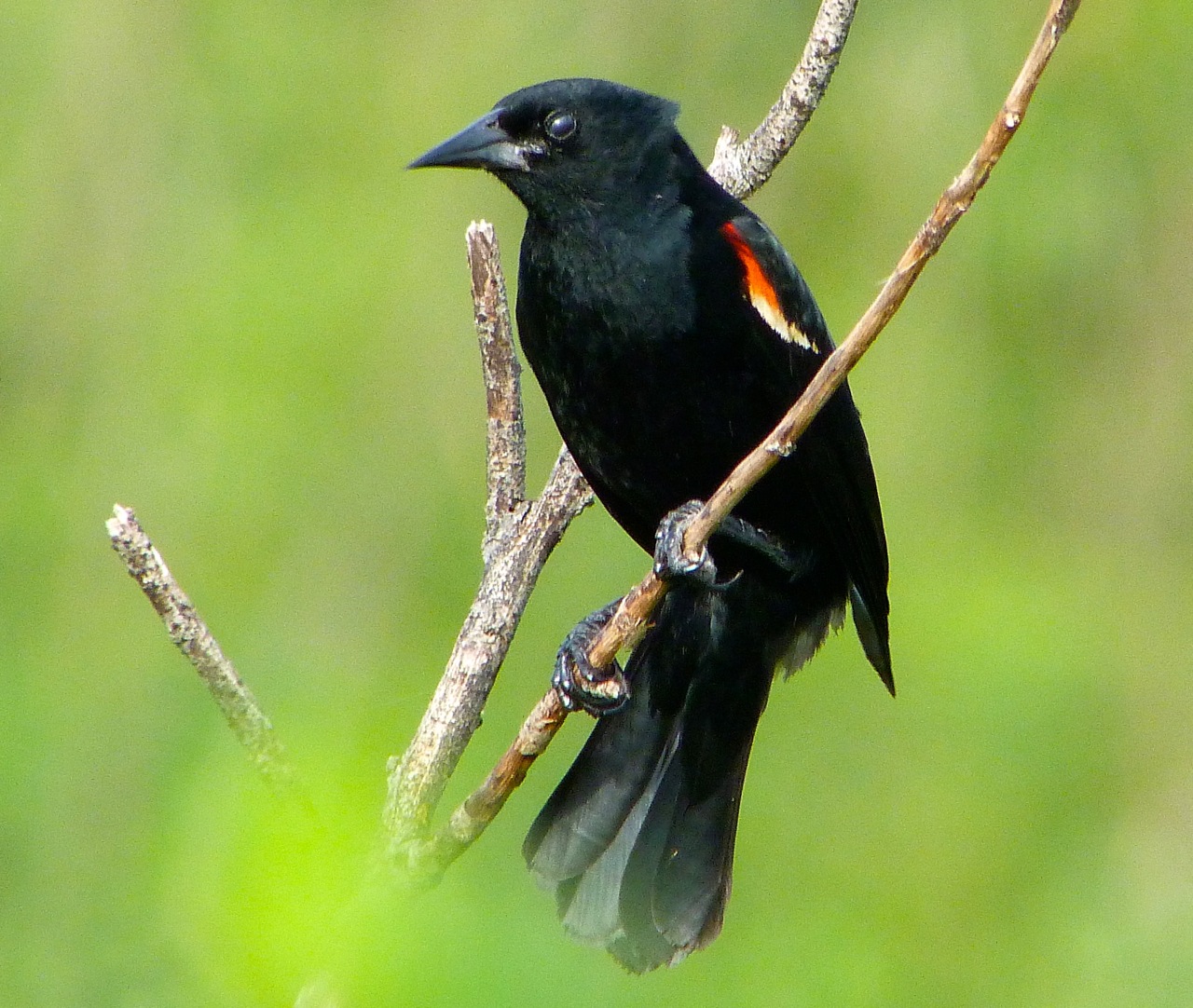
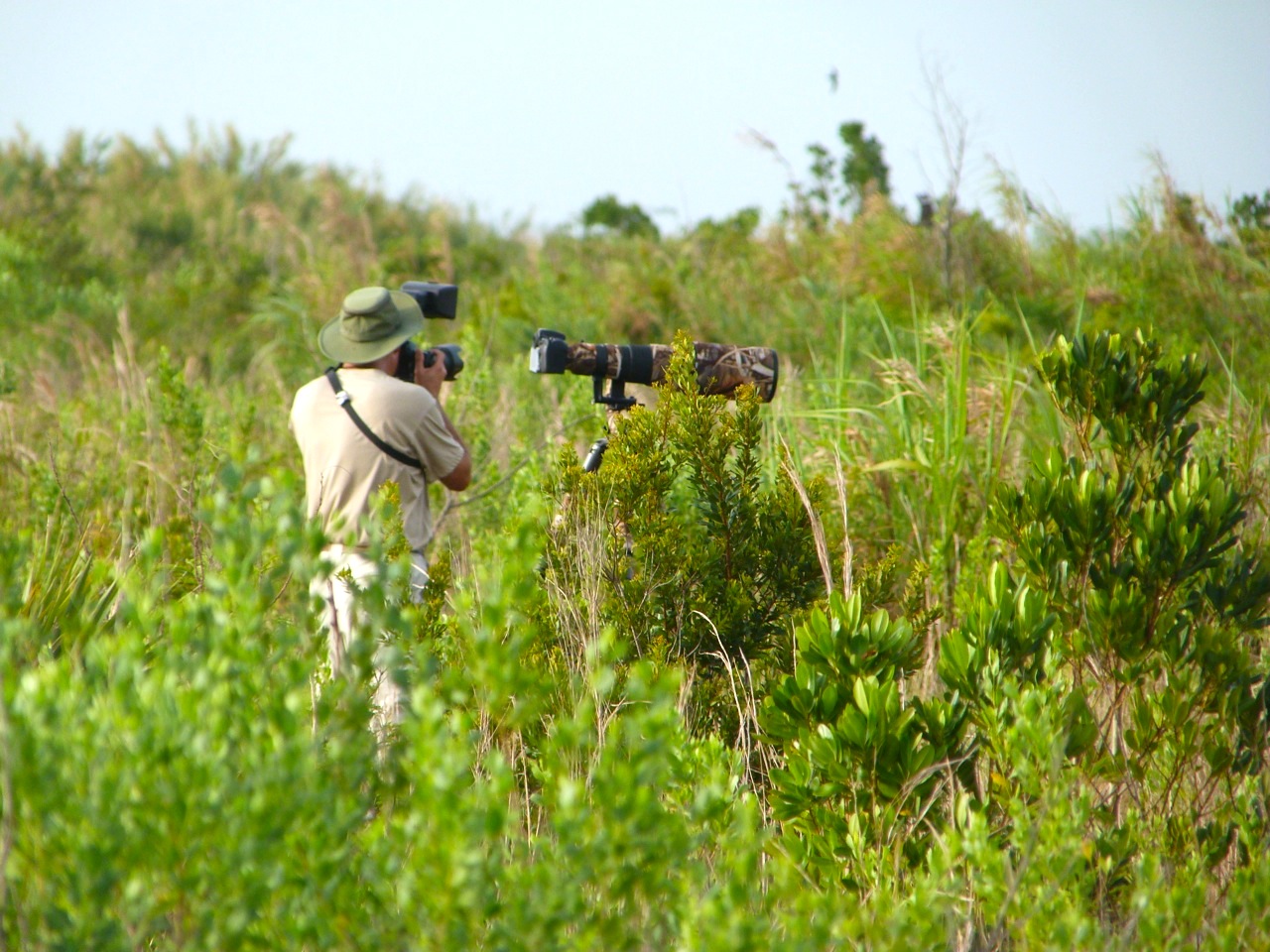
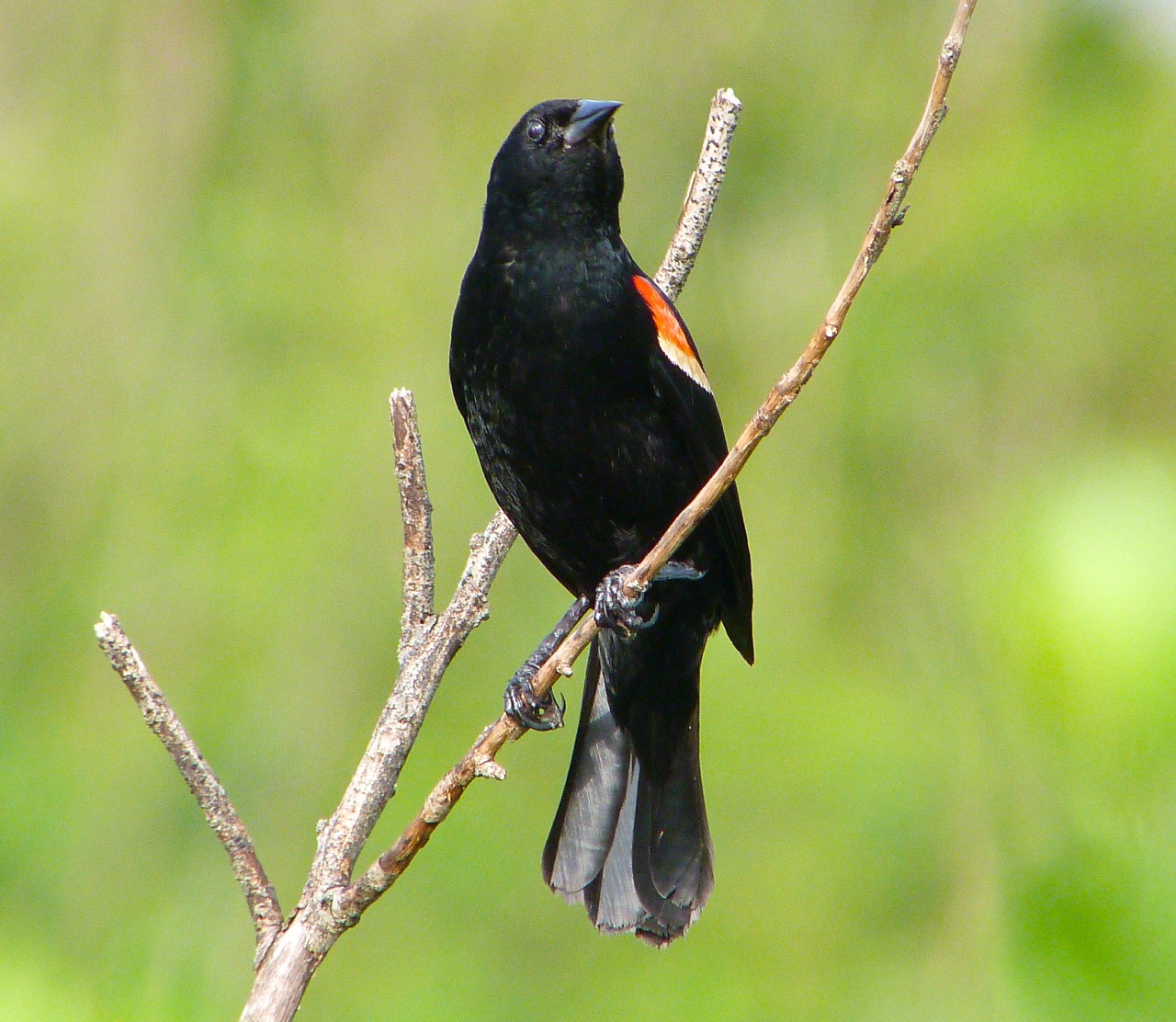
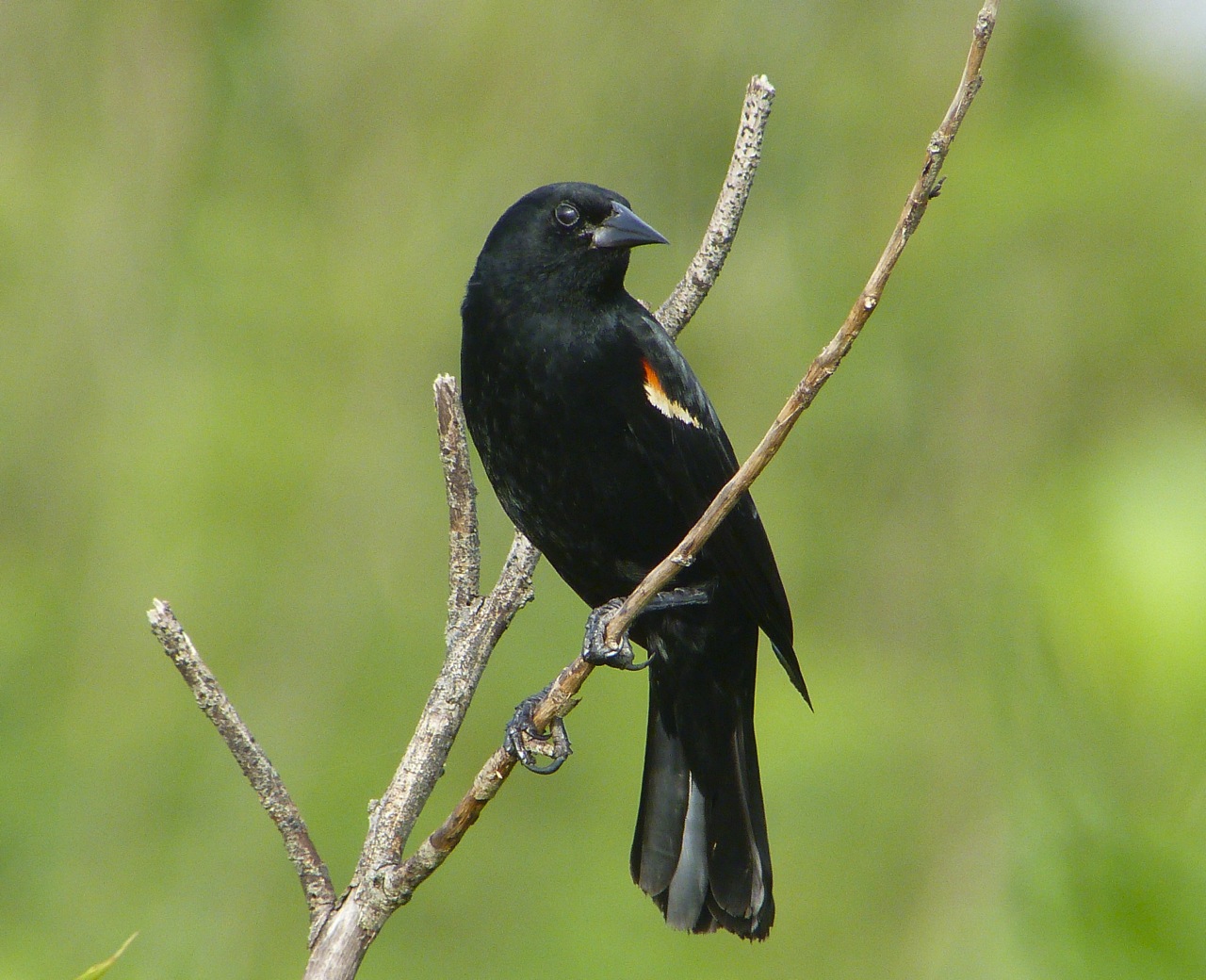
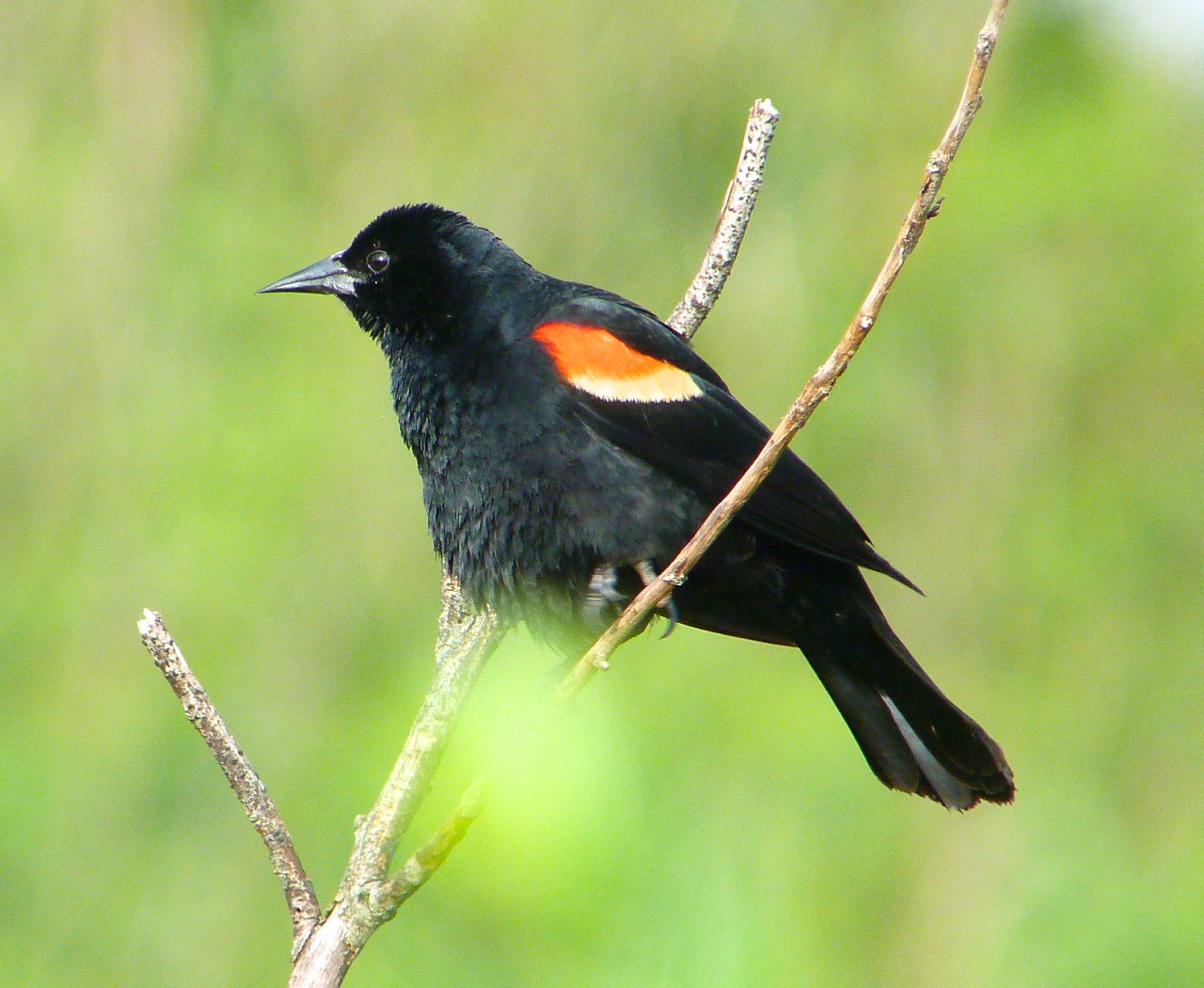
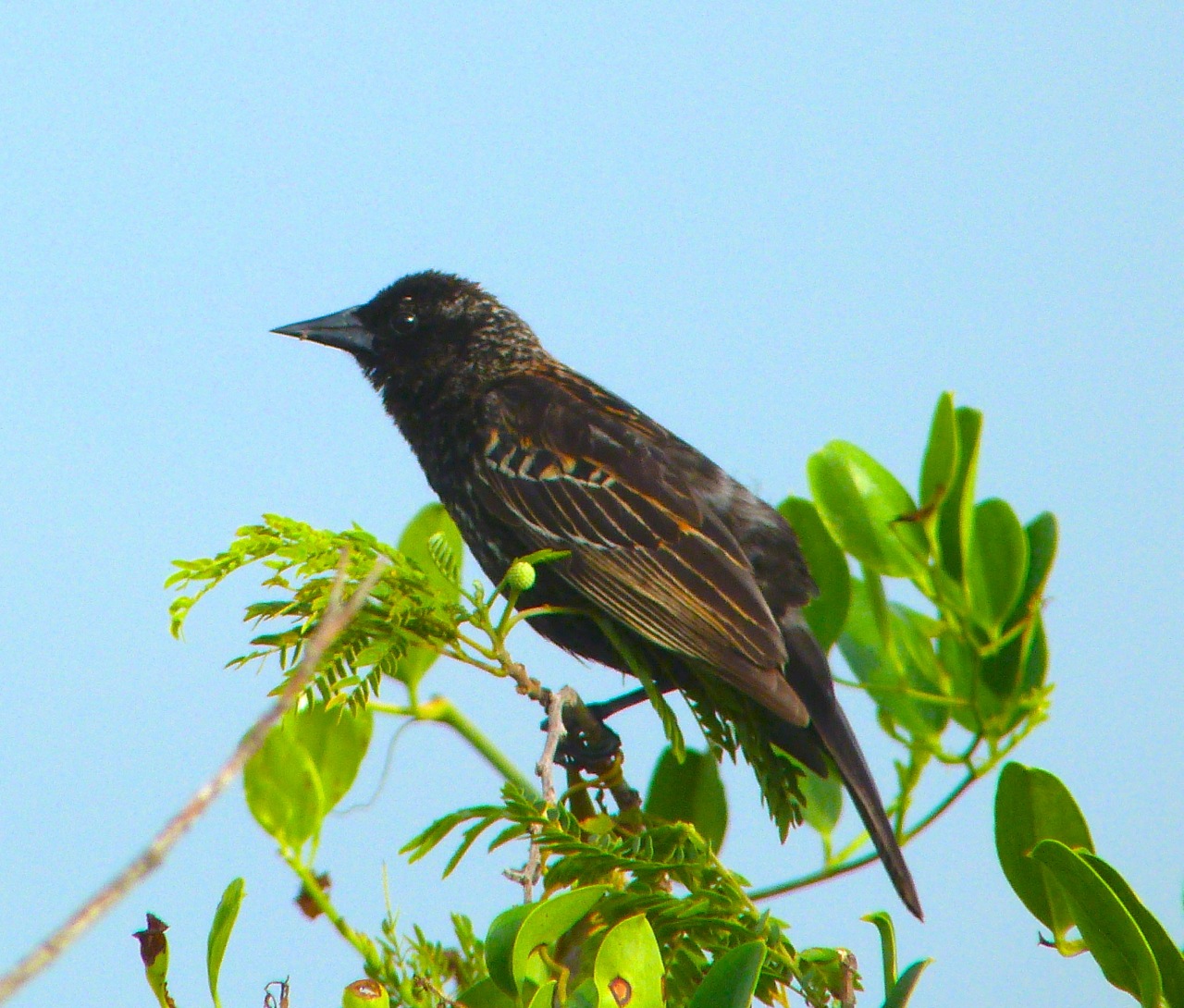
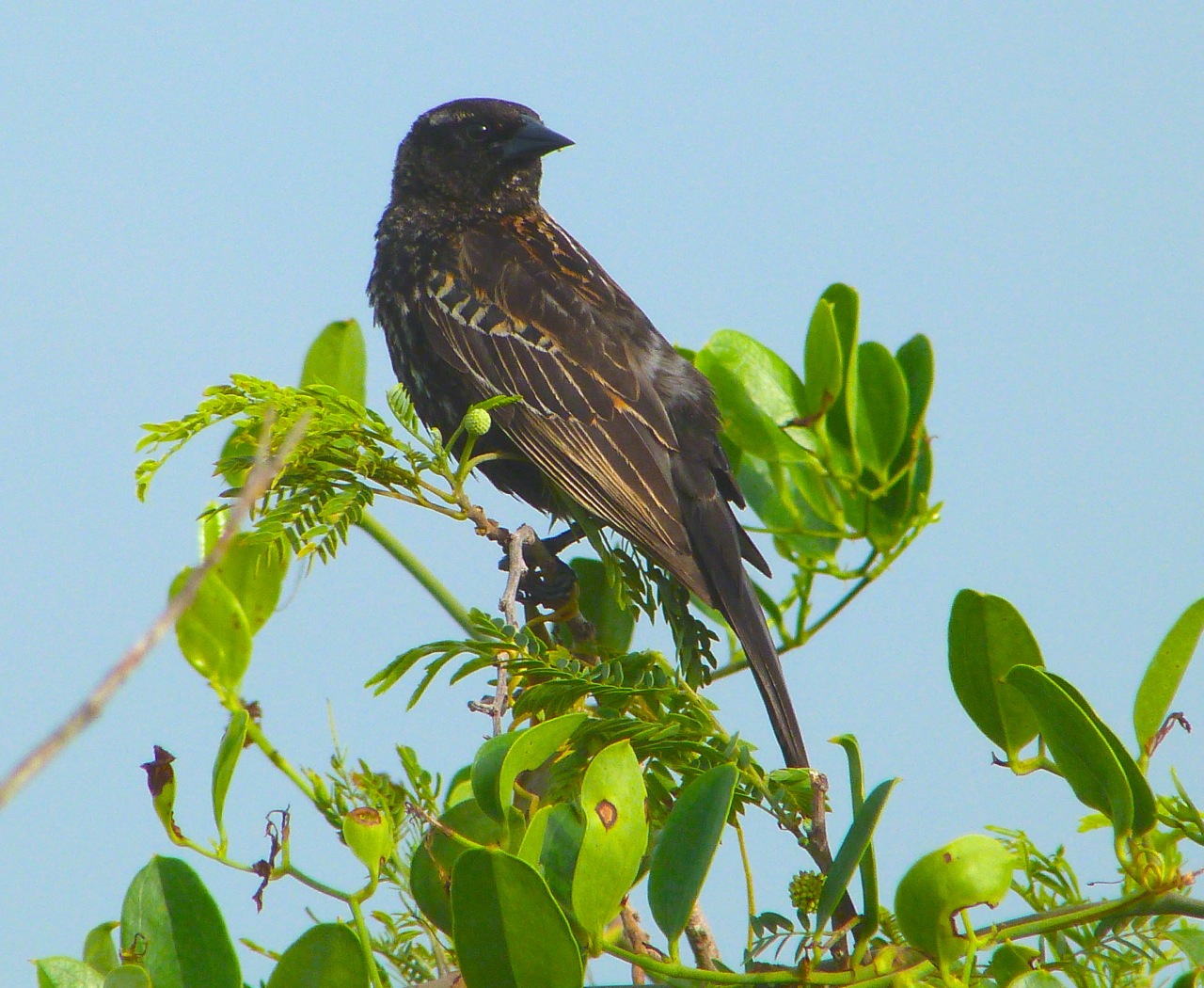
The red-winged blackbird (Agelaius phoeniceus) has previously hopped around these pages in the context of a (my!) simple way to RECORD BIRDS using a smart-phone, trim the result and convert it into an mp3 (or even a ring-tone – I have a great Abaco parrot one to startle friends, family and indeed complete strangers). Now we move on to a more important topic, namely courtship and so forth. And boy, don’t male RWBs fancy themselves when trying to impress the laydeez…Red-winged Blackbird Abaco Bahamas 1We had taken a truck into backcountry between the pine forest and the Marls, with Tom and his impressive camo-camera with its 10 foot lens.Tom & Nighthawks

We found formerly cultivated fields – evidence of the defunct sugar cane industry – and then we came unexpectedly to a large expanse of open scrubland, with the track straggling through the middle.Truck

And there, on carefully chosen vantage points, was an array of RWBs. Red-winged Blackbird Abaco Bahamas 2

This bird was within range of my comparatively puny camera, and I watched as it arranged itself into various elegant poses in the late afternoon sun. All around were their ‘rusty door hinge’ calls, of which this is an example (in fact a female, recorded at Casaurina, hence the background sound of lapping waves).

[audio https://rollingharbour.com/wp-content/uploads/2013/05/rh-red-winged-blackbird-f-abaco-bahamas-mp3.mp3]

Red-winged Blackbird Abaco Bahamas 4

These acres of open land were not far inland, and there was a slight breeze to ease the heat. This caused the occasional ruffling of feathers, and the need to spruce up…Red-winged Blackbird Abaco Bahamas 3

The purpose of all this was of course to impress the opposite sex (behaviour not confined to bird species). There were plenty of females around, also similarly perching on vantage points for similar display-with-view-to-dating-maybe-more reasons.Red-winged Blackbird Abaco Bahamas 6Red-winged Blackbird Abaco Bahamas 7

I didn’t see the phase in which the males may get quite worked-up, but luckily Y**T*b* has perfect example of a male RWB in full song. Credits as shown on the video.

Unknown's avatar

PRETTY PALMS: CHEERY WARBLERS ON SUNNY ABACO


220px-Palm_Warbler,_Indiatlatlantic

PRETTY PALMS: CHEERY WARBLERS ON SUNNY ABACO

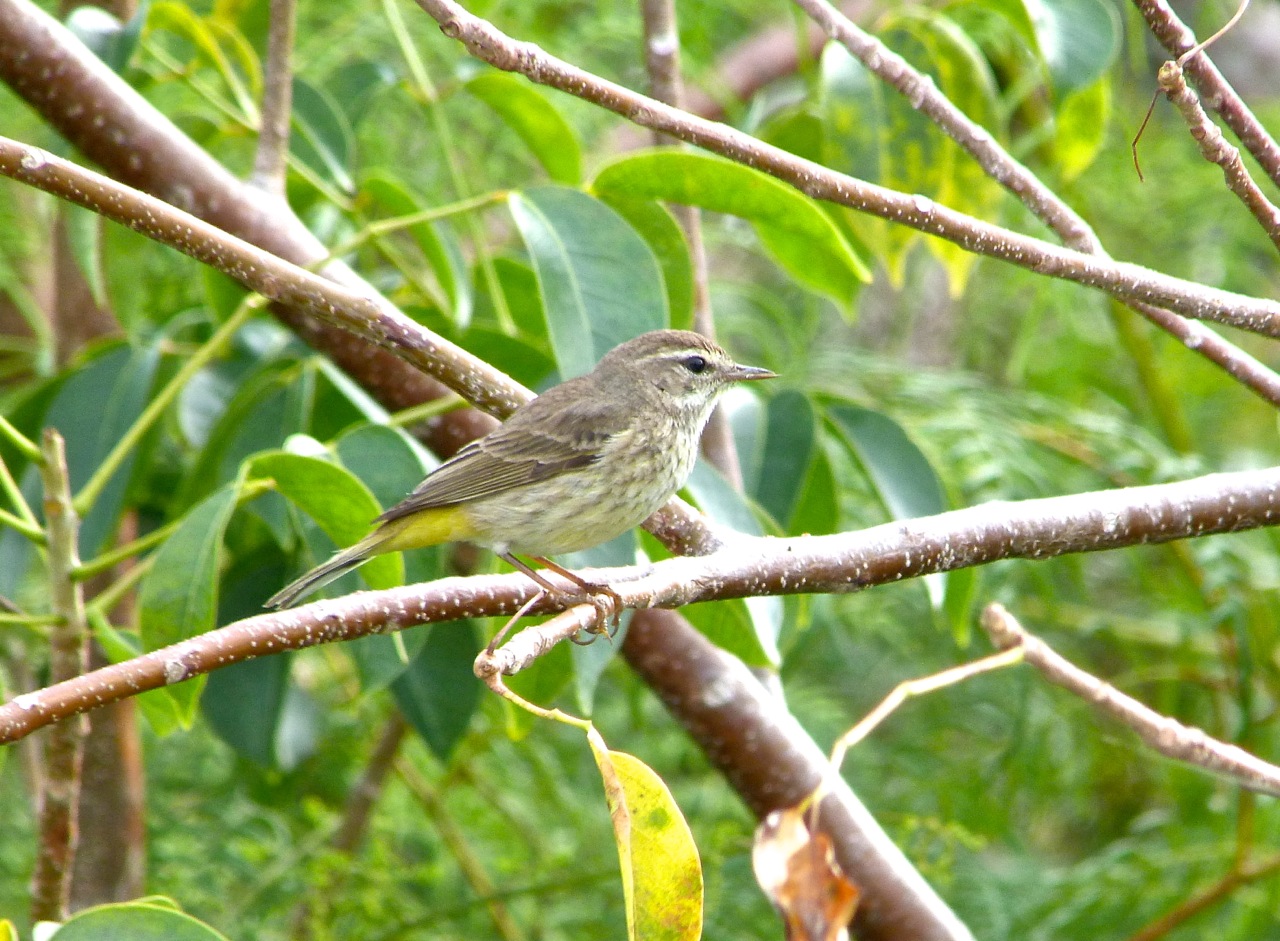
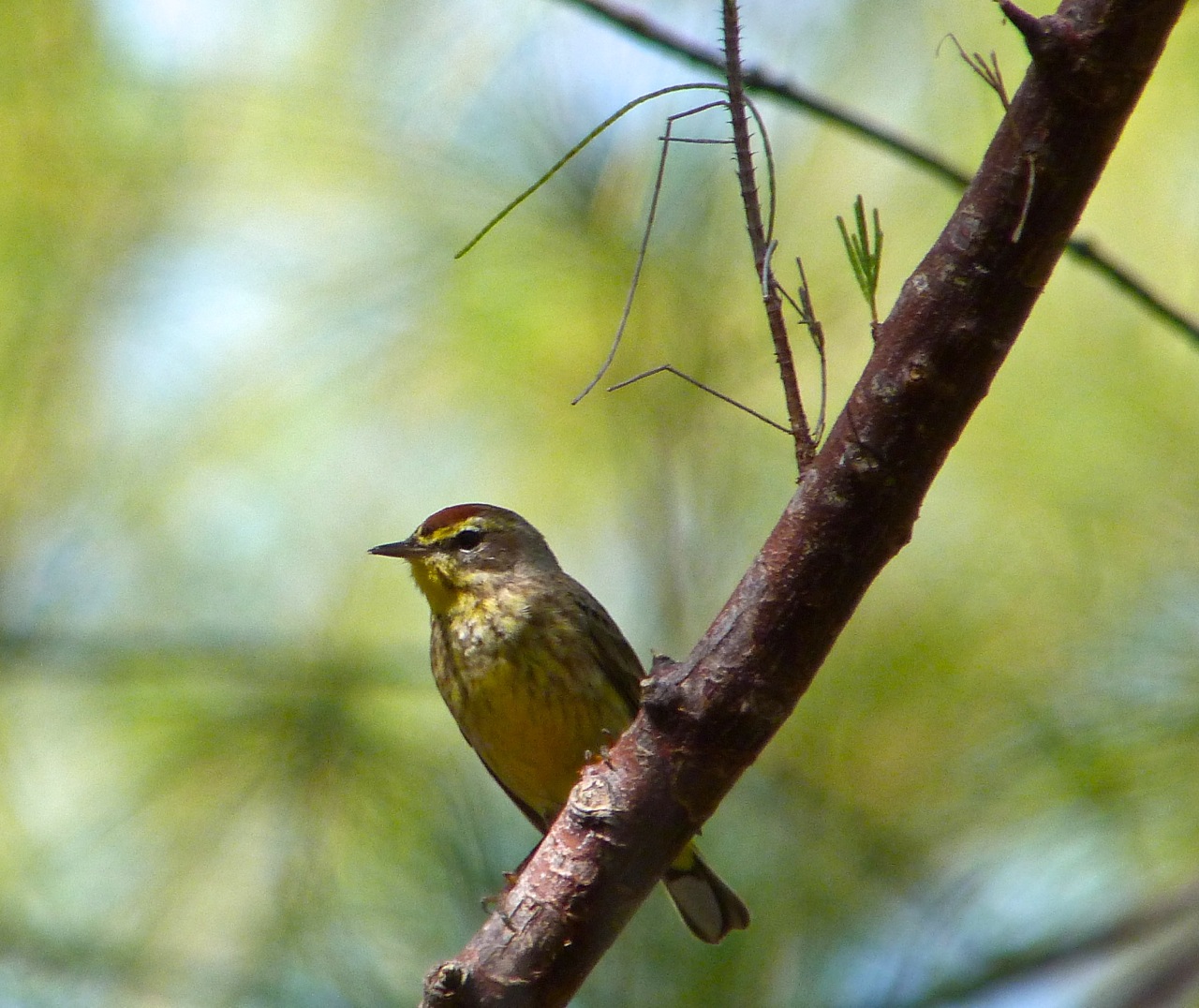
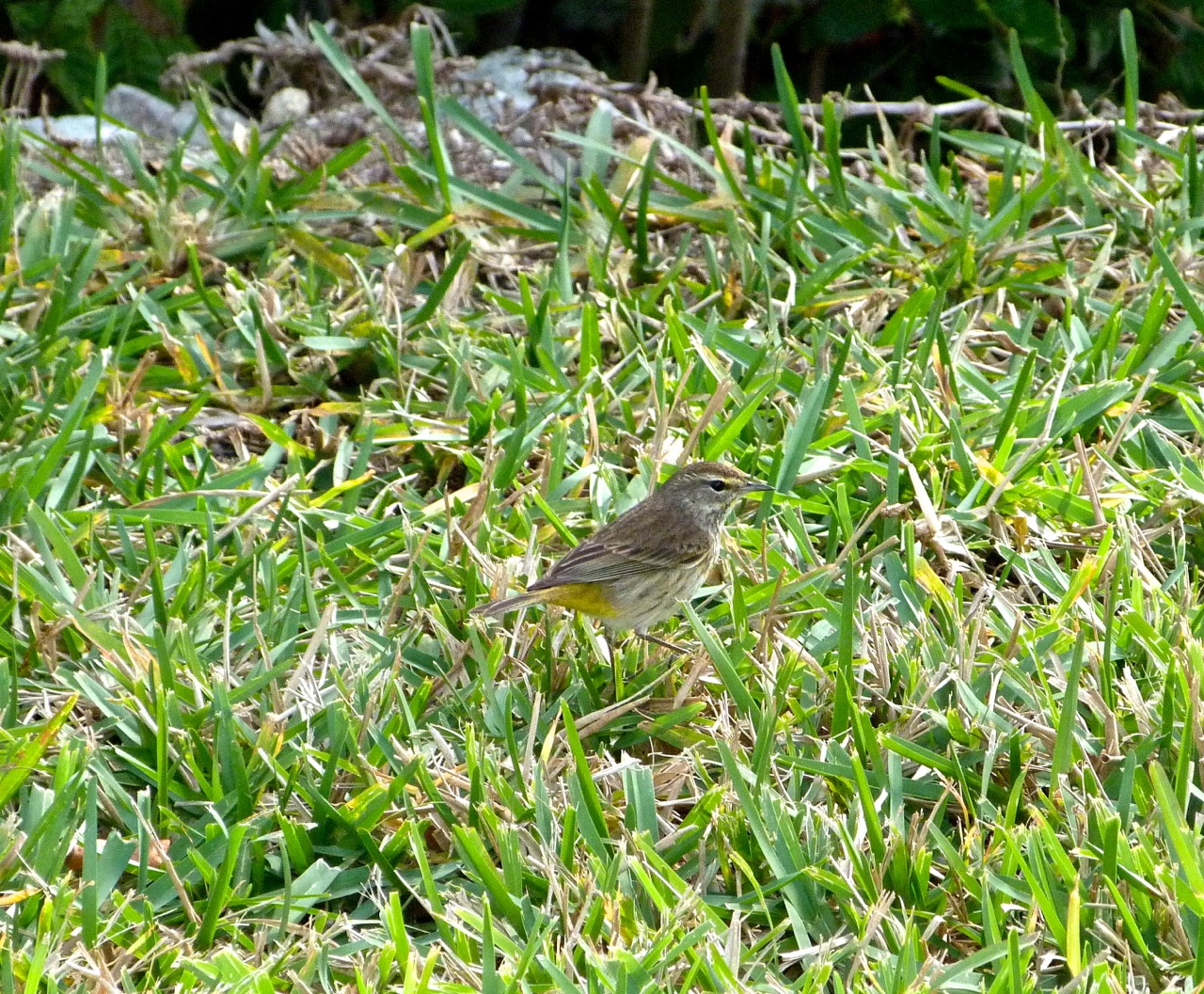
Palm Warblers Setophaga palmarum are cheerful little birds. Keen feeders, foraging around on the ground, in the coppice, or where there are pines. They are one of only 3 warbler species that bobs its tail, not just when it’s happy but much of the time. Maybe it is happy much of the time. The other 2 species are the relatively familiar Prairie Warbler; and the vanishingly rare – on Abaco, at least – Kirtland’s Warbler, the avian Holy Grail for birdwatchers on the island. 

The male palm warbler in breeding plumage has a smart chestnut cap and what might be described as a ‘buttery’ BTM, to use a polite text-abbrev. The females are paler and have less yellow on them. The photos below were taken in March this year, mostly by Mrs RH (I can’t now recall who took what so I’ll give a general credit until she claims her ones). You’ll see the wide variety of types of place you might encounter one of these little birds. The last picture isn’t great as a photograph… but it’s a classic bit of acrobatic personal grooming.

CALL [audio http://www.xeno-canto.org/sounds/uploaded/HNJLXSFHYB/palm_warbler_callnotes_xc.mp3]

Palm Warbler, Abaco 7 Palm Warbler, Abaco 6 Palm Warbler, Abaco 5 Palm Warbler, Abaco 4 Palm Warbler, Abaco 3 Palm Warbler Abaco 2 Palm Warbler Abaco 1Thank you for admiring me…Palm Warbler, Abaco 9…now please excuse me if I scratch my ear for a moment…Palm Warbler, Abaco 8Header thumbnail image credit: Wiki

Unknown's avatar

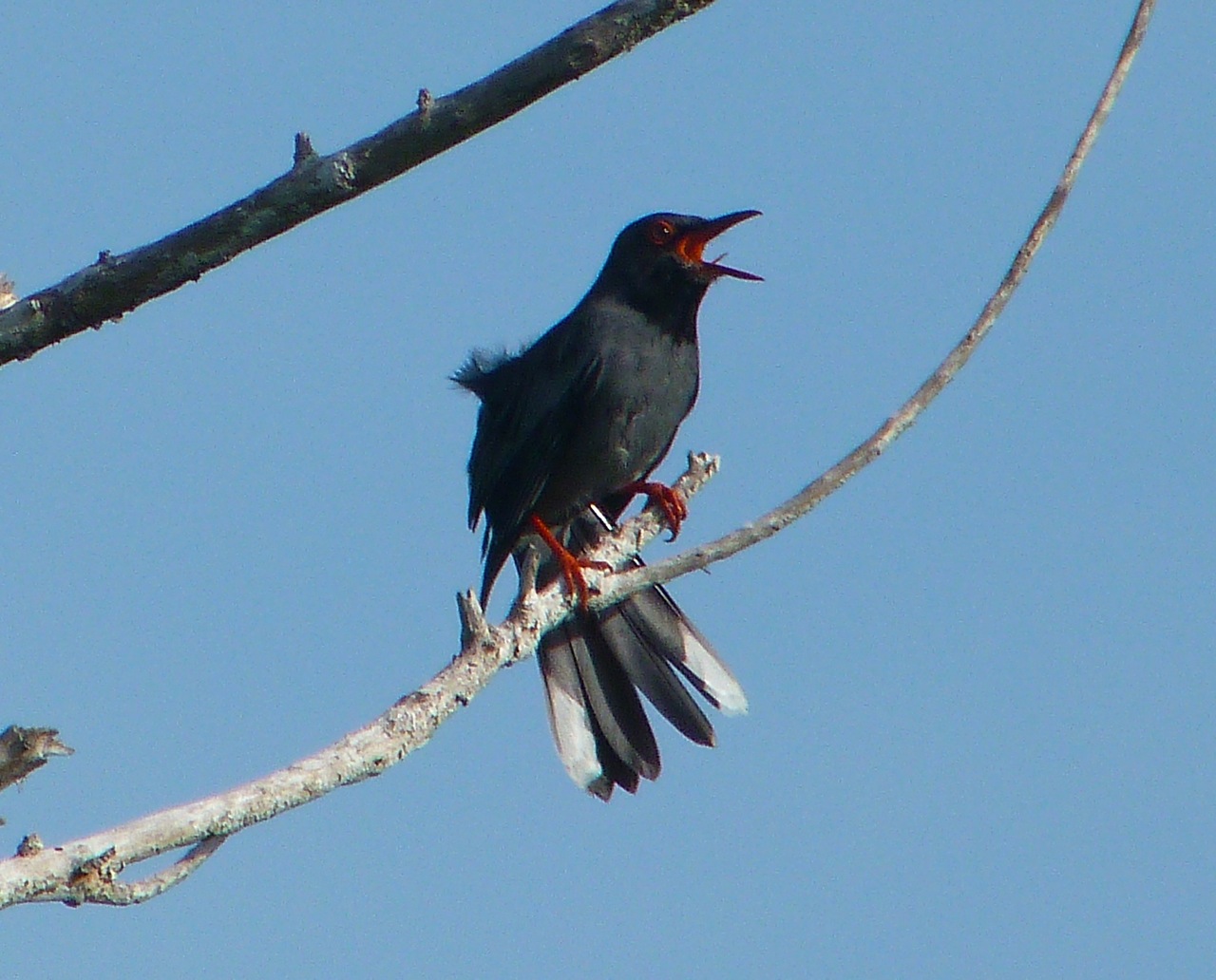
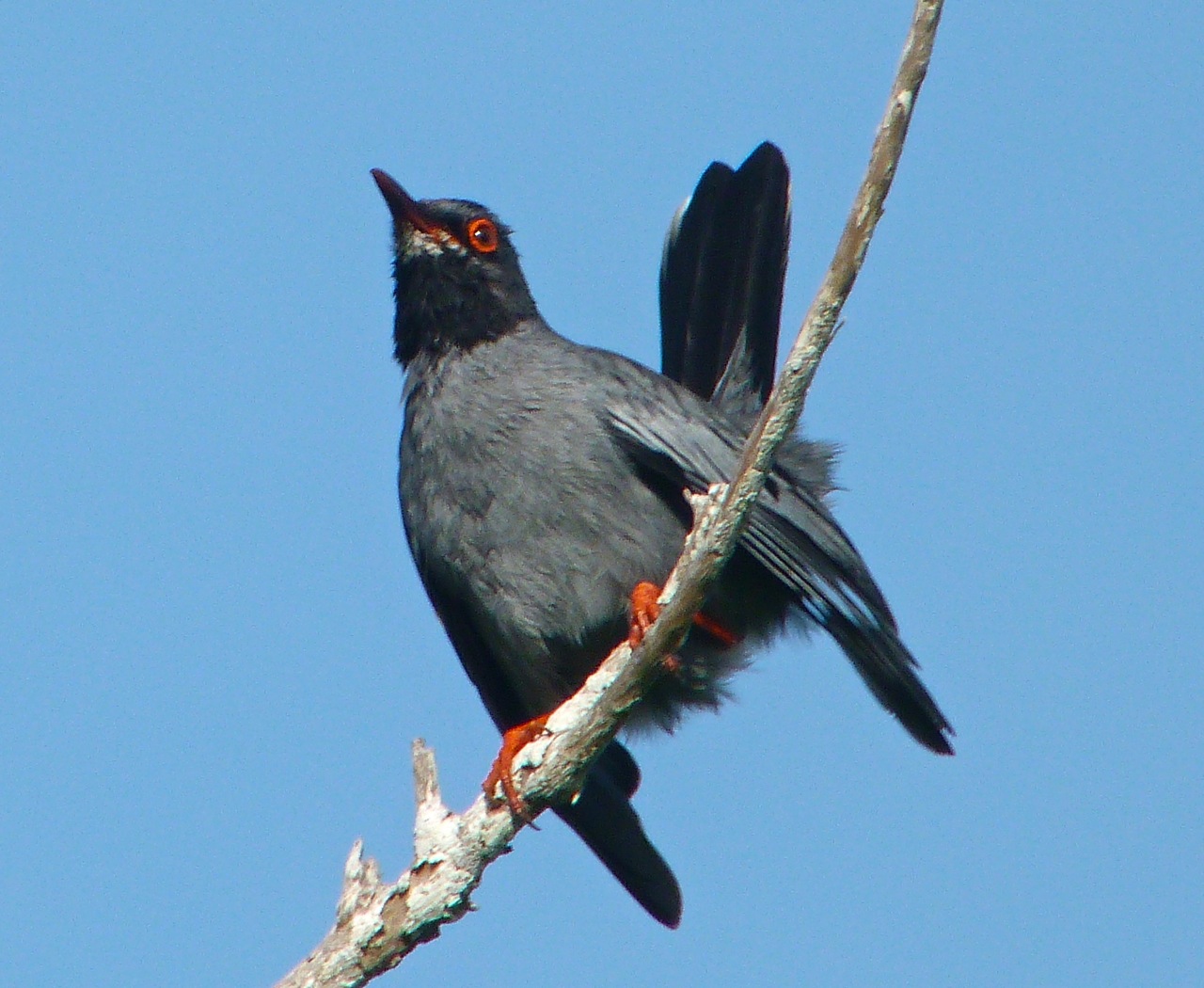
OL’ RED EYES IS BACK: A RED-LEGGED THRUSH SINGS THE… REDS?


Red-legged Thrush, Abaco 2

OL’ RED EYES IS BACK: A RED-LEGGED THRUSH SINGS THE… REDS?

The Red-legged Thrush (Turdus plumbeus) is often said to be the Caribbean equivalent of the American Robin. Its main range is from the northern Bahamas down to the Caymans, Hispaniola, Dominica and Cuba. Although Abaco is less than 200 miles from the Florida coast, reports of RLTs in Florida are rare. Similarly, the robin rarely crosses over to Abaco – and most reported sightings are on the Cays rather than the main island.RTL Range Map birdlife.org

Red-legged Thrush, Abaco 10

I’ve always been slightly surprised by the RLT’s name. You don’t get birds called ‘the brown-feathered tobaccoquit’ and so on. Brown-feathers are not a particular signifier. Thus, there are plenty of bird species with red legs. But few with eyes that glow with the startling intensity of an angry ember*. 

RTL eye

The RLT on Abaco is ubiquitous – familiar in gardens, coppice and pine forest. They have a broad diet, eating mainly fruits and insects of all types. They will also eat snails, lizards and even birds’ eggs. Because of this range of diet, you’ll often see these birds foraging on the ground, as well as in the understorey and higher up in the bushes and trees of the coppice.Red-legged Thrush Abaco 7

In the mornings and evenings, RLTs like to sing. They will fly up to a high perch, often the topmost dead branch of a tree, and perform loudly and elegantly. They have a variety of characteristic poses that they like to strike. These photos were taken with a small camera from ground to tree top in the coppice, so they aren’t as sharp as I’d like. But you can still see the bird’s tiny ululating tongueRed-legged Thrush, Abaco 1Red-legged Thrush, Abaco 5

This bird was in the Delphi drive at around 6.00 pm. I recorded it for about 30 seconds as a video, but the camera-shake is so… well, I’m sparing you the movie, ok? Instead I’ve converted the song to an mp3 file, which has worked quite well. Turn your volume up a bit – the bird was not very close. Note the smart matching red inside of the mouth – hence, singing the reds…

Red-legged Thrush, Abaco 4Red-legged Thrush, Abaco 9Red-legged Thrush, Abaco 3

One disadvantage of posing on a high perch is the risk of ruffled feathers & dignity

MAKIN’ COOL MUSICRed-legged Thrush, Abaco 8

YET SECONDS LATER… WARDROBE MALFUNCTIONRed-legged Thrush, Abaco 6

Finally, another (and more professional) example of an RLT’s song from Xeno-Canto, also recorded in the Bahamas

Credits: All photos RH except the greyer one on the ground, Mrs RH. Range map birdlife.org

AFTERWORD

1. John Bethell has commented “In Long Island they call them Rain Crows, because they were always seen right after a rain storm!”. So I checked my James Bond (1947), the best resource for historic local names. Generically, ‘Blue Thrasher’, and specifically for the Bahamas, ‘Blue Jane’ are given.

NEW (JUNE 2014) ‘John’ comments “Rain bird or rain crow refer to both the mangrove cuckoo and the lizard cuckoo in the Bahamas”.

2. *To the friend who rightly points out that, strictly speaking, embers cannot be ‘angry’, I point to my right to use PATHETIC FALLACY if I choose, the imputation of human emotions to objects or, [perhaps] creatures. Or to employ, like, creative simile. Now beg to go back on my Xmas card list, buddy.

Unknown's avatar

WILLET OR WON’T IT… GET CLOSE TO YOU?


WILLET OR WON’T IT… GET CLOSE TO YOU?

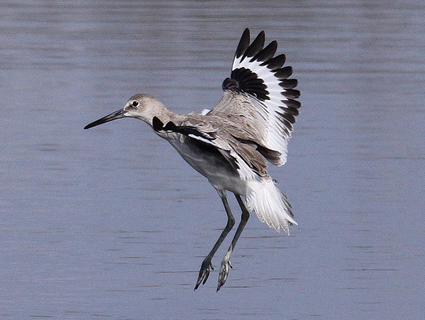
Willets (Tringa semipalmata) are large sandpipers, familiar as shore birds, foragers on sand bars and mudflats, or out in the mangrove swamps. Some might describe them as quite solid and plain to look at. Until they take flight, when their gorgeous wing patterns are revealed.

willet ©Greg Page @ Cornell Lab

Willets are ground-nesting birds, often breeding in colonies. They use their stout bills to forage on mudflats or in shallow water for insects, crustaceans, marine worms and occasionally plant-life. They tend to keep their distance, and in the past I have only managed this sort of unimpressive snapshot, not least because I normally only take a small basic camera out on the water in case it – or I – should fall in.Willet, Abaco Marls 1

However, we recently fished from the prow of a skiff parked on a sandy spit on the Abaco Marls, as bonefish came past on the tide. It was a productive hour for my boat-partner, though frankly less so for his boat-partner… As we fished, and to our surprise, a willet landed of the point of the spit to feed, and gradually worked its way towards us seemingly unconcerned by the skiff, by us or by the fish action. It started off about 30 feet away, and at close quarters it was far less drab and notably more elegant than expected.Willet, Abaco Marls 4

It foraged slowly towards us, keeping a beady inky-black eye on usWillet, Abaco Marls 2

At one time it came within a very few feet of us, then decided it had come close enough. We watched it stepping delicately away on its semi-palmated feet. The shot isn’t clear enough to show the slight webbing between the toes. However, you can clearly see the barred tail.Willet, Abaco Marls 5

In the c19 and early c20 there was a sharp population decline of these fine birds due to hunting. I’m not sure if it was for feathers, food or fun. All three, probably. Their population has recovered and their IUCN status is currently ‘Least Concern’, but like so many similar species they remain at risk, especially through continued habitat loss.

The Willet call and song are very distinctive, and are reproduced here via the great bird-noise resource Xeno-Canto

CALL

SONG

Willet, Abaco Marls 6All images RH except header (Wikimedia) & in-flight image (Greg Page @ Cornell Lab for Ornithology)

(PS if you think the traditional RH puntastic title is laboured, be grateful I didn’t proceed with the initial idea of working ‘Bruce Willets’ into this post. It didn’t work, on any level…)

Unknown's avatar

“ON STILTS”: THE BLACK-NECKED STILTS OF ABACO


“ON STILTS”: THE BLACK-NECKED STILTS OF ABACO

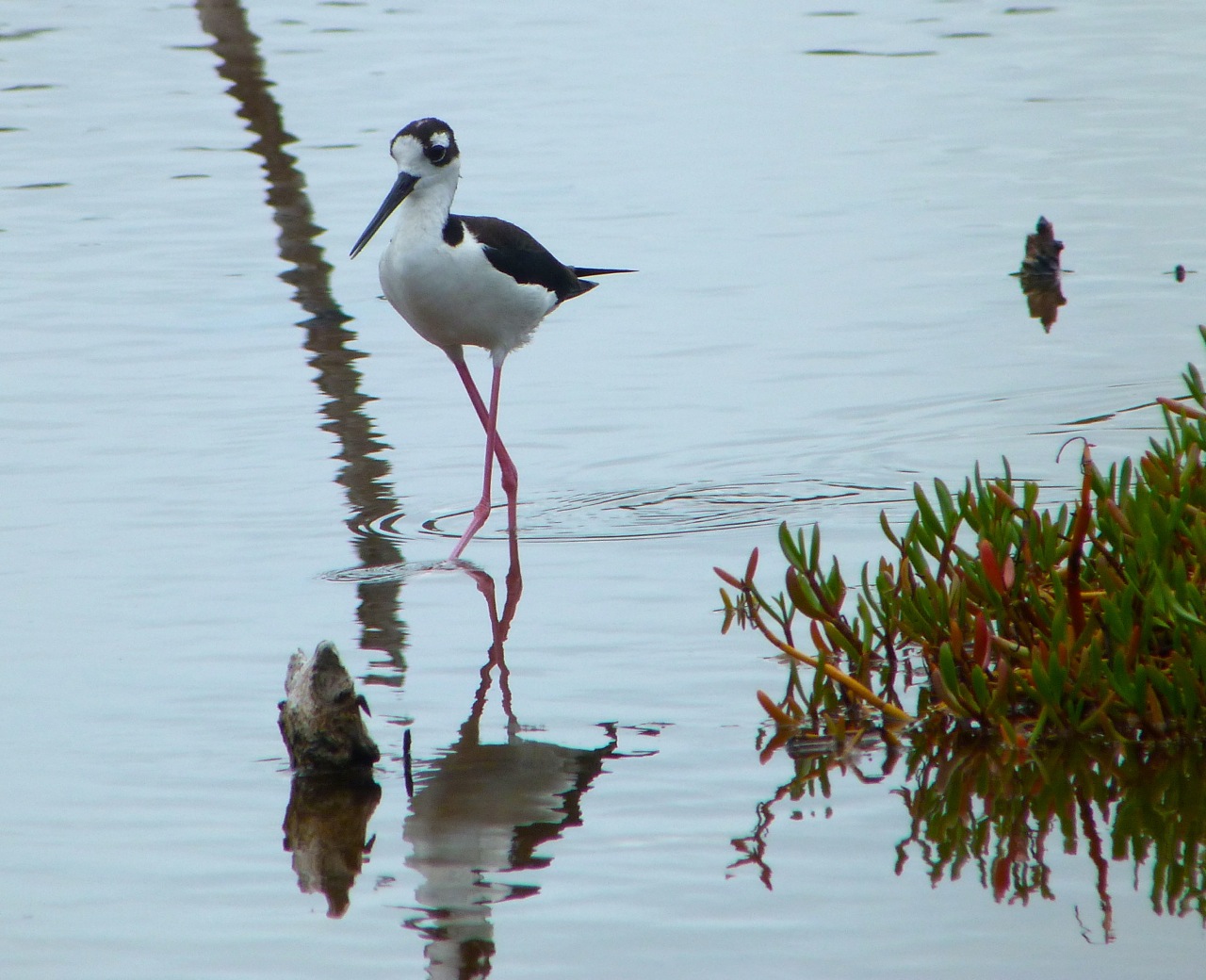
This elegant stilt Himantopus mexicanus was one of a pair nesting in the scrub by a small brackish lake near Crossing Rocks. We had gone there for heron and egret reasons, but for once there were none. Just dozens of BAHAMA (WHITE-CHEEKED) PINTAILS. I had walked to one end of the lake, when suddenly this bird rose from the undergrowth and flew, shrieking, straight at me. It veered off, landing agitatedly in the water, and proceeded to stalk towards me on a zig-zag route, scolding me belligerently. Black-necked Stilt, Abaco 1Black-necked Stilt, Abaco 2Black-necked Stilt, Abaco 3
In the end, it stood facing me squarely, then flew at me before veering away again back to the bushes, where it continued to protest. Presumably close by was a well-concealed nest with the female and her eggs or chicks. Of course I wouldn’t have had any idea about it but for this peevish display of aggression. However, this is such a handsome bird, and the protective display was so effective that I considered myself well warned, and moved away from the area…
BLACK-NECKED STILT ALARM CALL (Xeno-Canto)
[audio http://www.xeno-canto.org/sounds/uploaded/ILUHRFXDNU/BlackneckedStiltalarm.mp3]Black-necked Stilt, Abaco 4
Unknown's avatar

HELLO, HANDSOME! WESTERN SPINDALIS IN THE MOOD FOR LURVE…


Western Spindalis Abaco 4

HELLO, HANDSOME! WESTERN SPINDALIS IN THE MOOD FOR LURVE…

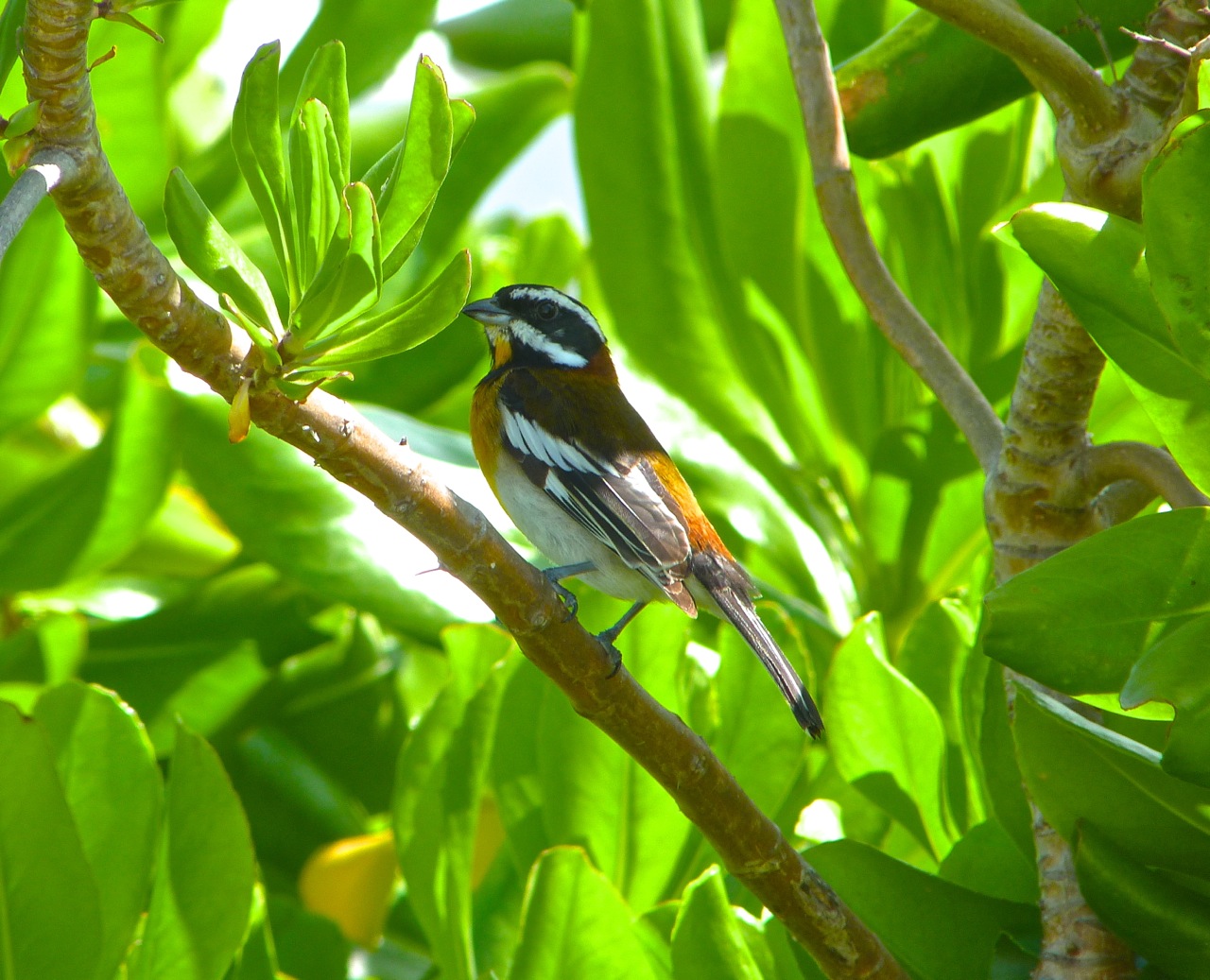
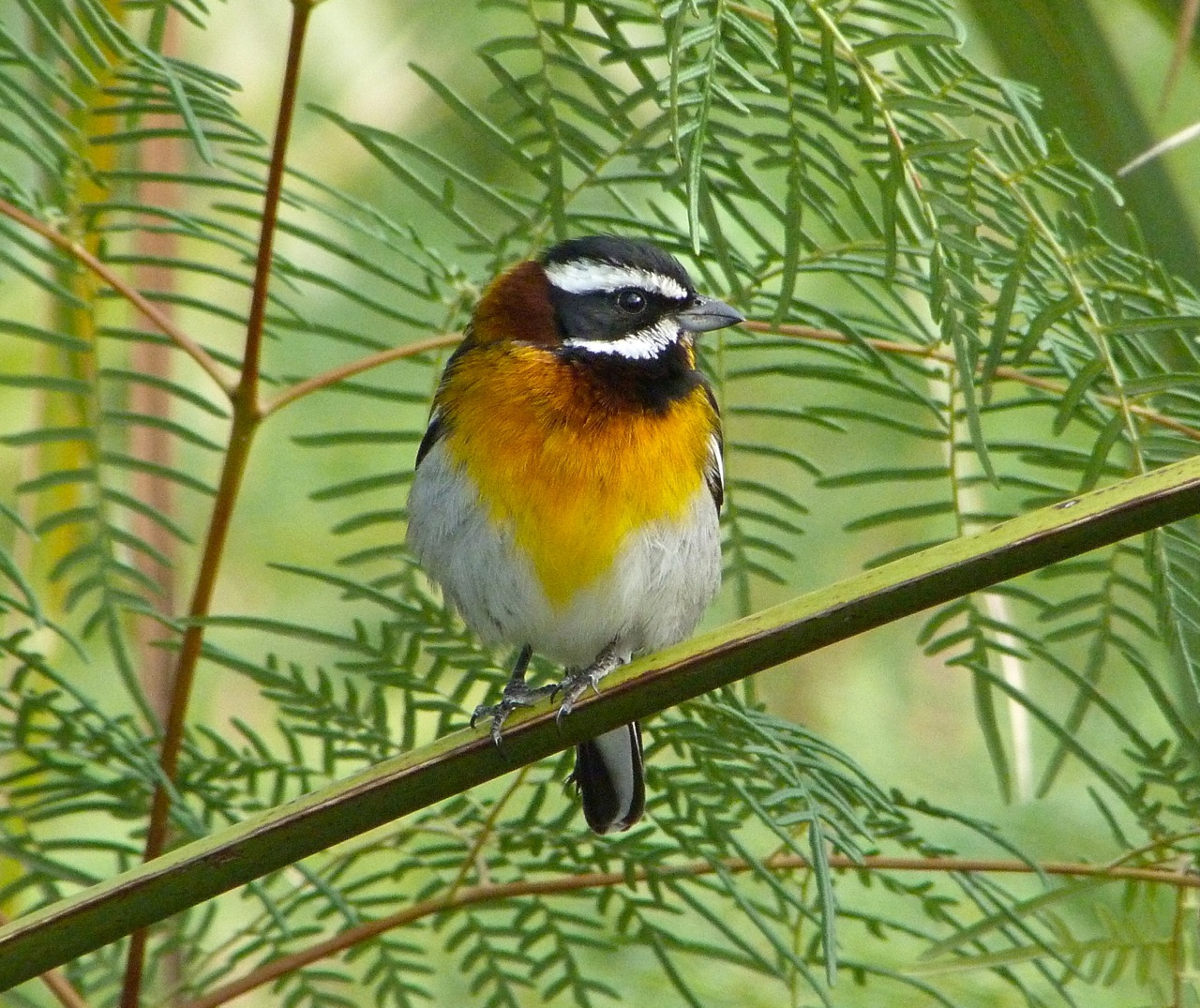
Nearly two years ago, when this blog was still in its mewling infancy, I posted about one of my favourite small birds on Abaco, the WESTERN SPINDALIS (Spindalis zena, formerly known as the Stripe-headed Tanager). It is a strikingly handsome creature by any standards, often seen posing ‘tall’ on a branch looking splendid in its orange, black and white livery.

Perching proudly…Western Spindalis Abaco 1… or dining elegantly…Western Spindalis Abaco 2

The  spindalis is one of the birds to look out for if you are walking along one of the drives at Delphi, or (*recommended 1/2 hour stroll*) walking the drive circuit. You’ll see them in the coppice or in the undergrowth alongside the drives in the pine forest area, almost certainly a little way in from the front. We spotted one quite close to the Highway, looking most decorative in the greenery. This one had an uncharacteristic hunched look about him, and we soon discovered why – he was courting. Not the black-faced grassquit near the bottom of the photo, but a female spindalis well-hidden low down and further back in the undergrowth to the left. So we edged nearer to get a better look.Western Spindalis Abaco 7

You’ll see that this male bird’s hunched posture has produced a rather impressive neck ruff, an adornment presumably irresistible to female spindalises. Both birds were ‘chucking’ softly to each other, and the male turned his head regularly to show off his glories from all angles. Western Spindalis Abaco 6Western Spindalis Abaco 8I can’t unfortunately reveal the outcome of this encounter. We never saw the female, and we had probably got too close for her to feel comfortable about breaking cover. The male, however, was too absorbed refining his pulling techniques to be greatly bothered by our presence, though he did keep a beady black eye on us. Is this male preoccupation when courting found in other animal species, I wonder? Reader, we made our excuses and left…

Unknown's avatar

BLACK & WHITE WARBLERS: WINTER VISITORS TO ABACO


Black & White Warbler (Wiki)

BLACK & WHITE WARBLERS (Mniotilta varia)

WINTER VISITORS TO ABACO

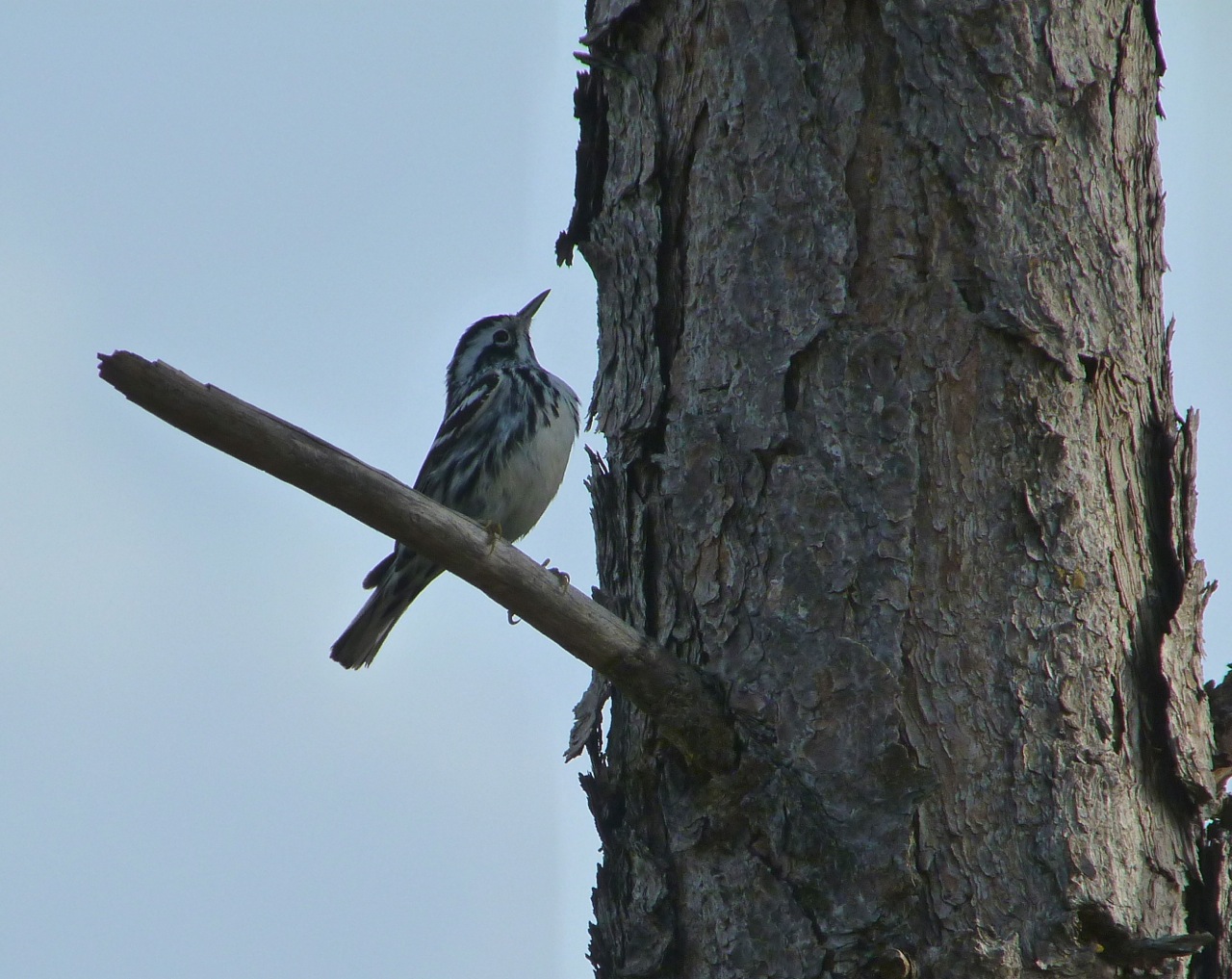
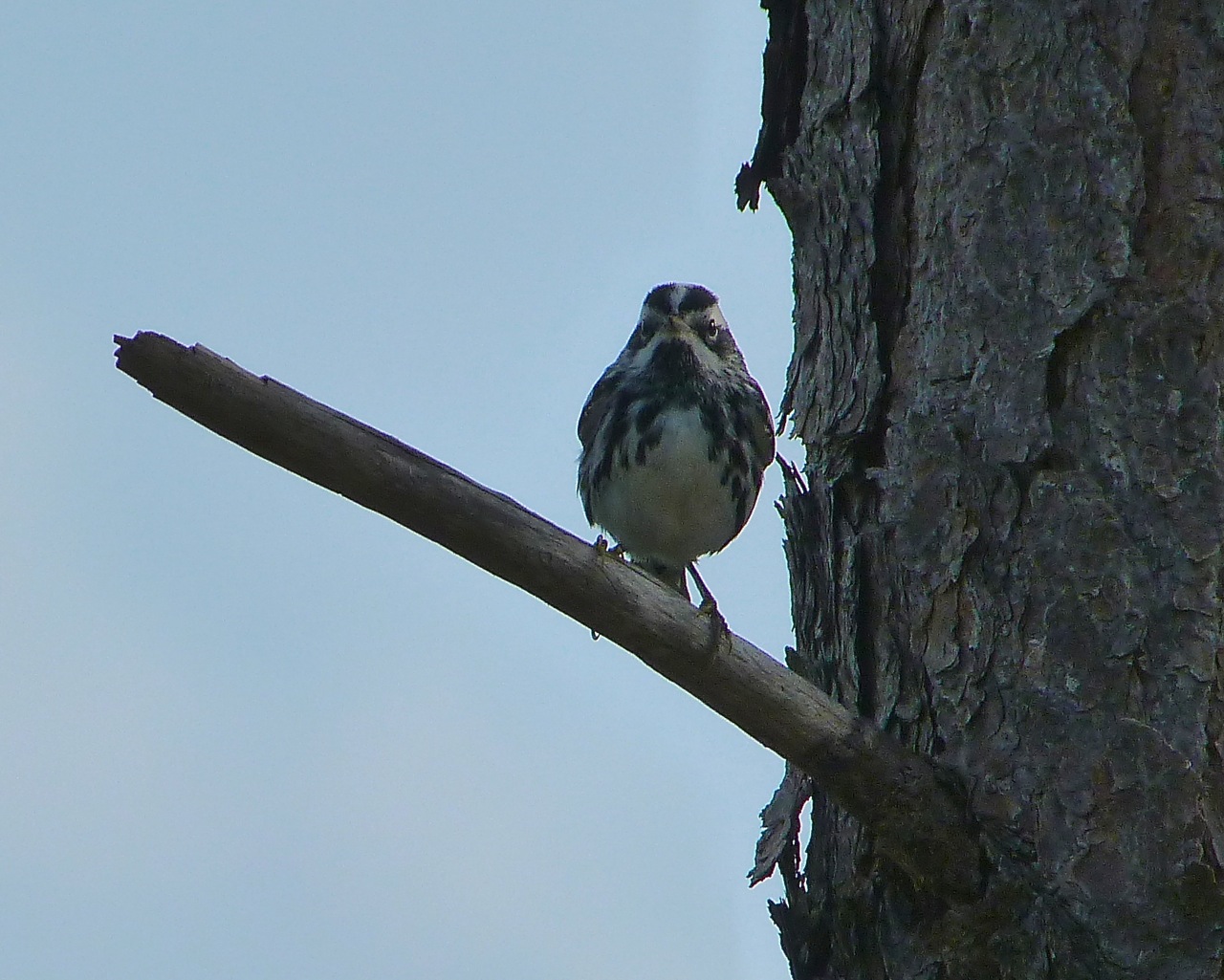
By no stretch of the imagination are the images below very impressive. Sorry about that. The wonder is that we noticed this little bird at all – also, that it stayed still for long enough for me to get a bead on it. I credit the sharp eyes of Mrs RH (from whom little is hid) for spotting a fleeting movement on a pine trunk along the Delphi drive. Unlike any other warbler, these small birds feed in the manner of nuthatches or tree / brown creepers. They run rapidly up and down tree trunks and branches foraging on insects in the bark with their sharp little beaks. 

Black & White Warbler, Abaco, Bahamas 1Summer & Winter Ranges

Black & White Warbler, Abaco, Bahamas 2

IUCN status

Black & White Warbler, Abaco, Bahamas 3

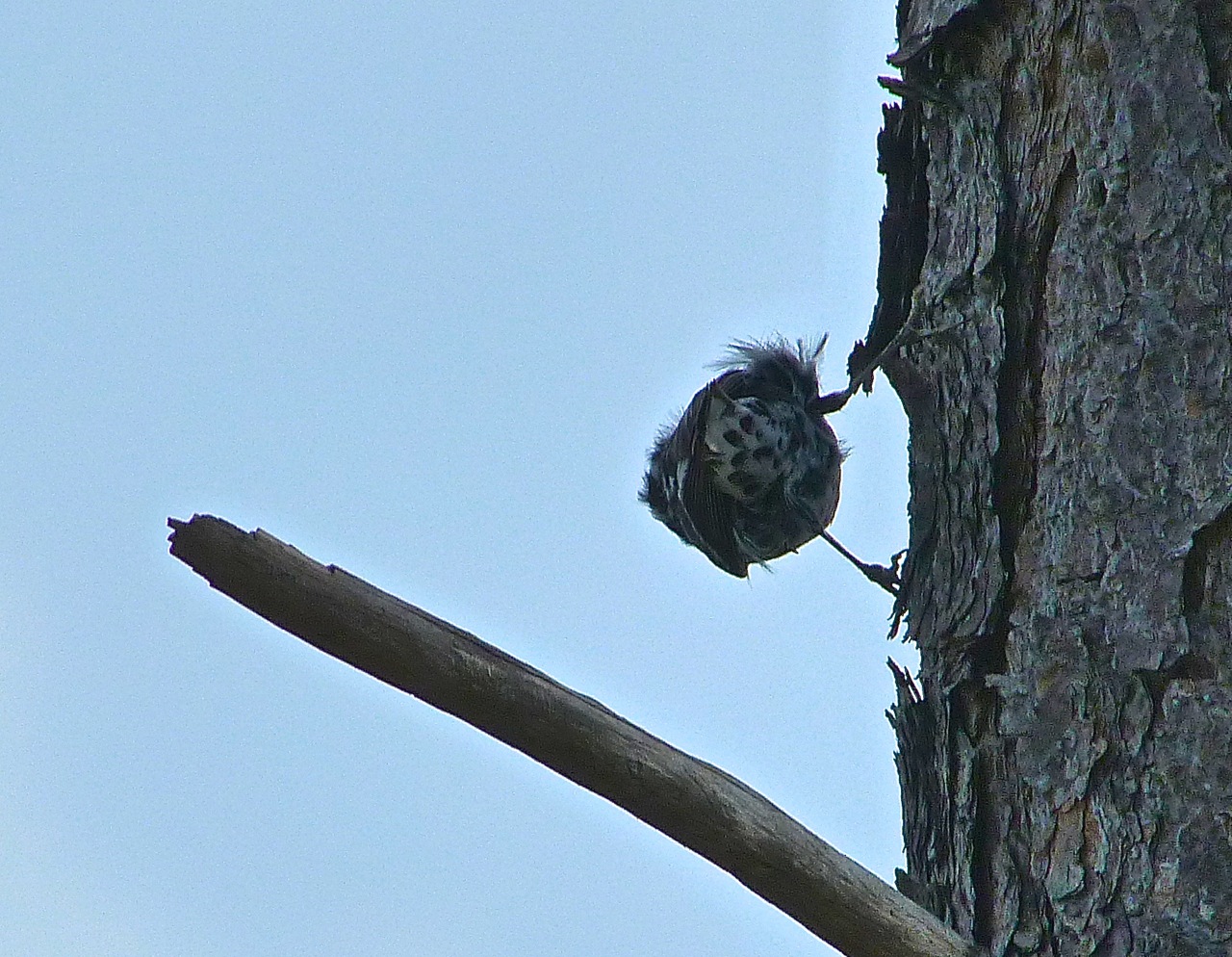
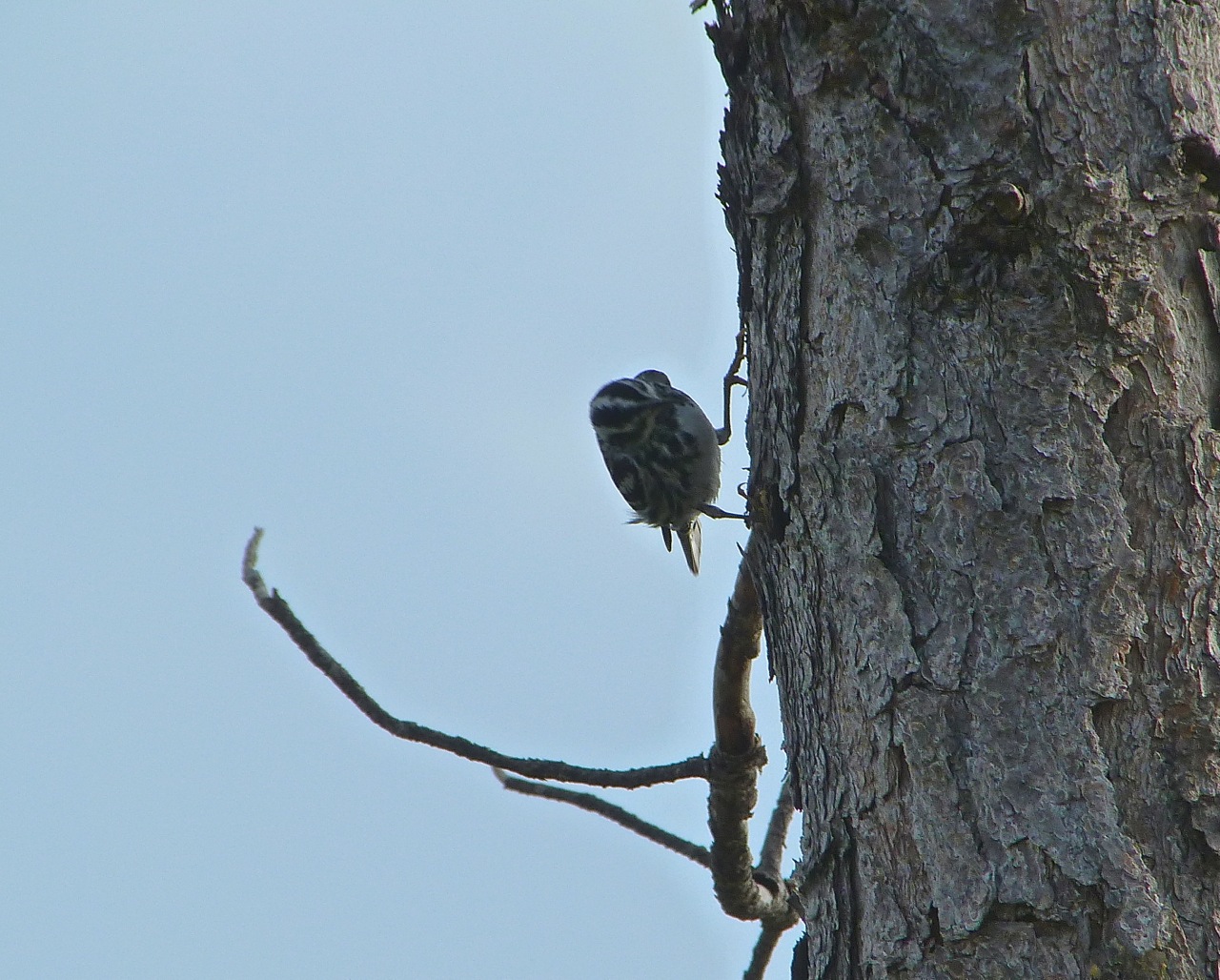
The next 2 photos (yes, I agree, they’re not very good, nor taken – the top one, anyway – from an elegant angle) are included to demonstrate the remarkable length and dexterity of the bird’s legs. During the minute we watched it before it flew off, we noted this characteristic legs-splayed ‘pausing pose’ several times.

Black & White Warbler, Abaco, Bahamas  4Black & White Warbler KS P1050385 - Version 2

Unknown's avatar

THE CORALS OF FOWL CAY MARINE PRESERVE, ABACO [VIDEO]


DCB GBG Cover Logo dolphin

THE CORALS OF FOWL CAY MARINE PRESERVE, ABACO

coral6

I usually have 3 or 4 planned posts on the go. Some are quick to compose, some are not. Especially those requiring technical input from the technically unsound – downloading a video, changing the file format, editing and polishing, uploading to a compatible ‘carrier’ etc. I’ve been meaning to get round to making some fish and reef videos from footage of a trip with Kay Politano of Abaco Above & Below. Now I have…coral8

If you are tolerant enough to at least start this one, which focusses on coral, can I restate the excuses? I swim like a panicking cat. I hadn’t snorkelled for a great many decades years until 2011. I was a stranger to underwater scenery, let alone photography. I wave my tiny camera around too excitedly, though not deliberately to inflict seasickness on hapless viewers… It is a bit less bad this time round, however. Luckily I can tell from my stats if anyone has bothered to click on the video below, and you can rely on me to trash the thing if I find a paltry (or non-existent) response. Best just to watch on the small screen, though.coral14

With those dire warnings, here is the video. I would be very interested to ID all the corals that can be seen. There are the easy ones like sea fan, elkhorn, mustard hill, brain… but what’s that one over there? No, behind the waving one…? Comments / suggestions welcome. And if you don’t much care for coral, there are some pretty fish to look at…

Music Credit: Adrian Legg’s ‘Old Friends’, from ‘Guitar Bones’

ADDENDUM JAN 13 I am really grateful to Capt Rick Guest for taking the time to view the video, and the trouble to analyse the contents. He has very helpfully highlighted many points of interest in the film, both as to coral and as to fish, so I’ll post his commentary in full, with my thanks. Of both interest and concern are Rick’s remarks about the Elkhorn Coral. I had wondered about its bleached look. It’s dying…

CORALS ETC

  • At 0:36 a lavender Sea Fan…(Gorgonia ventalina).
  • At 0:52 Yellow “Leaf”,or “Letuce Coral”. Agaricia species growing around a living soft coral called a “Sea Rod”. Soft Corals have living polyps which feed on plankton just like the hard corals.
  • At 1:02 More Agaricia, and a small Brain Coral at bottom. Either a Diploria, or Colpophylia species.
  • At 1:10 A Sergent Major fish, (Abedefduf saxatilus). One of my favorite Taxanomic names! Behind is mostly dead, Elkhorn Coral. The white areas being indicative of “White Plague”. A disease responsible for Coral Whiting…..Death!
  • At 1:37 A Blue Tang swims over some “Mustard Coral”… Porites porites.
  • At 1:55 A chubby “Chub” swims by. Likes caves and caverns and edible, but not palatable.  
  • At 2:33-38  Much coral bleaching damage here on these Elkhorn Corals.  
  • At 2:40-48 A Thalassoma bifaciatum,or “Blue Headed Wrasse” is swimmin’ about. This guy used to be a lady,but he’s a product of Protandric Hermaphrodism! When there’s a paucity of males in the area, a yellow female will step up and become a male for the school.
  • At 3:29 Lower right: a fine example of Millepora complanata,”Fire Coral”. Fire Coral is more related to Man-O-War, and jellyfish than Corals.
  • At 3:50 More Elkhorn Coral with White Plague  
  • At 4:23 Brain Coral, probably Diploria clivosa 
Unknown's avatar

ABACO PARROTS & CHICKS – A 2012 BREEDING SEASON PICTURE GALLERY


Limestone Holes & Abaco Parrots 09

DCB GBG Cover Logo

ABACO PARROTS & CHICKS

A 2012 BREEDING SEASON PICTURE GALLERY

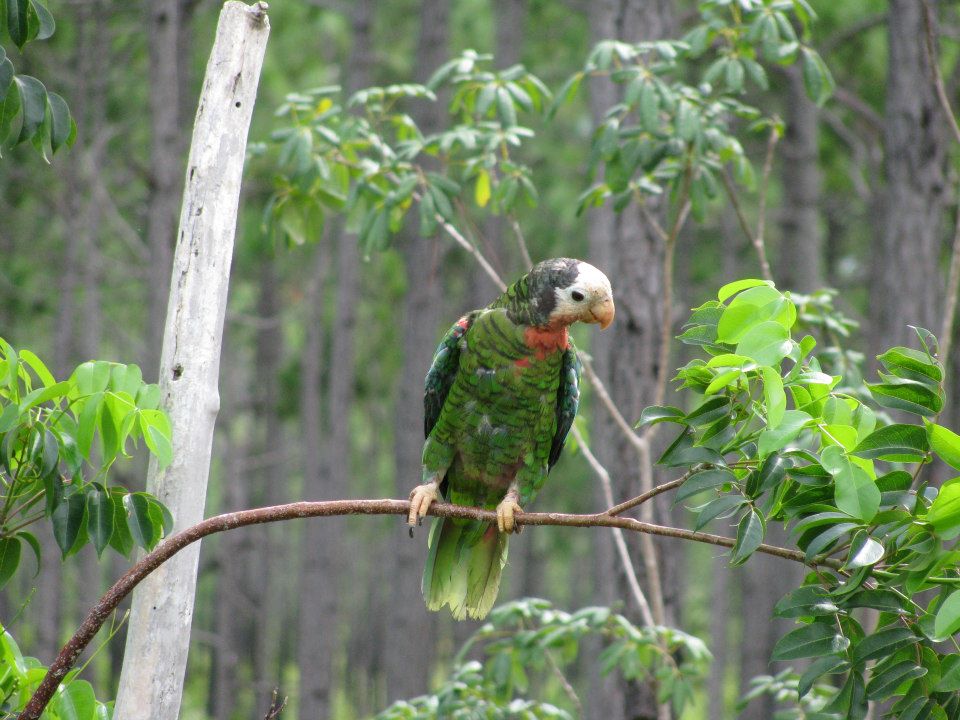
Time to write some more about Abaco’s most famous bird, the unique ground-nesting Amazon / Cuban parrot sub-species that makes Abaco its home, and breeds in the pine forests of the Abaco National Park in the south of the island. You’ll find lots of information and photos on the dedicated page ABACO PARROTS.

This post covers the 2012 breeding season, and highlights the success of scientist Caroline Stahala and her team in helping to secure the future of these rare endangered birds. The population had shrunk to around 2500 (or fewer) some years ago. More recently it had risen to 3000. An intensive conservation program, including anti-predation measures, has proved effective; and a systematic ringing program has enabled the team to keep a close eye on recovering parrot numbers. Caroline says that the population is now in the region of 4000, confirming an encouraging reversal of a dismal decline towards extinction for these beautiful birds.

ABACO PARROTS IN THE PINE FOREST

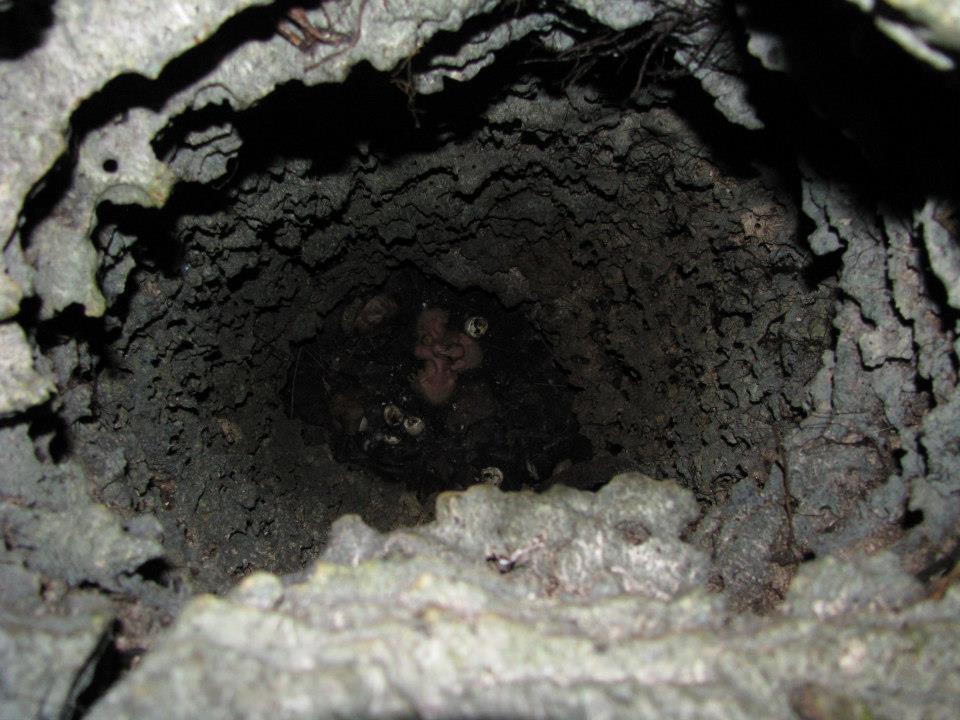
The parrots breed only in the pine forest, where they nest in quite deep holes in the limestone rock. This makes the nests and the areas round them vulnerable to predation from feral cats and rodents etc; but conversely it offers protection from the forest fires that would destroy tree nests. 

The holes are often well concealed in the undergrowth and take some searching for…

Both parents are involved in the nesting and later chick care. The female lays 2 – 4 eggs.

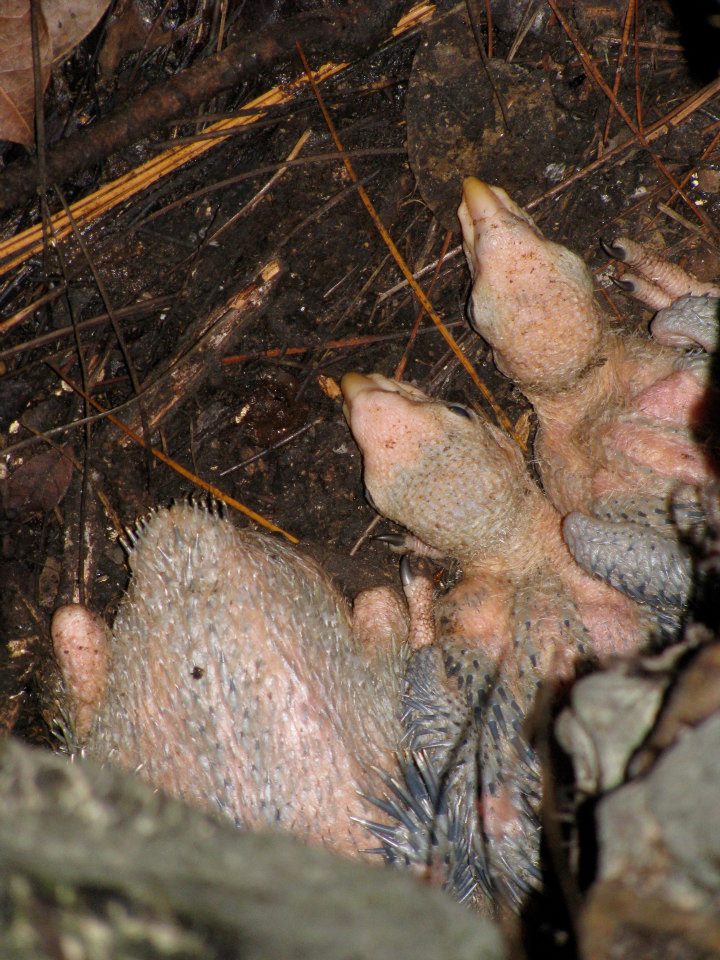
The chicks hatch after an incubation period of around 26 days

Some of the nest holes are remarkably deep: the parent parrots clamber up and down the sides

The chicks grow the beginnings of feathers, remaining quite unattractive except to their parents

The parent parrots share feeding and care duties

The chicks / fledglings stage are ringed so they can be identified – see ABACO PARROT CHICKS

By coincidence, as I was producing the post above, Craig Layman at THE ABACO SCIENTIST was also ruminating on the topic of Abaco parrot breeding. He posted the comments below, which raise the very interesting question whether the Abaco parrots, with their increased population, may be starting to breed outside the National park. Caroline can probably answer this (see COMMENTS), but does anyone have any direct evidence to suggest a wider breeding habitat? I guess there would need to be a suitably pitted rock structure for the nests, and an absence of the usual cat- and rat-type predators that one might find nearer human populations. Answers welcomed via the comment box…

(Sort of) A Bahama Parrot Study

Posted by laymanc 26 Nov 2012

It isn’t really much of a study, but the only “science” I have been able to do over the last week with the continued turbidity of  nearshore waters.

The Bahama parrot (more information HERE and HERE) is one of the iconic Bahamas animals, and the main factor behind the establishment of the ABACO NATIONAL PARK in southern Abaco.  But my study has been conducted instead from my desk in Little Harbour.  My main finding is simple: the range of the parrot has clearly expanded; it has now been a full calendar in which parrots have been in the area.  Just a few days ago two dozen were squawking around the harbour.  The key will be whether they begin nesting here as well – I havent heard reports of that yet.  But if they do, the expanding nesting range will substantially increase long term viability of the parrot on Abaco.  That ends my first ever Bahama parrot study (I really need more time in the water when I come back).

Unknown's avatar

GEORGIE THE ABACO MANATEE: IS SHE RELATED TO AN ELEPHANT?


GEORGIE THE ABACO MANATEE: IS SHE RELATED TO AN ELEPHANT?

Georgie, having returned to Cherokee after Hurricane Sandy, is still around there and seems to have made it her home. While she was missing, it was thought she had headed off instinctively for the protection of the mangroves. However a number of sighting reports made since Sandy suggest that she had sensibly swum up the canal at Casuarina, where she was able to keep her head down until the storm had safely cleared northwards, and she was able to return to base. Because she had shed her tag, we’ll never know the full story… 

Georgie safely back at Cherokee after Hurricane Sandy

Recently an interesting article by BEACH CHAIR SCIENTIST considered the relationship between sirenians and pachyderms, and added some handy comparative facts (you can seen more manatee facts on this blog HERE). Thanks, BCS, for use permission (the relevant credits are contained in the article).

Are manatees and elephants related?

by Beach Chair Scientist

It might be very difficult to imagine, but manatees (also known as ‘sea cows’) share a common ancestor with elephants which might come as a surprise if you thought manatees shared a common ancestor with other marine mammals such as dolphins, whales, or sea lions. Here are 10 facts that link manatees and elephants are long-lost relatives.

1. Scientifically, manatees and elephants are classified as subungulates. Other mammals in the Subungulata superorder are hyraxes and aardvarks.
2.Manatees and elephants have an uncommon-shaped heart that is spherical. To compare, most mammals have a single-pointed tip at the base (i.e., “heart”—shaped).
3. The West Indian and West African manatee have three or four fingernail-like structures on the tip of their flippers, just like that of the toenails on the feet of elephants.
4. Manatees and elephants both have a thick, gray skin with very sparse hair.
5. Manatees and elephants have molars which move toward the front of the mouth, eventually break off, and are restored by those at the rear. Elephants have a limited number while manatees are never-ending.
6. Manatees have two incisors that bear a resemblance to elephant tusks.
7. Manatees use their large, flexible muscular lips to break apart vegetation in the water and skillfully steer food to their mouths. This is very similar to the action of the elephant eating with his trunk.
8. Manatees and elephants are herbivores. Manatees tend to feast on sea grass and freshwater plants and consume up to 100-150 pounds a day. Elephants tend to feast on small plants, bushes, fruit, twigs, tree bark, and roots and consume up to 330-375 pounds a day.
9. Male manatees and elephants are known as bulls. Female manatee and elephants are known as cows. Young manatee and elephants are known as calves.
10. Manatees and elephants are both endangered. Their numbers have dropped due in a large part to human activities.

Manatee image (c) cruisenaplesflorida.com, elephant image (c) gallery.hd.org

Here is a fantastic TEACHING RESOURCE from the University of Florida and Se Grant extension I uncovered while pulling this post together.

Credit: SavetheManatee.org

To whom thanks also for this: WHAT DO MANATEES SOUND LIKE? 

[audio http://www.savethemanatee.org/Manatee%20Sounds/Track03mp3.mp3]


Unknown's avatar

“GIVE PEEPS A CHANCE”: THREATENED PIPING PLOVERS, ABACO BAHAMAS


“GIVE PEEPS A CHANCE”: THREATENED PIPING PLOVERS

Not the feeblest punning title on this blog, but going hard for the avian-related booby prize. As it were. And you might with reason point out that, strictly speaking, ‘peeps’ are not plovers at all, but small squeaky sandpiper species. Many months ago I did a short post about these tiny plovers, and had begun to update it. Then I found that both the BNT and the ABACO SCIENTIST are onto them too. Thanks to them, I have some excellent added material further down the page… But first, here’s a quick cut out ‘n’ keep summary

SIZE               Charadrius melodus is a Very Small Shorebird

HABITAT     Rocky shores / sandy beaches; nesting in higher, drier areas of the shoreline where there is cover 

Photo courtesy of Caribbean Birds SCSCB

RANGE          From Canada (summer) down to the Gulf of Mexico (winter). They head south in August and return in March 

Credit: Xeno-Canto / Google

CALL              A thin whistled peep peeping, whether standing or flying, and a two-note alarm call [There are surprisingly few Piping Plover call samples online. Many sites – Audubon, eNature, Birdwatchers Digest – all seem to have the same one. So I’ll credit them all and the originator Lang Elliot and hope I’ve covered my back…]

BREEDING   The male digs out several scrapes on the high shoreline. The female contemplates these efforts, and (if any meet her ideal domestic criteria) chooses her preferred one, which she then decorates (grass, weed, shells etc). Meanwhile, Mr Peep tries to impress her by chucking pebbles around, dive-bombing her, and strutting around her importantly and “fluffed up” [none of these tactics work in human courtship, in my experience]. If Mrs Peep (a) likes the home she has chosen and furnished and (b) has recovered from her fit of the giggles at all that performance, she permits mating to proceed

NESTING     First nests normally have 4 eggs; later ones fewer. Both share incubation and subsequent parental ‘brooding’ duties

DEFENCE    Plovers have a defensive “broken wing display” used to distract predators and draw attention away from the nest

THREATS    Larger birds, cats, raccoons etc. Human disturbance. Plovers and chicks are vulnerable to storms & abnormal high tides 

ZOOM…!     Capable of running at astonishing speed over short distances. When they stop, they often snap the head back and forward.

STATUS       Depending on area, treated either as Threatened or Endangered; IUCN listing NT

CONSERVATION Historically PP feathers were used as decoration in wealthy women’s hats – no longer a problem. Shoreline development and alterations to natural coastline are now the leading cause of population decline. This has been reversed through field and legislative protection programs, especially at nesting sites; public education; anti-predation measures; and restricting human access in vulnerable areas – including off-roading…

STOP PRESS Nov 18 Sean has just posted a professional / scientific article about piping plovers, with some very useful information specific to Abaco and some helpful links, over at the ABACO SCIENTIST. Clicking through is highly recommended if you want to know more about these little birds

This is the characteristic ‘pigeon-toed’ stance – they run that way too…

RICARDO JOHNSON’S 6 MINUTE VIDEO ‘PIPING PLOVERS’ 

Ricky is a well-known, infectiously enthusiastic, and compendiously knowledgeable Abaco nature guide  (this guy gets way too much free publicity in this blog…). As I wrote when I originally posted  it “In this video he focusses his binoculars on piping plovers, a threatened species of tiny plover which annually makes a long migration to the Bahamas, including Abaco – and then heads all the way north again.”

If this video doesn’t make you smile at some stage, I suspect a SOH bypass and / or your ‘anti-cute’ setting is jammed on. Even so you’ll see the differences between the piping plover and the more familiar Wilson’s plover.

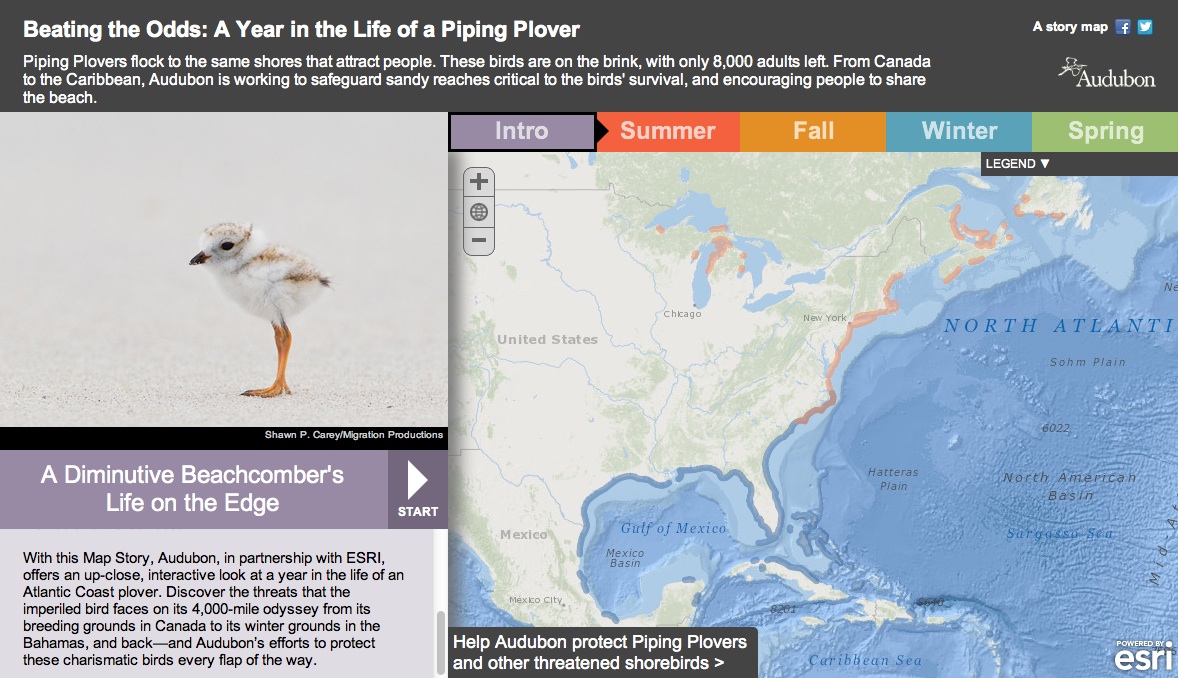
The BNT / ABSCI material originates from the Audubon Society. If you want to know about the annual journeys of these little birds and where they are in each season, it’s all here. The item was made in conjunction with the ESRI mapping project. I’ve put a screenshot below to give a general idea of what’s involved [click to enlarge] and you can reach the interactive Audubon page if you CLICK PIPING PLOVER

Credits:Wiki (images), Audubon Soc, Xeno-Canto, Lang Elliot & partners, Ricky Johnson

Unknown's avatar

HOLE-IN-THE WALL ABACO: “MIND THE GAP” – A NEW ISLET IS BORN


HOLE-IN-THE WALL ABACO: “MIND THE GAP” – A NEW ISLET IS BORN

17th October 2012

Jack Bowers and friends visited Hole-in-the-Wall and took what are probably the last photos of Hole-in-the-Wall before Hurricane Sandy struck, and the central arch was smashed into the sea – this one below, and others HERE

6th November 2012

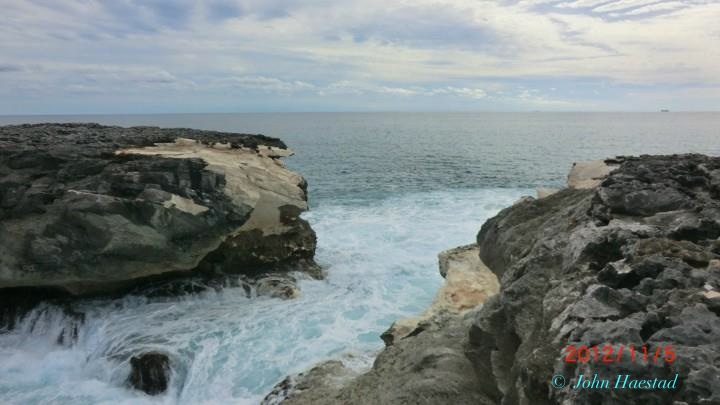
Less than 3 weeks later, John Haestad made the same trip towards the end of the promontory. This time, it was different. The arch was gone. Beyond the breach, a new islet, separated from the mainland by a foaming channel. John has kindly given use permission, and you are now looking at what may be the first image of Abaco’s new geography. A feature that had appeared on maps since at least the early c18, been a landmark for marine navigation for centuries, and lent its name to the lighthouse station, has gone forever. A very small island at the southeastern tip of Abaco has been born…

HOLE-IN-THE-WALL PROMONTORY, ABACO
(Since posting this, Jack Bowers has come up with ‘Holy Isle’, which has a certain ring to it…)

ADDITION I have now found a photo by Jennifer Arrington (to whom thanks for use permission) which shows from a helpful angle both the intact Hole and the small tip of land beyond, now an island. Many photographers are understandably drawn to the Hole itself by the time they have trekked across the sharp uneven rocks to get to it. This is one of the few I have found that gives a wider perspective.

HOLE-IN-THE-WALL: THE ‘ISLAND’ BEFORE IT BECAME ONE…

AFTERWORD FROM ROLLING HARBOUR

For an interesting philosophical and metaphysical discussion on whether the collapse of the arch made any sound if there was no one (and / or no living creature) there to hear it, check out IF A TREE FALLS IN A FOREST… but please don’t if that sort of arcane  and /or pointless argument drives you mad with irritation 

Unknown's avatar

FLAMINGO TONGUE SNAILS & SHELLS: COLOURFUL GASTROPODS OF THE CARIBBEAN


FLAMINGO TONGUE SNAILS & SHELLS: COLOURFUL GASTROPODS OF THE CARIBBEAN

AN UPDATED VERSION OF THIS POST WITH NEW IMAGES AND MATERIAL (AS WELL AS A RETREAD OF SOME OF THIS POST) WAS POSTED IN NOVEMBER 2014 AND CAN BE FOUND HERE

The FLAMINGO TONGUE SNAIL Cyphoma gibbosum is a small sea snail (marine gastropod mollusc), related to cowries. The live animal is brightly coloured and strikingly patterned, but that colour is only in the ‘live’ parts – the shell itself is pale and characterised by  a thick ridge round the middle. These snails live in the tropical waters of the Caribbean and wider western Atlantic. Whether alive or dead, they are easy to identify.

This snail on the left (thanks, Wiki) is snacking on a coral stem, leaving a feeding track behind it. The structural shell ridge is clearly visible beneath the distinctively marked live tissue.

The flamingo tongue feeds by browsing on soft corals. Adult females attach eggs to coral which they have recently fed upon. About 10 days later, the larvae hatch. They eventually settle onto other gorgonian corals such as Sea Fans. Juveniles tend to live on the underside of coral branches, while adults are far more visible and mobile. Where the snail leaves a feeding scar, the corals can regrow the polyps, and therefore predation by C. gibbosum is generally not harmful to the coral.

The principal purpose of the mantle of  tissue over the shell is as the creature’s breathing apparatus.  The tissue absorbs oxygen and releases carbon dioxide. As I have seen it described (unkindly?) “it’s basically their lungs, stretched out over their rather boring-looking shell”. 

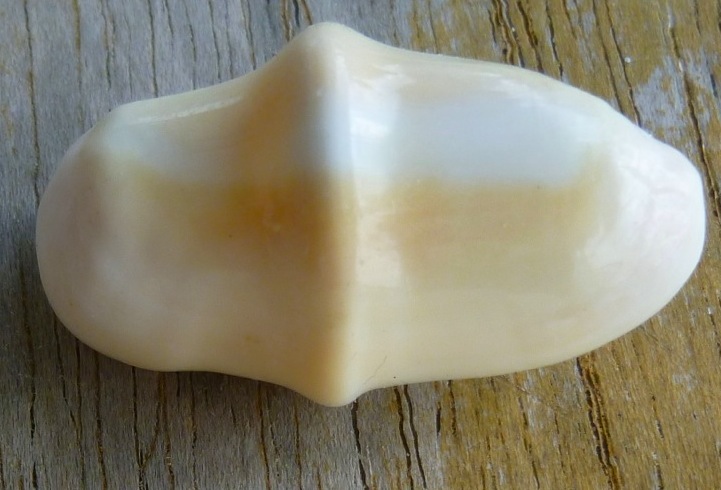
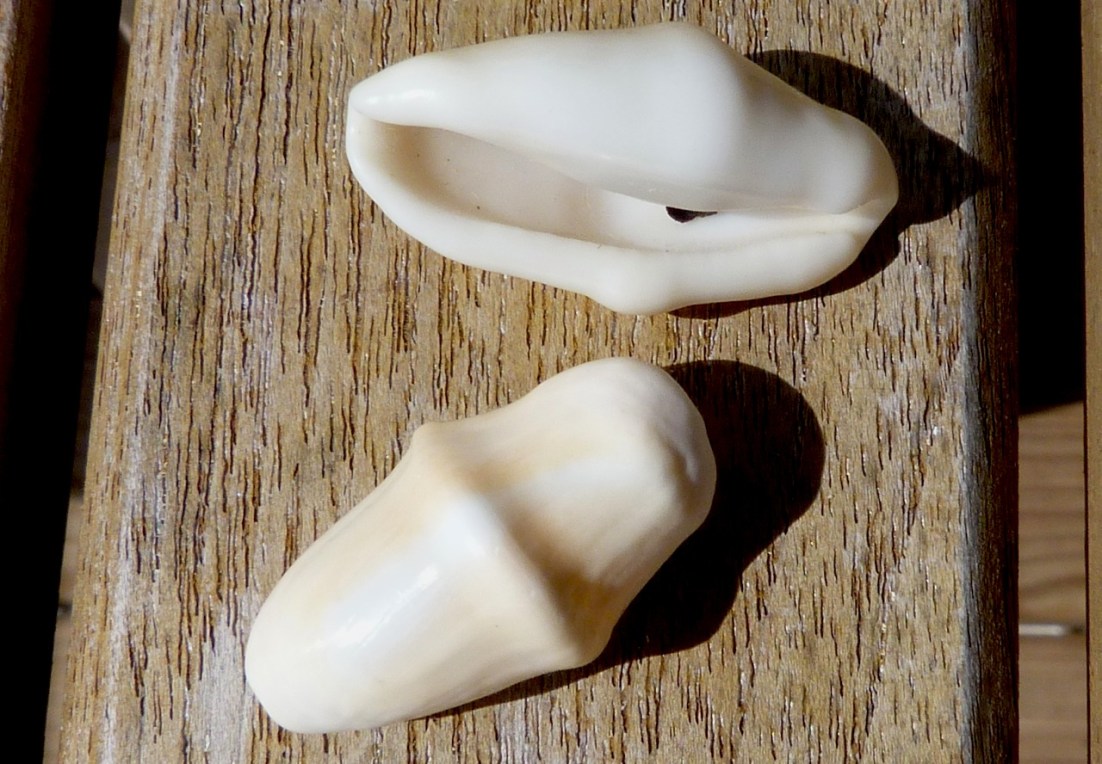
This species was once common but is becoming rarer. One significant threat comes from snorkelers and divers who mistakenly think that the colour is the shell of the animal, collect up a whole bunch, and in due course are left with… (see photos below)

These photos are of flamingo tongue shells from the Delphi Club Collection. Until I read the ‘boring-looking shell’ comment, I thought everyone thought they were rather lovely… you decide!

Finally, a couple of videos. The first is rather charmingly titled ‘FLAMINGO TONGUES DOING…. SOMETHING’. Any (printable but amusing) suggestions via the Comment box are welcome (Hi Trish!). The second punchily summarises this post. Maybe that’s all that was needed!

Unknown's avatar

FLAMINGOS & PELICANS: BIRDS OF ABACO… YET NOT IN ABACO


PINK FLAMINGOS & WHITE PELICANS

BIRDS OF ABACO… YET NOT IN ABACO

This post is a slight, alright huge, cheat. It’s been a Hurricane Sandy-dominated week. I have been posting / updating daily about the storm: the before, during and after for Abaco. Weather predictions. Trackers. Pics. Views from space. Several thousand hits later, and I realise that, as for Irene last year, the world is thirsty for information about cyclones and the communities affected by extreme weather. The power and communication problems faced by Abaco (as elsewhere) at these times increases the global concern. There have been emails asking for information about damage at Green Turtle Cay; if I know how uncle Fred on Elbow Cay is faring; and what of Saucy Sue in Marsh Harbour (the boat, not the person)…

Now that the storm has passed, power and comms are mostly restored, and the clean-up underway on Abaco it’s thankfully back to wildlife. Some interesting birds are called for to spread some cheer.These two species will be familiar but not in the setting shown…

PINK FLAMINGOS (Phoenicopterus)

Cheat 1: These birds were photographed… in captivity. Not quite the same as the real wild thing, I agree. To see wild ones on Inagua during the past breeding season, check out my earlier post with wonderful photographs by Melissa Maura CLICK HERE

Cheat 2: They are not in fact the Bahamas / Caribbean species, now I come to think of it. But they are undeniably pretty and cheering.

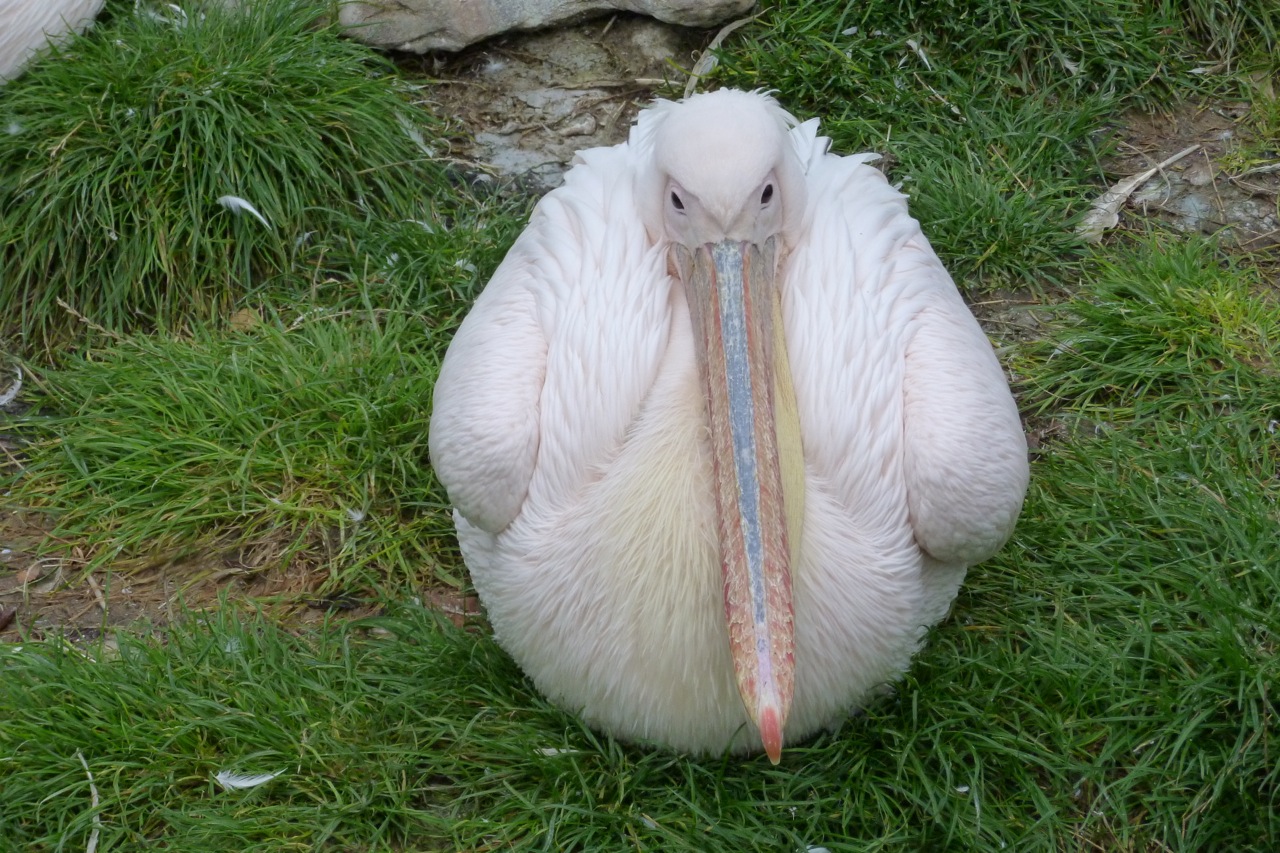
WHITE PELICANS (Pelicanus)

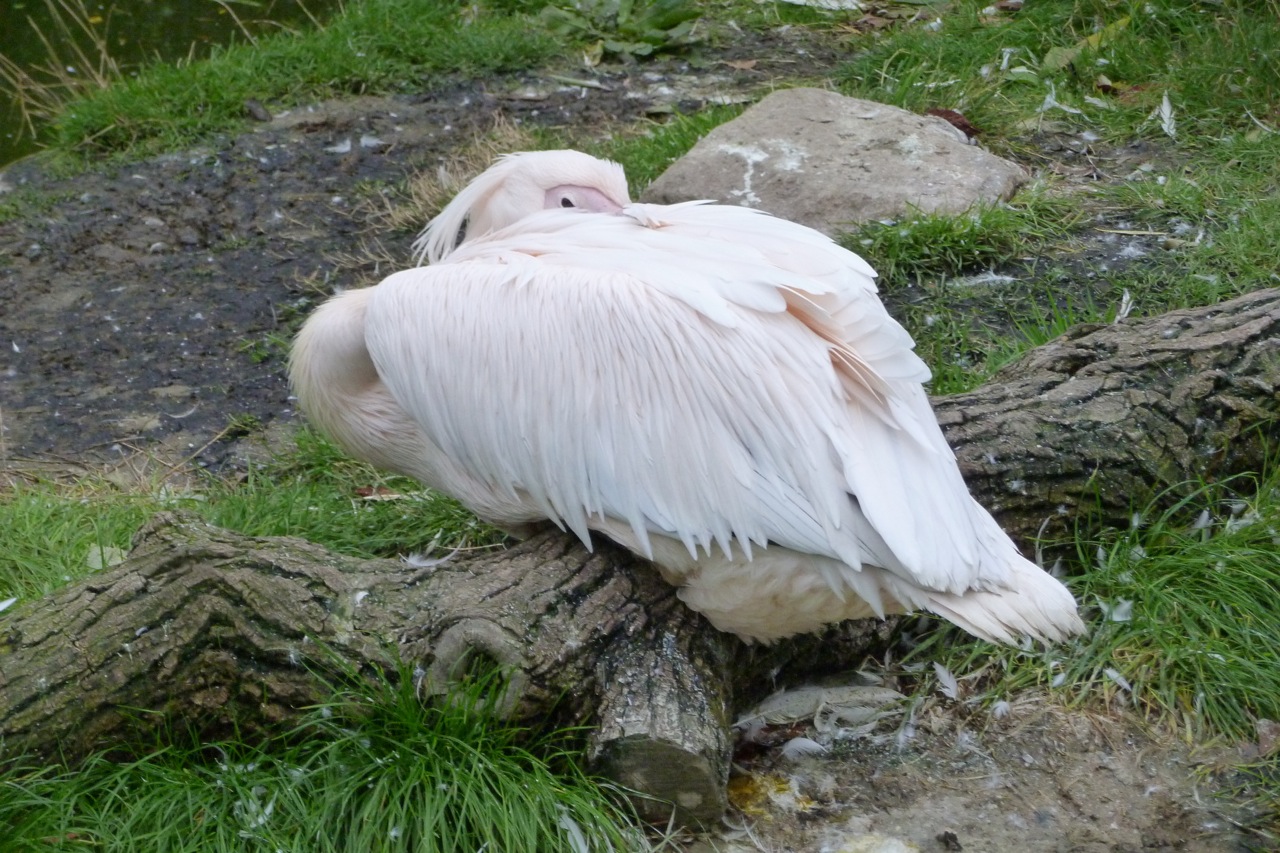
The birds below are American White Pelicans, not the Brown Caribbean Pelican familiar in the Bahamas. This isn’t a real cheat, however, since these birds are listed (in some sources at least) as ‘accidentals’ in the Bahamas. These’s always the chance that you might see a stray one. And if anyone has – especially if they have a photo – I’d be most interested to know.

Unknown's avatar

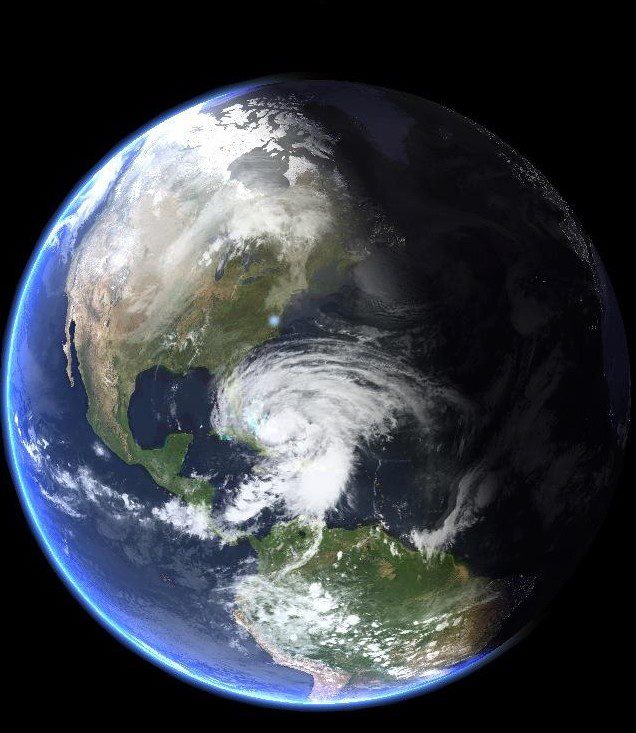
HURRICANE SANDY: VIEWS FROM SPACE, STORM SURGES & THE THREAT TO NEW YORK…


INTERACTIVE HURRICANE SANDY STORM TRACKER

Type in your location for current path prediction

Click Pic!

<<<<<<<<<<<<<<<<>>>>>>>>>>>>>>>>>>

1. SCARY BEAUTY

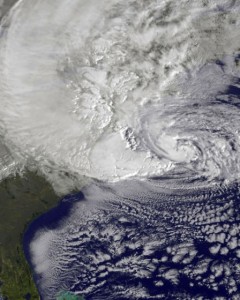
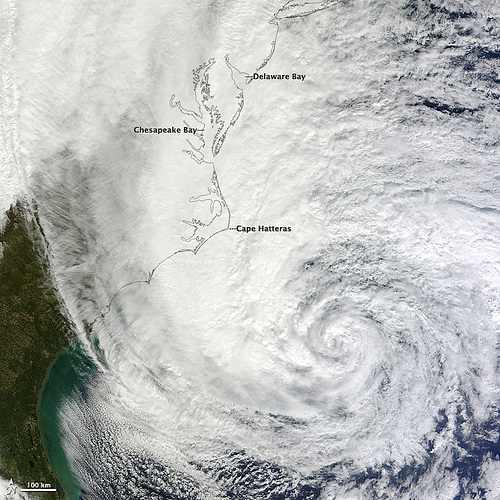
HURRICANE SANDY: VIEWS FROM SPACE

LATEST NASA-GOES IMAGE 29 OCTOBER


Photo credits NASA-GOES, NOAA, BBC & honourable tips of the hat to sundry Sandy magpies

2. STORM SURGE

HURRICANE SANDY’S THREAT TO NEW YORK

US EAST COAST FLOOD PROJECTION MAP

“12 FEET” The biggest fear from this storm in the New York City area is the storm surge. Right now anything from 6 to 12 feet seems quite possible. The greatest storm surge in modern history at Battery Park was 10.5 feet in 1960. Irene’s storm surge was a little over four feet in New York. That’s why you’re seeing evacuations in New York (extract, Guardian UK)

sandy storm surge

Photo credit: Noaa.gov

FOR 9 MORE REASONS THAT MAKE SANDY AN EXCEPTIONAL STORM, CLICK HERE

Unknown's avatar

HURRICANE SANDY AFTERMATH: ABACO PICTURES, NEWS FROM DELPHI CLUB, BAHAMAS & MANATEE UPDATE


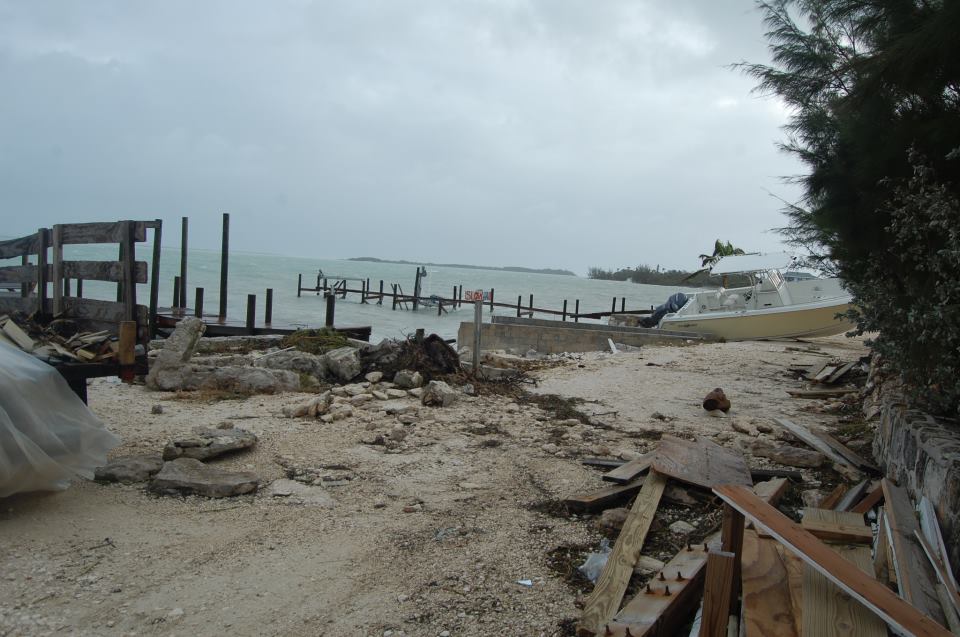
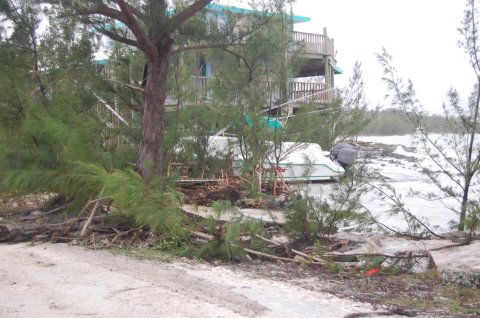
DAMAGE FROM HURRICANE SANDY AT THE DELPHI CLUB, ABACO

The storm has passed from the Bahamas and the clear-up is underway – but further north communities are bracing themselves for the onslaught. The news today  from contacts, from Facebook and the web generally, is of thankfully little lasting damage, with power and comms restored in many places. There’s been plenty of flooding – eg Sandy Point – and tree / plant mayhem.

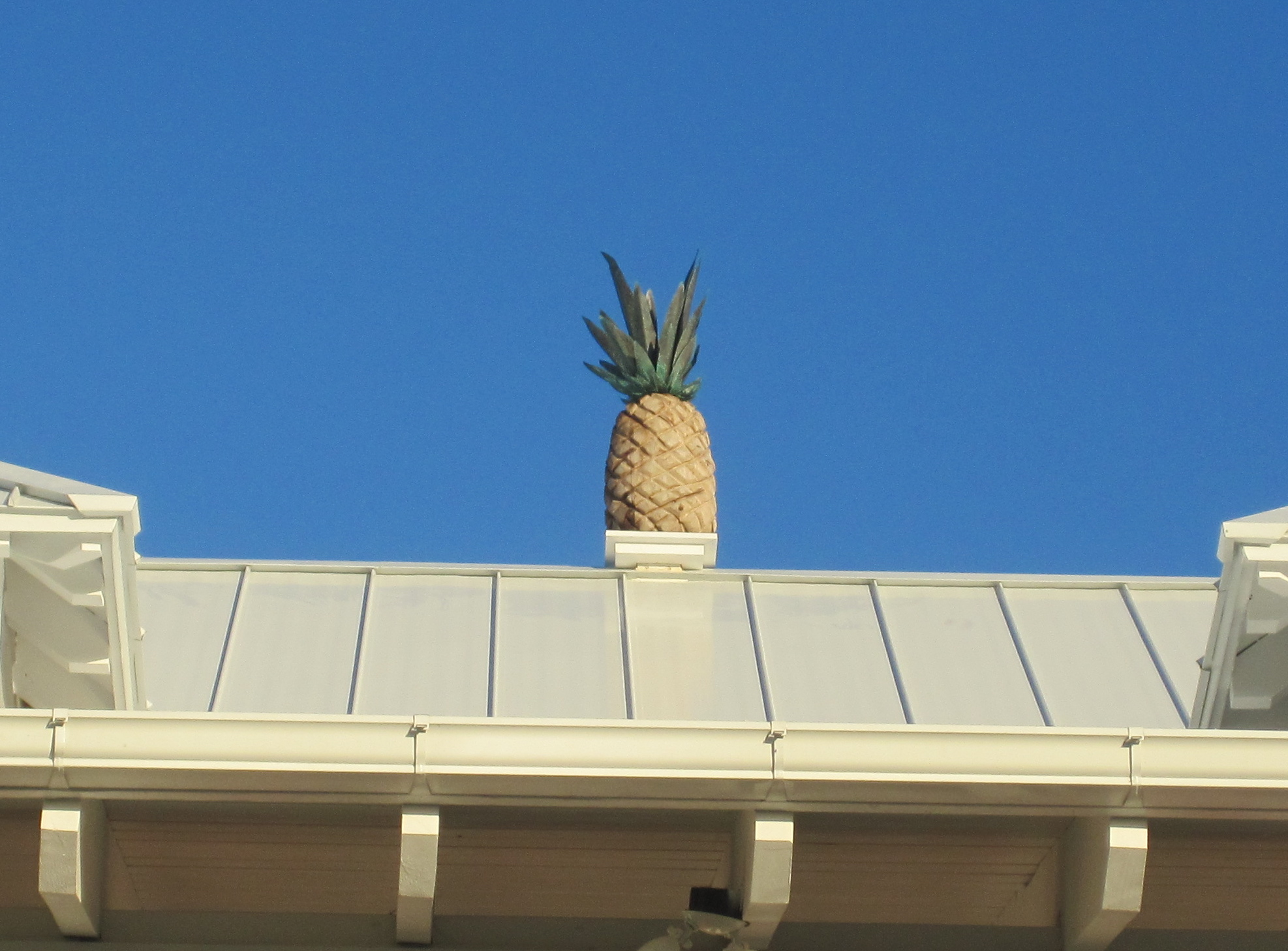
The Delphi Club was again, as with Irene last year, almost directly beneath the eye of the storm. Then, a couple of leaves were lost from the pineapple crown (above), a few fittings were smashed, and the gardens were unceremoniously rearranged. Peter Mantle, Delphi Club supremo, has posted his record of the last few days at the club – the approach of Sandy, the storm, and the aftermath. I am posting extracts below, to be read (chronologically) from the bottom entry to the top of the page. For those who haven’t experienced a storm of this violence, Peter’s account gives a vivid picture of the before, the during and the after…

Apologies for having posted about Sandy in detail with maps etc, and at the crucial time tailing off  while I was away and had only an iPhone™  and a sporadic connection…

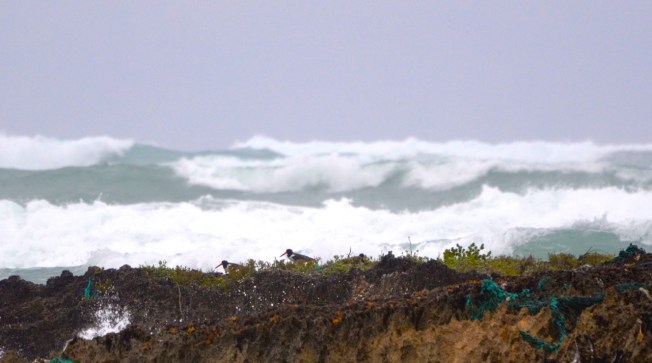
STOP PRESS: AMERICAN OYSTERCATCHERS – BRAVE OR FOOLISH? 29 October

Peter Mantle has just sent me a ‘Sandy’ photo from the Delphi Club beach, showing a group of oystercatchers on the rocks at one end of Rolling Harbour. Storm detritus already festoons the rocks. Have the birds seen what’s about to hit them? Are they waterproof? 
STOP PRESS: BMMRO MANATEE UPDATE 29 October

The BMMRO has posted news from Sandy Point and for those who have been asking after manatee Georgie’s welfare, an update:

“Hi Everyone, everything is ok here at the research center! We are working on getting information on Georgie’s whereabouts and we will happily update everyone as soon as we hear anything. There’s still a bit of damage here in Abaco that is preventing travel but hopefully we will be able to get up to Georgie soon”.

STOP PRESS: SOME ABACO IMAGES 28 October

(credits to Timothy Roberts & Cindy James Pinder and their facebook posts)

SANDY TAKES BONEFISH; DARK HUMOUR ON DARK DAYS

OCTOBER 27th Among the many bits of minor damage caused by Hurricane Sandy was the destruction of our bonefish weather vane. This had been hand-made by the other Sandy, our general manager, and stood atop his lodgings. Snapped off, the copper creation was found nearby, bruised and dented, rather like ourselves.

Yet again, we have been very fortunate – staff and guests are all well. And most of the damage caused by the 100mph winds was minor. The storm had its moments, but the worst bits were at nighttime when many people were huddled safe in bed. Lots of bumps and bangs provided a spooky soundtrack, but it was more of a B movie than a full-blown Hollywood epic. That said, I hate to think what a really big Category 3, 4 or 5 hurricane would be like.

We still have no mains electricity; thank God for the gennie. We have no phones or mobile connection, so we have little idea of what is going on elsewhere on the island. We hope for the best but fear not all will have escaped as lightly as we did. Some of the staff from Crossing Rocks are stranded here by flooding. But the wireless internet is back so all will soon be revealed.

Yet again, the gardens have been shredded. The banana trees have been snapped off mid-fruiting. My favorite banyan tree has broken in half again, having nearly bounced back from Irene. The big Bismark ferns are banjaxed, the bougainvillea is blasted leafless and the pool is a mess. But who cares. We are fine. Dunkirk spirit? Well, very black humour and spirits of a different kind have seen us through.

“I survived Sandy” T-shirts are now in preparation, but that’s a staff joke about their hyperactive and heroic boss…..

A BAD HAIR DAY…

OCTOBER 25th It is getting distinctly breezy here, with winds as bad as any Irish gale. But Hurricane Sandy, now upgraded to a Category 2 hurricane, is still some 18 hours away and currently features average winds of 105mph with higher gusts. It may get even worse, they say. So no fishing today. More guests have made it in. Bahamasair even ran a plane out of Nassau at first light this morning.

While we still have power and phones, the lines are buzzing and we are glued to the internet. It seems odd to see that Sandy is the lead news story on the BBC. Non-technical guests have adjourned to the library (where “A Perfect Storm” and “Winnie the Poo and the Blustery Day” are current favourites). The air of gloom is more attributable to the fact that Arsenal lost at home last night than to any fears for personal safety.

We may go quiet for a while.

NOTHING VERY FEMININE ABOUT THIS SANDY

OCTOBER 24th, noon Tropical storms are now given boys’ and girls’ names alternately; in the old days they were all girls. The one that currently threatens us is Sandy, a name that is more commonly applied to females in this part of the world. But there is nothing too feminine about this storm; as the forecast deteriorates and Sandy intensifies into a hurricane over Jamaica, we are becoming more and more concerned by its macho capabilities.

The National Hurricane Centre now predicts that Sandy will pass very close to Abaco – the predicted path having shifted overnight. As it now looks, the eye may pass just 25 miles from us, which would basically be a direct hit since damaging winds spread far out from the centre. We are going to have to keep a very close on on this little girl over the next 48 hours.

ALL EYES ON SANDY

OCTOBER 23rd No sooner has the Club reopened for the new season than a tropical storm appears on the horizon. And, in a twist of divine humour, it’s been christened after our general manager, Sandy.

Sandy (the mostly human version) is tracking Sandy (the swirling tempest) on an hourly basis. As it now stands, we are in the “cone” of the likely track of the storm over coming days. Currently south of Jamaica, TS Sandy is turning north and could yet morph into a hurricane. It’s expected to be over or near us by Friday night, with “average” winds of nearly 60mph and gusts of up to 90mph.

Hatches will therefore be battened, outdoor furniture put back indoors and supplies of grog reinforced. The lucky fishers in residence will have to take a breather, while the new chef, John, will receive a special form of baptism.

Tropical storms this late in the year are a great rarity. Somehow that is not very reassuring just now. But the forecast for the following week is rather better… 

Click image to visit the Delphi Club
Unknown's avatar

“MANATEE MANIA IN THE ABACOS” BMMRO FALL 2012 NEWSLETTER


“MANATEE MANIA IN THE ABACOS” – BMMRO FALL 2012 NEWSLETTER

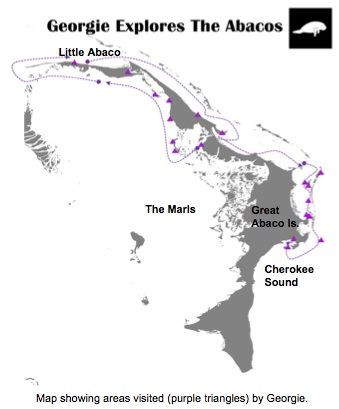
The BMMRO has just published the Fall 2012 newsletter, and it’s no surprise to find that the front page news is the arrival of young manatee Georgie on Abaco. After nosing and indeed grazing her way around Abaco and the Cays, she still appears to be contentedly moored in Cherokee after the best part of a month. Here’s the official map of her wanderings 

Besides the manatee there’s plenty more to read and look at including 

  • Charlotte Dunn’s ‘President’s Update’
  • Articles on whales, and a friendly bottlenose dolphin’s visit to Hope Town
  • Fall ‘cetacean sightings’ map
  • Students at ‘Whale Camp’
  • A quiz to make sure you have taken it all in…

To read the four-page document –  and admire the photos – CLICK BMMRO FALL 2012 NEWSLETTER

Unknown's avatar

CHILLIN’ ON ABACO VS CHILLY IN ENGLAND


CHILLIN’ ON ABACO VS CHILLY IN ENGLAND

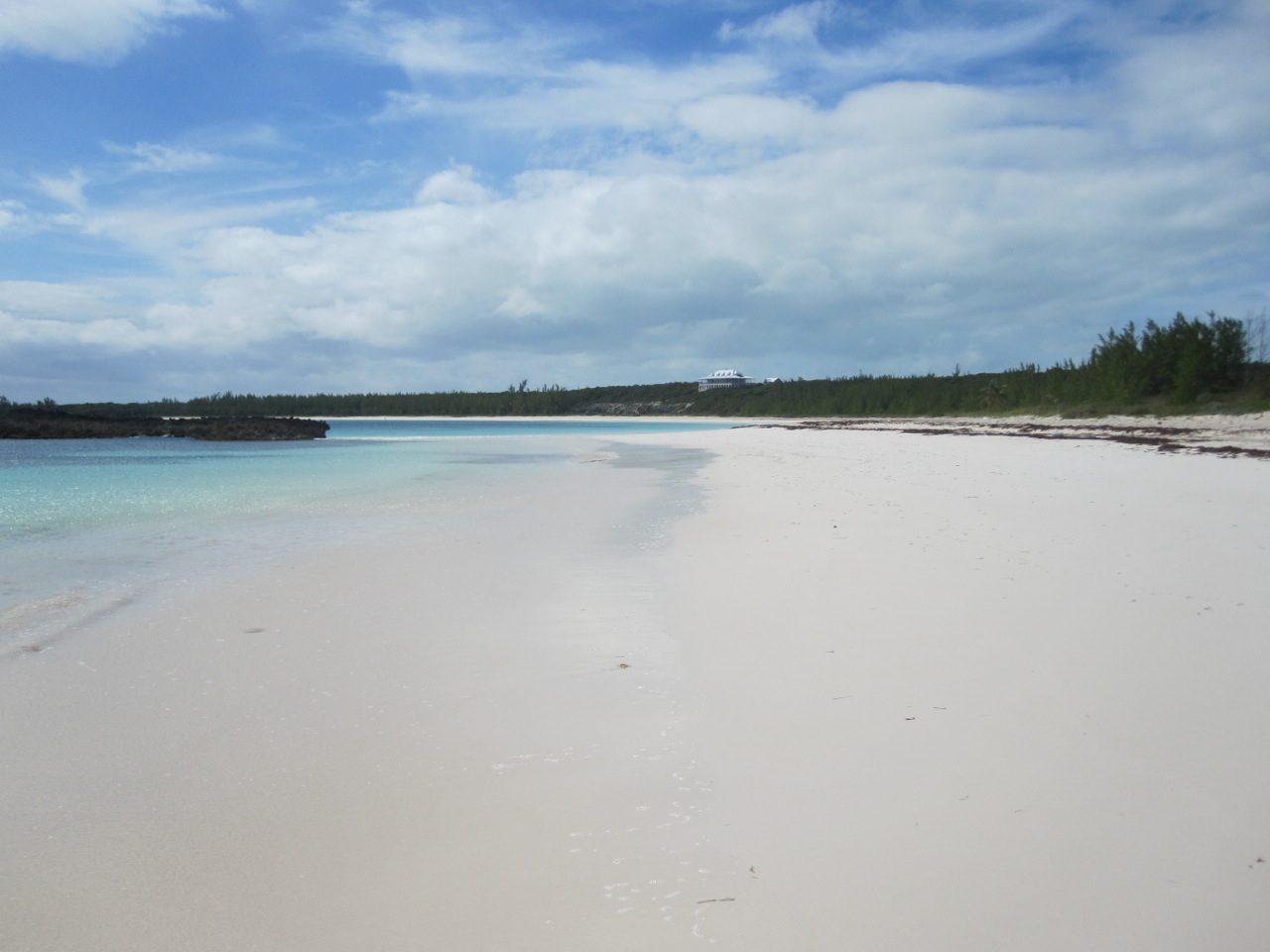
“Life’s a beach”, it is said. On Abaco, a new season is starting at the Delphi Club, and the first guests will be sorting out their fishing tackle, reaching for the sun cream and abandoning pre-Delphi diet boot-camp. If they have been eating Marmite™ sandwiches for a week before their arrival, they won’t need  to waste energy slapping no-see-ums. The day-dreaming becomes reality, perhaps involving his ‘n’ hers rods near the rocks at one end of the beach

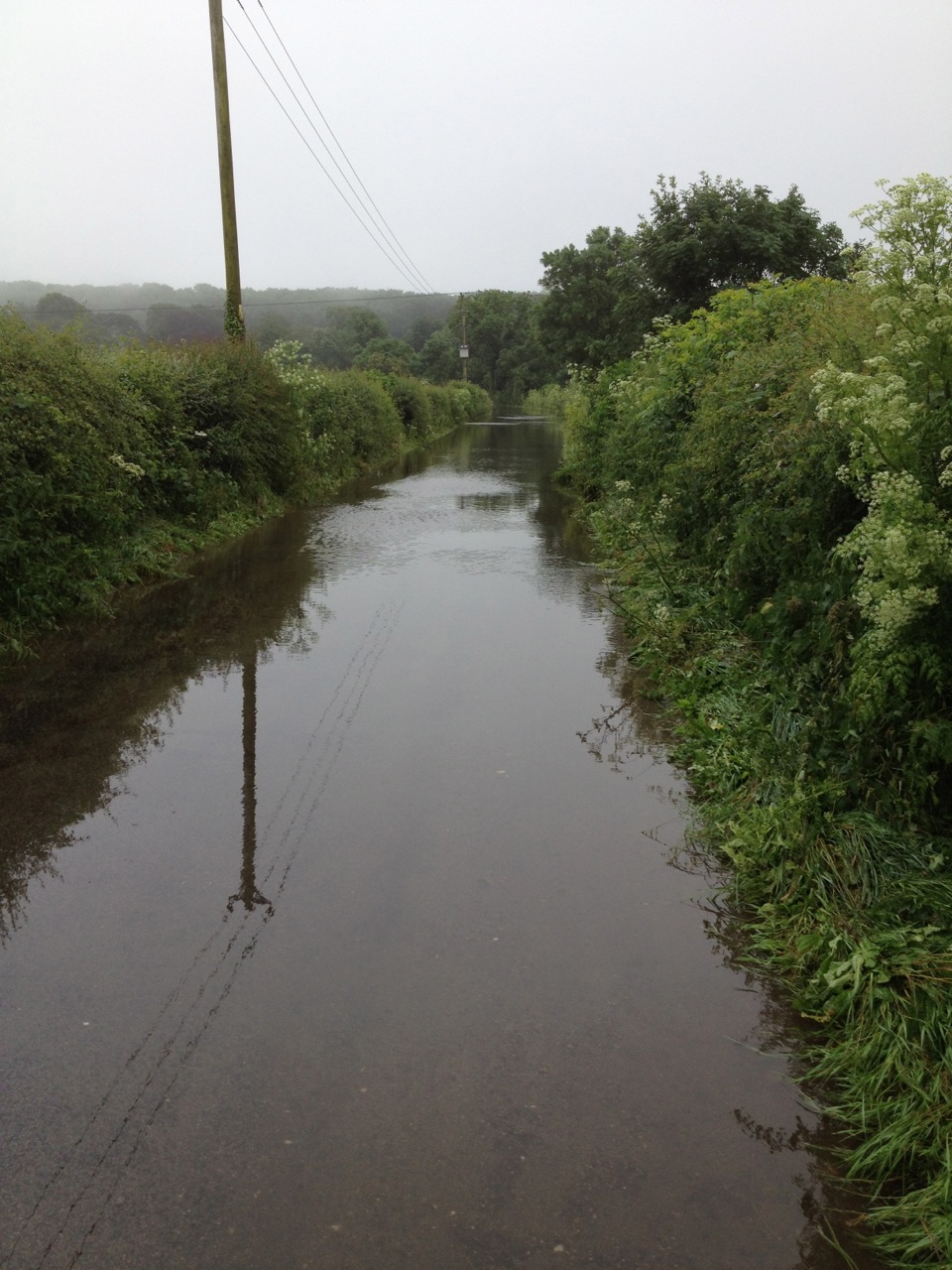
That’s all well and good. But in more northern latitudes the slide from summer via autumn to winter is accelerating. The trout fishing season has just ended, with my final efforts washed away by heavy rain and flooding – this photo is the road leading to one of the beats, a sure meteorological sign that a visit to the local pub would be sensible… 

A pint of beer in front of a log fire soon puts things into perspective, and the mind can wander to warmer climates, the bonefishing prospects for the season, and the calm beauty of Rolling Harbour…

Two days ago, the UK temperature dropped sharply, the skies began to clear and the sun came back. Ah! Autumn – season of tum-ti-tum and mellow wotsit… 

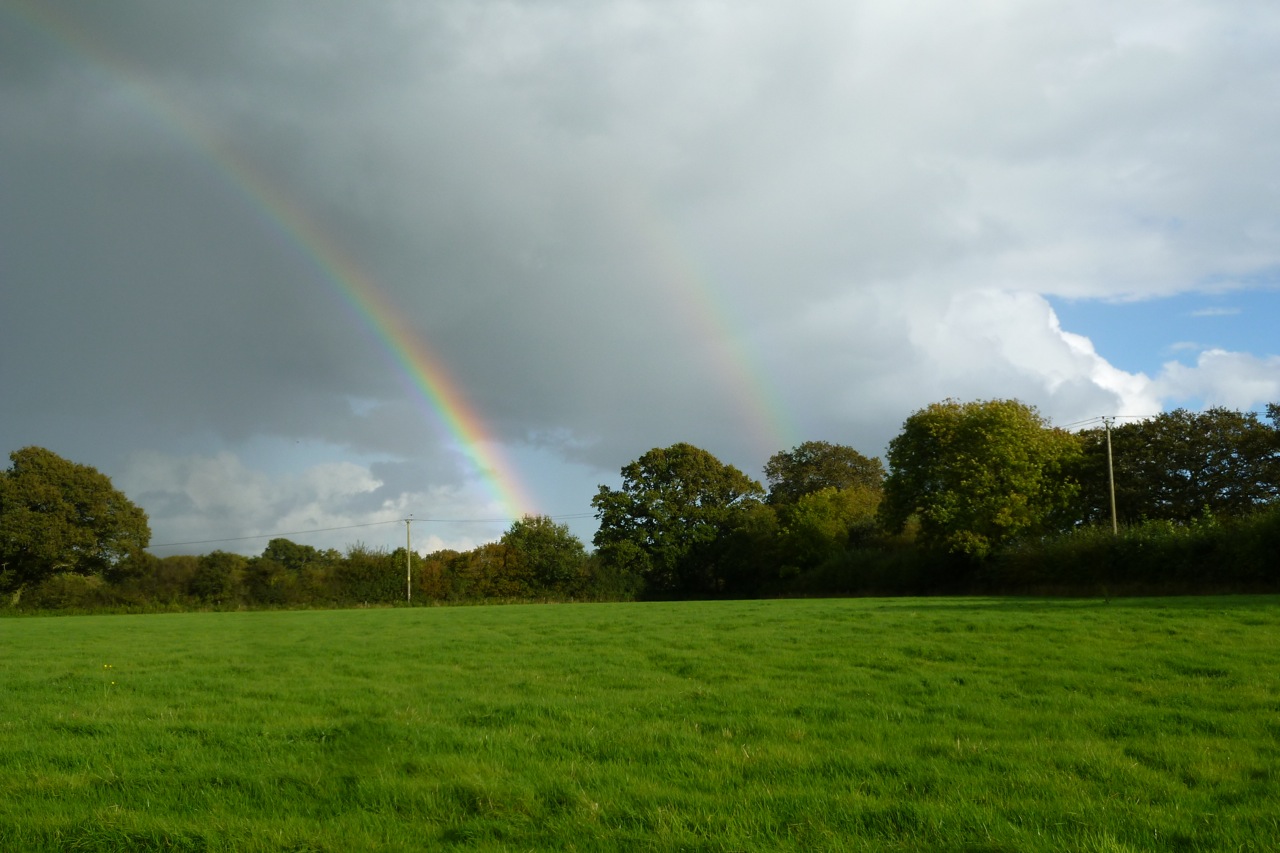
At one moment there was a wonderful double rainbow across the fields

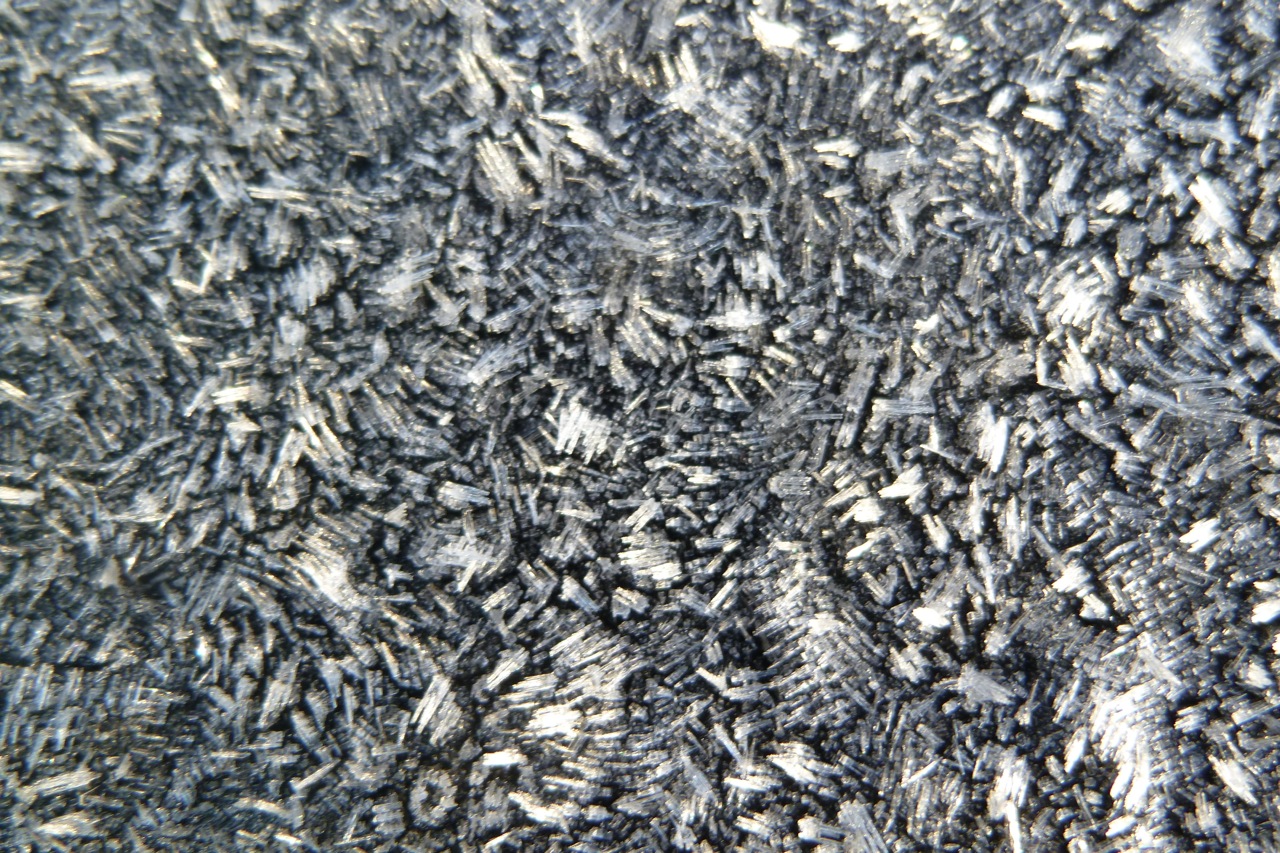
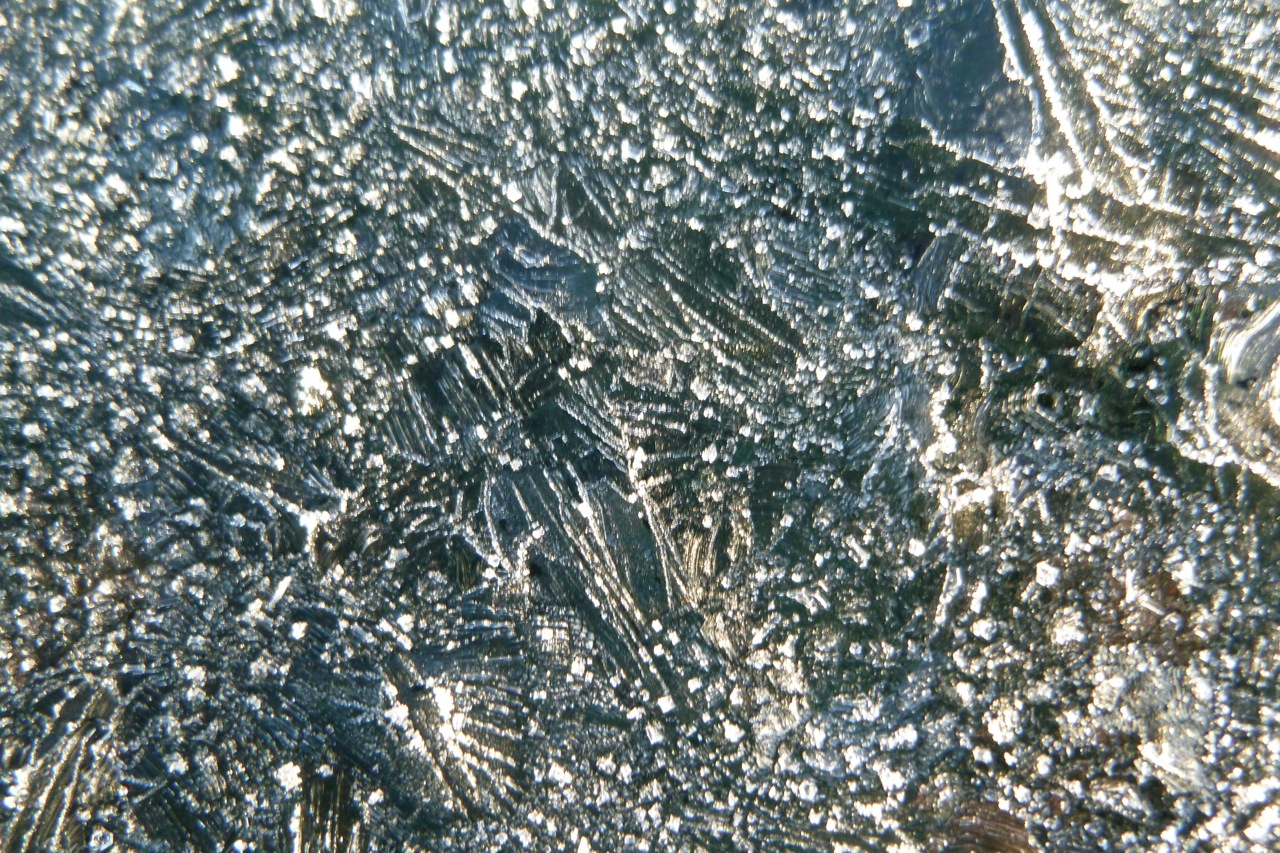
This was followed by a bright starry night & the thermometer dropping abruptly to -6˚F. And then this – the first frost of the year…

  These photos are of patterns on the car roof & windscreen, before the sun thawed the ice


Brrrrrrrrr. Best not to end on a freezing note. Back to Rolling Harbour for some warmth