Unknown's avatar

HURRICANE IRMA UPDATE (2): ABACO, BAHAMAS 9/9


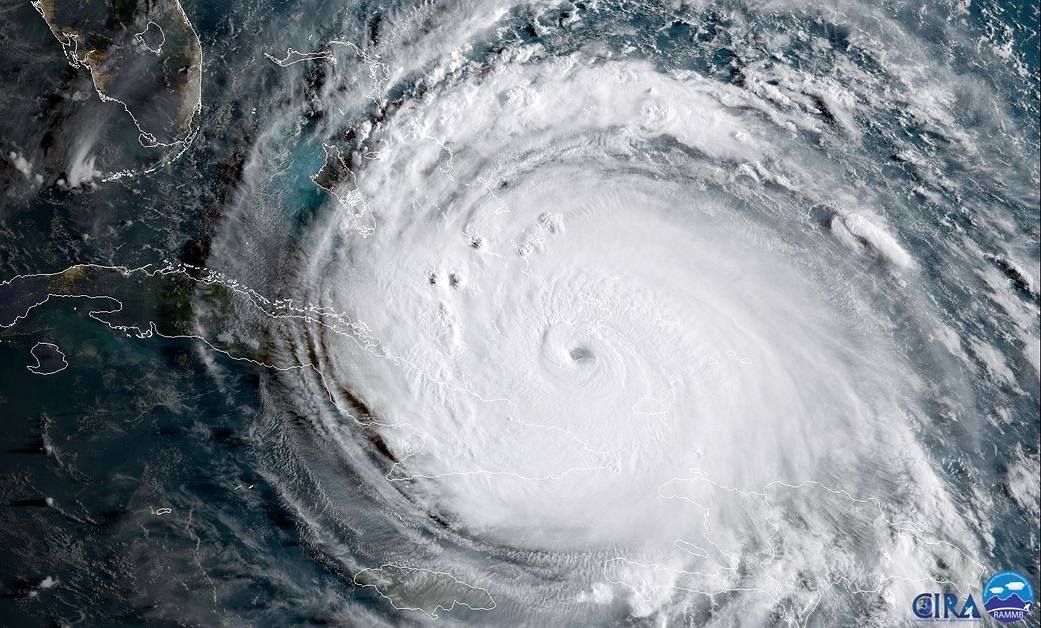
Hurricane Irma NASA

HURRICANE IRMA UPDATE (2): ABACO, BAHAMAS 9/9

It’s Saturday afternoon. Irma has (surprisingly?) weakened from Cat 5 overnight to Cat 3 right now – but is expected to regain Cat 4 strength as the core of the storm reaches the tip of Florida. The hurricane has now cleared the north coast of Cuba and is heading for Florida, where the first effects of this massive storm are already being felt.

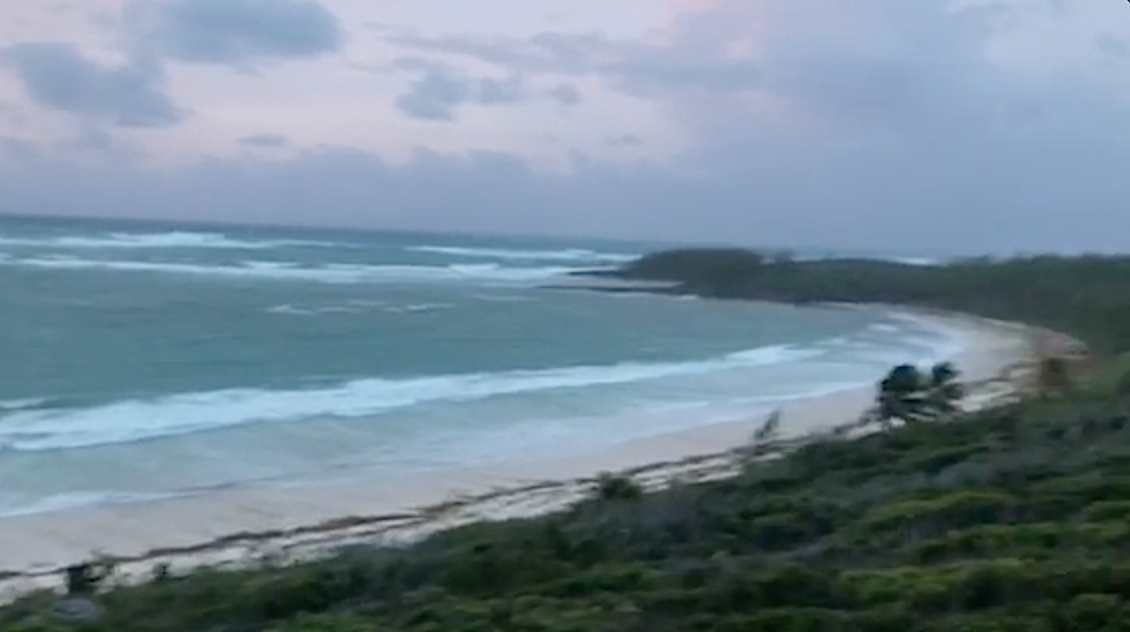
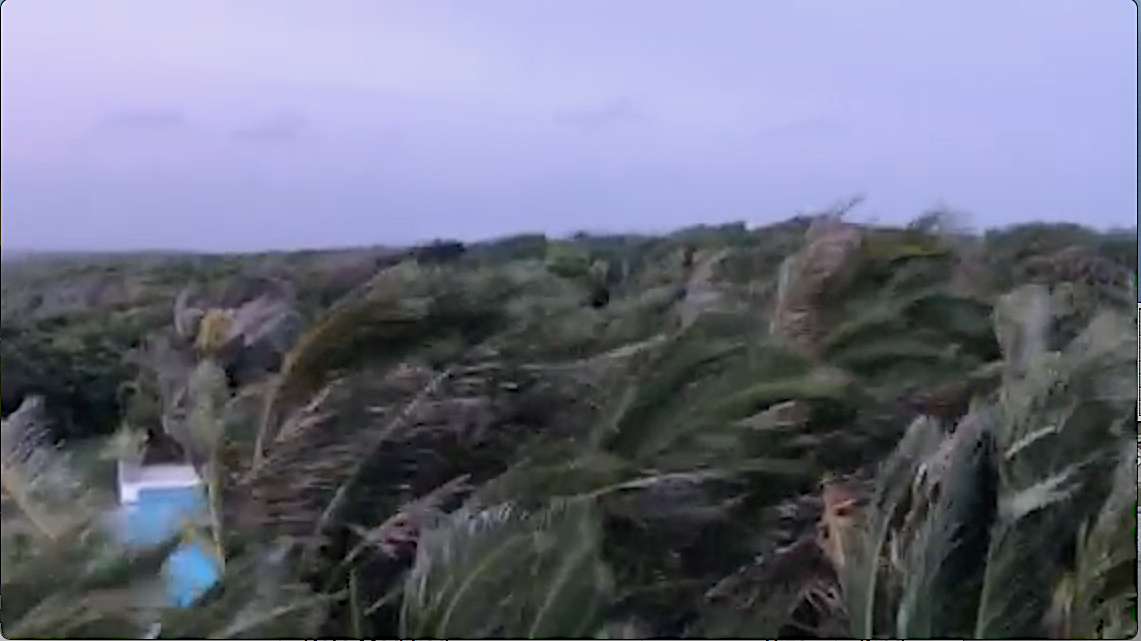
For Abaco, the situation is better than feared and expected at one stage. I’ve seen several reports from the main island, including a video from Jason who is holding the fort at Delphi. He’s also sent a video sweep of Rolling Harbour taken from the verandah of the club a couple of hours ago.


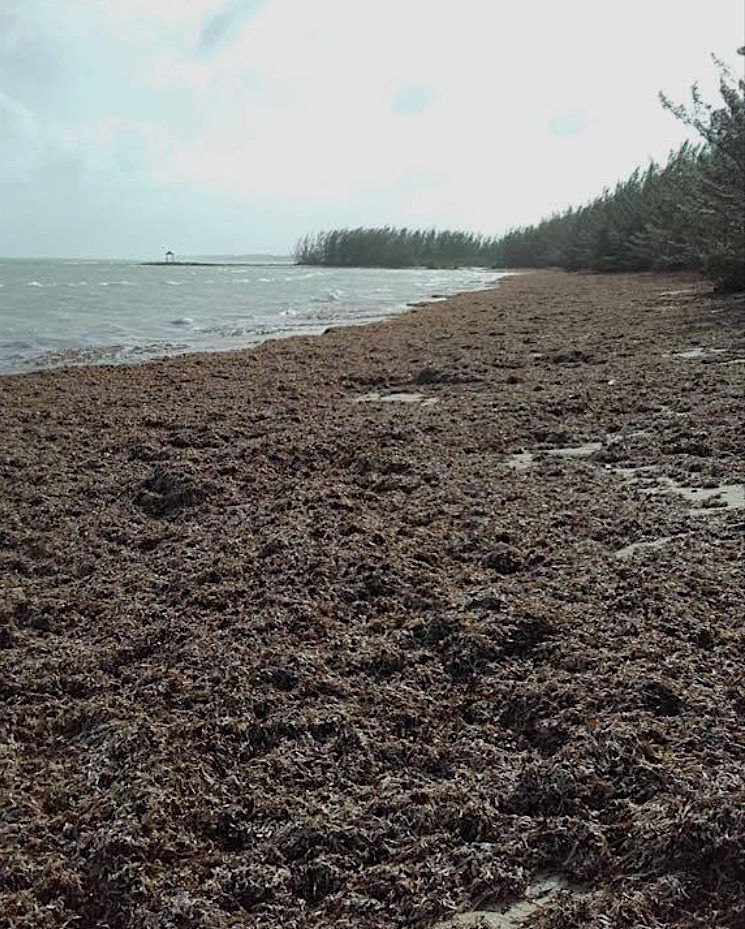
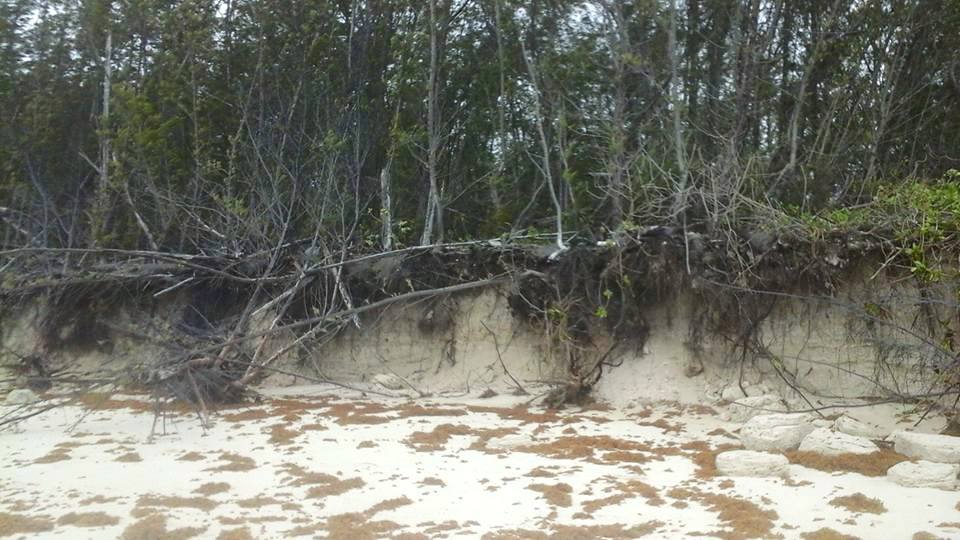
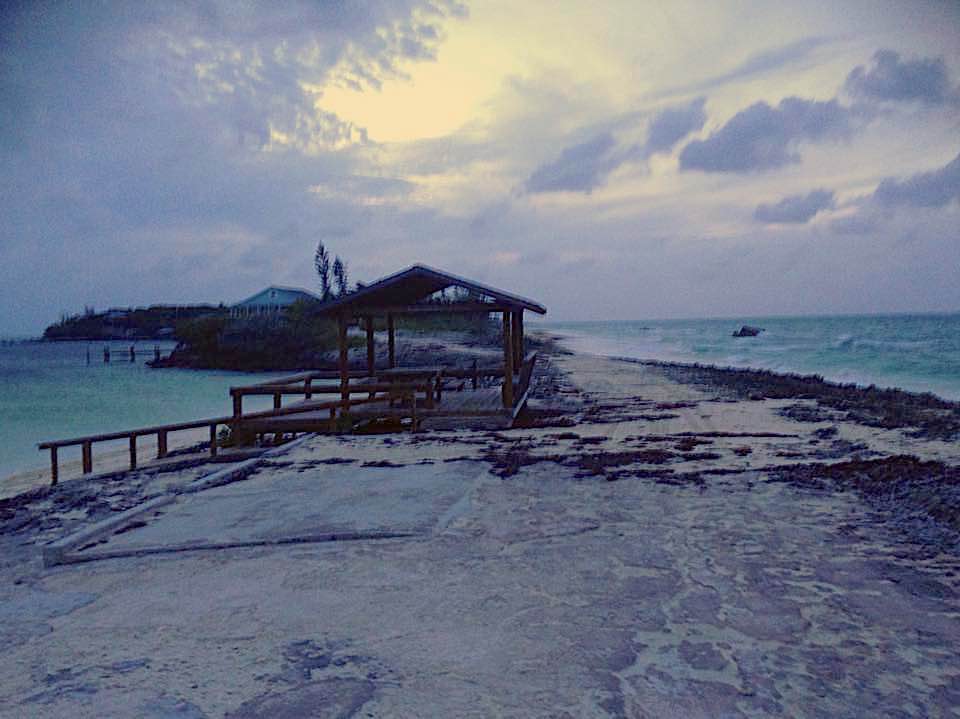
Here are a couple of photos from Olivia Patterson Maura taken from her stretch of beach, taken earlier today. It hasn’t taken long for the sea to build up from rough to scary.

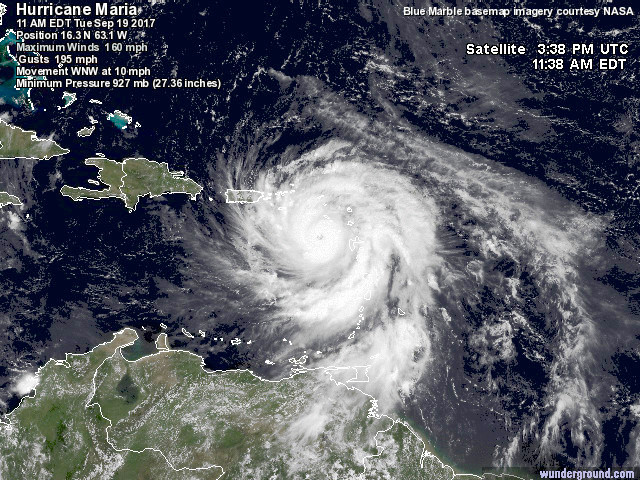
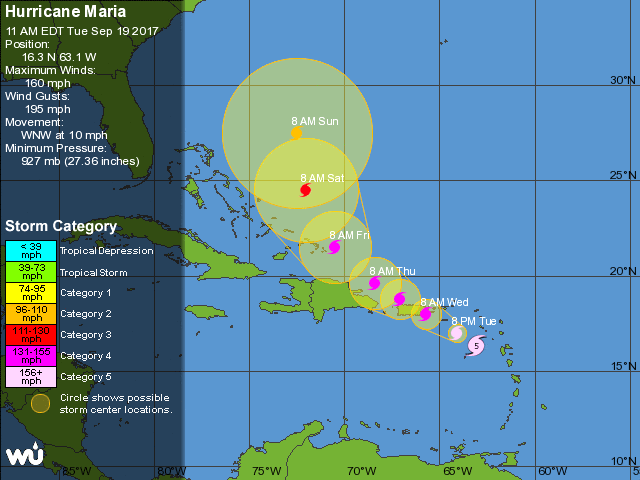
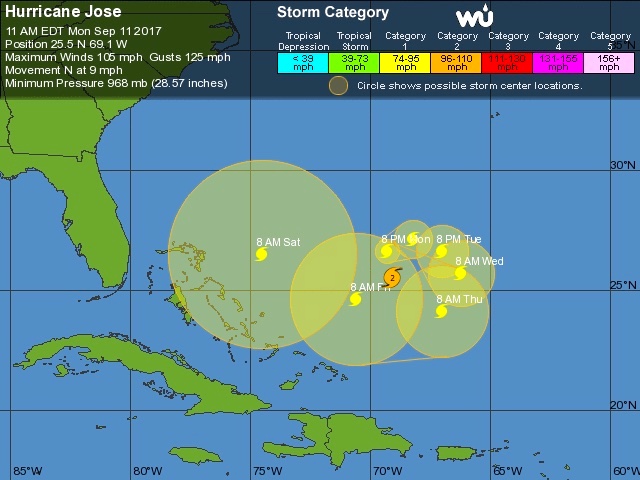
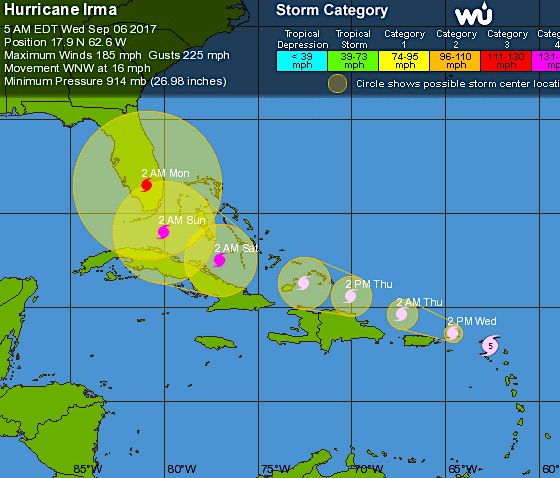
Below are some trackers and screenshots, mostly issued at 11.00 am today. The top one segues into a path prediction. I think it’s now certain that for Abaco, at least, the hurricane will be more of a violent sideswipe than a critical event. Not so elsewhere, for sure.

WHAT NEWS OF JOSÉ AND KATIA?

It looks as though JOSÉ will continue north-west, with an increasing hook to the east over open water. A complete change of course obviously remains a possibility, but for the moment it retains the status of ‘one to watch’. KATIA has dissipated, and although there are remnants of the storm

Credits: NASA (1, 5, 7);  live tracker screenshot NotableMedia (2);Olivia Patterson Maura (3, 4); Wunderground (6); NOAA (8); Video Jason Pragnall. Stay safe.

Unknown's avatar

HURRICANE IRMA TRACKING UPDATE: ABACO, BAHAMAS 9/9


HURRICANE IRMA TRACKING UPDATE: ABACO, BAHAMAS 9/9

It’s Saturday morning and Irma has strengthened to Cat 5 overnight as she barrels along the top of Cuba. I won’t waste words: you have better things to do than read blogs. Instead, here are some overnight tracking reports, each informative in its own way. Please note that these are a few hours old and already things will have progressed further (not least where Cat 4 is still shown). The amazing header image is from 9/7, and shows the awesome majesty of extreme weather seen from space…

Credits: NOAA with props to Randy Bresnik / AstroKomrade (1);  live tracker screenshot NotableMedia (2); Wundergroung (3, 4); NASA & partners (5). Stay safe

Unknown's avatar

HURRICANE IRMA UPDATE & ISS VIEWS: ABACO, BAHAMAS


HURRICANE IRMA UPDATE: ABACO, BAHAMAS

It’s Friday afternoon. Irma is spinning her destructive progress through the Bahamas towards… well, right at the moment it seems to be Andros and then towards the Florida coast and northwards up the panhandle. Abaco is not currently shown in the direct firing line – but there’s no doubt that the passage of such a massive storm will mean plenty of dirty weather very soon now. 

I have just taken a screenshot (above) of the live tracker I am using. Top right is a realtime satellite view of Irma’s current position. Bottom left is the predicted position later this weekend. The fiercest part of the storm will have passed over Andros and carried on northwest, a path further west of Abaco than recently forecast. We must hope so, remembering of course that one location’s dodged bullet will inevitably be another’s bullseye.

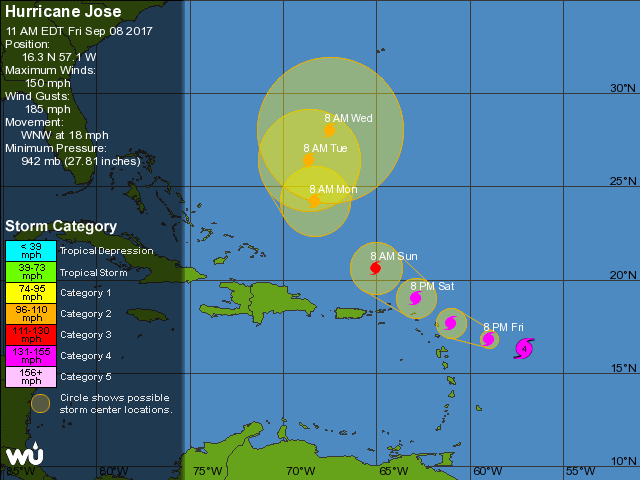
In the tracker realtime shot above, it’s impossible to ignore the lurking menace of Hurricane Jose – recently graded Cat 4 – to the east. Here’s the latest Jose tracker I can find for today. Right now (but who knows for how long) this system looks as though it may hook north and expend its savage energy in the open ocean.

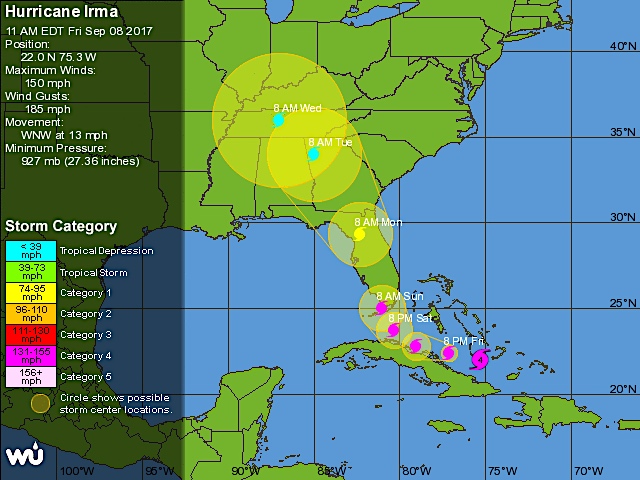
And here is the latest Irma tracker, as I write. It looks as if the storm may dissipate after it has made landfall at the southern tip of Florida, but it will clearly be very unpleasant down there I’m afraid.

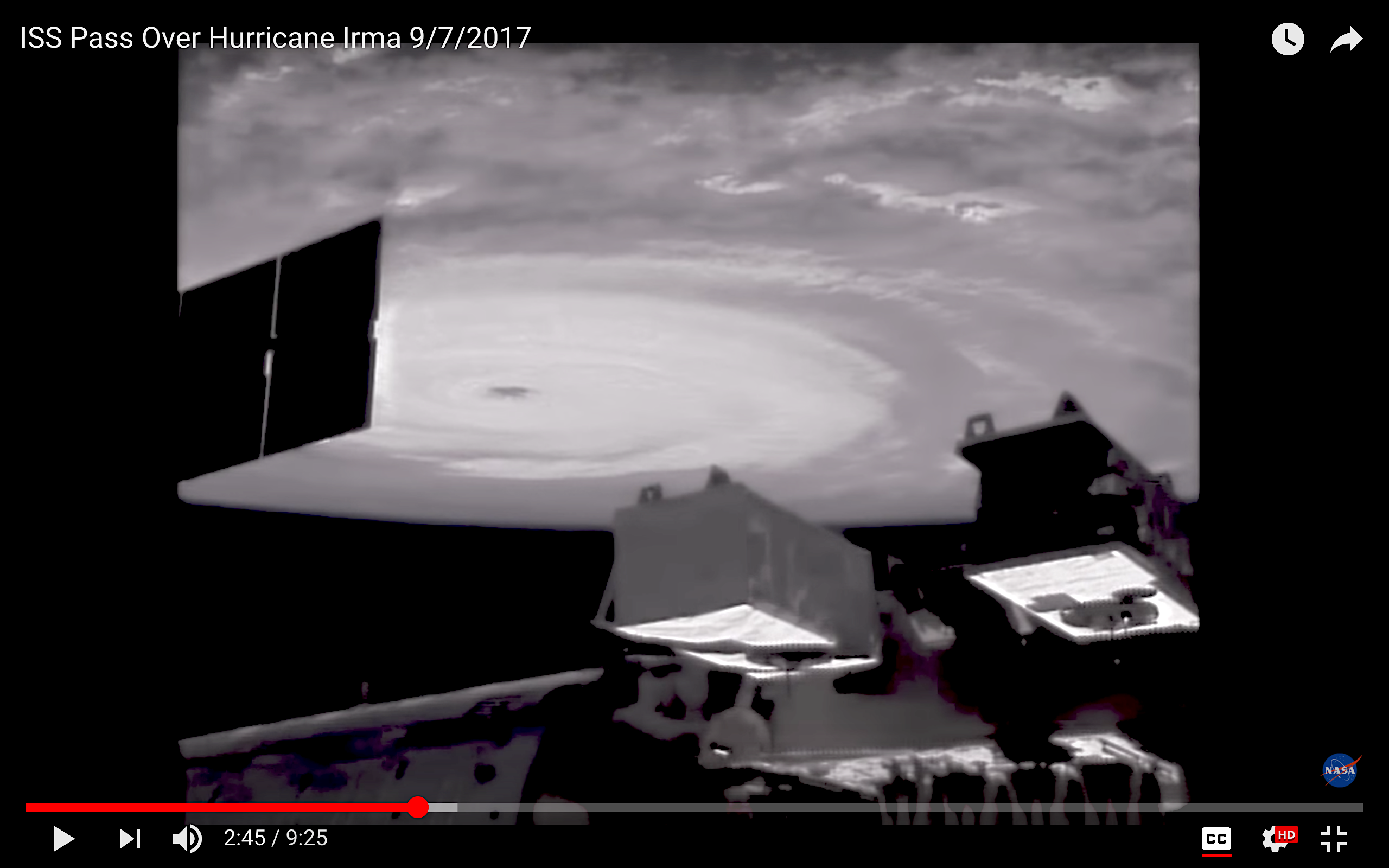
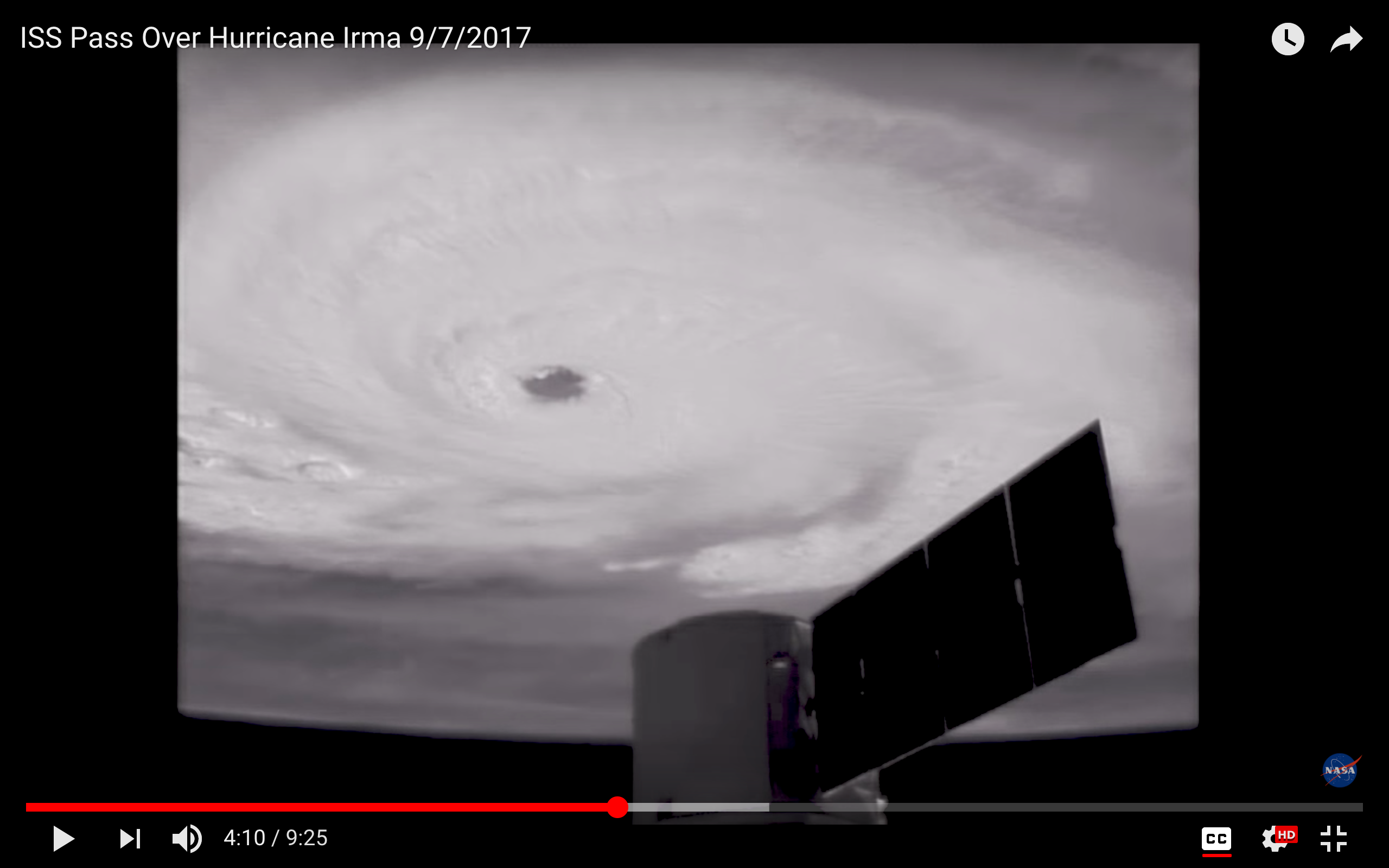
There’s been some interest in the International Space Station ISS images I posted yesterday. The serenity of the view of a hurricane topside is so at odds with the ferocity of the weather beneath and the destruction being wrought on the ground. And they work on the imagination: suppose you were in that capsule, moving with eerie calmness through the sky, looking at the swirling mass of white cloud far below…?

Today’s screenshots were taken during yesterday’s ISS pass over Irma, using external cameras. The one below is the last in the sequence, an upside-down view looking rather like some pale alien spaceship hanging above a dark earth.

I’ll be watching events during the weekend. By the time I next write, the storm will have passed the Bahamas, and the assessments will have begun. From a safe distance of 4250 miles, I will be thinking of those who are already counting the cost; those currently enduring the brutality; and those still awaiting Irma’s malice.

THE EVIL EYE

Credits: all images ISS / NASA; live tracker from NotableMedia; tracker images for Jose & Irma from Wunderground

Unknown's avatar

HURRICANE IRMA: THE STRANGE BEAUTY UNLEASHING CRUEL SAVAGERY


HURRICANE IRMA: THE STRANGE BEAUTY UNLEASHING CRUEL SAVAGERY

Hurricane Irma is carving her destructive path through the northern Caribbean. As the storm moves relentlessly on towards the Bahamas, speculation has already started whether Irma may be the first hurricane to be classified as a Cat 6 – or the last huge Cat 5 before the new category is introduced.

The standard SAFFIR-SIMPSON SCALE only goes up to 5. But for exceptional storms with wind speeds exceeding a suggested 180 mph (and these are increasing worldwide), it is becoming clear that re-categorisation is called for. As with luxury hotels, 5 stars has become inadequate to describe the magnitude**.

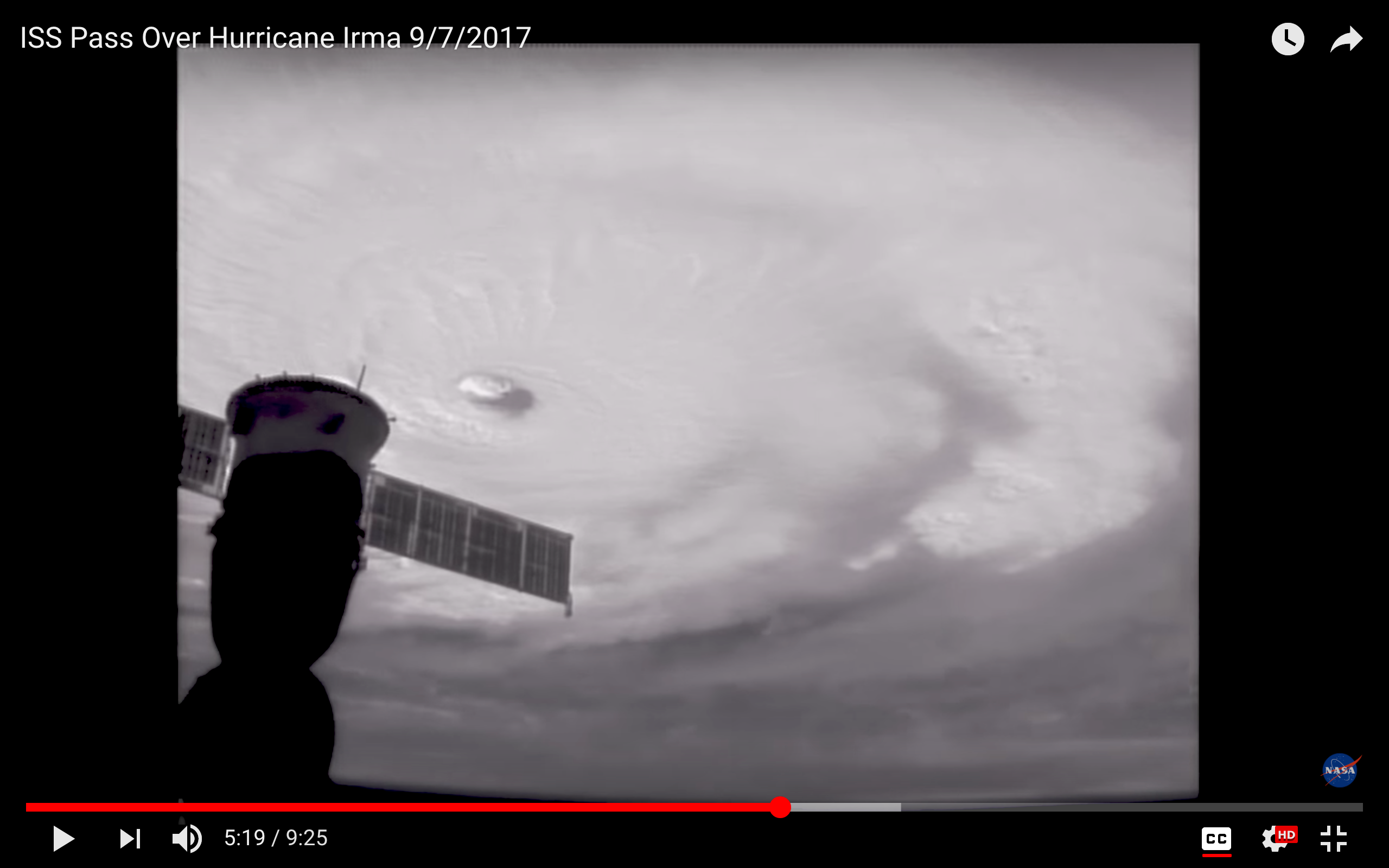
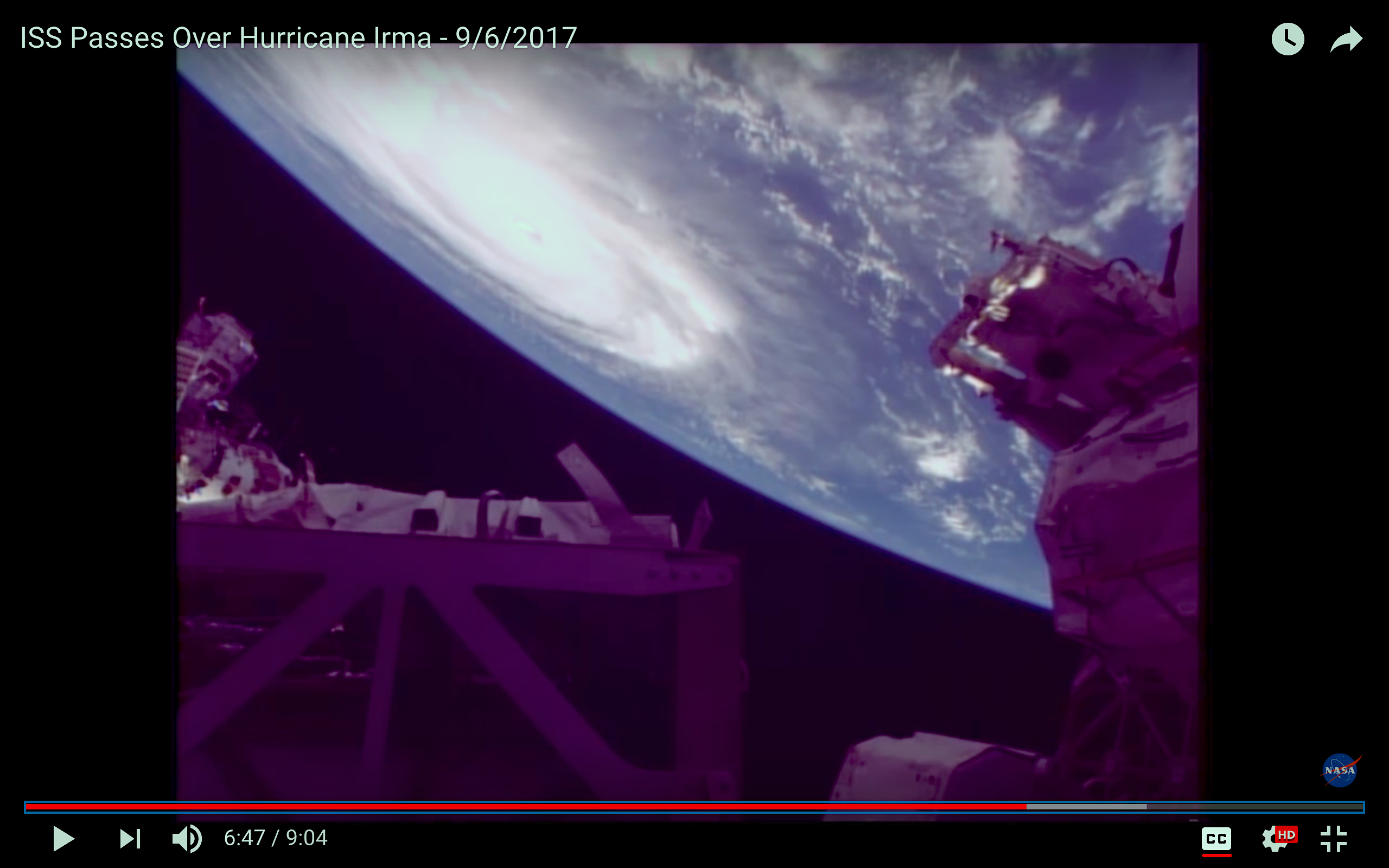
There’s nothing to be gained from showing images of the havoc and misery already caused by Irma. TV media, print media and social media are covering that base more than adequately. So instead let’s look at the other side of the hurricane as the serene white cloud mass whirls inexorably westwards – the view from the International Space Station ISS.

THE EVIL EYE

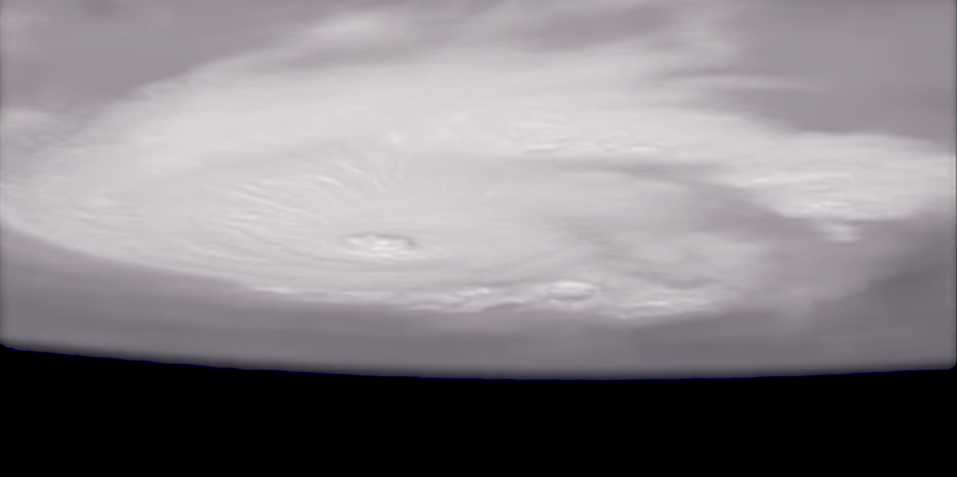
The NASA site is a treasure trove of wonderful images, many of which can be downloaded. Here are a few of these, taken over the last 48 hours. There’s an extraordinary video of an ISS pass over Irma yesterday, and I have taken a few screenshots from it for those who may not have the time right now to watch the footage.

ISS PASSES OVER HURRICANE IRMA 9/6/2017 (10 mins)

Finally, here is a link to a live tracker that I have already posted on my FB page. This amazing resource shows vital information in 3 ways: a realtime view of Irma’s current position; the future tracking over the next few days; and realtime notes. As far as I can make out, the main image modelling means that the predicted path changes seamlessly as the storm progresses. It may be the most useful tool for Abaco / Bahamas predictions right now, because you won’t need to keep checking NOAA, Wunderground, Accuweather and the rest to look at the ‘cone’ movements. Just tune in to this. If you do, I’d be interested to hear how helpful people think it is. I’m testing it too and comparing it with other sources.

**Frankly I’d be as likely to want to be in a 6-star hotel as in a Cat 6 storm. Which is to say, not at all

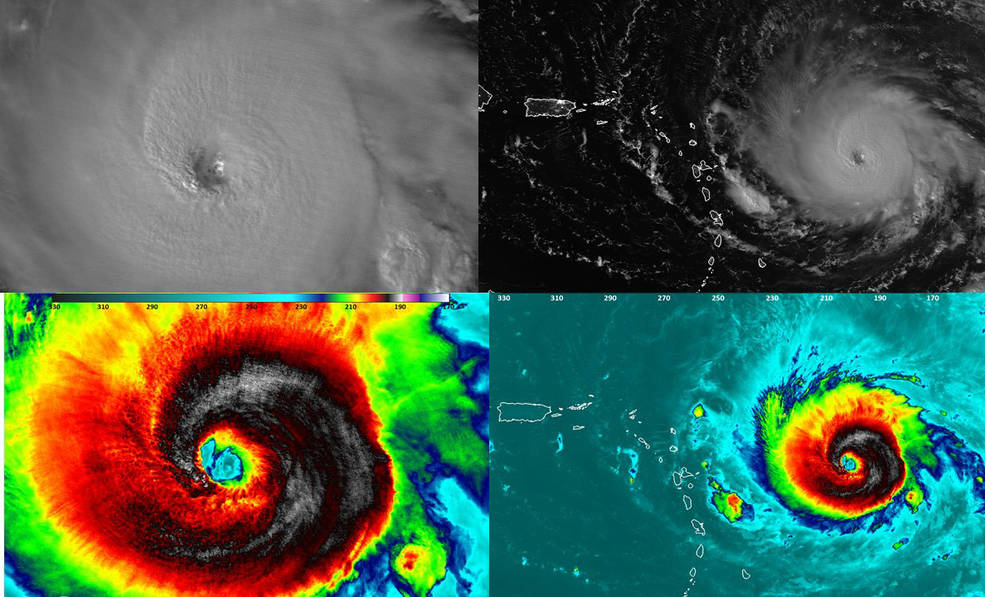
NASA-NOAA’s Suomi NPP satellite flew over Irma at 1:54 a.m. AST Sept. 5, 2017, when it was still a Category 4 hurricane. Night-time images showed a well-defined eye with convection most of the way around it. Both the infrared and Day-Night Band both show tropospheric gravity waves. Think of them the waves generated if you dropped a rock into a pond, but in this case it is convection punching upward.
Credits: NASA/NOAA/UWM/CIMSS/William Straka III

Credits: main photos & space station footage: ISS / NASA; Live tracker from NotableMedia; collage NASA / NOAA & as credited

Unknown's avatar

WORLD SHOREBIRDS DAY, PIPING PLOVERS & IRMA


Piping Plover (Danny Sauvageau)

WORLD SHOREBIRDS DAY, PIPING PLOVERS & IRMA

Sept 6 2017. World Shorebirds Day dawns, even as the huge Cat 5 Hurricane Irma makes landfall over the small islands of the eastern Caribbean. Irma’s path has been relentlessly westwards, for sure – but the path has been unnervingly variable. The tracking reports showed Abaco successively as being in line for a direct hit; then taking a sideswipe from the south; then completely clear of the cone prediction; then within the northern edge… and today, a right hook to the east suggests again that Abaco will take a hit from irma (though as a predicted Cat 4 or maybe 3).

Hurricane Irma Tracking Path Sept 6th 2017 Wunderground

Far down the list of concerns in such a situation come shorebirds. Most if not all the islands that Irma will affect have wonderful shorebirds, both permanent and migratory. On Abaco my personal preoccupation is for the tiny Piping Plovers and our citizen scientist annual 6-month WATCH. Generally, the birds manage to find some cover at the back of the beaches to hunker down until the worst is past. But generally the beach populations are rather different after the storm, as birds scatter and take cover. 

Well, except this little guy who decided to take a windy bath on the Long Dock at Cherokee during Hurricane Matthew as it passed over Abaco last October (and props to Keith Kemp for braving the elements to get this shot!)

Birds are resilient and resourceful. Humans too. But nature unleashed with full force is a terrifying prospect. From a safe distance of 4250 miles from Marsh Harbour, thoughts and best wishes from Rolling Harbour will be with all those in the path of Irma over the next few days. 

Piping plovers on the Delphi Beach, at a more peaceful timePiping Plover, Delphi, Abaco (Keith Salvesen)

Photos: Danny Sauvageau, Keith Kemp, Keith Salvesen / Rolling Harbour; Graphic by Wunderground

Unknown's avatar

DOUBLE DELPHI: TWICE THE CRAIC, TWICE THE KALIK


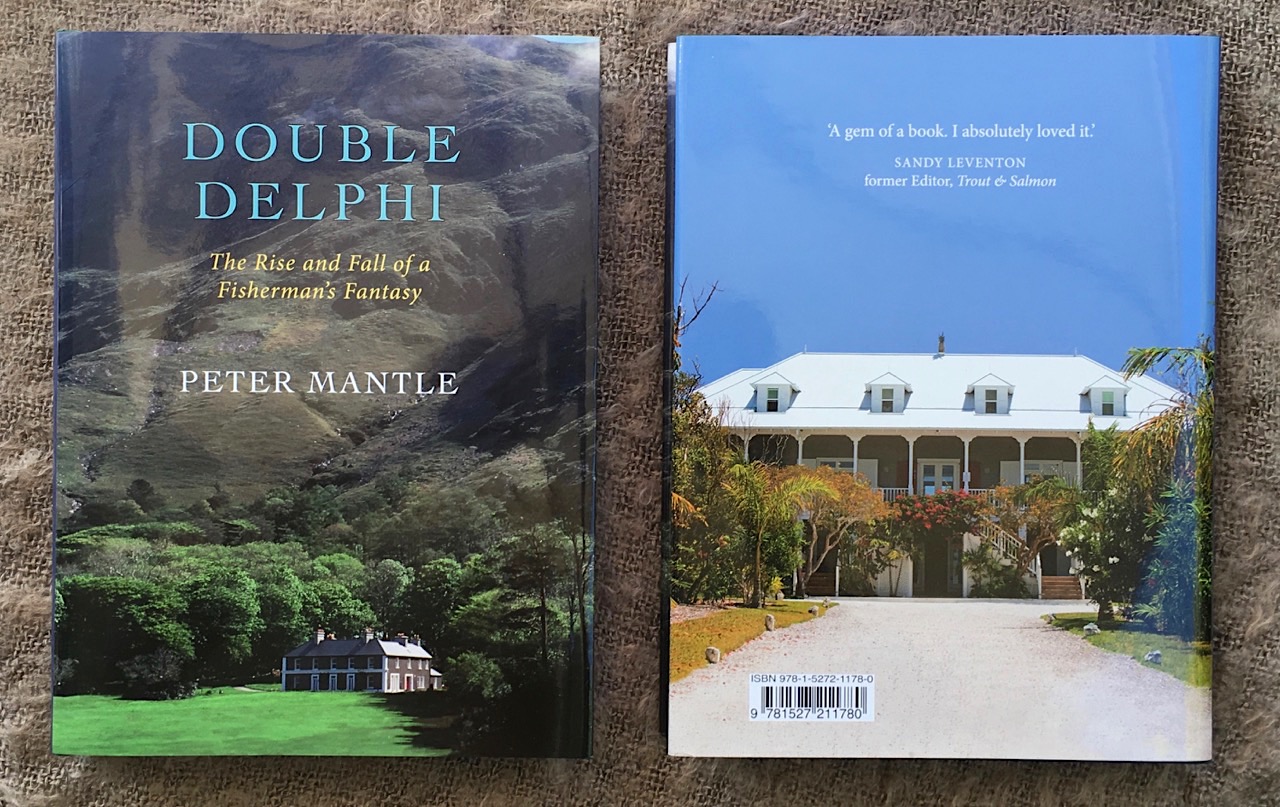
Double Delphi by Peter Mantle

DOUBLE DELPHI: TWICE THE CRAIC, TWICE THE KALIK

For some years those who know Peter Mantle have been willing him to write about his two very different Delphis: East (Co. Mayo Ireland) and West (Abaco, Bahamas). It is often said that ‘everyone has a book in them’, but most are without lively and engaging material to work with, or a talent for writing in the first place.  Peter has plenty of these assets: great stories to tell and the writing skills to bring them alive. I’m not being paid for a creepy encomium, but I’ve read ‘Double Delphi’ in its various iterations during the winding road to publication (it has been a prominent feature at Rolling Harbour Towers during production). It’s exactly what we all hoped for!

Double Delphi by Peter Mantle

I don’t want to issue ‘spoiler alerts’, and I’m not proposing to provide a cheery synopsis of Peter’s book. For all those who have loved Delphi Lodge in Ireland; for all those who have loved the Caribbean twist to the Delphi experience on Abaco; for all those who love fishing; and for all those who have admired Peter for his astonishing creation of two fabulous fishing establishments over 35 years – this book is for you. Sandy Leventon, well-known former editor of the indispensable Trout & Salmon Magazine has read the book: his views are on the back cover.

Double Delphi by Peter Mantle

Double Delphi contains plenty of incident. There are fishy tales of course; some people great and good; some perhaps less so; a gold rush; legal drama; financial drama; conflict and personality ‘mis-alignments’; and in amongst it all, hard work, success, craic and good times as Peter bestrides the Atlantic with his ambitious twin piscine projects. There seems to be a lot of whiskey along the way, too.

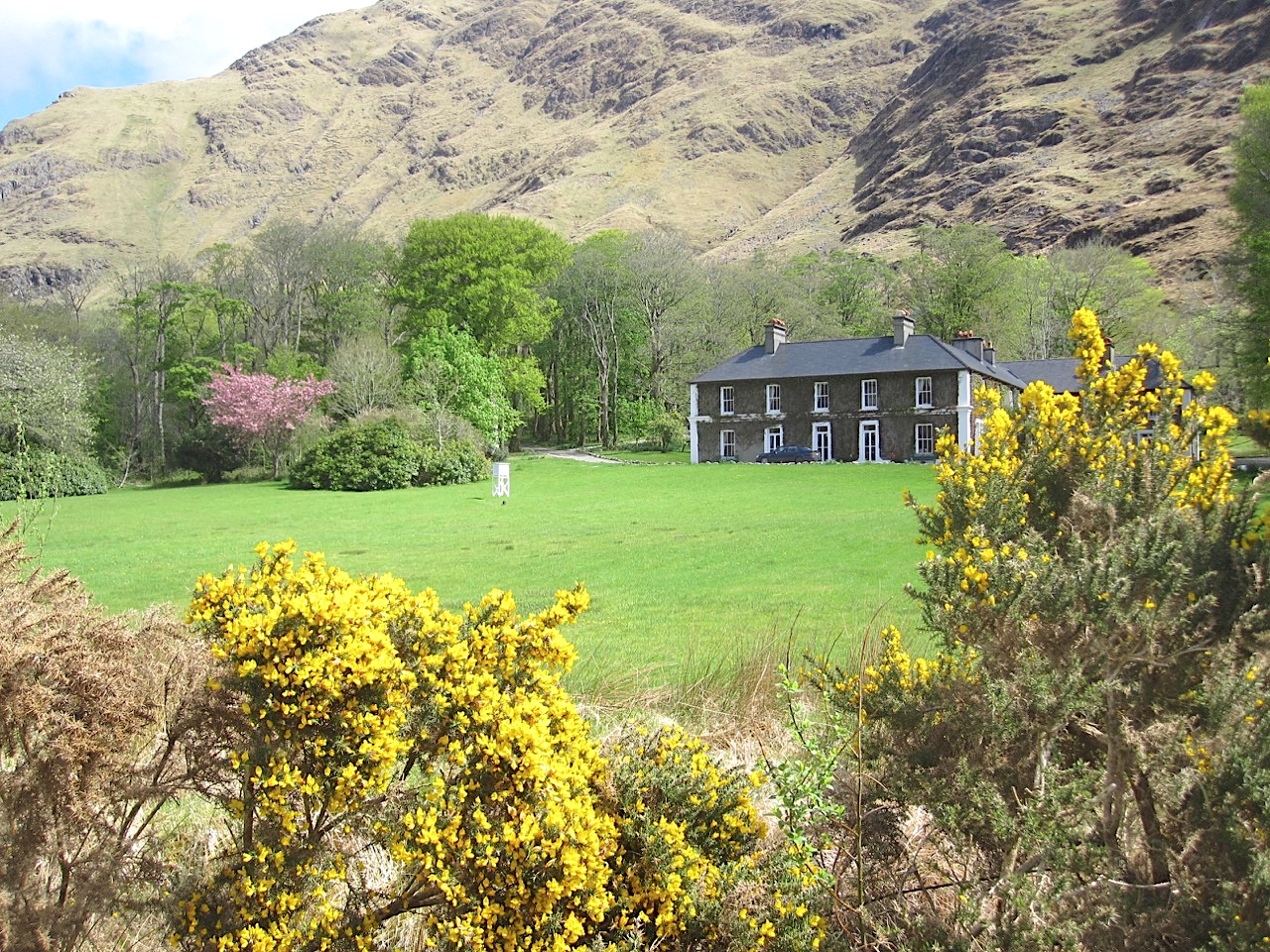
DELPHI LODGE IN 2011, RESTORED TO ITS FORMER GRANDEURDelphi Lodge, Co. Mayo, Ireland (Keith Salvesen)

Many readers will head straight to the index at the back of the book, looking eagerly to see if their own roles in the Delphi sagas have been recorded. They will be disappointed: there isn’t an index! But the chapter headings are promising, and include Of Lice & Men; Princes & Papers; Stars & Gripes; and Bahamian Rhapsody. And there are two sections with plenty of photographs (many historic) to enjoy – two examples shown below.

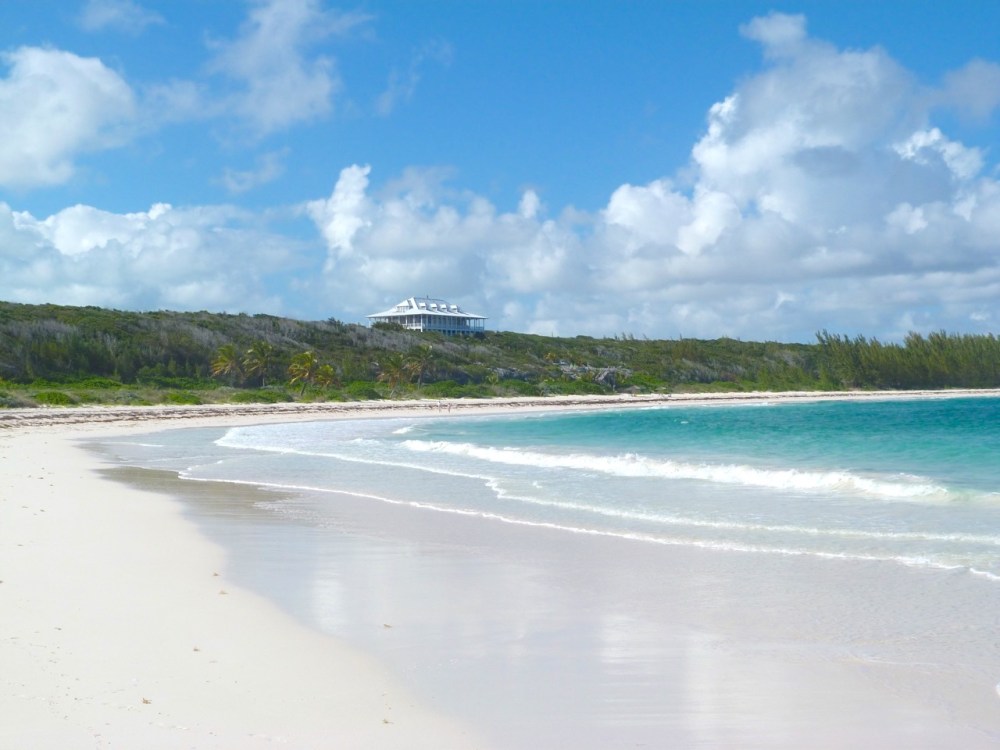
DELPHI (WEST) ON ABACO – ‘SOMEWHERE IN THE MIDDLE OF NOWHERE’Delphi Club, Abaco, Bahamas (Keith Salvesen)

PM’S FIRST DELPHI SALMON 1986

Double Delphi is imminently to be launched, and can easily be bought right now by clicking this linkhttps://wallopbooks.com/order-form/  (there’s some more blurb there too).

A YOUTHFUL PETER CONTEMPLATES THE FUTURE

All photos: KS / Rolling Harbour except B&W x 2 from the book

Unknown's avatar

BLACK-FACED GRASSQUITS: FEEDING TIME


Black-faced Grassquits: feeding time (Charles Skinner)

BLACK-FACED GRASSQUITS: FEEDING TIME…

Not a feeding frenzy exactly, but persistence pays off. However, this little bird found that dad had eventually had enough of the nurturing bit…

URGENT – feed meeeeeeeeeeBlack-faced Grassquits: feeding time (Charles Skinner)

[*THINKS* can’t reply, I’ve got my mouth full…]

The good-thing hand-over

No! You’ve had quite enough for one snack…

Feeding sequence by Charlie Skinner.

*No birds were hurt -not even their pride or dignity – in the photographing of this heavily anthropomorphised sequence…*


Unknown's avatar

CLEANING UP IN THE BAHAMAS: PEDERSON SHRIMPS


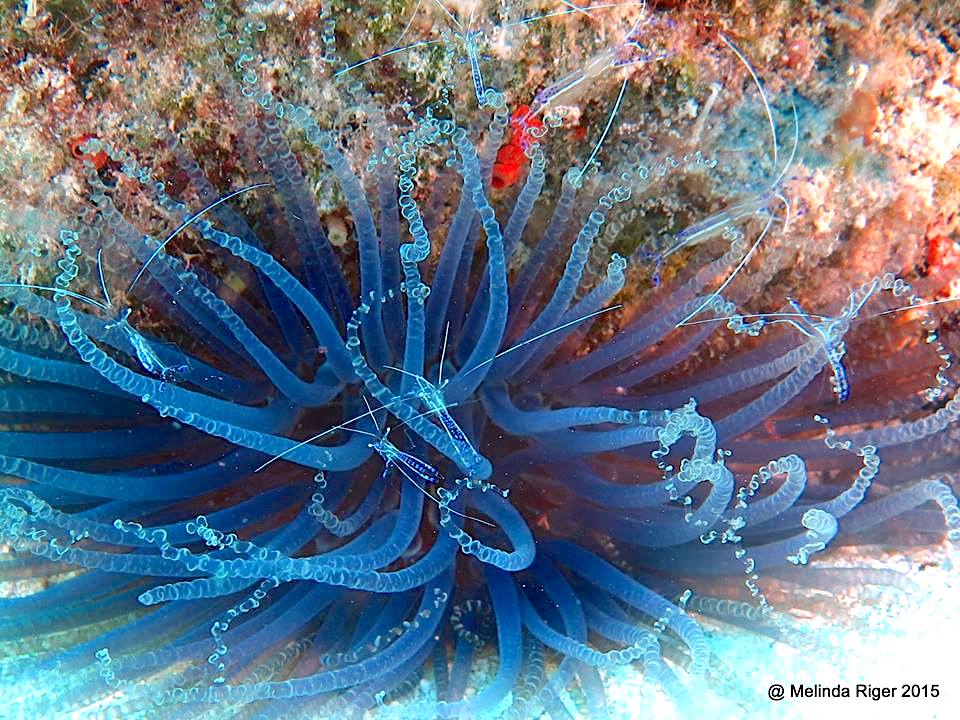
Pederson's Cleaning Shrimp, Bahamas (Melinda Riger, GB Scuba)

CLEANING UP IN THE BAHAMAS: PEDERSON SHRIMPS 

Pederson’s Shrimps Ancylomenes pedersoni (also known locally as Peterson’s shrimps), are one of several species of cleaner shrimp found in The Bahamas and more generally in the Caribbean seas. The species was named in 1958 by a multifaceted medico-oceanologist-zoologist Fenner A. Chace. He seems to have specialised in shrimps, finding distinct and differing species and naming them (not unreasonably) after himself (chacei);or colleagues and people he knew / admired; and in one case his wife. Mr Pederson was among them.

Pederson's Cleaning Shrimp, Bahamas (Melinda Riger, GB Scuba)

This tiny transparent creature with its vivid blue / purple markings and straggling pale antennae is unmistakeable, and helpfully cannot be confused with any other locally found shrimp species. Here’s an idea of its size, compared with a human finger and a blue parrotfish.

Pederson's Cleaning Shrimp, Bahamas (Melinda Riger, GB Scuba)

WHERE DO THESE SHRIMPS LIVE?

Their preferred home is… and it’s certainly a left field choice among sea creatures… in amongst the stinging tentacles of certain sea anemones. Not only do they not get stung, but of course they are well-protected by the defensive pain that their hosts can inflict. They are usually found singly or in pairs, but sometimes a whole colony may inhabit the same anemone.

SO EXPLAIN HOW THEY DON’T GET STUNG

Ok. The shrimps gradually build up a kind of resistance by pressing their bodies and antennae against the tentacles of the host anemone for increasing lengths of time, until they become immune. It’s like one of those kids’ electric buzzer / rheostat machines. Or a TENS machine (for those who know about backache).

 IS THERE A DOWNSIDE TO ALL THIS?

Yes indeed. If a shrimp moves away from its host for a few days, it has to start the process of immunisation all over again. So presumably they tend to stay home-lovin’.

Home sweet home for the Pederson shrimpsPederson's Cleaning Shrimp, Bahamas (Melinda Riger, GB Scuba)

SOMETHING ABOUT THE CLEANING, PLEASE

These shrimps offer ‘cleaning services’ to passing fish. When on duty, as it were, they wave their antennae vigorously to attract attention. A fish being cleaned will remain stationary and passive while external parasites and dead skin are removed. Many fish will open their mouths and gill covers for internal cleaning, with the tacit agreement that the cleaner will not become a snack. Shrimps often work in conjunction with small cleaner fish such as some species of goby and wrasse – see the links below for more on this topic, with copious images…

Pederson's Cleaning Shrimp, Bahamas (Melinda Riger, GB Scuba)

RELATED POSTS

CLEANING STATIONS

CLEANER FISH

Credits: all photos by Melinda Riger / Grand Bahama Scuba

Unknown's avatar

CLAPPER RAILS ON ABACO: A SMALL SHOWCASE


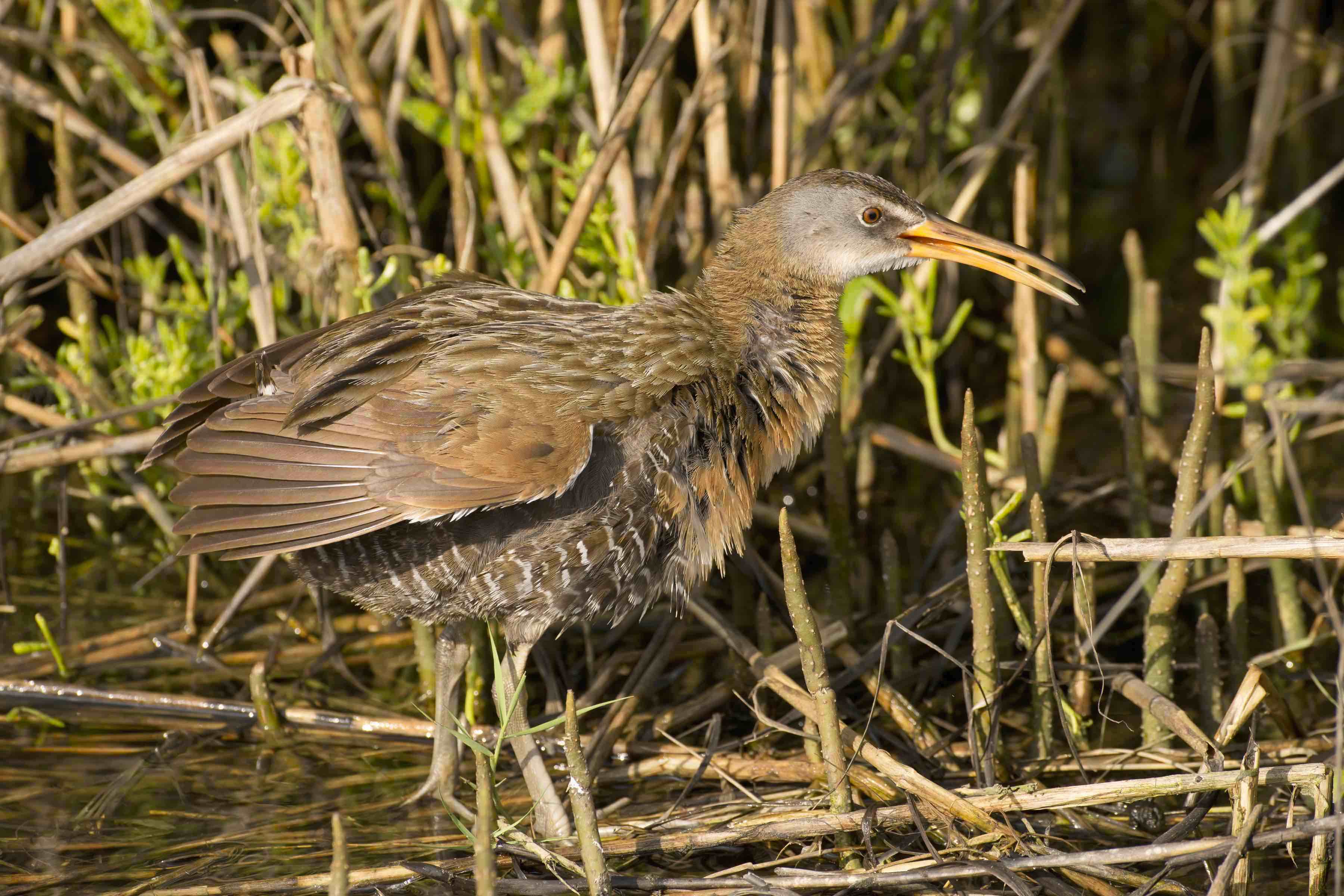
Clapper Rail, Abaco, Bahamas (Tom Sheley / Birds of Abaco)

CLAPPER RAILS ON ABACO: A SMALL SHOWCASE

Just over 3 years ago, THE BIRDS OF ABACO was published and launched at the Delphi Club. The book was intended to showcase the wonderful and varied bird life on Abaco – home to endemics, permanent residents, seasonal residents, and a wide variety of migrating transients. The book has been most generously received and supported – though I have to report that already its definitive checklist (dating from 1950) has become outdated with the recording of 6 additional species on Abaco, featured elsewhere in this blog.

Clapper Rail, Abaco, Bahamas (Tom Sheley / Birds of Abaco)

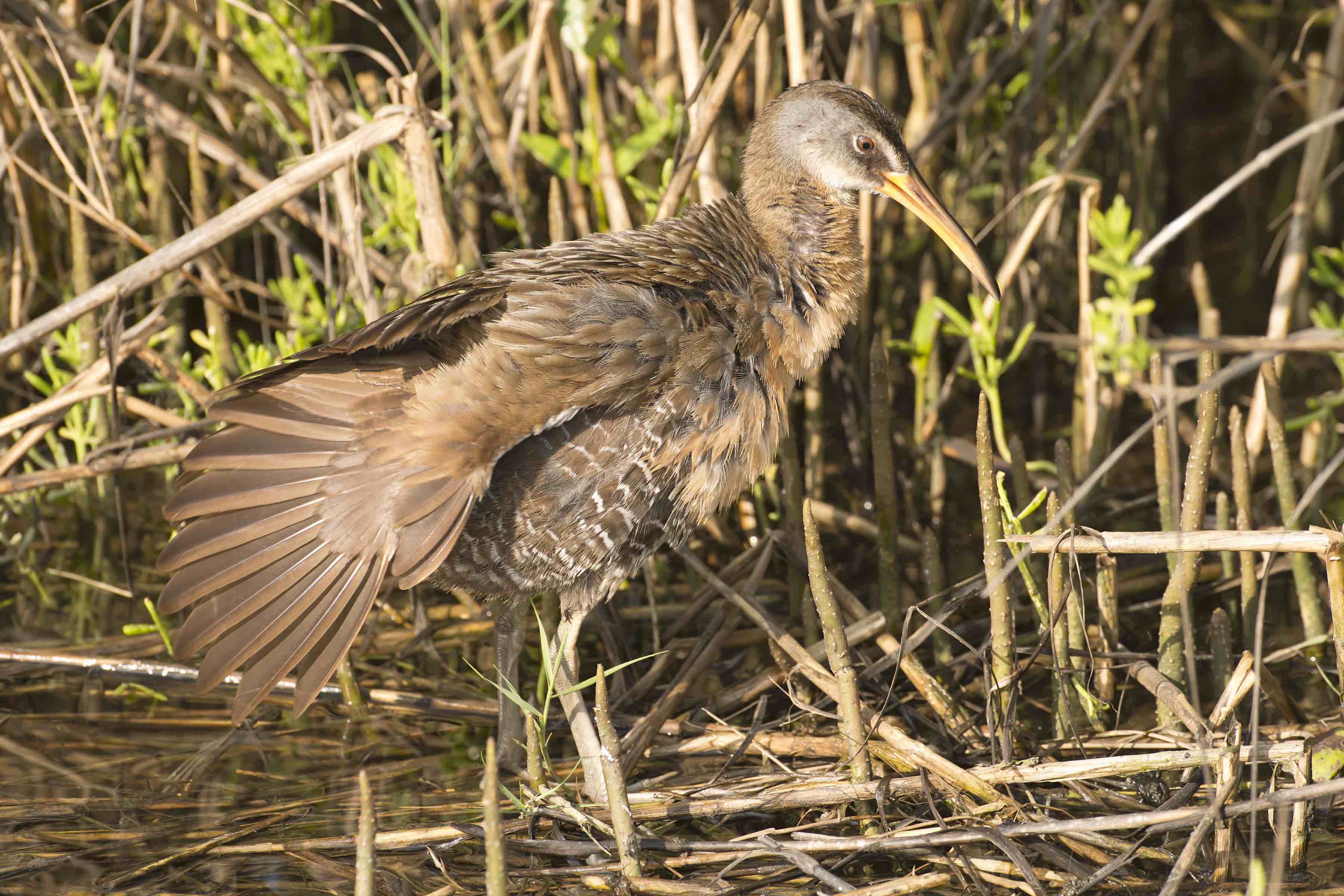
Tom Sheley was one of the main photographic contributors to the book, and I had the good fortune to coincide with one of his trips to Abaco, when he was armed with significant photographic weaponry; and to accompany him on some of his photographic day trips (not including the early morning ones, in my case). This clapper rail is one of my favourites of his photo sequences of a bird being a bird – preening, stretching, calling – in its own habitat.

Clapper Rail, Abaco, Bahamas (Tom Sheley / Birds of Abaco)

My one regret about my involvement  in producing the book (it took 16 months) and more generally in the wildlife of Abaco is that I have entirely failed to progress to sophisticated (expensive) photographic equipment capable of producing images the quality of Tom’s. Yes, I’ve moved on from compacts (ha!) to bridge cameras (Panasonic Lumix + lens extender), and some results ‘make the cut’. But my move up to a Canon SLR was mainly disastrous, and when eventually I inadvertently drowned it (I overbalanced while photographing shorebirds from breaking waves. Total immersion. Total stupidity.) I felt an unexpected sense of relief. A blessing really – I never understood it, nor in my heart of hearts (if I’m honest) really wanted to… But my feeble struggle made me realise and appreciate the enormous skill of those like Tom who take ‘National Geographic’ quality photographs. It’s not just the equipment – it’s knowing exactly how to use it, and often in a split second…

Clapper Rail, Abaco, Bahamas (Tom Sheley / Birds of Abaco)

Photos by Tom Sheley – with thanks for the adventures

Unknown's avatar

BAHAMAS REEF FISH (38): SPOTFIN BUTTERFLYFISH


Spotfin Butterflyfish, Bahamas (Melinda Riger / G B Scuba)

BAHAMAS REEF FISH (38): SPOTFIN BUTTERFLYFISH

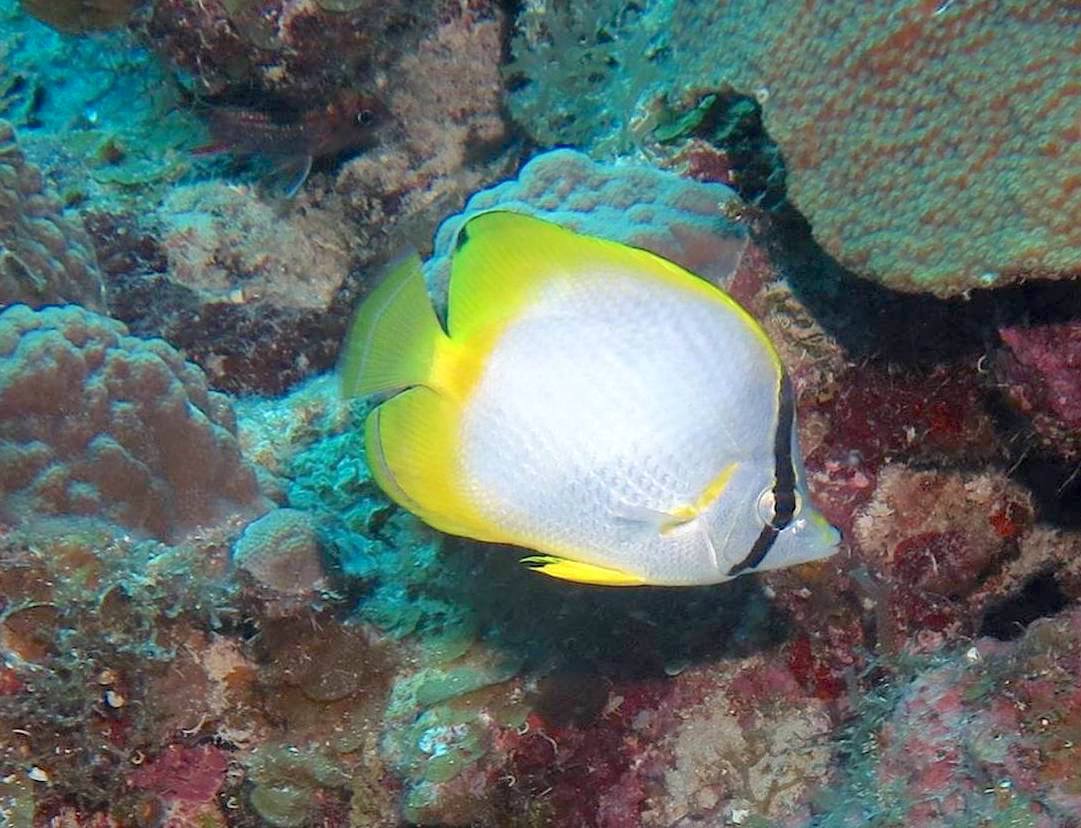
Butterflyfishes are a large family of mainly colourful small fish somewhat like mini-angelfish. The spotfin butterflyfish (Chaetodon ocellatus) is one of several types of butterflyfish found in the western Atlantic Ocean; and one of half a dozen or so you are likely to see nosing around the coral reefs of the Bahamas.

Spotfin Butterflyfish, Bahamas (Melinda Riger / G B Scuba)

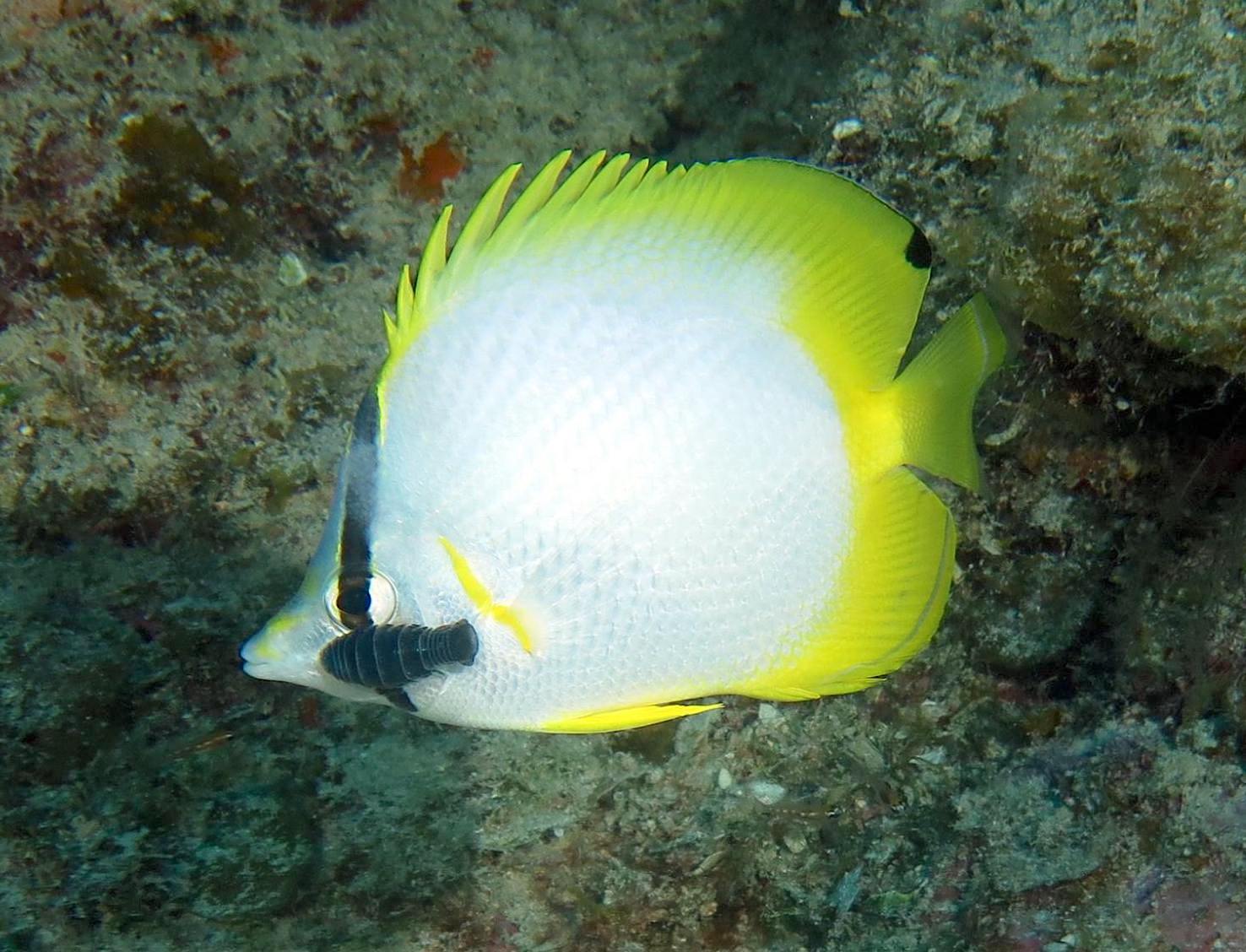
The name ‘spotfin’ derives from the dark spot on the dorsal fin. At the front end, there is a distinctive black vertical stripe that passes right through the eye. Combined with the vivid colouring, predators are in theory confused or warned off.  The spotfin’s superpower (on a modest scale) is that at night, a change of appearance occurs in adults. The dark patch on the dorsal fin increases in size, and dark bands appear on the body. This seems to be in order to provide further protection during the darker hours.

Spotfin Butterflyfish, Bahamas (Melinda Riger / G B Scuba)

The spotfin above has an isopod attached to it, a type of crustacean with a segmented body. Primitive fossils of these creatures have been dated back some 3m years. Want to know want this one is up to? These things “are mostly external parasites of fish or crustaceans and feed on blood, having piercing and sucking mouthparts and clawed limbs adapted for clinging onto their hosts”.

Soldierfish photobombs a spotfin. Or maybe it’s vice versa?Parasitic species are mostly external parasites of fish or crustaceans and feed on blood. The larvae of the Gnathiidae family and adult cymothoidids have piercing and sucking mouthparts and clawed limbs adapted for clinging onto their hosts.

Reading about this particular species of  butterfly fish, I discovered that the spotfin “is very common and very hard to maintain in a tank” –  as if the two facts are somehow connected. So might they be coarse or vulgar, and thus unsuitable companions for better bred and perhaps sensitive aquarium fish? As it turns out, it may be because they are vulnerable to predation, and so can coexist only with peaceable tank friends. 

Spotfins are perfectly happy swimming upside down; and their party trick apparently is to rise to the surface and squirt a jet of water in the air. Sadly, I couldn’t come up with a photo of this…

RELATED POSTS

LONGSNOUT BUTTERFLYFISH

REEF BUTTERFLYFISH

Credits: All fab photos by Melinda Riger / Grand Bahamas Scuba

Unknown's avatar

Viewing the Solar Eclipse from the Bahamas


TOTAL ECLIPSE ON MONDAY? 80% FOR ABACO!

and how to view it safely…

π Amanda Diedrick, companion Abaco blogger at Little House by the Ferry, GTC

Abaco Sun (Amanda)'s avatarOLD Little House by the Ferry

Though the Bahamas is not within the path of totality of this Monday’s solar eclipse, we’ll still be able to view this amazing phenomenon from the islands.

How to View the Solar Eclipse from the Bahamas Solar Eclipse by Ashwin Kumar (Bangalore, India)

View original post 259 more words

Unknown's avatar

RUDDY TURNSTONES ON ABACO: BEACH NOSHING


Ruddy Turnstones, Delphi Beach Abaco Bahamas (Keith Salvesen)

RUDDY TURNSTONES ON ABACO: BEACH NOSHING

Some birds are named for the sounds they make (bobwhite, chuck-will’s-widow, pewee, killdeer). Some are named for their appearance (yellow-rumped warbler, painted bunting). And some are named for what they do (shearwater, sapsucker – but definitely NOT killdeer). The ruddy turnstone Arenaria interpres is in the last two of these categories: it looks ruddy and it literally turns stones to get at the goodies underneath.

Ruddy Turnstones, Delphi Beach Abaco Bahamas (Keith Salvesen)

And they don’t just turn stones to look for food. Someone with a lot of patience has defined 6 specific methods by which a turnstone forages for food:

  • Turning stones by flicking them with its beak
  • Digging using its beak to flick away sand or earth (see video below)
  • Routing around in piles of seaweed to expose food under it
  • Surface pecking with short, shallow pecks for food just below the surface
  • Probing by simply sticking its beak deep into soft sand or ground
  • Hammer-probing to crack open a shell and get at the occupant

Ruddy Turnstones, Delphi Beach Abaco Bahamas (Keith Salvesen)

In these photos taken on a rather gloomy day on the Delphi beach, a combination of mainly digging and routing is going on. Note the sandy beak of the RUTU below, right up to the hilt.

Ruddy Turnstones, Delphi Beach Abaco Bahamas (Keith Salvesen)Ruddy Turnstones, Delphi Beach Abaco Bahamas (Keith Salvesen)

This short video shows how effective the RUTU method is. It was fascinating to watch the team work their way through and around the piles of weed on the beach, flicking sand vigorously in their quest for sandflies or whatever. Watch the sand fly! Pity it wasn’t a sunny day – the photos might have looked a bit more cheerful… 


All photos Keith Salvesen

Unknown's avatar

SEA GLASS TREASURES & TWO ISLAND CHICKS…


Sea Glass & Jewellery, Abaco, Bahamas (Two Island Chicks)

SEA GLASS TREASURES & TWO ISLAND CHICKS…

It’s time to shine the Rolling Harbour spotlight on sea glass, a neglected (by me) topic recently . Everyone loves it (don’t they?), and there’s always a bit of excitement in finding a pretty piece of cloudy glass gleaming in the sand on the beach. Just look at that colour. Might it be rare? How old could it be? Should I pick it up or leave it for someone else to enjoy? 

Sea Glass & Jewellery, Abaco, Bahamas (Two Island Chicks)

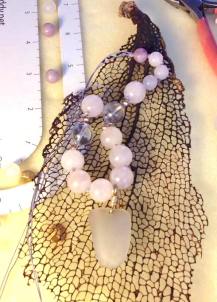
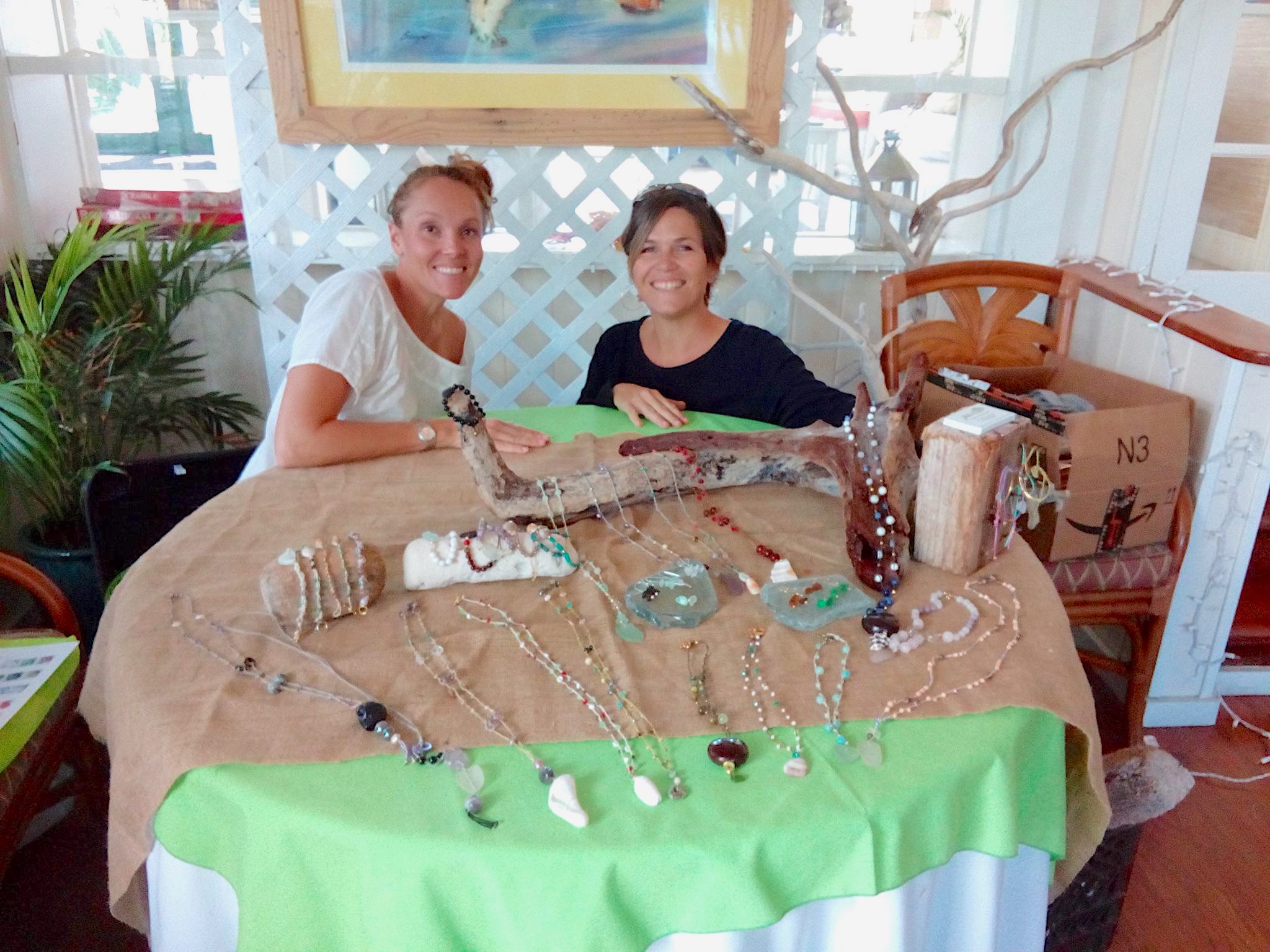
Collecting sea glass is one of the pleasures of a walk on the beach. Or maybe it’s the motivation for the walk. For some, it is an opportunity to turn what the sea throws onto the beach into something decorative. Abaco is home to some excellent jewellery** makers who specialise in using locally found materials to make beautiful things. These sometimes incorporate a mix of sea glass, pebbles, and small shells.

Sea Glass & Jewellery, Abaco, Bahamas (Two Island Chicks)Sea Glass & Jewellery, Abaco, Bahamas (Two Island Chicks)Sea Glass & Jewellery, Abaco, Bahamas (Two Island Chicks)

In Hopetown on Elbow Cay, Hilary Thompson and Erika Feszt Russell do just that. Trading under the name ‘Two Island Chicks’, they use sea glass in many of their creations, some examples of which are displayed here. As you’ll see, they also apply their creativity to showing their jewellery attractively. 

Sea Glass & Jewellery, Abaco, Bahamas (Two Island Chicks)

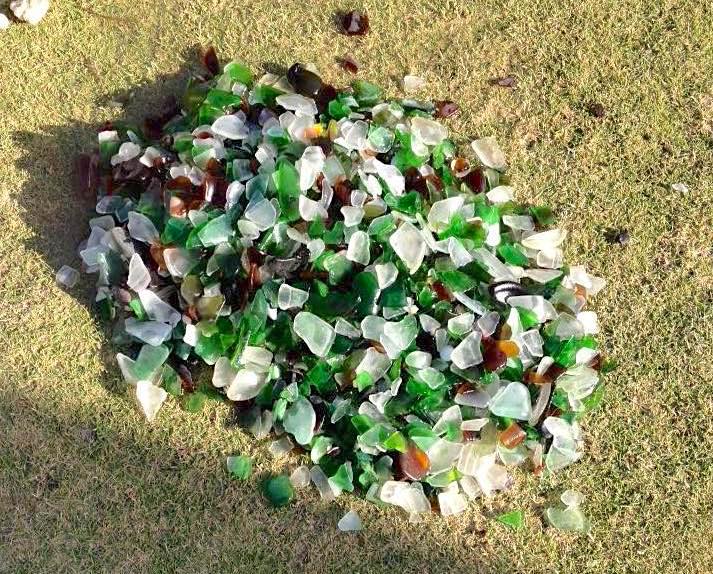
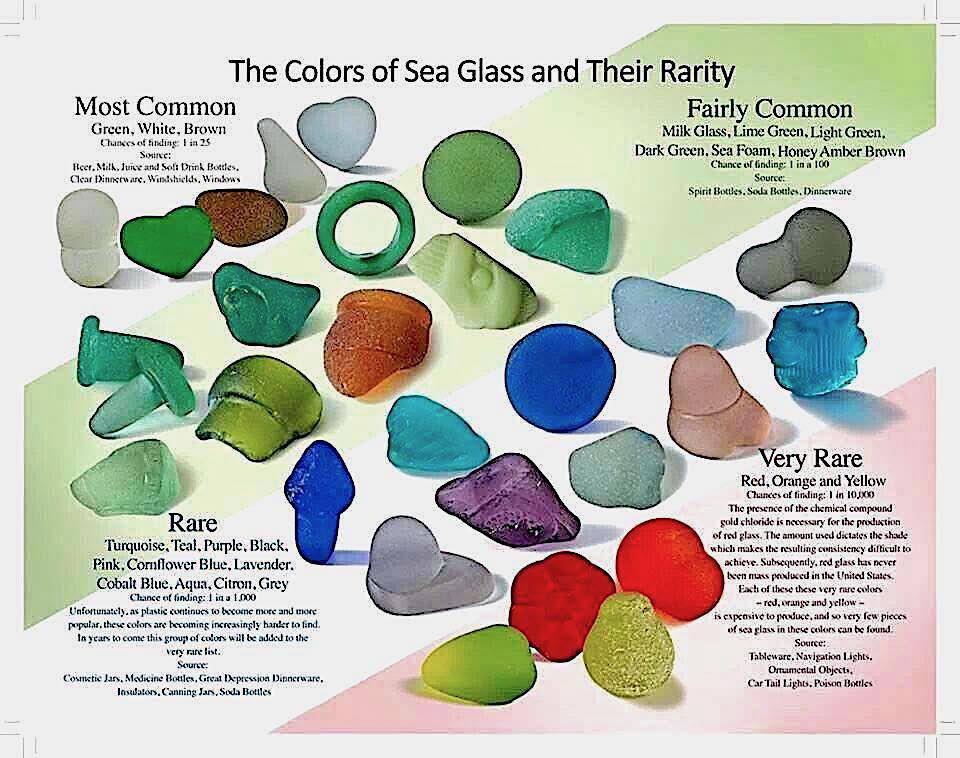
The collected glass has to be sorted into the various colours. Most are quite common (white, green, brown), some are uncommon (eg cobalt blue), and just a few that are very rare – and possibly valuable (red, orange) – see charts below.

Sea Glass & Jewellery, Abaco, Bahamas (Two Island Chicks)Sea Glass & Jewellery, Abaco, Bahamas (Two Island Chicks)Sea Glass & Jewellery, Abaco, Bahamas (Two Island Chicks)Sea Glass & Jewellery, Abaco, Bahamas (Two Island Chicks)

The charts below give a general overview of the comparative rarity of various sea glass colours, their sources, and the chances of making a rare find. Of course, these are mainstream colours; there are many other in-between hues and shades.

Sea Glass & Jewellery, Abaco, Bahamas (Two Island Chicks)Sea Glass & Jewellery, Abaco, Bahamas (Two Island Chicks)Sea Glass & Jewellery, Abaco, Bahamas (Two Island Chicks)

Can you spot the most unusual piece of sea glass here?Sea Glass & Jewellery, Abaco, Bahamas (Two Island Chicks)

Sea Glass & Jewellery, Abaco, Bahamas (Two Island Chicks) Sea Glass & Jewellery, Abaco, Bahamas (Two Island Chicks)

RELATED POSTS

BEACHCOMBING FOR SEA GLASS with Kasia

BOOKCOMBING: SEA GLASS BOOKS (4 books compared)

ABACO ARTS & CRAFTS (with drop-down menus)

** Yeah yeah, I hear you. Jewellery? How English is that? Please mentally substitute ‘jewelry’ throughout. Maybe the same for colour / color. This is a bi-lingual area.

THE TWO ISLAND CHICKS

Credits: Hilary and Erika for all the photos; as for the sea glass charts (1) West Coast Sea Glass 2006 (as found in a number of online sources); (2) Origin unknown (ditto re online sources) 

Unknown's avatar

EYES ON STALKS: CONCH WATCH ON ABACO


Conch Man-o-War Cay, Abaco, Bahamas (Charmaine Albury)

EYES ON STALKS: CONCH WATCH ON ABACO

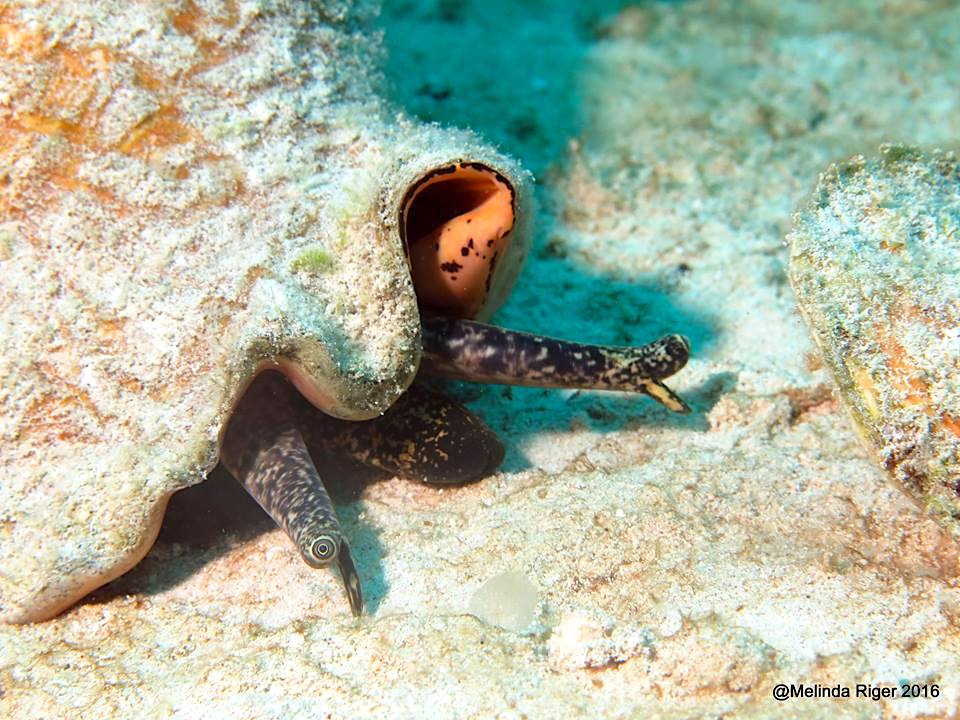
This is not so much about you looking at, and admiring (without salivating too much, I trust) conchs in their natural element. More about them watching you watching them – and focusing on their rather remarkable stalk-based eyes. Take a look at these examples of the ‘watcher in the shallows‘ (to misquote a well-known book title).

Conch and their eyes, Bahamas (Melinda Riger)Conch and their eyes, Bahamas (Melinda Riger)

HALF A DOZEN CONCH EYE FACTS TO PONDER

  • The eyestalks are attached to an extendable ‘snout’
  • The two eyestalks (ommatophores) are retractable within the shell
  • Their purpose is to provide a wider field of vision around the shell
  • The eyes at the tip of each eyestalk have ‘proper’ lenses, pupils and irises 
  • Amazingly, amputated eyes normally regenerate completely
  • The small projection below the eye is a ‘sensory tentacle’ or feeler

Conch and their eyes, Bahamas (Melinda Riger)Conch and their eyes, Bahamas (Melinda Riger)

CAUTIONARY WARNING

For a rather depressing view of the current state of conch populations, check out this recent article in the MIAMI HERALD. Not a great deal to be optimistic about…

I’M WATCHING YOU…

CREDITS: All remarkable ‘conch watching’ photos by Melinda Riger / Grand Bahama Scuba – except for the wonderful header image by Charmaine Albury (contributor the The Birds of Abaco), taken on Man-o-War Cay; Cindy James Pinder for the heads-up for the Miami Herald article

Unknown's avatar

ABACO (CUBAN) PARROTS: GETTING FRUITY


Abaco (Cuban) Parrots, Bahamas (Melissa Maura)

ABACO (CUBAN) PARROTS: GETTING FRUITY

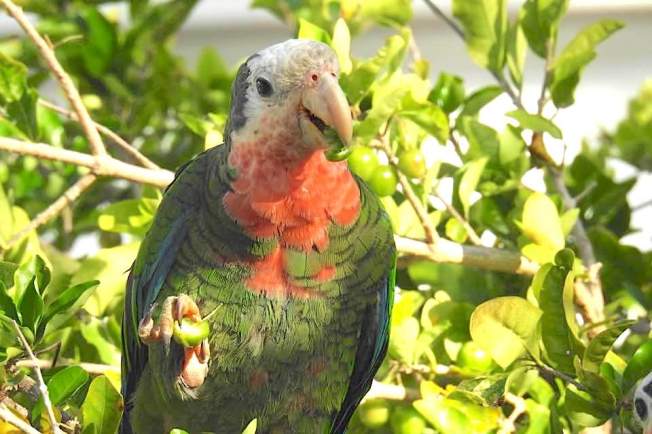
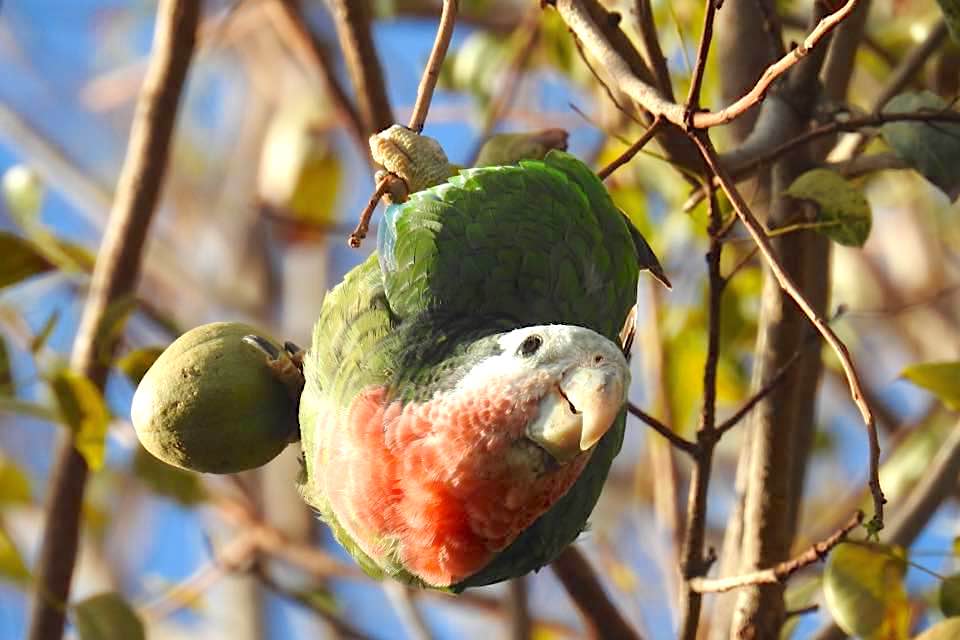
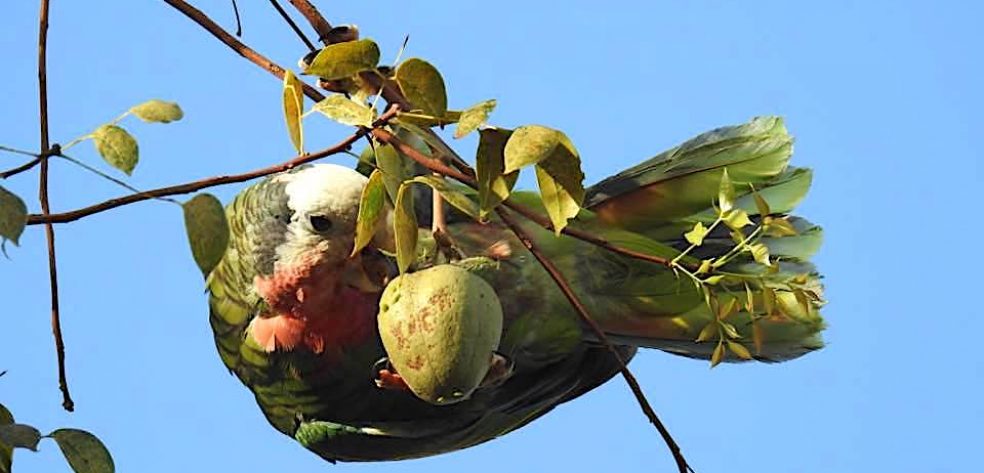
To be honest, the header image is not the sort of ‘fruity’ I had in mind, which was intended to have an entirely dietary connotation. I’m not quite sure what these two are up to – not procreation, I think, in that precarious situation. It looks non-aggressive… so maybe just having fun and… er… hanging out together.

Here are some Abaco parrots doing what they love to do in between group squawking sessions: gorge themselves on fruit, and getting at it any which way. 

Upside down is really just a different angle to get at fruitAbaco (Cuban) Parrots, Bahamas (Melissa Maura)

Noshing on berries

One in the beak, next one ready in the claw

Tackling something more substantial

More acrobatics

And eventually out on a limb…

All great parrot photos by Melissa Maura, with thanks as always for use permission

Unknown's avatar

DOLPHINS DISPORTING IN THE BAHAMAS


Atlantic Spotted Dolphin, Bahamas (BMMRO)

DOLPHINS DISPORTING IN THE BAHAMAS

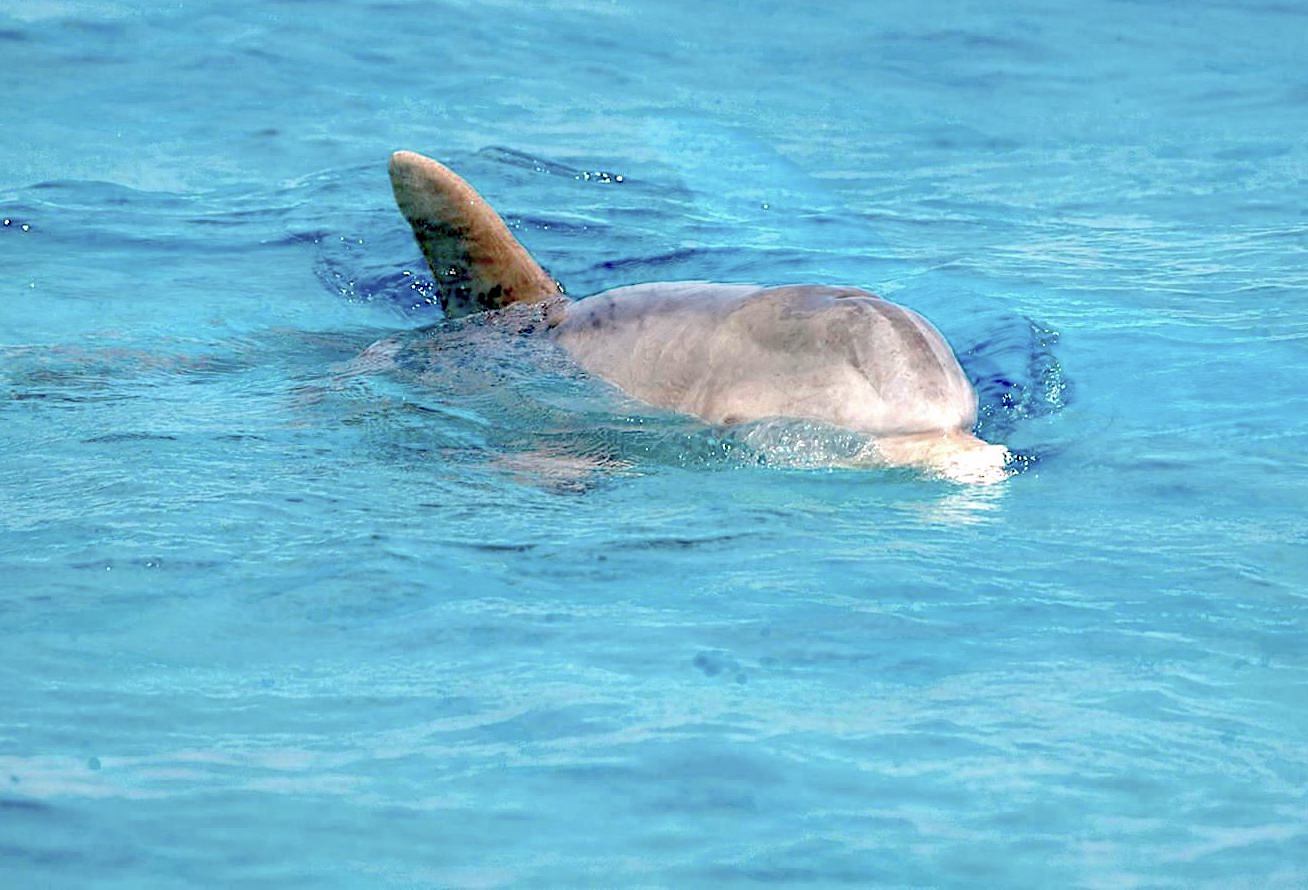
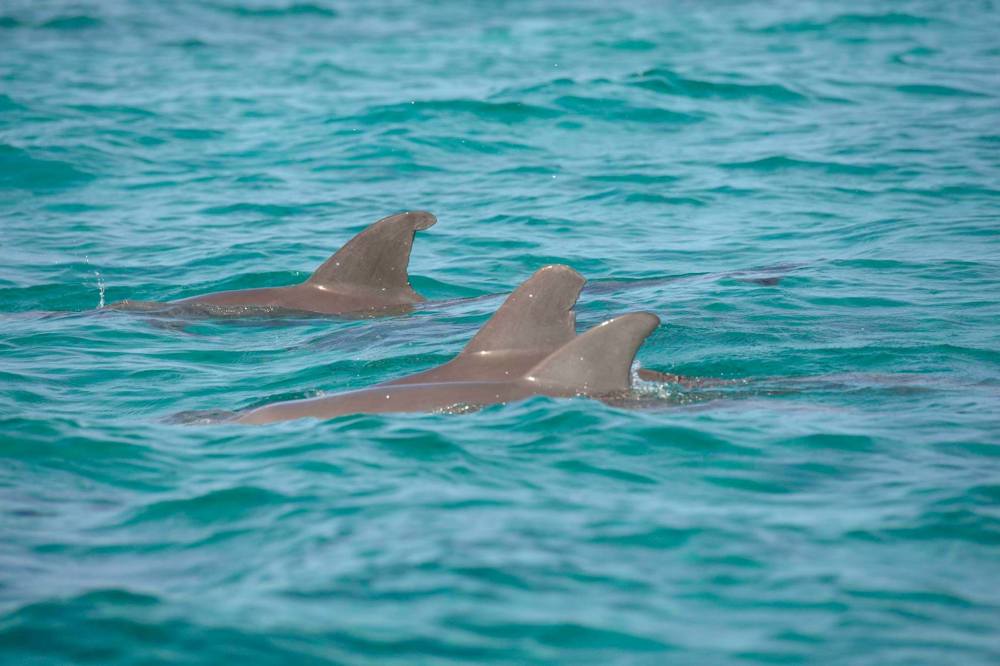
‘Disporting’. Not a word I’ve used very often. Or possibly ever. It looks a bit like ‘unsporting’, which is emphatically what dolphins are not. Basically, it just describes what dolphins are doing when you see them on the surface: amusing themselves, frolicking around in the waves, and simply enjoying themselves.Bottlenose Dolphin, Bahamas (BMMRO)

True, they are probably keeping an eye out for food… But when you have a group sociably following alongside the boat your are in, moving in front, dropping behind, diving under, and generally playing around, it’s quite hard to believe that these are completely wild creatures. They seem to be performing just for you, simply because they want to. You don’t even have to throw fish at them to earn this free display.

Atlantic Spotted Dolphin, Bahamas (BMMRO)Atlantic Spotted Dolphin, Bahamas (BMMRO) Atlantic Spotted Dolphin, Bahamas (BMMRO)

As is well-known, the BAHAMAS MARINE MAMMAL RESEARCH ORGANISATION (BMMRO) is the custodian for the welfare of these beautiful creatures for the entire Bahamas. However, being based on Abaco and carrying out the majority of the research from the HQ at Sandy Point means that many of the great images that get taken are from Abaco waters. Indeed some are taken within swimming distance (not mine) of the shore.  Bottlenose Dolphin, Bahamas (BMMRO)Bottlenose Dolphin, Bahamas (BMMRO)Bottlenose Dolphin, Bahamas (BMMRO)Bottlenose Dolphin, Bahamas (BMMRO)

The photographs featured here were taken during the last few weeks. Some are of the familiar bottlenose dolphins. The others – with speckled undersides clearly visible in the header image & below – are of Atlantic spotted dolphins. There’s even one of my own taken from the research vessel. Atlantic Spotted Dolphin, Abaco Bahamas (Keith Salvesen)Atlantic Spotted Dolphin, Bahamas (BMMRO)

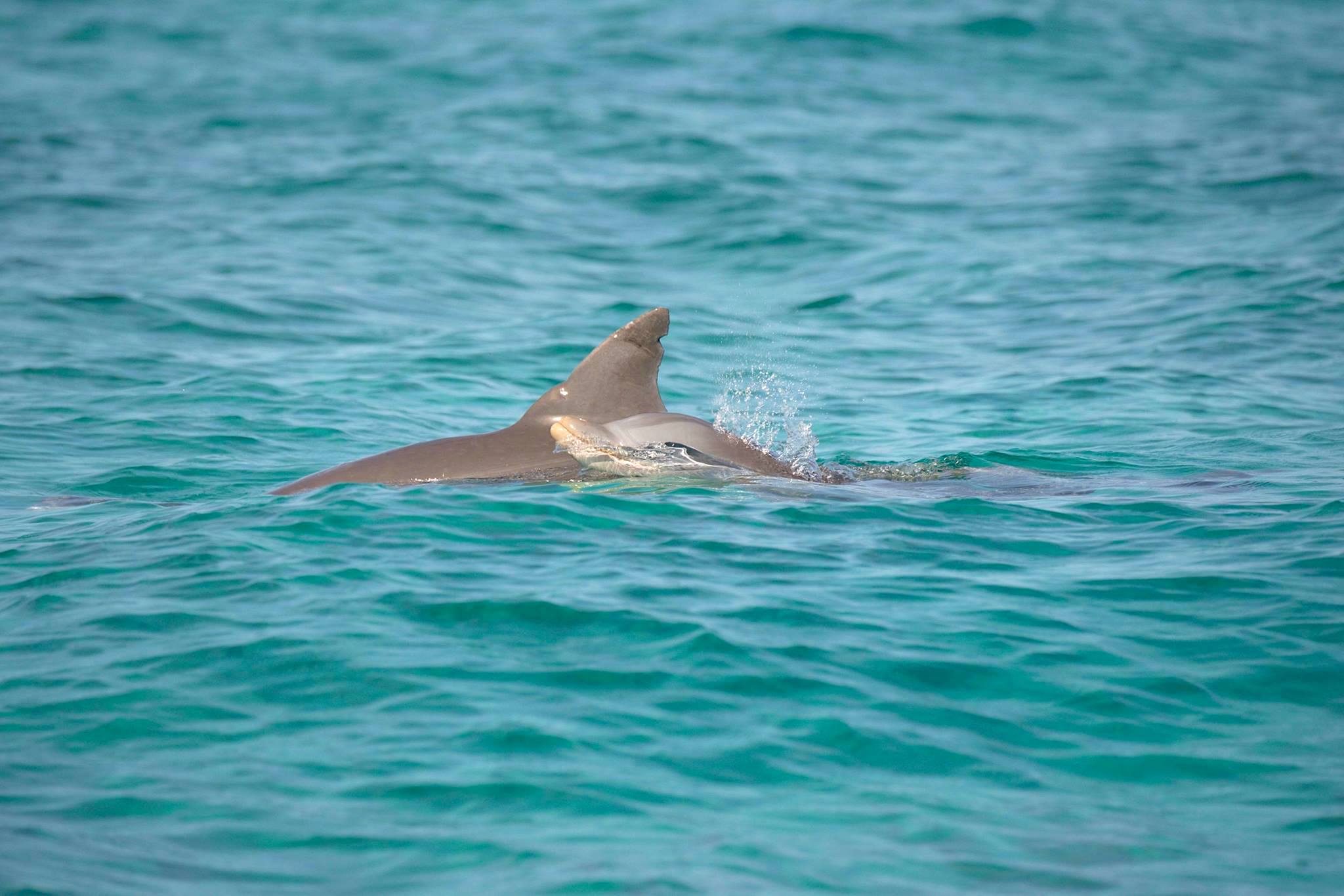
For the researchers, the most important part of an individual dolphin is its dorsal fin. Unique patterns of cuts and scars mean that each dolphin sighted can be logged and their profiles built up. Some have been found in the same area for many years. They are not usually given jocular names – ‘Davy Jones’, ‘Finny Phil’ or whatever. The first time we went out on the research vessel we were slightly surprised by the practical, scientific calls during a sighting of a dolphin group: “there’s B4 again” and “over there – D5 is back”. All said fondly however – many of the dolphins are old friends.

This dolphin has a notable notch on the dorsal fin with a nick below, & a scar line – with a prominent white scar on the lower front edge Bottlenose Dolphin, Bahamas - Dorsal Fin Damage (BMMRO)

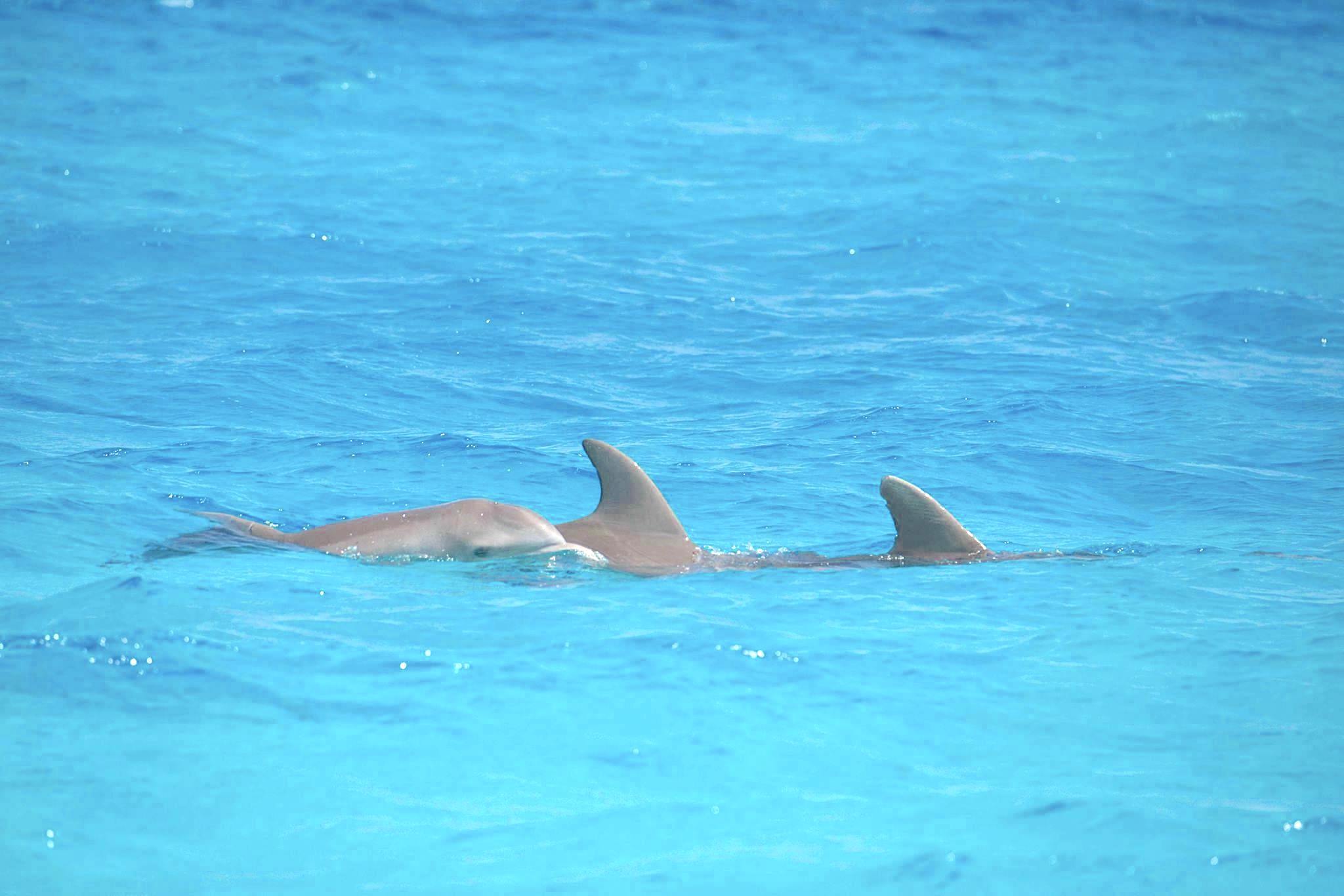
Notice how these 3 dolphins all have quite different fin profiles.  The nearest one’s fin looks unblemished, but has a paler tip. Powerful binoculars and a serious camera can pick out small  differences at a distance that the eye could notBottlenose Dolphin, Bahamas - Dorsal Fin Damage (BMMRO)

Coming soon: Manatees & Man in the Bahamas

All photos (bar one by me) BMMRO, with thanks to Diane & Charlotte, and a tip of the hat to the current interns involved in the research projects (Hi, UK Thomas!)

Unknown's avatar

CUBAN EMERALDS ON ABACO: JEWELS BEYOND PRICE


CUBAN EMERALDS ON ABACO: JEWELS BEYOND PRICE

Well I don’t want to overstate it, but there cannot be anyone on the planet who has anything but love for hummingbirds. There’s no existing word for ‘fear of hummingbirds’ – ‘colibriphobia‘ is not a ‘thing’. There’s fear of almost everything else, from grass to clouds to plastic bags**… but, surely, not hummers. Here are a few to enjoy.

The females have a wonderful metallic sheen that makes them shimmer in the sunshine. Males are darker: a gorgeous, handsome green. The Emeralds are one of those bird species where it is hard to decide between the sexes which is the more beautiful…

All photos: Keith Salvesen / Rolling Harbour

** Plastybolsaphobia (nb despite the apparent Greek derivation of this word, the Ancient Greeks were strangers to the world of these handy carriers / vile polluters / dealing wildlife killers)


Unknown's avatar

ROCK BEAUTY: BAHAMAS REEF FISH (37)


Rock Beauty, Bahamas (Melinda Riger / Grand Bahama Scuba)

 ROCK BEAUTY: BAHAMAS REEF FISH (37)

The Rock Beauty Holacanthus tricolor is a small species of Angelfish. Seen swimming around the reefs they are unmistakeable, not least because of their bright yellow hi-viz jackets, remarkable blue eyeliner and blue-black lippy. They featured near the start of this series HERE, and a recent online search (for something else completely, as is often the way) reminded me to give them another swim round Rolling Harbour.

Rock Beauty, Bahamas (Melinda Riger / Grand Bahama Scuba)

In addition to the hi-viz-and-eyeliner combo, the Beauty above has chosen a fetchingly cheeky pair of matching ISOPODS (crustacean parasites) to adorn its face –  possibly the piscine equivalent of a tat…

Rock Beauty, Bahamas (Melinda Riger / Grand Bahama Scuba)

Rock Beauties look like prime candidates for anyone’s aquarium, but their dietary requirements and tendency for aggression make them unsuitable. They are highly specialised feeders, needing marine sponge in their daily diet. They are also prone to chase their tank-mates and nip them. On balance, they look more fetching nosing about the coral anyway.

WHAT DO JUVENILES LOOK LIKE?

Juvenile rock beauties are cute mini-versions of the adults, only more yellow (including the lips). In some development stages, they have a smart blue circle in the middle of the dark patch on their sides (bottom image).


Rock Beauty (Juvenile)

NOTE Rock Beauties have no known relationship to Chrissie, Debbie, Lita, Stevie, Joanna, Madge and the rest of the accredited ‘Rock Beauties aka Chicks’.  

NOT A TRUE ‘ROCK BEAUTY’ (no offence, Lita)

A TRUE ROCK BEAUTY
800px-Holacanthus_tricolor_1

Credits: Melinda Riger, Grand Bahama Scuba,Wiki

Unknown's avatar

VORACIOUS VIREOS: A TALE OF GREED ON ABACO


Black-whiskered Vireo (juvenile), Abaco (Charles Skinner)

VORACIOUS VIREOS: A TALE OF GREED ON ABACO

Lo, the tiny fluffy BLACK-WHISKERED VIREO fledgling, so innocent and coming close to aborbs (but for being frankly a little unkempt). Yet few would guess that beneath that delightfully virtuous exterior rages the appetite of a  MONSTER

Excuse me, I’m getting a little peckish…Black-whiskered Vireo (juvenile), Abaco (Charles Skinner)

That’s fine, son, I’ll go and get you a little snack…

Whaaaaa… Hungreeeee…Black-whiskered Vireo (juvenile), Abaco (Charles Skinner)

Whaaaaa…. want MORE…

Black-whiskered Vireo (juvenile), Abaco (Charles Skinner)Black-whiskered Vireo (juvenile), Abaco (Charles Skinner)

And more…

And another one… keep ’em coming

Whaaaaa… more…               NO, son, you’ve had quite enough for one meal…Black-whiskered Vireo (juvenile), Abaco (Charles Skinner)

This one’s ALL for me…

All great photos by Charles Skinner, who must have had a fun time watching the entertainment. Although we intentionally featured very few juveniles in THE BIRDS OF ABACO, one of these shots insisted on being included…

Unknown's avatar

MARK CATESBY, PIONEER NATURALIST: NEW BOOK


MARK CATESBY, PIONEER NATURALIST: NEW BOOK

Exactly two years ago, I wrote about the publication of a lavish limited edition facsimile of Mark Catesby’s renowned work The Natural History of Carolina, Florida and the Bahama Islands in 4 volumes to mark the 300th anniversary of Catesby’s arrival in the New World. Unsurprisingly, the cost of the set was prodigious (a rather nice car) – but only a fraction of the cost of a vanishingly rare original set (a rather nice house). Reader, I didn’t buy one.

Now the CATESBY MEMORIAL TRUST has produced an excellent and inexpensive illustrated introduction to Catesby’s great work that will transport you back through the centuries to the earliest days of natural historical research by Europeans abroad. It’s worth remembering that Catesby antedated the more famous John James Audubon (1785-1851) by a whole century.

Catesby’s signature

The new book has over 40 illustrations from Catesby’s The Natural History of Carolina, Florida and the Bahama Islands. These are paired with relevant extracts from the work, and there is additional commentary. Click on Catesby’s Tropicbird below for a sample of the book.

Click me for book sample!

To buy the book – it’s $25 – click HERE

Mark Catesby - 'Bahama Titmous' (Bananaquit)

Mark Catesby – ‘Bahama Titmous’ (Bananaquit)

MARK CATESBY? JUST REMIND ME…

Mark Catesby (1683 – 1749) was a pioneering English naturalist and artist who published his magnum opus based on a number of expeditions he undertook from 1712 onwards. His was the first ever published account of the flora and fauna of North America, and the 2 volumes (with a supplement) included some 220 colour plates of the creatures and plants of land and sea that he had come across. After his travels, Catesby spent some 20 years producing his masterwork and died soon after, perhaps from the sheer effort of it all.

Red-legged Thrush in Gumbo Limbo Tree (HM QE2)

Red-legged Thrush in Gumbo Limbo Tree

AND HIS RELEVANCE TO THE BAHAMAS IS…?

On behalf of the Royal Society Catesby undertook expeditions, first to Carolina and then more widely in America and eventually in the Bahamas. On these trips he drew and painted detailed pictures of birds, fish, turtles, flowers and corals, many of which are familiar in the Bahamas to this day – and a few of which are included here.

Mark Catesby - Angelfish

Mark Catesby – Angelfish

Flamingo Head + Gorgonian Coral (HM QE2)

Flamingo Head & Gorgonian Coral

Mark Catesby - plate 139 Hawksbill Turtle

Mark Catesby – Hawksbill Turtle

Mark Catesby (Black-faced Grassquit)

Mark Catesby (Black-faced Grassquit)

RELATED POSTS

CHARLES CORY & ABACO 1891

THE PIONEERS (Wilson, Audubon, et al)  

MR SWAINSON (on his 224th Birthday)

Bahama Finch (Western Spindalis)

RELATED BOOK

51C+Zz+7CSL._SX363_BO1,204,203,200_

Information about the Catesby Commemorative Trust and the book The Curious Mister Catesby can be found HERE. I have the book: it is wonderful, but as an amateur I find it quite a difficult read, and I have to take it in small chunks.

For anyone tempted to look further into the importance of this ground-breaking naturalist, the CCT produced a 50 minute film that is well worth watching if you are interested to know more.

Credits: HM QE2, Catesby Commemorative Trust, National Geographic, Mariners’ Museum Library, sundry open source info-&-pic-mines inc. Wiki, Addison Publs, 

“Illuminating natural history is so particularly essential to the perfect understanding of it”   (Mark Catesby)