Unknown's avatar

BLUE TANG AS REEF FILM STAR


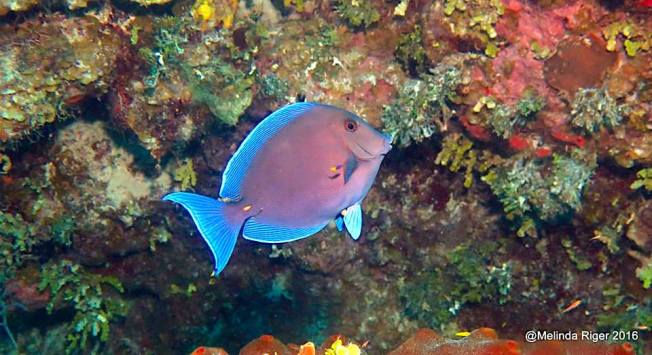
Blue Tang, Bahamas (Melinda Riger / Grand Bahama Scuba)

BLUE TANG AS REEF FILM STAR

Last summer, the big motion picture sensation for the bird world was, of course, Pixar’s ineffably adorable creation, Piper – the ultimate ‘Chick Flick’. This little ball of cartoon fluff was not, as some thought, based on a piping plover but on a sanderling – a type of sandpiper (clue in name). This 6 minute ‘short’ preceded the main event, the hugely popular Finding Dory. You can read all about the film Piper and the birding aspects of the film HERE

Blue Tang, Bahamas (Melinda Riger / Grand Bahama Scuba)

Finding Dory is not about a fish of the dory species, of course. Voiced by Ellen DeGeneres, Dory is in fact a species of surgeonfish Paracanthurus, the familiar blue tang found on the reefs of the Bahamas. To see these fish in Abaco waters, Fowl Cays National Park is always a good bet.

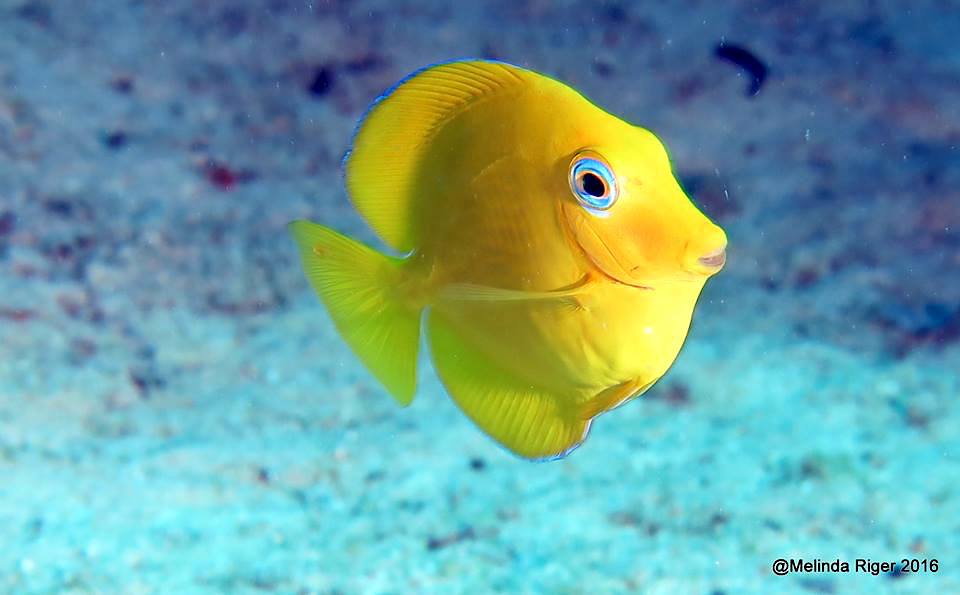
Blue Tang, Bahamas (Melinda Riger / Grand Bahama Scuba)

Dory can be identified as a maturing juvenile: blue, with a yellow tail. In due course – in time for the sequel film – she will become blue all over, with perhaps the odd flash of yellow (see photos above).

In real life, a baby blue tang is in fact entirely yellow, except for blue rings around the eyes. In Pixarland, however, Dory is just an adorbs miniature version of her youthful self.

Blue Tang juvenile, Bahamas (Melinda Riger / Grand Bahama Scuba)

Blue Tang are lovely to watch as they cruise round the reefs, sometimes in large groups. Their colouring ranges from pale to dark blue. However, these are fish that are best looked at and not touched – their caudal spines are very sharp. When the fish feels in threatened, the spine is raised and can cause deep cuts, with a risk of infection.  

Still from a crummy video taken at Fowl Cays some years back to illustrate a group of blue tangBlue Tangs, Fowl Cays Nature Park, Abaco Bahamas (KS)

Blue tangs are inedible, they apparently smell unpleasant, and they can cause ciguatera. However they are popular in the aquarium trade. This is a distinct downside of highly successful films such as Finding Nemo and Finding Dory. In defiance of the well-meant and broadly ecological message of both films, the trade in clown fish and to a lesser extent blue tang was boosted by their on-screen portrayal as adorbs creatures desirable for the entertainment of mankind… ‘Nuff said.

Blue Tang, Bahamas (Melinda Riger / Grand Bahama Scuba)

Credits: All excellent photos by Melinda Riger / Grand Bahama Scuba; one pathetically bad still from a low res video, me; cartoons purloined from an online aquarium somewhere or other

Unknown's avatar

“HARRY POTTER & THE MAGIC BAND” REVISITED: THE LEGEND LIVES ON


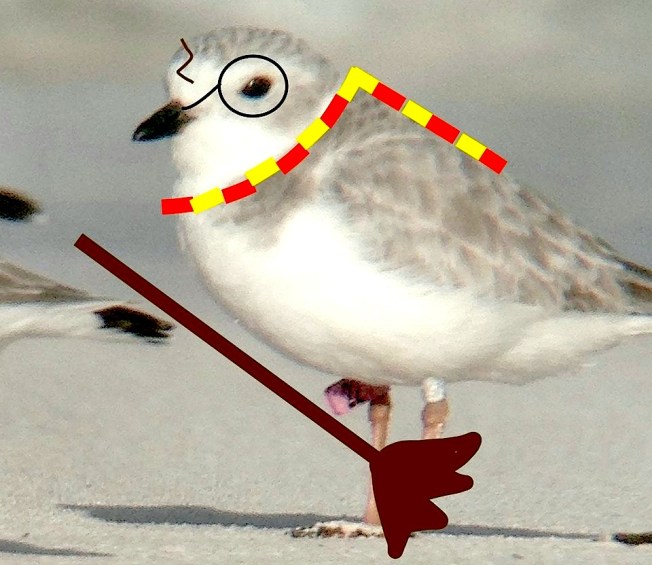
PIPL PINK22 Harry Potter π Stehanie Egger copy

“HARRY POTTER & THE MAGIC BAND” REVISITED

THE LEGEND LIVES ON

by ROWLING HARBOUR

It was a bright sunny morning and the sand on the beach was warm under Harry Potter’s bare feet. Although by now an experienced flyer, his recent adventures during his epic 1000-mile journey had left him very tired. All his friends that had undertaken the same long flight were tired too. Now they were enjoying a quiet, peaceful time away from all the dangers they had somehow survived during their scary expedition (see Harry Potter and the Migration of Fear). It would be a long time, Harry said to himself – maybe as long as 6 months – before he wanted to have another adventure like that. He wondered when Ron Peeplo and Hermione Plover would arrive… 

_Piping_Plover_on_the_Fly (USFWS Mountain-Prairie wiki)

But the little group on a remote shoreline on Abaco were not as safe as they thought. Unknown to the happy, sleepy plovers on the beach, they were already being stalked by two creatures. This determined pair had one sole aim – to find plovers, to catch them and to carry out scientific experiments on them. That’s three aims, in fact. The editor would surely fix that error later (No – ed.). Would Harry and his friends soon find themselves in mortal peril from these formidable adversaries, these beasts with huge brains, armed with the latest technology? What magical powers would be needed to combat the imminent danger creeping stealthily towards them? The male definitely had a spine-chilling look about him; the female appeared less daunting – but might therefore be all the more dangerous…

TOPO & STEG PIC JPG   piping-plover

Suddenly, Harry felt a terrible foreboding. Fear ruffled his neck feathers and his little left foot started drumming impatiently on the sand. He’d felt like this several times before, like that time a Dark Lord had driven a SUV straight at him on that nesting beach many miles away, the one where he cracked out (see Harry Potter and the Vehicle of Dread). And when the massive dog came and sniffed round the nest when he was a tiny chick (see Harry Potter and the Hound of Horror). Instinctively, he grabbed a magic meat-string from the damp sand, ate it, and took to the air… only to be caught up in some sort of fearsome spider’s web (a mist net – ed.). He was trapped. He struggled bravely, piping out his anger at this cruel trick. But it was no good – he was caught fast, and wriggling only seemed to make it even worse. The massive creatures were running towards him fast, shouting in triumph – they had got Harry exactly where they wanted him – at their mercy…

A Mist Net (if unsuccessful, A Missed Net)Mist Net jpg

Just as Harry had started to believe that his last moment had arrived, an amazing thing happened. Instead of dispatching him with a swift blow to head, as a Dark Lord might have done, he was gently removed from the net and softly held in the female’s hands. His instant fear that she might crush him to a horrible mangled pulp rapidly lessened. Why, she was even talking to him. And those voices. They sounded not so much fearsome as friendly. But were they lulling him into  false sense of security, only to wreak an evil vengeance upon him? (*Spoiler Alert* No – ed.).

Steph the Egger with captive Harry Potter, & wearing the cap of the mysterious ‘Delphi Club’PIPL PINK22 Harry Potter π Stehanie Egger copy

Then suddenly things got worse. Much worse. Harry was slowly wrapped in a large white blanket and laid on something that wasn’t sand. Something hard. What were they planning to do with him now. He heard the male – Harry had now concluded that he must be dealing with the Avian Overlord himself, the infamous Todd of Pover, first cousin of Severus Snipe – mutter an incantation: “54 grams. Pretty good. 54 grams. Have you got that”. Yes, they’d taken his dignity and his weight but there had been no pain. Yet. Harry began to relax a little.

PIPL PINK22 Harry Potter π Stehanie Egger copy

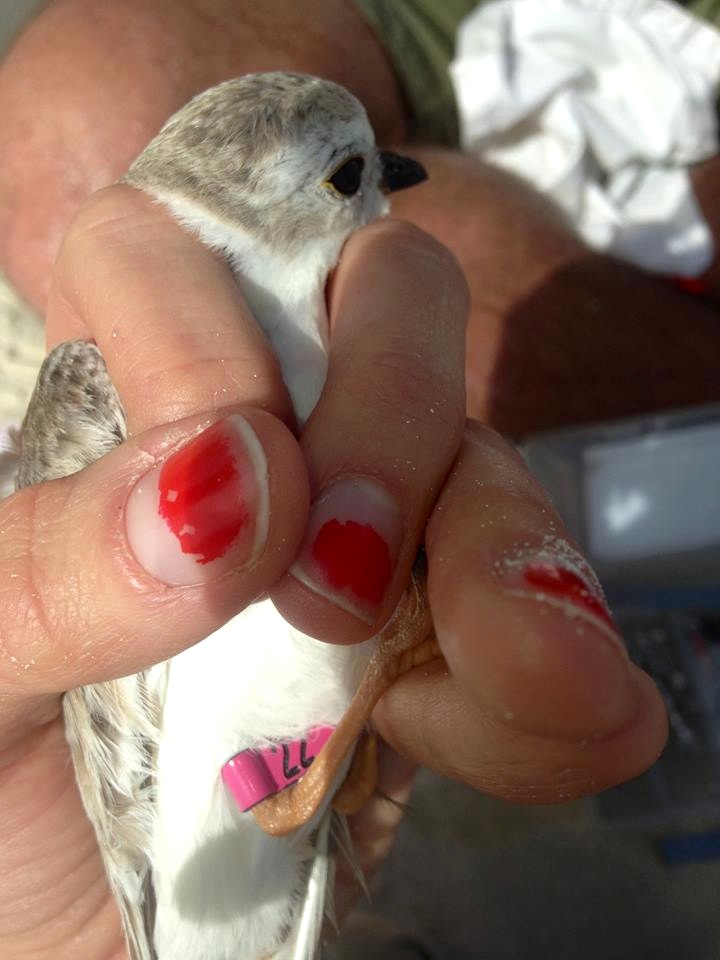
Meanwhile, Steph the Egger was making a strange rattling sound. As Harry was unwound from his shroud he suddenly saw a box filled to the brim with exotic jewels of the most opulent colours glistening in the sunlight. At once, he knew he had to have one of them. A beautiful pink one. One to wear on his leg. One that he could keep for ever. One that would always mean ‘Harry Potter’. That very one on the top. Just there. With the magic number 22 on it in black writing. And Harry started to breathe a special silent Piping Spell: ‘Please pick me up… in your hand… and fit the Magic Two-Two Band…’ 

PIPL PINK22 Harry Potter π Stehanie Egger copy

And, miraculously, the spell began to work. First, Harry was gently held as the Magic Band was put round his right leg. At the top, just where he wanted it. Harry shut one eye and repeated the spell.PIPL PINK22 Harry Potter π Stehanie Egger copy
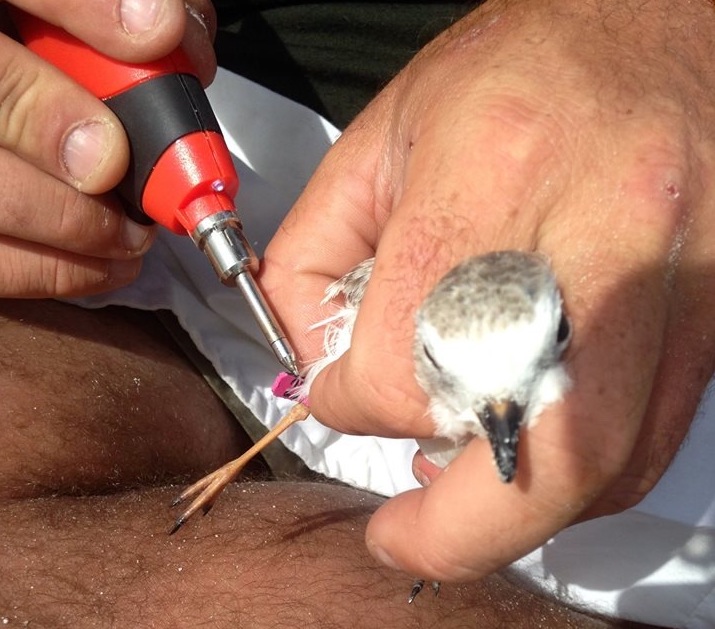
Then despite an awful wound from an earlier battle, the Todd of Pover made sure the band was secure and would never come off. It would be there forever – the Harry Potter ID band. By this time Harry didn’t even mind the indignity of being turned upside down.PIPL PINK22 Harry Potter π Stehanie Egger copy

Finally, it was done. Really, the jewel was more like a flag than a band. But Harry knew instinctively that it would take a massive effort for his story to be rewritten to make this clear from the start, so he decided to let it pass. Band. Flag. What did it matter. It was his prize, gloriously his. 

And then he was passed to Steph the Egger. Harry presumed she got her name for her ability to find nesting birds in that other place he had flown South from. And now, here she was, holding him tenderly, talking to him and telling him how cool he looked. Even her bright red claws did not seem so frightening now. Except… WHAT WOULD HAPPEN TO HIM NOW?

PIPL PINK22 Harry Potter π Stehanie Egger copy

Suddenly, Steph the Egger stood up and Harry found himself several feet above the safe warm sand. Steph held him out in front of her and then, in an instant, he was free… Free to fly away with his beautiful pink jewel band, his special number, and an intuition that wherever he might be, and whoever saw him, they would always know that he was Harry Potter for as long as he lived. Against all odds he had gained… THE MAGIC BAND.

PIPL PINK22 Harry Potter π Stehanie Egger copy

piping-plover

POSTSCRIPT & UPDATE FEB 2017

Harry returned to Abaco on his magic Quidditch stick (no he jolly didn’t, he just flew. OK? Do stop this Potter nonsense now please – ed.) for his 3rd winter on Long Beach Abaco. He was sighted as follows:

  • 23 Nov 16  Long Beach, with Pf #36 & Pf #50, also 3rd year returners, & several other banded returners. Keith Kemp
  • 06 Dec 16  Still in the same group, except Pf #50 absent. Todd Pover
  • 23 Jan 17  In the same group, Pf #50 still absent. Todd Pover

piping-plover

FURTHER UPDATE SPRING 2018

  • 20 Aug 17 Resighted for the 4th year on Long Beach (the same area) with Pf #36
  • 21 Sep 17 Still on the beach with Pf #36 & several other non-Bahamas banded birds
  • 18 Nov 17 Ditto
  • 02 Jan 18  Ditto, the last sighting of the watch period. Departure date unknown.
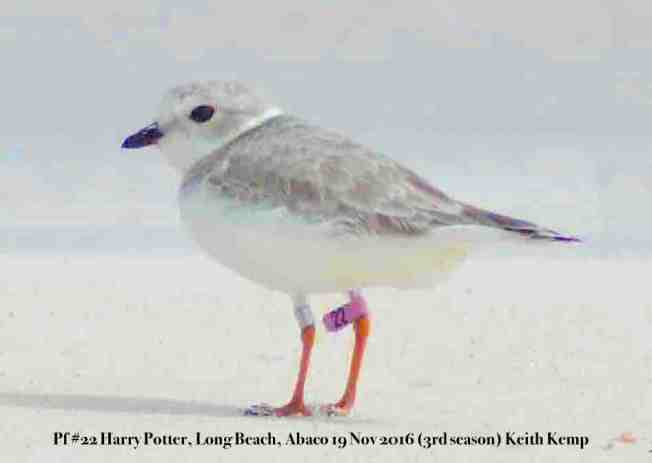
Harry-Potter-pf22-Long Beach, Abaco, Keith Kemp 19-11-16

PREVIOUS HISTORY

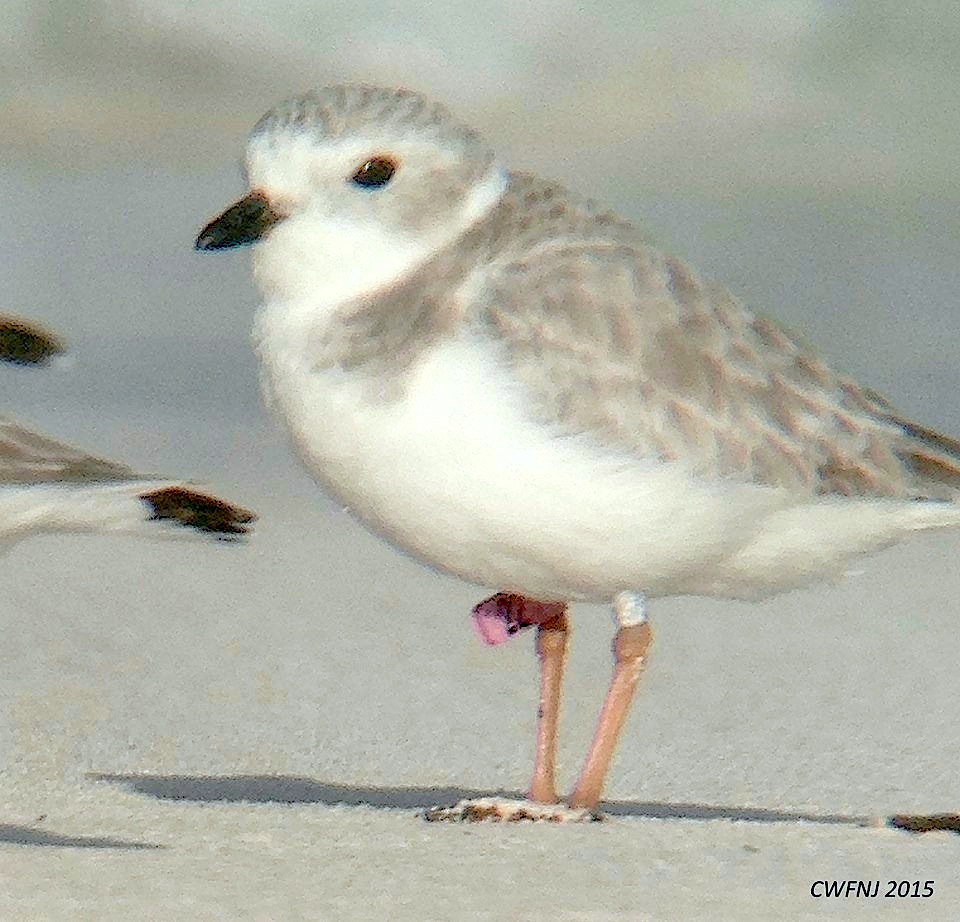
Harry was banded Pf #22 on February 7th 2015 at Long Beach, Abaco, towards the end of his 1st winter there. No one knows where he spent his has spent his summers. He has not been reported anywhere other than Abaco – i.e. along his migration route. All that can be said with certainty is that every 12 months he turns up on the same beach, Long Beach Abaco, in the same place (it is a very Long Beach). 5 other PIPL were originally pink-banded with Harry by a joint National Audubon, Virginia Tech, BNT, and CWFNJ team (pink being the colour used for Bahamas birds). Of those 6, 3 have returned to the same beach twice, and the other 2 once. Some of them have also been tracked to their breeding grounds and on their migrations. And somehow they have all found their way back to the same place on Abaco to overwinter together again for the 2016-17 season; and most again for the 2017 – 18 season.

GENDER NOTE

In fact it isn’t clear if HP is male or female (see below). He might be Harriet Potter. But I have played safe and stuck with the gender implied by his given name…

Harry Potter Pf #22 on Long Beach Abaco, 3 Dec 2015, a year after (s)he was banded there PIPL PINK22 Dec 3 2015 Long Beach Abaco 2 (Stephanie Egger) copy

STEPH THE EGGER EXPLAINS THE NAME, NUMBER & QUIDDITCH PIC

“I helped band this piping plover, and called him “Harry Potter.” I know 22 isn’t Harry’s quidditch number (07), but 22 is for my birthday when I mostly seem to be down in Abaco.”

DISCLAIMER RE HEADER IMAGE I don’t suggest making silly photos of all “named” birds as this is an endangered species that we should certainly take very seriously. That said, I do think that names help people connect to the species and it also aids the researchers in ID’ing (my personal opinion)”.

piping-plover

Credits: Stephanie the Egger, The Todd of Pover, Conserve Wildlife Foundation of New Jersey & co-banding teams, Keith Kemp, USFWS Mountain-Prairie (PIPL in flight), Birdorable, Rowling Harbour, and star of the show Harry Potter Pf 22 UR. Apologies to JKR for feeble pastiche.
Unknown's avatar

BAHAMA NUTHATCH: TINY, RARE, A HOP AWAY FROM ABACO…


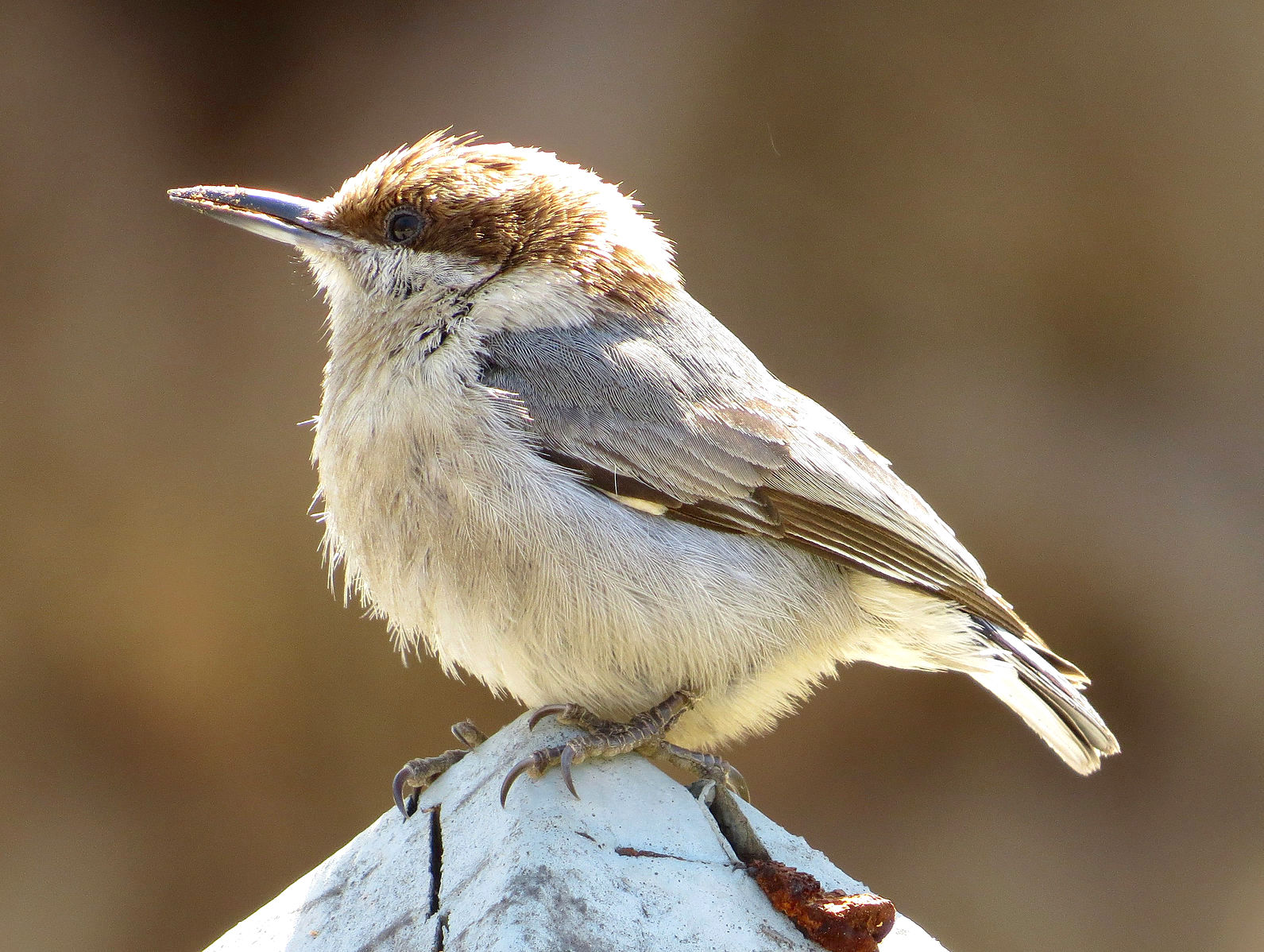
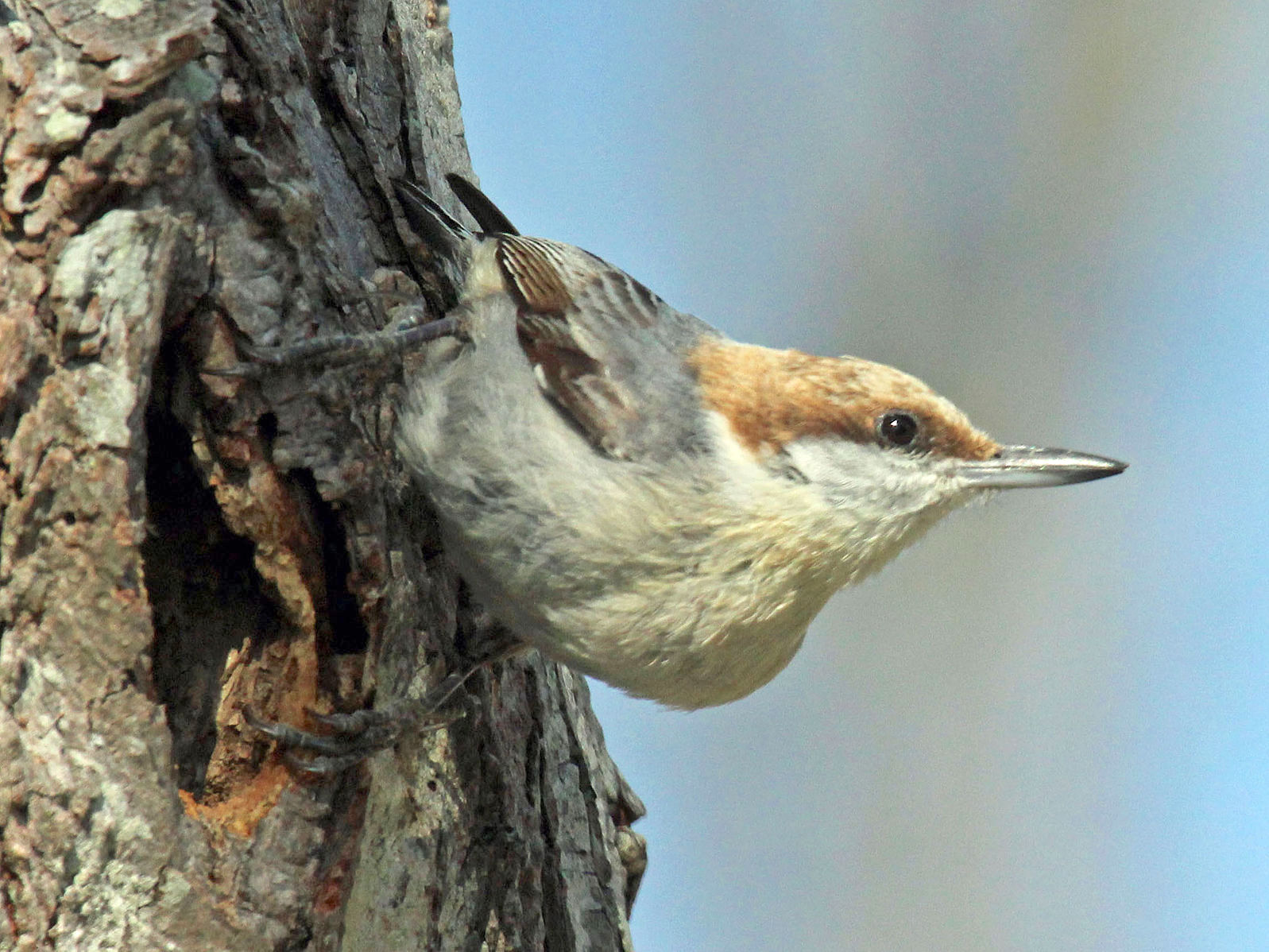
brown-headed_nuthatch-david-hill-sc

BAHAMA NUTHATCH: TINY, RARE, A HOP AWAY FROM ABACO…

The Bahama Nuthatch (Sitta pusilla insularis) is one of the rarest birds in the Bahamas and – like the similarly rare BAHAMA ORIOLE on Andros – it is confined to one island only, Grand Bahama.  At best about 1000 – 1200 mature birds may inhabit the pine forests though current estimates vary, and that number may be optimistic. What is clear is that, for all the usual reasons (see below) the population is likely to be decreasing rather than growing.

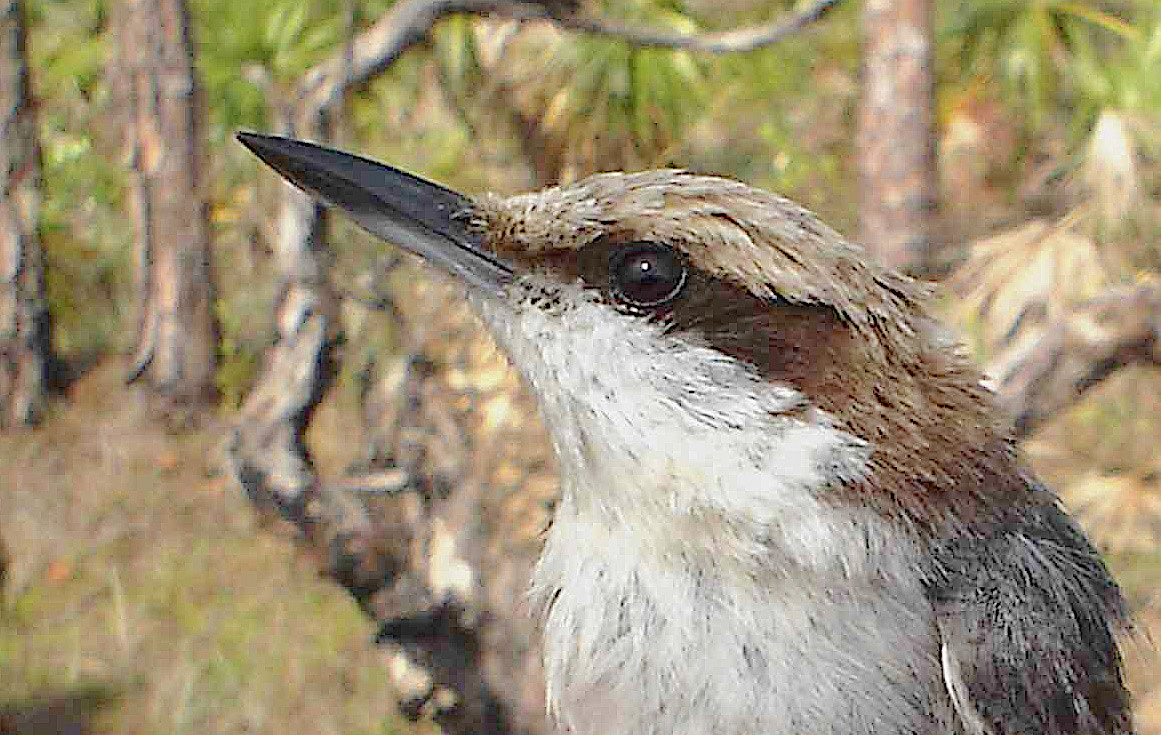
bahamas_nuthatch-birdlife-org

Despite its  scarcity and size – this little bird is one of the smallest in the nuthatch family – the BANU is subject to much scientific debate in bird circles. Until a dozen years ago, it was simply considered to be a brown-headed nuthatch, a familiar enough bird in south-eastern USA. Then a research paper was published, which led to the bird being awarded subspecies status as the Bahama nuthatch S. p. insularis. Some argue further, that it should be considered a fully separate species and split from its cousin (as, recently, with the Bahama and Inagua woodstars in 2015). Others write as though this has already happened but as far as I can make out, it has not – though it might possibly happen once further researches have been completed and submitted (polite correction on this point welcome…).

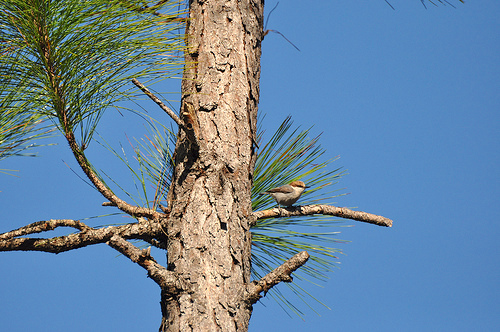
bahama-nuthatch-owl-hole-rd-grand-bahama-bruce-purdy

WHAT ARE THE DIFFERENCES TO JUSTIFY SEPARATE STATUS?

Close investigation of the Grand Bahama population showed a number of significant differences between the island and the US populations. Having read and digested all the relevant research (NOT! Abstracts, maybe…), I discovered that the main distinctions are:

  • A longer, heavier bill (compare the header image of a brown-headed nuthatch in South Carolina with the second one of a Bahama nuthatch).
  • Shorter wings
  • Whiter belly
  • Distinctively different vocalisations

bahama-nuthatch-grand-bahama-robert-norton

IUCN RED LIST STATUS

Whether the BANU is a sub-species of brown-headed nuthatch or a fully separate species, the bird is incredibly rare. The population may be unsustainable without intervention (as implemented to save the Abaco parrots) – and the threat of extinction looms even as the bird begins to attract international interest. In 2016 the IUCN listed the BANU as ENDANGERED, meaning essentially that it faces extinction. ‘Critically endangered’ is the only higher category. The main reasons given for the listing were the small population, found on only one island, and likely to continue declining as a result of habitat loss & invasive species

brown-headed-nuthatch-erika-gates-bahamas-weekly-article

 WHAT ARE THE MAIN THREATS TO THE SPECIES, I MEAN SUBSPECIES?

  • Habitat loss / degradation from development, logging, forest fires & hurricanes
  • Invasive / introduced / feral species such as corn snakes, raccoons & cats
  • Competition from other bird species in a limited area

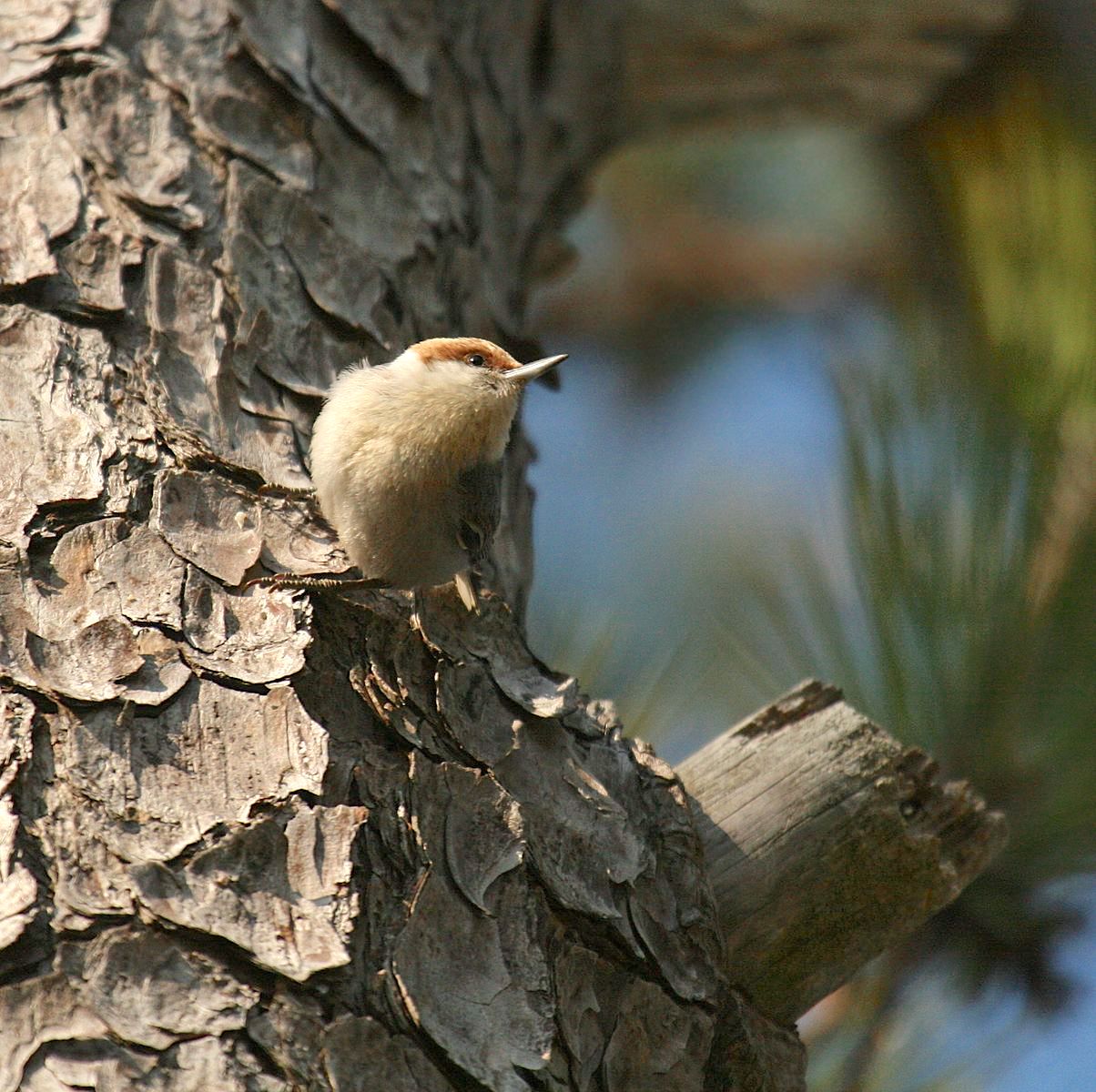
brown-headed_nuthatch-matt-tillett-md_

HOW DO THESE BIRDS BEHAVE?

A few years back, Erika Gates, well-known Grand Bahama birder and guide, wrote an excellent article in her ‘Bird Talk’ column published in the Bahamas Weekly. It includes this description:

The Bahama Nuthatch exhibits several highly unusual and endearing behaviors. It is one of the very few bird species that conducts co-operative breeding, in which young males assist with nest construction, nest sanitation as well as feeding of the female sitting on the eggs, nestlings and fledglings. It is also one of the few birds known to utilize a tool. On occasion, it uses a bark chip, held in its bill, to pry off bark portions during foraging for insects and grub.

brown-headed_nuthatch-dick-daniels-nc-wiki

SO IF I’M IN THE PINE FOREST ON G B, WHAT DO I LISTEN OUT FOR?

Sadly, there are no available recordings of a BANU**. As their vocalisation is one of the factors that differentiates them from the brown-headed nuthatch, it’s clearly not very helpful to illustrate what the latter sound like. But I am going to anyway, because they can’t be that different. It’s probably just a Bahamian accent. I have read somewhere that it sounds a bit like a squeezed rubber duck toy.

Paul Marvin / Xeno-Canto

** Feb 2018 I have just been contacted by Jeff Gerbracht, who has very kindly sent me a recording he made on Grand Bahama in 2011 on a trip with Bruce Hallett (a familiar name to regular readers of this site) and uploaded to the indispensable Macaulay Library. I must have overlooked it when I wrote the post. The links below are to the recording and to the species checklist from that occasion, including a photo taken by Rudy Sawyer, the third member of the party.

And yes, comparison shows that the 2 nuthatches do indeed have “distinctively different vocalisations” (see above); and that the Bahama nuthatch does not sound anything like a squeezed rubber duck…

brown-headed_nuthatch-matt-tillett-md_5

WHY MIGHT THESE BIRDS TURN UP ON ABACO?

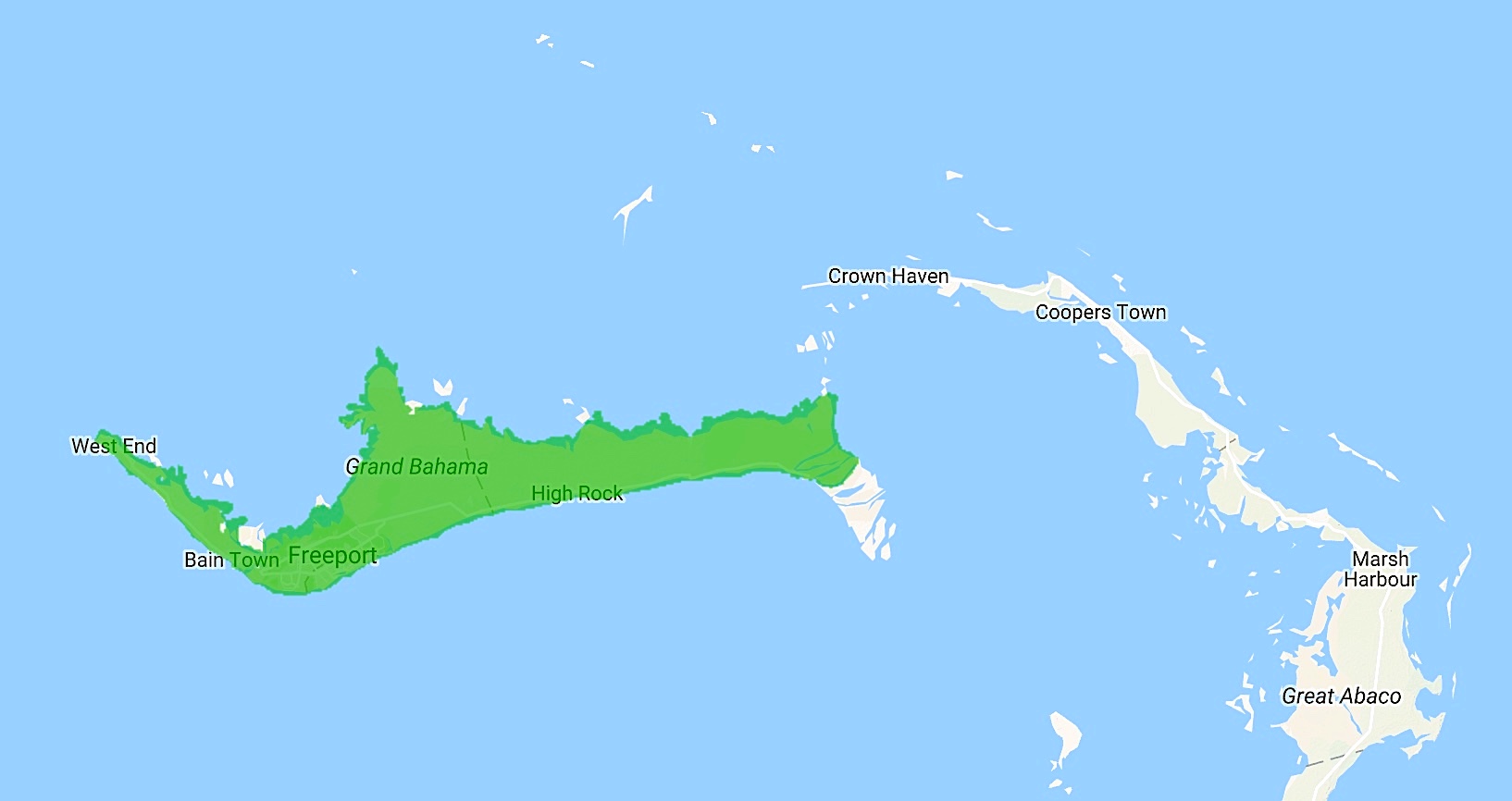
Well, I’m being a bit romantic and optimistic here. But let’s look at the official distribution map from Birdlife International. Not so very far for even a small bird to travel. There are even some small cays as stepping stones. And just think of the thousands of acres of pine forest on Abaco, much of it remote and completely undisturbed. Maybe… if a breeding pair could just… you catch my drift? 

bahama-nuthatch-distribution-birdlife-org

Here is another instructive map, this time from eBird. These are the only BANU sightings ever recorded, and all since 2010. These birds are tiny. There are very few of them, spread over a wide area. They live in pine trees, and are to an extent camouflaged against them. You’d be very very fortunate to find one at all, let alone get a decent photo of it… Let’s hope you can spot one while they are still around.

screenshot-2017-01-04-22-42-20

ANYTHING ELSE WE SHOULD KNOW?

I have written elsewhere (in fact, HERE) about the ornithologist James Bond and his connection with Ian Fleming’s hero. The very rare first edition** of Bond’s seminal Birds of the West Indies was published in 1936. In it, he described the BANU and suggested it was a subspecies of the brown-headed nuthatch. A man way ahead of his time. 

PLEASE STOP NOW. ANY LAST WORDS?

“The species may become extinct unless Bahamians are willing to take action to save it. As the rarest bird in the Bahamas, and one of the rarest birds in the world, the nuthatch will become a high-profile symbol of conservation efforts (or their failure) in the Bahamas”. RESEARCHGATE

Photo credits: David Hill (BHNU) 1; Birdlife.org (BANU) 2; Bruce Purdy (BANU) 3; Robert Norton (BANU) 4; Erika Gates / Bahamas Weekly (BANU) 5; Matt Tillett (BHNU) 6, 8; Dick Daniels (BHNU) 7

Sound: Paul Marvin / Xeno-Canto

Addendum Feb 2018: Jeff Gerbracht for a BANU sound recording and species checklist

Research credits: Birdlife International /Birdlife.org; Birding Community E-Bulletin, Nov 2008; Research Gate; IUCN; The Bahamas Weekly / Erika Gates; eBird; American Birding Association (and a bonus point for its brown-headed nuthatch behaviour article wittily entitled “Sex in the Sitta”)

**The edition of James Bond usually described as the first edition (indeed in the book itself) was published in 1947. You might pick one up for $100 or so (try Abe.com), as I did. Don’t get one without a dust-jacket. It’s a treasure, and an affordable slice of avian history. A 1936 edition will probably be well north of $2000… 

Unknown's avatar

PIGGYVILLE: HOME OF THE SWIMMING PIGS OF ABACO


piggyville-adam-rees-scuba-works-copy

PIGGYVILLE: HOME OF THE SWIMMING PIGS OF ABACO

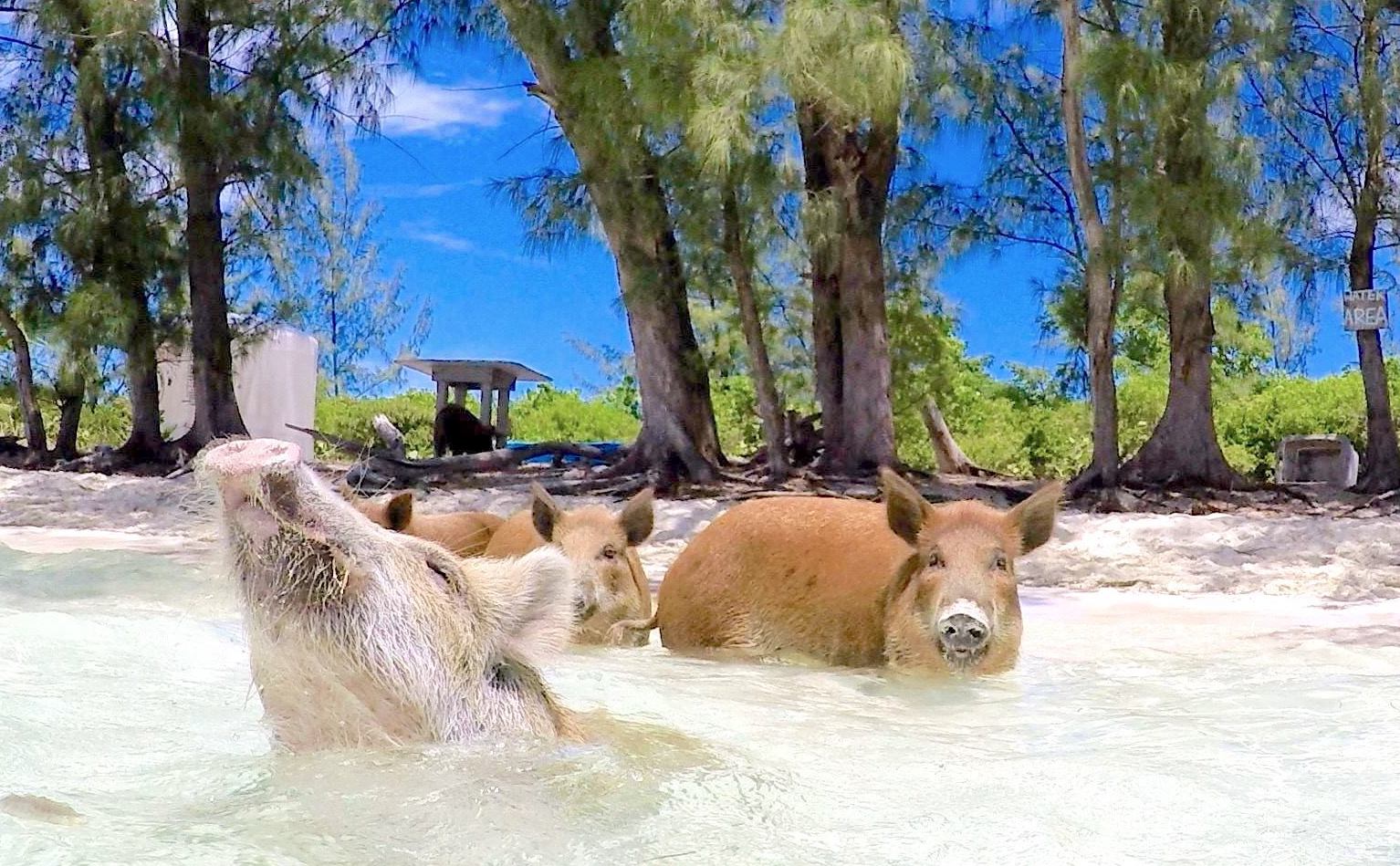
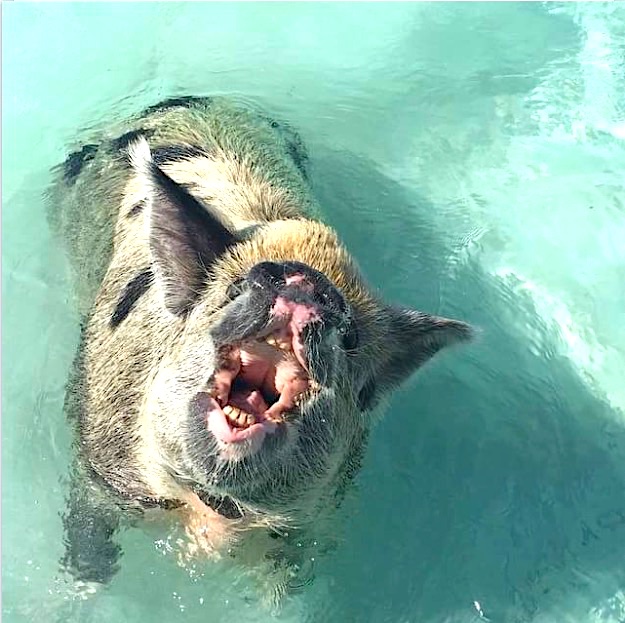
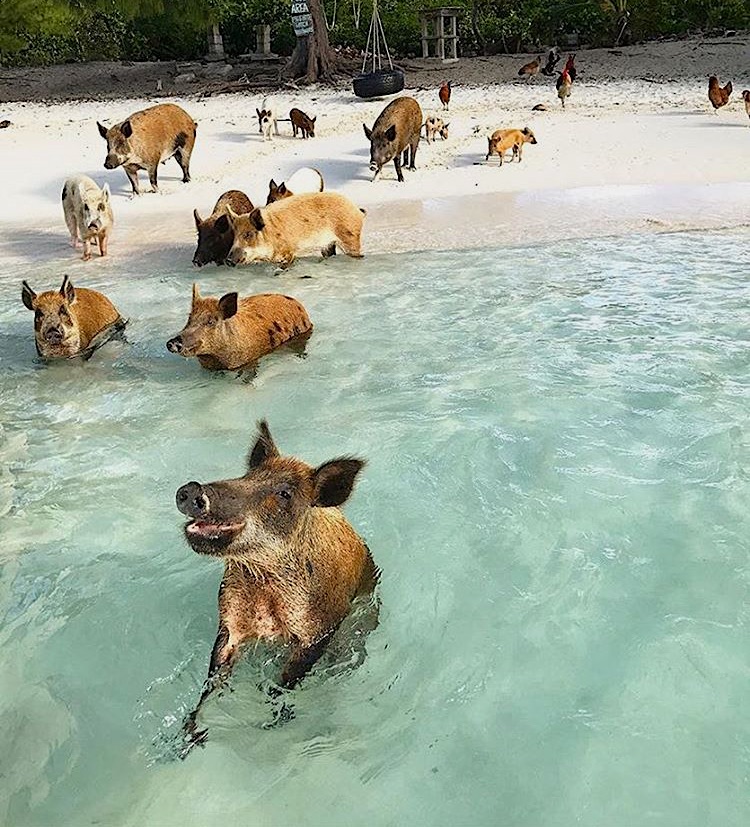
No Name Cay has a name. Which is ‘No Name’. Which is a logical paradox.  Since I last wrote about it, the Cay has acquired a new nickname in honour of its only permanent residents: Piggyville. You can find swimming pigs on Exuma, of course – they are a famous and well-promoted tourist attraction. Abaco’s own population of feral swimming pigs is much less well-known, even now.

swimming-pigs-of-no-name-cay-abaco

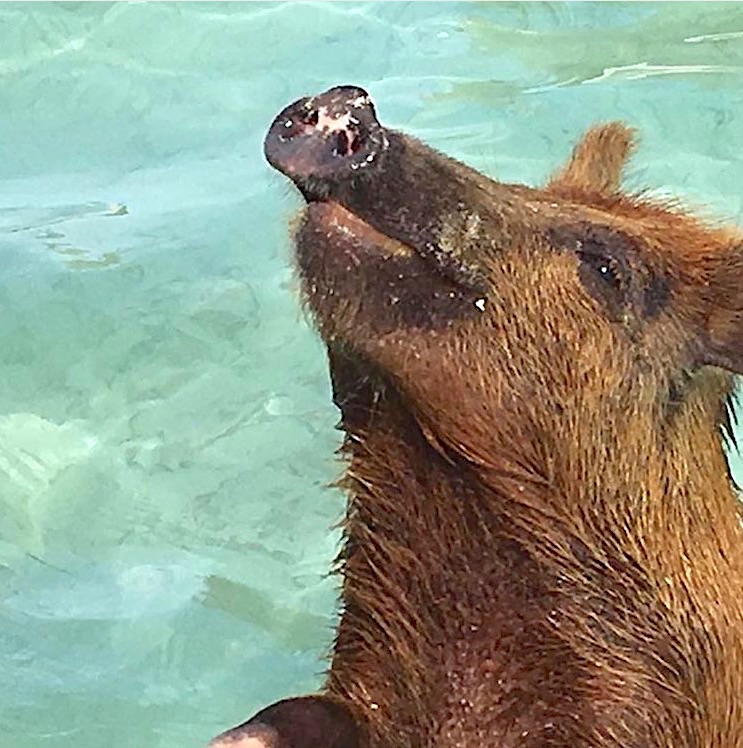
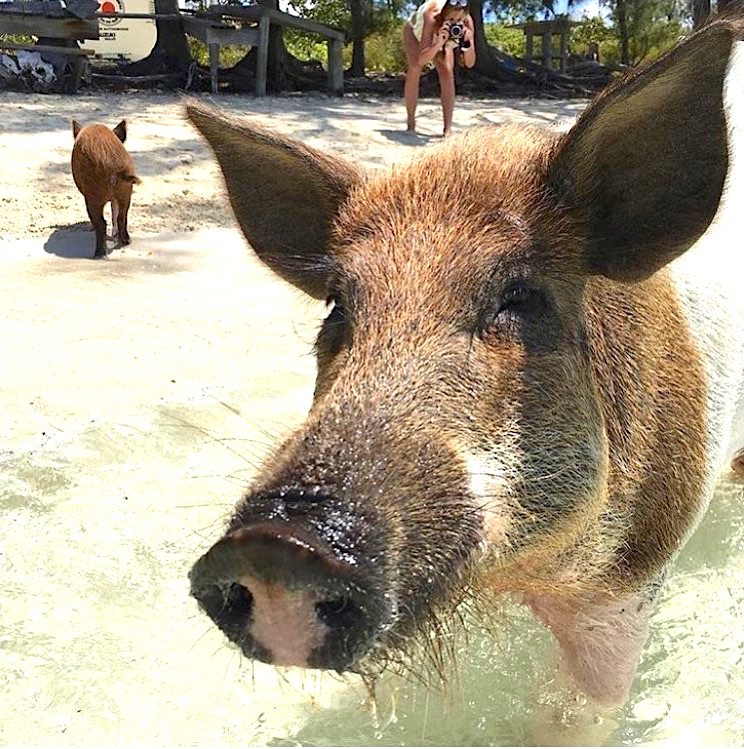
When I first posted about the pigs a couple of years ago, several people – including locals – contacted me in surprise and wonderment. And people still get in touch to ask (1) if there are really swimming pigs on Abaco and (2) “how do I get to see them?” (a short boat ride from Green Turtle Cay). Now the word is spreading, and indeed the piggies even have their own FB page HERE.

swimming-pigs-of-no-name-cay-abaco-tim-mantle

swimming-pigs-of-no-name-cay-abaco-patricia-labarta-douglas

swimming-pigs-of-no-name-cay-abaco-barefoot-sailor

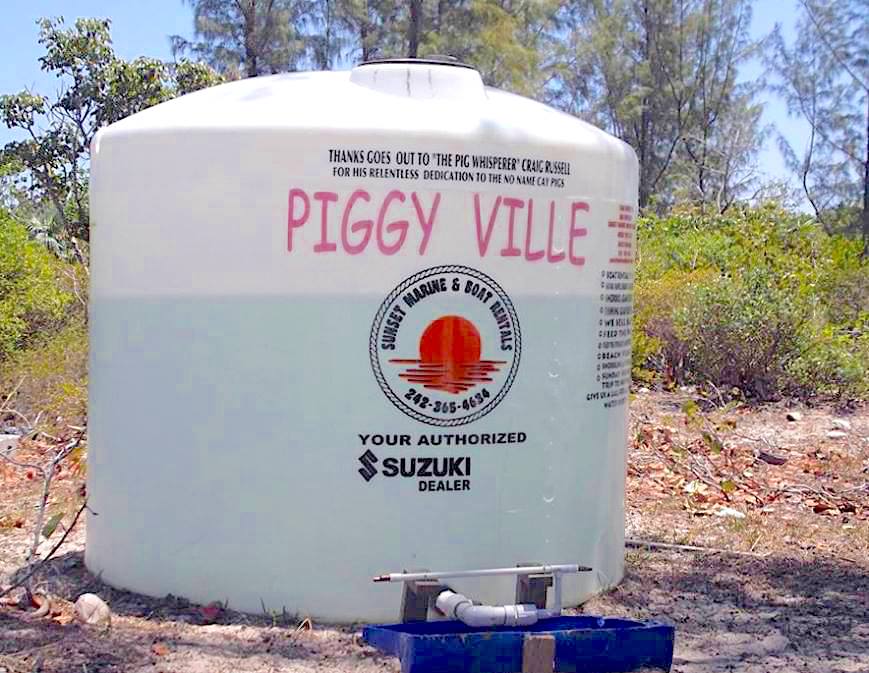
Recently, a reliable replenishable water supply system was introduced to No Name Cay to ensure enough fresh water for the denizens. You’ll find more about nutrition and other vital porcine matters in Amanda Diedrick’s excellent post on LITTLE HOUSE BY THE FERRY, a wonderfully informative blog for Abaco in general and Green Turtle Cay in particular.

swimming-pigs-of-no-name-cay-abaco-claire-towningSwimming Pigs, No Name Cay, Abaco (Craig Russell)

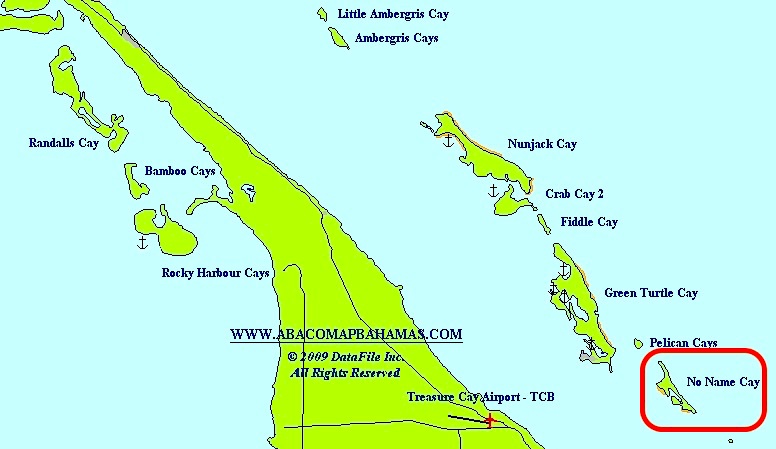
WHERE IS NO NAME CAY WHEN IT’S AT HOME?no-name-cay-copy

swimming-pigs-of-no-name-cay-abaco-copy swimming-pigs-no-name-cay-abaco-craig-russell

Craig Russell, Pig Guardian of No Name CayCraig Russell, Abaco Swimming Pig Whisperer on No Name Cay

swimming-pigs-of-no-name-cay-abaco-lynn-collinsswimming-pigs-no-name-cay-abaco-samantha-regan

Credits: Adam Rees / Scuba Works (1); Craig Russell / FB (2, 7, 8,9, 10); Tim Mantle (3); Patricia Labarta Douglas (4); Barefoot Sailor (5); Claire Towning (6); Lynn Collins (11); Samantha Regan (12); Ruth Albury / Destination Abaco for Piggy PDF [link removed]

Unknown's avatar

RACCOONS ON ABACO: A MIXED BLESSING?


raccoon_procyon_lotor_2 wiki

RACCOONS ON ABACO: A MIXED BLESSING?

Abaco, like the rest of the Bahama Islands, is strangely short of native land mammals. The last of the wild ABACO BARBS – descendants of Spanish Colonial horses of high pedigree – died very recently. The proud Barbs are no more. But they, of course, were an introduced species. There are the hard-breeding, hard-hunted hogs. And feral potcakes, unowned or disowned. Many feral cats. Maybe a few rabbit escapees. And bats: several of the dozen (or so) Bahamas species are found on Abaco. At one time there was the shy nocturnal HUTIA that had the distinction of being – or having been – endemic to many of the islands. Not on Abaco, sadly – its own subspecies the Great Abaco Hutia had become extinct by the c17. You’ll have to go to the Exumas to see a hutia.

HEY! THERE ARE RACCOONS, AREN’T THERE?

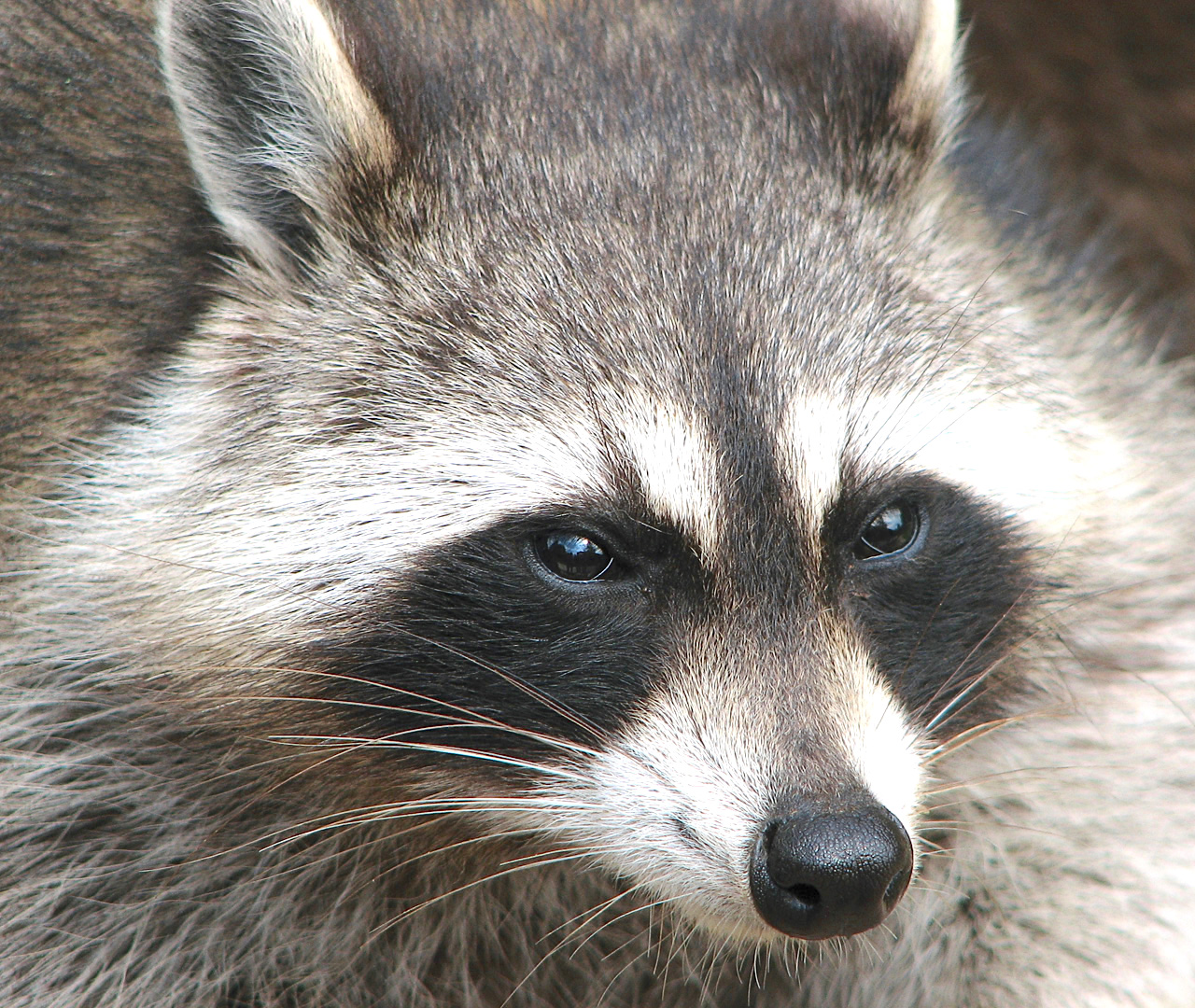
This endearing-looking creature was photographed on Abaco by Charmaine AlburyRaccoon, Abaco, Bahamas (Charmaine Albury)

Raccoons are a non-native species, probably introduced in the Bahamas many decades – perhaps a couple of centuries – ago. They are thought to have been brought to New Providence originally. More recently they arrived on Abaco – possibly as pets in the first place, which were then released or escaped. And they are spreading: as recently as April 2012 an excellent article in the Bahamas edition of COASTAL ANGLER MAGAZINE introduced “Eleuthera’s Newest Mammal”.

Raccoon (Cheryl Wile Ferguson)

RACOON PROS

  • Cuddly, furry, cute-looking, quite high on the well-known scientifically-based ‘ADORBS’ scale (Animals Deemed Outrageously, Ridiculously, Breathtakingly Strokeable)
  • Comfortingly familiar despite being wild animals (NB potentially aggressive)
  • Don’t have the same drawbacks as skunks
  • Have valuable fur
  • Pelts can be used for Davy Crockett hats
  • raccoon-danny-sauvageau

RAC-CONS

  • Considered to be “one of the world’s most omnivorous animals”
  • Known to wreak havoc with certain crops, eg watermelons
  • Canny and adept hunters, including at night; good climbers to treetop level
  • Suspected of predation of land crabs (depriving ‘natural’ predators of the pleasure)
  • Compete with birds for fruit, berries and nectar
  • Relish birds’ eggs. Low and ground-nesting birds are particularly at risk throughout season
  • On Abaco, a major conservation program has been needed to protect the nests of the Abaco parrots in the limestone caverns of the national park from raccoons, feral cats and rodents
  • Eat small birds, curly tail lizards, anoles and suchlike
  • Can be aggressive to humans – note the handy claws clearly shown in the photo above

A shy raccoon in a tree, Treasure Cay (Becky Marvil)raccoon-abaco-becky-marvil

LIVE AND LET LIVE?

“The authors of the study Taxonomic status and conservation relevance of the raccoons of the West Indies (2003) hold that the Bahamian raccoon is an invasive species which itself poses a threat to the insular ecosystem.The Government of the Bahamas has this species listed as up for eradication on the islands of New Providence and Grand Bahama”.

So the official line favours eradication of a potentially harmful non-native species – failing which, presumably containment of numbers. Trapping is one way to achieve this – and there are both humane as well as cruel ways to do so. However, trapping in one place, only to release somewhere else is clearly not an option. But it would provide the opportunity to neuter / spay the animals and slow or prevent the reproductive spread of the creatures. Hunting raccoons is another method.  It’s not currently a significant sport, but neither are raccoons protected. Their fur has a value, and some say they could provide a source of somewhat gamey meat.

Or they could be just left as they are, as attractive creatures now well-established, despite the inevitable risks to native species such as the reviving population of Abaco parrots, now at sustainable numbers. On Abaco, reduced to its basics the $64k question might be: which would you prefer in the future? More raccoons or fewer parrots (or indeed, no parrots at all)?

Raccoons exhibited in the Garden of the Groves, Freeport, Grand Bahama (neutered /spayed)raccoons-nassau-bahamas-weekly

PUMPKIN

I wouldn’t wish to run the risk of influencing the delicately balanced arguments about the raccoons of the Bahamas, but will you just take a look at this? The perfect fit for the acronymic descriptor A.D.O.R.B.S!

Coastal Angler magazine, BNT / Erika Gates, Bahamas Weekly, Charmaine & Becky for the Abaco photos, plus Wiki / open source, Buzzfeed / YouTube & don’t get stuck into the rest of the cutesy viddys… Stop Press: added above the pros & cons – a great recent photo by Cheryl Wile Ferguson (nb not taken on Abaco)

At least as far as stamps are concerned, the raccoon gets equal billing with the hutia (and the bat)bahamastamp

Unknown's avatar

“THE DELPHI CLUB GUIDE TO THE BIRDS OF ABACO” (2016)


Delphi Club Guide to the Birds of Abaco (Jacket)

“THE DELPHI CLUB GUIDE TO THE BIRDS OF ABACO”

In a box in the corner over there – no, there – are my last 6 copies of ‘The Birds of Abaco’. Peter Mantle probably has a few over here in the UK too. And there are definitely some remaining at Delphi HQ in a cupboard  just a few lurches away from the surprisingly popular ‘honesty bar’. But there aren’t a great many left now, so forgive me for drawing attention to the fact that the Season of Goodwill is upon us. And… ahem… there are only 24 more ‘sleeps’ until Christmas. 

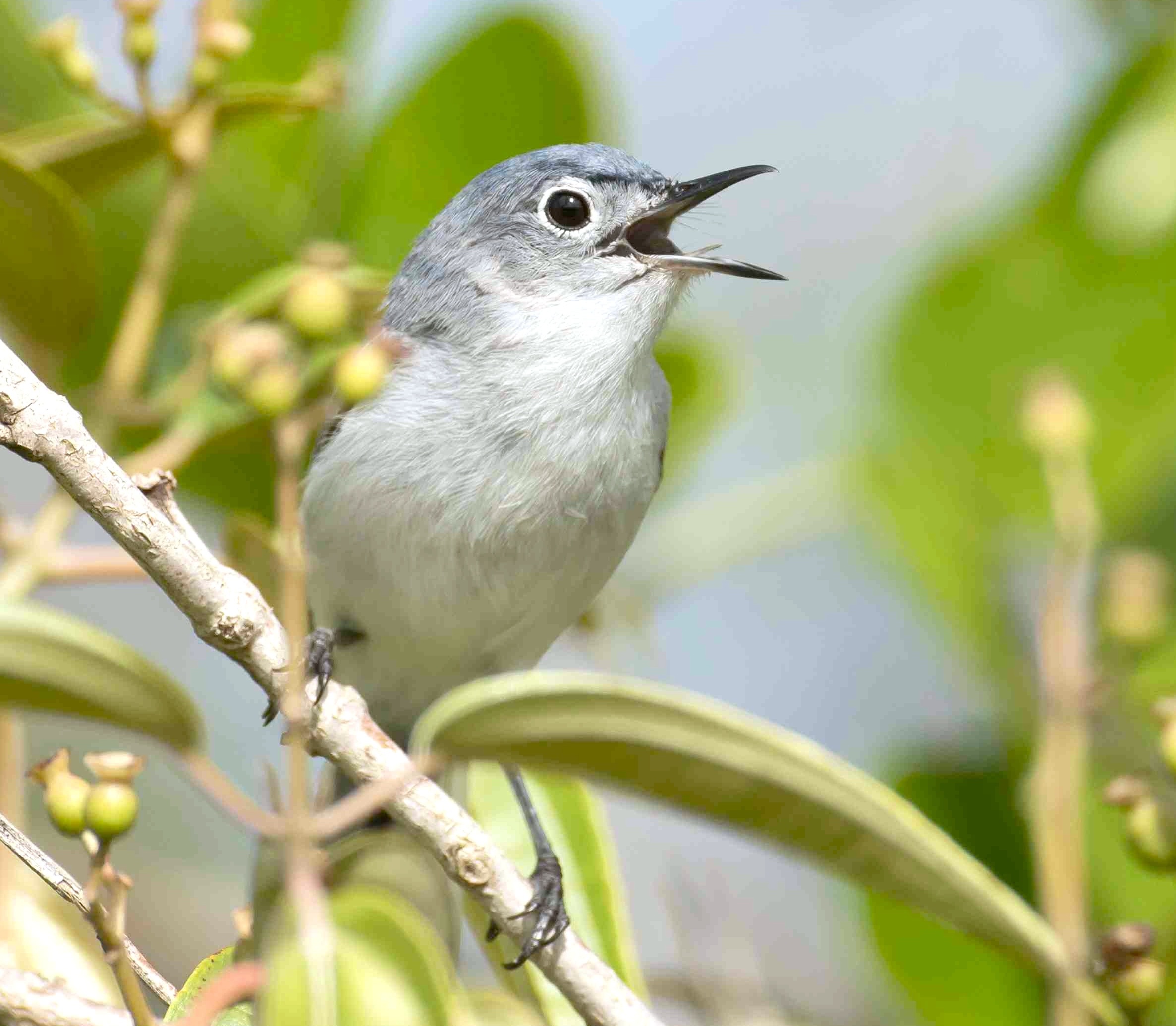
Blue-gray Gnatcatcher vocalizing.Abaco Bahamas.6.13.Tom Sheley aBlue-gray Gnatcatcher Tom Sheley

“The Delphi Club Guide to THE BIRDS OF ABACO” was published in March 2014. To say “I wrote it” would be a gross distortion of the truth: it was an entirely collaborative project. The originator of the idea – as with the entire Delphi Club project – was Peter Mantle, the publisher. The work of 30 photographers is included. There was huge input from the very experienced project manager and from Bahamas bird experts. So although my name is on the cover, it is as a participant representing the contributions, camera skills and brainpower of many people.

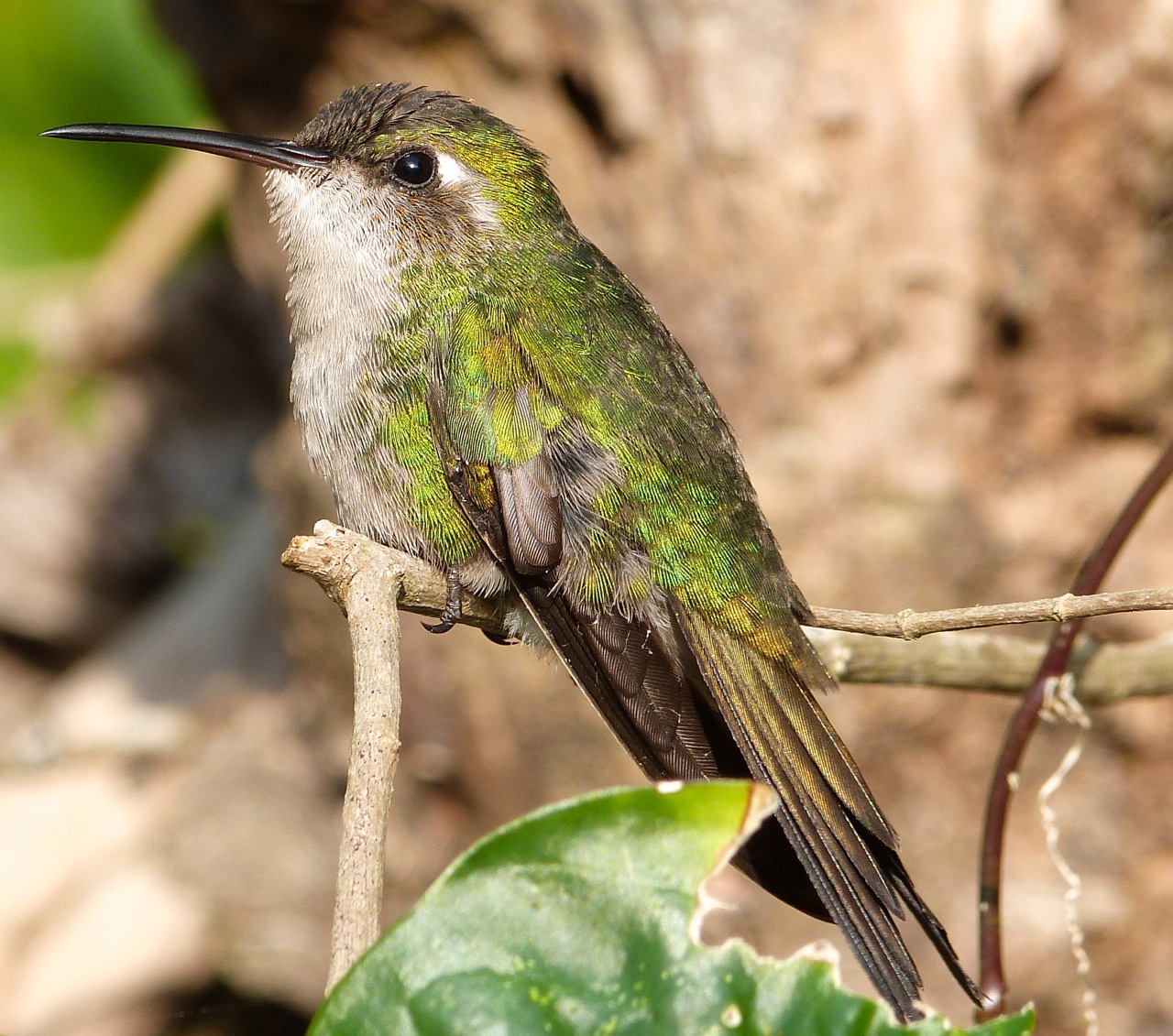
Cuban Emerald Hummingbird, Delphi, Abaco (Keith Salvesen)Cuban Emerald (f) Keith Salvesen

The book launched to generous enthusiasm and support both on Abaco and beyond, which has continued ever since. We have been astonished by the positive responses to this unique publication for the Bahamas. There is a wider purpose to the book than as a photographic showcase for Abaco birds. All Abaco schools, colleges, libraries and local wildlife organisations have been given free copies for educational purposes. And a percentage of the profits is set aside for local wildlife causes. 

Abaco Parrot, Abaco Bahamas (Peter Mantle)Abaco (Cuban) Parrots Peter Mantle

Below are some facts and stats. Some people may well have seen these set out elsewhere, but a lot of new people have kindly tuned in to Rolling Harbour in the last 12 months or so, so I will repeat some of the details.

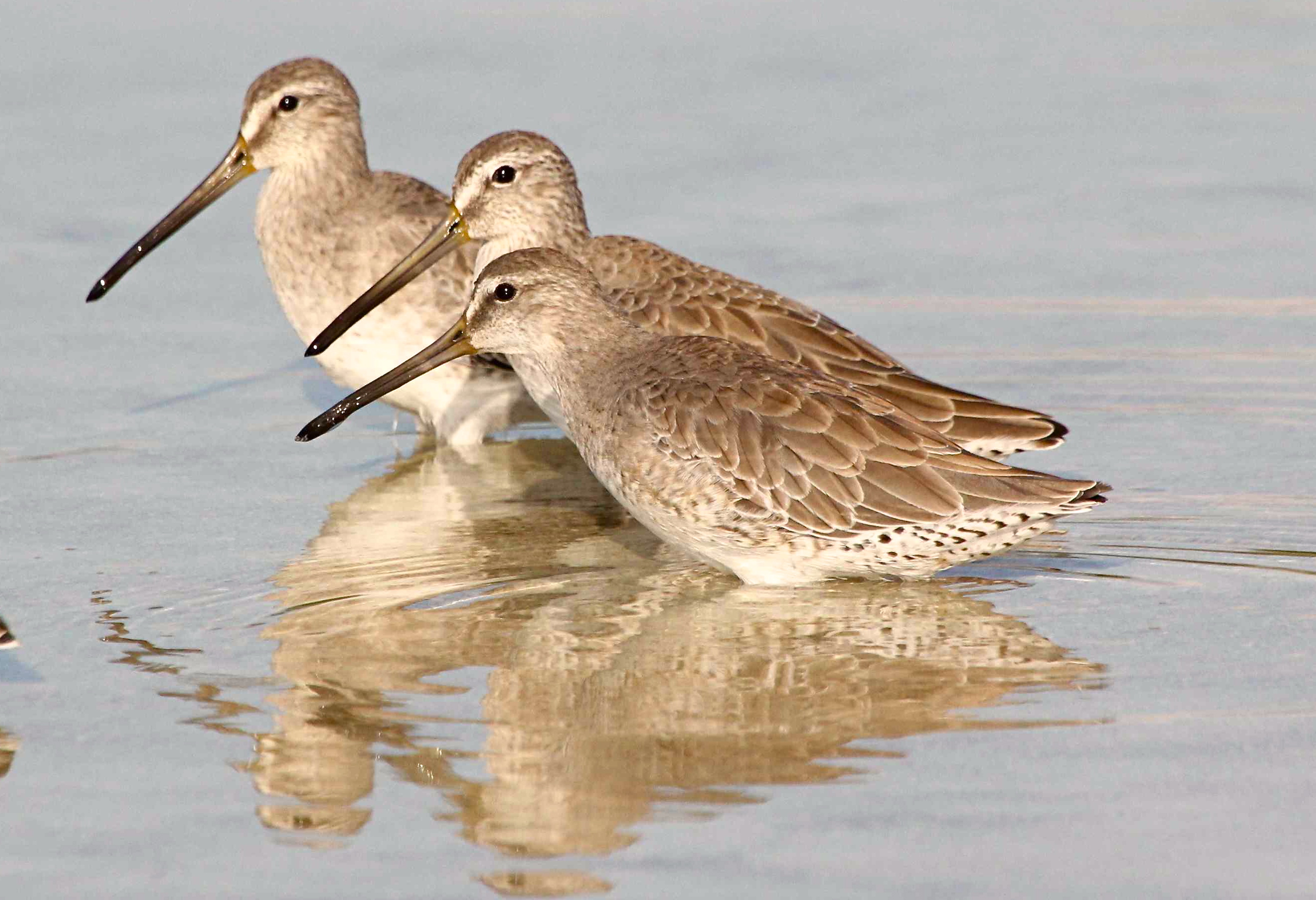
Short-billed Dowitcher, Abaco (Bruce Hallett)Short-billed dowitchers Bruce Hallett

The Guide showcases the rich and varied bird life of Abaco, Bahamas and features both resident and migratory species including endemics rarities and unusual sightings.

The main features are as follows:

  • 272 pages with more than 350 photographs
  • 163 species shown in vivid colour – nearly two-thirds of all the bird species ever recorded for Abaco
  • Every single photograph was taken on Abaco or in Abaco waters
  • All birds are shown in their natural surroundings – no feeders or trails of seed were used
  • Several birds featured are the first ones ever recorded for Abaco or even for the entire Bahamas

Clapper Rail Abaco Bahamas Tom SheleyClapper Rail Tom Sheley

  • A total of 30 photographers, both experienced and local amateurs, contributed to the project
  • The book had the generous support of many well-known names of Abaco and Bahamas birding
  • A complete checklist of every bird recorded for Abaco since 1950 up to the date of publication was compiled specially for the book (6 new species have been recorded since then…)
  • A code was devised to show at a glance when you may see a particular bird, and the likelihood of doing so. Birds found at Delphi are also marked
  • Specially commissioned cartographer’s Map of Abaco showing places named in the book

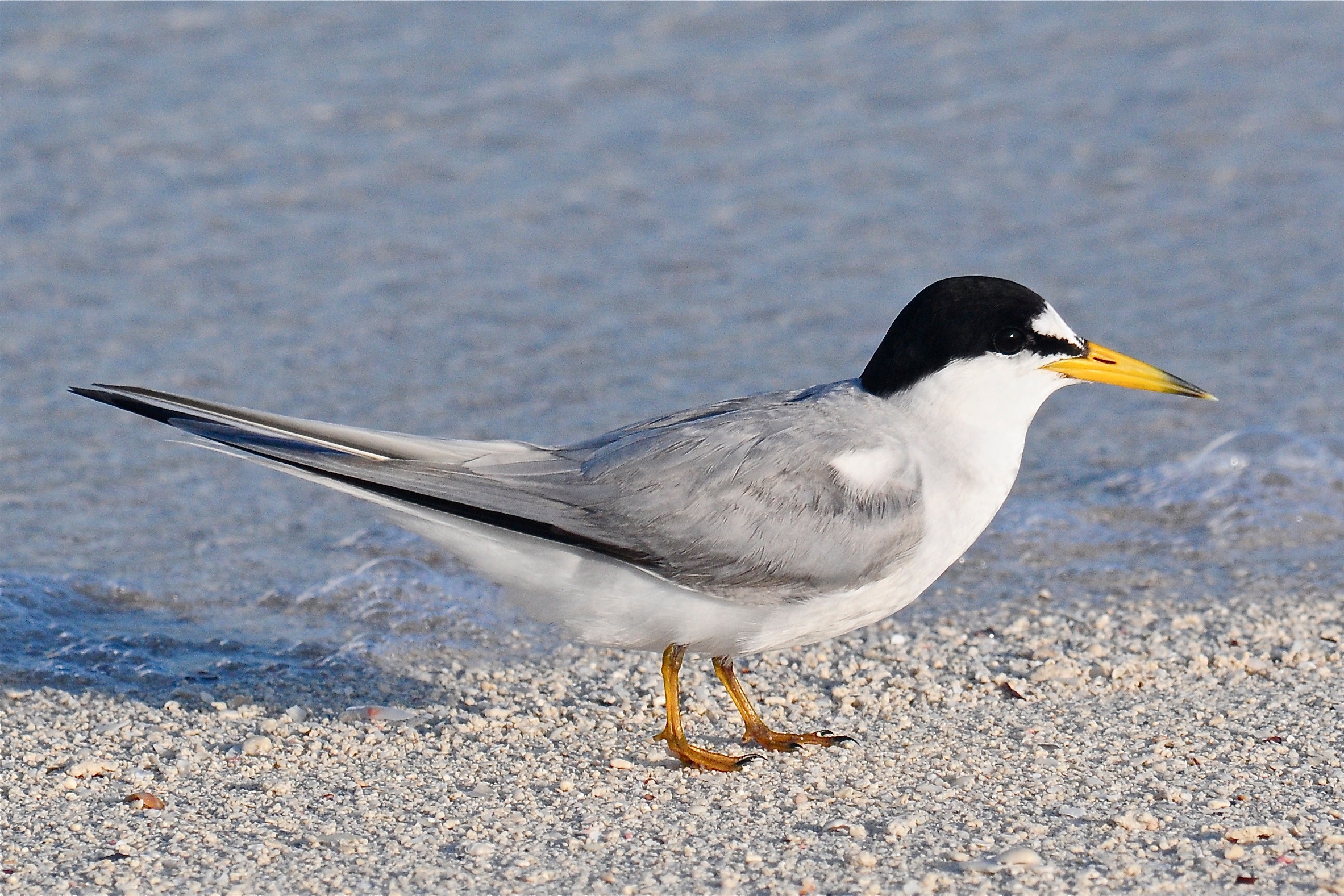
Least Tern, Abaco (Tony Hepburn)Least Tern Tony Hepburn

  • Informative captions intentionally depart from the standard field guide approach…
  • …as does the listing of the birds in alphabetical rather than scientific order
  • Say goodbye to ’37 warbler species on consecutive pages’ misery
  • Say hello to astonishing and unexpected juxtapositions of species

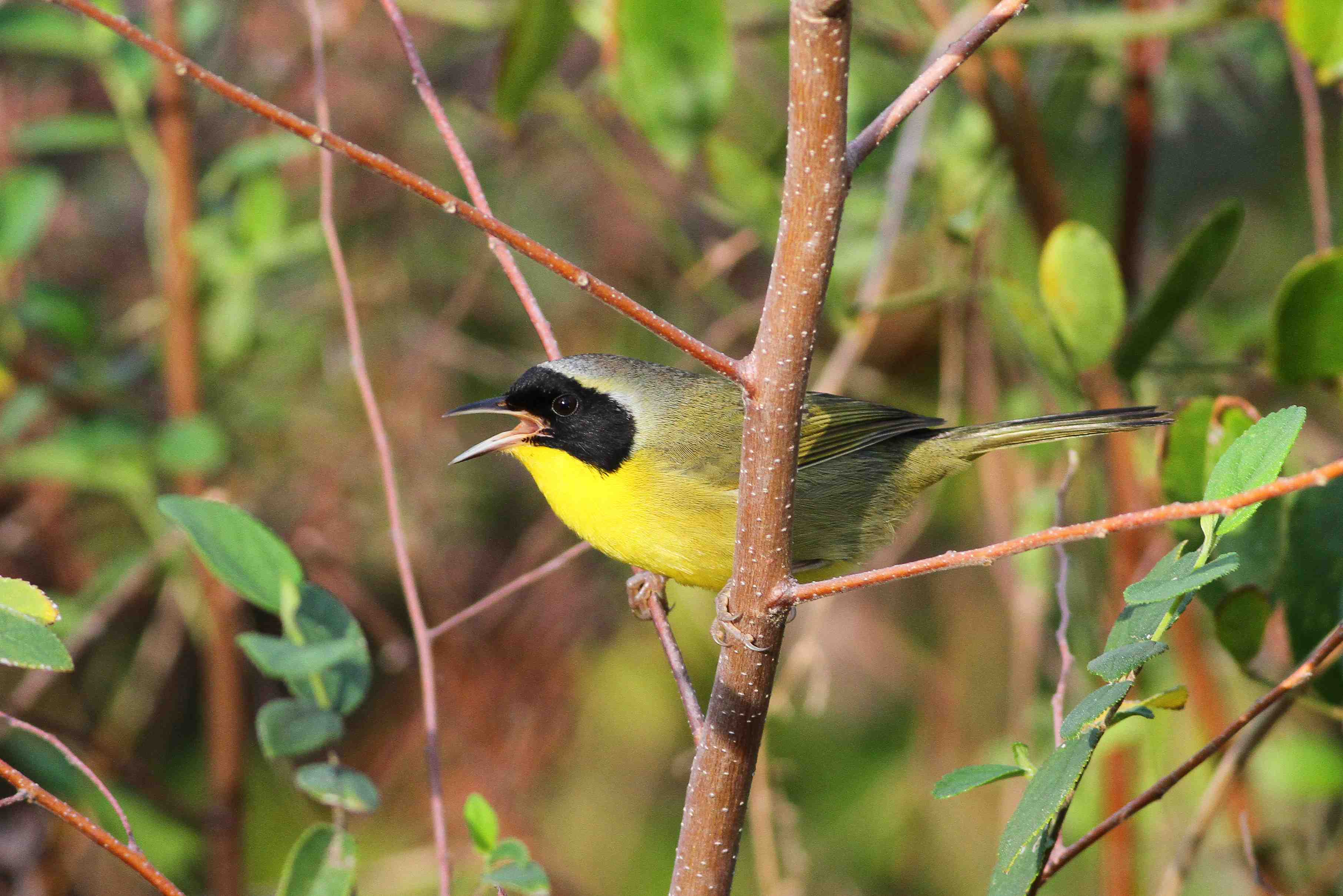
Abaco_Bahama Yellowthroat_Gerlinde Taurer copyBahama Yellowthroat Gerlinde Taurer

  • The book was printed in Florence, Italy by specialist printers on Grade-1 quality paper
  • Printing took pairs of printers working in 6 hour shifts 33 hours over 3 days to complete
  • The project manager and the author personally oversaw the printing 

Smooth-billed Ani pair, Abaco (Gerlinde Taurer)Smooth-billed Anis Gerlinde Taurer

  • The book is dedicated to the wildlife organisations of Abaco
  • A percentage of the profits is put by for the support of local wildlife organisations
  • A copy of the book has been presented to every school, college and library on Abaco

Piping Plover, Abaco - Bruce HallettPiping Plover Bruce Hallett

The book is published by the Delphi Club (contact details below). The project was managed by a publishing specialist in art books. The author is the wildlife blogger more widely known on Abaco and (possibly) beyond as ‘Rolling Harbour’. Oh! So that would in fact be Mrs Harbour and myself. Well well! What were the chances? 

Painted Bunting male.Abaco Bahamas.Tom SheleyPainted Bunting Tom Sheley

The Delphi Club at Rolling Harbour
PO Box AB-20006, Marsh Harbour, Abaco, Bahamas
Tel: +1-242-366-2222
General Manager – Max Woolnough: +1-242-577-1698
delphi.bahamas@gmail.com

Or email rollingharbour.delphi@gmail.com with any queries or comments

American Oystercatcher, Abaco - Tom SheleyAmerican Oystercatcher Tom Sheley

Photos: Tom Sheley,  Bruce Hallett, Gerlinde Taurer, Tony Hepburn, Peter Mantle, Keith Salvesen

Cuban (Crescent-eyed) Pewee, Delphi, Abaco (Keith Salvesen)Cuban Pewee Keith Salvesen

USEFUL LINKS

DELPHI CLUB BAHAMAS

ABACO BIRDS. COM

ABACO PIPING PLOVER WATCH

The original flyer for the book"Birds of Abaco" flyer

Unknown's avatar

FLORAL CORAL: BEAUTIFUL BAHAMIAN REEF LIFE


coral-soft-corals-melinda-riger-g-b-scuba

FLORAL CORAL: BEAUTIFUL BAHAMIAN REEF LIFE

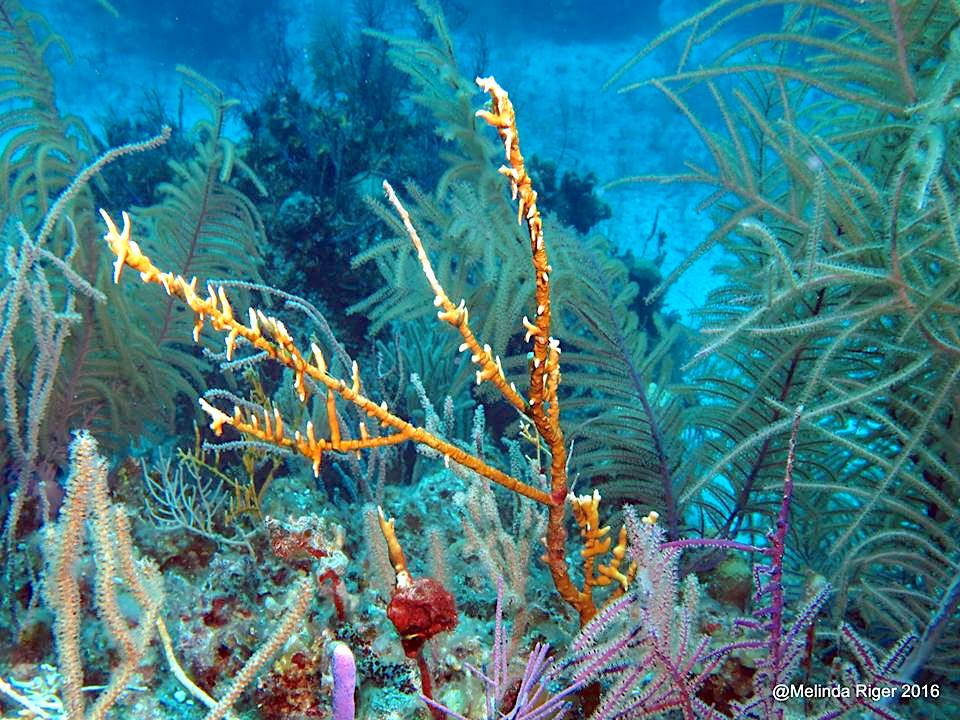
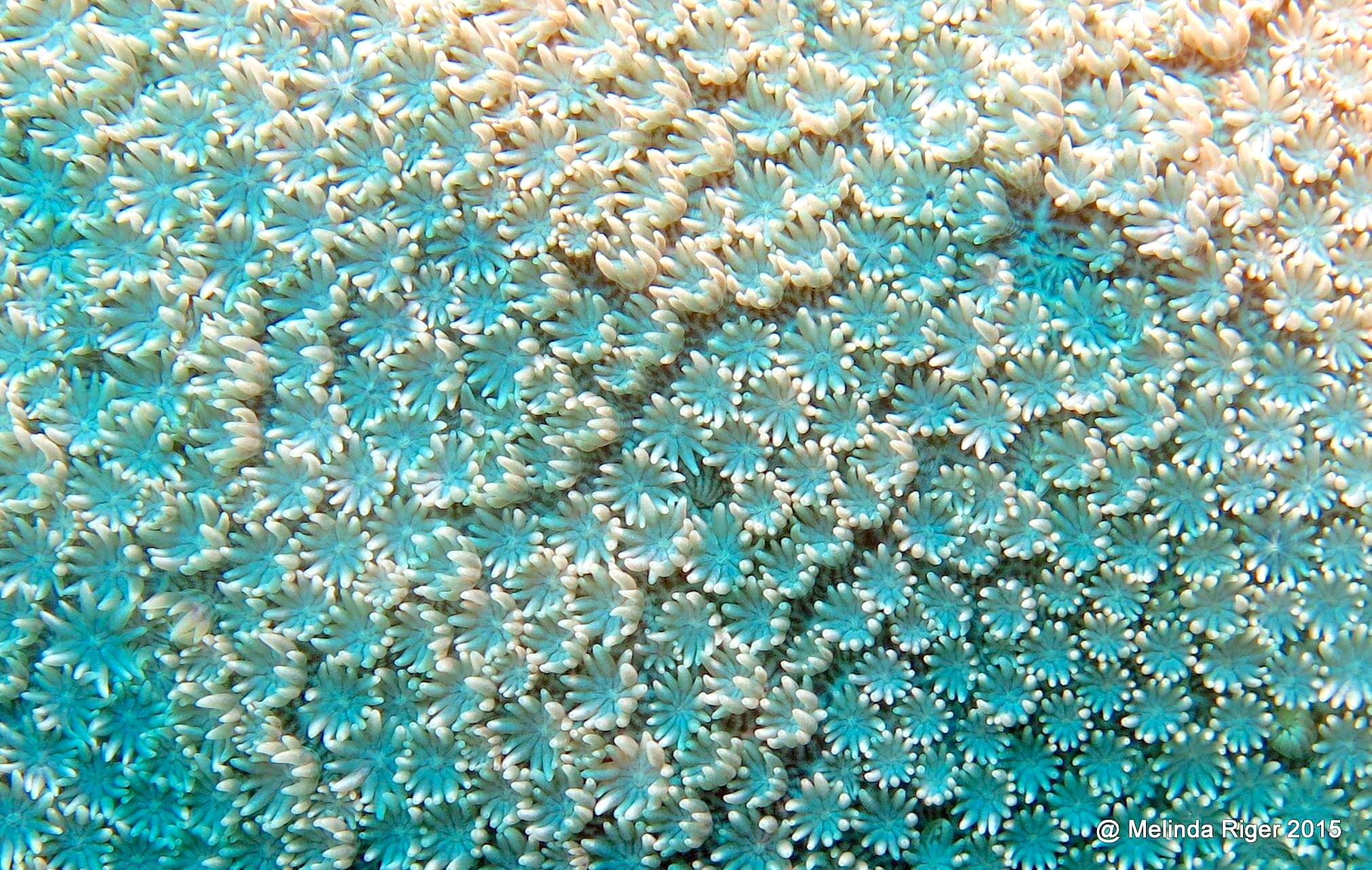
This post needs no commentary from me, nor my larky intrusions. These wonderful images from Melinda Riger speak for themselves. You’ll see a wide variety of soft and hard corals in the images below (prize** for the full list). If these superb photos don’t want to make you want to grab a snorkel, mask and flippers, then… well, that would be a very great shame.

coral-melinda-riger-g-b-scubacoral-melinda-riger-gb-scubacoral-reef-2-melinda-riger-g-b-scubafire-coral-melinda-riger-gb-scubapillar-coral-melinda-riger-gb-scubablushing-star-coralpurple-sea-fan-melinda-riger-g-b-scubapurple-sea-fan-melinda-riger-g-b-scuba-copy

**the prize is the usual legendary bottle of Kalik. Or do I mean mythical?

All wonderful photos by Melinda Riger, Grand Bahama Scuba. All corals also available in a wide range of colours in Abaco waters. See them there on the third largest barrier reef in the world (and in rather better nick that the greatest, by all accounts).

Unknown's avatar

A-PIPIN’ & A-PLOVIN’ ON ABACO: PIPL POWER


piping-plover-delphi-beach-Abaco-peter-mantle-11-16

A-PIPIN’ & A-PLOVIN’ ON ABACO: PIPL POWER

Last year someone kindly reported a lone piping plover sighting on ABACO PIPING PLOVER WATCH. I like to get a few details, so I asked what it was doing (meaning: sleeping / mooching / foraging / flying?). She replied – and I knew exactly what she meant – “Oh, a-pipin’ and a-plovin’ about on the beach”. A very evocative description of how these tiny scuttling birds pass their days!

Green Flag YLO, renamed Coco for short
Piping Plover 2-aug-4-long-beach-Abaco-5-birds-inc-ylo

The A P P Watch is now into its 4th month. The earliest reported arrival for the fall winter / winter season was as early as July 30. The first banded bird was reported on August 4, in a small group of 5. The leg bands (upper right Green Flag coded YLO; upper left Orange Band) at once confirmed the bird as an unnamed returner originating from Fire Island National Seashore NY – to the very same beach where it was sighted last December. That is known as ‘beach fidelity’, and is a most important piece of conservation data, because it is evidence that the beaches of Abaco provide a safe and unspoilt winter habitat for this vulnerable and threatened species. YLO was renamed Coco to reward his contribution to empirical conservation study.

piping-plover

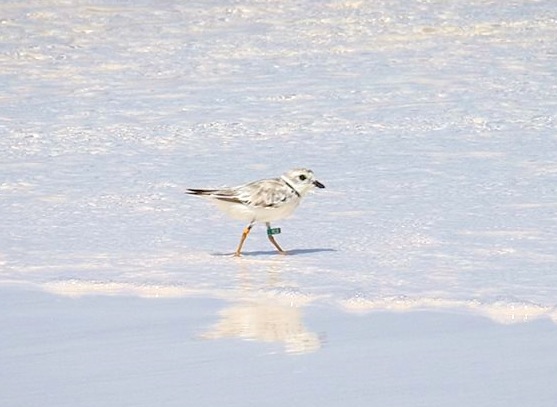
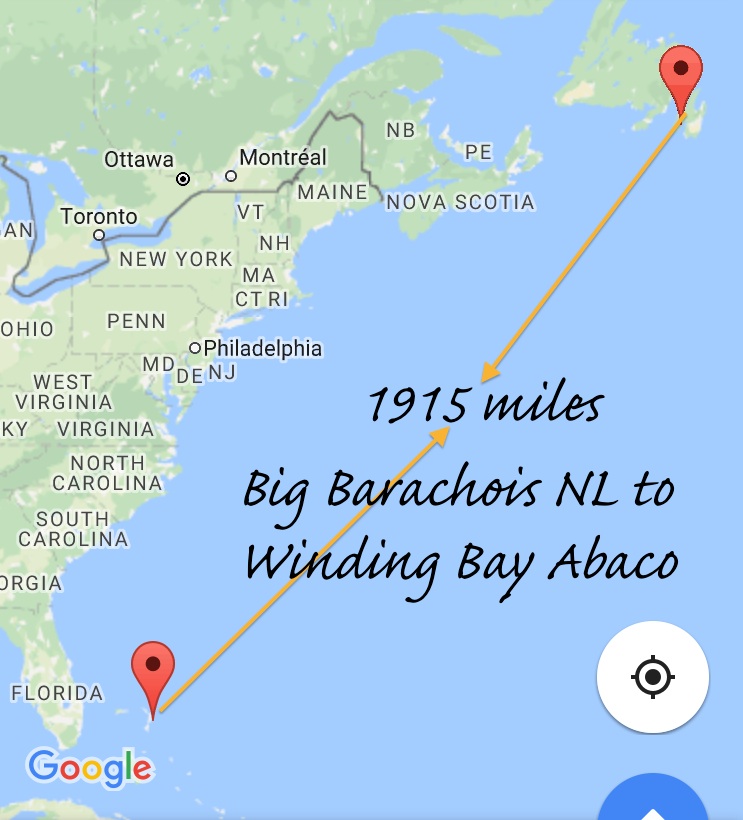
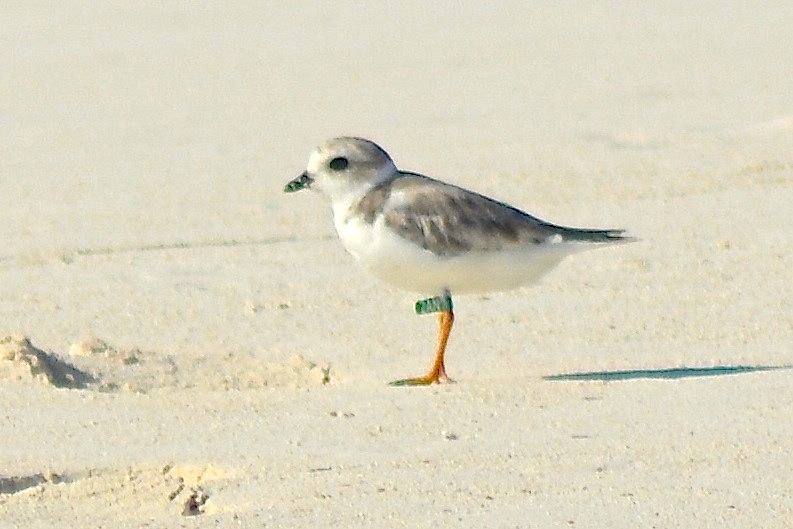
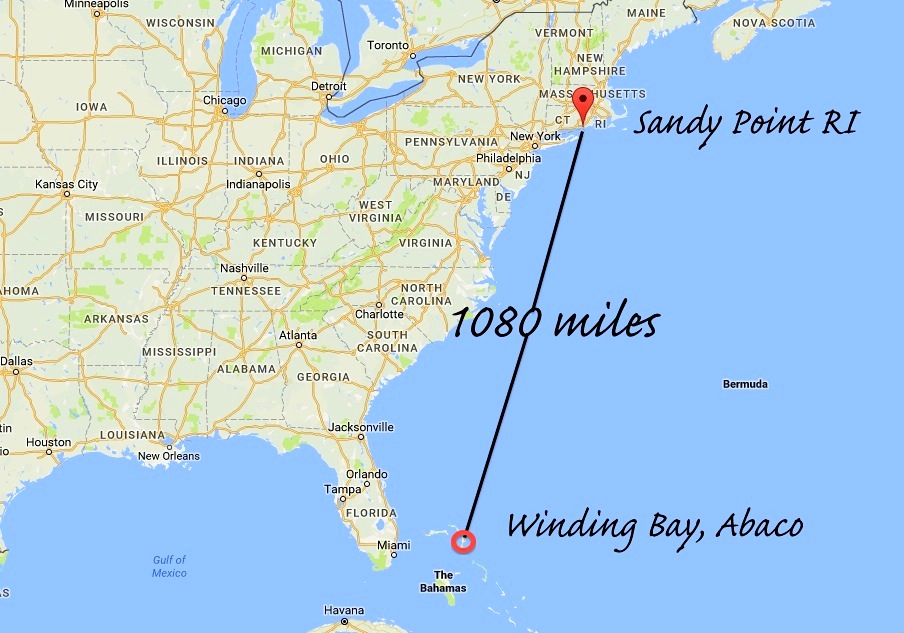
We didn’t have to wait long for the next banded bird, one that had undertaken the longest journey we have yet come across, nearly 2000 miles (direct) from Big Barachois, Newfoundland. Black Flag 58 was soon traced to his origin and details of his adventurous life were uncovered – two summers on the same breeding beach, and a spring sighting on Long Island, NY. 

Piping Plover from Newfoundland: 4-aug-6-winding-bay abaco -keith kemp-jpgnewfoundland-to-abaco-map

The next find was a precious ‘Bahama Pink’ on Long Beach, known simply as… Pink Flag #50. She was banded on the same beach in 2014; resighted there in December 2015; and had returned for her third visit before the end of August 2016. The perfect example of ‘beach fidelity’.

Piping Plover, Abaco Bahamas: pink flag 50 (Keith Kemp)

In the same group that day was another exciting find, this time a new bird Green Flag 2AN originating from the same place as Coco above: Fire Island National Seashore, NY. Piping Plover, Abaco, Bahamas, Green Flag 2AN-aug (Keith Kemp)13880178_343177786027819_6547752228912195883_n

There was a bit of a lull with banded bird sightings until October, when ‘Taco’ from the Holgate Unit, Edwin B. Forsythe NWR, NJ showed up. We had two other birds from the same location last season. 

Piping Plover "Taco", Abaco, Bahamas 2016

Soon after, a returner from last season arrived back on his same beach to join Taco. Jonesy was originally ‘Mrs Jones’, as in the song, until he was identified as a male and had to be renamed. He originated from the Ninigret NWR, R.I. He and Taco are still keeping company – they were seen together only yesterday.

Piping Plover Jonesy, Abaco, Bahamas 2016 (Keith Kemp)sandy-point-ri-to-winding-bay

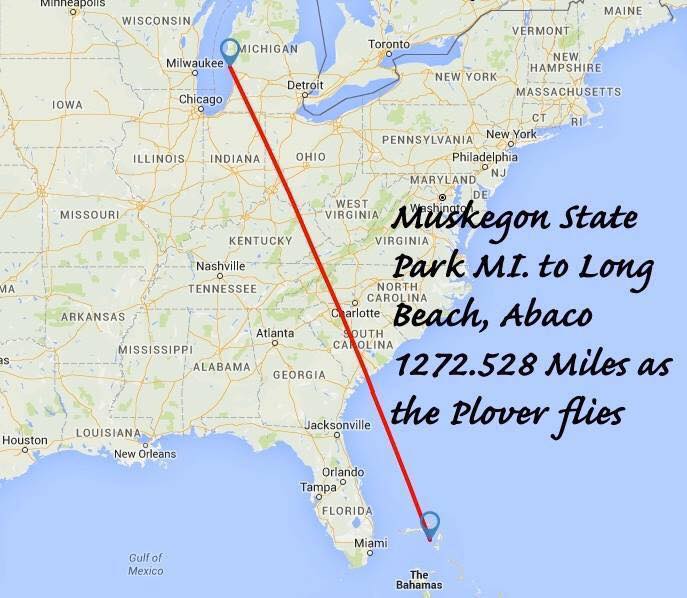
Finally, a warm Abaco welcome please to the aptly named Bahama Mama, a rare Great Lakes bird from Muskegon State Park, MI, resighted in early November.  She was found on the same beach in December last year. Bahama Mama - Great Lakes Piping Plover on Abaco, Bahamas (Keith Kemp)15027859_392958301049767_8409742050501259206_n

So far this season, all the banded birds have been positively identified except one – a tantalising possible sighting of last year’s ‘Bird of the Season’ Tuna on ‘his’ beach.  From a distance shot the bands on one leg looked right… but all-in-all the image is simply not clear enough (and heavily pixellated with onscreen adjustments) to be certain. 

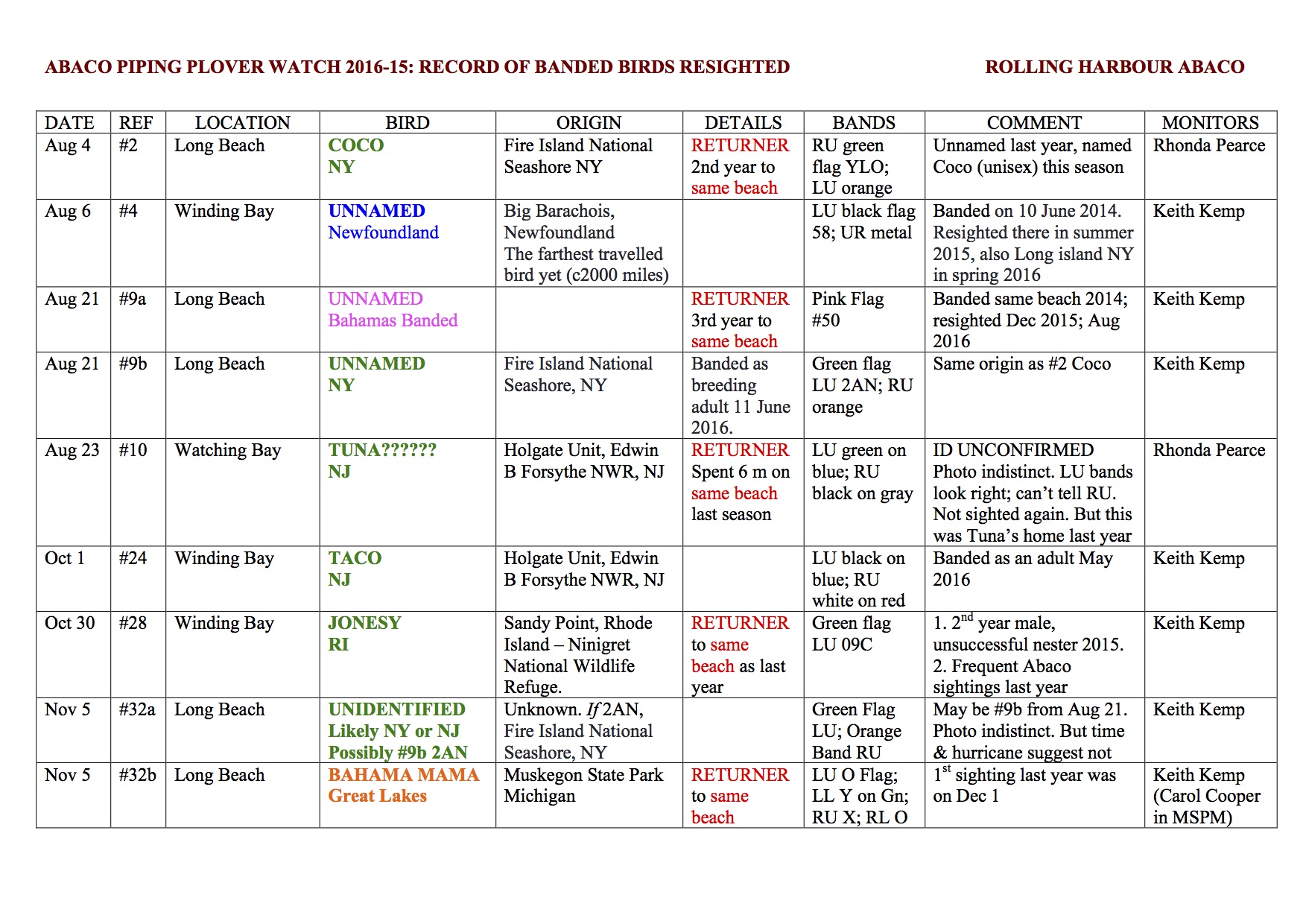
If it is indeed Tuna, then five of the banded birds so far are returners, in each case to the same beach as last year. The chart below is a draft (there’ll no doubt be some tidying up as the season progresses)

Piping Plovers on Abaco-id-chart-2-p-1-jpg

Credits: Peter Mantle (header image); Keith Kemp; Rhonda Pearce – and with thanks to all monitors

Unknown's avatar

PREHENSILE TALES FROM THE REEF (2): HIPPOCAMPI


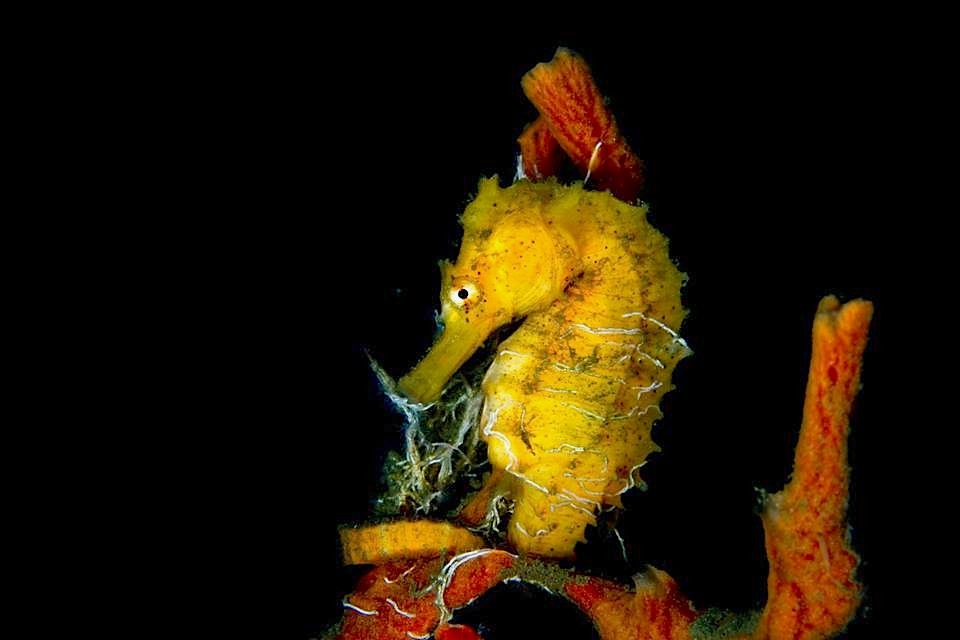
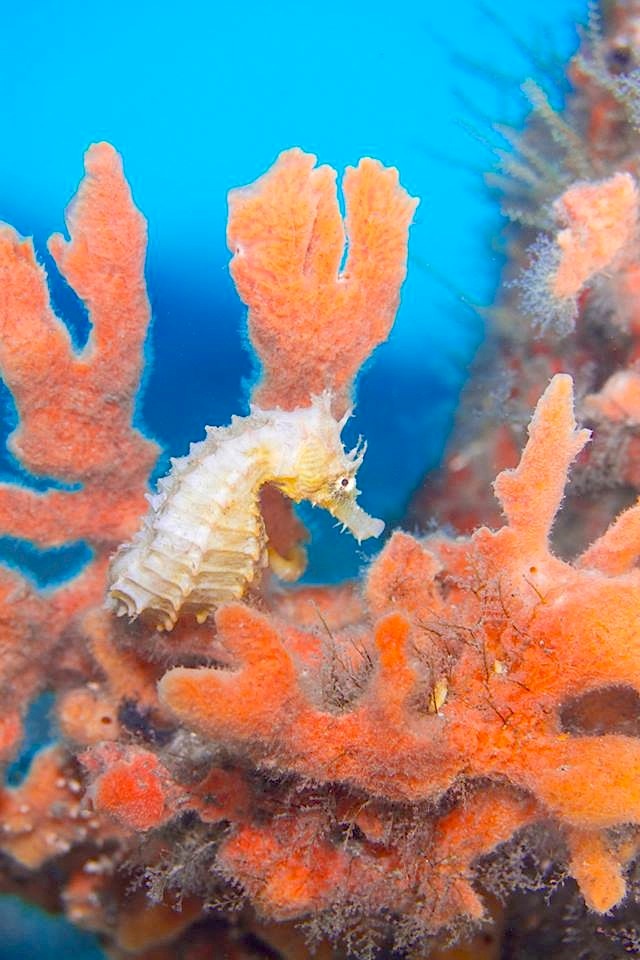
Seahorse (© Adam Rees / Scuba Works)

PREHENSILE TALES FROM THE REEF (2): HIPPOCAMPI

It is a statistical fact that no one in the world – not even the meanest despot or cruellest tyrant – fails to love seahorses. It would be fair to add that in certain parts of the world, some people love them too much. In more than 65 countries. To the tune of an estimated 150 million a year that are used in the ‘traditional medicine’ trade. An attrition rate that is unsustainable in the long or even the medium term – with the bleak consequence that it won’t be long before people must look elsewhere for their source for Genital Tonic Pills. 

Seahorse (Adam Rees / Scuba Works)Seahorse (Adam Rees / Scuba Works)

Medicinal use – of empirically vague benefit to its enthusiasts – is joined by the aquarium trade in accounting for the removal of very large numbers of seahorses from their accustomed surroundings. At least these creatures live on (rather than being dried out alive), though research suggests that the survival rate of seahorses in captivity is low. 

Seahorse (Adam Rees / Scuba Works)

Do you sometimes hanker for a plastic brooch or paperweight with a tiny seahorse embalmed inside it? It would be good to resist the temptation to buy such things in seaside shops or online. Your little specimen will be one of a million or so souvenir seahorses sold each year, alongside seashells, starfish, sponges and (protected) corals. 

Seahorse (Adam Rees / Scuba Works)

As you contemplate your purchase, you may be reassured to find that the product is labelled ‘environmentally friendly’, ‘responsibly sourced’ or ‘from a sustainable source’. You can make up your own: ‘lovingly harvested from the bluest oceans’, maybe. In the words of the SEAHORSE TRUST: 

“Nothing could be further from the truth; there is nothing sustainable about this exploitation of the seas. You can make change by not buying them. If there was no market there would be no trade.”

Seahorse (Adam Rees / Scuba Works)Seahorse (Adam Rees / Scuba Works)

USES FOR SEAHORSES: MEDICINE OR (WITH SCORPIONS) STREET FOOD  images-1 seahorses_scorpions_skewer

seahorse-adam-rees-scuba-worksSeahorse (Adam Rees / Scuba Works)

RELATED POSTS AND ONLINE RESOURCES

HIP HIP HIPPOCAMPUS!

PREHENSILE TALES 1

SEAHORSE TRUST

SEAHORSE TRUST FB GROUP

SEAHORSES: NAT GEO

                   Sustainable Seahorses

s-l225-2      s-l225-1

Credits: Adam Rees / Scuba Works for more stunning photos; Seahorse Trust for material; Wiki & open source for the random thumbnails

Unknown's avatar

SEABIRDS, SHOREBIRDS & WADERS: 30 WAYS TO DISTINGUISH THEM


Sanderling Trio, Delphi Beach, Abaco (Keith Salvesen) 5

SEABIRDS, SHOREBIRDS & WADERS: 30 WAYS TO DISTINGUISH THEM 

While putting together “The Birds of Abaco” I looked at and archived hundreds of photos of birds, many with aquatic or semi-aquatic lives. These can be broadly categorised as seabirds, shorebirds or wading birds. But with some bird breeds, there can be doubt as to which category applies (and in different parts of the world the categories themselves may be named differently). There is the strict Linnaean ordering of course, but in practice there is a degree of informal category overlap and some variation in the various bird guides. This is especially so between shorebirds and the smaller wading birds. Shorebirds may wade, and wading birds may be found on shores. Then I remembered a past blog post by the estimable BEACH CHAIR SCIENTIST that I thought deserved another outing here. Even if you have no problem distinguishing birds in the 3 categories, there are avian characteristics within each list that are interesting observations in themselves. 

10 CHARACTERISTICS OF SEABIRDS 

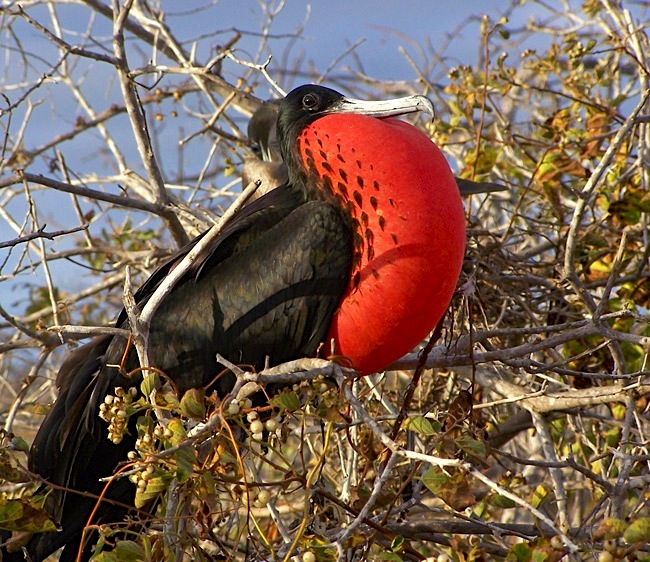
Magnificent Frigatebird (inflated-throat) (Michael Vaughan)

(Examples include albatross, auk, booby, frigatebird, fulmar, gannet, penguin, petrel, puffin, shearwater, and tropicbirds)

1. Seabirds are pelagic, spending most of their lives far out at sea.
2. Seabirds move toward to coastal areas to breed or raise young for a minimal amount of time.
3. Seabirds are light on their undersides and dark on top (an adaptation known as countershading).
4. Seabirds have more feathers than other types of birds for more insulation and waterproofing.
5. Seabirds have flexible webbed feet to help gain traction as they take off for flight from the sea.
6. Some seabirds have unusually sharp claws used to help grasp fish under the water.
7. Some larger seabirds (e.g. albatross) have long, slim wings allowing them to soar for long distances without getting tired.
8. Some smaller seabirds have short wings for maneuvering at the surface of the water.
9. Seabirds have specialized glands to be able to drink the saltwater and excrete salts.
10. Some seabirds (e.g. gannets) have a head shape that is usually tapered for more efficiency in plunge diving.

10 CHARACTERISTICS OF SHOREBIRDS 

American Oystercatcher, Delphi, Abaco (Tom Sheley)

(Examples include avocet, black skimmer, oystercatcher, plover, sandpiper, and stilt)

1. Shorebirds have long legs, pointed beaks, and long pointed wings.
2. Most shorebirds are migratory (impressively, some shorebirds fly non-stop for 3-4 days, equivalent to a human running continuous 4-minute miles for 60 hours).
3. Shorebirds wade close to the shore and poke their bills into the ground in search of food.
4. Shorebirds are small to medium size wading birds.
5. Shorebirds tend to frequent wetlands and marshes and are biological indicators of these environmentally sensitive lands.
6. Shore birds are of the order Charadriiformes.
7. Shorebirds are very well camouflaged for their environment and their appearance may vary from place to place as plumage (feather colors) are gained or lost during breeding.
8. Shorebirds typically range in size from 0.06 to 4.4 pounds.
9. Oystercatchers have a unique triangular bill that is a cross between a knife and a chisel.
10. The black skimmer is the only native bird in North America with its lower mandible larger than the upper mandible, which helps the bird gather fish as it skims the ocean surface.

10 CHARACTERISTICS OF WADING BIRDS 

Great Egret, Abaco - Tom Sheley

(Examples include crane, egret, flamingo, herons, ibis, rail, spoonbill, and stork)

1. Wading birds are found in freshwater or saltwater on every continent except Antarctica.
2. Wading birds have long, skinny legs and toes which help them keep their balance in wet areas where water currents may be present or muddy ground is unstable. Also, longer legs make it easier for them to search for food (forage) in deeper waters.
3. Wading birds have long bills with pointed or rounded tips (depending on what is more efficient for the types of food the bird consumes).
4. Wading birds have long, flexible necks that can change shape drastically in seconds, an adaptation for proficient hunting.
5. Herons have sophisticated and beautiful plumes during the breeding season, while smaller waders such as rails are much more camouflaged.
6. Wading birds may stand motionless for long periods of time waiting for prey to come within reach.
7. When moving, their steps may be slow and deliberate to not scare prey, and freeze postures are common when these birds feel threatened.
8. Adult wading birds are quiet as an essential tool for hunting. Wading birds may be vocal while nestling or while in flocks together.
9. Many wading birds form communal roosts and breeding rookeries, even mixing flocks of different species of wading birds or waterfowl.
10. Wading birds fully extend their legs to the rear when flying. The neck may be extended or not while in flight, depending on the species.

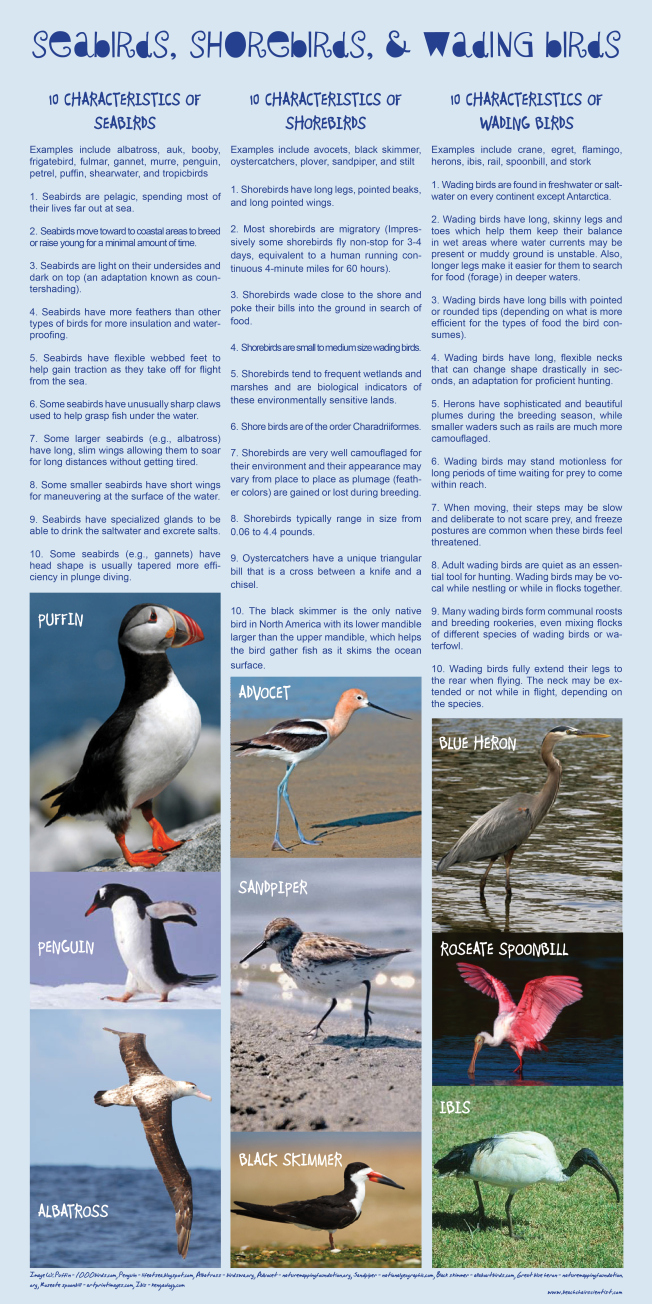
These lists were put together in useful chart form. Please check with BCS (link above) if you want to ‘borrow’ itseabird shorebird wading bird chart ©beachchairscientistImage Credits: Table – ©Beach Chair Scientist; Pics – Keith Salvesen, Michael Vaughn, Tom Sheley

Unknown's avatar

GETTING THE MEASURE OF TURTLES ON ABACO


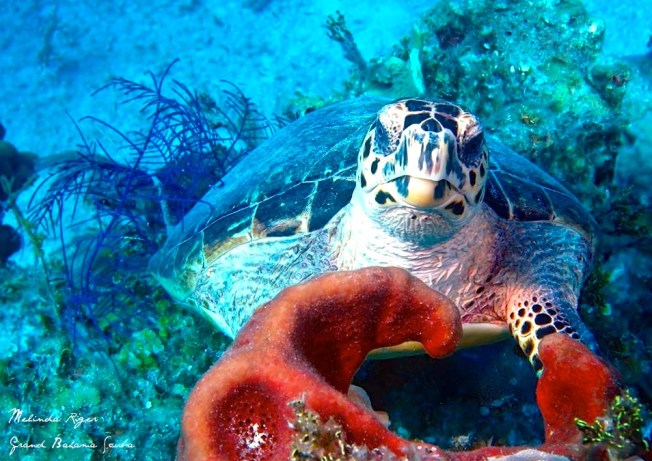
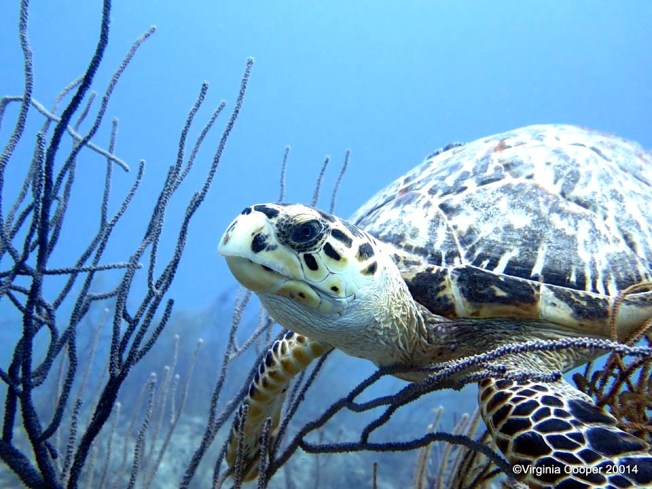
Hawksbill Turtle ©Melinda Riger @ G B Scub 4

GETTING THE MEASURE OF TURTLES ON ABACO

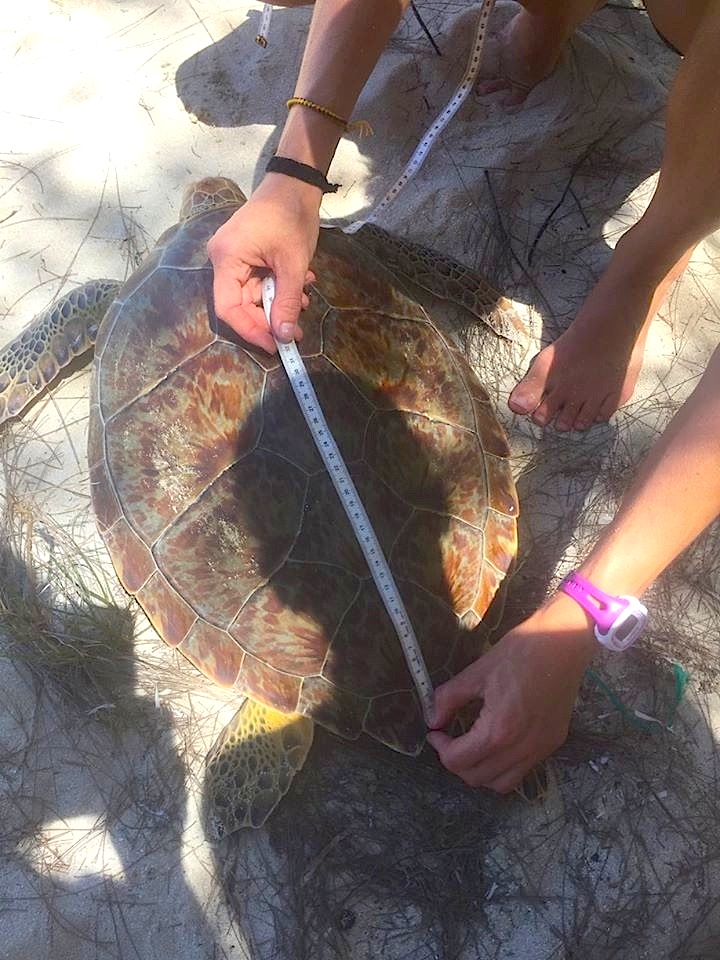
A recent summer course on Abaco was held in partnership between Elizabeth Whitman (Florida International University) and Friends of the Environment/Frank Kenyon Centre. Participants learned about sea turtle biology and ecology, and discussed potential threats to the vulnerable population. After a classroom session, the team headed out to Snake Cay Creek to carry out a field survey. The turtles caught were measured, weighed, tagged (if not already), and given a general health assessment. Each turtle was then released.

The data captured by such courses is invaluable in the continuing assessment of the health of the local turtle population. In addition, such projects provide a valuable opportunity for people to become involved in a fascinating and rewarding local conservation project – with a literally hands-on experience.

Turtle measuring project, AbacoTurtle measuring project, AbacoTurtle measuring project, AbacoTurtle measuring project, AbacoTurtle measuring project, AbacoTurtle measuring project, Abaco

Credits: Beth Whitman, Friends of the Environment, Jacque Cannon, Maureen Collins, Melinda Riger

Unknown's avatar

HAWKSBILL TURTLES: A RARE FIND & SWIMMING WITH ANGELS


Hawksbill turtle (juv), West End Grand Bahama

HAWKSBILL TURTLES: A RARE FIND & SWIMMING WITH ANGELS

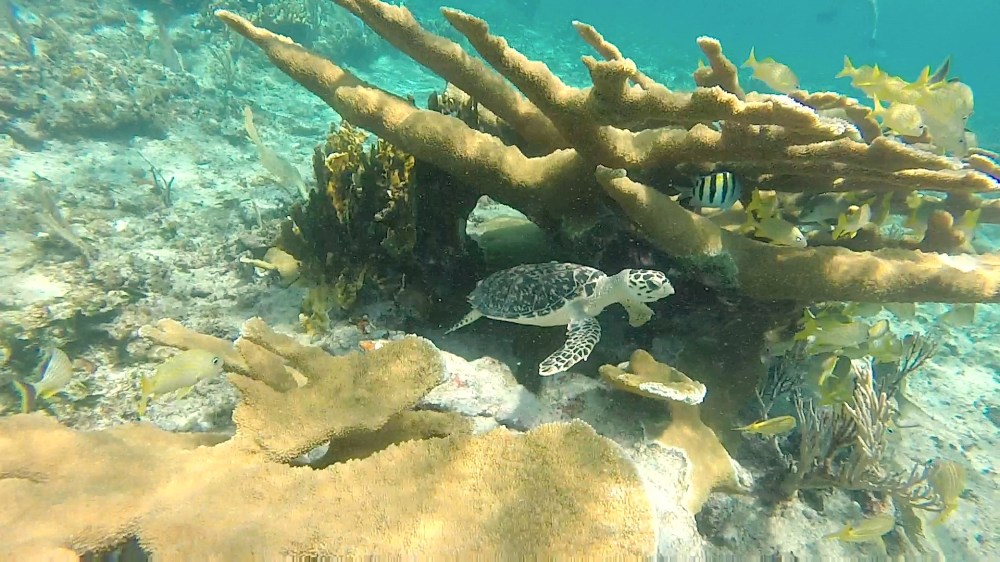
There is something unusual about this juvenile hawksbill turtle peacefully noodling round some impressive elkhorn coral with the grunts and sergeant majors. He’s a rarity. He was found at West End, Grand Bahama (just 67 miles swim from West Palm Beach Fl.), a place where hawksbills are very scarce. Loggerheads, they have. And there are plenty of hawksbills elsewhere in Grand Bahama waters. But not at the western tip. So finding this little guy and getting some good photos was a particular pleasure for Linda Cooper. And maybe the presence of a juvenile is a sign that hawksbills may begin to populate the reefs of West End, as perhaps they did historically.Hawksbill turtle (juv), West End Grand Bahama

Linda and her husband Keith run West End Ecology Tours. They have a comprehensive website HERE and a Facebook page HERE. Check it out to see how much there is to explore at West End. The birds, the corals and reef life, the starfish – and a speciality, swimming with rays. To which can now be added the chance of seeing a hawksbill turtle…Hawksbill turtle (juv), West End Grand Bahama

A DOZEN HAWKSBILL FACTS TO CHEW OVER

  • All sea turtles are classed as reptiles (something that always surprises me, somehow)
  • The top shell (carapace) consists of scales that overlap like roof shingles
  • The yellowish bottom shell is called the plastron
  • Adult hawksbills weigh around 100 pounds
  • Sea turtles sleep at night, and can stay underwater for a hours without breathing
  • Hawksbills are omnivorous, eating algae and seagrass but also sponges, urchins and small fish
  • Females lay about 100 eggs like ping-pong balls, and then at once return to the sea for good
  • The sex of baby turtles is determined by relative nest warmth – females from the top eggs
  • Baby turtles hatch almost simultaneously: all must work to dig their way out.
  • They tend to hatch at night and head straight for the sea’s phosphorescence…
  • …except that artificial lights confuse them & lead them away from the sea to likely death
  • Threats: predation, coastal development & habitat destruction, pollution, & illegal collection

SWIMMING WITH ANGELS

As I was writing this, another fact about hawksbills popped into my head. I checked through my archive – mainly Melinda Riger’s wonderful shots from elsewhere on GB – and yes, it is true. There seems to be some sort of symbiotic relationship between the turtles and angelfish. They are often found feeding together. A bit of research confirms this general observation, without giving a clear cause for it. Maybe it is simply that they eat some of the same food; and that there is plenty of it on healthy reefs so there is no cause for aggression on either side. It’s fine for a hawksbill to share with an angel.

10245Green Turtle, Gray Angelfish ©Melinda Riger @GB Scuba copyTurtle with Gray Angelfish ©Melinda Riger @ G B Scuba copyHawksbill Turtles, French Angelfish eat sponge ©Melinda Riger @ GB Scuba copyHawksbill Turtle eats sponge ©Melinda Riger @ GB Scuba copy

NOTE The Hawksbill is listed as Critically Endangered by the IUCN red list of Threatened species as its populations have declined dramatically throughout the world and especially in the Caribbean region. It is listed in Appendix I of the Convention on the InternatIonal Trade of Endangered SpecIes (CITES) meaning that Hawksbills are near extinction or very endangered. All marine turtles are now protected under Bahamian law, as is the taking of eggs.

Credits: West End Ecology Tours / Linda & Keith Cooper (photos 1, 2, 3); Melinda Riger / Grand Bahama Scuba, all other images; BAHAMAS NATIONAL TRUST  for their very useful fact-sheet (one of many) which I have adopted and adapted; Aquoflite for the vid.

Unknown's avatar

WORLD OCEANS DAY 2016: “STASH THE TRASH”


View from a Skiff, the Marls, Abaco, Bahamas

WORLD OCEANS DAY 2016: “STASH THE TRASH”

Today the NOAA and other worldwide ocean guardian organisations are celebrating World Oceans Day. Looking at the websites and FB pages, one message is clear: People Are Rubbish. To put it another way, the global pollution of the oceans is caused solely by humans. The pristine seas and beaches of the world were unsullied until, say, the last 200 years. In 4 or 5 generations, all that has changed irreversibly.

Leave only Footprints - Delphi Beach, Abaco

My rather (= very) negative intro is counterbalanced by some more positive news: there are plenty of good guys out there working hard to make a difference to the rising tide of filth polluting the oceans. Clearing seas and beaches of plastic and other debris. Collecting tons and tons of abandoned fishing gear. Rescuing creatures trapped, entangled, injured and engulfed by marine debris and pollutants. Educating adults and – far more importantly – children and young people by actively involving them in their campaigns. Conducting research programmes. Lobbying and protesting. And a lot more besides.

A marine garbage patch: the sea creatures’ view (NOAA)Marine Garbage Patch from below (NOAA)

Abandoned fishing gear: a monk seal that was lucky; and a turtle that wasn’t (NOAA)Monk Seal in discarded fishing nets (NOAA)Sea turtle trapped in abandoned fishing gear (NOAA)

Four shearwaters killed by a cone trap. A fifth was rescued (NOAA)13138799_1188762361142231_1433873125345242619_n

The NOAA and sister organisations carry out massive programmes of clearance of marine debris, with working parties of volunteers who do what they can to deal with an intractable problem.Clearing Beach Debris (NOAA) Clearing Beach Debris (NOAA)

But you don’t need to be on an official working party for a large organisation. In the Bahamas and on Abaco, the BAHAMAS PLASTIC MOVEMENT, FRIENDS OF THE ENVIRONMENT  and BAHAMAS NATIONAL TRUST among others, do wonderful work on a more local level.
Childen collecting beach debris, Abaco (FotE)

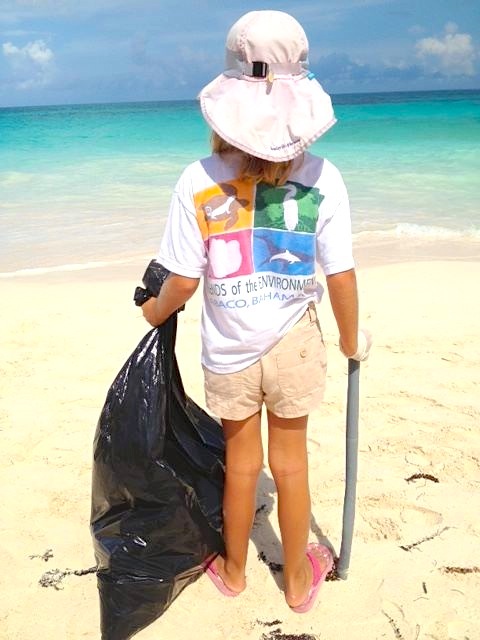
HOPE  FOR  THE  FUTUREYoung conservationist on Abaco, Bahamas

Elsewhere, some tackle the problems caused by particular types of trash, balloons being an excellent example. I have posted before about BALLOONS BLOW, the brainchild of two sisters who learnt of the serious consequences to wildlife caused by mass balloon releases. Their work has been so effective that increasing numbers of mass releases are being cancelled in favour of other forms of celebration. A minus for balloon-makers of course, but a big plus for wildlife. The BB sisters also keep their own beach clear of the junk brought in on every tide.

Balloons Blow - Beach Debris (http://balloonsblow.org) Balloons Blow - Beach Debris (http://balloonsblow.org)

And on an individual basis, any old fool can make a tiny difference to a local beach. Here is one such doing just that…

A tangle of balloon strings on Delphi beachBalloon Strings, Delphi Beach (RH)

Guinea Schooner Bay: little visited, rarely cleaned. Plastic crap from a 10 foot radiusRH & trash, Guinea Schooner Bay

Credits: NOAA, FOTE Abaco, BPM, Balloons Blow, RH, Mrs RH

Unknown's avatar

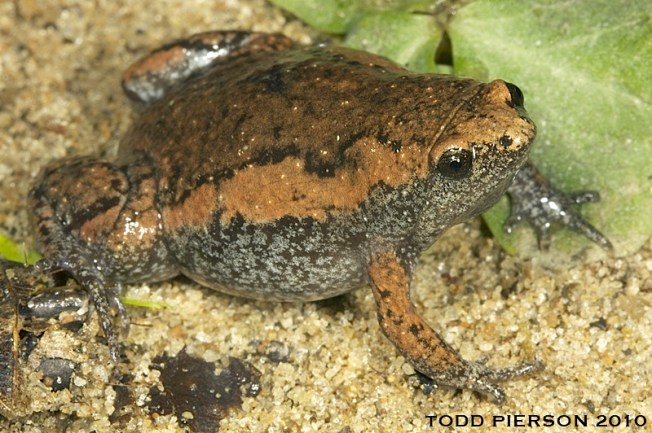
A FROG CALLED TOAD: NEW AMPHIBIAN SPECIES FOR ABACO


Eastern narrow-mouthed toad (Todd Pearson / ABSCI)

A FROG CALLED TOAD: NEW AMPHIBIAN SPECIES FOR ABACO

Welcome to the wonderful world of the tiny Eastern narrow-mouthed toad. This non-native species has just been discovered on Abaco and formally identified. It looks like a toad. It’s called a toad. It’s actually a frog. There’s a song from the ’60s (dread decade) called ‘Walkin’ my cat named dog…’. But no one has come up with ‘Check out my frog named toad’. Yet.

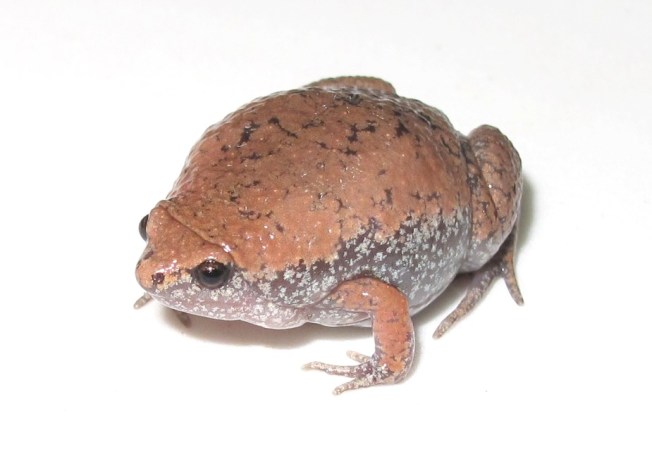
Eastern narrow-mouthed toad (Sean Giery ABSCI)

THE FIRST EVIDENCE ON ABACO

A year ago, Sean Giery reported on the excellent ABACO SCIENTIST website that he had heard the unmistakeable (to him) mating call of Eastern narrow-mouthed toads Gastrophryne carolinensis in the Marsh Harbour area, Abaco. Denizens of south-eastern US, the species had previously only been recorded in the Bahamas on Grand Bahama and New Providence.

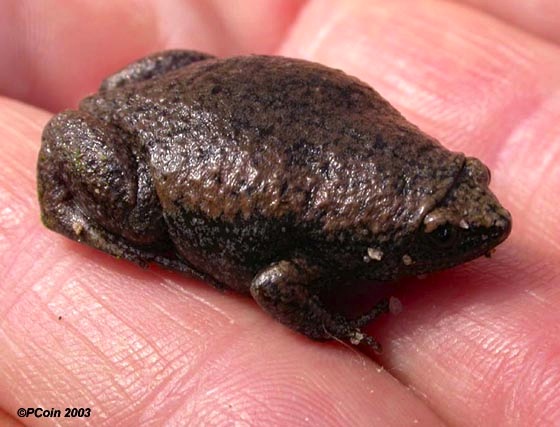
Sean estimated that he heard several dozen of these tiny 2.5cm frogs, suggesting a well-established population. A veritable Frog Chorus.** However, he wasn’t able to obtain a specimen, so his identification was by sound alone – vividly described as “like a bleating lamb with a stuffy nose”. You can read the full article from last May HERE.

Eastern narrow-mouthed toad (P. Coin / ABSCI)

THE FIRST SPECIMEN IS FOUND 

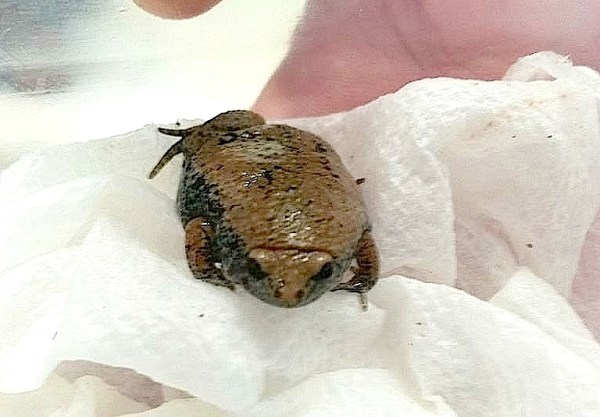
In a further article one year later HERE, Sean relates how he was called to the home of alert student Donte Richard, who had remembered the original post. This was in a different area of MH, suggesting a spread of population. Others had reported the distinctive bleating calls as well. Identification of the specimen frog was made by researchers at the Frank Kenyon Centre, Friends of the Environment, and confirms a new addition to Abaco’s vertebrate fauna.

The evidential specimenEastern narrow-mouthed toad (ex Brian Kakuk)

WHERE WERE THEY FOUND?

ENM Toad Map MH

MIGHT THEY BE HARMFUL? 

Sean writes: “With Abaco added to the list of islands we see a distribution pattern that echoes another recent invader (the corn snake). Perhaps they share a similar route of entry? Whether or not the narrow-mouthed toad poses any real threat to Abaco’s native flora and fauna is unknown. However, given their diet of small invertebrates (ants, mites, termites), it seems unlikely that they could pose any substantial risk. That said, who knows?”

WHAT DO THEY LOOK LIKE WITH NO CLOTHES ON?
Tidelands Toad Skelly 2

CAN I BUY ONE AS A PET?

Yes, by all means you can. But they are remarkably expensive for a 2.5cm creature. ‘Urban Jungle Reptile’ sells them for $80 each. You might need a pair. But you’d be better off hanging round Marsh Harbour in May with a small bucket and spade. And they are useless for taking on walks. You’d be far better off with the cat named dog…

“My name is Freddie and I am for sale to a good non-amphibian-eating home”Narrow-mouthed frog (Urban Jungle Reptile)

**COMPLETELY THE WRONG SORT OF FROG CHORUS
CREDITS: foremost to Sean Giery / ABSCI for use permission for photo use and info; Todd Pierson (header), Sean (2, map 5), P.Coin (3); Brian Kakuk for posting the specimen initial shot (4); Tidelands Nature Center for the terrific skeleton photo taken at the Smithsonian (6); Urban Jungle Reptile ad (7).
DISCREDITS: Paul McCartney for his ill-advised foray into amphibian-based songwriting, a close second to David Bowie’s ‘Laughing Gnome’ for star career low points. Some might say.
Unknown's avatar

*BIRDWATCHER ALERT* A BIG DAY FOR BIRDS EVERYWHERE!


Sanderling Trio, Delphi Beach, Abaco (Keith Salvesen) 5

Sanderling, Delphi Beach, Abaco

*BIRDWATCHER ALERT* A BIG DAY FOR BIRDS EVERYWHERE!

It’s here again – GBD, the second Global Big Day. A chance for anyone and everyone to participate in a worldwide celebration of birds at just the level you choose.

Global Big Day Flyer (Cornell Lab)

No need to try to cover 100 square miles in a day and record 300 species. Unless you want to, of course. You could as easily spend an hour or two in a garden. In a clearing in the coppice. Down a track in the pine forest. Sitting on the beach with a cooler full of beer. Whatever suits you. 

Western Spindalis, Delphi, AbacoWestern Spindalis, Delphi, Abaco (Keith Salvesen)

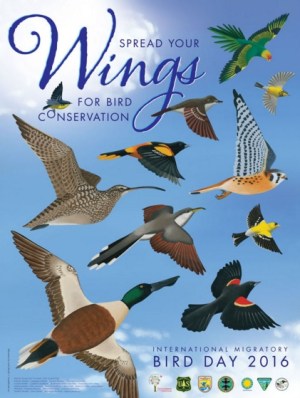
As the second Saturday in May, today also happens to be the official IMDB – International Migratory Bird Day – for the U.S. and Canada (the Caribbean is in October – reversed migration routes. Geddit?).

IMBD 2016 poster

However, this post is not primarily about that event, but rather an encouragement to people to join in with some easygoing birding today. And if you happened to want to do it tomorrow, that’s OK too! If you want to send me your checklist (iphone photo should be fine), please do. Or send 2 or 3 best photos, and I’ll post my favourites – though preferably rather than post to my FB page, email to rollingharbour.delphiATgmail.com .

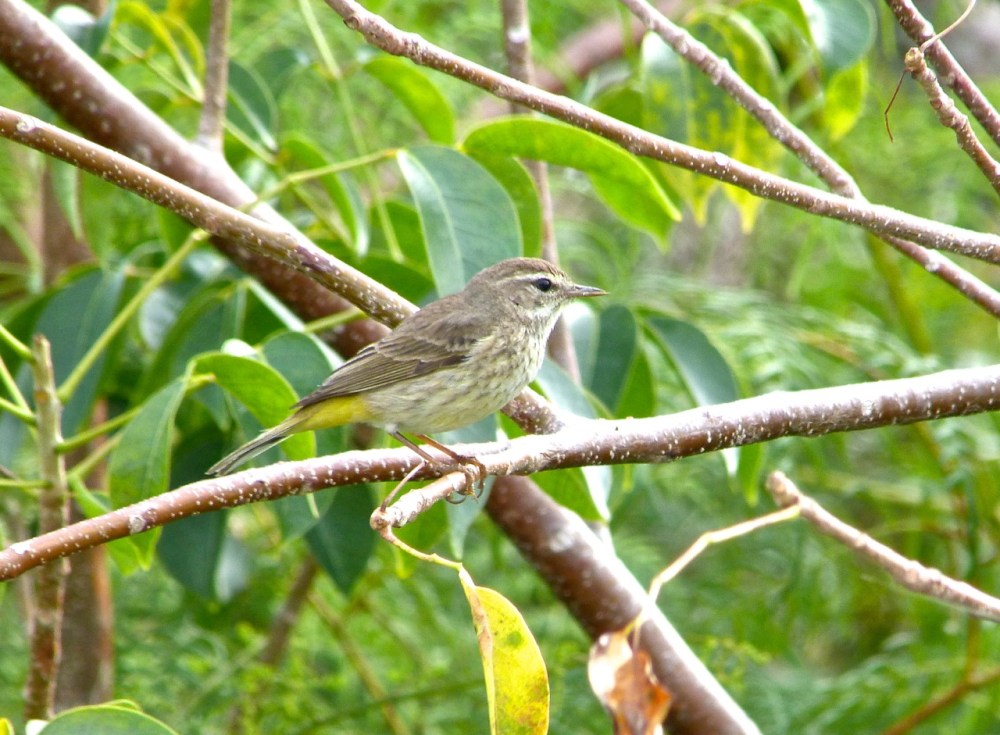
Palm Warbler, Delphi: a migratory warbler. Unlikely to be on Abaco – all hightailed north by nowPalm Warbler, Abaco 3 (Keith Salvesen)

Wherever you happen to be, just take a little time to look for some birds. There are plenty of places you can rule out straight away. Indoors for example. So it means being in the fresh air. And it’s probably best to set an hour or so as a minimum target time to spend on the task.

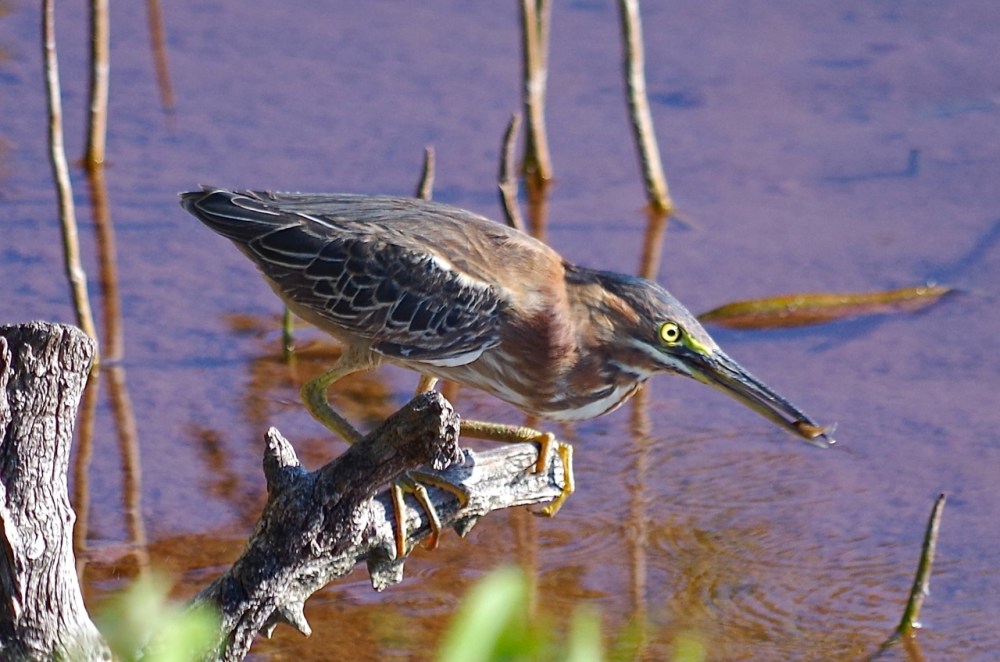
Green Heron hunting (successfully) – Gilpin Point pond, AbacoGreen Heron, Gilpin Point, Abaco (Keith Salvesen)05

WHAT DO I NEED?

Keep it simple. A pen that works. A spare pen just in case. A note book or even a large sheet of paper. Binoculars maybe. Camera if you are that way inclined. Sustenance. Maybe a friend for a joint effort. Possibly a bird book. If you have a North American one, it will help with most of the species you are likely to encounter. 

Antillean Bullfinch, Delphi, AbacoGreater Antillean Bullfinch, Abaco (Keith Salvesen)

In an ideal world you would then upload your checklist officially to eBird by May 17 so that your findings can be included in the global statistics. Or you could pass your record to a local birding group to upload for you. Or just have a bit of fun, why not, and see how many different birds you can find (even if you can’t put a name to them). Last year 268 Caribbean species were recorded. Imagine if one of yours was the only one of its kind to be seen?

Bananaquit, Delphi, AbacoBananaquit, Abaco 2 (Keith Salvesen)

WHY DO IT?

The stats gleaned from this initiative, and others like it (‘Shorebird Day’; ‘Warbler Day’ etc) are a good indicator of the state of health of the bird population both in general and by location. Perhaps an area previously having worrying low numbers for a particular species will show an encouraging upswing, indicating a successful breeding season and  / or effective habitat protection initiatives. Or maybe one species will show an unexpectedly low figure, indicating a need for research and the instigation of protection measures. 

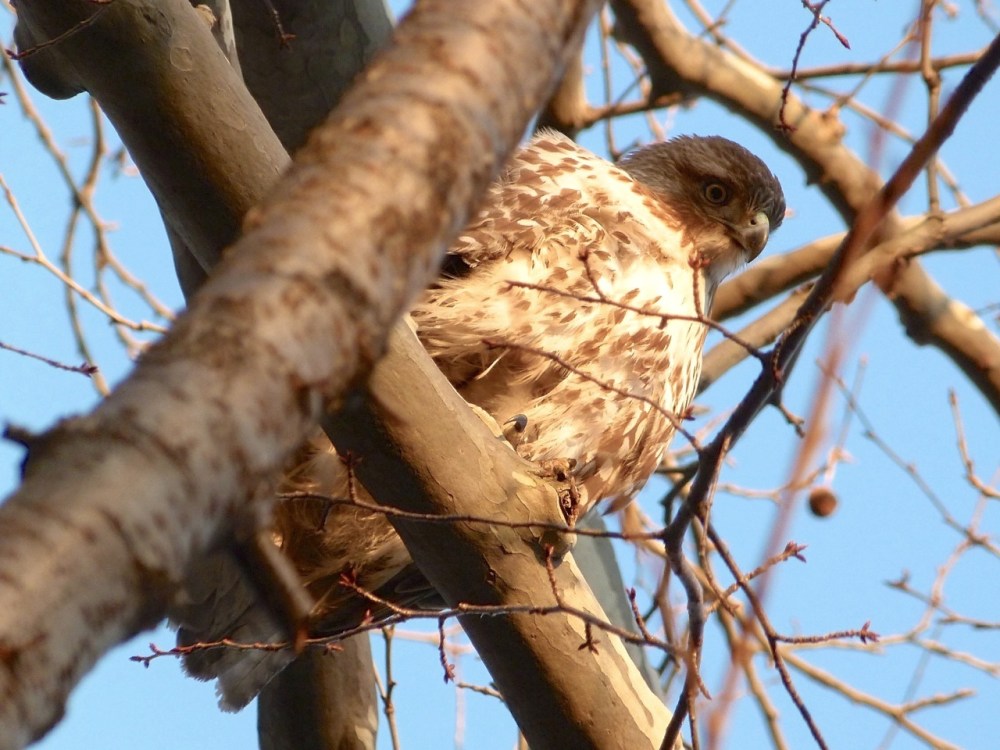
Red-tailed Hawk giving me ‘The Look’Red-tailed Hawk 2 NYC (Keith Salvesen)

So every return made for every region in the world is significant; and if you can add 20 species to the count, you will be adding to the vast fund of accumulated knowledge that in the long term helps to preserve the birds that surround us.

Let the count begin…

Royal Tern, The Marls, Abaco – taken while fishing. Camera + rod. Cool, huh?)Royal Terns Abaco (2) 2 (Keith Salvesen)

All photos: Keith Salvesen, taken on Abaco (ok, you got me there, not the red-tailed hawk, which is a cheat and was taken in Central Park NYC. Never got this close on Abaco. But I like it anyway)

Unknown's avatar

“TEACH YOUR CHILDREN WELL”: WHERE CONSERVATION BEGINS


Young conservationist on Abaco, Bahamas

“TEACH YOUR CHILDREN WELL”: WHERE CONSERVATION BEGINS

“Catch ’em young”. The perfect plan with children. On Abaco, wonderful work is continually being done with young children on the mainland and on each cay to teach them how precious their environment is, how fragile, and how important it is to take good care of it. The huge enthusiasm of the youngsters casts a beam of light onto the rather dark global picture of habitat destruction, pollution and ecological neglect that we have become depressingly accustomed too.

Young conservationists on Abaco

Education and training is carried out in schools; field work is done involving children of all ages; and camps are organised. FRIENDS OF THE ENVIRONMENT carries out this invaluable and rewarding task on an almost daily basis, offering students an astounding range of environment-based activities. Even the very youngest are catered for: the “Sea Beans Club”  is an after-school club for ages 3-5, which introduces young minds to their environment through educational activities and outdoor play.

Students and researchers from CWFNJ survey the beach to make sure that their activities will not disturb any plovers feeding in the areaYoung conservationists on Abaco

Students and volunteers selectively remove small invasive Casuarinas, which were encroaching on plover roosting habitat. By removing the invasive plants, native plants will be able to flourish and help stabilize the beach.Young conservationists on Abaco

The BAHAMAS NATIONAL TRUST, too, plays its part in educating children about the fascinating yet frail world around them. For example, Scott Johnson’s snake protection work, in which he demonstrates to small kids that Bahamas snakes are completely harmless and to be respected not feared, is a wonder to behold.

BNT’s Scott Johnson visits a school with his non-scary snakesScott Johnson - BNT - Bahamas Snakes - Children's Education

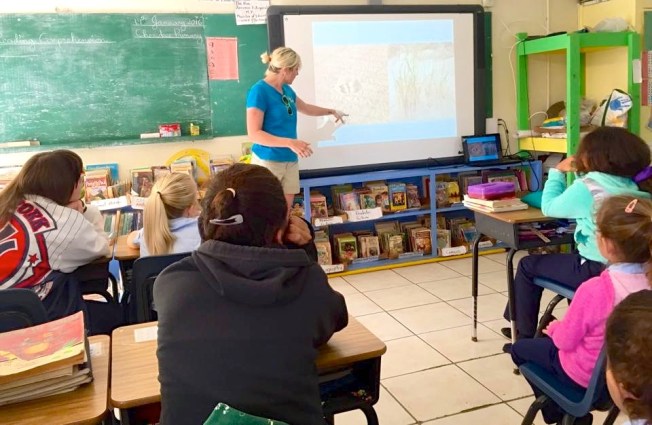
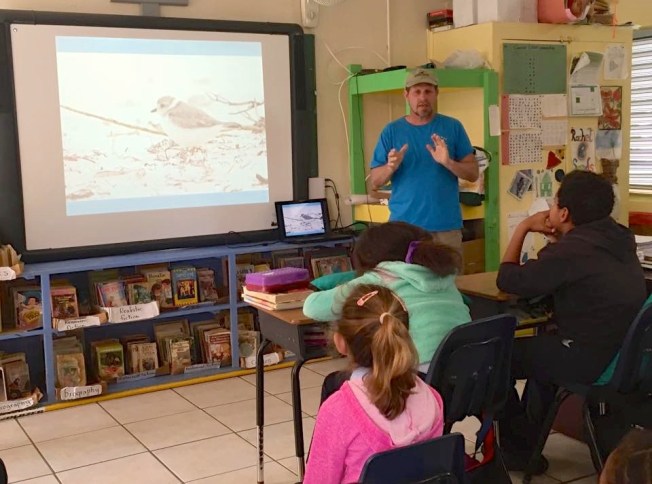
In addition there are strong partnerships with organisations many miles away from the Bahamas, of which the CONSERVE WILDLIFE FOUNDATION OF NJ is the prime example. Todd Pover, Stephanie Egger and the team take their remit beyond their well-known piping plover conservation work by engaging with the pupils of Abaco’s schools each year and inspiring them.

Amy Roberts Primary School CWFNJYoung conservationists on AbacoYoung conservationists on AbacoYoung conservationists on Abaco

Much of the work is done in the field, getting the children interested in birds, the shoreline, the vital ecological role of mangroves, and the problems of marine debris. Other important work can be done in the classroom.

Young conservationists on Abaco Young conservationists on Abaco(A quick shout-out to Tom Reed, who I know took the piping plover photo!)

The clear message being sent out to the schoolchildren on Abaco is this: you are never too young to learn how to appreciate, respect and look after your environment. And they are responding with intelligence and enthusiasm. We are lucky that these kids are the future.

IMG_7390

Stephanie Egger of CWFNJ writes: “This year, we’ve reached over 120 students through the Shorebird Sister School Network Program, both from the Bahamas and in the United States. We hope to foster a greater appreciation for wildlife, especially for the Piping Plover and its habitat, and inspire students to help now — and later on in their lives as adults — ensuring the recovery and survival of the bird for years to come”.

VOLUNTARY MUSICAL DIGRESSION

“Teach your Children” is the second track of Déja Vu, the 1970 CSNY album. Nash wrote it much earlier, when still with the Hollies, then stored it in his musical lumber room. Just as well: it fits perfectly with the rather fey hippy vibe of the rest of Déja Vu.

Young conservationist on Abaco

Credits: huge thanks for general use permission for material to FotE, BNT and CWFNJ; and to all the individual photographers concerned

Unknown's avatar

CRYSTAL CATHEDRALS: ABACO’S ASTOUNDING UNDERGROUND CAVES (6)


Abaco's Underground Caves (Hitoshi Miho, with Brian Kakuk)

CRYSTAL CATHEDRALS: ABACO’S ASTOUNDING UNDERGROUND CAVES (6)

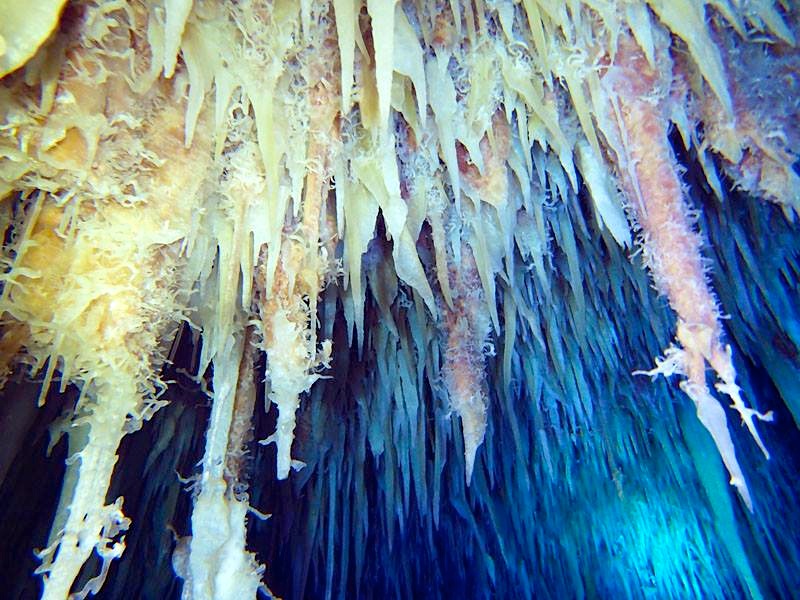
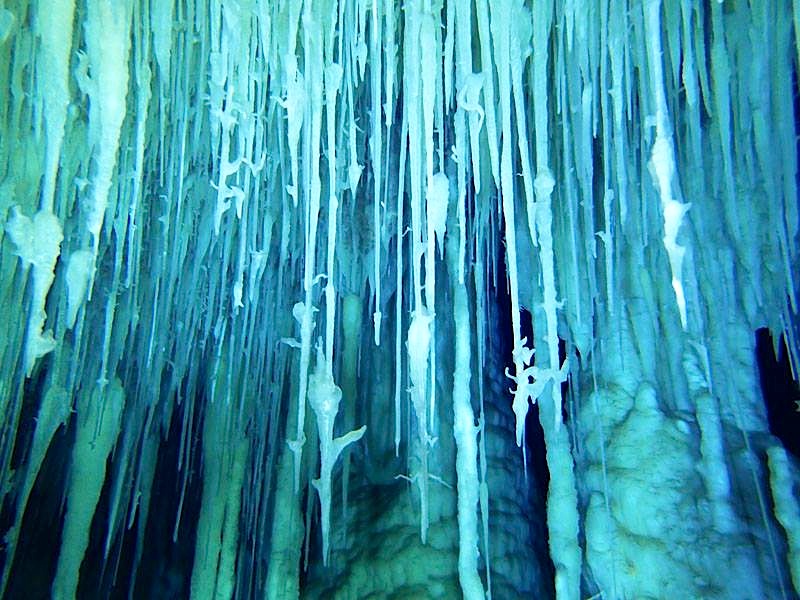
The photos you see in this post were all taken by Hitoshi Miho during an amazing 3 days of diving with Brian Kakuk deep in the pine forests of South Abaco. It’s not the first time they have explored together the wonders that lie beneath those hundreds of acres of pines and scrub; I’m sure it won’t be the last.

Abaco's Underground Caves (Hitoshi Miho, with Brian Kakuk)Abaco's Underground Caves (Hitoshi Miho, with Brian Kakuk)Abaco's Underground Caves (Hitoshi Miho, with Brian Kakuk)

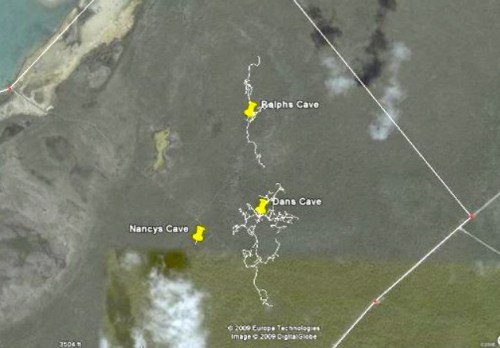
The most spectacular cave systems are the adjacent Ralph’s and Dan’s Caves. These systems are believed to be linked, and I know Brian has been trying to find where they meet – a difficult and dangerous task carried out underwater many metres below the forest floor, and requiring sophisticated diving equipment and great expertise. 

Abaco's Underground Caves (Hitoshi Miho, with Brian Kakuk)Abaco's Underground Caves (Hitoshi Miho, with Brian Kakuk)Abaco's Underground Caves (Hitoshi Miho, with Brian Kakuk)

The latest 3-day exploration involved 12 dives and nearly 30 hours underwater in Ralph’s Cave. Narrow passages open out into massive caverns filled with wonderful and complex crystal stalagtites and stalagmites formed over eons. I hope you enjoy examples from the ‘Rooms’ and passages, many with exotic names (Glass Factory, Ninja Passage, Erabor); some more prosaic (Fred’s Room). Then try to imagine that you are actually swimming there.

Abaco's Underground Caves (Hitoshi Miho, with Brian Kakuk)Abaco's Underground Caves (Hitoshi Miho, with Brian Kakuk)Abaco's Underground Caves (Hitoshi Miho, with Brian Kakuk)

I shall be posting some more photos in due course showing some of the details of the cave formations – intricate patterns, delicate tracery, irridescent colouring, pencil-thin rods, ‘rock’ folds that look like the finest linen. As always I am immensely grateful to both intrepid divers for use permission. I won’t pretend that these thrilling caves are easily accessible – this is emphatically not an adventure to try unguided with a snorkel and flippers. But as you drive along the highway past miles of forest, it’s worth reflecting that far below you are some of the most magnificent cave systems anywhere in the world – right there, on your very own island… 

Abaco's Underground Caves (Hitoshi Miho, with Brian Kakuk) Abaco's Underground Caves (Hitoshi Miho, with Brian Kakuk) Abaco's Underground Caves (Hitoshi Miho, with Brian Kakuk)

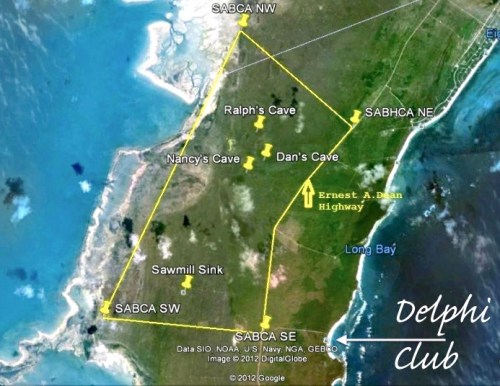
As it happens, the Delphi Club is very close to these caves, which lie within the boundaries of the newly created ‘South Abaco Blue Holes Conservation Area (see map). This is one of several such conservation areas on Abaco and in the wider Bahamas that are designed to protect the natural resources of the islands from development and exploitation. The second map shows how tantalisingly close Dan’s and Ralph’s caves are… and suggests that further exploration may lead to the missing link.

abaco-caves-map-jpgAbaco Caves Ralph & Dan jpg

Finally, here is a 4-minute video of one small part of the exploration, which gives a very good idea of what is entailed in investigating the narrow passages and huge cathedral-like caverns. Welcome to the Fangon Forest…

Hitoshi Miho, Ralph's Cave, Abaco

Unknown's avatar

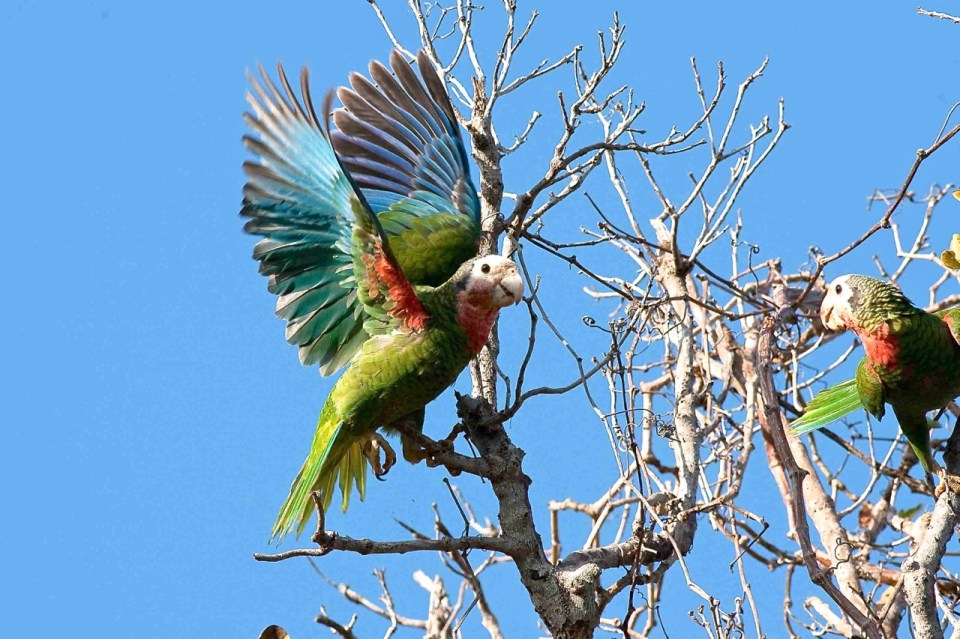
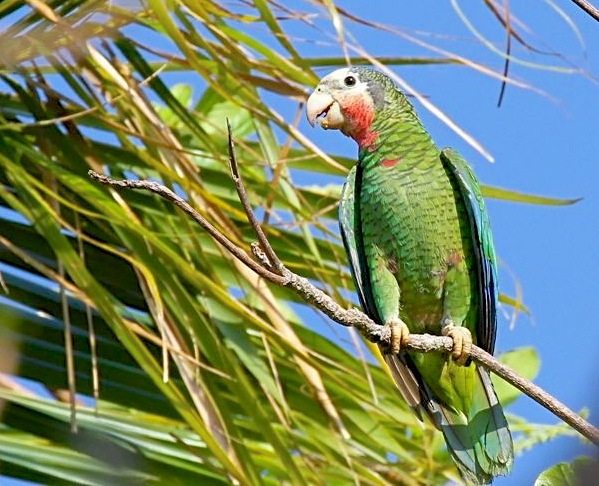
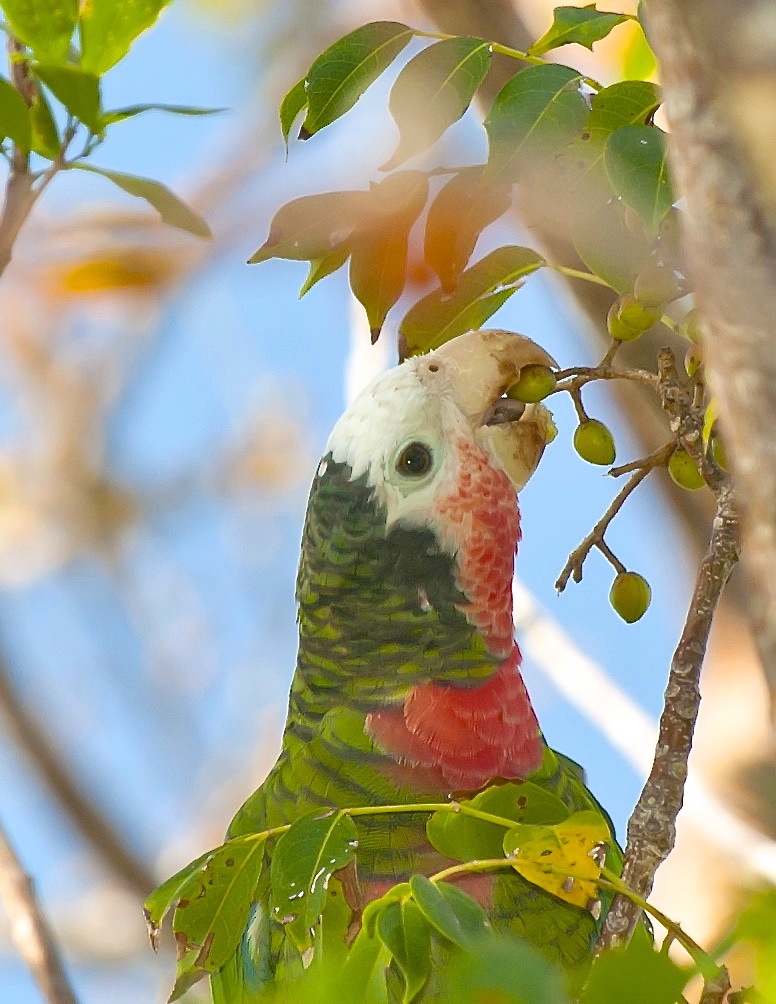
ABACO PARROTS: BRIGHT GREEN, RED & BLUE = HAPPY CHRISTMAS TO YOU


Abaco (Cuban) Parrot Pair (Melissa Maura)

ABACO PARROTS: BRIGHT GREEN, RED & BLUE = HAPPY CHRISTMAS TO YOU

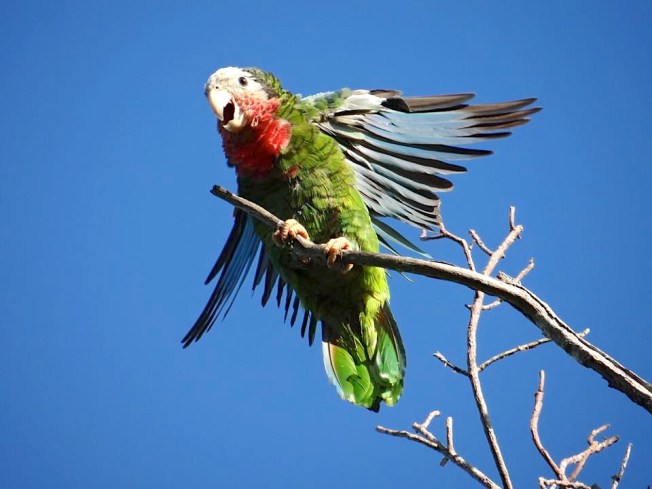
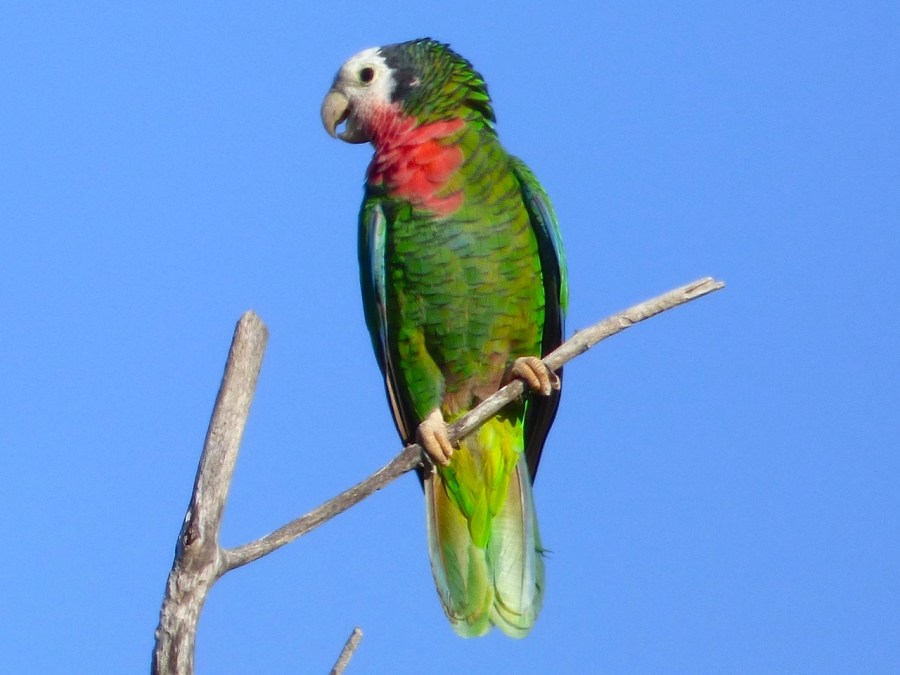
Painted buntings in the last post. And now some Abaco parrots. To adopt the joyous strangled yell of Noddy Holder (Slade, 1973, “Merry Christmas Everybody”)** “It’s….. CHRISTMASSSSSSS“. Abaco’s famous and unique ground-nesting parrots are about as seasonally festive as you could wish for. Bright, colourful, noisy and impossible to ignore. The run-up to Christmas is the perfect moment for a gallery of these fine birds that are making a very promising recovery from near-extinction thanks to intensive conservation measures over the last few years. There’s a caption competition at the end, too. Post your idea as a comment and there even may be something it it for the winner…

Abaco (Cuban) Parrot Pair (Melissa Maura)Abaco Parrots (Peter Mantle)Abaco Parrot (Keith Salvesen)Abaco (Cuban) Parrot (Craig Nash)

INTERMISSION

Abaco / Cuban Parrot (Bruce Hallett)Abaco Parrot eating Gumbo Limbo fruit. Abaco Bahamas (Tom Sheley)Abaco (Cuban) Parrot (Keith Salvesen)

CAPTION COMPETITION

It’s Christmas. Season of Good Will. But what on earth is going on here…?Abaco (Cuban) Parrot Pair (Melissa Maura)

Credits: Melissa Maura (1, 2, 9), Peter Mantle (3), Keith Salvesen / RH (4, 8), Craig Nash (5), Bruce Hallett (6), Tom Sheley (7); Audio recorded by RH & Mrs RH at Bahamas Palm Shores

**  FESTIVE MUSICAL DIGRESSION (OPTIONAL)

[youtube https://youtu.be/0A8KT365wlA]

Unknown's avatar

“HARRY POTTER & THE MAGIC BAND” (A PIPING PLOVER STORY)


PIPL PINK22 Harry Potter π Stehanie Egger copy

“HARRY POTTER & THE MAGIC BAND” (A PIPING PLOVER STORY)

by ROWLING HARBOUR

It was a bright sunny morning and the sand on the beach was warm under Harry Potter’s bare feet. Although by now a very experienced flyer, his recent adventures during his epic 1000-mile journey had left him very tired. All his friends that had undertaken the same long flight were tired too. Now they were enjoying a quiet, peaceful time away from all the dangers they had somehow survived during their scary expedition (see Harry Potter and the Migration of Fear). It would be a long time, Harry said to himself – maybe as long as 6 months – before he wanted to have another experience like that. He wondered when Ron Piper and Hermione Plover would arrive. He hadn’t even found them yet… 

_Piping_Plover_on_the_Fly (USFWS Mountain-Prairie wiki)

But the little group on a remote shoreline on Abaco were not as safe as they thought. Unknown to the happy, sleepy plovers on the beach, they were already being stalked by two creatures. This determined pair had one sole aim – to find plovers, to catch them and to carry out scientific experiments on them. That’s three aims, in fact. The editor would surely fix that error later (No – ed.). Would Harry and his friends soon find themselves in mortal peril from these formidable adversaries, these beasts with huge brains, armed with the latest technology? What magical powers would be needed to combat the imminent danger creeping stealthily towards them? The male definitely had a spine-chilling look about him; the female appeared less daunting – but might therefore be all the more dangerous…

TOPO & STEG PIC JPG   piping-plover

Suddenly, Harry felt a sense of danger. Fear ruffled his neck feathers and his little left foot started drumming impatiently on the sand. He’d felt like this several times before, like that time the Dark Lord had driven a SUV straight at him on that nesting beach many miles away, the one where he cracked out (see Harry Potter and the Vehicle of Dread). And when the massive dog came and sniffed round the nest when he was a tiny chick (see Harry Potter and the Hound of Horror). Instinctively, he grabbed a magic meat-string from the damp sand, ate it, and took to the air… only to be caught up in some sort of fearsome spider’s web (a mist net – ed.). He was trapped. He struggled bravely, peeping out his anger at this cruel trick. But it was no good – he was caught fast, and wriggling only seemed to make it even worse. The massive creatures were running towards him fast, shouting in triumph – they had got Harry exactly where they wanted him – at their mercy…

A Mist Net (if unsuccessful, A Missed Net)Mist Net jpg

Just as Harry had started to believe that his last moment had arrived, an amazing thing happened. Instead of dispatching him with a swift blow to head, as the Dark Lord might have done, he was gently removed from the net and softly held in the female’s hands. His instant fear that she might crush him to a horrible mangled pulp rapidly lessened. Why, she was even talking to him. And those voices. They sounded not so much fearsome as friendly. But were they lulling him into  false sense of security, only to wreak an evil vengeance upon him? (*Spoiler Alert* No – ed.).

The Steph of Egger with captive Harry Potter, & wearing the cap of the mysterious ‘Delphi Club’1484646_10205144305680789_2528266936610237451_n

Then suddenly things got worse. Much worse. Harry was slowly wrapped in a large white blanket and laid on something that wasn’t sand. Something hard. What were they planning to do with him now. He heard the male – Harry had now concluded that he must be dealing with the Avian Overlord himself, the infamous Todd of Pover, first cousin of Severus Snipe – mutter an incantation: “54 grams. Pretty good. 54 grams. Have you got that”. Yes, they’d taken his dignity and his weight but there had been no pain. Yet. Harry began to relax a little.

10957577_10205144275960046_8670418050291183808_n

Meanwhile, Steph the Egger was making a strange rattling sound. As Harry was unwound from his shroud he suddenly saw a box filled to the brim with exotic jewels of the most opulent colours glistening in the sunlight. At once, he knew he had to have one of them. A beautiful pink one. One to wear on his leg. One that he could keep for ever. One that would always mean ‘Harry Potter’. That very one on the top. Just there. With the magic number 22 on it in black writing. And Harry started to breathe a special silent Piping Spell: ‘Please pick me up… in your hand… and fit the Magic Two-Two Band…’ 

10953155_10205138160647167_6364662204306663309_n

And, miraculously, the spell began to work. First, Harry was gently held as the Magic Band was put round his right leg. At the top, just where he wanted it. Harry shut one eye and repeated the spell.18265_10205144276640063_342488571243728001_n

Then despite an awful wound from an earlier battle, the Todd of Pover made sure the band was secure and would never come off. It would be there forever – the Harry Potter ID band. By this time Harry didn’t even mind the indignity of being turned upside down.1688061_10205144276200052_1782966976770605282_n

Finally, it was done. Really, the jewel was more like a flag than a band. But Harry knew instinctively that it would take a massive effort for his story to be rewritten to make this clear from the start, so he decided to let it pass. Band. Flag. What did it matter. It was his prize, gloriously his. 

And then he was passed to Steph the Egger. Harry presumed she got her name for her ability to find nesting birds in that other place he had flown South from. And now, here she was, holding him tenderly, talking to him and telling him how cool he looked. Even her bright red claws did not seem so frightening now. Except… WHAT WOULD HAPPEN TO HIM NOW?

10169303_10205144274240003_5908333687210042239_n

Suddenly, Steph the Egger stood up and Harry found himself several feet above the safe warm sand. Steph held him out in front of her and then, in an instant, he was free… Free to fly away with his beautiful pink jewel band, his special number, and an intuition that wherever he might be, and whoever saw him, they would always know that he was Harry Potter for as long as he lived. Against all odds he had gained… THE MAGIC BAND.

10931116_10205144276720065_5757419875474692020_n

piping-plover

POSTSCRIPT

No one knows when Harry Potter left Abaco last spring, nor where he spent his Summer. All that can be said with certainty is that 12 months later he was found again on the same beach, Long Beach Abaco, in the same place. 5 other PIPL were pink-banded with him last year by the National Audubon, Virginia Tech, BNT, and CWFNJ team (pink being the colour used for Bahamas birds). Of those 6, 5 have been resighted on the same beach in the last few days. They migrated north last Spring, spent the Summer probably in different locations yet found their way back to the same place on Abaco to overwinter together again.

GENDER NOTE In fact it isn’t clear if HP is male or female (see below). He might be Harriet Potter. But I have played safe and stuck with the gender implied by his given name…

Harry Potter Pink 22 UR on Long Beach Abaco, 3 Dec 2015, a year after he was banded therePIPL PINK22 Dec 3 2015 Long Beach Abaco 1 (Stephanie Egger) copy PIPL PINK22 Dec 3 2015 Long Beach Abaco 2 (Stephanie Egger) copy

STEPH THE EGGER EXPLAINS THE NAME, NUMBER & QUIDDITCH PIC

“I helped band this piping plover last winter, and called him “Harry Potter.” I know 22 isn’t Harry’s quidditch number (07), but 22 is for my birthday when I mostly seem to be down in Abaco. We don’t know where Harry Potter bred this year as no reports came in for him (or her). Maybe next season!

DISCLAIMER RE HEADER IMAGE I don’t suggest making silly photos of all “named” birds as this is an endangered species that we should certainly take very seriously. That said, I do think that names help people connect to the species and it also aids the researchers in id’ing (my personal opinion)”.

piping-plover

Credits: Stephanie Egger, Todd Pover, Conserve Wildlife Foundation of New Jersey & co-banding teams, USFWS Mountain-Prairie (PIPL in flight), Birdorable, Rowling Harbour, and star of the show Harry Potter Pink 22 UR. Apologies to JKR for feeble pastiche.
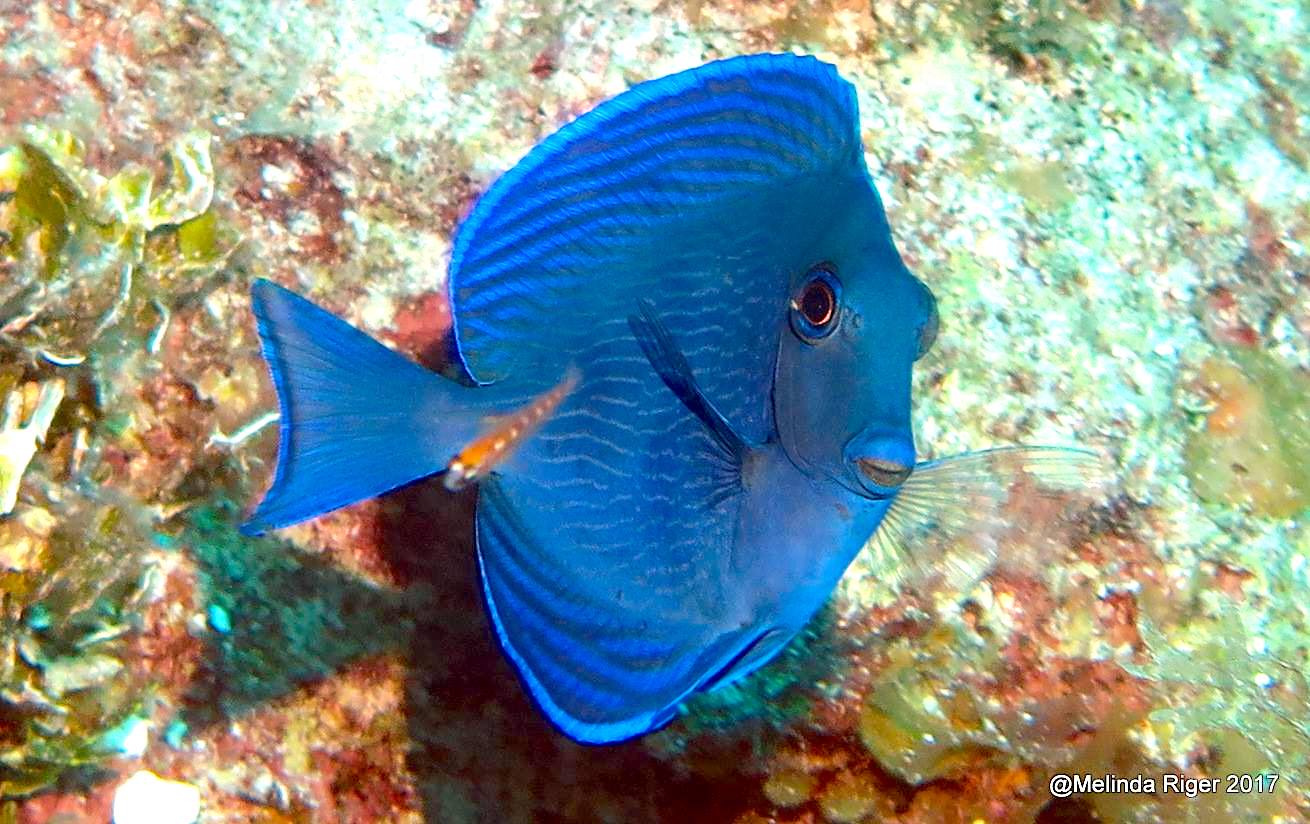
Unknown's avatar

HAWKSBILL TURTLES: WONDERFUL… & CRITICALLY ENDANGERED


Hawksbill Turtle ©Virginia Cooper @ G B Scuba

HAWKSBILL TURTLES: WONDERFUL… & CRITICALLY ENDANGERED

Hawksbill Turtle ©Melinda Riger @ G B Scuba copy 3

Hawksbill turtles are found throughout the tropical waters of the Atlantic, Pacific, and Indian Oceans. They avoid deep waters, preferring coastlines where sponges are abundant and sandy nesting sites are within reach. They are normally found near reefs rich in the sponges they like to feed on. Hawksbills are omnivorous and will also eat molluscs, marine algae, crustaceans, sea urchins, fish, and jellyfish. 

Hawksbill Turtle Range (Nat Geo)map-hawksbill-turtle-160-cb1447865323

Turtle with Gray Angelfish ©Melinda Riger @ G B Scuba

WHY ARE HAWKSBILLS CRITICALLY ENDANGERED?

  1. Despite the protection of their shells, turtles are predated on by large fish, sharks, octopuses, and (unlawfully) humans.
  2. Hawksbills are slow breeders, mating only every 2 or 3 years, which is the first drawback to species survival.
  3. Having laid the resulting eggs on a beach, the female returns to the sea. The eggs hatch after a couple of months. Unless, of course, some creature – and that includes humans – has got to them first…
  4. Hatchlings are hugely vulnerable as they make their way from the nest site to the sea. However fast they scurry along, crabs and in particular flocks of gulls are faster. Also, they may have to negotiate impossible obstacles washed up onto the beach  (see below). The attrition rate of  tiny turtles at this stage is very considerable.

Hawksbill Turtle ©Melinda Riger @ GB Scuba copy

SO, HUMANS ARE BASICALLY IN THE CLEAR, RIGHT?

Humans can take most of the credit for the turtles plight leading to their IUCN ‘critically endangered’ listing, in these mostly illegal ways:

  • Killing adult turtles for food or…
  • …for their beautiful shells
  • Digging up turtle nesting sites to take the eggs as food
  • Catching turtles in fishing nets as unintended but often inevitable BYCATCH
  • Providing a rich stew of plastic, styrofoam & other dietary or physical hazards in the ocean
  • Degrading or destroying the nesting sites, & indeed the reefs on which turtles depend

A hatchling tries to clamber over beach rubbish to get to the seaTurtle traps - Melissa Maura copy

A straw is extracted from a turtle’s nostril (small pics on purpose – I spared you the long video)Turtle & straw 1 (Nathan Robinson : Chris Figgener) Turtle & straw 2 (Nathan Robinson : Chris Figgener) Turtle & straw 3 (Nathan Robinson : Chris Figgener)

This poor creature was found just in timeHawkbill Turtle Plastic breathecostarica copy

Assorted plastic effects (the turtle trapped in the beach chair was off Man-o-War Cay) Sea Turtle tied up in balloon string (Blair Witherington : NOAA) copyphoto copy 7 This turtle, which was found floating in North Man-O-War Channel, died as a direct result of being entangled in human trash(in this case, a lawn chair) copy IMG_1346 copy

PLEASE CAN WE GO BACK TO HAPPY PICTURES?

Healthy hawksbills happily living the northern Bahamas reef lifeHawksbill Turtle (m) (Melinda Riger @ G B Scuba) Hawksbill Turtle (flipper damage) ©Melinda Riger @ GB Scuba

RELATED POSTS

TURTLEY AMAZING

SEA TURTLE THREATS

BABY TURTLES WITH PHIL LANOUE

Hawksbill Turtle & photo ©Melinda Riger @ G B Scuba

Credits: Melinda Riger & Virginia Cooper of Grand Bahama Scuba for the main photos; Melissa Maura, Nathan Robinson, Friends of the Environment and other FB sharers for the small images; National Geographic for range chart and information