I’ve mentioned the swallowtail butterflies of Abaco before, but I have never shown the 3 main species together. They are such handsome creatures that’s it time to give them a place in the sun. These are my favourite butterflies. Ah yes – equally with the wonderful ATALA HAIRSTREAK.
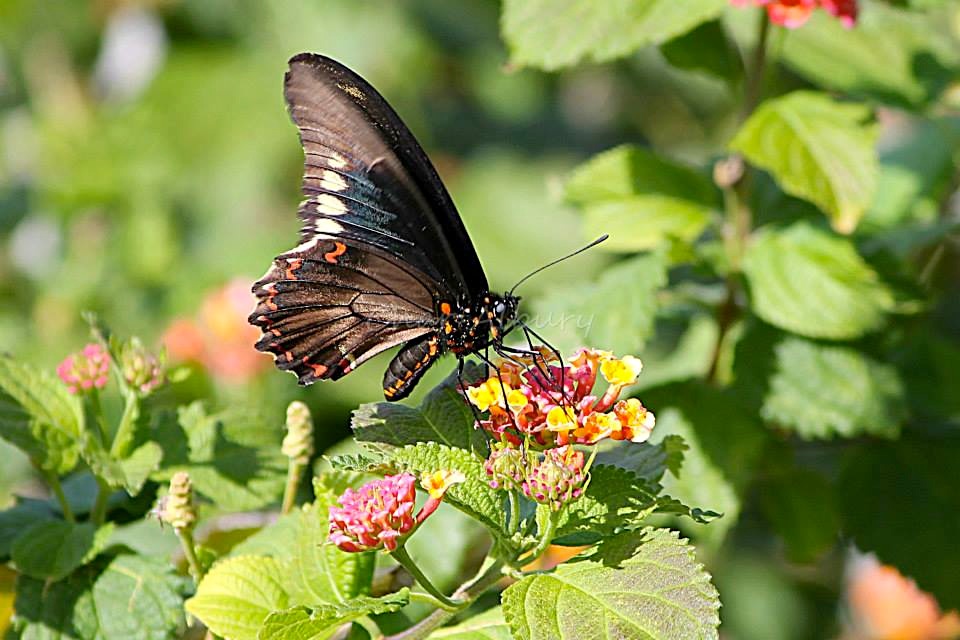
BAHAMA (BAHAMIAN) SWALLOWTAIL
This fine swallowtail Papilio andraemon has a range beyond the islands of the Bahamas. It is also found on Cuba and Jamaica. Occasionally they are found as strays on the Florida Keys or on the mainland in the Miami region.
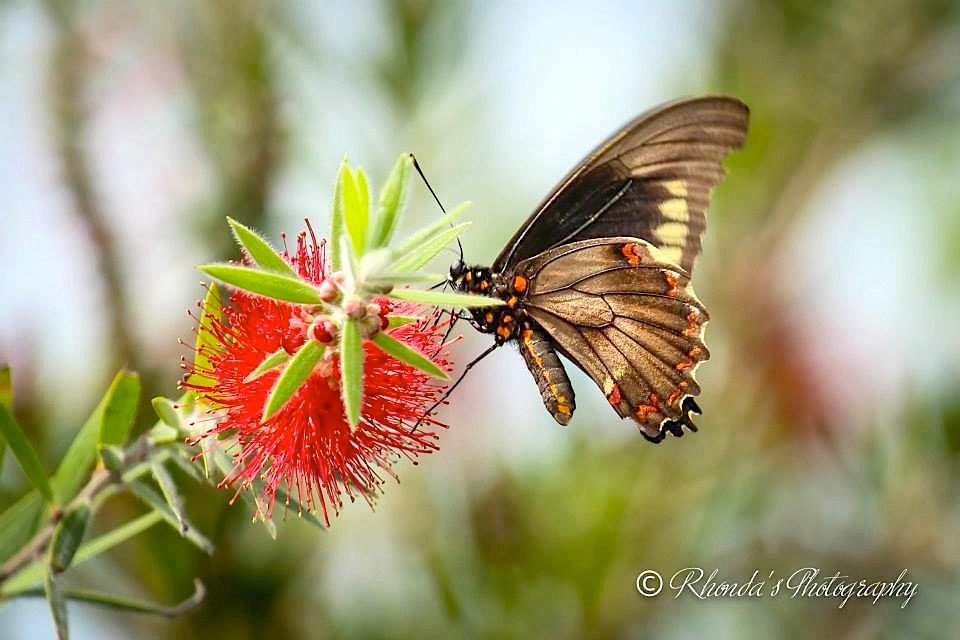
POLYDAMUS (‘GOLD-RIM’) SWALLOWTAIL
This is the species you are most likely to encounter as they cruise rapidly from flower to flower, constantly on the move, with wings fluttering even as they feed. Hard to get good photos of them, therefore. But some (though sadly not me) manage it somehow…
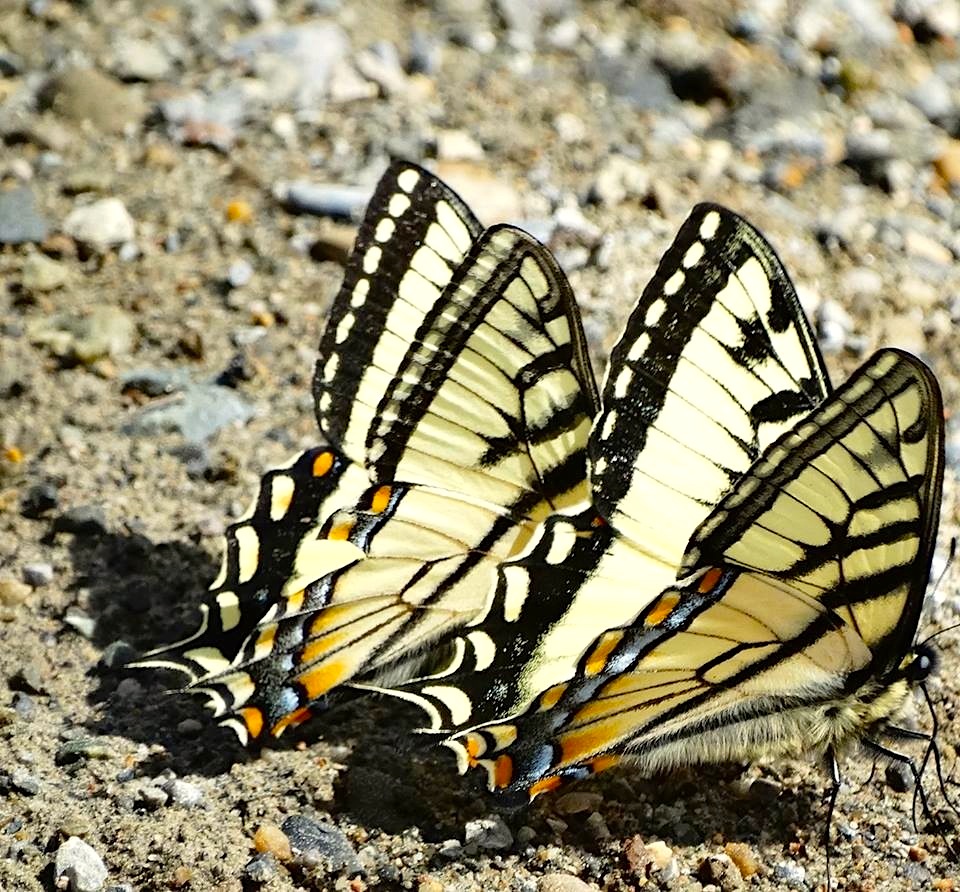
TIGER SWALLOWTAIL
I suspect this species – common in the eastern USA – is quite rare on Abaco. I have never seen one, and these ones photographed by Uli Nowlan at Treasure Cay are the only pictures I have seen. And what lovely creatures they are.
DISQUALIFIED ENTRIES
RIGHT SPECIES, WRONG CONTINENT – EUROPEAN SWALLOWTAIL
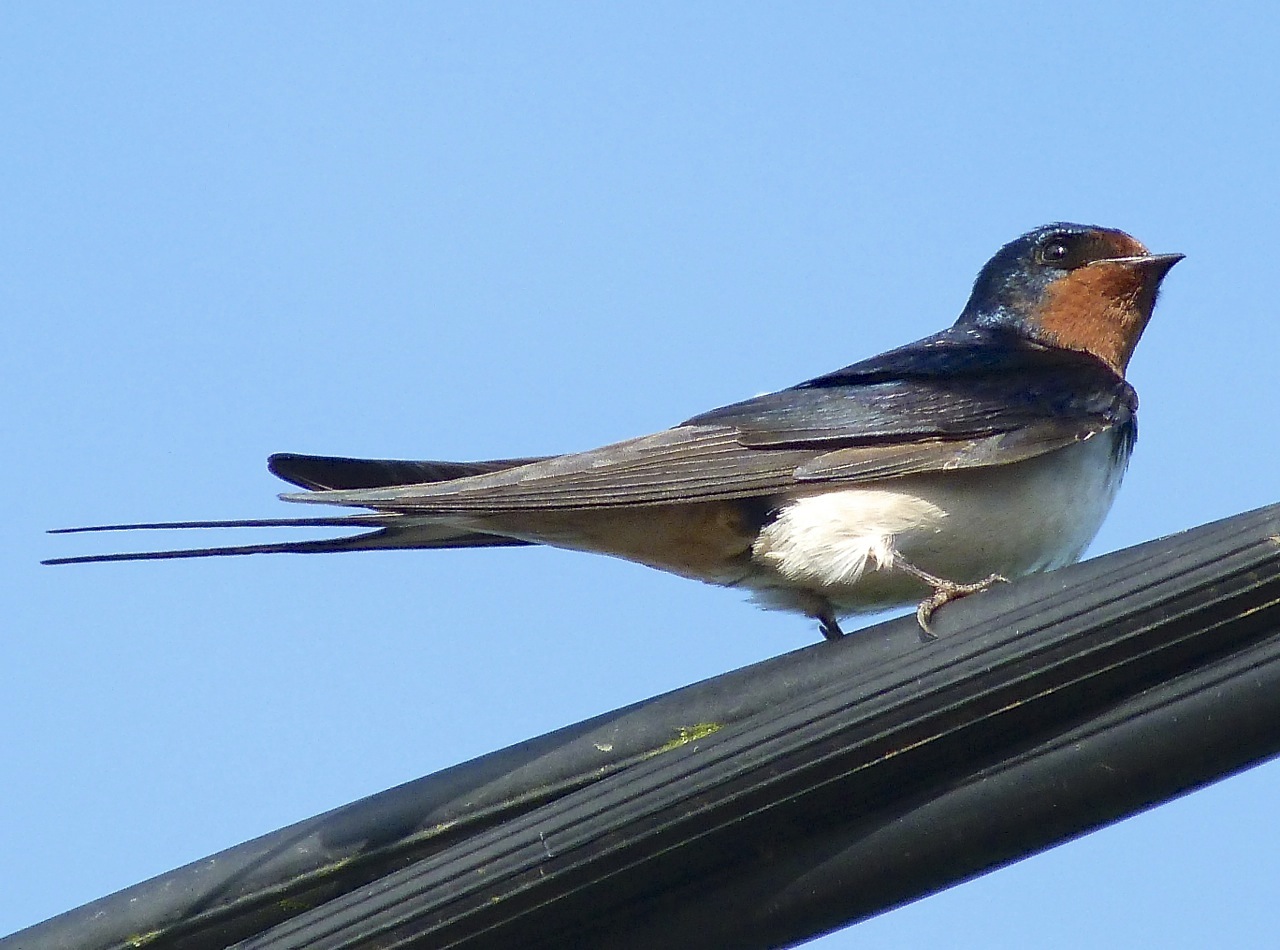
RIGHT COUNTRY, WRONG CREATURE – BAHAMA SWALLOW TAIL, ABACO
WRONG CREATURE, WRONG CONTINENT – EUROPEAN SWALLOW TAIL
RIGHT EVERYTHING, HOPELESS PHOTO (how they usually behave for me…)
A new season – the seventh – of the Delphi Club is now underway. There are fish to be caught, poolside inactivities to relish, chef-prepared meals to eat and a capacious wine cellar to be explored. To which, add birds to be spotted. Delphi has turned out to be a superb place for birding – not a feature given prominence in the original prospectus… The Club’s remoteness and its rich mix of pine forest, coppice, gardens and a pristine one-mile beach ensure the prefect protected habitat for a vast number of bird species common, uncommon and rare.
Eighteen months ago, “The Delphi Club Guide to THE BIRDS OF ABACO“was published. The originator of the idea – as with the entire Delphi project – was of course Peter Mantle, the publisher. The book took 16 months from conception to the arrival of three pallets of printed books on the dockside in Marsh Harbour, having travelled by a tortuous route from specialist printers in Italy.
The book was launched at the Delphi Club in March 2014, to generous enthusiasm and support both on Abaco and beyond. 75% of the edition has been sold already. In addition, Abaco schools, libraries and wildlife organisations have been given copies for educational purposes. A percentage of profits is to be given to local wildlife causes. We couldn’t be more pleased with the response to this lavish book, a unique publication in the Bahamas.
The incremental growth of social media is rapid. Blogs gain readers. Facebook and Twitter pages gain new friends and followers. The start of this new Delphi season is therefore a good moment to post a reminder about the book, illustrated with a few of the wonderful bird species featured. And… ahem… there are only 57 more ‘sleeps’ until Christmas.
The Guide showcases the rich and varied bird life of Abaco, Bahamas and features both resident and migratory species including rarities and unusual sightings. The main features are as follows:
272 pages with more than 350 photographs
163 species shown in vivid colour – nearly two-thirds of all the bird species ever recorded for Abaco
Every single photograph was taken on Abaco or in Abaco waters
All birds are shown in their natural surroundings – no feeders or trails of seed were used
Several birds featured are the first ones ever recorded for Abaco or even for the entire Bahamas
A total of 30 photographers, both experienced and amateur, contributed to the project
The book has had the generous support of many well-known names of Abaco and Bahamas birding
A complete checklist of every bird recorded for Abaco since 1950 up to the date of publication was compiled specially for the book.
A neat code was devised to show at a glance when you may see a particular bird, and the likelihood of doing so. Birds found at Delphi are also marked.
Specially commissioned cartographer’s Map of Abaco showing places named in the book
Informative captions intentionally depart from the standard field guide approach…
…as does the listing of the birds in alphabetical rather than scientific order
Say goodbye to ’37 warbler species on consecutive pages’ misery
Say hello to astonishing and unexpected juxtapositions of species
The book was printed in Florence, Italy by specialist printers on Grade-1 quality paper
Printing took pairs of printers working in 6 hour shifts 33 hours over 3 days to complete
The project manager and the author personally oversaw the printing
The book is dedicated to the wildlife organisations of Abaco
A percentage of the proceeds of sale will be donated for the support of local wildlife organisations
A copy of the book has been presented to every school and library on Abaco
The book is published by the Delphi Club (contact details below). The project was managed by a publishing specialist in art books. The author is the wildlife blogger more widely known on Abaco and (possibly) beyond as ‘Rolling Harbour’. Oh! So that would in fact be Mrs Harbour and myself. Well well! What are the chances?
The Delphi Club at Rolling Harbour
PO Box AB-20006, Marsh Harbour, Abaco, Bahamas
Tel: +1-242-366-2222
“I GET AROUND”: PIPING PLOVER TUNA’S GUEST POST (3)
Hi again, readers of Mr Harbour’s blog. Tuna here. This is part 3 of my diary. I’m 4½ months old now, and getting on famously here on Abaco. Especially now the big wind and waves have gone away [Hurricane Joaquin – ed]. Someone called me ‘Abaco’s favourite plover’, which really fluffed up my feathers. I’ve started to explore a bit and meet more birds just like me*. Turns out they are all Travellers from the North too – what are the chances? [100% – ed]
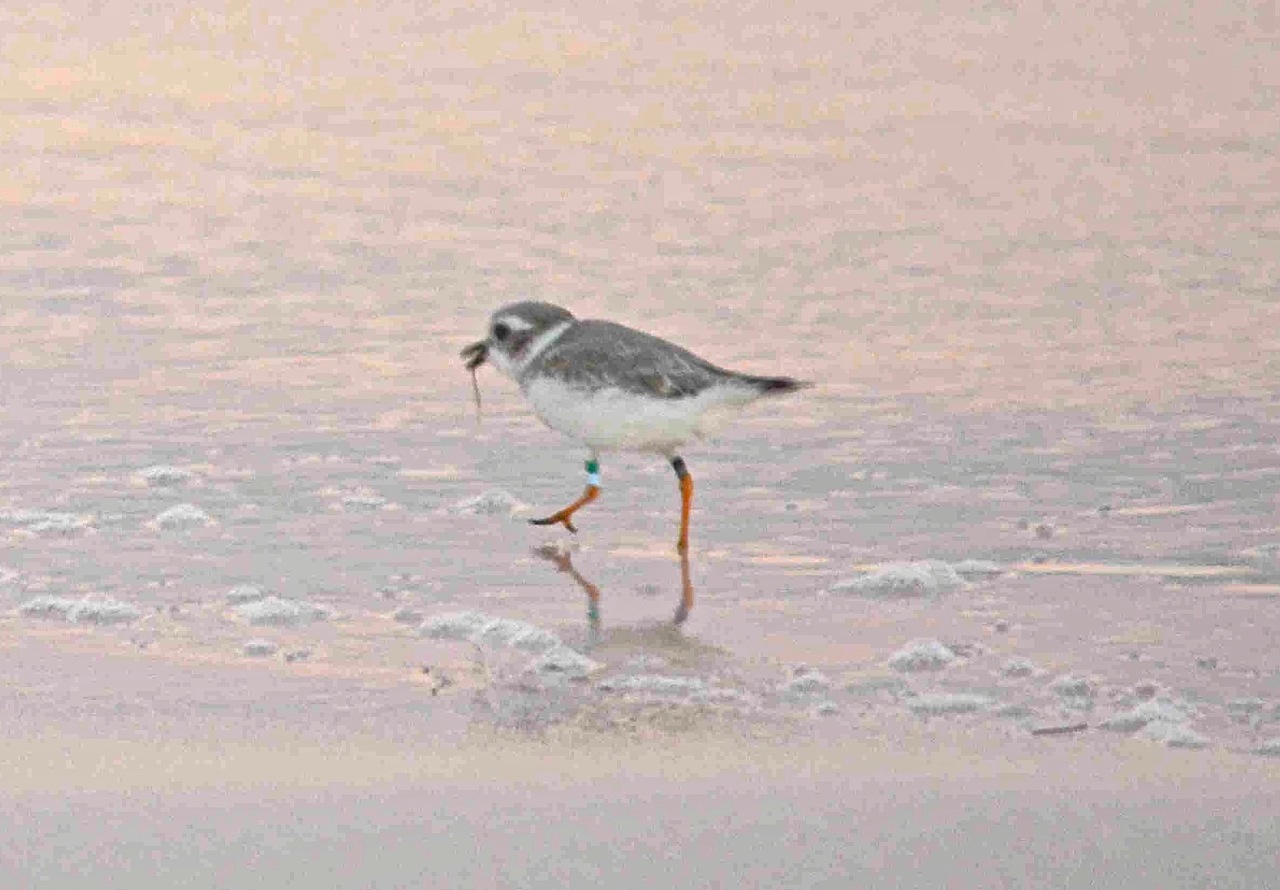
*How do I know what I look like? Well it’s easy. When I am chomping meat strings in the sunshine on the edge of the water, there’s a picture of me in the water doing the exactly same thing at the same time only upside down. Like these two friends of mine here.
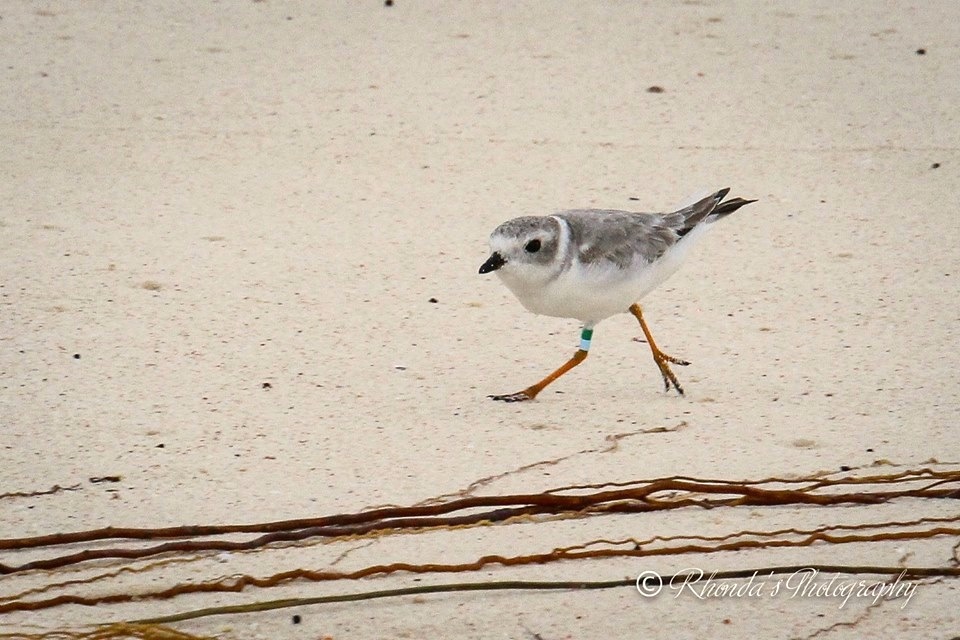
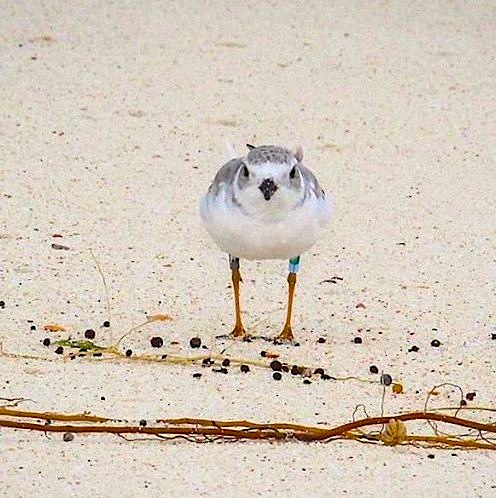
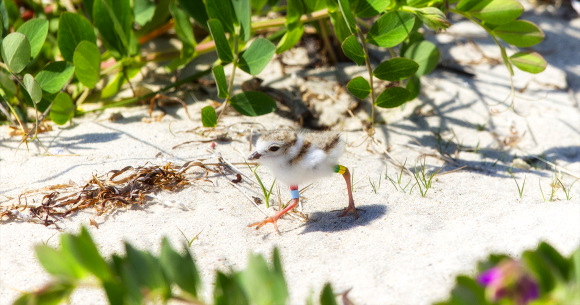
I do a lot of running about on the beach. Back and forth. Up and down. Into the water and out again. It’s a busy life. And I’ve only got little legs. In case anyone worries that Michelle’s 4 smart rings hurt me or get in the way, I never feel them. They are just a part of who I have always been since she picked me up the day after I cracked out.
I’ve met lots of birds that are different from me, too. Some live here all the time, others are Travellers from the North too. I’m relying on Mr H here to show you some of the guys I hang out with these days. We all kind of mix up and if you don’t try to find meat strings where the bigger birds want to find them, it’s very friendly. Actually they are all bigger than me!
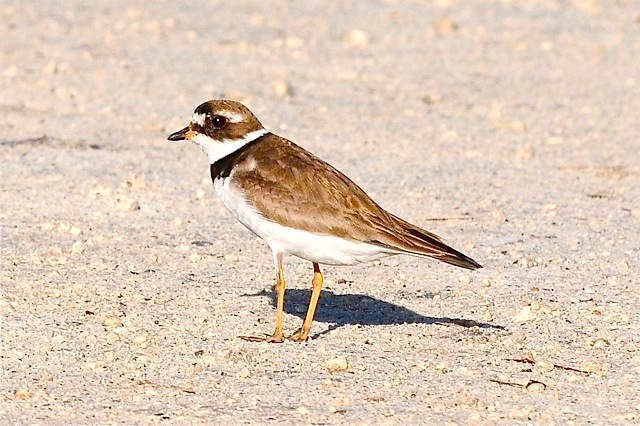
Sandpiper, Semipalmated Plover, Ruddy Turnstone, Wilson’s Plover (all on Abaco)
I’ve made my first trip to a different beach. I decided to fly round and explore, and I saw lots more sand so I flew there and stayed a couple of days. Like a little holiday. A nice man [Keith Kemp] saw me there and told Mr H about my coloured bands. That’s how he knew I’d moved and he told my watcher Rhonda so she didn’t go looking for me on my home beach and get worried that I wasn’t there. Then I flew back there after a couple of days and Rhonda found me there again yesterday.
Tuna on his vacation from Watching Bay to Winding Bay. Note meat string in #1
I’ve got a new game I’ve been playing when Rhonda comes to see me. She sits down on the beach and puts shells all round her in the sand. So I come over and have a look at them (once I pecked the cloth thing she sits on. Urrch! It wasn’t food). Then she uses that thing that makes a plover noise [the focus sound on her camera – ed] and I put my head on one side to listen.
There’s another reason I put my head on one side. Sometimes really really big birds fly over the beach. Huge dark ones. I like to keep an eye on them. I think they may be trouble. So I put my head on one side so I know exactly where they are in the sky until I feel safe.
This is me back on my beach after my trip. Green on Blue (L); Black on Grey (R) = TUNA
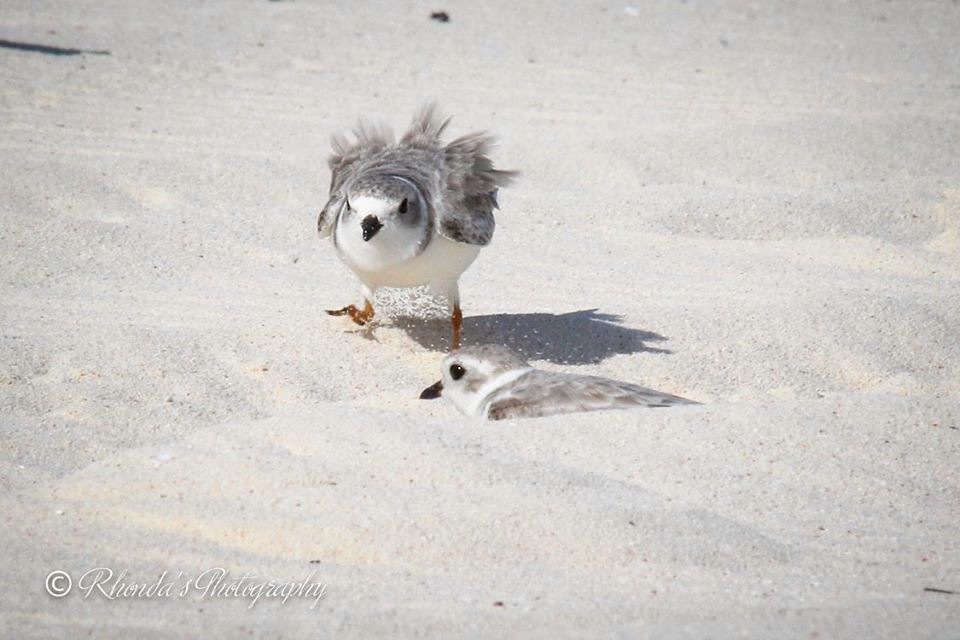
This is a New Friend on my beach, one of 3. They don’t have any bands but they are Travellers from the North like me. In this game I lie low in a hole in the sand and my NF rushes at me kicking sand up like a crazy bird. Fun, huh?
More news from me soon. Cheeps from Tuna.
TUNA’S FIRST 4½ MONTHS
JUN 10 Hatched Edwin B. Forsythe NWR (Holgate Center), New Jersey
JUN 11 Banded & measured by Michelle Stantial
JUL 05 Fledged
AUG 28 First sighted on Abaco – preliminary ID
SEP 16 Seen again on the same beach – ID confirmed
SEP 22 Last sighting before Hurricane Joaquin
SEP 28 Paula (Tuna’s mother) re-sighted on Joulter Cays, Andros
OCT 03 Tuna safely back on the beach again after Hurricane Joaquin
OCT 20-23 Expedition to Winding Bay (ID there on Oct 22)
OCT 24 Found back on Watching Bay beach
NOTE If you ever wondered why birds are banded and what on earth use it is, the answer is in this story. Banding & tagging enables detailed research at both ends of the migration which in turn enables protection of the species and conservation of threatened habitats. There are only 8000 PIPL left. Degradation of the breeding grounds or the overwintering grounds – let alone both – may result in extinction. This seems to have been a good summer for the piping plover; let’s hope the winter treats them well so that this summer’s chicks like Tuna will be able to breed safely next year.
This Diary extract shows how an individual banded bird’s movements can be monitored within its chosen area, so that a picture can be formed of its habitat choices and range.
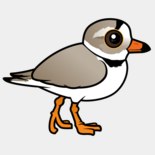
Credits: photos Rhonda Pearce, Keith Kemp, Craig Nash, Tony Hallett, Keith Salvesen; thanks to bander Michelle Stantial, birder & ‘Tuna Watcher’ Rhonda Pearce, CWFNJ & cohorts, Matt Jeffery and all other providers of info snippets; Birdorable for the cartoon; and Xeno-Canto for the recording
“OPHELIA READY FOR HAMLET”: BAHAMAS REEF FISH (27)
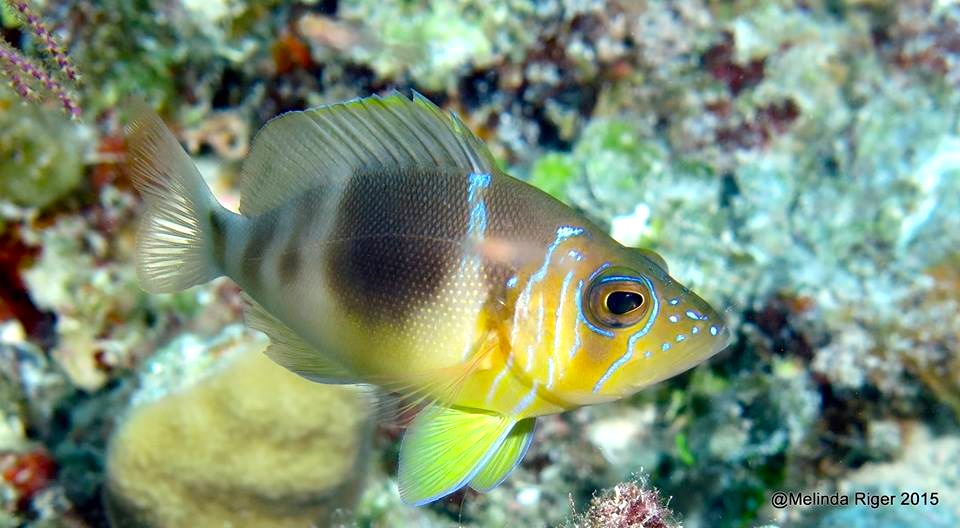
It’s a couple of years since I originally posted about the various species of HAMLET that inhabit the reefs of the Bahamas. I feel you are (geddit?) ready to see some more of these colourful little fish. Last time out, I worked over the Shakespearean possibilities quite thoroughly so I’ll spare you a repeat (apart from the inevitable title pun). If you really want to revisit the famous Hamlet Cigar ad or hear the theme music (Bach’s Air on a G String, shamelessly ‘borrowed’ by Procol Harum for ‘A Whiter Shade of Pale), you’ll find them HERE. Or just move straight on to 5 related but very different looking Hamlets cruising the Bahamas coral reefs.
INDIGO HAMLET
BARRED HAMLET
BLACK HAMLET
SHY HAMLET
BUTTER HAMLET
Credits: all photos Melinda Riger of Grand Bahama Scuba
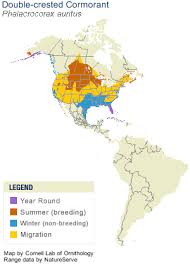
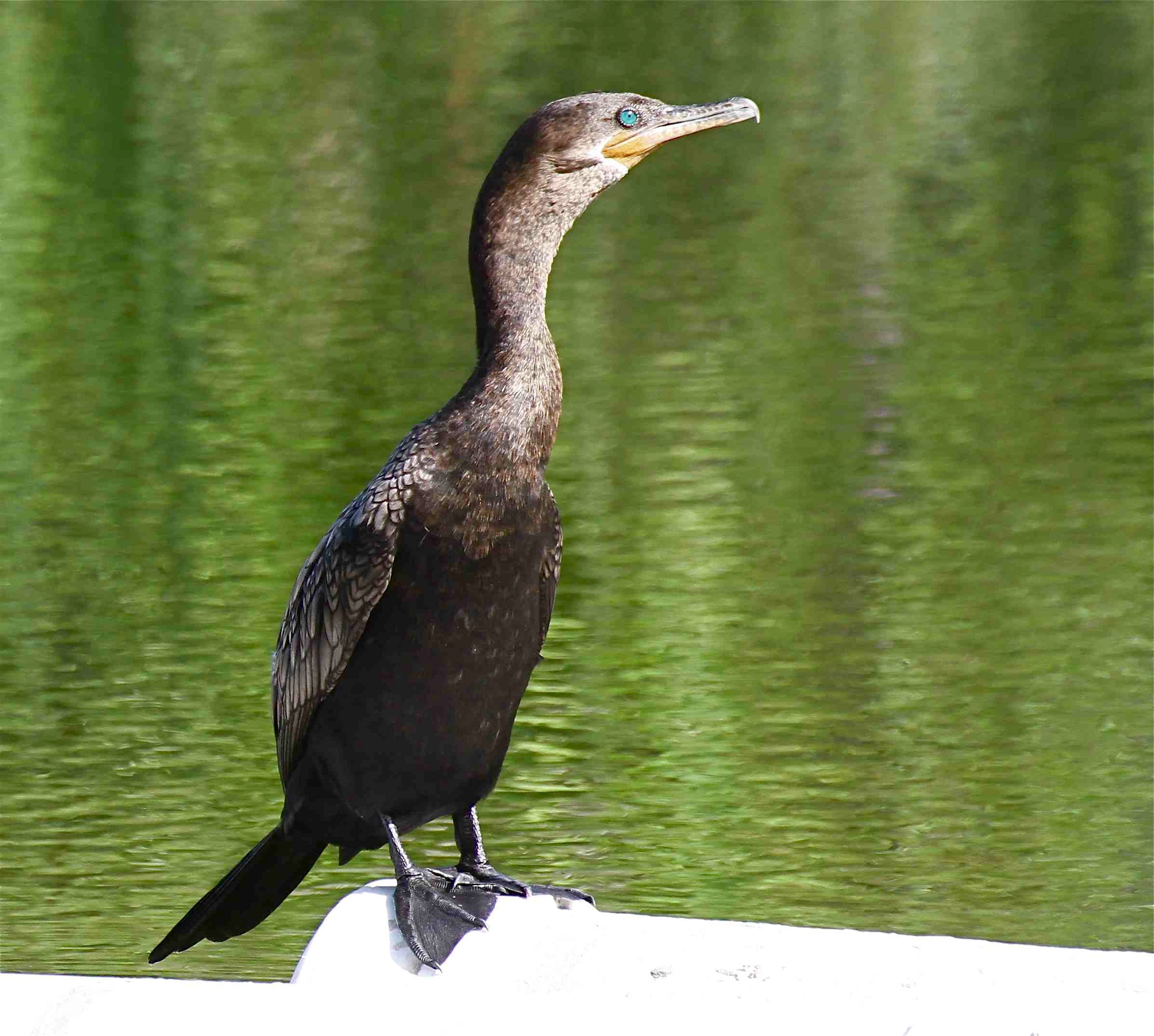
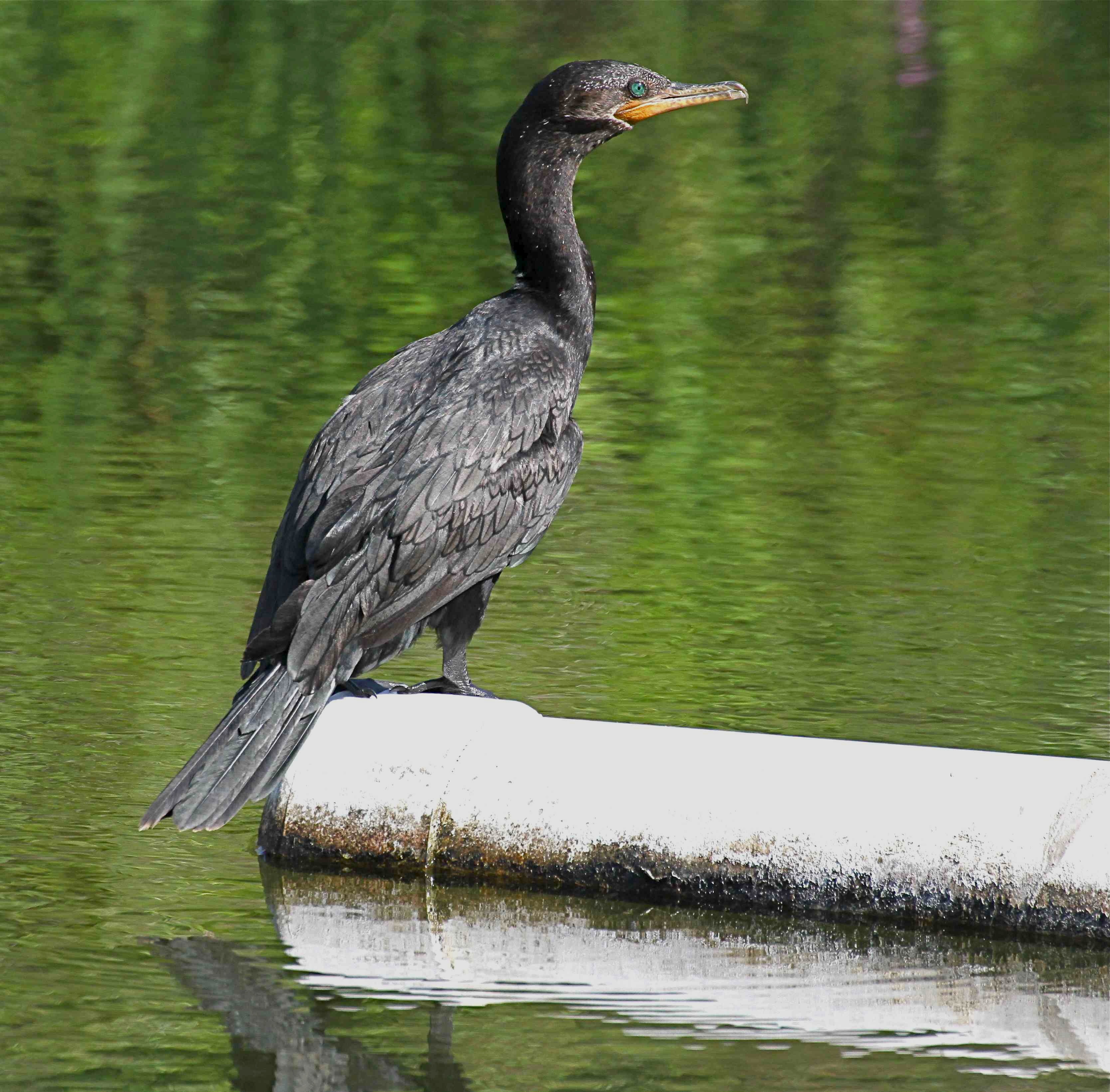
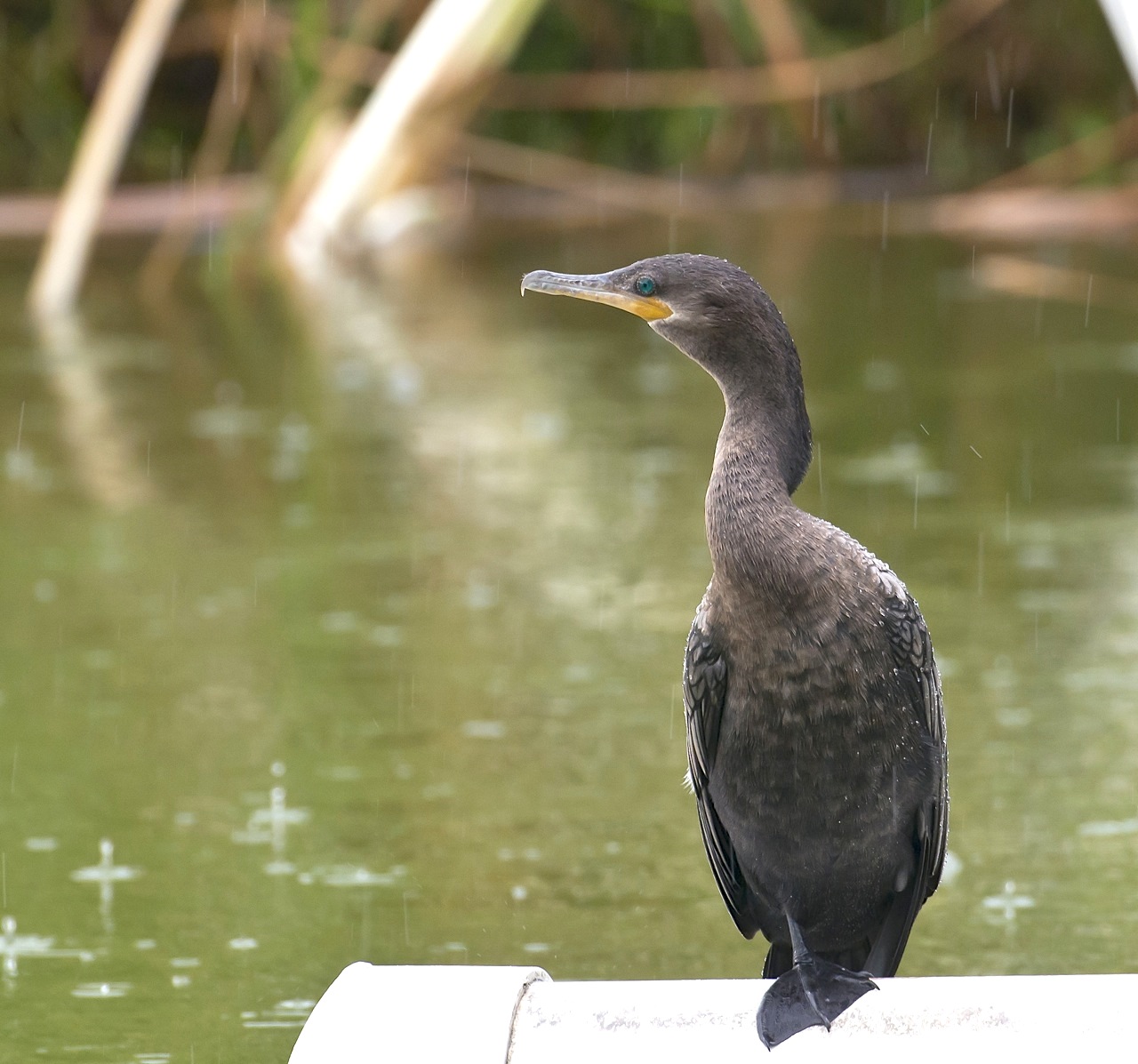
Neotropic or Olivaceous Cormorants Phalacrocorax brasilianus. Smaller cousins of the familiar double-crested cormorant, and occupying a quite different range. In the northern Bahamas they are considered to be uncommon summer residents whereas the big guys are common year-round residents. However the neotropics’ range has spread in the last decade and they may become more noticeable on Abaco. Right now, Abaco is pretty much the northern boundary.
In many ways, cormorants are taken rather for granted – ubiquitous black guardians of the coastal margins. But seen close-to, they have their glamour. This is especially true of the slimmer neotropics, with precious jewels for eyes and intricate plumage patterns that a mere fly-past cannot reveal.
Male and female neotropic cormorants: a caption contest in the making…
Besides being smaller and lighter than the double-cresteds, these cormorants have longer tails. They are mainly fish-eaters both at sea, and inshore where ponds are to be found. They make brief dives to find food; in groups they may combine to beat the water with their wings to drive fish into the shallows where they can be picked off more easily.
Neotropic cormorants are monogamous and breed in colonies. They build a platform of sticks a few metres above the ground or water in bushes or trees, where the eggs are laid. They produce one clutch (if that’s the right term for cormorants – maybe it’s just hens?) for the season. Here’s a fabulous photo of a double-crested cormorant nest, a similar structural arrangement, with 3 growing chicks. It was taken by JIM TODD, who uses a kayak to reach birds in less accessible places.
The eagle-eyed may have noticed that in some photos the birds seem to be standing on some kind of white pipe, as indeed they are. That is because a good bet for finding one in the summer is on the golf course pond in Treasure Cay, a most productive location for spotting water birds of many species. The pipes are to do with the watering arrangements. I think.
As I have written elsewhere, “Call in at the Clubhouse for permission first. And if you hear a loud yell of ‘Fore’, it’s not someone counting birds. It’s time to duck…”
Raining? What, me worry?
OPTIONAL MUSIC DIGRESSION
‘Emerald Eyes’ may ring a bell with some – and not just Eric Johnson followers either. It was the title of track #1 on the under-rated (largely ignored?) 1973 Fleetwood Mac album ‘Mystery for Me’, in many ways a turning point of a group already in rapid transition.This was their last UK-produced album, cut as the complications of a rich mixture of liquids, substances and other people’s spouses were becoming acute. Bob Welch managed to pen this rather nice song. You’ll need to turn up the volume a bit. Memory lane beckons…
Credits: Photos – Bruce Hallett, Tom Sheley, Jim Todd, Lycaon; Infographics – Allaboutbirds, Comingsbirds
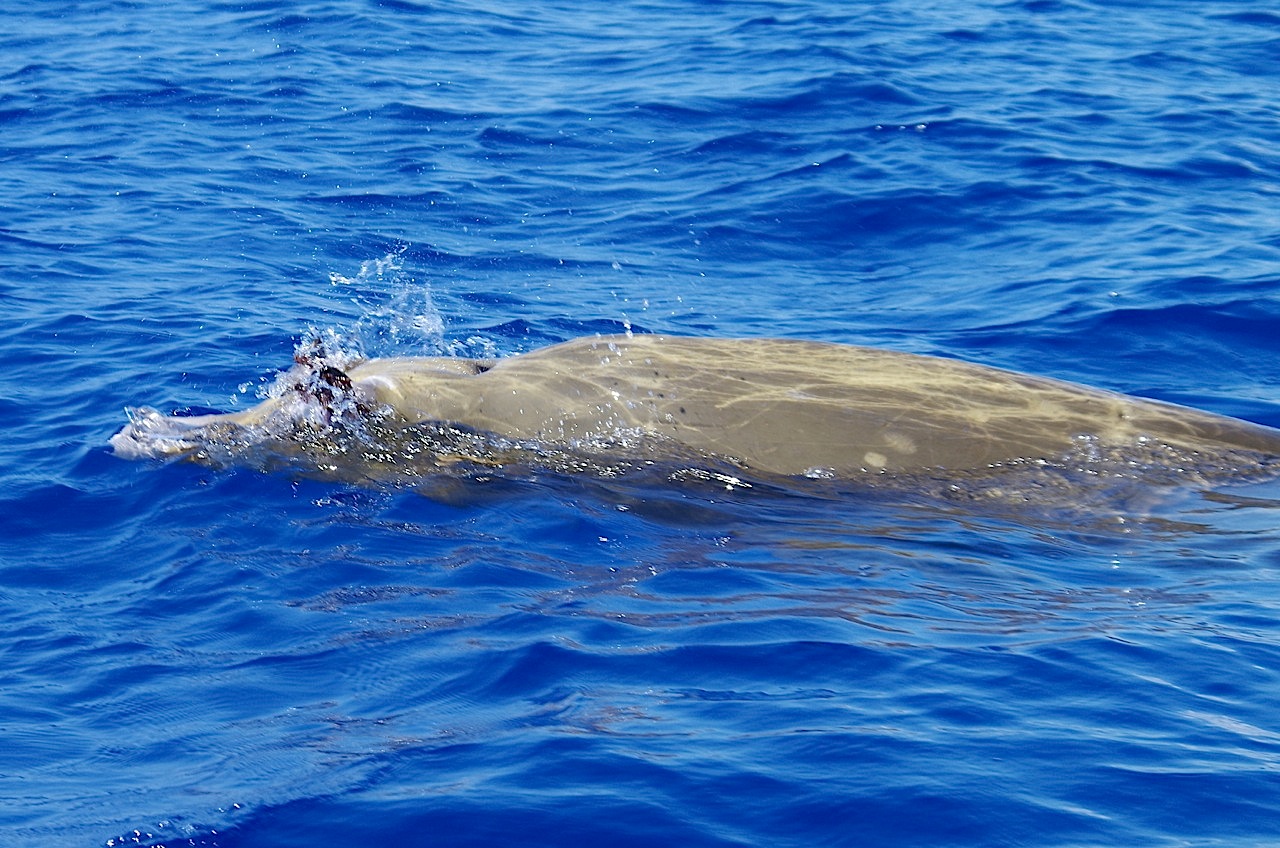
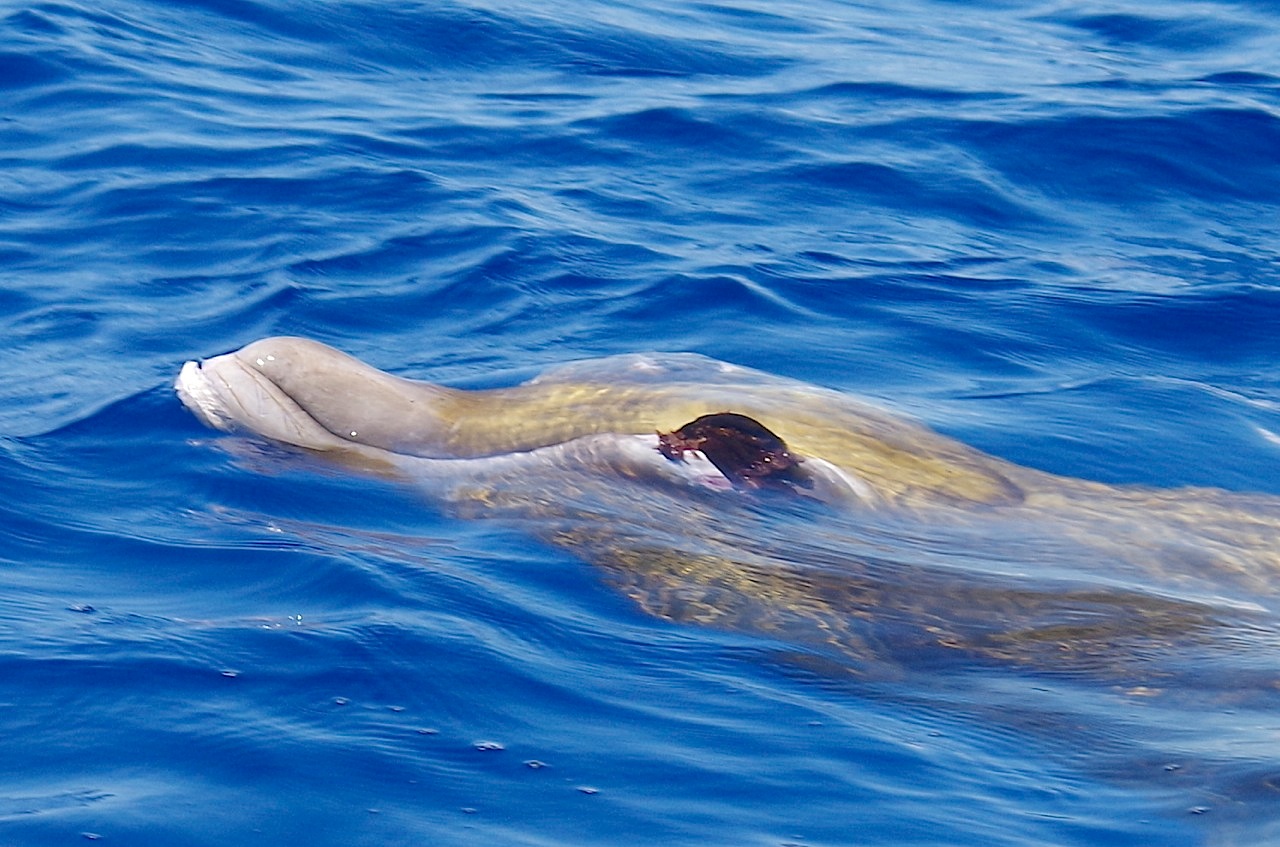
Adult male Blainville’s Beaked Whale with barnacle-encrusted teeth protruding from its lower jaw
WHALE TALES FROM ABACO (2): MALE BLAINVILLE’S BEAKED WHALE
This second post about the Blainville’s Beaked Whales of Abaco, Bahamas, relates to a prolonged encounter with a group of mothers, calves and a male. This was our second BBW sighting on the same day in March: the first is described HERE. Click the link to find out more details about these wonderful creatures, with plenty of close-up photos.
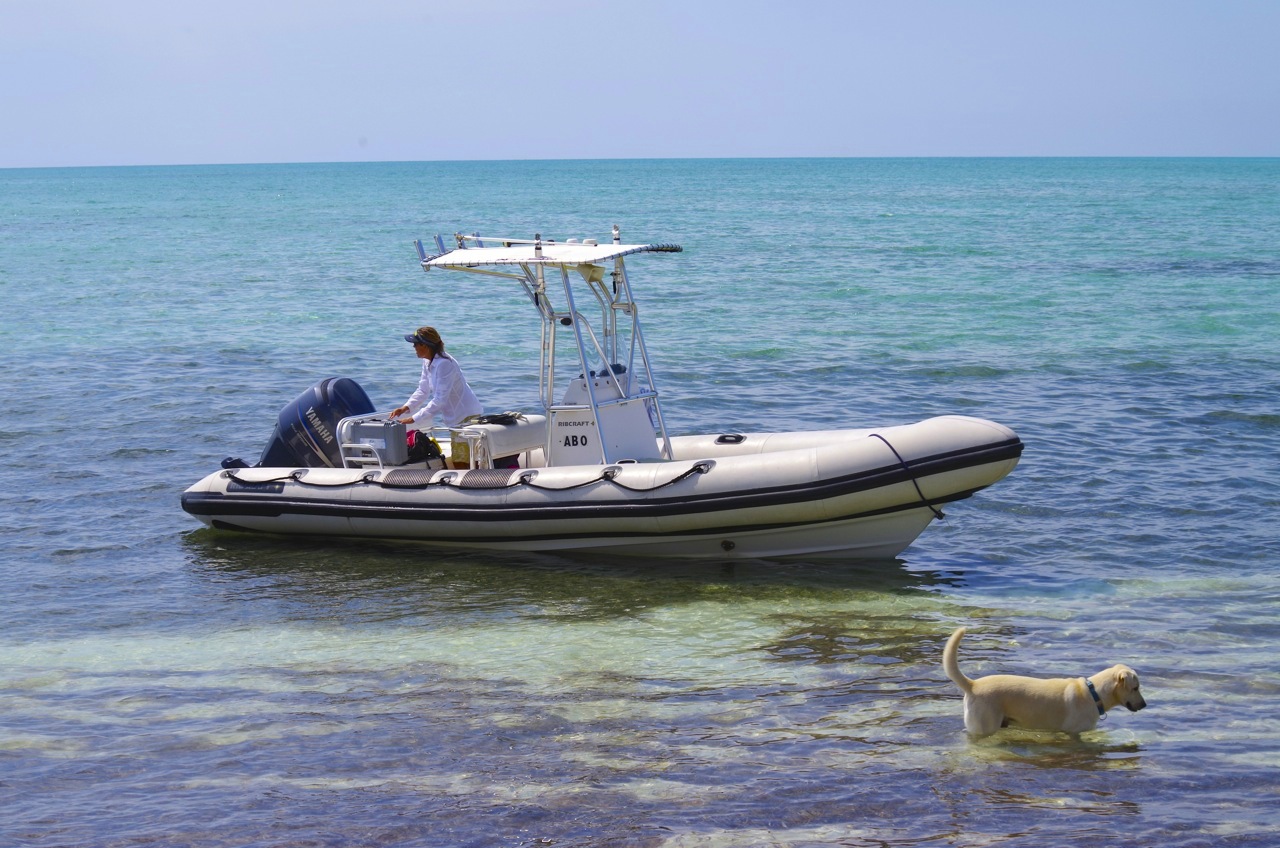
We had been invited by Charlotte and Diane of the Bahamas Marine Mammal Research Organisation BMMRO to spend a day with them on the research boat. This was our first chance to get close to whales, a chance made far more likely by (a) being with experts and (b) their specialist equipment…
Our first sighting was a short distance south of Rocky Point, as we moved into the deeper, darker ocean waters of the Bahama canyon, with the shoreline still clearly visible. We then visited HOLE-IN-THE-WALL in the RHIB and took a close look from the sea at the damage and destruction of the famous Hole caused by HURRICANE SANDY.
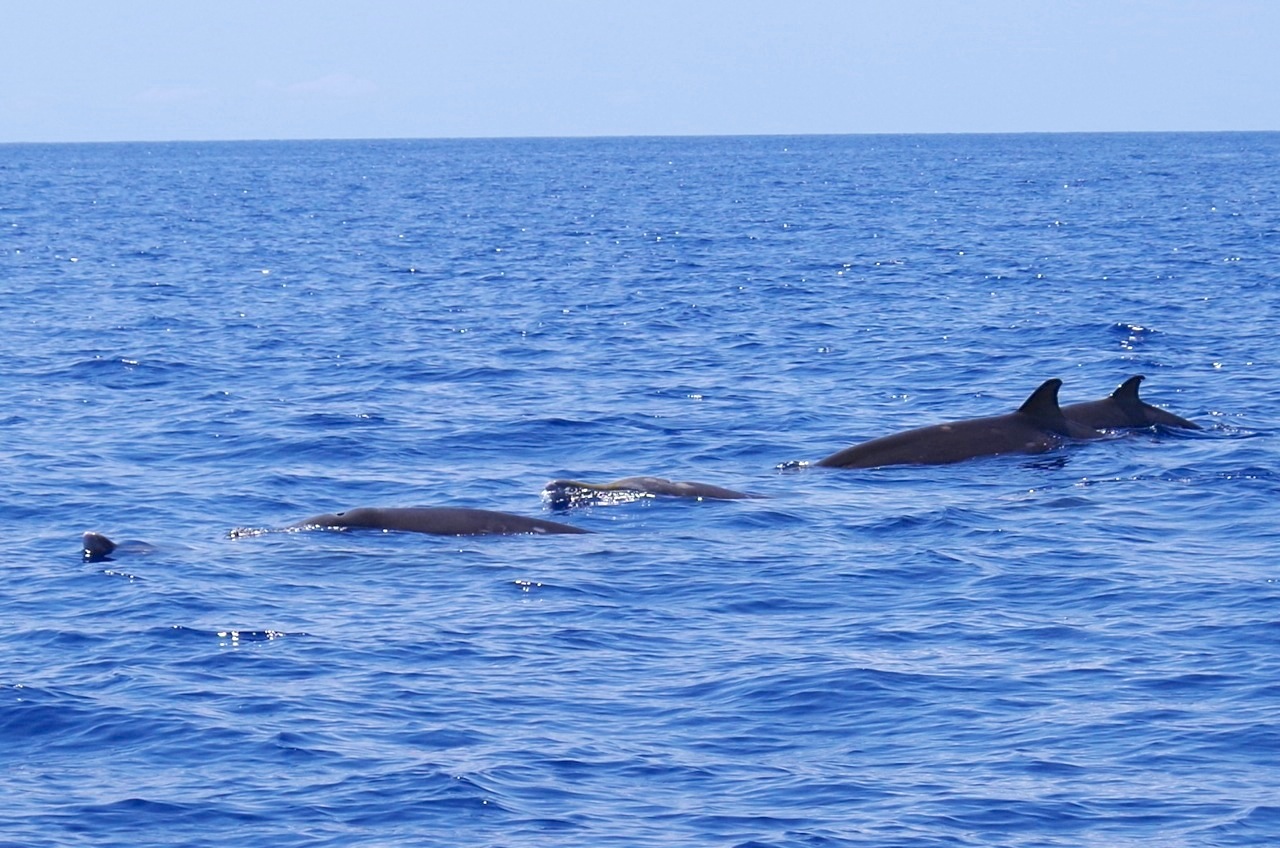
On the way back we paused as we got to the same area where we had seen the group earlier in the day. Within minutes, several whales came straight towards us. This photo shows 3 adults and, almost submerged, a calf.
For the next hour or so, they played around the boat like very large dolphins moving in slow motion. Usually these whales make a deep dive every 20 minutes or so and stay underwater for about the same time before resurfacing. These ones stayed with us throughout.
3 adults with 2 calves
Mostly they stayed quite – or very – close to the boat. Sometimes they swam across the bow or even under the boat. From time to time, they would move off some distance. Each time we thought they were moving on, and each time they soon returned. After a while the females and calves were joined by another whale – the less common sighting of a male replete with barnacle-encrusted teeth protruding upwards from his lower jaw.
The male initially stayed slightly further away from the boat than the others, perhaps assessing the threat to the group. Then he too joined in, passing and repassing the boat, swimming away and returning, remaining on the surface and offering a wonderful view of his noble head (see header image and below).
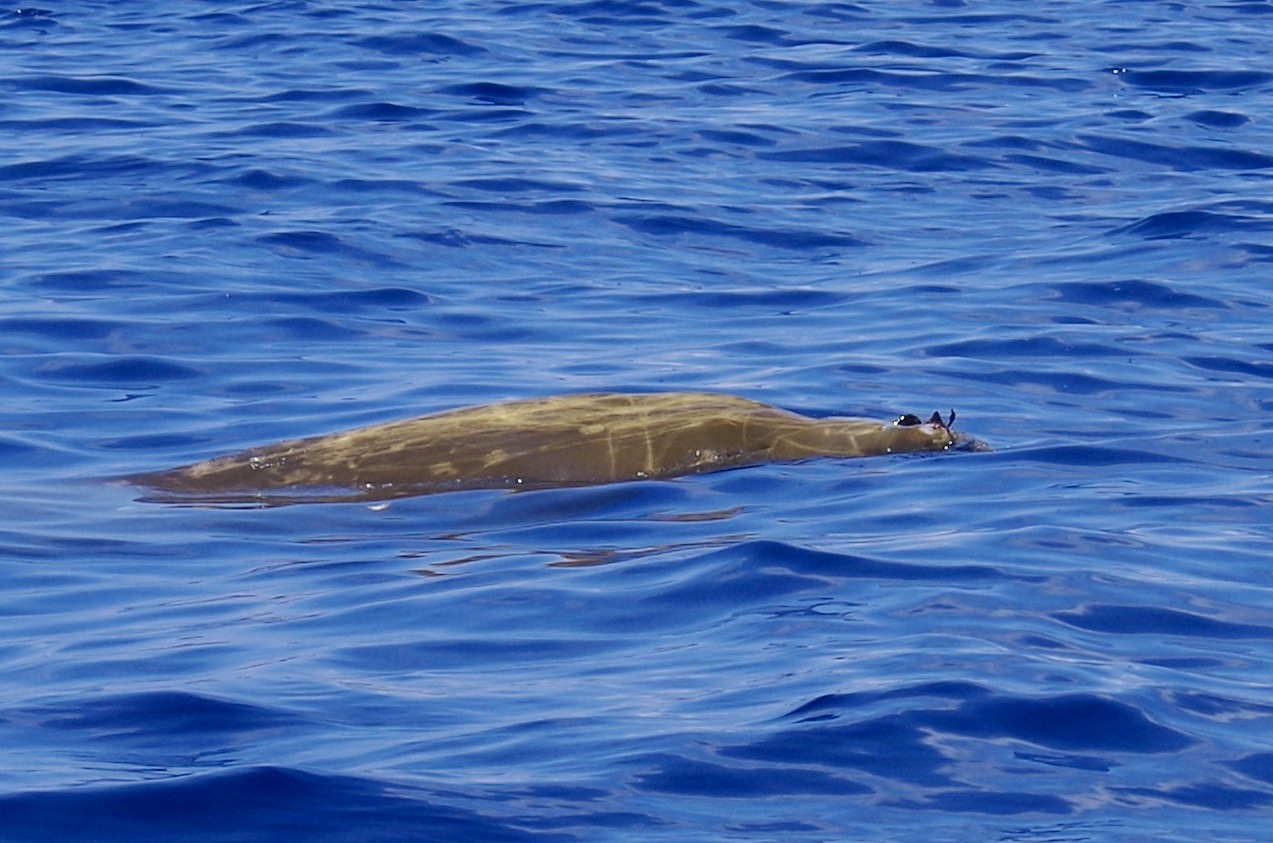
Looking at my photos later, I realised that a second male must have joined the group for a short time. The image below shows a male with far fewer barnacles – certainly not the male we had been watching.
It was remarkable to see these huge creatures behaving in much the same way as dolphins, swimming playfully around and under a boat, moving away, then returning for more. These whales are some 15 feet long and weigh about 2000 pounds. They were inquisitive, unafraid (even with calves in the group) and gentle. Maybe they sensed that they have been to subject of years of intricate research by Diane and Charlotte that will materially assist with the preservation their species. More likely, the group were simply enjoying themselves in the sun with a peaceful intruder in their territory.
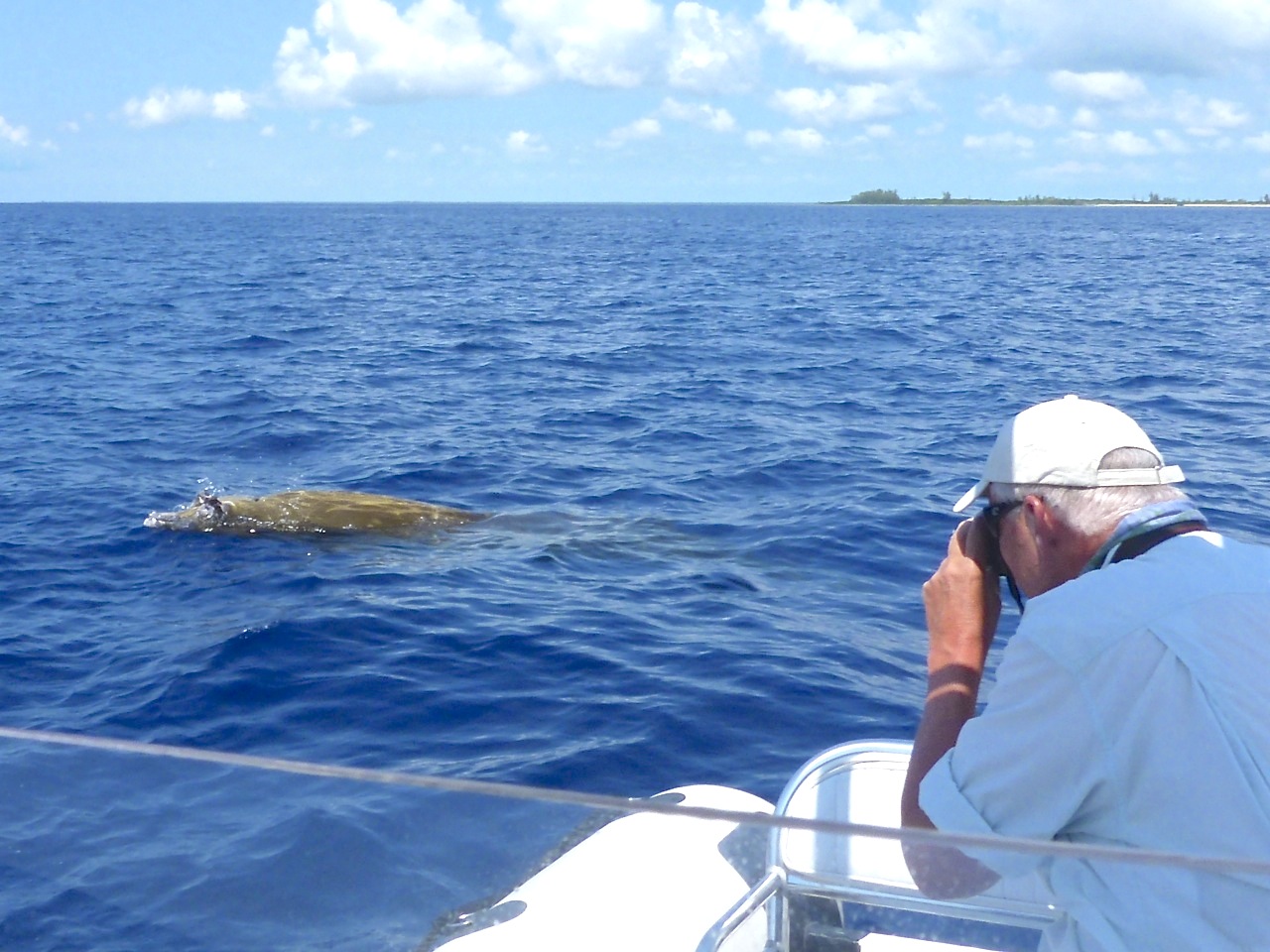
You don’t have to go miles offshore to see whales in Abaco waters
BMMRO research RHIB with Diane BMMRO HQ, Sandy Point, Abaco
Credits: All photos RH except one; Charlotte & Diane for a brilliant day out; Mr Blainville for a brilliant whale; Mrs RH for snapping me snapping the whale – a photograph that was featured in a competition in the Guardian Newspaper.
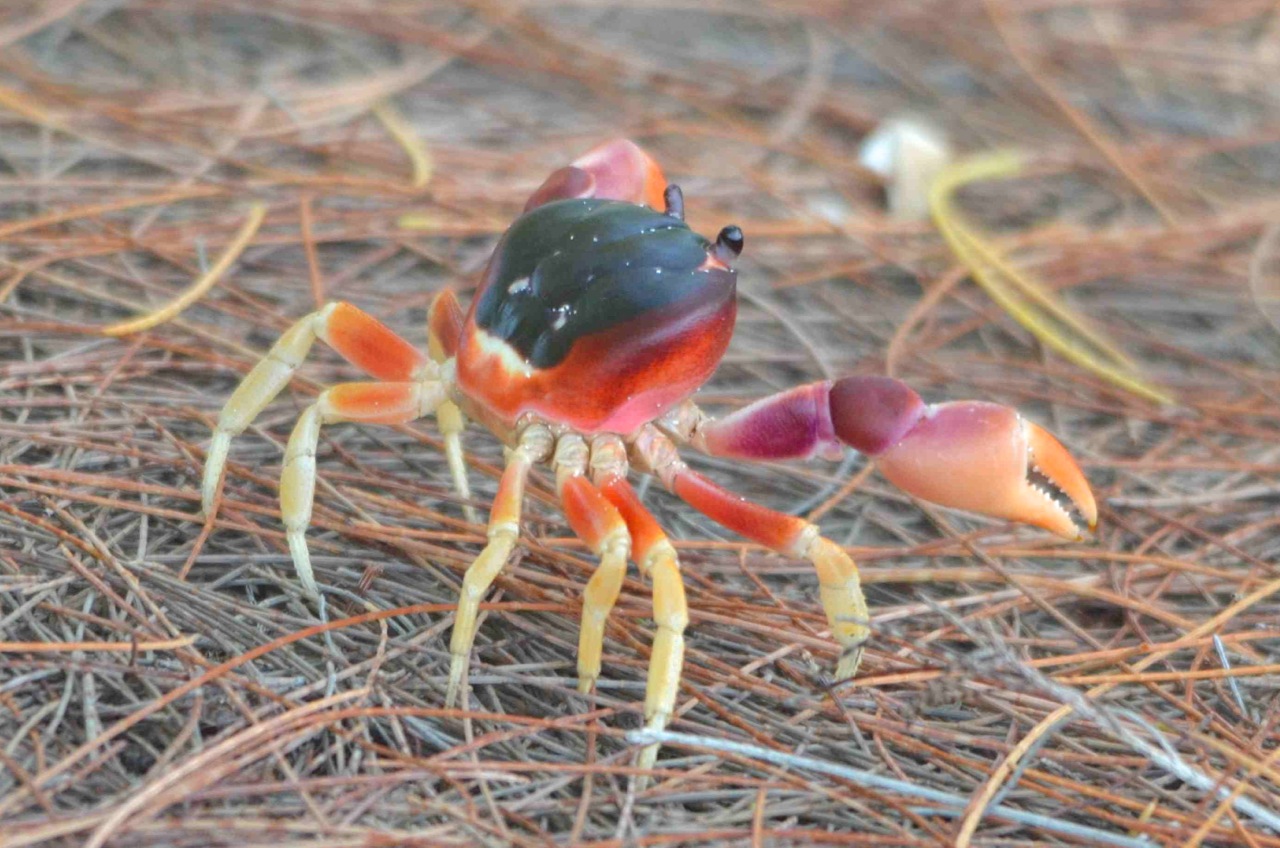
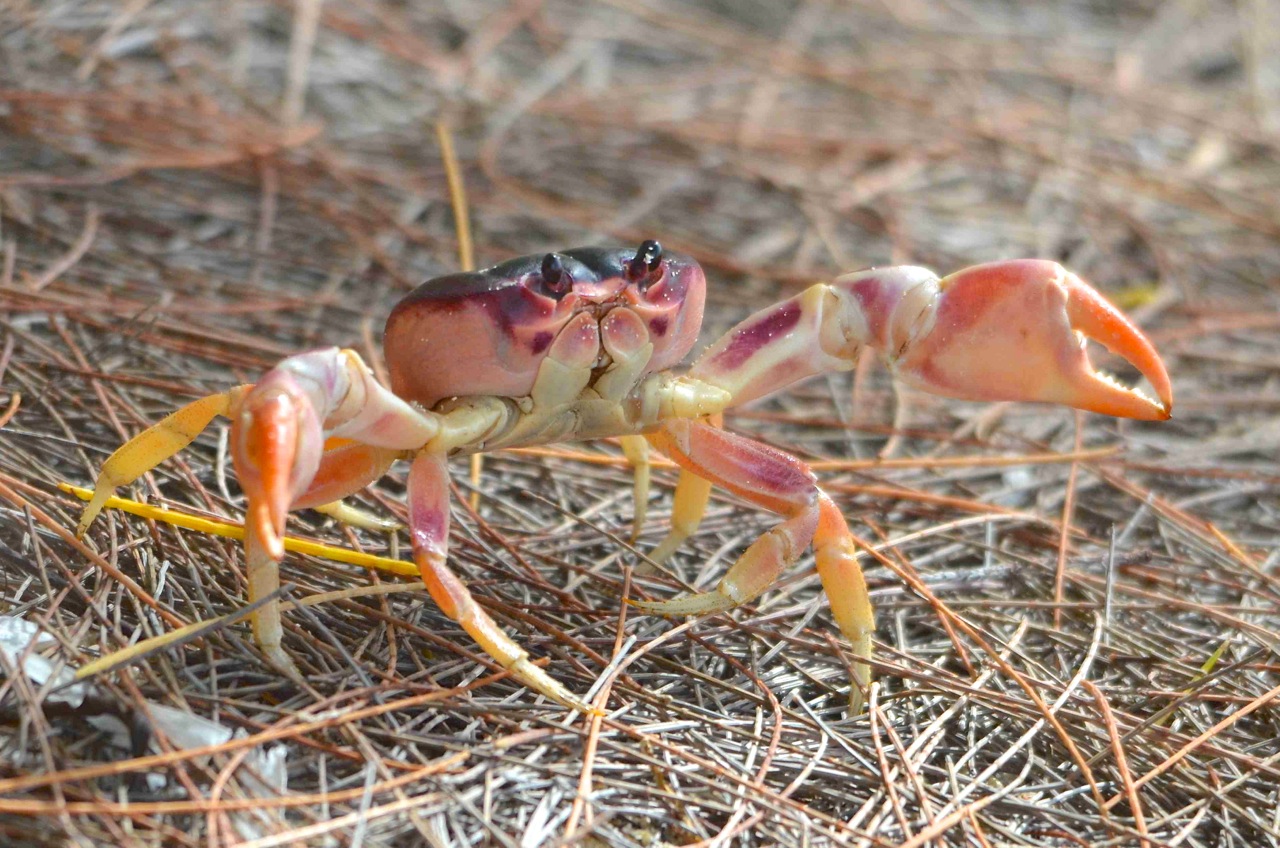
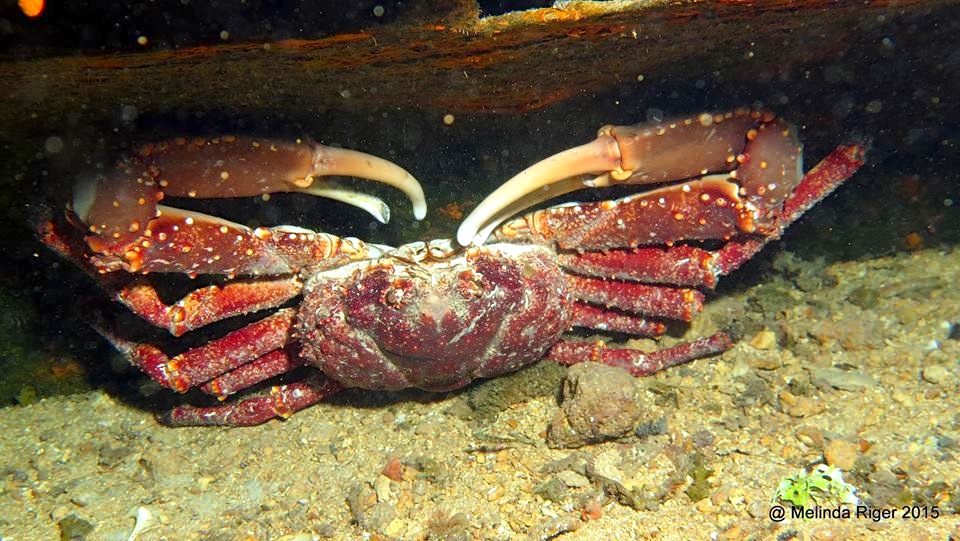
It’s been a while since I was in a crabby mood, but autumn is here and there’s a sharp nip in the early morning air… What better time to visit a selection of the many crab species found on Abaco.
GHOST CRAB
I thought I had some good photos of these cute little guys with their ‘Carson the Downton Abbey Butler’ white gloves. However, Tom Sheley (header and below) has perfectly caught the tide-hanging that they enjoy, sometimes disappearing completely or perhaps leaving just their twin periscopes showing.
HERMIT CRAB
Many people’s favourite small crab, with their endearing house-moving habits as they grow. Excellent for racing, too (see HERE). Here’s one taking its mobile home up a tree; and another tucked safely into a nerite[Capt Rick Guest amends]Magpie Shell, Cittarium pica, (used to be Livona pica), the living animal of which is the 3rd most consumed animal behind Lobster & Conch in the Caribbean. They are Littoral around Shorelines and are also used as bait.
BLACK-BACKED LAND CRAB
Faithful guardians of my rod (there are 2 there)!
LAND CRAB
STONE CRAB
ARROW CRAB
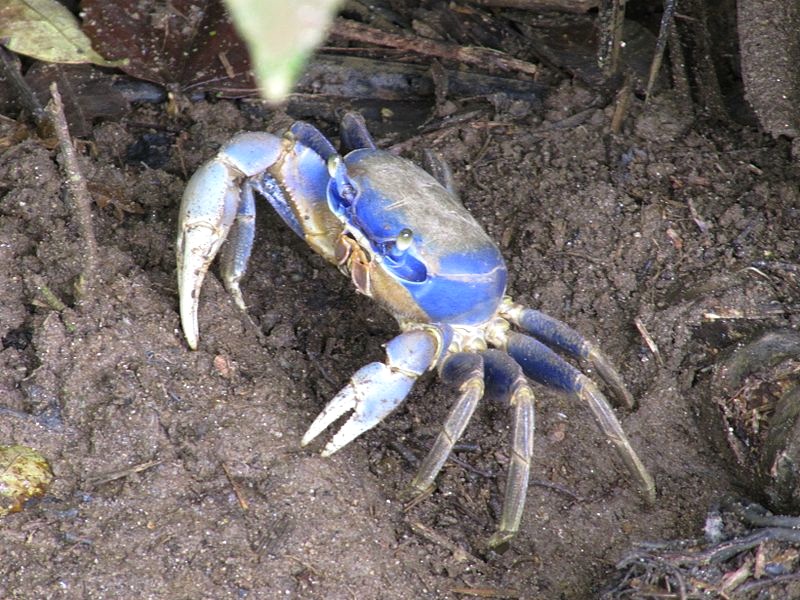
CLINGING CRAB
BLUE CRAB
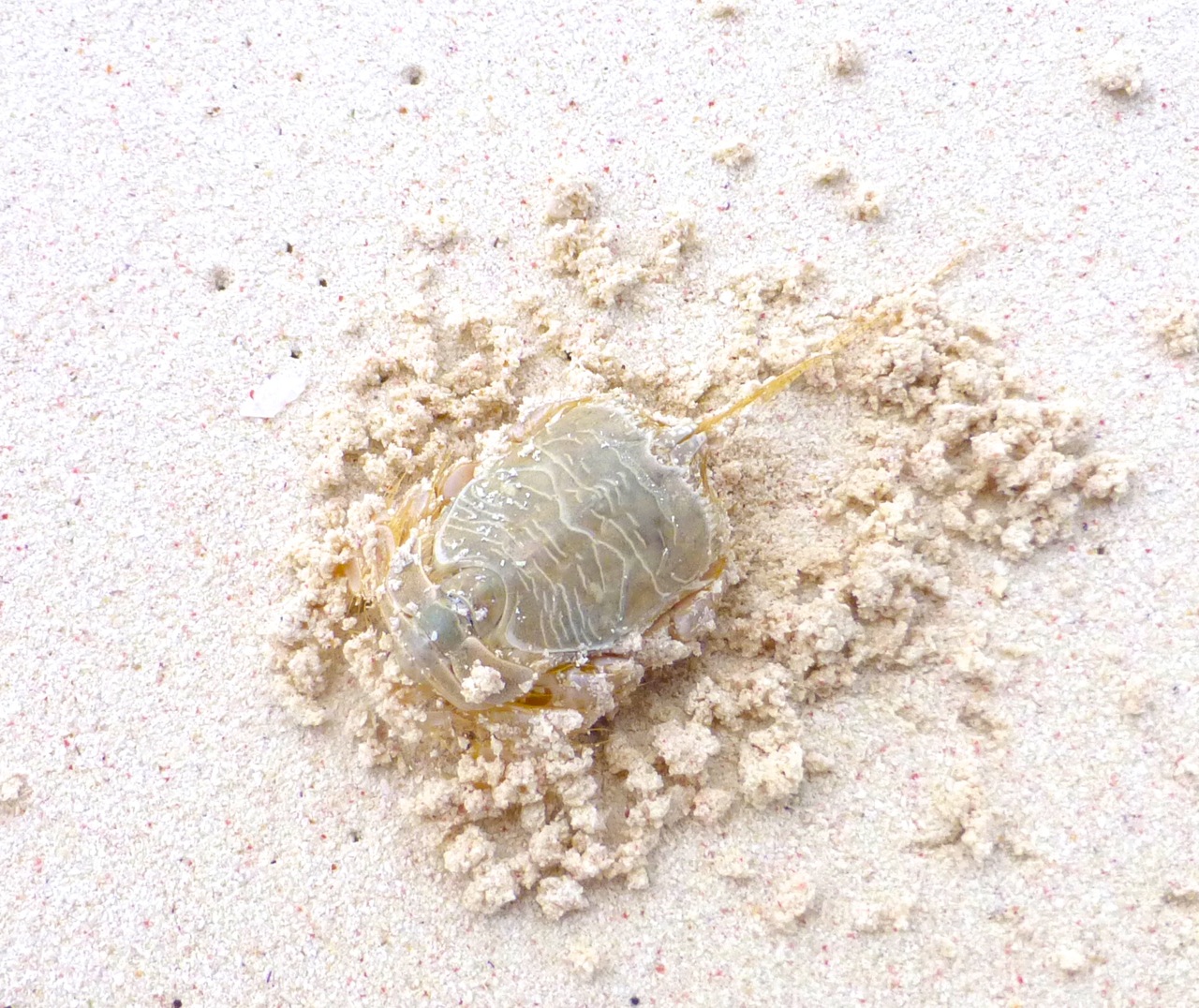
HORSESHOE CRAB (LIMULUS)
Credits: Tom Sheley (1, 2, 3); Keith Salvesen (4,7,8,9,15); Charlie Skinner (5,6); Melinda Riger (10,11,12,13); Leodec (14)
“THEY FOUND MY MUM ON ANDROS”: PIPING PLOVER TUNA’S GUEST POST (2)
Hello again, readers of Mr Harbour’s blog. My name is Tuna. This is the second part of my diary. Last time HEREhe called it an ‘autobiography’, but that was a bit pompous of him, I think. It’s 4 months now since I cracked out and after my long trip from that place [the Holgate Unit of the Edwin B Forsythe National Wildlife Refuge, New Jersey – ed.], I’m having a good time on Abaco – see my picture above. Michelle, who put my 4 cool rings on, would be proud of me I think.
Since my last post (which was also my first post! Ha!) some things have been happening to me. There I was, safely on my nice beach [Winding Bay, Cherokee Sound – map below] when the wind started to get scary and the sea kept coming further up the beach. And a whole lot more splashy. So I just hid at the back of the beach until it got better again. I knew if that nice lady came back to see me it would mean I could come out again. And she did. So I did. I showed her my bands so she’d know it was me. Green on blue; black on gray. That’s me and no other bird.
Showing Rhonda my bands so she knows me
Mr Harbour wrote and told people about how I was ok after a big storm. He said:
“TUNA THE PIPL: UNRUFFLED BY HURRICANE JOAQUIN” Oct 3. Despite big seas & high winds reaching N Baha on the fringes of the hurricane, Tuna has returned safely to Watching Bay. Photos clearly showing bands. π Rhonda Pearce”
A lot of people [c2000] read about this and Michelle said“yay!!! go tuna!!!”, so maybe people had been a bit worried about me. People passed the story round. What ever a ‘Chorlito Valiente’ is, it sounds good and I’m glad to be one. I’m doing just fine, thank you…
Since then I had THE BEST NEWS. My mum Paula has been found! She’s gone to a different beach that’s not very close to here [Joulter Cays, Andros]. She got a different leg thing called a “UR Green Flag PE2” and somebody saw her! I’m so excited (and I hope my dad Ross is safe too). She was in a crowd of 32 other birds just like her, and a lot of other birds friends too.
Joulter Cays, Andros, Sep 28. Thousands of shorebirds including over 100 PIPL. Including Paula.
Tuna’s mum Paula, one of a group of 32 piping plovers on Joulter Cays
“UR Green Flag PE2”
Joulter Cays, pinpointing Paula’s exact position 25.304095; -78.126642
I hope if I get that feeling again that I need to fly a long way, my mum gets it too. And my dad. Then we might all end up on the same beach where I cracked out! But I’m planning to stay on my own beach for now. More news from me soon. Cheeps from Tuna.
TUNA’S FIRST FOUR MONTHS
JUN 10 Hatched
JUN 11 Banded & measured
JUL 05 Fledged
AUG 28 First sighted on Abaco – preliminary ID
SEP 16 Seen again on the same beach – ID confirmed
SEP 22 Last sighting before Hurricane Joaquin
SEP 28 Paula re-sighted on Joulter Cays, Andros
OCT 03 Tuna safely back on the beach again after Hurricane Joaquin
NOTE If you ever wondered why birds are banded and what on earth use it is, the answer is in this story. Banding & tagging enables detailed research at both ends of the migration which in turn enables protection of the species and conservation of threatened habitats. There are only 8000 PIPL left. Degradation of the breeding grounds or the overwintering grounds – let alone both – may result in extinction. This seems to have been a good summer for the piping plover; let’s hope the winter treats them well so that this summer’s chicks like Tuna will be able to breed safely next year.
This Diary extract shows that not only can an individual banded bird’s migration movements be monitored, but also (with a bit of luck) a parent or sibling – even though they may chose to overwinter in quite different places. It is of particular significance if they then return to the same area in summer for breeding.
Credits: thanks to bander Michelle Stantial, birder Rhonda Pearce, CWFNJ & cohorts, Matt Jeffery and all other providers of info snippets; Birdorable for the cartoon; and as ever Xeno-Canto for the recording
In past posts I have mentioned what an excellent birding place Gilpin Point has become. There’s the large pond; and right beside it, dunes, the other side of which is a fine secluded beach and the ocean. The place is a magnet for birds of all shapes and sizes, from brown pelicans down to the tiny endemic Bahama woodstars. There are water birds, wading birds, shorebirds and coppice birds. It has become a place where Abaco parrots regularly congregate. You can reach the Gilpin FB page HERE.
A while back, there was a rare visitor, a Flamingo that stayed a few months then disappeared again. It was in some ways a sad reminder of past flamingo glory days, when they were commonly found on Abaco. Now they are confined to Inagua apart from the occasional vagrant. For more on the the topic, with wonderful photos by Melissa Maura of the breeding season on Inagua, click HERE. Another rare vagrant – formerly quite plentiful on Abaco – was recently found at Gilpin by Keith Kemp, who skilfully managed to get photos of it from some distance away: a Roseate Spoonbill.
I have featured spoonbills before in a post IN THE PINK, but the photos were taken on New Providence by Woody Bracey. I had no Abaco spoonbill photos. To be fair, we did once see one while we were bonefishing far out on the Marls. It was on the edge of the mangroves a good distance away, and the pale pink tinge caught my eye. My photo with an iPhone 4 (the one with the risibly cr@p camera – remember?) was so utterly pathetic that I dumped it (the photo, I mean, but the phone soon followed). But we knew what we had seen, and that was enough.
STOP PRESS 1I should add that a friended visited the pond after the side-effects of Hurricane Joaquin had receded, and the spoonbill had gone. So the spoonbill alone would not make the journey worthwhile!
STOP PRESS 2A check of eBird reveals that a handful of spoonbills have been reported in Northern Bahamas this year, about 6 in all. Almost none before that. I have the impression that birding intensity in The Bahamas, coupled with the ease of uploading reports to eBird, will increasingly make a difference to the incidence of sightings of uncommon and rare species, cf the recentWHIMBRELSof Grand Bahama.
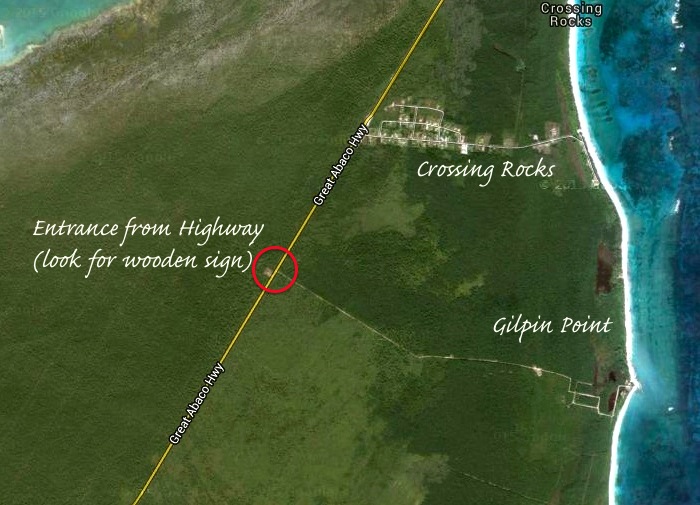
GILPIN POINT LOCATION
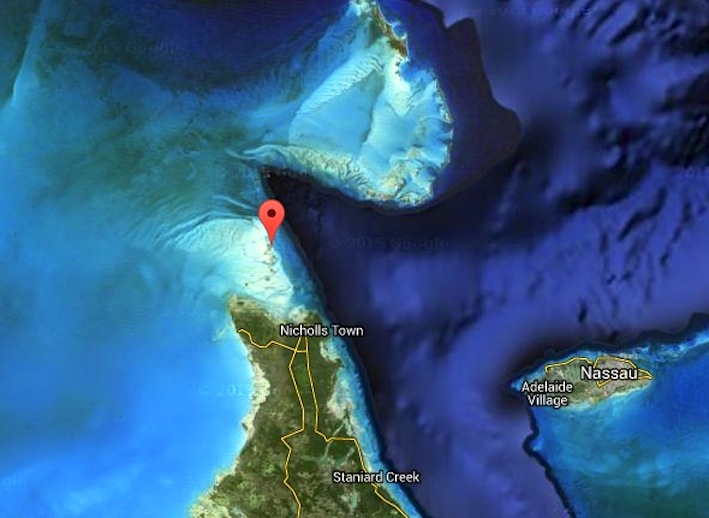
Gilpin Point is just south of Crossing Rocks. The brackish pond – sometimes an alarming reddish colour that I assume is algal – is just inland from the shoreline and provides a wonderful haven for birds. It’s a long mile from the highway. There is no vehicle nor even human traffic apart from occasional birders and walkers. Please note that the drive and the property are private. However Perry Maillis is always welcoming to tidy birders who (as I have written elsewhere) bring only enthusiasm and take only photographs (though a picnic on the beach is worth considering. And maybe a swim…).
Helpful location maps
WHAT SPECIES MIGHT BE FOUND AT GILPIN?
A brief list includes regular visits from parrots. It’s the only place we have found a furtive little sora skulking in the reedy margins. It’s a reliable spot for herons and egrets of every kind, white-cheeked (Bahama) pintails by the score, black-necked stilts and lesser yellowlegs. Occasionally a northern pintail, ruddy duck or merganser. Turkey vultures. Limpkins. We’ve seen belted kingfishers, Bahama woodstars, cuban emeralds, american kestrels, Bahama swallows, doves, pigeons, western spindalis and many more coppice birds besides. One flamingo. One spoonbill. Pelicans have been seen on the rocks on the beach. Shorebirds include turnstones, sundry plovers & sandpipers, and oystercatchers. You may well see tropicbirds and frigate birds off-shore, and assorted gulls and terns. I can’t personally be more species-specific because I have never ‘shorebirded’ properly there, but I have noticed an impressive mix…
When we launched THE BIRDS OF ABACO at the Delphi Club, we were delighted that Pericles was able to come to the party. He took a few photos and I’m sure he won’t mind my including a small gallery to end with, featuring a couple of the Gilpin entries in his signed copy.
Bahamas birding nobility: Tony White with Caroline Stahala; Woody Bracey & Bruce Hallett
Credits: Keith Kemp for the great spoonbill photos; Perry for the Delphi photos
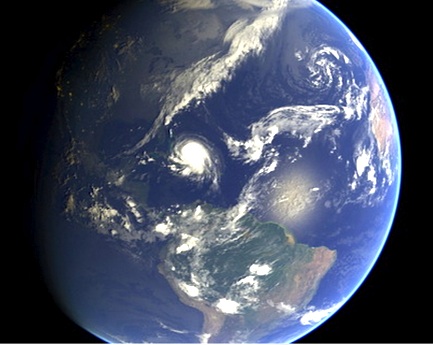
Hurricane Joaquin at dawn from International Space Station, Oct 2 (Scott Kelly / ISS / NASA)
SEEING THE BACK OF HURRICANE JOAQUIN: LATEST UPDATE OCT 3
Since my post yesterday HERE confirming evidence that Joaquin was hooking out into the Atlantic and away from northern Bahamas, the storm has picked up speed as it now heads for Bermuda. It is also on a direct route to Ireland and the UK, but is already weakening. With the storm now reduced to a Cat. 3, a continuing lessening of intensity is predicted.
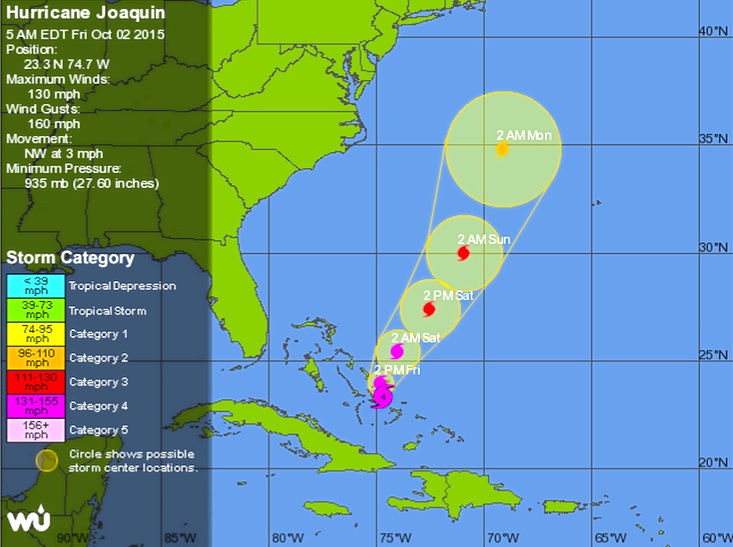
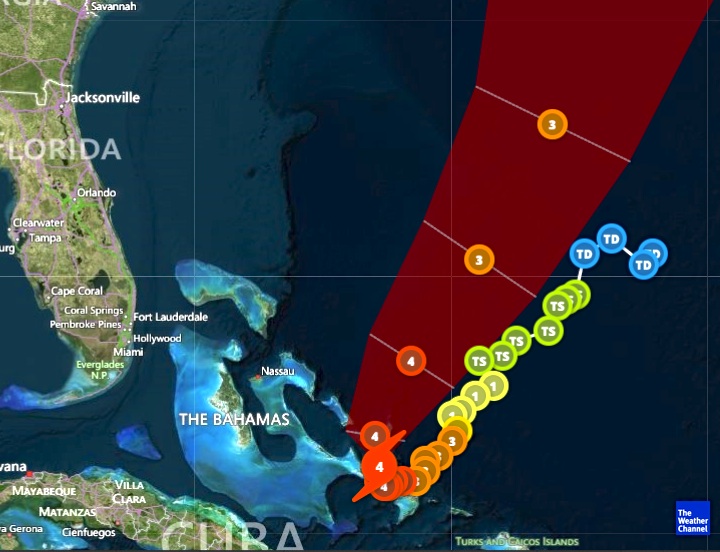
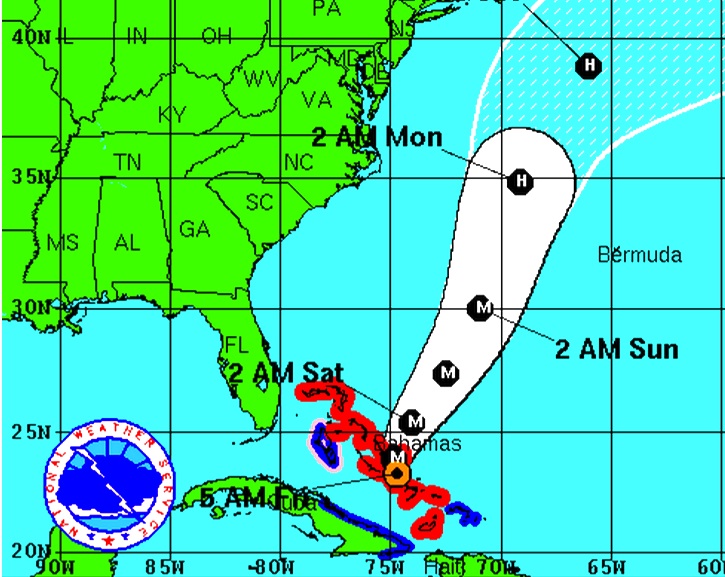
In this second – and, I hope, final – post of the hurricane season, the images below show the current state of play early today. I’ll repeat the weather watch links at the end.
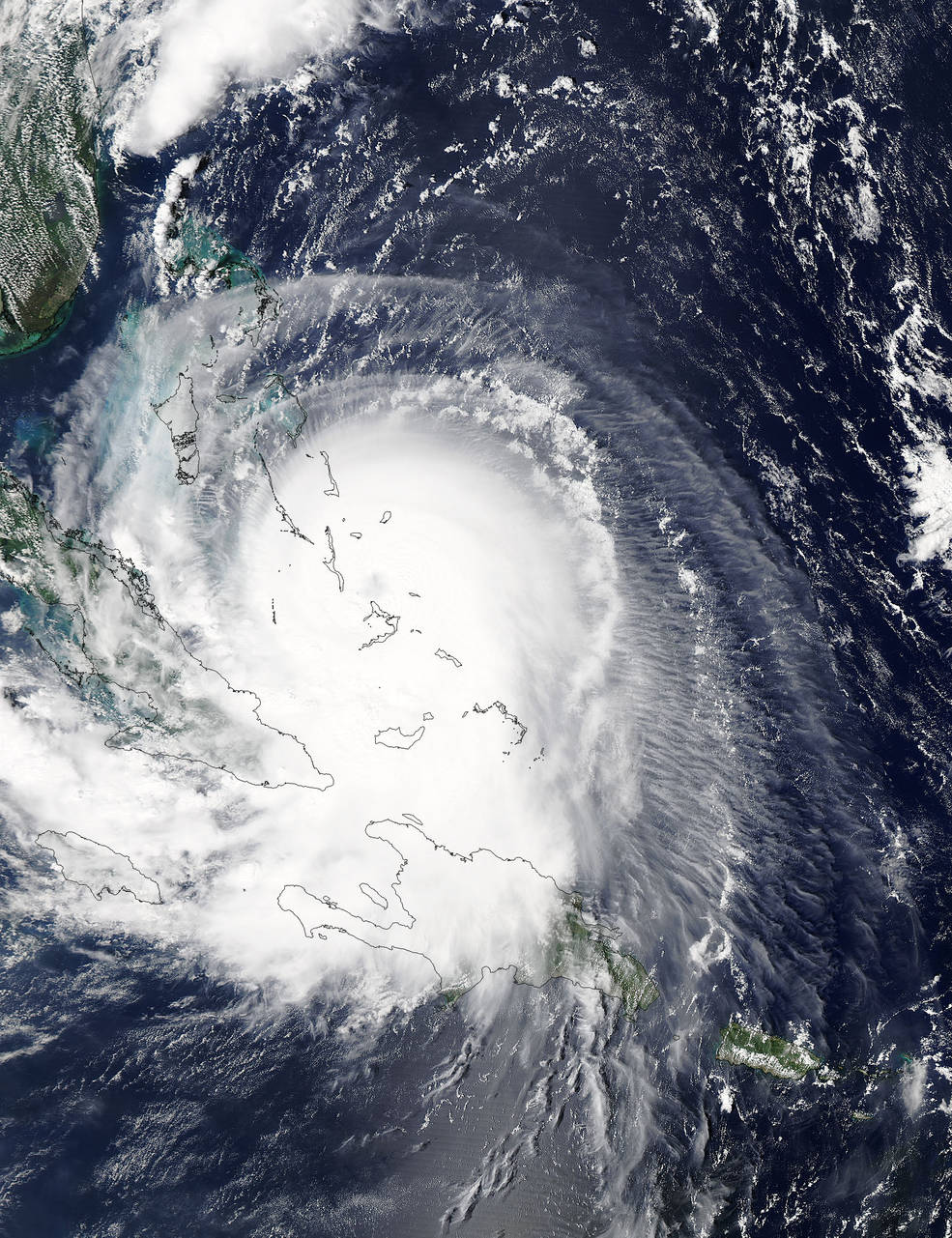
Joaquin clears the Bahamas & heads out into the Atlantic towards Bermuda as a Cat. 3 storm
Forecast eye-path early on Oct 3
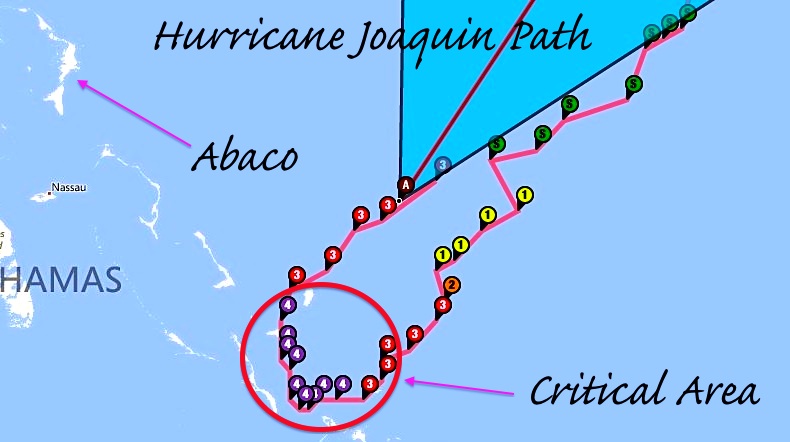
The remarkable storm path, hooking round over Central Bahamas & going back on itseslf
The strange beauty of a hurricane captured from space
HURRICANE JOAQUIN: LATEST TRACKING UPDATE OCTOBER 2
There’s a great deal of information about Hurricane Joaquin flying around the internet right now, which is completely understandable. How quickly things have progressed since Irene in 2011 in the very early days of this blog, when there was little public information and an almost complete absence of information on social media. I posted daily (or more) updates as the hurricane swept up over the Bahamas. In 4 days, and despite communications being largely blanked, I had over 15,000 hits and a mass of questions along the lines ‘Any news of Treasure Cay’; ‘Can you find out how my boat is – Saucy Sue in Little Harbour’; and ‘Hi I’m on Elbow Cay, can you tell my mom in Maine that I’m ok’ [+ email]…
Here is the position today, at 05.00 EDT, according to the various resources that people turn to. Central Bahamas has taken – is taking – a battering and we have the people there very much in mind. But for the northern Bahamas the picture has improved, with the veer of Joaquin’s predicted path to the northeast increasing overnight. This does not mean an absence of strong winds and big waves – these are already being felt. But the most serious area of this Cat 4 hurricane is not expected to pass over Abaco – the direct concern of most readers of this blog. How different from Irene which wrought its havoc right over the island; and Sandy, which took much the same route.
USEFUL DIRECT LINKS FOR HURRICANE JOAQUIN INFORMATION
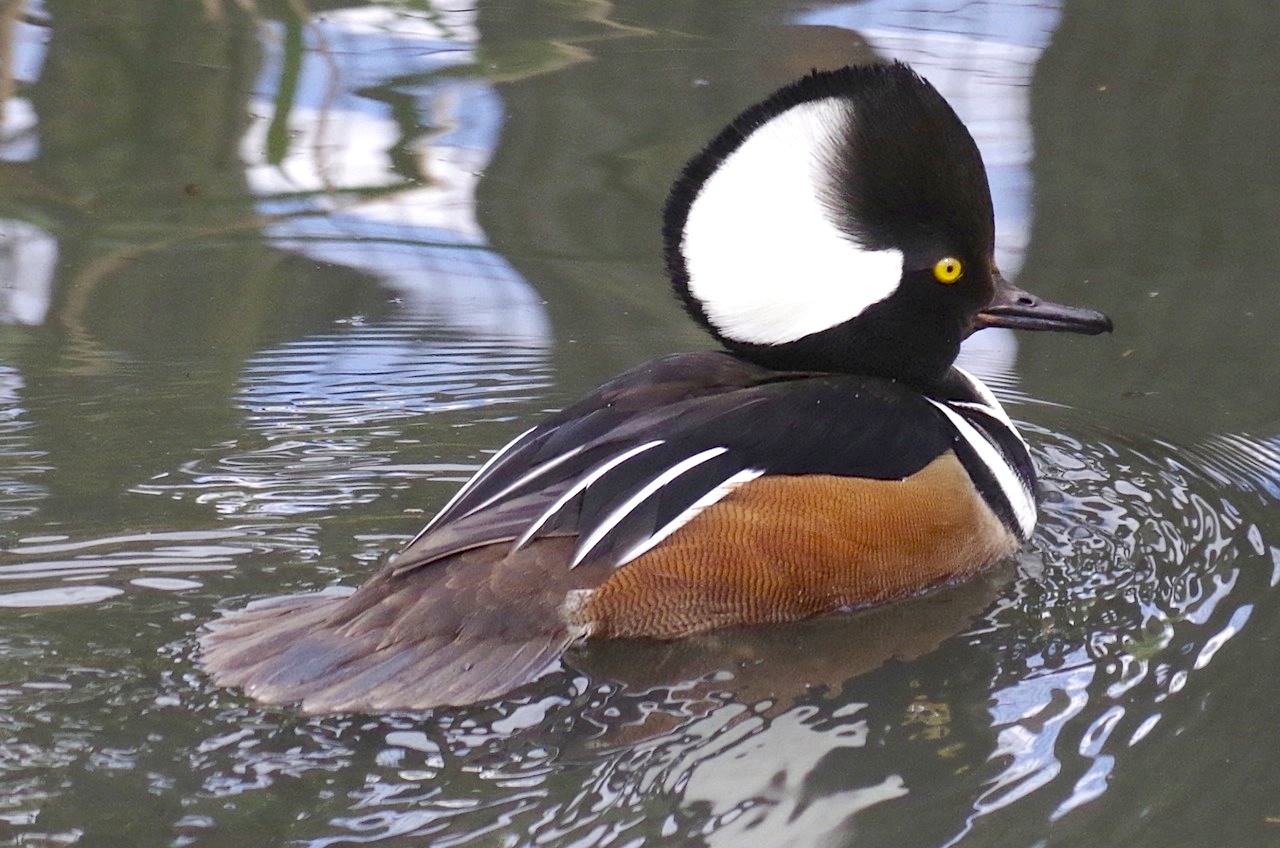
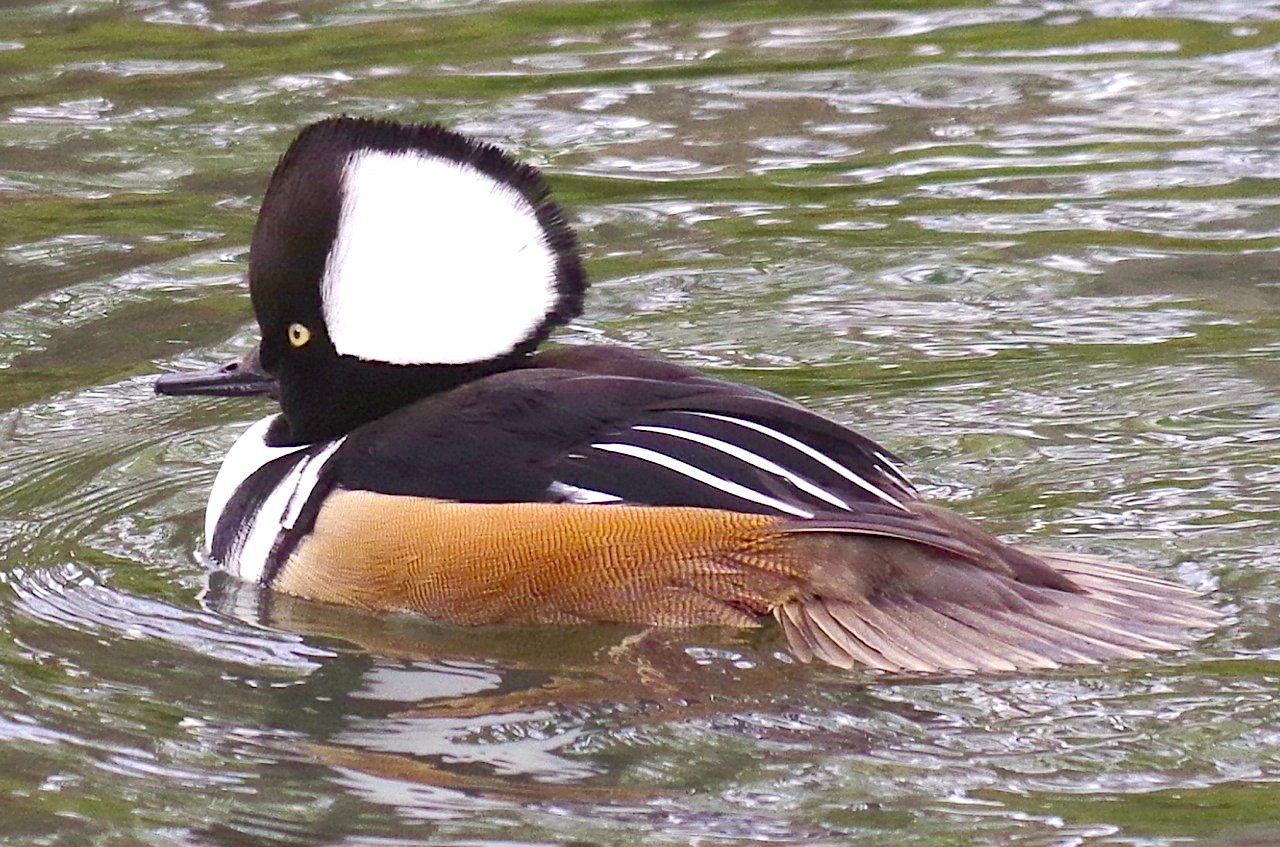
On the whole, I’d advise against undertaking a special trip to the Bahamas to search for mergansers, either hooded or red-breasted. Both species are classified as rare winter residents. Over the last 10 years they have occasionally found in the northern Bahamas, including on Abaco. I’ve seen a female red-breasted merganser at Gilpin Pond. Although the bird photos I post are generally taken on Abaco, I admit that I have no hooded merganser photos taken there. Or in the Bahamas for that matter. So bear with me – these that I took elsewhere will have serve as illustrations of what you might see on Abaco if you were in the right place at the right time. As if…
MARINE DEBRIS: BALLOONS – WHAT GOES UP MUST COME DOWN…
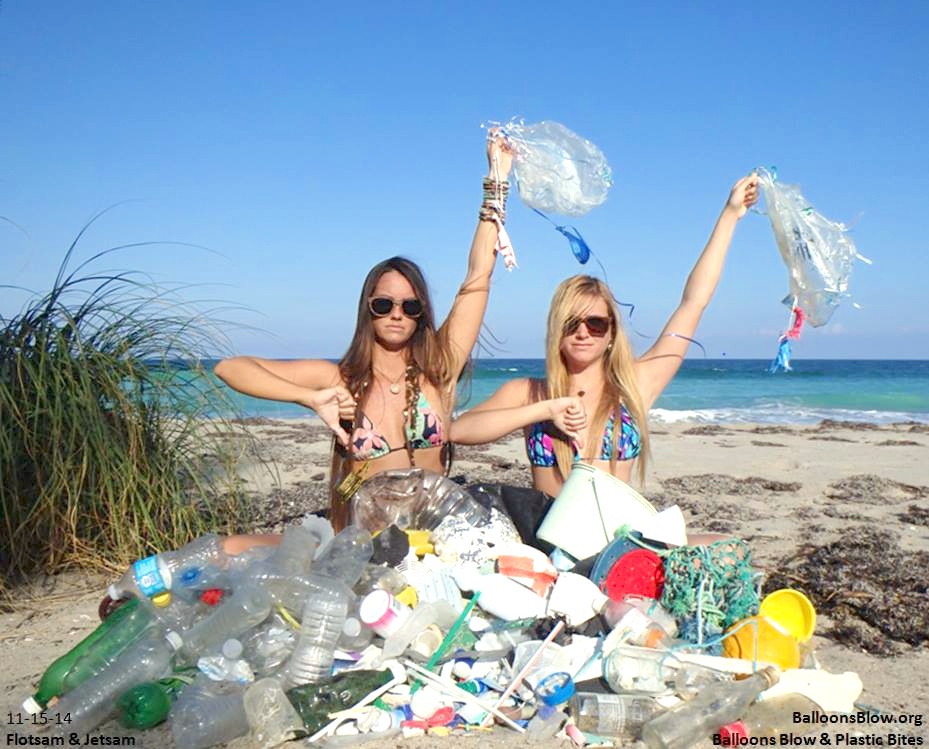
Two sisters, Chelsea and Danielle, grew up by a Florida beach. With their parents,they learned from an early age to collect rubbish from the beach and to keep it clean. When they were little, the problems weren’t so great. Gradually, the tide changed. Literally. And indeed littorally. As is a common experience with any shoreline these days however remote and unspoilt, all manner of debris washes in on every tide, from plastic straws to SPACE ROCKET FAIRINGS. There has been a massive increase in ‘single-use’ plastic items. Most of it will take years, decades or even centuries to decompose. And there are deflated balloons, with their strings.
A typical haul of a lot of plastic and several balloons from just one beach collection
As ‘business’ on the Florida beach increased, so it became clear that balloons were becoming a significant problem. The increasing popularity of mass releases of balloons at sports events, civic or institutional occasions, and smaller celebrations means 100s or even 1000s of balloons being released into the sky. In most cases they are filled with helium – a finite resource – which carries them high over the earth. Very festive. Then the problems begin. They get caught in thermals, winds and crosswinds, gales and storms. Whether onto land or water, they all have to come down eventually. The problems caused therefore affect creatures inland, on the shoreline and out to sea.
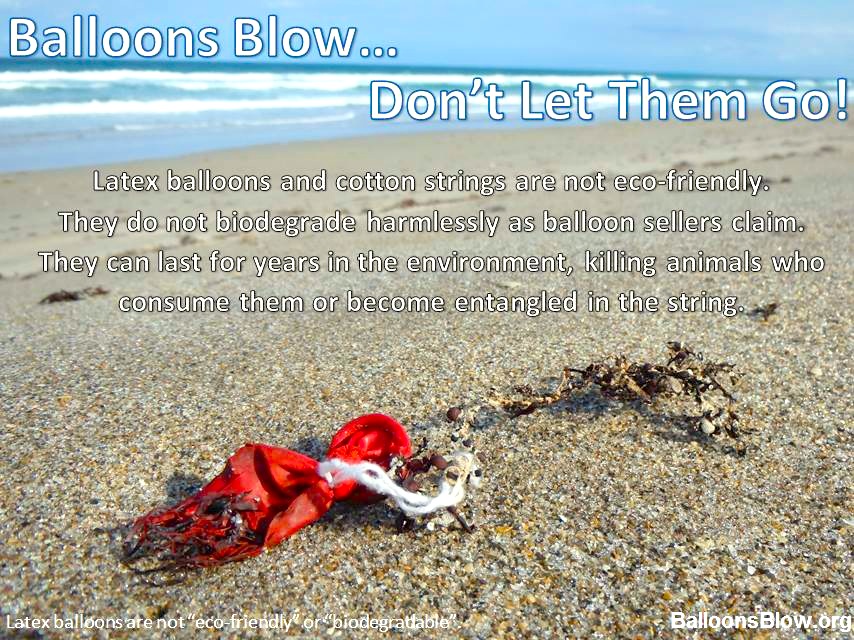
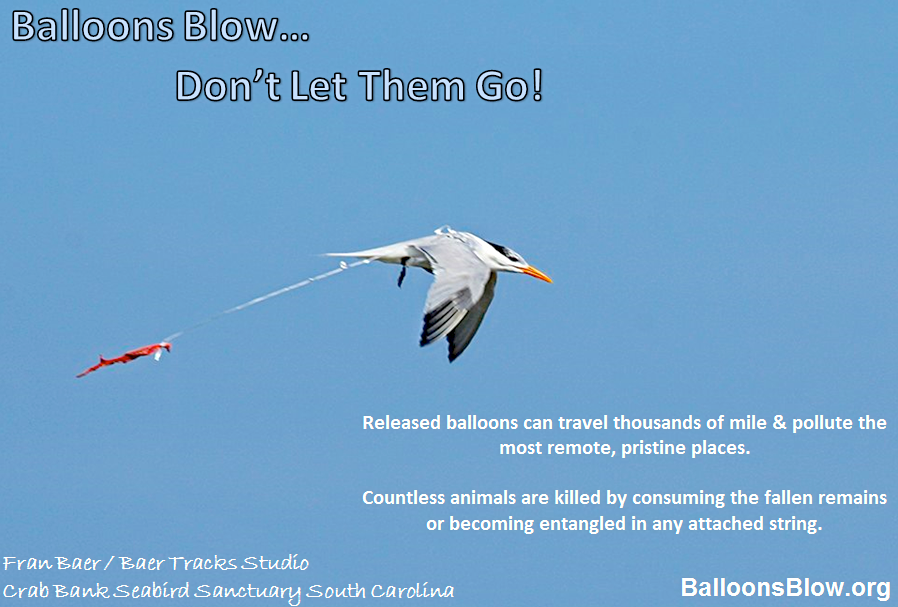
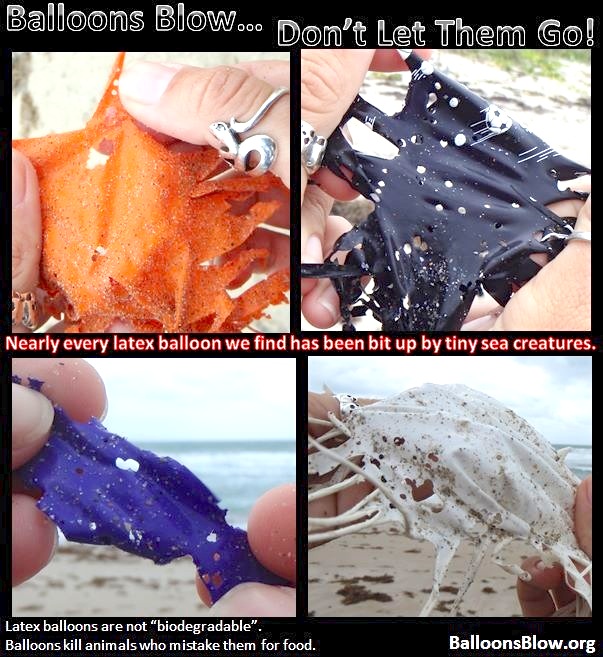
Eventually the sisters decided to take action. They started a website BALLOONSBLOW.ORG, linked to a FB page. They post regularly about their beach clean-ups, now extended to other beaches on the south-west coast of Florida. They also produce balloon-based information sheets and flyers such as these:
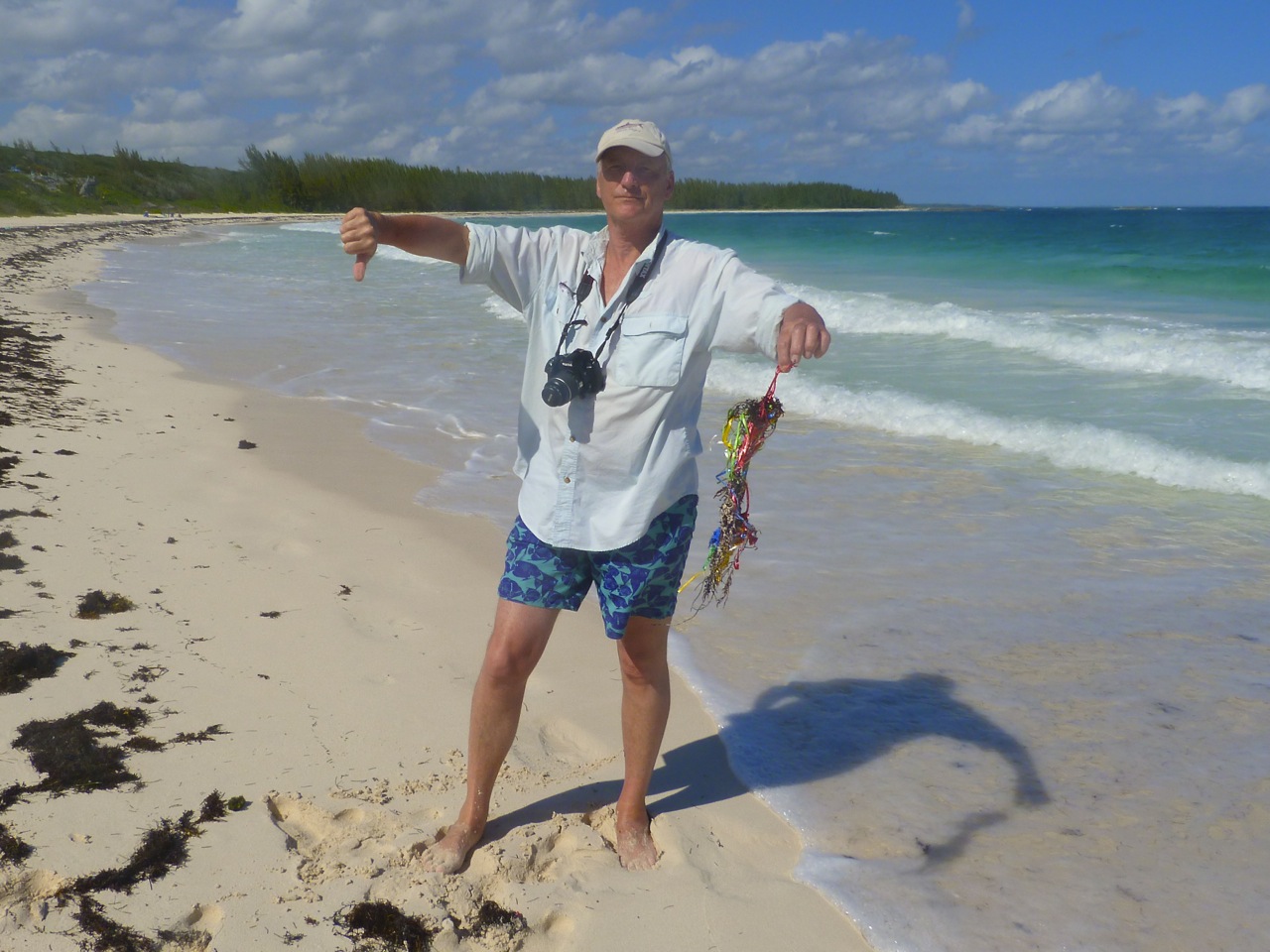
I have a folder in which I keep some horrific images of incapacitated, dying or dead creatures. I use them sparingly because in the main they are upsetting. Almost every one of them involves entanglement in or ingestion of such materials as plastic, mylar, styrofoam, rubber or latex. Here are just 3 examples involving balloon strings – I’ll spare you others I have collected (e.g. a turtle that died trying to excrete the remains of a balloon).
I don’t have a down on ‘fun’ – and nor do Chelsea and Lucy I’m sure. But, now in their 20s, they have had years of direct hands-on experience clearing their beach and one can see why they decided to take wider action. From one area they have accumulated a vast collection of balloons that will take many decades to break down. Even then, the degraded pieces and micro-pieces will be eaten by fish, turtles and birds.
Here’s an illustration of the problem of creatures nibbling away at latex
The Delphi beach is very regularly cleaned up, of course, but there’s nothing that can be done to stem the arrival of debris large and small on every tide. Beautiful and remote though the one-mile curved strand may be, one cannot walk far without seeing plastic of some description. As a matter of interest, I tried a test: walking south on the beach in the tide-line, how long would it take to find balloon evidence? The answer was, less than 10 minutes.
The decomposition rate of various common items
The Balloons Blow website is constructive in offering festive alternatives to mass balloon releases, rather than merely chronicling the downsides. The balloons and other plastic junk mostly arrives from the western fringes of the North Atlantic Gyre, in the Sargasso Sea, where the trash gets caught in the sargassum and is eventually forced onto the shoreline by currents, winds and tides.
North Atlantic Gyre hotspot infographic
This post has concentrated on the dangers to wildlife caused by latex and mylar balloons that are sometimes claimed to be biodegradable but are not. There’s more to be said about plastic marine trash, but I’ll keep that for another day.
It’s Friday already. A day I normally write a post. Well I’ve run out of time this week. So I have rummaged in the RH archive and chosen one stonking image to end the week with. This beautiful black-necked stilt was taken by Tom Sheley at Gilpin Pond, Abaco – a place where these birds may reliably be found (they are permanent breeding residents on Abaco). Indeed it is a great place to find many bird species at any time – and the adjacent shoreline can be equally productive. Have a great weekend!
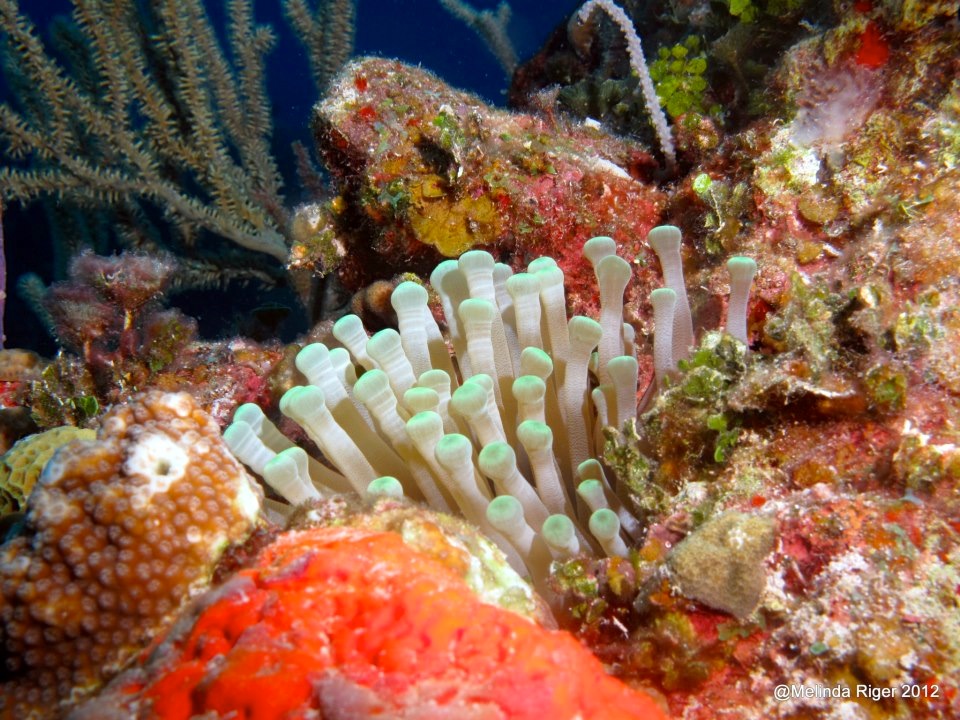
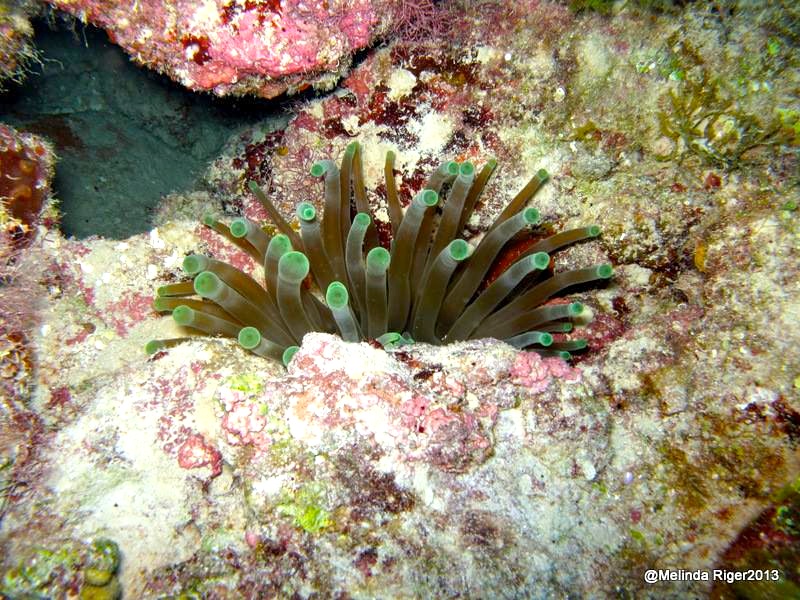
The giant anemone is found in the shallow reefs and lagoons of the Caribbean and western Atlantic. These are, of course, animals and not plants, with many tentacles that surround their mouth. They attach themselves to rock or in rock crevices, mooring themselves securely against the swell of the waves.
Giant anemone with ‘Speckles’, a spotted moray eel
ARE THEY USEFUL?
One important feature of a healthy anemone population is the shelter they give to certain small fish and cleaner shrimp species. They act as bases for FISH CLEANINGactivities, a vital role in the undersea community.
HOW DO THEY HAVE… ERM… SEX?
The sex lives of anemones seems particularly complicated (as they would doubtless think about humans). Cutting to the chase, reproduction involves the synchronous spawning of eggs and sperm, with fertilisation occurring in the surrounding water. The fertilised eggs become larval and spread in the water column, which increases their chances of survival. They settle on the BENTHOS, where they develop a “pedal leg” (rather in the manner of a gastropod) which in due course they will use to move from A to… A plus a very short distance.
These anemones come in many colours. The tentacles often have tips of various hues, and are the only free-floating part of the animal. The body is safely attached to the rock.
The giant anemone has primitive defensive mechanisms. It needs them, because it crawls so slowly that successful escape by moving is unlikely. Instead they reduce their size by drawing their tentacles into, or as close as possible to, their gastric cavity. They make room for this by forcing most of the water out. This reduces their overall size and of course removes – or at least diminishes – the ”50 colourful tentacles waving around” predator-magnet problem. But also…
…they have a trump card. The tips of the giant anemones’ tentacles are packed with cells that contain a toxin. When stimulated, the cells (‘nemocysts’) “explode out of the capsule, impaling the attacker”. The toxin is then discharged, causing extreme pain and paralysis. How cool is that? It’s the superpower we’d all like to have! Or is that just me?
This is also how an anemone feeds, by quickly paralyzing its prey with the ‘toxic tentacles of doom’. The prey is moved to the mouth and swallowed whole…
Credits: Melinda Riger of Grand Bahama Scuba, with thanks as always
“I’M WITH THE BAND…” PIPING PLOVER TUNA’S GUEST POST
Hello, readers of Mr Harbour’s blog. My name is Tuna. This is the first part of my autobiography, and I’m only just 3 months old. I’ve already made a 1000-mile journey to Abaco for reasons I don’t quite understand. Maybe because it’s nice and warm here. This is my story so far.
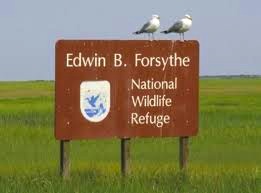
I was born on June 10th in the Holgate Unit of the Edwin B Forsythe National Wildlife Refuge, New Jersey. If I’d known then what ‘beautiful’ was, this would have been it.
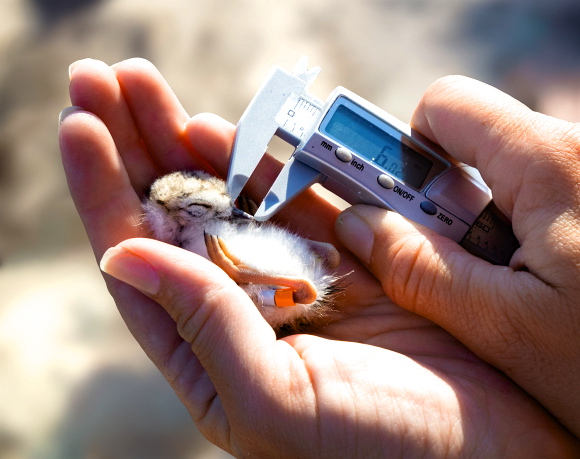
My dad is called Ross. My mum is called Paula. I had a brother but suddenly he stopped being there. We didn’t see him again, I never knew why. Anyway, the day after I was born a very kind lady called Michelle (Stantial, CWF-NJ) picked me up and sort of cuddled me in her fingers. I was weighed and measured. She also put coloured rings on my top bits of leg. I had blue & green on one leg and black & gray on the other. Very smart. A chic chick. It was very quick and it didn’t hurt at all. After that I never really thought about them again, they just were part of me. As I grew bigger they sort of grew with me.
It made for an exciting first full day of my life, June 11. Here are some pictures of Michelle doing this with other chicks from the same region so you can see how gentle she was. The chicks’ names were Meg, Joe and Nod. Mr Northside Jim watched them every day and took photos of them to record how they grew up. You can read about us and the other shorebirds, Ospreys and Peregrine Falcons of LBI NJ HERE
Meg being picked up for measuring and banding
Banding Meg with a unique colour combo for ID
Beak and leg measuring
I grew very quickly and my mum and dad showed me how to get food for myself. They looked after me in the nest and kept an eye on me when I went for a wander. Soon I was trying out my wings to see what would happen. Nothing.
This isn’t me but was taken quite near my bit of beach. Can you see the other chick?
It’s fun exploring the big world but it’s dangerous for little birds. I lost several friends along the way. That’s how my brother disappeared I think. As you grow bigger the world seems to get smaller. Which is weird.
I got good at finding my own food, going further away from the nest and trying out the water. My wings seemed to be starting to work a bit. Quite soon I felt nearly ready to have a go at flying.
On July 5 I managed to fly. Yup, I fledged and I flew. That was only 25 days after I cracked out. Mum and Dad had been talking about making a journey, a long one, and wondering when I would be ready for it. This was puzzling. I liked it where we were. But something was telling me I needed to fly somewhere else for some reason. Then one day I just took off and headed south…
After several days of flying and landing in new places to rest and flying again, I reached a place that I knew was exactly right. I don’t know how, but something told me that it would be a good place to stay until I needed to move again. So I landed on a beach called Watching Bay on Abaco. I’d travelled 1000 miles from where I cracked out, and I wasn’t even 3 months old. Cool, huh?
There were some other birds on the beach, including one just like me except she didn’t have any coloured rings. Ha! There were very few humans apart from a few taking a walk. On Aug 28 one lady stopped and pointed something at me. I wonder why? She kept her distance so I wasn’t scared.
August 28 Watching Bay, Cherokee, Abaco. Rhonda Pearce’s photos led to provisional ID of Tuna
There was plenty to eat on the beach, and it was quite sheltered from the wind. It seemed safe. I liked it a lot and decided to stay there
On Sep 16 I saw the same lady again, and she saw me. She was very careful not to get me worried, and she pointed that thing at me again. Then she walked away. I hope she comes back. She seems nice.
Sept 16 Watching Bay, Cherokee, Abaco. Rhonda’s new photos led to confirmed ID of Tuna
I’m planning to stay on this beach for now. More news from me soon. Cheeps from Tuna.
TUNA’S FIRST THREE MONTHS
JUN 10 Hatched
JUN 11 Banded & measured
JUL 05 Fledged
AUG 28 First sighted on Abaco – preliminary ID
SEP 16 Seen again on the same beach – ID confirmed
SEP 22 Last sighting before Hurricane Joaquin
OCT 03 Back on the beach again after Hurricane Joaquin
STOP PRESS Tuna’s mother Paula was re-sighted on Sep 28 on Joulter Cays, Andros
NOTE If you ever wondered why birds are banded and what on earth use it is, the answer is in this story. Banding & tagging enables detailed research at both ends of the migration which in turn enables protection of the species and conservation of threatened habitats. There are only 8000 PIPL left. Degradation of the breeding grounds or the overwintering grounds – let alone both – may result in extinction. This seems to have been a good summer for the piping plover; let’s hope the winter treats them well so that this summer’s chicks like Tuna will be able to breed safely next year.
Credits: huge thanks for info and fab photos to Michelle Stantial, Northside Jim, Danny Sauvageau and Rhonda Pearce for the strands to weave this (slightly creative) tale; to USFWS Mountain-Prairie for the PIPL in flight; as always Xeno-Canto for bird sound recordings non pareil; oh, and Meg, Joe & Nod
WADING TO MAKE A COMEBACK: WHIMBRELS RETURN TO BAHAMAS
It’s been many long years. Many checklists show the whimbrel Numenius phaeopus as a recorded bird for most of the Bahamas islands. On Abaco it is rated as a ‘TR4’ in Tony White’s magisterial checklist, which is to say a transient species in migration that is ‘casual, reported irregularly’. Elsewhere it is described as ‘rare / accidental’. This is only one step better than ‘vanishingly rare’. Prior to this year, the last documented sighting report I have found for Abaco was in 2000. Woody Bracey, renowned and persistent birder, last saw one there in 2002. We found no photos to use for “THE BIRDS OF ABACO”, not even as a snapshot in the supplement.
Frankly it was beginning to look as though the Bahamas whimbrel might be going… might already have gone… the way of the specimen below that I found last year in the Museum of Natural History in Dublin (it’s 109 years old). And the lovely whimbrel header picture is from elsewhere in the world. But suddenly…
On August 20th this year, Keith Kemp, a regular birder on Abaco, encountered a whimbrel in the Cherokee Sound area. On the eBird map clip below, it is shown with the red marker, meaning a recent sighting. The blue marker is the 2000 sighting at Crossing Rocks. Keith didn’t get a photo, but he got the kudos of seeing the first Abaco whimbrel for 15 years!
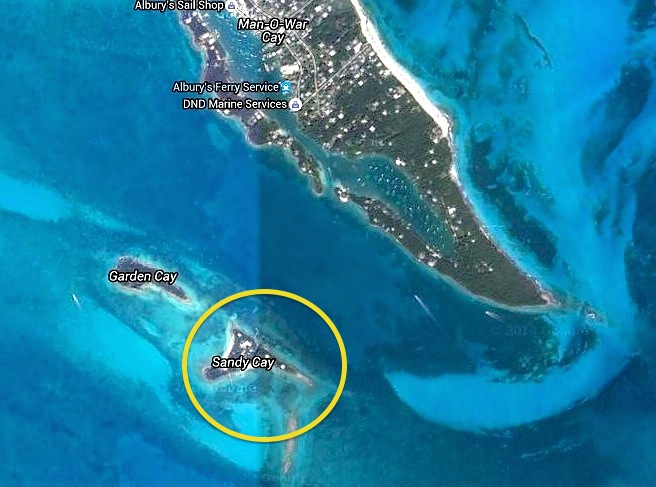
That was in August. On September 14th, Charmaine Albury went one better – she had her camera with her! Sandy Cay is a small islet to the southwest of Man-o-War Cay. There, in all it’s glory, was another whimbrel. She promptly shot it, luckily not in a Winsconsin dentist / Cecil the lion sense. She even managed to get a good in-flight shot.
And that might have been that for the Northern Bahamas for another 15 years. Except that the following day at West End, Grand Bahama, Linda Barry-Cooper went one better – she found 2 whimbrels together. Goodness knows how many decades have passed since the last sighting of a pair. Here they are.
So that’s a massive influx of 4 whimbrels in the Northern Bahamas within one month. And who knows, maybe more to come. As for other Bahamas islands, a quick check on eBird for the last 10 years shows 3 on GB apart from Linda’s; a handful in the TCI; a couple on Inagua. And that’s it. Matt Jeffery says that on Andros one or two are seen every year as they pass through. And Eleuthera had a famous Whimbrel in 2011 called Chinquapin that had been fitted with a tracking device. It started its migration south, only to run slap into Hurricane Irene. After a doubtless severe buffeting it found safety on Eleuthera, where it was recaptured and cared for. I think this goes beyond the usual concept of ‘transient’ though it was undoubtedly ‘accidental’…
“…a shorebird, tracked using a satellite transmitter, flew through Hurricane Irene and survived. The bird, a whimbrel, left Southampton Island in northern Canada and reached the outer band of the huge storm as hurricane-force winds began pounding the Bahamas. The next day the whimbrel, nicknamed Chinquapin, migrated into the eye of the hurricane and landed on Eleuthera Island in the Bahamas” (π Repeating Islands). You can read more about Chinquapin’s epic adventure HERE
If you are wandering on your favourite stretch of sand, idly beachcombing and keeping an eye out for Piping Plovers, here are the sounds that should make you stop in your tracks: the song and the extraordinary call of the new wave (hopefully) of whimbrels in the Bahamas…
SONG π Guillermo Funes Xeno-Canto
CALL π Stein Ø. Nilsen Xeno-Canto
Finally, having nothing to contribute personally to the great whimbrel comeback by way of Bahamas-made photos or sound recordings, I find I have actually photographed one in the UK. It was probably by mistake. The bird is certainly retreating rapidly. This is the only chance I shall ever have to fit it into a relevant post, so I claim writer’s prerogative to show it…
Credits: Charmaine Albury, Linda Barry-Cooper, Lip Kee (header), Lisa Paravisini (Chinquapin) and RH (the other pics); Xeno-Canto (recordings)
The compilation of The Delphi Club Guide to THE BIRDS OF ABACO involved making a few rules and sticking to them. For example, the avian images in the book – and there are a great many – had to be of birds actually photographed on Abaco or in Abaco waters. Gorgeous pictures from Grand Bahama or New Providence were ruthlessly excluded, however painful it was to do. Some wonderful spoonbill photos taken in Nassau stayed in the ‘Not Use’ folder. The temptation to slip in an non-Abaco whimbrel to fill a whimbrel-shaped space among the shorebirds had to be resisted – even though at the time the last recorded sighting of one on Abaco (no photo) was in 2000…
Another important restriction was the stipulation that we would only use birds that had been photographed in their natural surroundings, defined as being a place where a particular species might naturally be found. Coppice and shoreline, obviously, but this included utility wires, posts and docks etc for species that habitually use them to perch on or hunt from. However, the rule meant a complete embargo on feeder photos, however winsome a hummingbird might look as it sips sugar water. We extended the principle to include a ban on luring birds into camera-shot with seed or corn trails; and similar ruses beyond the simple whistles and pishes that anyone might use to tempt a bird out of deep cover.
Cuban Emerald coming in to land… and feeding
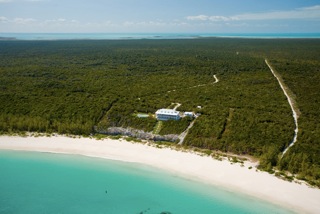
The Delphi club is the perfect location for an enviably varied number of species. Its remoteness down a one-mile drive from the Highway, with pine forest giving way to luxuriant coppice, ensures minimal disturbance for the birds including a number of rarer species.
The one-mile white sand curve of the beach sees many shorebirds and seabirds in all seasons. The gardens attract both the usual suspects and less common birds. The building, too, has its resident West Indian Woodpeckers in two nesting boxes under the eaves, thoughtfully provided to discourage the Club’s woodwork from exploratory drilling.
Mr and Mrs Black-faced Grassquit
There are a number of seed and sugar water feeders around the place, and bird baths too. It’s a long time since I featured a collection of ‘tame’ birds. This post shows a few of the species that have made Delphi their home.
Mr and Mrs Greater Antillean Bullfinch
Mr and Mrs Painted Bunting
Bananaquit: the curved beak makes it easy to use the hummer feeder (see above)
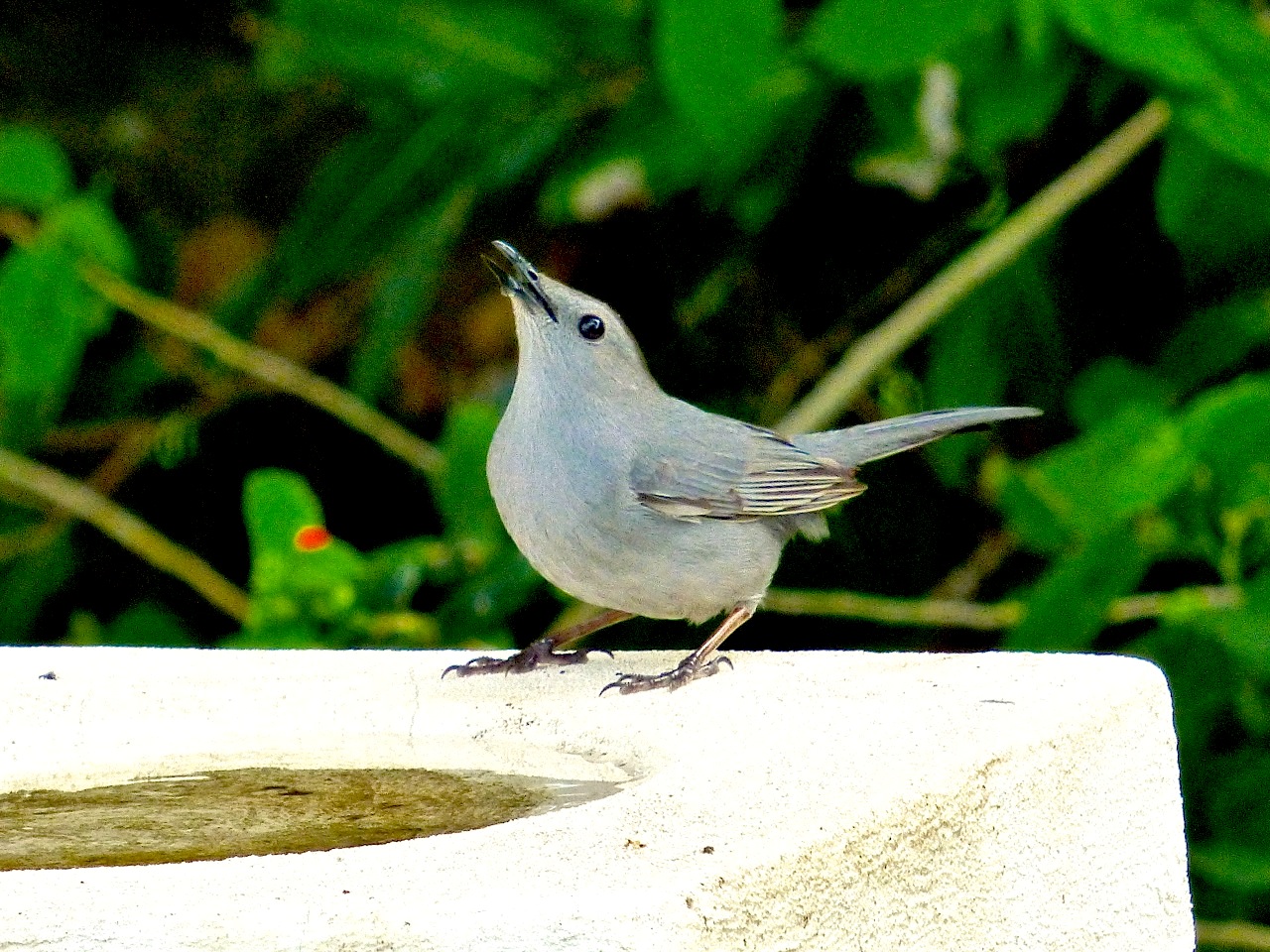
A Gray Catbird takes a drink… and a bath
Adaptive behaviour from a W I Woodpecker – that long tongue is perfect for the job
The turkey vulture takes priority over all smaller birds…
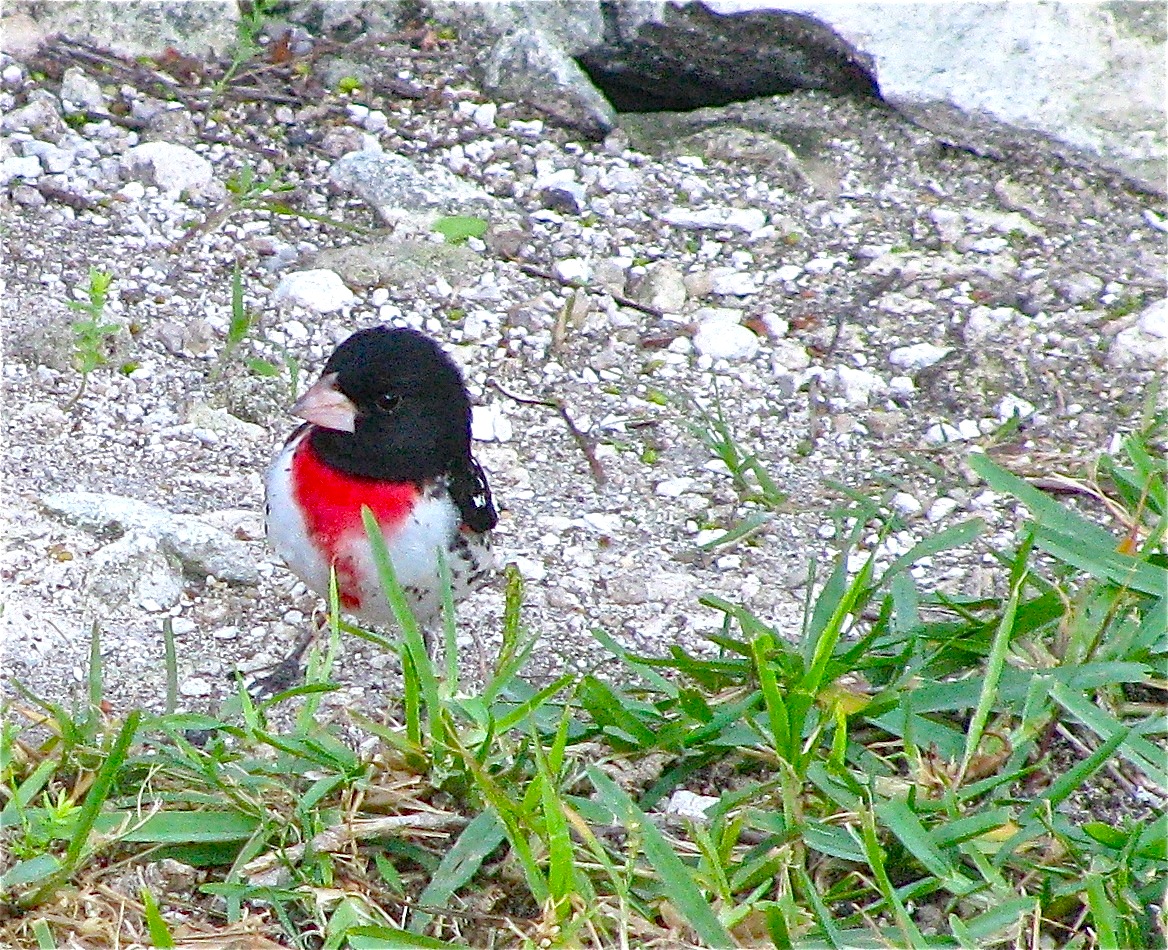
A red-legged thrush enjoys picking up the seed shrapnel off the ground…
As do rose-breasted grosbeaks and indigo buntings
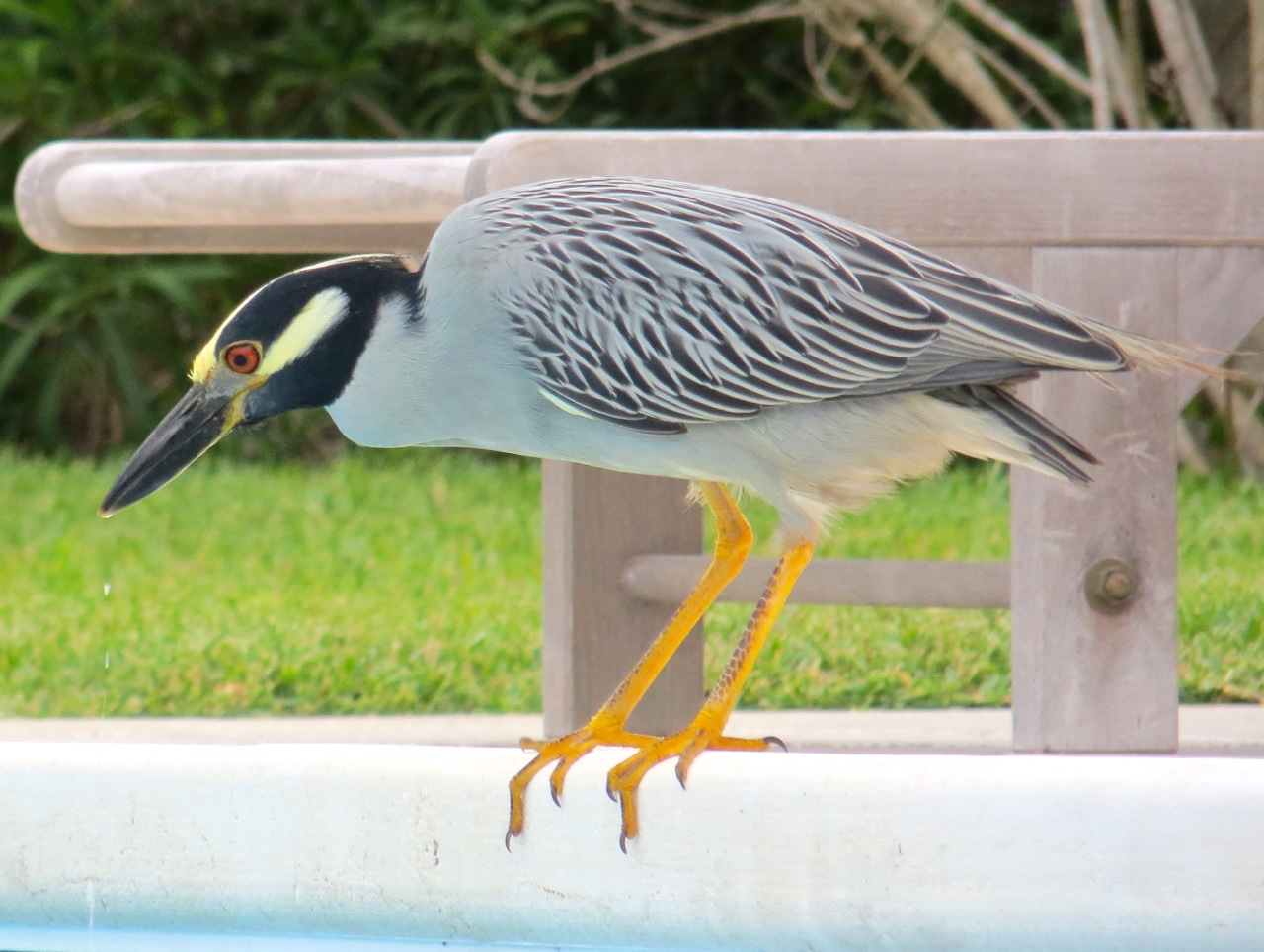
Meanwhile, a yellow-crowned night heron takes a drink from the pool
Credits: all photos RH except aerial shot of Delphi, Peter Brown; the hummers, Peter Mantle; and the buntings / grosbeaks, PM and Caroline Stahala…
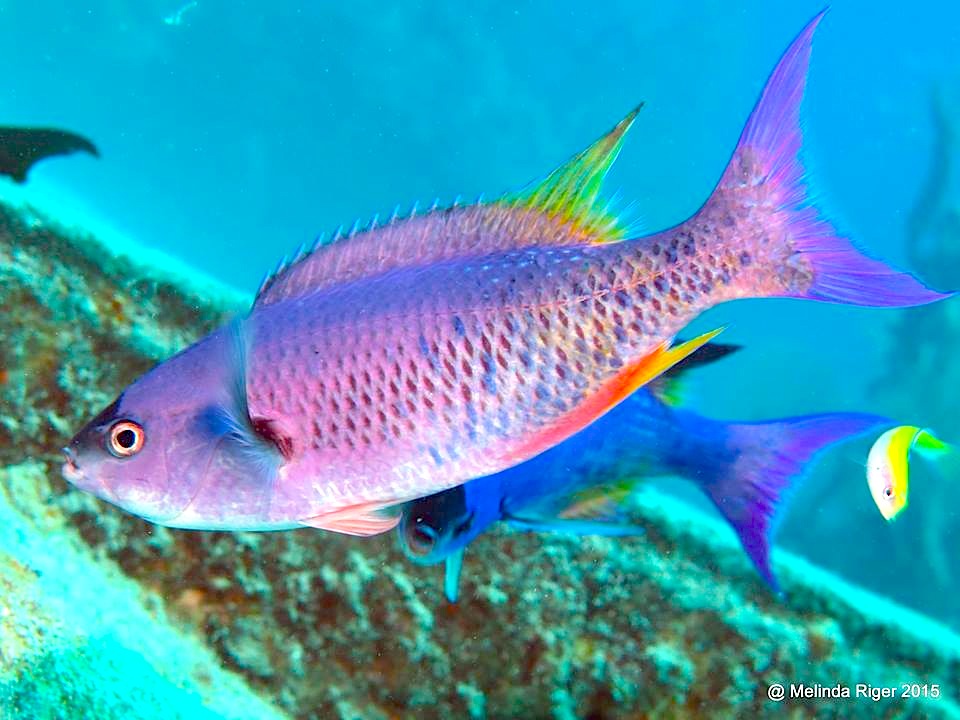
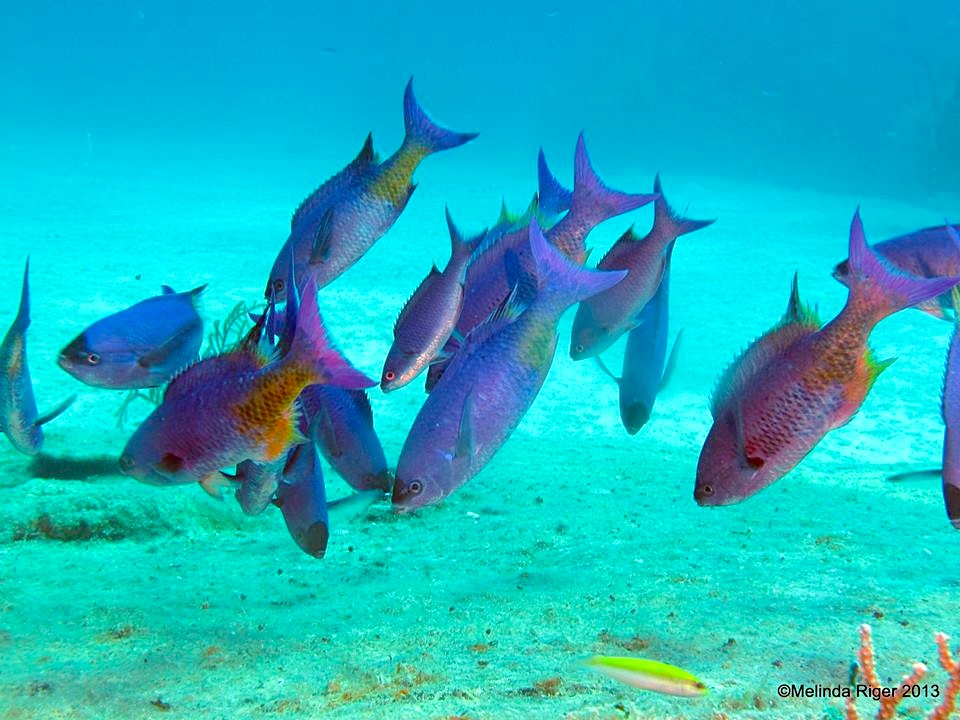
The creole wrasse is a small wrasse species, with adult males reaching about 12 inches long. During its life, a creole wrasse changes colour significantly. A juvenile is almost completely violet-purple. As it matures, it develops patches of yellow on the rear part of its body.
Creole wrasse are found throughout the tropical and subtropical waters of the western Atlantic from Florida south to Brazil. The habitat includes Bermuda, the Caribbean Sea, and the Gulf of Mexico.
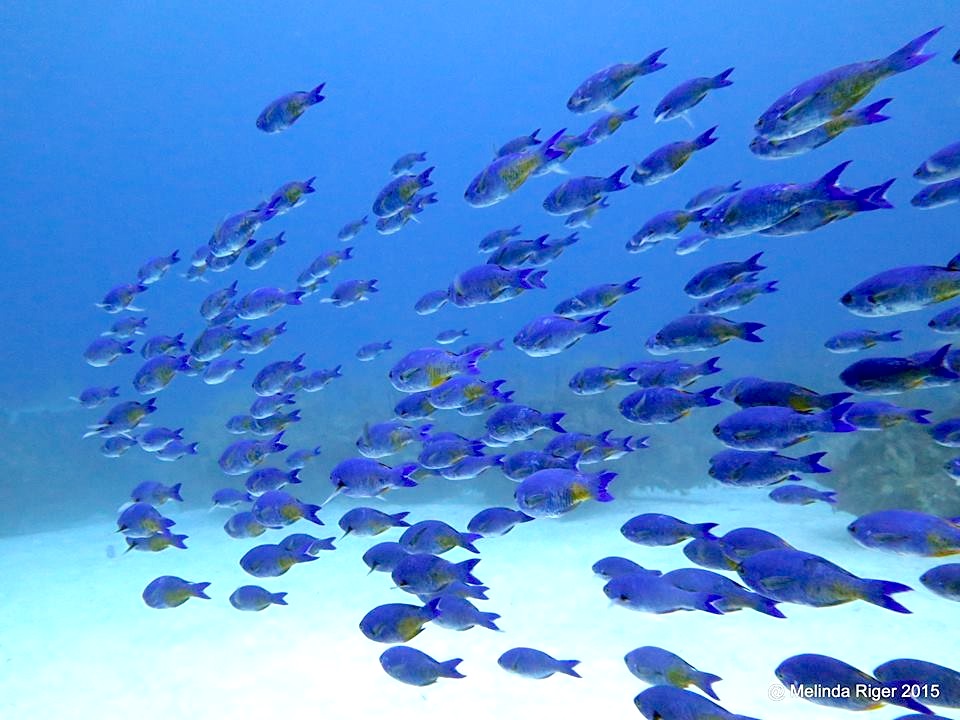
Creole wrasse are social fish that live in groups around coral reefs. They are found in shallow water, but may also be seen as deep as 100m.
The groups of wrasse feed on plankton, small jellyfish, pelagicTUNICATES, and invertebrate larvae. These fish are active in groups by day. At night each fish finds its own safe crevice in the reef to sleep.
ANYTHING ELSE WE NEED TO KNOW?
Yes indeed. Their intriguing breeding regime – how unlike our own dear species. The creole wrasse is aprotogynous hermaphrodite. The largest fish in a group is a dominant breeding male, while smaller fish remain female. If the dominant male dies, the largest female changes sex. The mature males congregate atleksto breed, at which they display and are approached by females before mating with them. [note: these leks are reminiscent of certain clubs in the less reputable parts of some towns and cities. Or so I am told]
It’s been a while since the last Rolling Harbour musical diversion, but the colour of this wrasse nudged my memory back to 1968 and DP’s first album (line-up Mk 1 of several hundred, or so it seems). Hence the post title. Anyone who remembers this ‘wasn’t there’. Anyone who doesn’t obviously wasn’t there either…
I don’t think this guy thinks much of that. And quite right too
All phish photos by Melinda; DP cover borrowed from Am@z@n; MP3 moi
I very rarely write about birds that you can’t find on Abaco, especially ones that have never been recorded there. In fact, I don’t think I have ever done so. The nearest was the critically endangered endemicBAHAMA ORIOLE, until quite recently available on Abaco. For the familiar and depressing reasons it was deemed extirpated in the 1990s and is found now only in very specific area of Andros. Its future is very uncertain: another species a feather’s width from extinction.
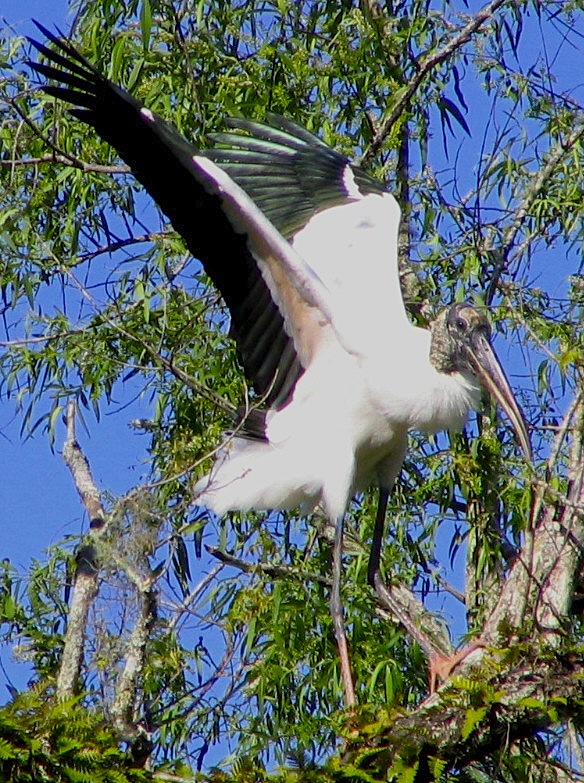
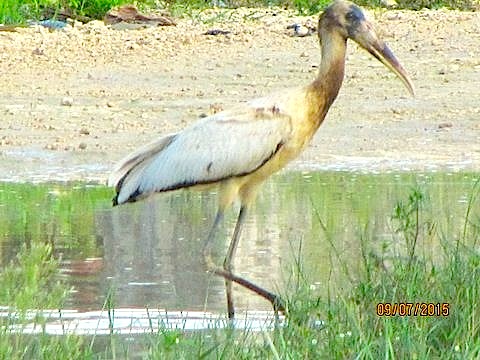
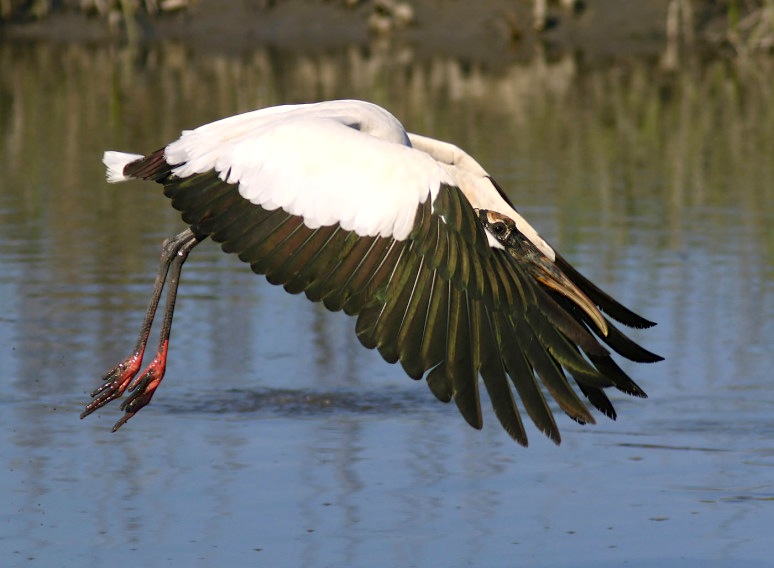
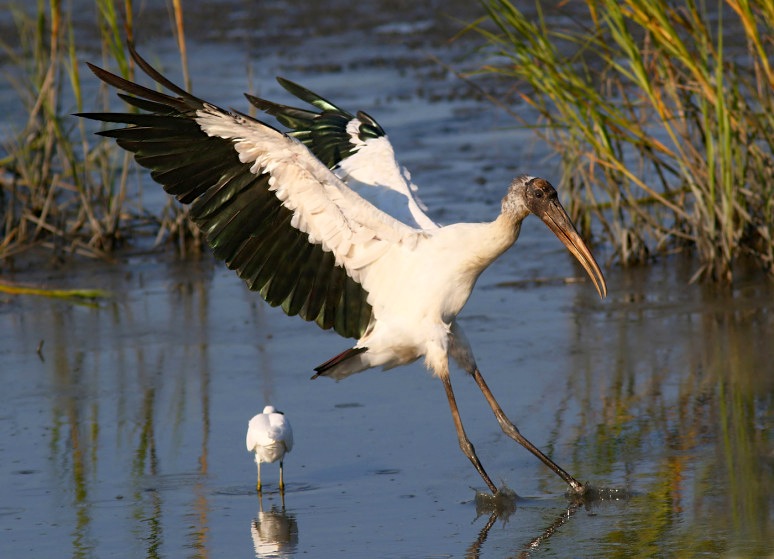
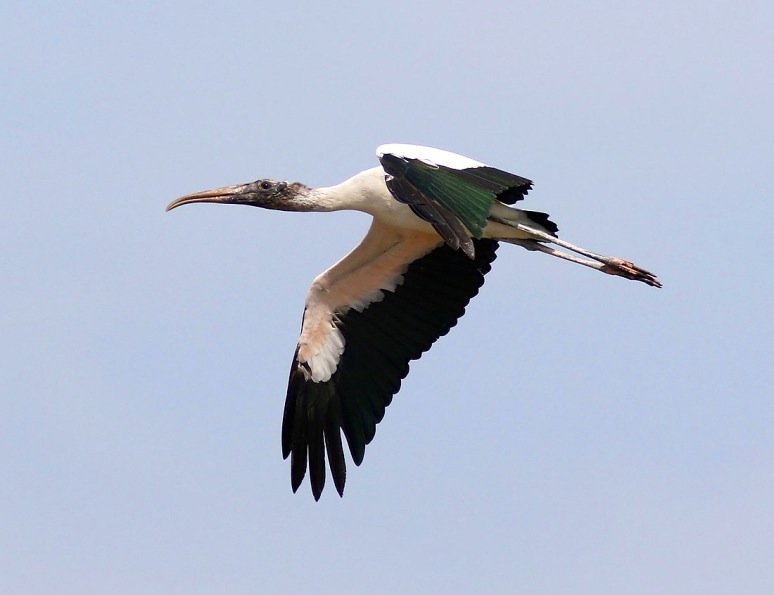
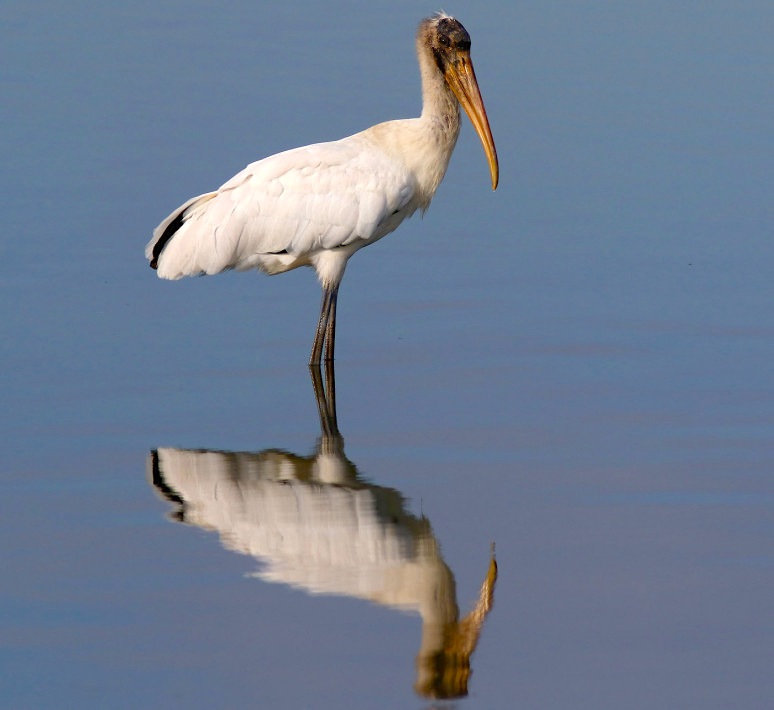
Which brings me to the Wood Stork Mycteria americana, a fine bird with a breeding population in Florida. Yet the last one recorded for the Bahamas was 51 years ago – and not on Abaco. It’s surprising that the species is not driven across the stretch of sea to the northern Bahamas by curiosity or more plausibly by storms (as with other vagrant species).
The first Bahamas sighting of a Wood Stork since 1964 occurred on September 4th at the unromantic-sounding ‘Freeport Dump’ on Grand Bahama, when naturalist and birding guide Erika Gates found one. The bird was still there on September 7th when Woody Bracey flew over from Abaco and joined Erika to check. Here it is.
Woody took a date-stamped shot for future reference
The distance from Freeport to Marsh Harbour, Abaco is about 100 miles as the stork flies. But from the eastern end of Grand Bahama to the nearest point on Abaco is much closer – 35 miles or so. So with a following wind perhaps it won’t be another 51 years until the next Wood Stork is seen in the Bahamas. And maybe next time it will fly as far as Abaco…
I sometimes feature photos by Florida photographer PHIL LANOUE, whose website is a must for anyone with an interest in birds. Among his specialities are the wood storks in his area, and I have chosen 4 outstanding WS images to end with (thanks as always to Phil for use permission).
Credits: Erika Gates, Woody Bracey, Phil Lanoue, ‘Huhnra’, Mehmet Karatay, ‘Googie Man’






















































































You must be logged in to post a comment.