Unknown's avatar

WHEN NEW PROVIDENCE WAS OLD: MAPPING BAHAMAS HISTORY


Map of New Providence / Nassau Bahamas (early c18)

WHEN NEW PROVIDENCE WAS OLD: MAPPING BAHAMAS HISTORY

“Exact Draught of the Island of New Providence, One of the Bahama Islands in the West Indies”

Lateral thinking is one thing; topsy-turvy thinking is in another league. The map that graces the top of this page is of New Providence and Nassau in the the early c18. By today’s exacting mapping conventions, which historically were less rigorously observed, it is upside-down, with Nassau on what we would call the south-west corner. The map is undated of the face of it, and I have found attributed dates of both 1700 and 1750. It could be anywhere in-between. At the time this map was made, New Providence was sparsely populated except for Nassau itself; and little was known about the island’s interior. Contemporary accounts describe a haven for pirates operating around the coastline. Not for nothing was Nassau protected by a battery and a fort. I’ve divided to map into sections to make it easier to take a closer look at each area. You can click each to enlarge.
new-providence-c18-map-part-7-2

  1. TOP LEFT CORNER (the south-east of NP in actuality), with the compass pointing downwards to the north. A smattering of houses dot the ‘west’ coast. There is one significant property above Little Sound, standing in what looks like a cleared or even cultivated area. I’ll look at that in more detail below. Note the words above The Great Salt Water Sound: “Very High Pines Grow Here Aboue (sic)”, evidence that forests of tall pines familiar even today on Abaco were found on NP 300 years ago. The island is otherwise mostly marked as if the landscape was fairly open.

new-providence-c18-map-part-1

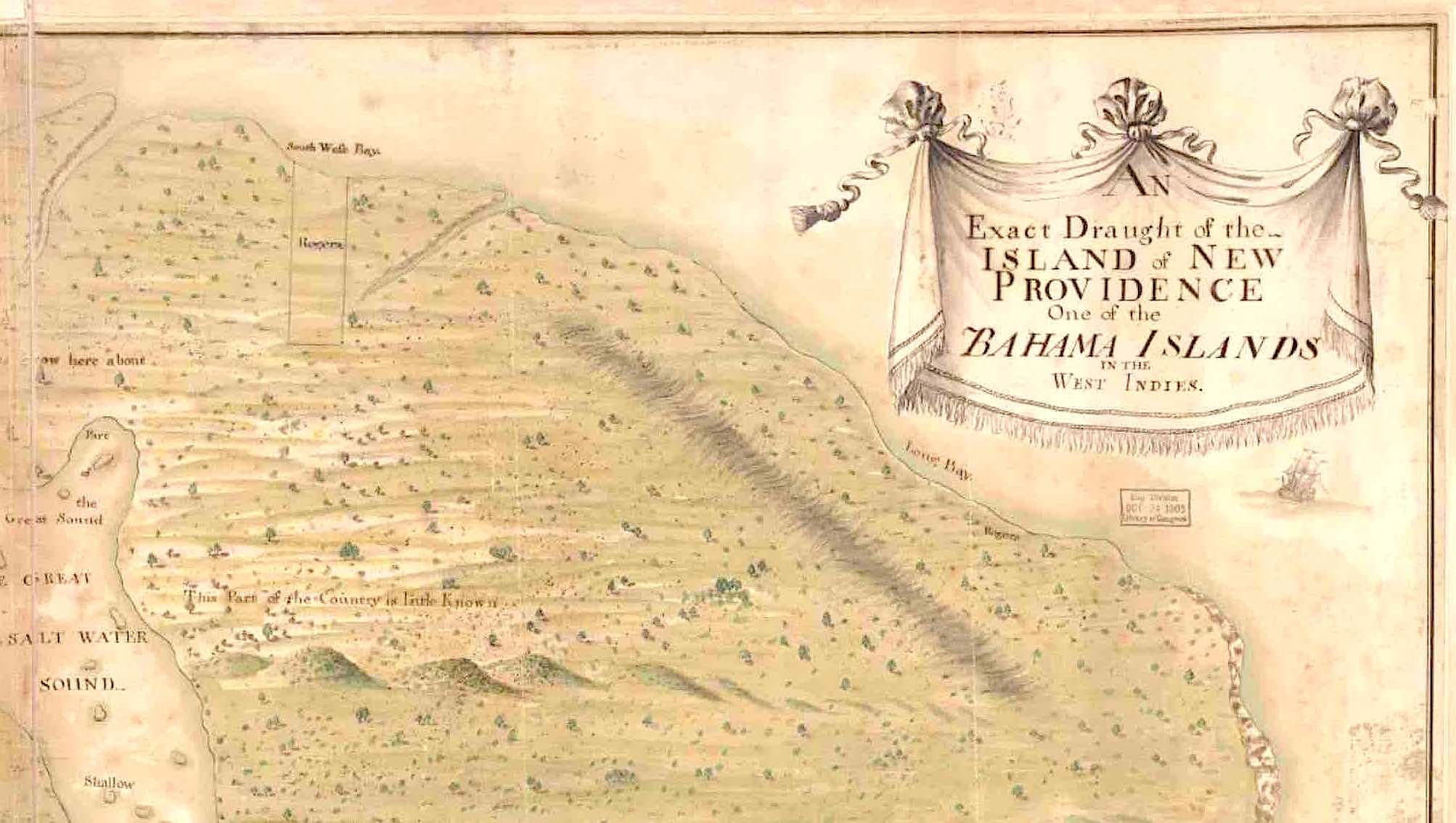
2. TOP RIGHT CORNER (south-west & west), with the confident title in a cartouche proclaiming exactness. This was not uncommon in historic map-making – the cartographical equivalent of today’s boastful product slogans – ‘simply the best’ and so on**. The caption next to the Great Sound, This Part of the Country is little Known, suggests an unexplored and perhaps hostile environment – possibly one of marshes and bogs. This sector of the island appears to have been uninhabited, or at least to having no population centres worth recording.
new-providence-c18-map-part-3-2

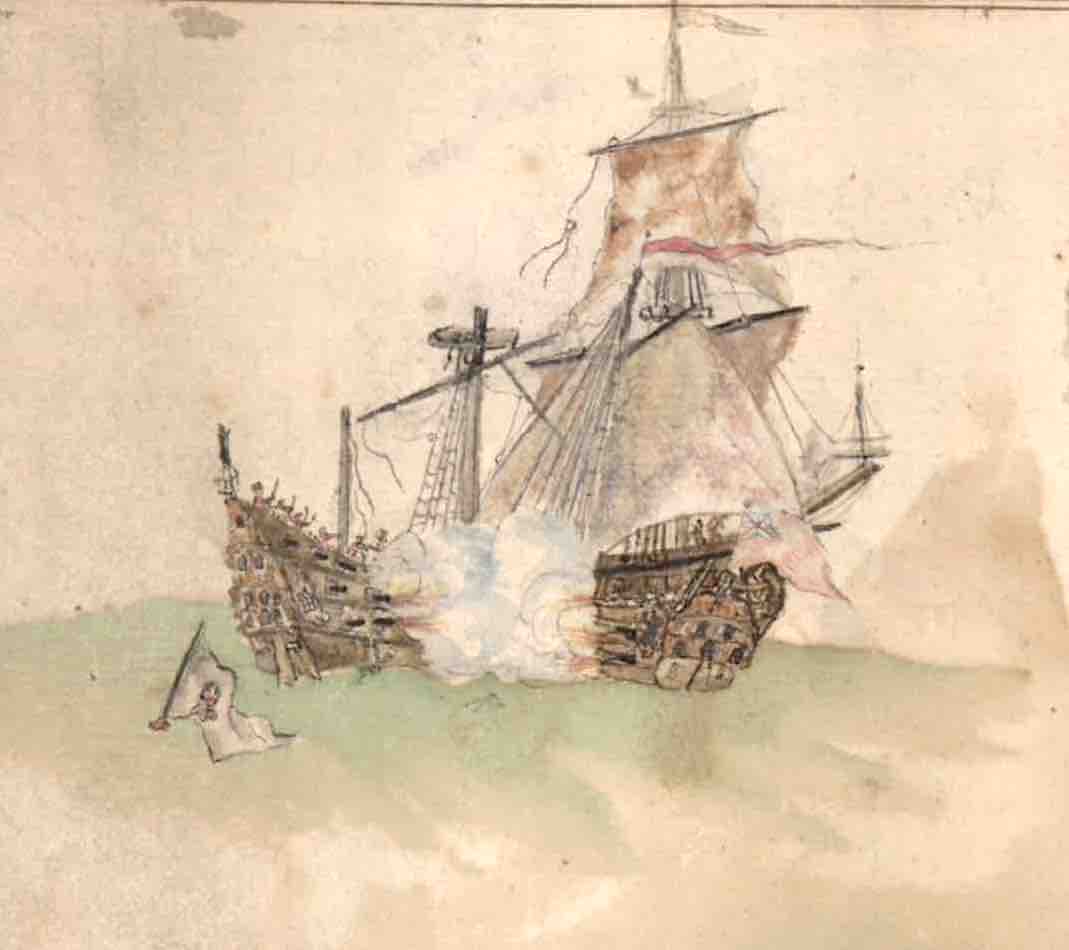
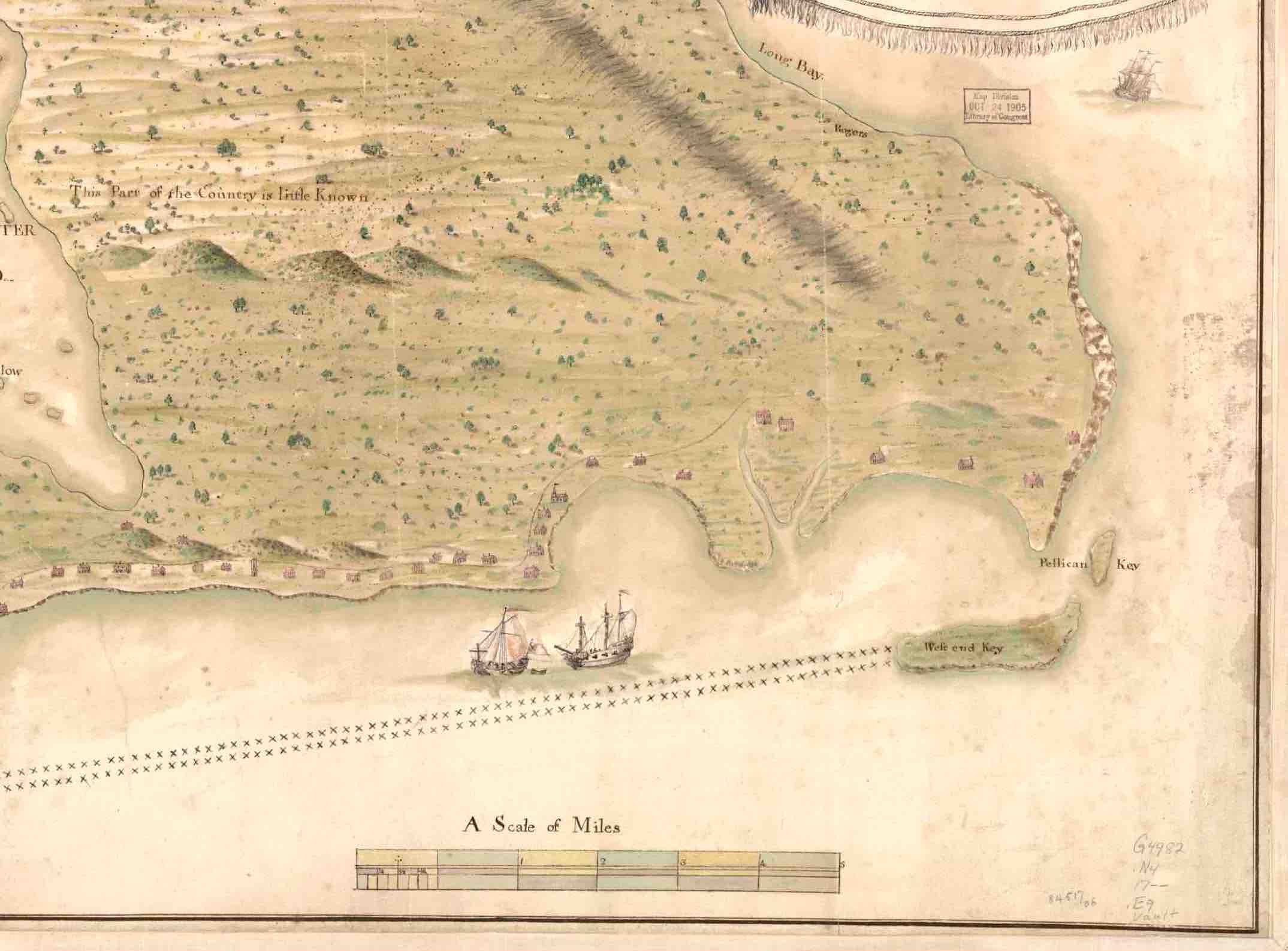
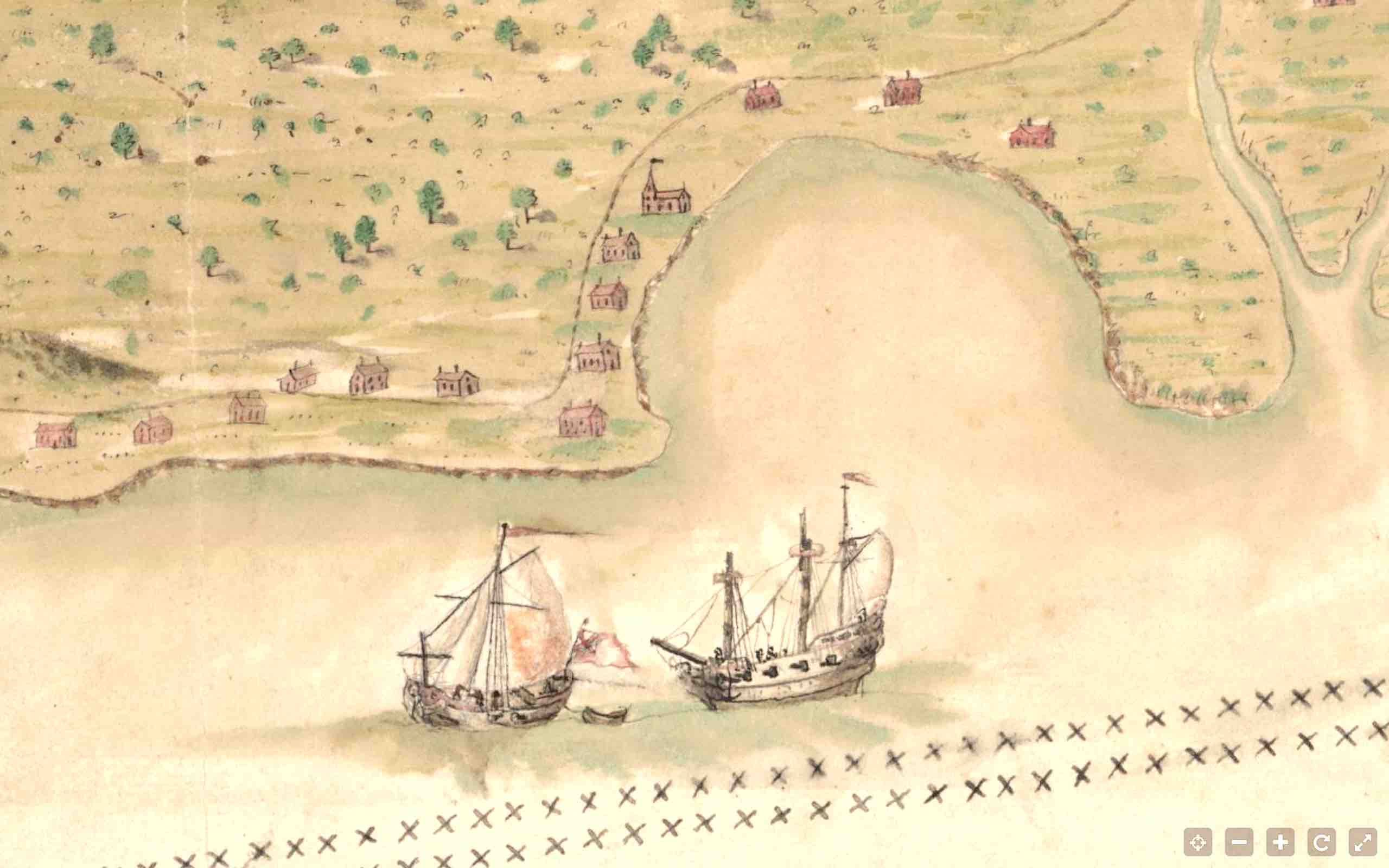
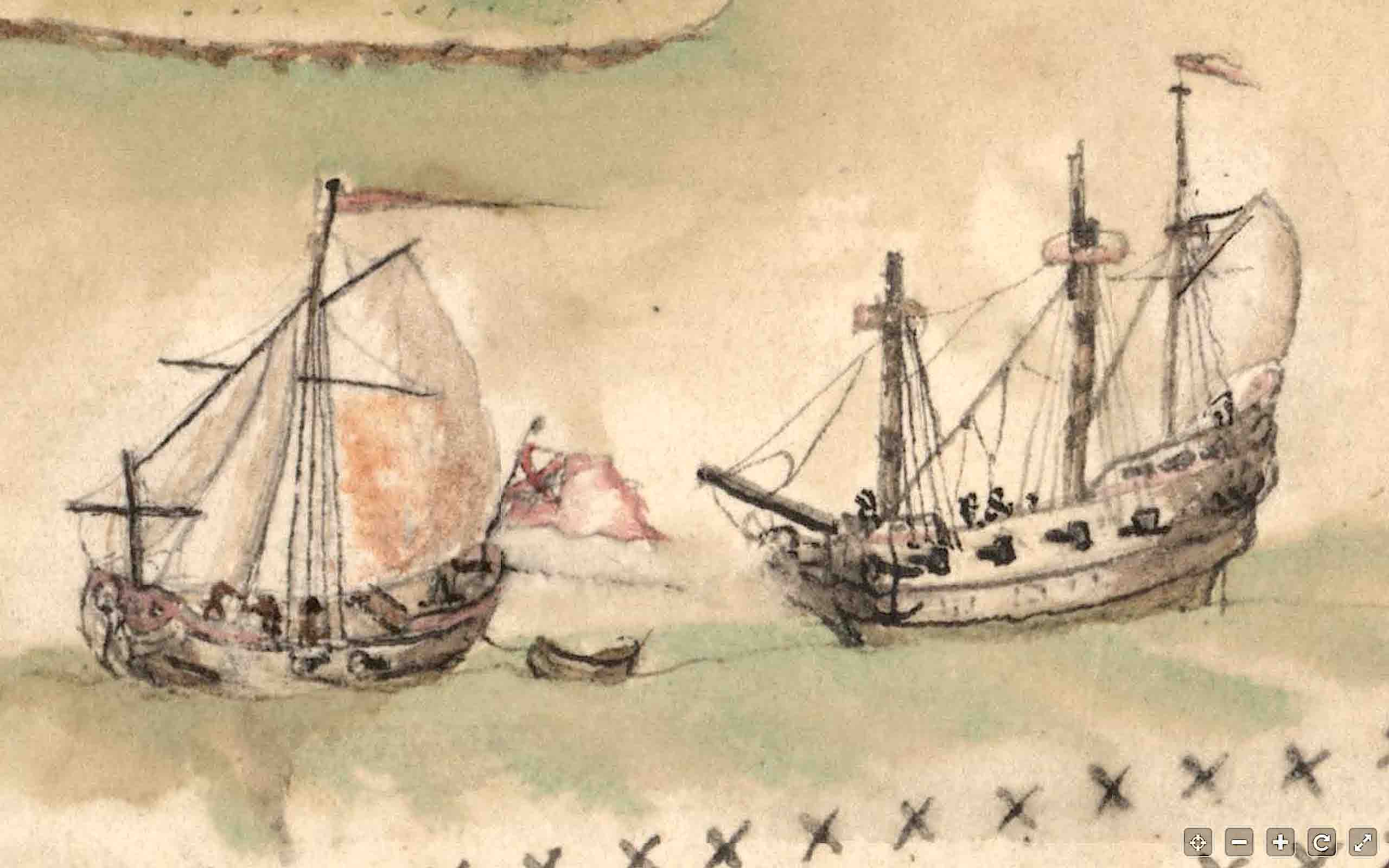
3. BOTTOM RIGHT CORNER (north-west). At last there is more evidence habitation, with a string of dwellings along the coastline. The 2 cays shown have names, West End and ‘Pellican’. And it looks as though the two ships have set out from port. On the left side of the bay above them, a church can be seen. I’m not sure what the double row of crosses indicates (maybe someone can help here), but I wondered if they might indicate the area close to the shoreline that might be safe – or at least safer – from pirate attack. The leading ship – as the detailed crop shows clearly – is a warship. No harm in romantically speculating that it is escorting a trading vessel…
new-providence-c18-map-part-4

new-providence-c18-map-part-5

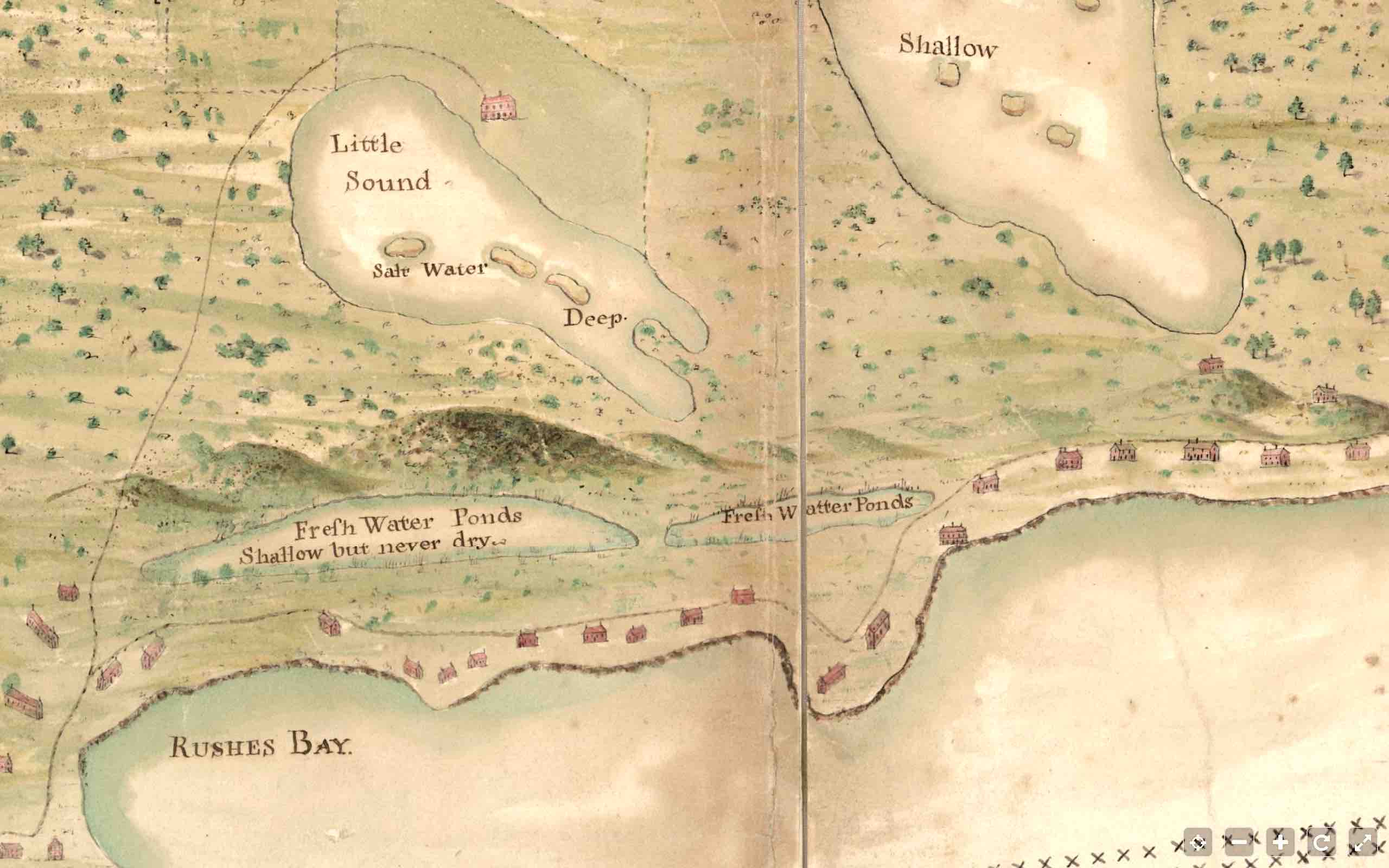
4. BOTTOM MIDDLE SECTION As we move towards the main – indeed only – town on the island, it is clear that the northern coast was the most desirable place to live. The scattering of houses along the coast continues; and the captions for the ponds show a possible reason why: fresh water, on an island where other areas of water are actually marked as ‘salt’ or which might have been unpleasantly brackish. And now we can see more of the posh establishment I referred to above. Not only did it lie in open (or perhaps cultivated) country, but it was plainly of some importance. It is notably larger that other buildings depicted, for a start; and it has its own very long track that forks off the coastal track.
new-providence-c18-map-part-10

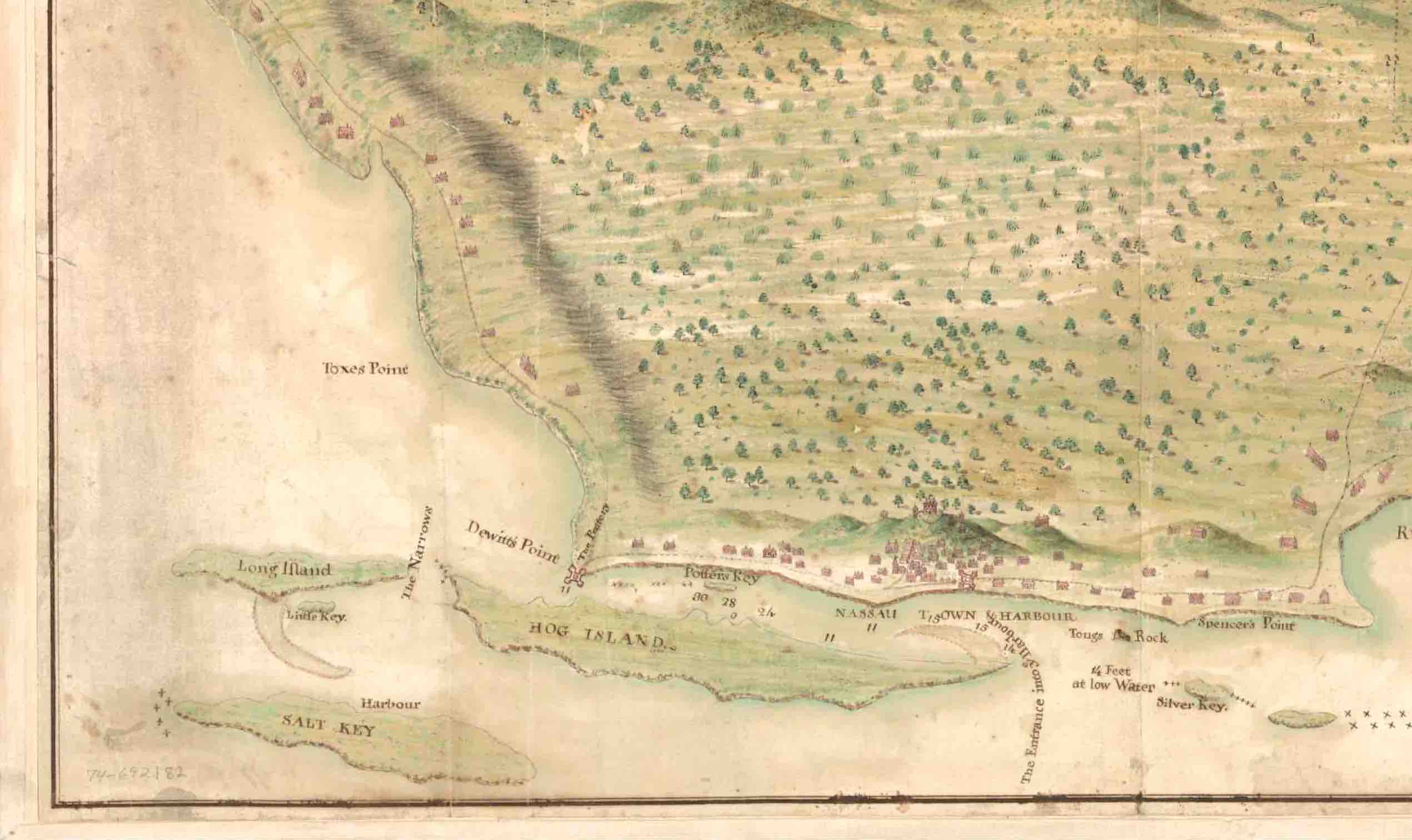
5. BOTTOM LEFT CORNER: NASSAU We have reached the big city, the centre of the population, and the port – with the harbour entrance handily marked. It bore the same name then as now; though the other names marked (as far as I can make out) have mostly if not all changed over 3 centuries. The Baha Mar development and its attendant travails seem light years away from this map. The double line of crosses ends here (bottom right at the first cay). If they marked a safe zone for vessels passing back and forth into Nassau harbour, they did not need to extend further because of the town fortifications (see detailed crop). There is a fort right on the shore; and at the far end of the harbour sound is a battery at Drewitt’s Point. The town is watched over by a substantial building – presumably a Governor’s residence – that is surrounded by a stockade . In the early c18 Nassau put on a show of strength to deter invaders and pirates.
new-providence-c18-map-part-2new-providence-c18-map-part-14

DO WE KNOW THE EXACT DRAUGHT’S EXACT DATE?

The map itself is undated. The Library of Congress, whose map I have chopped up for this post, simply dates it as 17– and notes: 

Manuscript, pen-and-ink and watercolor; Has watermark; Oriented with north to the bottom; Relief shown pictorially and by shading; Depths shown by soundings.

The excellent David Rumsey Historical Map Collection chooses the year 1750, the maker unknown. Another source puts the date at 1700.

Whichever, a clue to establish the map in the first half of the c18 is that the publisher is believed to be ‘William Innys [et al.]’, London. Innys and his brother John (the ‘et al’ presumably) were active at that time. In 1726, for example, they published an edition of Newton’s  Philosophiae naturalis principia mathematica (first published in 1687), indicating that they must already have been well-established.
new-providence-c18-map-part-7-2

WHAT ABOUT THE PIRATES?

The “Deposition of  Capt. Matthew Musson” made on  5 Jul 1717 in London, contains some excellent contemporary  pirate-based material. The middle passage in particular gives an indication how well organised and extremely well-armed the pirates were. And it is clear that piracy was actually driving inhabitants away from New Providence.

  • “On March last he was cast away on the Bahamas. At Harbour Island he found about 30 families, with severall pirates, which frequently are comeing and goeing to purchase provissons for the piratts vessells at Providence. There were there two ships of 90 tons which sold provissons to the said pirates, the sailors of which said they belong’d to Boston”.
  • “At Habakoe one of the Bahamas he found Capt. Thomas Walker and others who had left Providence by reason of the rudeness of the pirates and settled there. They advis’d him that five pirates made ye harbour of Providence their place of rendevous vizt. [Benjamin] Horngold, a sloop with 10 guns and about 80 men; [Henry] Jennings, a sloop with 10 guns and 100 men; [Josiah(s)] Burgiss, a sloop with 8 guns and about 80 men; [Henry?] White, in a small vessell with 30 men and small armes; [Edward] Thatch, a sloop 6 gunns and about 70 men. All took and destroyd ships of all nations except Jennings who took no English; they had taken a Spanish ship of 32 gunns, which they kept in the harbour for a guardship”.
  • “Ye greatest part of the inhabitants of Providence are. already gone into other adjacent islands to secure themselves from ye pirates, who frequently plunder them. Most of the ships and vessells taken by them they burn and destroy when brought into the harbour and oblidge the menn to take on with them. The inhabitants of those Isles are in a miserable condition at present, but were in great hopes that H.M. would be graciously pleas’d to take such measures, which would speedily enable them to return to Providence their former settlement, there are severall more pirates than he can now give an accot. of that are both to windward and to leward of Providence that may ere this be expected to rendevous there he being apprehensive that unless the Governmt. fortify this place the pirates will to protect themselves”. Signed, Mathew Musson. Endorsed, Read 5th July, 1717. 1½ pp. [C.O. 5, 1265. No. 73.]
new-providence-c18-map-part-11

CAN I BUY THIS MAP FOR MY WALL?

You certainly can. Well, not an original obviously. But you can find prints of it on eBay and elsewhere – just google the map title. You can get a modern copy for around $20 + shipping

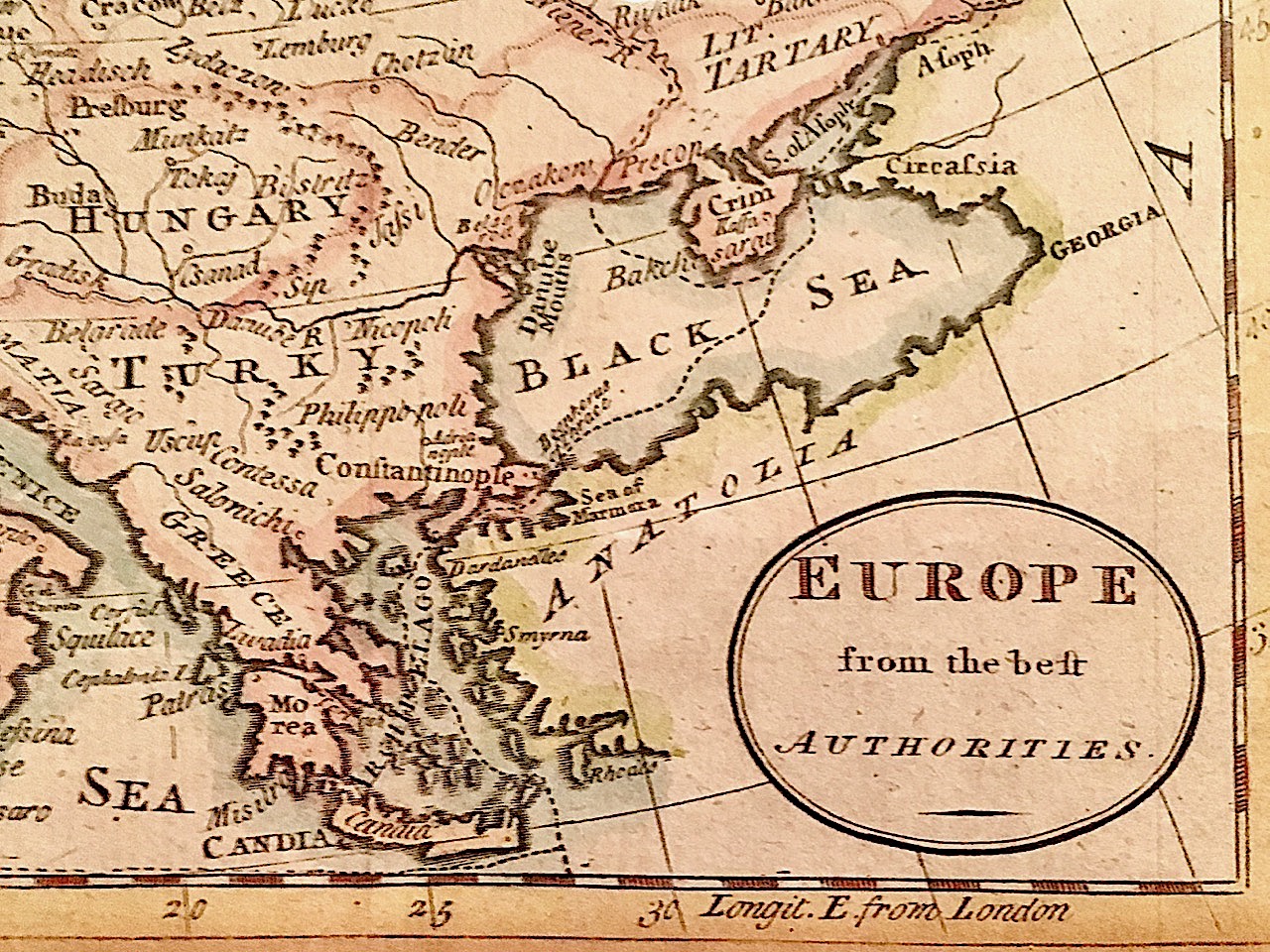
** I have an enjoyable example of this tendency on a William Guthrie map of Europe dated c1800. A map from “the beft authorities” could surely have no serious rival!img_4771
Credits: Library of Congress Online Catalog (Geography and Map Division); David Rumsey Historical Map Collection; Baylus C Brooks, Professional Research & Maritime Historian, Author, & Conservator / “America and West Indies: July 1717, 1-15,” in Calendar of State Papers Colonial, America and West Indies: Volume 29, 1716-1717, ed. Cecil Headlam (London: His Majesty’s Stationery Office, 1930), 336-344; Bonhams (Auctioneers)

Unknown's avatar

STARK’S “HISTORY OF & GUIDE TO THE BAHAMAS”


047-copy

STARK’S “HISTORY OF & GUIDE TO THE BAHAMAS”

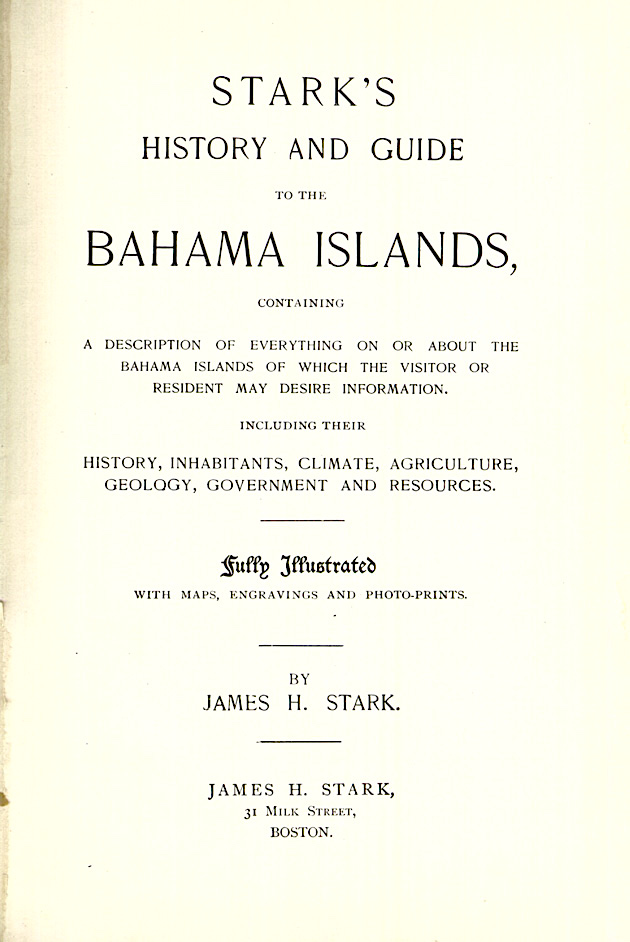
James H. Stark appears to have been, for his time, a veritable Rough Guide for the Caribbean. In 1891 he produced an entrancing tome, the commendably grammatically correctly-titled “Stark’s History of and Guide to the Bahama Islands Containing a Description of Everything on or About the Bahama Islands of Which the Visitor or Resident May Desire Information, Including Their History, Inhabitants, Climate, Agriculture, Geology, Government and Resources”. More of his other magna opera below.

Stark's History of & Guide to the Bahamas     Stark's History of & Guide to the Bahamas

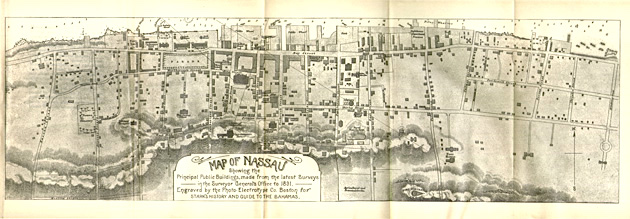
 The jaunty and classic late c19 cover depicts the landing of Columbus, lest the unwary reader should be so ill-informed as the be unaware of the location of the great explorer’s landfall. And gives the date of the event, for the sake of completeness. The title page is most informative of the contents, and manages to namecheck the author three times (or thrice, as he might have put it). The illustrations and in particular the maps are wonderful, and call for a small gallery for your enjoyment. The “Coast Chart” is compiled from “the latest… surveys.” The map of Nassau is most interesting to compare with a map of 125 years later. And the engraved map is set at an unusual angle to say the least. [I’ve tried to clip the Abaco part to check the place names, but I can’t yet get a clear enough image to read].

Stark's History of & Guide to the Bahamas - Bahamas Map

Stark's History of & Guide to the Bahamas - Nassau map

Stark's History of & Guide to the Bahamas - Bahama Islands Map

An historic map from 100 years earlier: note the place names, eg ‘Alabaster’ (Eleuthera)129

The ‘History of & Guide to’ has detailed sections on all the islands. I have lifted the relevant pages – only a few – concerning Abaco. See what a difference 125 years makes…

145146147

I enjoyed reading the ‘opinions of the press’. How unlike our own dear Amazon reviews…Stark's History of & Guide to the Bahamas    Stark's History of & Guide to the Bahamas

005

RAISING A CONTROVERSY…

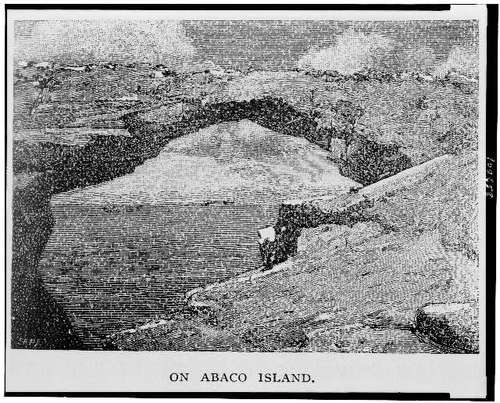
This is a topic I have touched on before. It concerns the authentic location of the ‘Glass Window’ of Winslow Homer’s famous painting. Is it Eleuthera (as claimed) or Abaco (as contended). The argument is lodged with the Brooklyn Museum, custodian of the Homer painting. In Stark’s book of 1891 is a fine photograph of a – or the? – ‘glass window’, assigned to Eleuthera. Below is an earlier engraving entitled ‘On Abaco Island’. It is the work of Homer, named by him, and seemingly a preliminary study for the painting. The same view? Or different? The jury is still listening to the arguments… 

136aHole-in-the-Wall Picture

Winslow Homer G W Original Brooklyn

Other books by James H. Stark that you may enjoy:

Stark’s History and Guide to Barbados and the Caribee Islands, Containing a Description of Everything on or About These Islands of Which the Visitor or Resident May Desire Information – Including Their History, Inhabitants, Climate, Agriculture, Geology (1893)

A ditto for Trinidad.

A ditto for ‘Boston and its Suburbs’

A ditto to the County of Ohio

md14322205683

HOLE-IN-THE-WALL for more about Hole-in-the-Wall, Abaco and Winslow Homer

Credits: my primary source is the University of Florida Digital Collection, to which thanks. However there are plenty of mainstream online sites that offer this book to view; and you can download it or even get your own POD (‘print on demand’). 

Unknown's avatar

ABACO HISTORY: GREEN TURTLE CAY & THOSE WHO STAYED


Black Sound, GTC, Abaco (Amanda Diedrick)

‘THOSE WHO STAYED’

I am very pleased to feature Amanda Diedrick’s wonderful new book about the the history of Abaco generally and Green Turtle Cay specifically. Publication is imminent. Without more ado I will leave you with Amanda’s own description of her book, which is illustrated with paintings by illustrious Abaco & GTC artist Alton Lowe. It also contains unique historic photographs that record Abaco’s rich heritage. The book details are shown below, and there’s even a handy Paypal link if – as I hope – you cannot be restrained from the temptation to buy a copy. Or maybe two. And you can follow Amanda’s fascinating and rewarding blog at LITTLE HOUSE BY THE FERRY

greenturtlesignnew

“Visitors often describe New Plymouth on Green Turtle Cay as a charming fishing village, its narrow streets, clapboard homes and colourful flowers reminiscent of a New England town.

cover-with-shadow-2

But beneath this sweet façade is a past of piracy, poverty and privilege.

Hints of New Plymouth’s history are all around. A rusted anchor at Settlement Point. Two cannon standing guard on the public dock. Broken tombstones on the beach.  An old jail with stairs that lead nowhere.

For more than a thousand years, settlers have come here, drawn by the safety of the land and the bounty of the sea. And as the waves contour the shore, so have these migrants shaped this tiny cay.

By fate and occasionally by force, most were carried away.  A resilient few remained.

This is their story.”

ABOUT THOSE WHO STAYED

  • Print length: 185 pages
  • Book size: 8.5” x 11”
  • Full colour
  • Hard cover
  • Publication date: November 20, 2016
  • Images: 200+, including many never-before published historic photographs, and original oil paintings by world-renowned artist and Green Turtle Cay native, Alton Lowe
  • Price: $79.00

Buy Now Button

Books will ship at the end of November. All orders received by November 25 will be delivered before Christmas.

ABOUT THE AUTHORamanda-profile-pic-for-web

A writer for more than 25 years, Amanda Diedrick is a ninth-generation Bahamian who counts Loyalist settlers Wyannie Malone and Nathan Key and pirate Matthew Lowe among her ancestors.

In 2012, she and her husband Tom Walters purchased the tiny cottage on Green Turtle Cay that her great-grandparents, Herman and May Curry, built after the 1932 hurricane destroyed their grand home.

Amanda documents the ongoing restoration of her ancestral home and writes about Green Turtle Cay and its history on her blog, Little House by the Ferry [link above. RH]

Tom, Amanda and their dog, Wrigley, divide their time between Green Turtle Cay and Los Angeles.

ABOUT THE ARTIST

As with so many Bahamians, it wasn’t until Alton Lowe left home at 16 to become an artist that he truly realized the uniqueness and beauty of his home country.

alton-lowe

In the decades since, he has devoted himself to capturing the people, scenes and history of the Bahamas in original oil paintings.

Lowe’s colourful works hang in public and private collections worldwide, including those of HRH Queen Elizabeth and Prince Philip, as well as Prince Charles and the late Princess Diana. He has staged 38 one-man shows to date, and more than 100 of his works have been commissioned by the Bahamian government for use as postage stamps.

Reflecting his commitment to preserving Bahamian history, Lowe founded Green Turtle Cay’s Albert Lowe Museum and was instrumental in the creation of the island’s Loyalist Memorial Sculpture Garden and Island Roots Heritage Festival.

Through his body of work, he hopes to convey the magnificence of the Bahamas and to inspire his fellow Bahamians to appreciate, enhance and protect their remarkable history for future generations.

cover-with-shadow-2

Text and images Amanda Diedrick except welcome sign (GTC Rentals) and the photo below (socmed / open source)
Abaco map by Thompson (1812): note the strange geography, place names and spellings

For more historic Abaco maps click HEREabaco-historic-map-thompson-1815-crop-copy

The opening of the Albert Lowe Museum, Green Turtle Cay, AbacoAlbert Lowe Museum GTC Opening Nov 1976

Unknown's avatar

LITTLE HARBOUR LIGHTHOUSE: A DERELICT MARITIME LANDMARK


Little Harbour lighthouse Abaco - Darlene Chisholm

LITTLE HARBOUR LIGHTHOUSE: A DERELICT MARITIME LANDMARK

The words ‘Abaco Lighthouse’ are near-synonymous with the splendid striped edifice on Elbow Cay. This beloved building is truly iconic, in the modern sense of the word. But it would not do to forget the other principal lighthouse of Abaco at Hole-in-the-Wall, also with its original Fresnel lenses. The small light at Little Harbour is by contrast relatively unknown, unvisited and unloved. And derelict. Maybe that explains it. You can read in detail about this neglected relic of Abaco’s maritime history HERE

little-harbour-lighthouse-abaco-1-bob-rusby

Last Spring,  friends and fellow Delphi Club members Bob & Annie Rusby and their children stayed for a while in Little Harbour. Among their adventures was a walk to the lighthouse, which is situated quite remotely on a promontory, and a decent stagger from Pete’s Pub. They took some up-to-date photos (the ones shown are in fact video stills) which supersede the ones I have previously posted. 

little-harbour-lighthouse-abaco-3-bob-rusby

This small lighthouse station – “The Old Lighthouse” – was established in 1889 at the entrance to Little Harbour. Originally, it was manned, with the lighthouse keeper and his wife being (according to Sandy Estabrook) the only inhabitants of that part of Little Harbour. The light presumably served more to locate the channel to the secluded and safe harbour than to warn of reef dangers.

little-harbour-lighthouse-abaco-4-bob-rusby

In due course the living quarters fell into dereliction and the existing beacon (type unknown?) on a small tower was converted to a solar-powered light. This arrangement did not survive the devastation of Hurricane Floyd in 1999. The replacement was a modern steel framework tower that carried an active light until it was blown over by Hurricane Sandy in October 2012. The header image shows the tumbled structure, which has never been replaced. Even the steel tower seems now (4 years later) to have gone. 

little-harbour-lighthouse-abaco-2-bob-rusby

Little Harbour Lighthouse 1 jpg copyLittle Harbour Lighthouse 4 jpg

The views from the elevated position of the ruin are spectacular, both from inside the ruin (lucky keeper!) and from outside. In good weather, anyway… It remains to be seen whether light is now considered completely redundant, or whether another automatic light will in the end be positioned here when funds or willpower permit. I’m not aware of any groundswell of opinion suggesting that, in the absence of a beacon at Little Harbour, there is a potential safety issue. I’d be interested to hear any views.

little-harbour-lighthouse-abaco-6-bob-rusby

STOP PRESS Chuck Rickey has left a wonderful comment in response to this post, full of personal and historical interest. Any other reminiscences would be most welcome.

“My grandmother’s first cousin, Curtis Lowe, was lighthouse keeper here for many years and along with his wife, Bessie, raised children Hartley, Maitland, Lois and Robert, obtaining staples buy walking a tract road or sailing to Cherokee Sound. Later on, they were able to motor to Snake Cay, to get provisions from Owens Illinois’ company store aboard the “Robert Fulton”, an old side-wheel steamer, permanently moored there. I was fortunate to spend much fun time there during school vacations growing up”.

little-harbour-lighthouse-abaco-5-bob-rusby

RELATED POSTS

ELBOW REEF LIGHTHOUSE: A BEACON ICON

HOLE-IN-THE-WALL LIGHTHOUSE

LITTLE HARBOUR LIGHTHOUSE

Lighthouse ruins, Little Harbour Abaco - Patrick Shyu

Credits: Darlene Chisholm (header image); Bob Rusby (all main images); Patrick Shyu (last photo); Sandy Estabrook (special thanks for info re earlier post)

Logo of the World Lighthouse Society

Logo of the World Lighthouse Society

Unknown's avatar

MAPPING ABACO: A JOURNEY BACK TO THE c18


acaco-map-1778-crop

MAPPING ABACO: A JOURNEY BACK TO THE c18

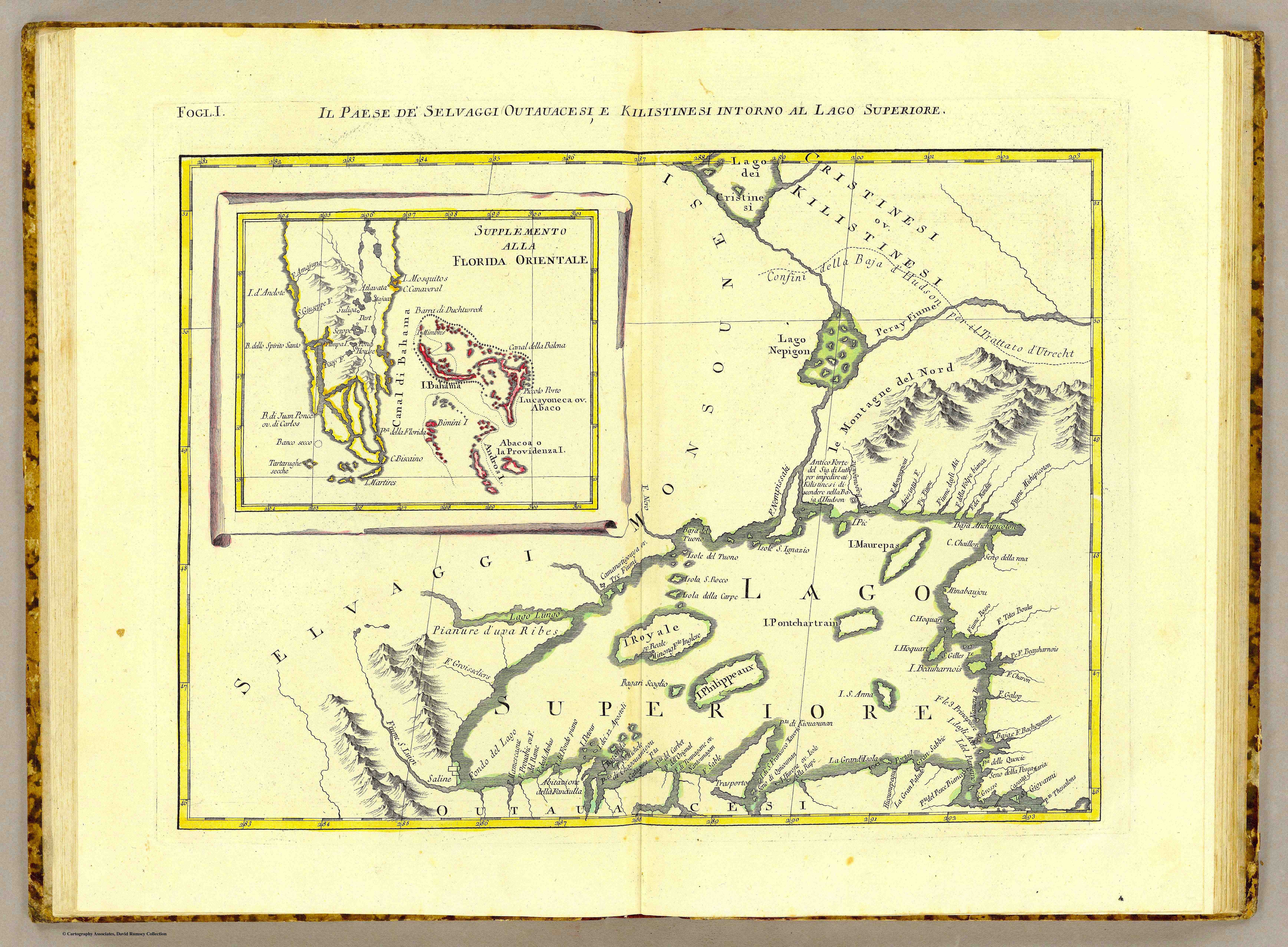
From time to time I come across historic maps of the Bahamas in general and Abaco in particular. Many were included in a post I wrote some time ago about the maritime and geographic importance of Hole-in-the-Wall, HERE. Almost all pre-c20 maps of the Bahamas contain insights into the maritime and geo-political history of the islands that are worth investigating. One that recently caught my eye is a map dated 1778 from Italy, published in Venice, with the excellent title “Il Paese de’ Selvaggi Outauacesi, e Kilistinesi Intorno al Lago Superiore”, attributed to Antonio Zatta, John Mitchell and G T Raynal.  “The title translated, might read, “The Country of the Savage Ottowas and Christineaux on the shores of Lake Superior.” Except for Ile Royale, the large islands in the lake are fictitious. The somewhat distorted outline of southern Florida in the inset is in keeping with general lack of British knowledge about this area” Portinaro & Knirsch 

Zatta was a Venetian cartographer who produced some important maps in the 1770s and 1780s, including a 4-volume atlas of the world. Mitchell was a geographer and botanist, best known for the first comprehensive map of eastern North America (1755); Guillaume Thomas Raynal was a French writer and journalist most famous for his treatise on the ‘philosophical and political history of the establishment of commerce by Europeans in the the two Indies’, a work that was considered controversial (it was banned in France, and copies burned). 

THE COMPLETE MAP

Lake Superior, with the ‘Supplemento alla Florida Orientale’ inset – a strange juxtaposition…abaco-map-zatta-1778-sm

FOCUS ON FLORIDA

The ‘eastern Florida’ inset conveniently happens to include the northern Bahamas. Staying with Fl. for a moment, of note is the inclusion of C. Canaveral, spelled then as now. Key Biscayne is also shown. I wondered about the place marked Tartarughe Secche – ‘Dry Turtles’. It is now Dry Tortugas National Park. “Mostly water, this remote park features abundant marine & bird life plus a 19th-century fort. It comprises 7 islands, plus protected coral reefs. Garden Key is home to beaches and the 19th-century Fort Jefferson. Loggerhead Key has a lighthouse and sea turtles. On nearby Loggerhead Reef, the Windjammer Wreck, the remains of an 1875 ship, is a popular dive site. Bush Key is a nesting site for seabirds like sooty terns.”** I suspect that these coral reef islets were marked on maps in days before lighthouses because of the hazards they posed to navigation at sea; and because, like Hole-in-the-Wall on Abaco, they were useful navigation aids.

abaco-map-inset-italian-c18

ABACO & NORTHERN BAHAMAS

Unacknowledged in both the map and the inset titles, are the northern Bahamas islands. We can pass by Bimini, Andros and (Grand) Bahama which, apart from distinct oddities of scale, shape, and location are more or less as one might expect for the period. Let’s look at some details of the depiction of Abaco. 

acaco-map-1778-crop

  • ABACO(A) The first geographical jolt comes not from the well-known fact that historically, present-day Abaco was originally called Lucaya (or variations), but that (New) Providence was called Abacoa. Adding to the confusion, some early maps also show certain cays as ‘Abaco’, ‘Abacoa’, or in the case of Tilloo Cay in 1815, ‘Aboca’, possibly through errors or misunderstandings. This map is one of the few I have seen that shows both the mapped transition of Lucaya (or its variants) to Abaco; and of Abaco(a) to Providence. If anyone has any idea why this came about, I’d be pleased to know!
  • HITW? The next surprise is that Hole-in-the-Wall, an established and mapped nautical landmark for some decades, is not marked. Shown on maps since at least 1738, this is the first map I have found – other than the most basic – that does not feature HITW (in whatever language) or ‘Lighthouse Point’. An odd omission.
  • PORTO PICCOLO’s inclusion is interesting because it continues a tendency – eg 1738, Couvens & Mortier – to show Little Harbour as the only named settlement, though by 1778 there must have been others. LH was clearly a place of some significance, and this presumably had a nautical explantation: the harbour is perfectly placed to offer protection and a safe refuge in stormy weather.
  • CANAL DELA BALENA refers to what, by the early c20, was called ‘Whale Cay Channels’ (below), by which time it was more accurately mapped. Other c18 maps also show ‘Chenal Whale’ and ‘Whale Channel’, but considerably north of the actual location. But in those days, even the outline of Abaco and the location of the cays was usually endearingly wonky.whale-cay-abaco-map-crop
  • BARRA DI DUCHTWRECK I haven’t been able to find out much about this location, or the wreck that gave it its name. A map by Thompson (1815) calls it ‘Dutch Wreck Bar’, and I can only assume that at some time in the early c18 – or even the c17 – a Dutch vessel came to grief on the reef. I need to look into this more. Someday. Oddly, the modern Italian for a reef is barriera not barra. Maybe the word has changed over time, or the usage barra then was colloquial; or perhaps in mapping terms it was a generally accepted abbreviation.
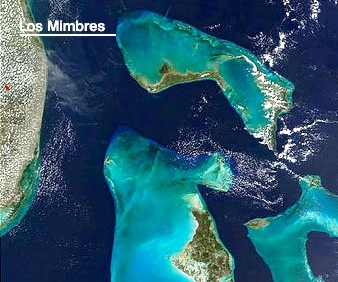
  • I MIMBRES This reef or shoal area of is usually mapped as Matanilla Reef, Maternillo Bank or Reef, or variants. In 1656 this area – presumably dangerous for shipping – was the scene of a dramatic tragedy involving a treasure ship, the flagship of a fleet. I dug up reports of the events in Portugese which baffled ‘Google Translator. I was bailed out by an article about treasure hunter Robert Marx and his findings:

shipwreck-ac-marxshipwreck-ac-marx-copy-2bahamabank-1

If you have got this far at all, or even with the assistance of 2 or 3 Kaliks, thanks for bearing with me. The old Abaco maps are fascinating, and of course once one begins to dig, so more stuff emerges… and so on.

Credits: David Rumsey Historical Map Collection, http://www.davidrumsey.com / Cartography Associates – in particular for licensing non-commercial use of material via a Creative Commons License; magpie pickings from multiple open-source sites.

**Dry Tortugas National Park review comments are eclectic and include “Crystal clear water, lots of wildlife, nice people and such a cool fort”; “The Dry Tortugas area first gained significance after the War of 1812” and “Constant nice breeze and comfortable night time temperatures for sleeping.”

Unknown's avatar

SMALL CHANGE THAT MAKES A DIFFERENCE: BAHAMAS COINAGE


Abaco Parrot coin jpg

‘Bahama Parrot’ 1975 Flora & Fauna Colour Coin issue

SMALL CHANGE THAT MAKES A DIFFERENCE: BAHAMAS COINAGE

Some time ago I did a series of posts about the lively and colourful wildlife stamps produced by the Bahamas Postal Service and its Philatelic Bureau, with numerous special editions over recent years featuring  birds, reef fish, butterflies, flowers and much more besides. In due course I amalgamated the posts into a dedicated stamp page – click link STAMPS

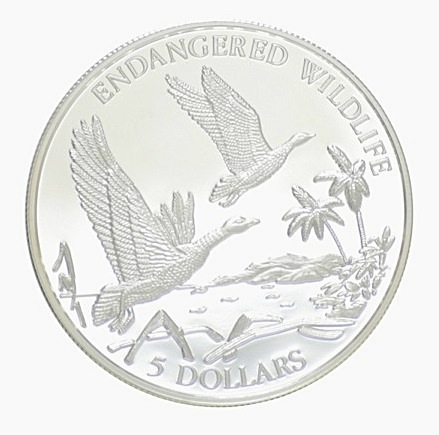
Whistling Ducks 1994  for Endangered WildlifeWhistling duck coin jpg

I have a vague theory that a country or government’s interest in the wildlife (and in the protection of it) that is enjoyed by its citizens can be measured by the quality of its stamp issues. Almost all countries must have stamps, and those that choose to celebrate their natural history on them deserve a cheer. The Bahamas has definitely taken the initiative.

Brown Pelican on Coat of Arms 1998Pelican coin JPG

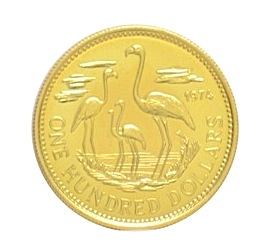
I’ve now found a new example of my stamp theory – national coinage. And again the Bahamas has taken the lead, producing plenty of coins featuring natural history both before, since and in honour of Independence. Earlier this week I found one of the recent 10c bonefish coins lying bright and shiny in a drawer. Then I thought about some of the other coins – the flamingos, the starfish, the conch and so forth. The result is the first of three posts about the small change you have in your pocket – the coins your use every day (except maybe the very high value ones, like the $100 ‘Independence’ parrot below) – starting with an avian theme.

Cuban Parrot for Independence 1973
images-1

Bahamas coinage is regulated and issued by The Central Bank of the Bahamas. In 1966, a ‘Numismatic Coin Programme’ was initiated through the banking department with the issuing of two specimen silver sets: a 7-coin and 9-coin set designed by a British artist Arnold Machin. These sets, being pre-Independence, were minted by the Royal Mint of London.

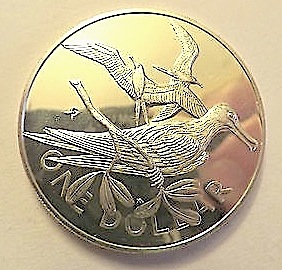
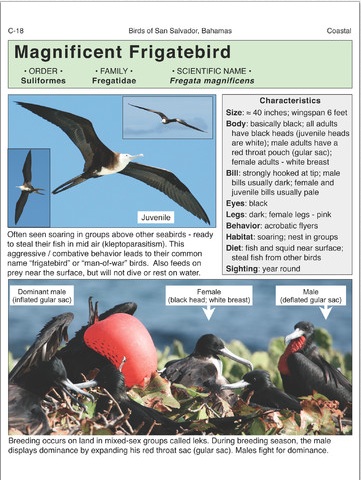
Magnificent Frigatebirds 19731973 Commonwealth of the Bahamas Proof Dollar

The NCP is responsible for many of the flashy ‘special editions’. As their website puts it: “Generally, proof/non-proof Gold and Silver commemorative coins are produced in collaboration with a promoter for sale to coin dealers and numismatists. In fact, many of the coin programmes commemorate events of both national and international significance, such as Bahamian Independence, the Olympic Games, the 500th Anniversary of Columbus’ discovery of the New World, the World Cup; and have featured various wildlife themes.”

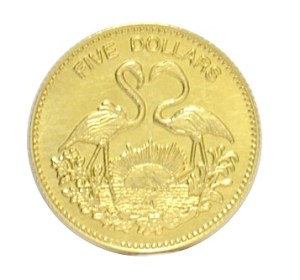
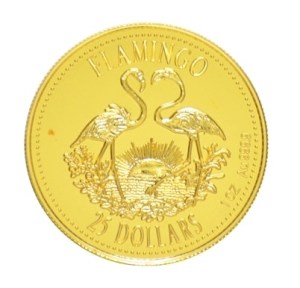
Sometimes coins featuring a particular bird will change either by having the design updated; or because a different value ‘flamingo’ is issued; or because the metal content (which directly relates to the value) is changed. A special high value gold coin may be struck, for example, with the design used for a lower value silver coin with the same or similar design. Here are some flamingo-based examples.

                              $2 undated                                                   $2 dated
Flamingos silver coin JPG

s-l225-7

$5                                                                 $25

Flamingos gold coin JPGFlamingo gold coin JPG

$50 1973 Independence

images-2

The coins above are all based on a ‘two-flamingos-facing-above-a-rising-sun’ design. However, for the big money $100 coin the design was changed to 4 flamingos and no sun…

$100 dollar, with more flamingos for your bucksFlamingo coin, gold JPG

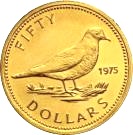
The last bird coin is a bit of an oddity. The Bank issued this $50 in 1974 piece with the listing ‘White Crown Pigeon’. However, it may look to you more like a Common Ground (Tobacco) Dove. That’s certainly how others have listed it. Comments welcome…

White-crowned Pigeon? Or Tobacco Dove?

298White-crowned pigeon coin jpg

And just to prove that currency notes can feature wildlife effectively…images-4

Sources include Central Bank of the Bahamas / Numismatic Coin Programme site, Numista, and random open source material to get clear pics of coins (if anyone wants to contact me to claim a specific credit / get an eBay etc image expunged, please do so before issuing death threats or suing)

Unknown's avatar

CHEROKEE LONG DOCK: ABACO LANDMARKS (1)


Cherokee Long Dock Aerial (David Rees)

CHEROKEE LONG DOCK: ABACO LANDMARKS (1)

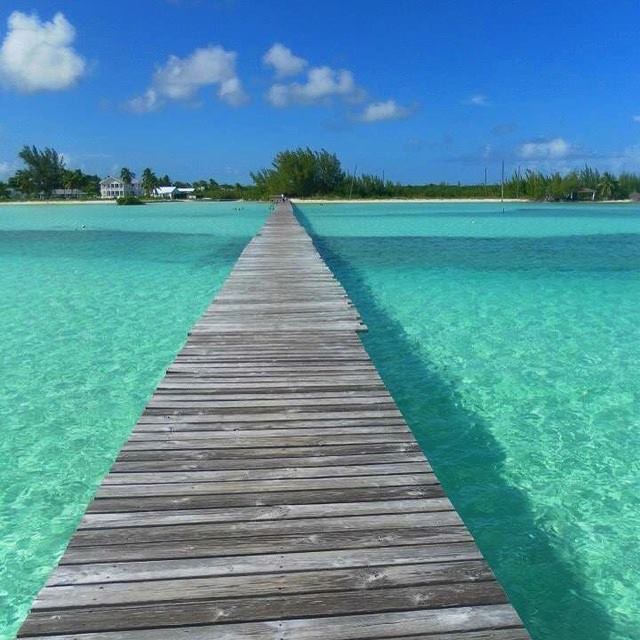
Cherokee Long Dock has a significant claim to prominence on an Island that has, with its Cays, a good few docks to admire. The impressive 770 foot wooden dock is the longest wooden dock in the Commonwealth of the Bahamas, as its plaque proudly proclaims. The waters of Cherokee Sound are very shallow in places, and as the tides retreat, so sandbanks appear and the rest is barely covered by the sea. Hence the need arose for a very long dock to serve the very small community of Cherokee.

Cherokee Long Dock, Abaco, Bahamas (Larry Towning 1)Cherokee Long Dock, Abaco, Bahamas (Larry Towning 2)

Before the roads were built – in relatively recent memory – Cherokee was an isolated settlement. There was a shortcut connection by boat to a now-abandoned dock at the nearest community, Casuarina, across the Sound. However, non-tide-dependent access from the open sea was vital for supply boats and mail boats. Access to the sea was needed by the fishermen.

Cherokee Long Dock 4 (Amanda Diedrick) Cherokee Long Dock 2a (Amanda Diedrick) Cherokee Long Dock 1 (Amanda Diedrieck) jpg

The plaque documents the history of the dock, the damage inflicted by hurricanes, and the ‘countless hours of labour’ by local people- ‘men, women and children’ – to preserve the dock.Cherokee Long Dock: the plaque (Amanda Diedrick)

Royal terns and other seabirds use the dock to rest; and as a safe place from which to fishCherokee Long Dock (Velma Knowles)

long-dock-cherokee-abaco-karen-eldonCherokee Long Dock 3 (Amanda Diedrieck)IMG_3013

Photo credits: David Rees and his wonderful drone (header); Larry Towning (2, 3); Amanda Diedrick (4, 5, 6, 7, 9); Karen Eldon, Velma Knowles (8); last image from a FB friend with thanks and many apologies – I’ve lost my note of who took it…  to be added if possible; short vid from Youtube.

Unknown's avatar

A QUARTER OF A MILLION GLIMPSES OF ABACO…


Abaco (Cuban) Parrot, Abaco, Bahamas  (Keith Salvesen)

A QUARTER OF A MILLION GLIMPSES OF ABACO…

Well here’s a rum do. About four years ago, this somewhat minority interest blog emerged ‘mewling and puking’¹ into the world, guided by an incompetent male midwife whose basic training had been about 4 weeks of exposure to Abaco, its fishing, its wildlife, its geography and its history. ‘Bananaquit’ might as well have meant taking up a plantain-free diet. ‘Grassquit’ might have been the local word for ‘keep off the lawn’. And that’s before all the flowers. And the reef fish. And everything else that turned up during the storm-wracked voyage of discovery via polydamus swallowtails, manatees, spider wasps and batfish that led slowly to the calmer waters of ‘rather better informed (if no wiser)’. 

Anyway, at midnight last night some unknown person kindly made the 250,000th visit to the blog, a target that once seemed inconceivable. In the past month, the 1000th person also signed up as a follower, another source of amazement. The reality is that despite Abaco being a sparsely-populated microdot island in a huge world, there are a great many people on the island or associated with it who are passionate about it and its extraordinarily diverse natural history. That knowledge makes curating this blog both easy and pleasurable. 
RH Stats clip

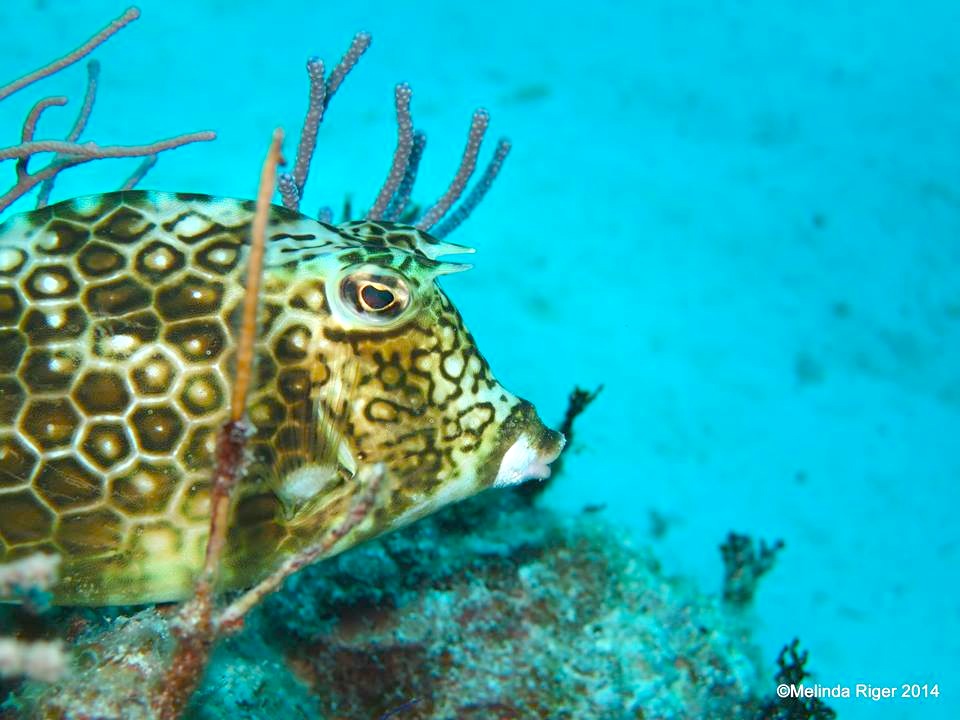
I checked my stats for the last year to find out where hits from the top 10 countries – and for fun the bottom 1o – came from. Here’s the answer. Rather shamefully there was also a country I had never knowingly heard of, Palau (Micronesia). There follows a selection of a few photographs that have been popular over the years, mostly my own but the underwater ones are from Melinda Riger and Virginia Cooper of Grand Bahama Scuba.

Top 10                                                                   Bottom 10
Top 10 countries jpg   Bottom 10 countries jpg

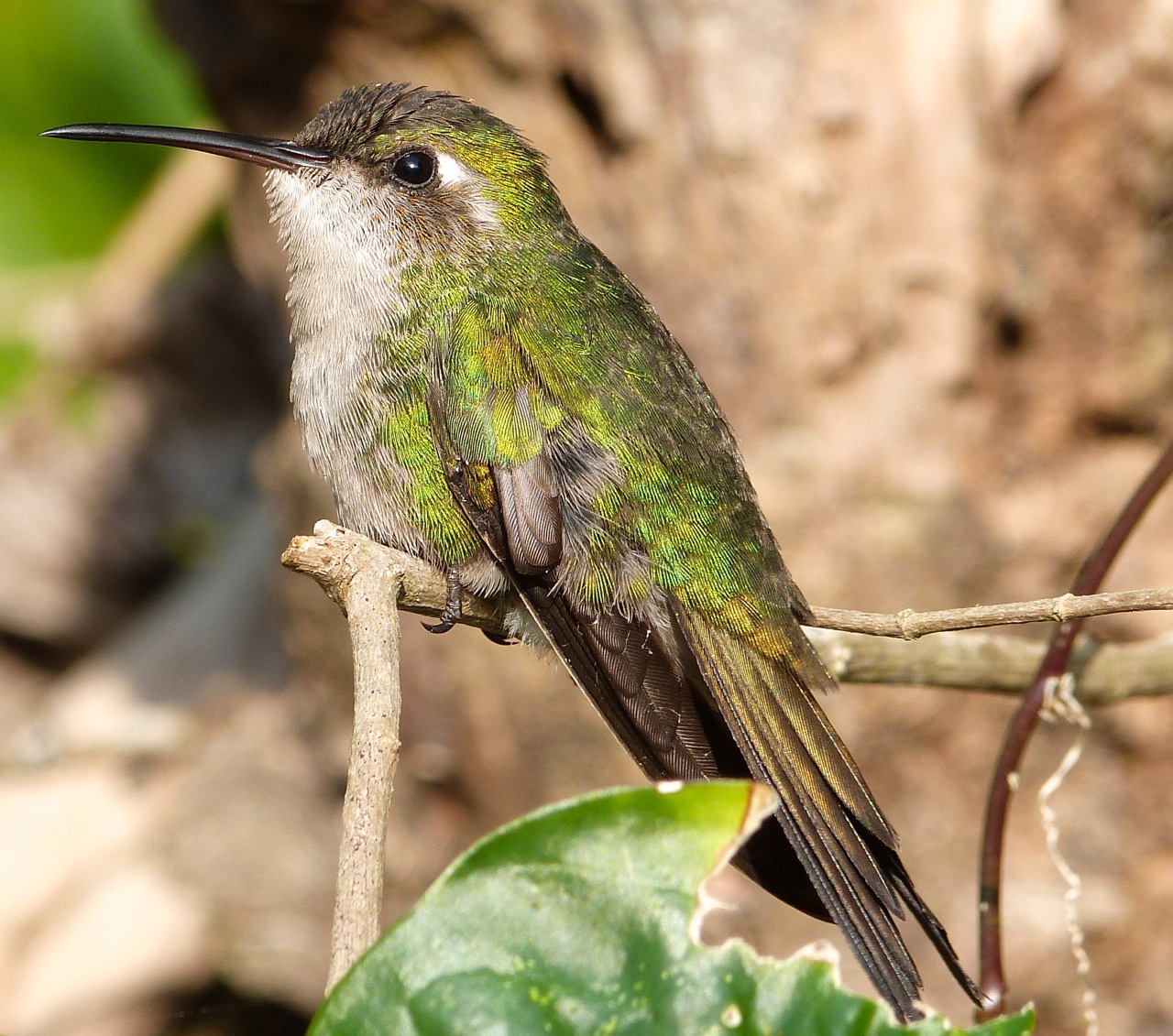
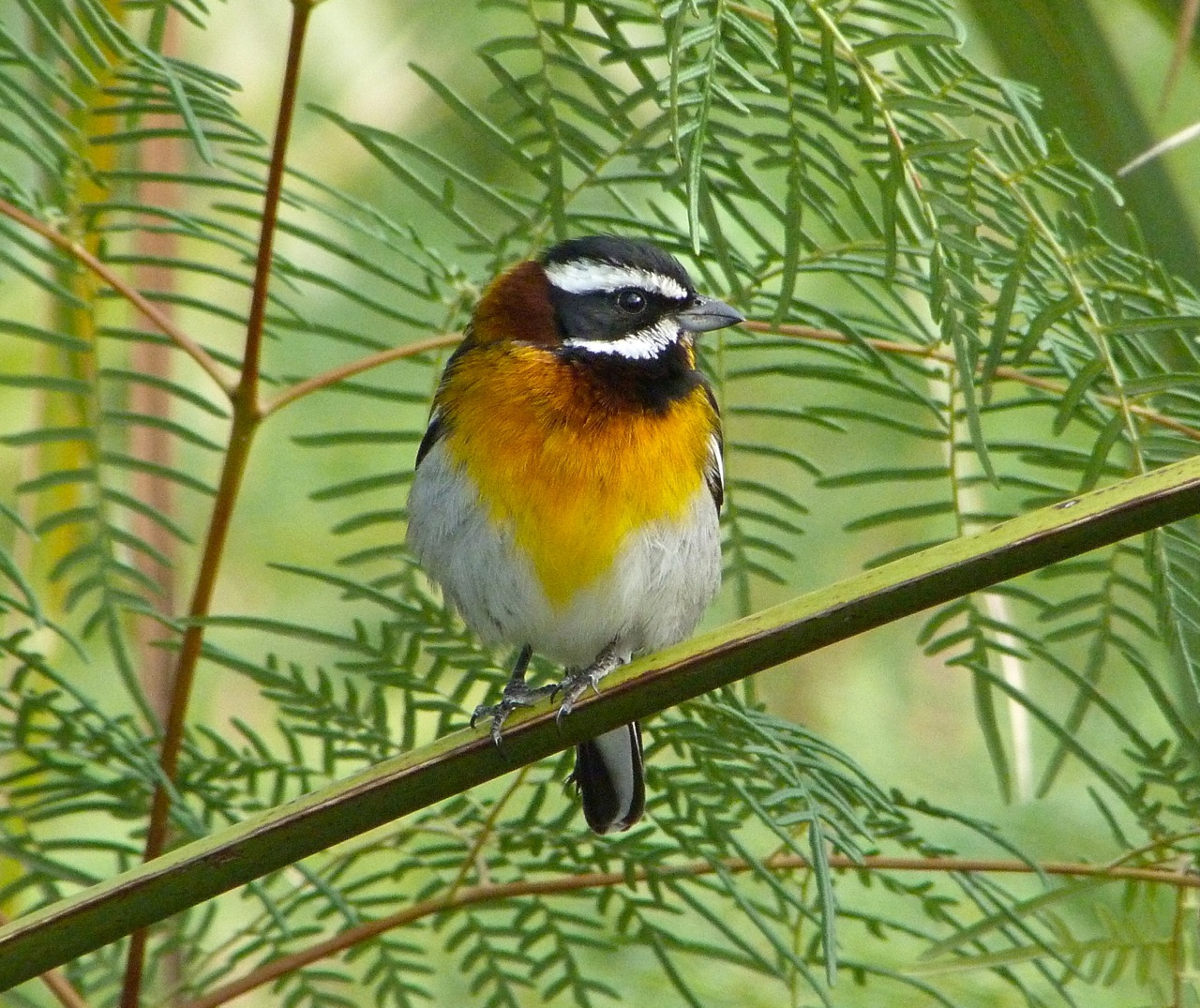
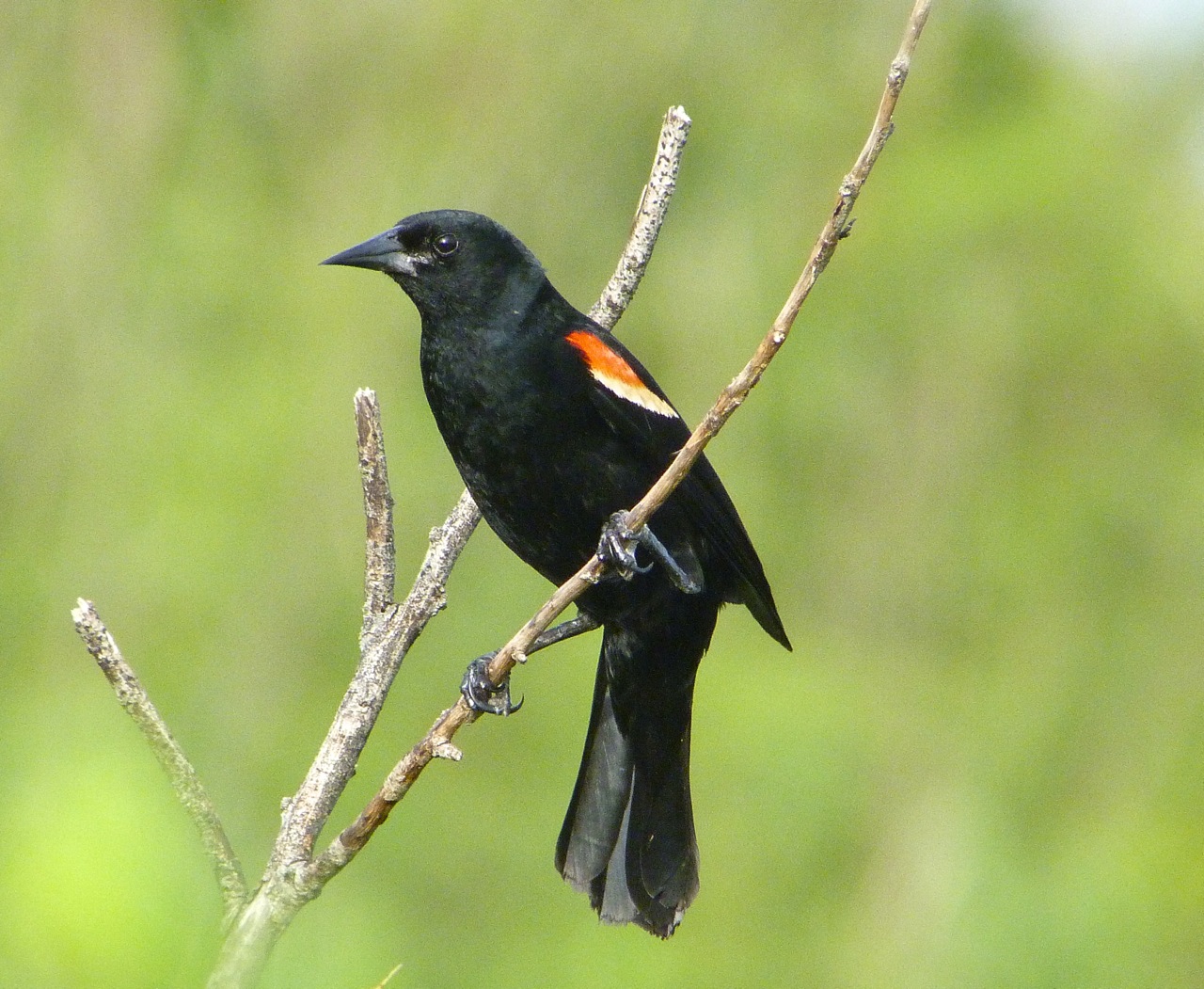
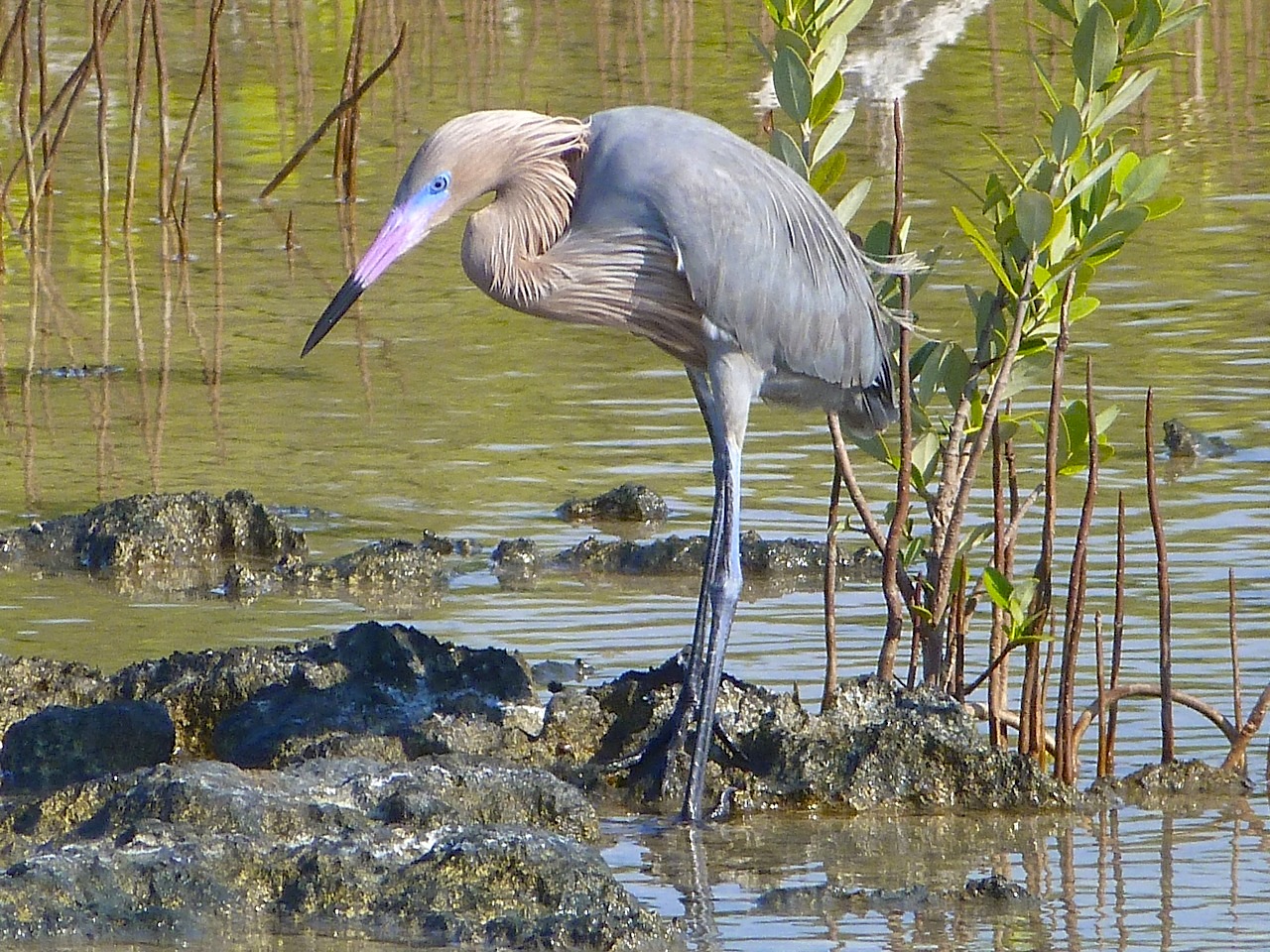
Cuban Emerald Hummingbird, Delphi, Abaco (Keith Salvesen)Bananaquit & palm, Delphi, Abaco, Bahamas  (Keith Salvesen)Western Spindalis, Abaco, Bahamas  (Keith Salvesen)Blue-gray Gnatcatcher, Abaco, Bahamas (Keith Salvesen)Red-winged Blackbird, Abaco, Bahamas  (Keith Salvesen)Brown Pelicans, Sandy Point, Abaco  (Keith Salvesen)Reddish Egret, Crossing Rocks, Abaco, Bahamas (Keith Salvesen)French Angelfish (juv), Bahamas (Melinda Riger)Four-eyed Butterflyfish ©Melinda Riger @GBSCowfish ©Melinda Riger @ GB ScubaOctopus ©Melinda Riger @ Grand Bahama ScubaNassau Grouper, Bahamas (Melinda Riger)Blacktip Shark ©Virginia Cooper @ G B Scuba copy 2Curly-tail Lizard, Delphi, Abaco, Bahamas (Keith Salvesen)Atala Hairstreak Butterfly, Abaco, Bahamas (Keith Salvesen)Bird of Paradise Flower (Strelitzia) Abaco (Keith Salvesen)Hibiscus : Polydamus Swallowtail, Delphi Abaco (Keith Salvesen)Yellow Elder Hope Town, Abaco, Bahamas (Keith Salvesen)

SEARCH TERMS

The most popular searches – omitting posts about hurricanes, which always generate a lot of traffic – have concerned Abaco Parrots, Lignum Vitae, Sea Glass, the Loxahatchee poster series, Tarantula Hawk Wasps, Sea Biscuits / Urchins, Yellow Elder, Parrotfish, Shipwrecks, Hutias, Hole-in-the-Wall, Lionfish, Remora, and Abaco Maps. The most leftfield search of all was ‘How dispose of dead bodies?’, by someone who had clearly strayed into the wrong category of website…

A FEW OF THE MOST POPULAR POSTS / PAGES
SEA SHELLS
SPIDER WASPS & TARANTULA HAWKS: DON’T MESS WITH THESE GUYS    
ABACO FACTS (including likelihood of adverse shark encounter or shipwreck)    
ABACO MAPS    
LIGNUM VITAE – BAHAMAS NATIONAL TREE    
YELLOW ELDER – THE BAHAMAS NATIONAL FLOWER    
SEA URCHINS & SEA BISCUITS – BEACHCOMBING TREASURES ON ABACO    
ABACO FOOD & DRINK (cook hog / bonefish; clean a conch; sip an Abaco cocktail / Goombay Smash)
ABACO & HOLE-IN-THE-WALL, BAHAMAS: A SHORT HISTORY IN MAPS    
PINEAPPLES: SYMBOLS OF WELCOME & WEALTH (ALSO, DELICIOUS)    
ABACO ISLAND BOA: THE ONLY ABACO SNAKE    
WHALES & DOLPHINS    
ABACO PARROTS    
FLORA

It would be strange to end this little celebration without a tip of the hat to Peter Mantle, old friend and genial doyen of the Delphi Club, for his wholehearted encouragement and support for the production and publication of THE DELPHI CLUB GUIDE TO THE BIRDS OF ABACO. This hefty tome, published in March 2014, showcases the wonderful and varied avian life on Abaco and has proved very popular – indeed well beyond our expectations. Although I appear nominally as author on the cover, it is in fact an extraordinary collaborative effort by some 30 people. The book’s success further demonstrates the commitment of Abaconians and other who love the island to Abaco’s rich natural heritage in an age of  rapid change; and provides another good incentive for me to continue with the blog. Next stop: 500,000!

¹ © W. Shakespeare, Romeo & Juliet Act 2 Sc. 7

dcbg2ba-jacket-grab-for-pm-v2-copyShark Gif

Unknown's avatar

BREADFRUIT: NATURE’S BOUNTY (WITH ADDED MUTINY)


Artocarpus altilis - breadfruit (Hans Hillewaert)

BREADFRUIT: NATURE’S BOUNTY (WITH ADDED MUTINY)

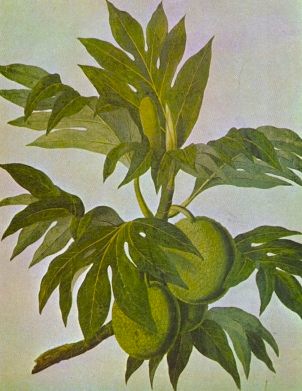
Capt. William Bligh achieved fame for all the wrong reasons. Despite a distinguished and wide-ranging seafaring career he is widely remembered for just two things: (1) The Bounty and (2) Mutiny On. In 1787, he was dispatched to Tahiti to collect specimens of breadfruit (a fruit of the Pacific islands, in particular Polynesia) to help provide food for the British colonies in the West Indies. To be clear, the breadfruit was intended to be a basic and cheap staple food not just for settlers but also for the indigenous population.Breadfruit 2

Capt. Bligh’s Bounty crew unfortunately mutinied – possibly to do with the amount of water the breadfruit required compared to their own meagre rations – and threw overboard the hundreds of breadfruit plants that were in transit. Then they set Bligh with his loyal officers and crew adrift… He was later court-martialled but cleared of culpability for the mutiny. 

Mutiny on the HMS Bounty (Robert Dodd)

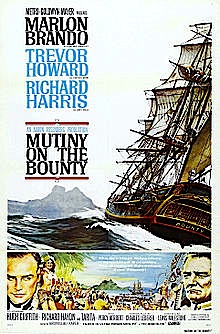
This isn’t the place for a disquisition on the Mutiny. You can read all about it HERE. Or better still, watch one of the rollicking all-star-cast films based loosely on the episode for a careful and accurate historical record of the events that will buckle your swash…

Mutiny_on_the_Bounty_Poster (1935)     220px-Poster_for_Mutiny_on_the_Bounty

Following that skirmish, and indeed blemish on his record, in 1793 Capt. Bligh was yet again charged with the task of shipping breadfruit trees from their origin to the Caribbean. His heart must have sunk, yet finally he succeeded, only for those on the eating end to express considerable distaste for such a bland, starchy fruit. It took a long time to catch on, and its culinary versatility was only discovered many decades later. By which time slavery had thankfully been abolished anyway.Breadfruit image (Pacific site)

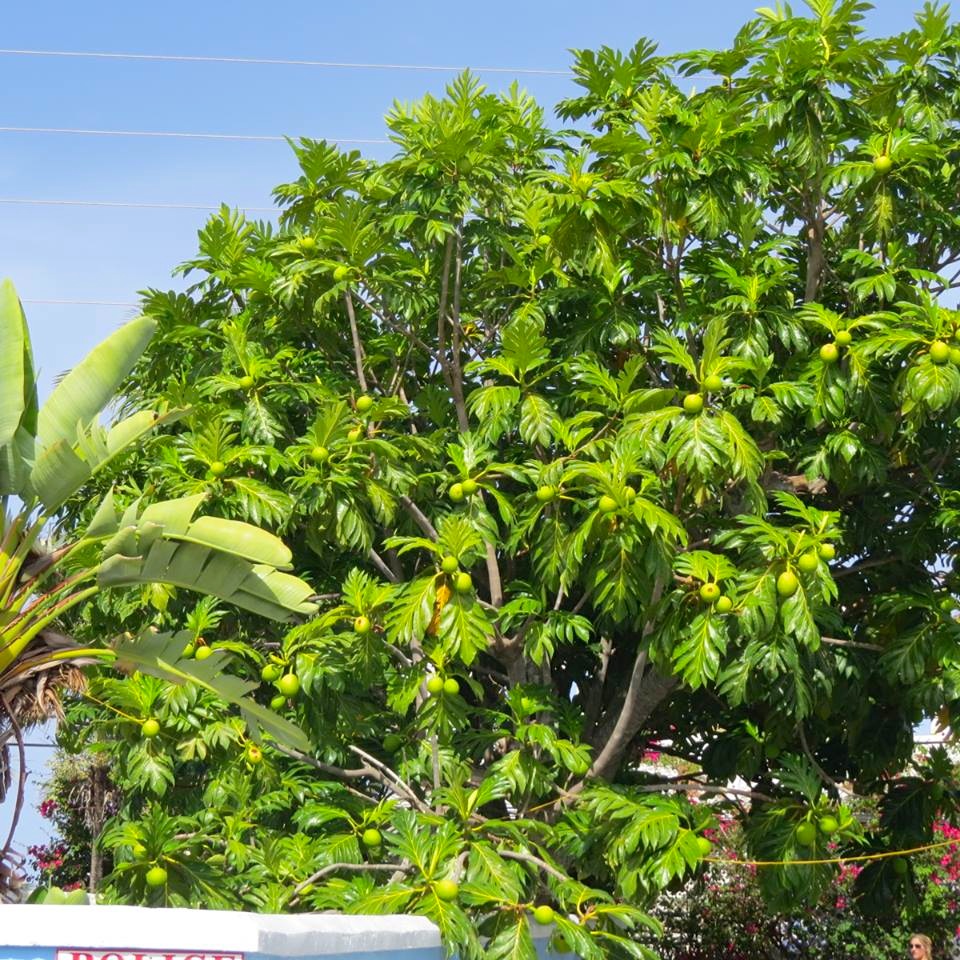
The most famous breadfruit tree in all Abaco is to be found in Hope Town (Elbow Cay). I can do no better than display the notice that proudly proclaims the historic significance of the tree; and of course the tree itself.

Breadfruit Tree Notice, Hope Town Abaco (Dp PatersonBreadfruit Tree, Hope Town Abaco (Dp Paterson)

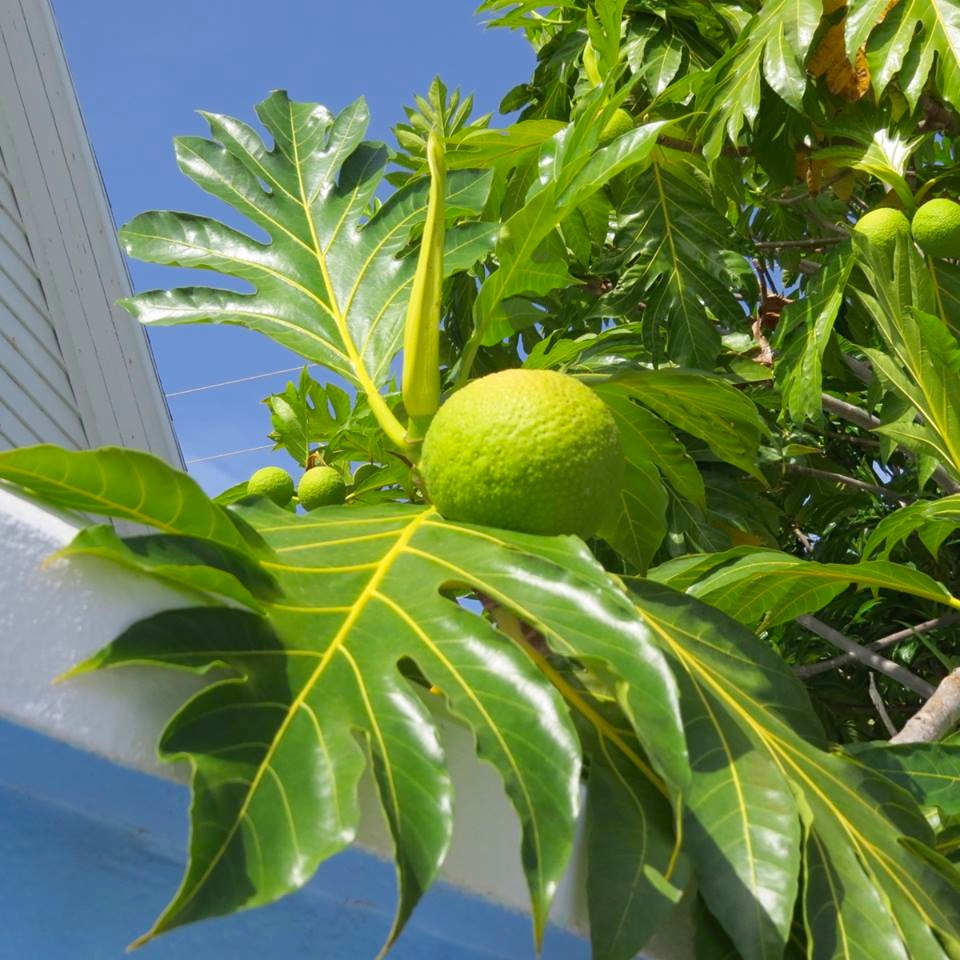
Unusually for a fruit plant, a true breadfruit Artocarpus altilis does not produce seeds. It is propagated by removing the suckers that grow at at the base of the tree.

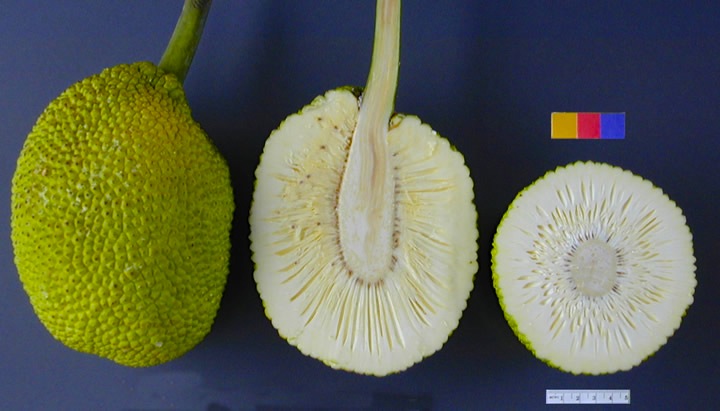
For those unfamiliar with the fruit and its interior, here it is in both slice and cross-sectionBreadfruit sliced (US Pacific Basin Agricultural Research Center)

BREADFRUIT IN ART

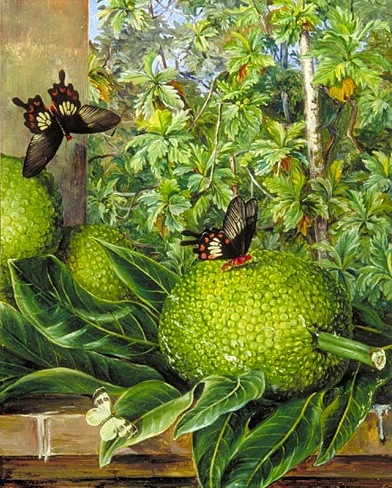
Breadfruit has received artistic recognition over the years. Here are some examples – the first, very jolly (and an early representation of the Polydamus Swallowtail butterfly, I think); the second, quite dull; the third, instructional (oddly equating breadfruit with tea, coffee and chocolate); and the fourth, frankly not at all appetising to look at…

Breadfruit with butterflies (Royal Botanic Garden, Kew)Breadfruit (Royal Botanic Gardens, Kew)

                                 Breadfruit (John Frederick Miller)                                  Breadfruit drawing  John Frederick Miller

      Breadfruit & related plants used as food (William Rhind (1841)     Breadfruit etc William Rhind (1841)

Breadfruit - Bahamas Stamp

WORLD DISTRIBUTION OF BREADFRUIT

Breadfruit will flourish only within a certain latitude range where the rainfall and temperature suit it, as this map shows. I include this information in case you ever find yourself in the awkward position of being socially stranded with someone whose conversation has become soporific. Be armed with some useful worldwide breadfruit stats for just such an occasion – you will soon find yourself alone…Breadfruit - the world propagation range

A CULINARY TREAT

Breadfruit is sometimes thought to be a dull and untasty, at least compared with many other fruits. I thought I’d include a recipe or two that rather appealed to me – the second because even I could do that…

Breadfruit Recipe  (myrecipefriends.com)

BAKED BREADFRUIT

Large, ripe breadfruit 1 cup water Butter 1 lime or lemon

Heat oven to 33 degrees F. Put the water in a shallow pan and place the whole breadfruit in the water. Bake in oven for three hours. Remove from oven, allow to cool slightly, peel, removing the large core and stem. Cut the fruit into sections and place in a serving dish. Cover with butter and a squeeze of lime or lemon juice.

A PERFECT HOPE TOWN BREADFRUIT
Breadfruit, Hope Town Abaco (Dp Paterson)

This post was inspired by an article on breadfruit and the Hope Town tree by local historian Deb ‘DP’ Patterson, who will be known to many for her committed involvement with the Wyannie Malone Historical Museum in Hope Town. I’m grateful to her for permission to use her idea and indeed some of her material, in particular her photos of the tree and its notice. If you do visit this delightful little town, the museum is a treasure house of Abaconian history that deserves a visit. You can check out its website HERE and the FB page HERE.

Wyannie Malone Museum Crest, Hope Town, Abaco

Capt. Bligh managed to put his breadfruit adventures and the mutiny behind him, and continued a distinguished naval career with successive command of an impressive number of  ships. He ended up a Vice-Admiral, and (on his death in 1817) in a grave in Lambeth, London.

V-A William Bligh (1814)Grave of William Bligh, Lambeth, London (Geograph, Commons Media

HMS BOUNTY II (Full Sails). A 1960 reconstruction (Dan Kasberger)HMS_BOUNTY_II_Full_Sails 1960 reconsrtuction (Dan Kasberger)

Credits: First and foremost, Deb Patterson; Magpie Pickings including Hans Hillewaert, US Pacific Basin Agricultural Research Center, Royal Botanic Garden Kew, myrecipefriends, M Kwek, whatsonbahamas, Wyannie Malone Historical Museum, ‘Geograph’, Dan Kasberger, and Wiki; and anyone else I have omitted…

Unknown's avatar

MARK CATESBY: PIONEERING NATURALIST OF EARLY c18


Mark Catesby Bahama Finch (Western Spindalis, Spindalis Zena)

Mark Catesby: Bahama Finch (Western Spindalis, Spindalis zena)

MARK CATESBY: PIONEERING NATURALIST OF EARLY c18

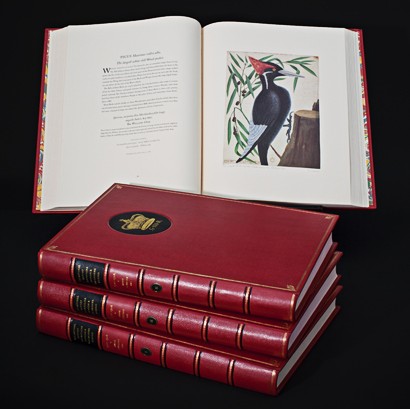
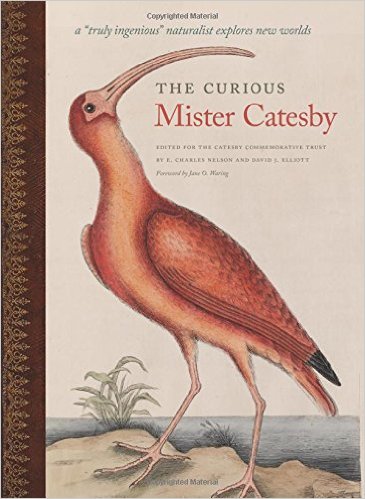
There’s been (yet) another abrupt side-swerve away from a topic I’d intended to post about, resulting from a newspaper article I read over the weekend. This concerns what was gushingly described as “the ultimate coffee table book”, a facsimile of Mark Catesby’s renowned work, The Natural History of Carolina, Florida and the Bahama Islands.

Catesby (1682 – 1749) was a pioneering English naturalist and artist who published his magnum opus based on a number of expeditions he undertook from 1712 onwards. His was the first ever published account of the flora and fauna of North America, and the 2 volumes (with a supplement) included some 220 colour plates of the creatures and plants of land and sea that he had come across.
Mark Catesby - Angelfish

Mark Catesby – Angelfish

Mark Catesby - Queen Triggerfish

Mark Catesby – Queen Triggerfish

Catesby’s growing fame as a botanist led to his undertaking expeditions on behalf of the Royal Society to collect plants and seeds in Carolina. He widened his researches both in America and to the West Indies, collecting plants and fauna as he went and sending them back to England. Among other discoveries, he was one of the very first people to observe and record the occurrence of bird migration as a twice-yearly phenomenon.

Red-legged Thrush in Gumbo Limbo Tree (HM QE2)

Red-legged Thrush in Gumbo Limbo Tree

Eventually, in 1726 Catesby also returned to base and set about writing up his findings and painting what he had seen. He learnt how to etch printing plates, and gradually the illustrations became more sophisticated, starting without backgrounds then including plants with the animals and birds. The whole project took him some 20 years; quite soon after completing it, he died.

Flamingo Head + Gorgonian Coral (HM QE2)

Flamingo Head & Gorgonian Coral

 
CATESBY: THE VIDEO INTRO
WHERE IS THE ORIGINAL WORK NOW?
 
Catesby’s original drawings were bought by King George III for £120 (a very considerable sum in 1768 – my quick attempts to discover how much suggest ± £200,000) and have remained in the Royal Family ever since. This treasure is kept in the Royal Library of Windsor Castle, the property of HM QE2, though it is occasionally exhibited elsewhere. Later facsimiles of the original were produced, of which some 50 survive today.
Mark Catesby - 'Bahama Titmous' (Bananaquit)

Mark Catesby – ‘Bahama Titmous’ (Bananaquit)

SO WHAT’S ALL THE EXCITEMENT ABOUT NOW? 
Addison Publications has printed a very limited edition facsimile of 60 in 4 lavish volumes, printed one at a time, “to mark the 300th anniversary of Catesby’s arrival in the New World”.
catesbys_natural_history_9
The cost per set? A stonking £39,500 ($61,330). Now this may sound a great deal of money for a modern copy of an old book and it undoubtedly is. But here’s the Christie’s Auction catalogue entry for one of the early facsimiles. Mmmmmm.
CATESBY AUCTION JPG
Mark Catesby - plate 139 Hawksbill Turtle

Mark Catesby – Hawksbill Turtle

“Illuminating natural history is so particularly essential to the perfect understanding of it”                 (Mark Catesby)
Mark Catesby (Black-faced Grassquit)

Mark Catesby (Black-faced Grassquit)

Delphi afficionados, especially any who have stayed in Room 1, may recognise 3 of the illustrative images I have chosen – the Spindalis, the Bananaquit and the Grassquit. No, I don’t mean the actual species, I mean that Catesby prints of them are tastefully hung on the walls. I can never decide which of the 3 is my favourite…

RELATED POSTS

CHARLES CORY & ABACO 1891

THE PIONEERS (Wilson, Audubon, et al)  

MR SWAINSON (on his 224th Birthday)

51C+Zz+7CSL._SX363_BO1,204,203,200_

STOP PRESS Thanks to Woody Bracey for his interesting comment. More information about the Catesby Commemorative Trust and the book The Curious Mister Catesby can be found HERE. A slightly curious promo video was also released.

For anyone tempted to look further into the importance of this ground-breaking naturalist, the CCT produced a 50 minute film that is well worth watching if you can spare the time.

Credits:  Sunday Times (article), HM QE2, National Geographic, Catesby Commemorative Trust, sundry open source info-&-pic-mines inc. Wiki, Addison Publs, & my Bank Manager for declining to loan me the purchase price of the new facsimile…

Unknown's avatar

PINEAPPLES REVISITED: SYMBOLS OF WELCOME & WEALTH (ALSO, DELICIOUS)


PINEAPPLES REVISITED – A SHORT BUT FRUITY HISTORY

INTRODUCTORY NOTE 

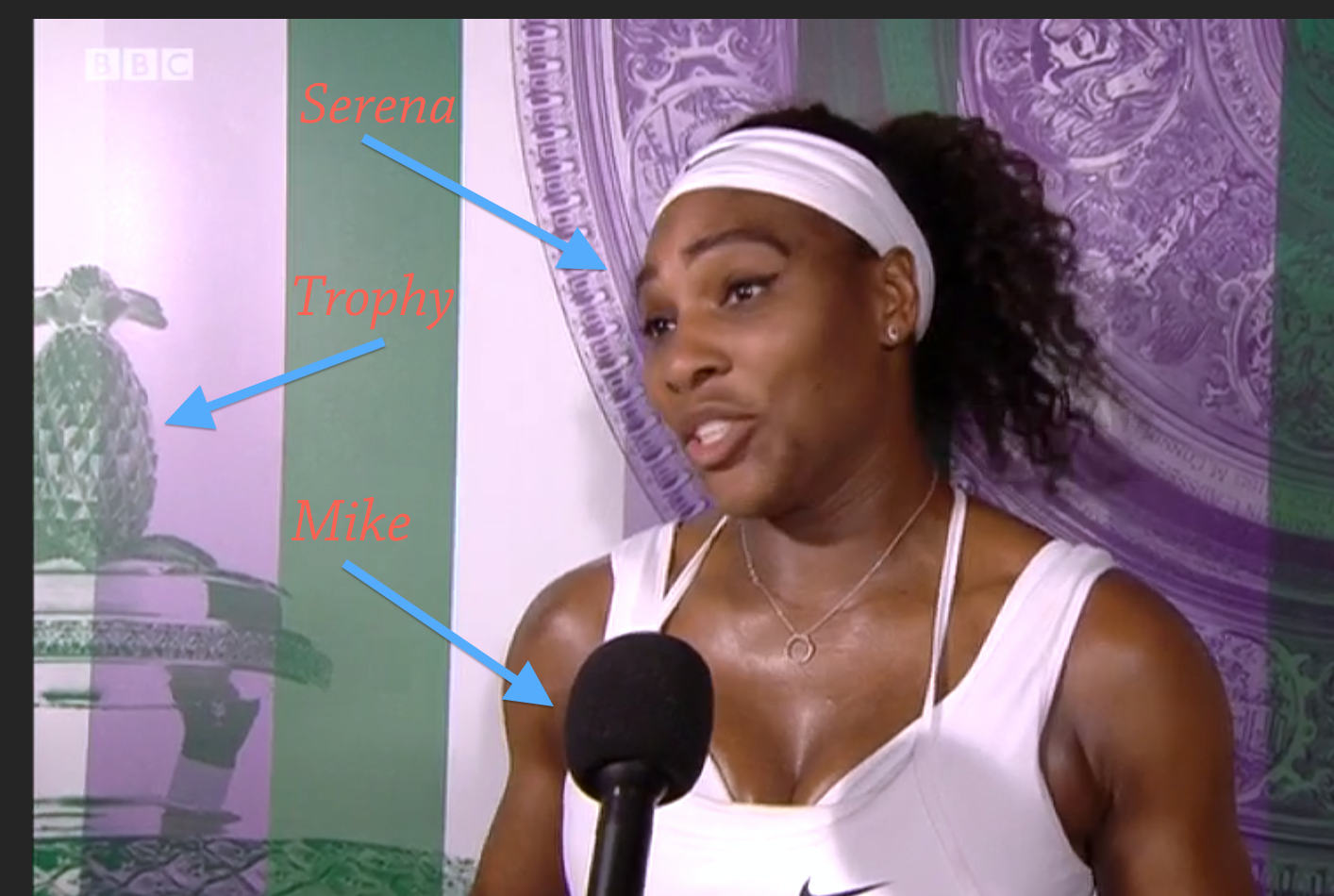
I rarely recycle old posts, though I sometimes rewrite them. Occasionally a past subject returns later as a new hot topic, usually because of some related event or news item. Suddenly I get a flurry of hits for ‘do manatees have toenails?’ or ‘does one good tern deserve another?’. That kind of thing. Right now – indeed for the past 10 days – the current sporting event in London SW19 (i.e. Wimbledon) has by a side-swipe of a mis-hit tennis racket affected the smooth operations at Rolling Harbour. The fruit generally associated most with Wimbledon is of course The Strawberry. Yes, they are now so expensive at the ground that they have to be sold singly. If you want Cream with it, they offer moderate loan terms in return for a charge on your house. A small cardboard box to eat it from is extra, though eating from your hand remains free. For now. But the fruit that is rocking the blog at the moment is the PINEAPPLE. I am suddenly getting lots of ‘search’ hits daily with various combos of the question “why is there a pineapple on top of the Wimbledon Trophy?” So I am rolling out my pineapple post from a couple of years back, slightly modified, which will answer this and many other ananatic questions. 

🍍  🍍  🍍  🍍  🍍

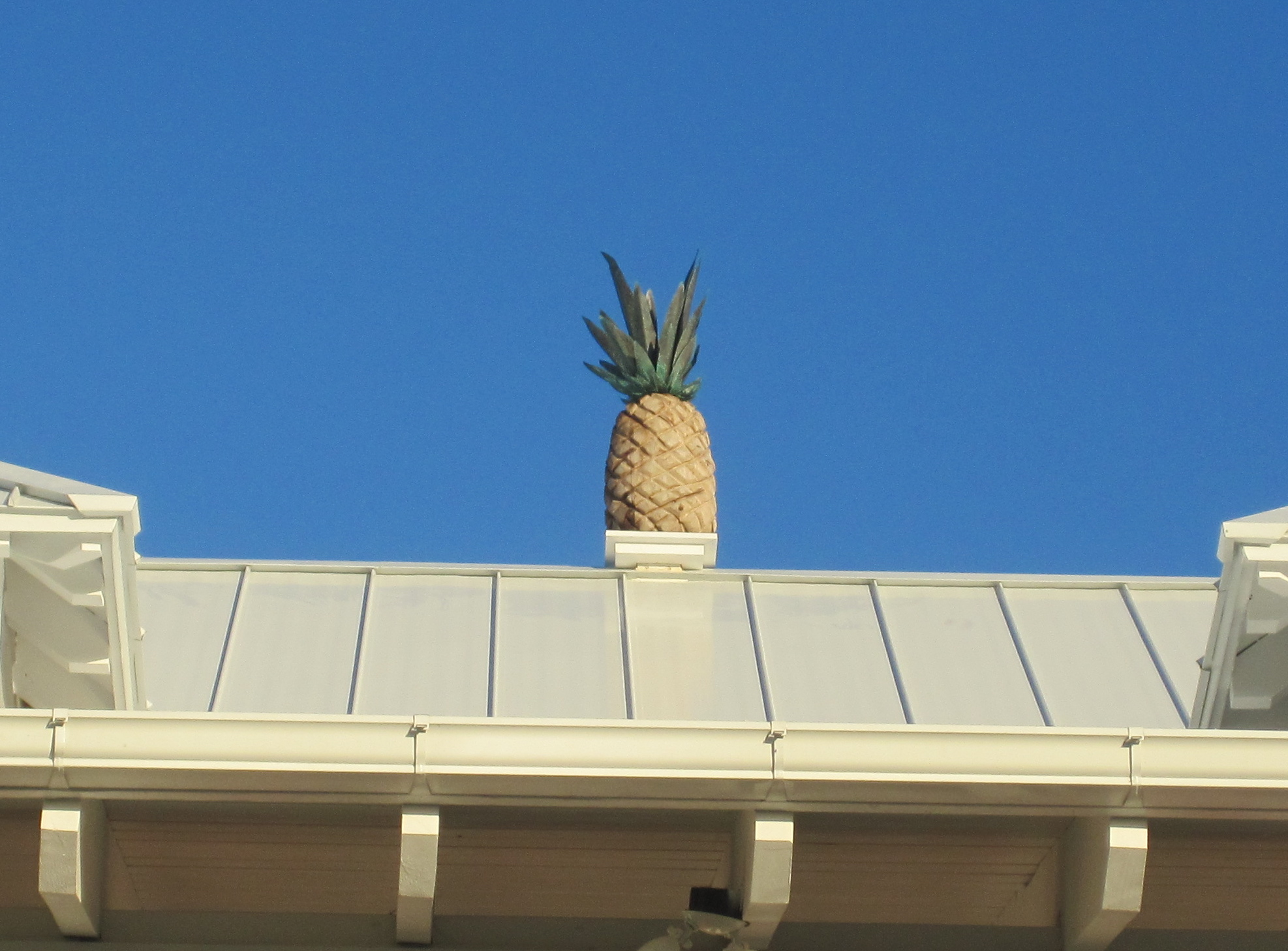
The first image below is of the handsome locally hand-carved pineapple that surmounts the roof of the DELPHI CLUB Abaco. The fruit lost a few leaves in Hurricane Irene, which scored a direct hit on the Club. As posted on the ABACO FACTS page (under RANDOM main menu) “the precise Longitude & Latitude coordinates of the Pineapple [on] the Delphi Club roof are respectively 77.1787834167480  &  26.20450323936187 “. But why is it there? Time for a Short Voyage around the Pineapple…

PINEAPPLE FACTS TO ENLIVEN YOUR CONVERSATION

HISTORICAL & SOCIAL CONTEXT

  • Brought back to Europe by Christopher Columbus in 1493 on his return from his second voyage
  • Taken on long voyages as a protection against scurvy and because of its long life
  • By the c17 royalty & aristocracy grew them in hot-houses (or rather, their gardeners did). King Charles II tried one, an event so important it was recorded by the Court painter Hendrik Danckerts 
  • By c18 considered a great delicacy and a status symbol of wealth, often the centre-piece of a feast.
  • If you couldn’t afford to buy one, you could rent one and return it afterwards. Someone richer than you would then buy it.
  • Pineapples were grown in pits of fermenting manure. In England Queen Victoria was not amused and soon put an end to that unpleasant nonsense
  • In the c19 pineapples were one of the most significant exports from Abaco
  • The Earl of Dunmore built a huge pineapple folly in Scotland in 1761, which you can stay in (We have. It’s a lot of fun)

     110-1004_IMG

  • On ‘Unter den Linden’ in Berlin,  the cast iron posts round the huge equestrian statue of Frederick the Great are topped by pineapples.

Berlin, Unter den Linden, Reiterstandbild Friedrich II                 Reiterstandbild_-_Friedrich_der_Große Berlin Wikimedia

CULTURAL SYMBOLISM

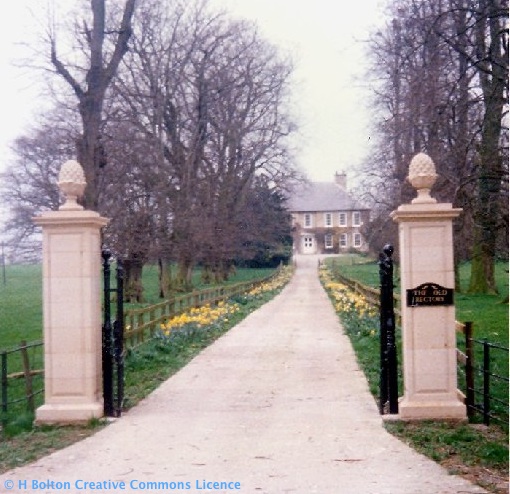
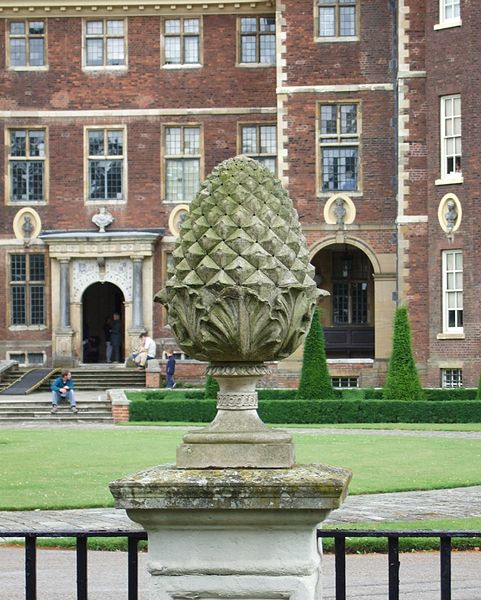
  • Pineapples symbolise welcome and hospitality, placed at the entrance to villages or plantations. The tradition spread to Europe where they were carved as gateposts; staircase finials; and incorporated into wooden furniture (including bedposts at the Delphi Club)

  • Seafarers put pineapples outside their homes on their return to show that they were back from their travels and ‘at home’ to visitors
  • An expensive fruit to grow & to transport; remained a luxury until the arrival of steamships
  • Their costliness made them status symbols / indicators of wealth and rank. Displaying or serving pineapple showed that guests were honoured. And, coincidentally, that the hosts were loaded.
  • In the 1920s the grandest dinners apparently needed both “a pineapple and Lady Curzon” (I have been asked whether this is Interwar Period code for some sort of disreputable activity… let’s hope the answer is ‘yes’)

           Ornamental Pineapple at Ham House - James Long @ Wikimedia

  • The future Queen Elizabeth was sent 500 cases of canned pineapple as a wedding present from Australia. She asked them the traditional Royal Question “Hev you come far?” Prince Phillip’s reaction was – apart from the word ‘pineapple’ – unprintable
  • In the play Abigail’s Party (Mike Leigh) pineapple chunks on cocktail sticks were used as a plot device to highlight the desperate social ambitions of a hellish hostess trying to impress & outclass her guests
  • A 1930s ad promised that by baking a pineapple pie a wife would make her man “smack his lips in real he-man enjoyment” (NB This may not work so well in the 2010s) 

By Appointment to HM the Queen

ARTS & CRAFTS

  • Used on Wedgwood pottery designs as early as the 1760s; others soon followed suit
  • Became widely used decoratively as a motif for gateposts, weather vanes, door lintels, wallpaper, table linen & curtains, and incorporated into furniture
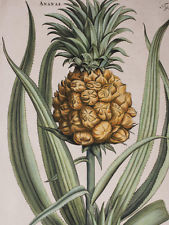
  • Depicted as curiosities in early botanical engravings (Commelin 1697 Hortus Botanicus)

Commelin - Engraving - Ananas - Hortus Botanicus 1697

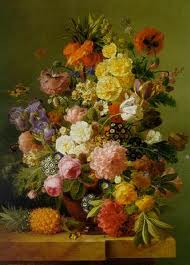
  • Featured in still life paintings as a crowning example of opulence (e.g. De Heem, Jan van Os)

                             Josef Schuster

  • Depicted in plant and fruit studies, for example these by Johann Christoph Volckamer, very early c18        
  • Occasionally found in Church stained glass windows (e.g. St Lawrence’s, Jersey)

Églyise_Pârouaîssiale_dé_Saint_Louothains_Jèrri Man Vyi * Wikimedia

  • Featured in music e.g. Pineapple Rag (Scott Joplin); Pineapple Head (Crowded House); Escape – The Piña Colada Song (Rupert Holmes); Pineapple Express (Huey Lewis); Pineapple (Sparks) 
  • Used as a motif on shutters in Marsh Harbour 

SPORT

  • The Men’s Singles Trophy at  Wimbledon is a silver gilt cup with a gilded pineapple on top of the lid. It used to mean “Welcome back, Roger!” Now it stands for the first British male singles win since 1937 (‘Go, Andy!’). [British women have fared rather better in the singles in that time (‘Go, Angela, Ann & Virginia!’)]

fedwin1_71759545_andy_murray_kisses_trophy_paScreen Shot 2015-07-09 at 17.21.12

MOTORING

  • Vauxhall produced the Vauxhall Astra Sport in ‘tasteful’ Pineapple Yellow. For the history of the use of the far more glamorous Bahama Yellow  in motoring history, click HERE

10 TASTY PINEAPPLE CHUNKS

  • The cocktail Afterglow is 1 part grenadine, 4 parts orange juice & 4 parts pineapple juice on ice
  • Piña Colada is rum, coconut milk & crushed pineapple. Omit the rum for a Virgin Colada
  • It is impossible, for chemical reasons, to make jelly with fresh pineapple
  • “Pineapple heat” was once a standard marking on thermometers
  • A pineapple grows as two interlocking helixes (8 one way, 13 the other – each being a Fibonacci number)
  • A pineapple will never become any riper than it was when harvested
  • Workers who cut up pineapples eventually have no fingerprints – a gift fact for crime writers
  • Pineapple stems are being tested for anti-cancer properties
  • Pine Apple, a small Alabama town full of pineapple symbols, was originally named “Friendship” but there turned out to be another town called that, so they changed it
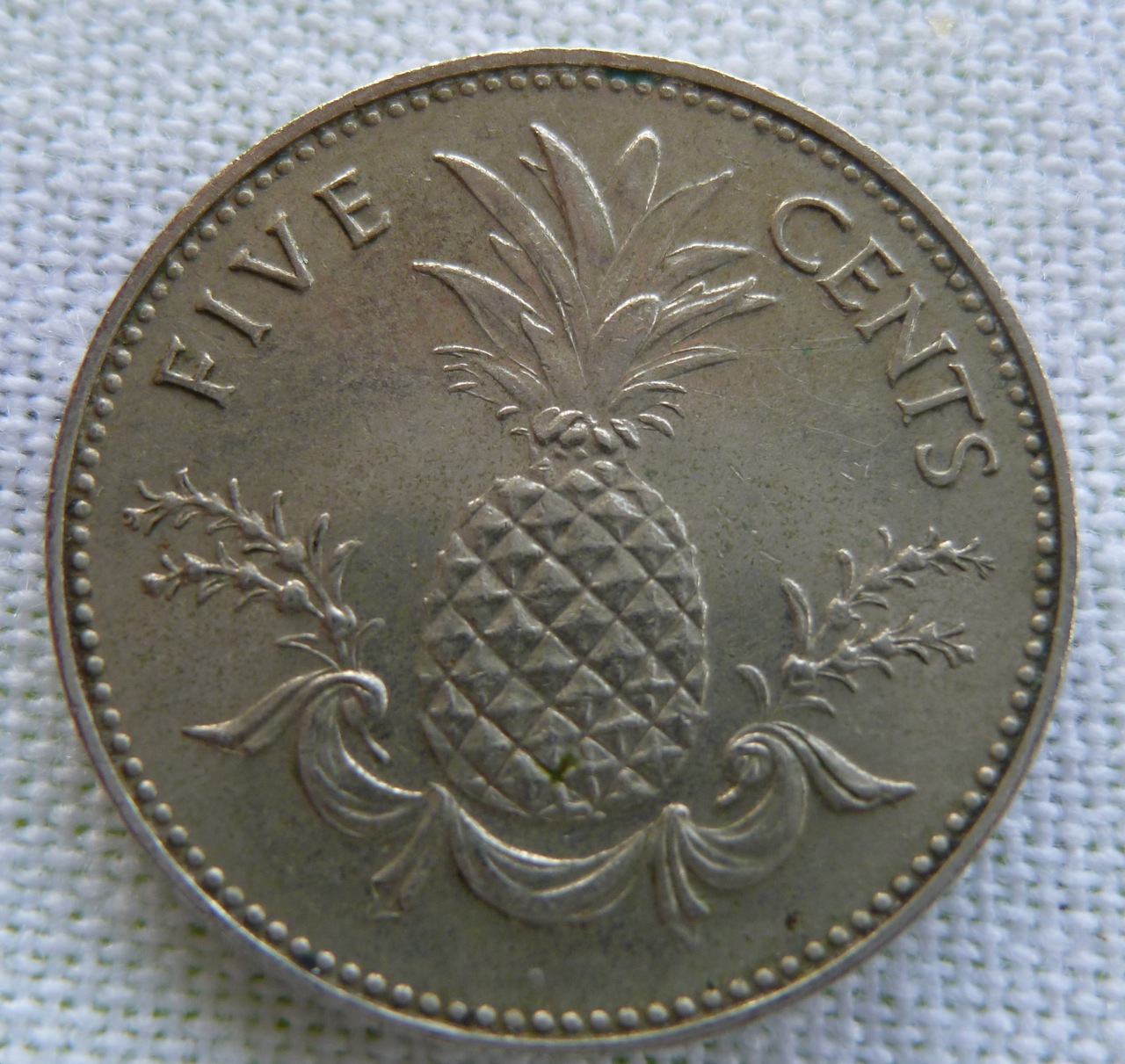
  • Features on the Bahamian 5 cents coin…

  • …and  a $1 stamp

BAHAMAS PINEAPPLE STAMP

Read Jim Kerr’s interesting article in ABACO LIFE on Abaco’s pineapple past HERE

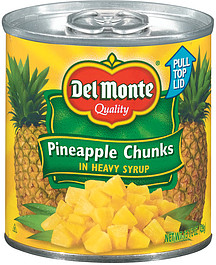
FRANCESCA BEAUMAN 2006 THE PINEAPPLE – KING OF FRUITS If you want to find out more about pineapples, their  history and social significance, you should be able to pick up a copy of this book on Am@z%n, Abe or ALibris for a few dollars “What?” I hear you cry, “you’ve managed a whole page about pineapples without mentioning modern advertising”. Shall I do so now? The man from Del Monte, he says YES

FOUR WAYS TO CUT UP & SERVE A PINEAPPLE

Sources: Own ideas + some magpie-thieving-borrowing from a variety of sources, many of which contain identical info and / or quote from the above book. Hope everyone is comfortable with that… NB Not every fact above is strictly 100% true, so expect to be challenged if you try one out. In particular Prince Phillip is of course naturally docile and gentle-mouthed…

POST SCRIPT The first 21 Fibonacci numbers (just add 2 successive numbers to produce the next) are

F0 F1 F2 F3 F4 F5 F6 F7 F8 F9 F10 F11 F12 F13 F14 F15 F16 F17 F18 F19 F20
0 1 1 2 3 5 8 13 21 34 55 89 144 233 377 610 987 1597 2584 4181 6765
Unknown's avatar

ELBOW REEF LIGHTHOUSE, ABACO: THE OLD LADY’S BIG DAY


Hope Town Lighthouse, Elbow Cay, Abaco

ELBOW REEF LIGHTHOUSE, ABACO: THE OLD LADY’S BIG DAY

There are various overwrought ‘describing’ words that have become devalued and tired through overuse. Unique. Unsurpassed. Unparalleled. Iconic. However the famous and much-loved Elbow Cay Lighthouse could plausibly lay claim to any one of those adjectives. Let’s make that ‘all’. Earlier this year, following a meticulous survey, repairs and refurbishments were made to this stately 89 foot high, 101 step light that came into operation in 1863 during the height of the American Civil War. 

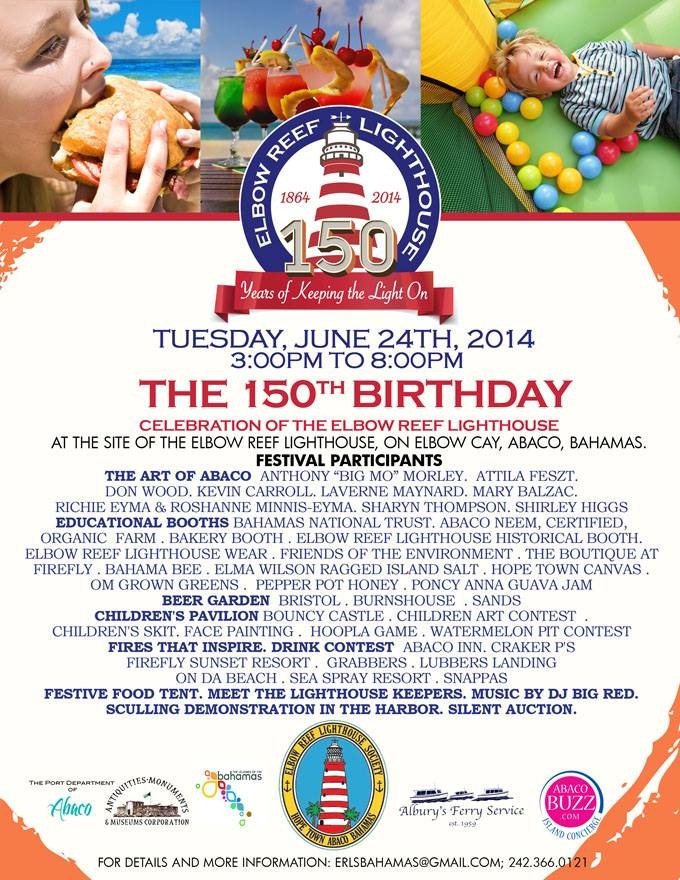
You can read more about the lighthouse, its importance and its machinery in various earlier posts (use the search box), and there is other material including details of the recent repair program HERE. This post is simply to advertise the forthcoming 2nd Lighthouse Festival that takes place in Tuesday June 23rd. The flyer below tells you all you need to know about the day.

11165251_902234616503783_3983866159670923203_n

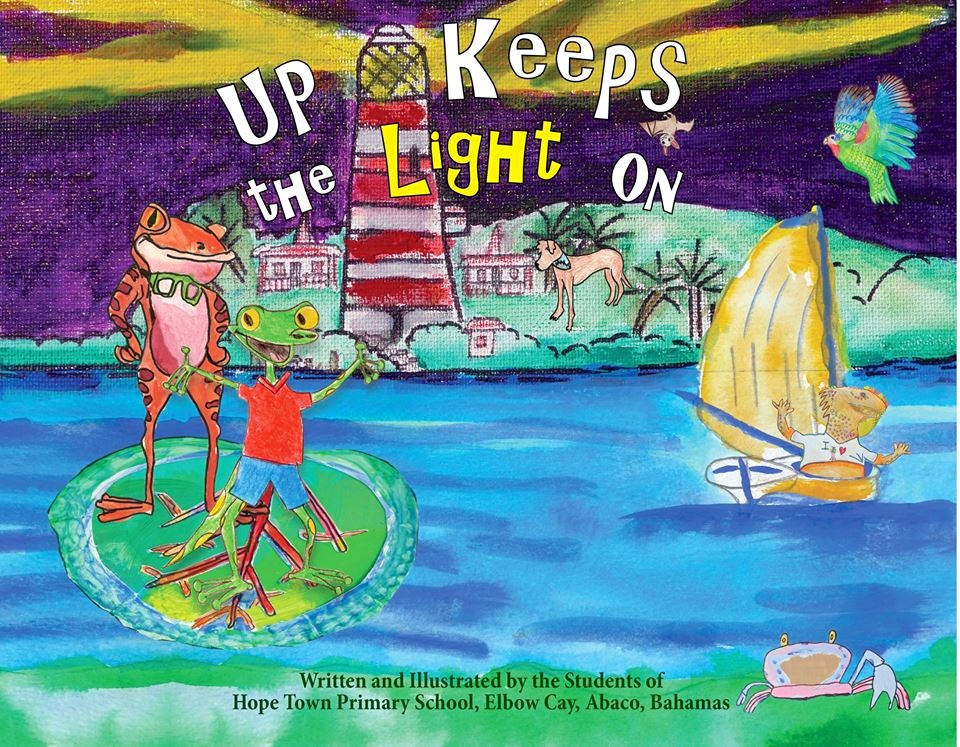
For this event, the students of Hope Town Primary School, in conjunction with the invaluable ELBOW REEF LIGHTHOUSE SOCIETY , have produced a wonderful book celebrating the lighthouse, with proceeds of sale benefitting the school’s volunteer programs and the Society’s ongoing projects. I am sure will be a best seller – make it happen!

10986656_10153399883840815_3126863414253161396_n11140378_10153399883870815_873890178916274603_n

As last year, the events will include an auction. Among the wide variety of items to be auctioned will be a 15″ x 15″ print on canvas of my photo of a Western Spindalis, taken on the drive of the Delphi Club and included in “THE BIRDS OF ABACO” (a copy of which was auctioned last year). 

Western Spindalis, Abaco (Keith Salvesen)

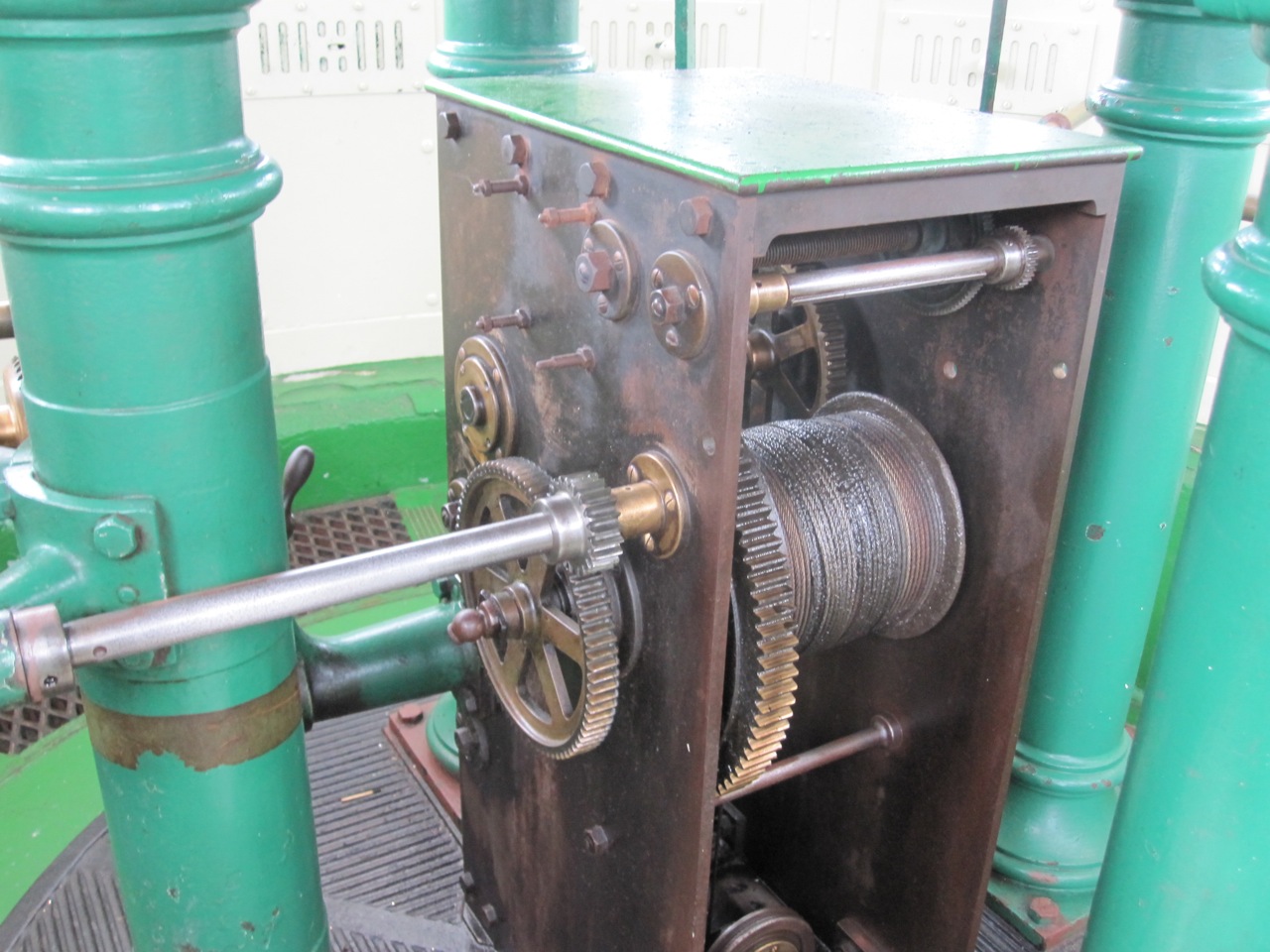
Maybe a few more pics of such an interesting building are called for…. And a reminder of some key words to scatter liberally into your conversation at the event. Or anywhere, really: “Fresnel Lenses”, “Mercury Bed”, “Clockwork Mechanism”, “Trinity House, London”.Hope Town Lighthouse, Elbow Cay Abaco

Hope Town Lighthouse, Elbow Cay, Abaco (Lamp, Fresnel Lens) hoplit22 Hope Town Lighthouse, Elbow Cay, Abaco hoplit20 Hope Town Lighthouse, Elbow Cay, Abaco hoplit19 Hope Town Lighthouse, Elbow Cay, Abaco hoplit18 Hope Town Lighthouse, Elbow Cay, Abaco hoplit17 Hope Town Lighthouse, Elbow Cay, Abaco (Fresnel Lens) hoplit6 Hope Town Lighthouse, Elbow Cay, Abaco hoplit4 Hope Town Lighthouse, Elbow Cay, Abaco hoplit2 Hope Town Lighthouse, Elbow Cay, Abaco hoplit3

And finally a wonderful photo of Hope Town centred on the Lighthouse complex. Enjoy June 23rd.Elbow Reef Lighthouse Society

Logo of the World Lighthouse Society

Logo of the World Lighthouse Society

Credits: Lighthouse exteriors and Spindalis RH; all interiors Mrs RH; props to Elbow Reef Lighthouse Society (and ?David Rees for the aerial view…); Annie Potts for her inspiring book “Last Lights” about the intriguing lighthouses of the Bahamas

Unknown's avatar

HOLE-IN-THE-WALL, ABACO: A UNIQUE PERSPECTIVE (2) PRESENT & FUTURE


Winslow Homer G W Original Brooklyn

HOLE-IN-THE-WALL, ABACO: A UNIQUE PERSPECTIVE (2) PRESENT & FUTURE

Following on from my post last month HOLE-IN-THE WALL: THE PAST, it’s time to take a closer look at the ‘Gap-in-the-Wall’ as it is today, viewed from the sea. I’ve called this a ‘unique perspective’, but I’m sure many people have taken photos of HITW from the sea. It just that apart from a few kayaking ones from before the collapse of the arch, I haven’t found them. So I took some, thanks to the BMMRO and their research RHIB. 

Hole-in-the-Wall Abaco (2015-2) 01 Location photo map

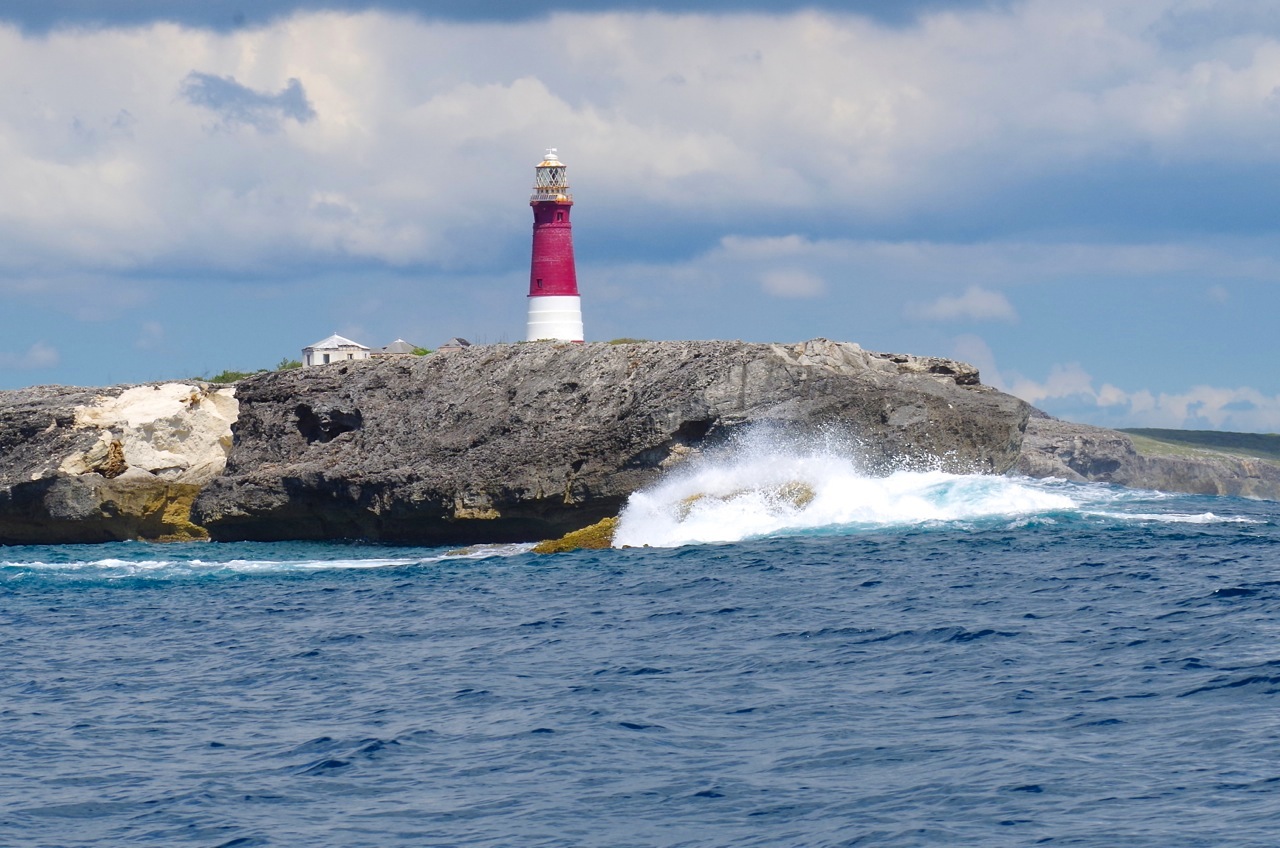
The view above is taken from some way to the west of HITW, and I have marked the main features that will be shown in this post. As one approaches the promontory, the lighthouse and its outbuildings are the only sign of human intervention to be seen in the landscape. Historically there were small settlements in this remote place, and some traces of these remain.

Hole-in-the-Wall Lighthouse Abaco (sea view)

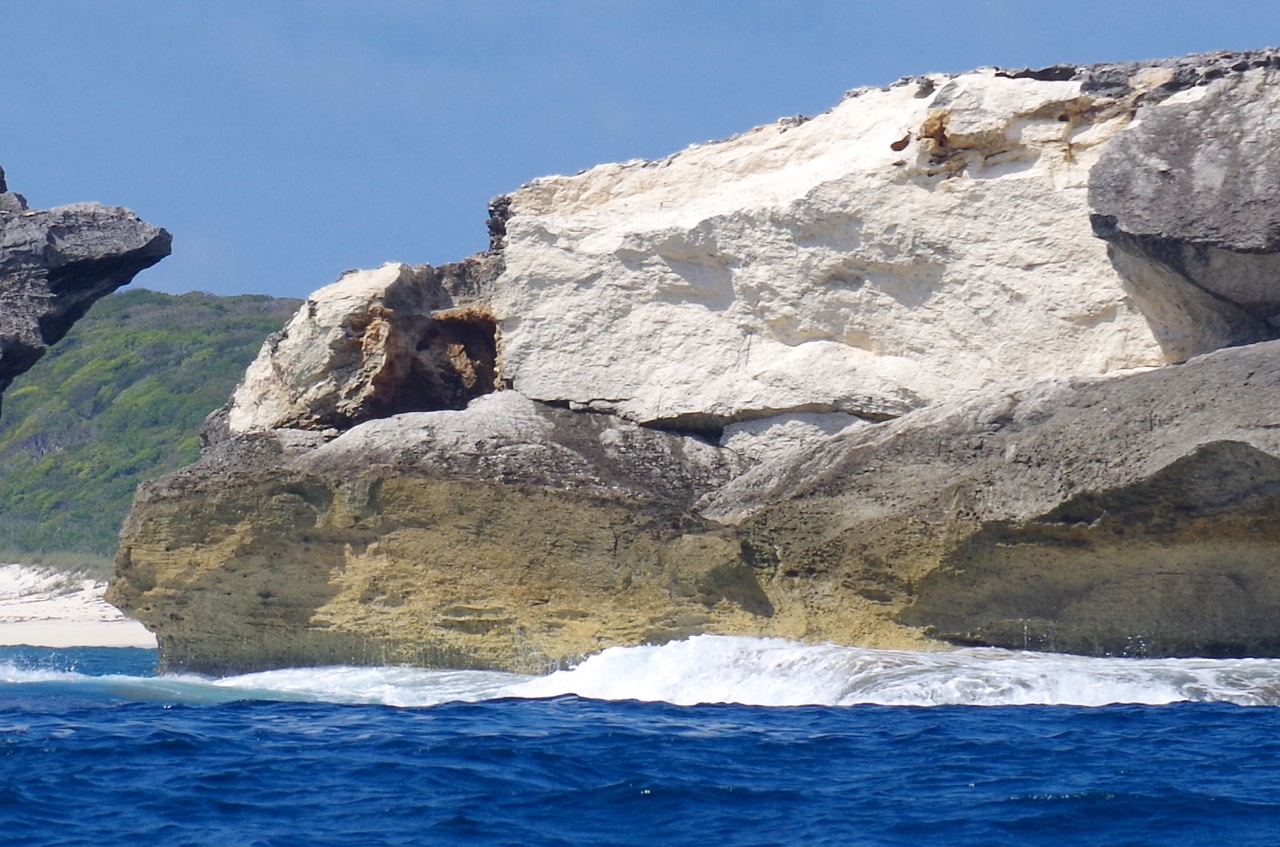
Closing in on the former ‘Hole’, fresh damage from Hurricane Sandy’s destruction of the arch is still visible. It is more conspicuous on the other side.Hole-in-the-Wall Abaco (2015-2) 03 Collapsed arch (Hurricane Sandy)

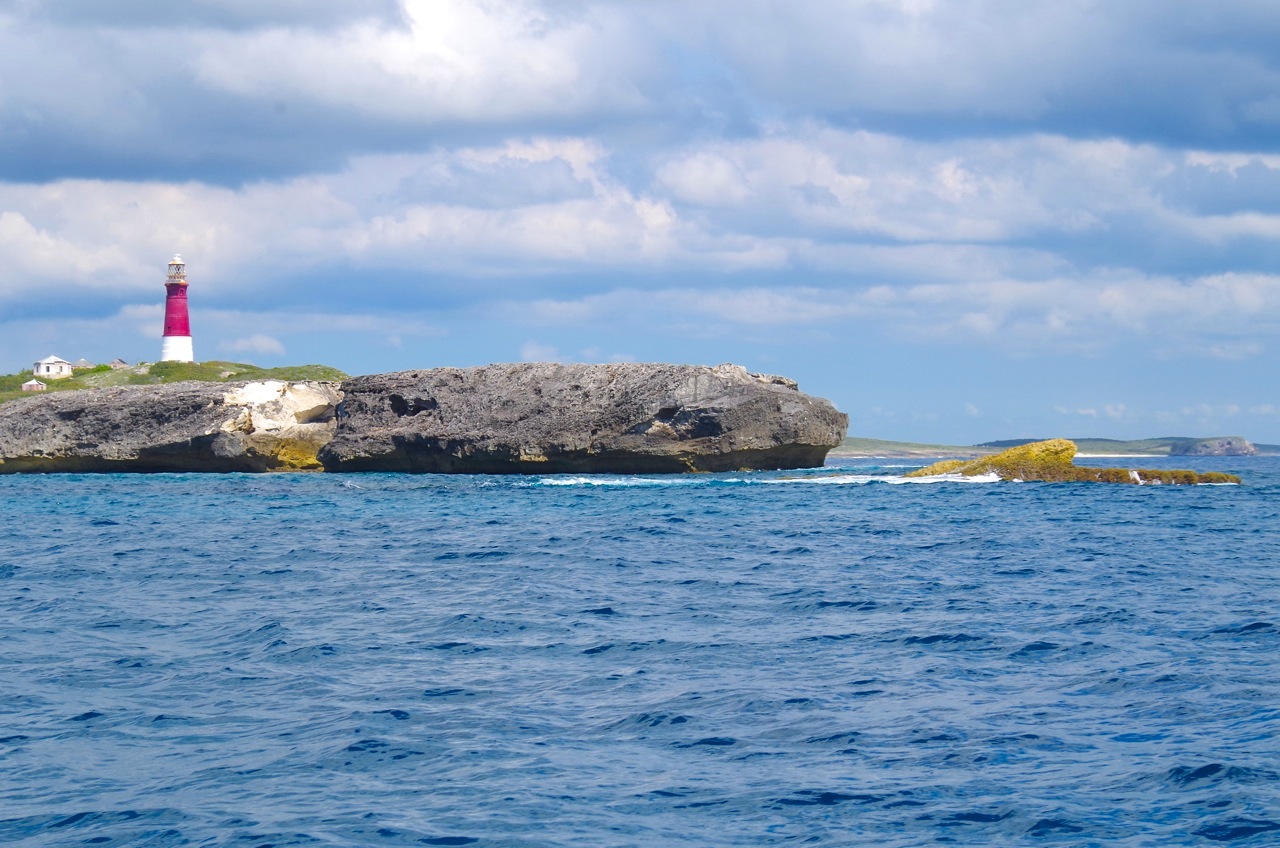
In this photo, you can follow the features from the lighthouse to the foreshortened promontory, the new gap, the small islet that now exists, and finally a small eroded outcrop of rock – the remains of an extension of the mainland, and probably evidencing the southern tip of another arch that collapsed centuries ago.Hole-in-the-Wall Abaco (2015-2) 04 Light, hole and outcrop

Passing the outcrop and round to the east side of the promontory, further evidence of fresh damage can be seen, with the main shear being on the north side of the arch.Hole-in-the-Wall Abaco (2015-2) 05 Hole-in-the-Wall Abaco (2015-2) 09Hole-in-the-Wall Abaco (2015-2) 07Hole-in-the-Wall Abaco (2015-2) 10

There’s a fine view of the lighthouse from the east Hole-in-the-Wall Abaco (2015-2) 11

As we started the return journey to Sandy Point via groups of whales and dolphins, we went close to the outcrop, land’s end (next stop, Nassau). Even on a calm day, it is still thrashed by waves, as the second photo shows: no wonder it has eroded so quickly…  See how it looked in the 1803 aquatint below, from which one can see how there must have once been an even larger ‘hole in the wall’ way back in history and long since collapsed even by then. Hole-in-the-Wall Abaco (2015-2) 12 Hole-in-the-Wall Abaco (2015-2) 13Hole in the Wall Print 1803

Then it was time to move on, having been fortunate enough to see the location from an entirely new angleHole-in-the-Wall Abaco (2015-2) 14Hole-in-the-Wall Abaco (2015-2) 15

THE FUTURE

The geological future of the Hole-in the-Wall landscape is presumably that erosion and rising sea levels will sink the outcrop below the waves; the islet left after the collapse of the arch will similarly erode over the centuries, as in time will the whole promontory. Maybe as it gets thinner, another hole will be worn through by the waves. The restoration of the lighthouse, long promised, may perhaps take place. The nautical importance of the area suggests that the historic need for a light as both landmark and warning will continue. And who knows: even now, plans for wholesale redevelopment of the area could be on a drawing board somewhere…

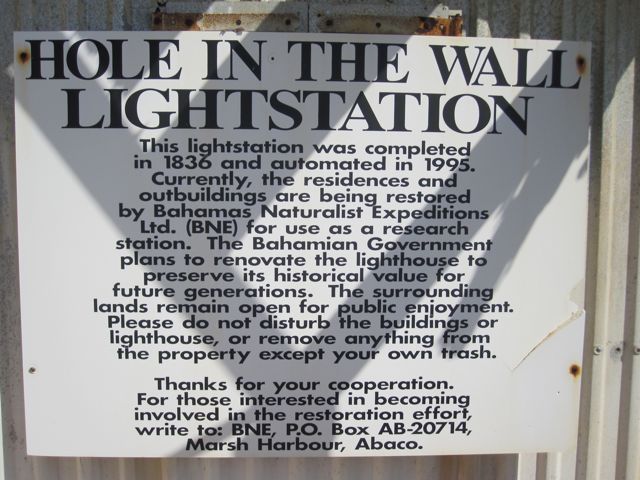
Hole-in-the-Wall Lighthouse Abaco (Notice) hitw9

WINSLOW HOMER

The header image is the well-known watercolour by Winslow Homer (1836 – 1910), the original of which is in the Brooklyn Museum. It was painted in 1885 and is entitled ‘Glass Windows’. This is commonly claimed to be the famous ‘Glass Window’ feature on Eleuthera. However my own theory is that it in fact depicts Hole-in-the-Wall, Abaco. There are a number of good reasons for this, but the most immediately striking is the title Homer himself gave to an engraving of the identical view, published in The Century magazine (Feb 1887). This engraving pre-dates, and was clearly the template for, the watercolour. The rock structure and even the cloud formations are identical. And the title “On Abaco Island” seems conclusive of the location.

Hole-in-the-Wall Picture

Credits: All photos, RH; Winslow Homer painting, Brooklyn Museum online archive

Unknown's avatar

HOLE-IN-THE-WALL, ABACO: A UNIQUE PERSPECTIVE (1) THE PAST


Map of Abaco (part) - van Keulen 1728

HOLE-IN-THE-WALL, ABACO: A UNIQUE PERSPECTIVE (1) THE PAST

I’ve posted several times about the desolate, unpopulated area on the southern tip of Abaco known as Hole-in-the-Wall. It’s a place of history and mystery – indeed arguably the most historically, geographically and nautically important location on the entire island. The material in this post has to an extent been combined from earlier posts a couple of years back, since when a great many more people have been showing an interest in the wildlife and history of Abaco (thanks!) and may be new to the history and significance of HITW…

Although Abaco is identifiably – though not geographically reliably – mapped from as early as 1550 (only 58 years post-Columbus), the earliest map of Abaco showing any actual named place is the van Keulen map of 1728 in the header picture. The importance of HITW (‘Hole Rok’ marked on the east side) is clear. Indeed it is the only settlement shown. Thereafter, the place is mapped variously as Hole-in-the-Rock, Trou dans la Roche and Hole-in-the-Wall, before finally settling on the last name. HITW was clearly a significant nautical landmark from at least the c16. You can read more on this topic at HITW – A SHORT HISTORY IN MAPS

Incidentally, note the early spellings including of the word ‘Cay’ as ‘Kee’ in the bottom right corner – doubtless an explanation for the pronunciation today, when one might otherwise rhyme the word with ‘Bay’.

hole-in-the-wall-print-1803

The print above, dated 1803, is the earliest depiction of HITW that I have traced. For now, note the familiar ‘Hole’ between the two ships; and the outcrop to the right showing that another, larger ‘Hole’ had, by the early c19, collapsed. Remains of the outcrop, now badly eroded, can still be seen. Read more about pictures of HITW in SHIPS, MAPS & HITW , or in HOLE TO GAP, including a more recent print by Winslow Homer (below) which I contend is the proof that his famous painting ‘Glass Window’ in the Brooklyn Museum is of Abaco and not (as claimed elsewhere) the famous Glass Window on Eleuthera. Of which more another time…

Hole-in-the-Wall Picture

The sad fact is that although the name lives on and probably always will, in October 2012 Hurricane Sandy smashed the Hole in the Wall to smithereens, leaving what one can best describe as GAP IN THE WALL.

Here is the position of the Hole, shown before Sandy struck. Note the outcrop at the tip (bottom right corner), as seen in the old print above hole-in-the-wall-rock-abaco-location

One of very few photos taken from the sea that I have come across. There’ll be more, and much closer, in the next post Hole-in-the-Wall distance shot

The view from the lighthouse down to the ‘Land’s End’ promontory (RH)Hole-in-the-Wall Lighthouse Abaco (Keith Salvesen)

An aerial view of ‘Land’s End’ (with thanks to marinas.com for free use permission)Hole-in-the-Wall Lighthouse, Abaco annotated

The Hole, very shortly before Hurricane Sandy blasted away the bridge – the perfect place for a picnic…Hole-in-the-Wall Abaco ©Jessica Arrington

Or, as the storm approaches, maybe not…. Jack Bowers took this wonderful (and dangerous to acquire) sea-level shot – possibly the last photo ever of the intact arch427937_4820129308023_1041770732_n

Photos of the ‘Ex-Hole Now Gap’ taken within a very few days of the storm. Note the pale fresh stone HOLE-IN-THE-WALL ABACO post Sandy 1 Luc LavalleeHOLE-IN-THE-WALL ABACO post Sandy 2 Luc LavalleeHOLE-IN-THE-WALL ABACO post Sandy 3 Tara Lavallee

This post covers the history of Hole-in-the-Wall over the last 400 years or so, with links to earlier posts from a couple of years back. Then there’s a bit of a gap, I’m afraid, back to the LATE PLEISTOCENE EPOCH roughly 125,000 years ago when the landmass was formed… 

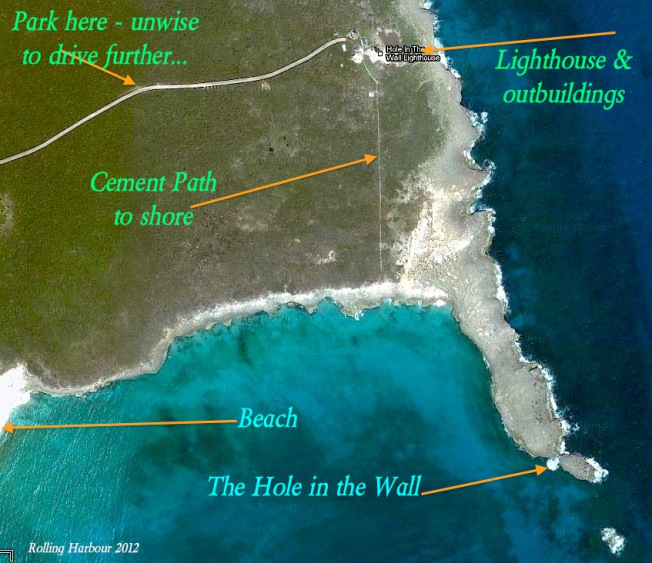
PART 2 will show how the ‘Hole’, the promontory and the lighthouse now look in 2015 from the ocean. During a recent highly successful whale-watching expedition with Charlotte & Diane from the BMMRO, we took the RHIB close to the point and took a seaward look at it from both sides, the first time I had done so. A few days before we’d been to Hole-in-the-Wall for birdwatching purposes by conventional means – the thirty mile round trip by truck along the track from the ‘Y’ of the Highway (NB no hire cars allowed). You can read an early post about this perilous adventure in TO THE LIGHTHOUSE…

HOLE-IN-THE-WALL LIGHTHOUSE: THE LANTERN ROOMHole-in-the-Wall, Abaco - Lantern Room (Keith Salvesen)

Credits: S. Wright, RH, marinas.com, Jessica Arrington, Jack Bowers, Luc Lavallee, Tara Lavallee, open source images

Unknown's avatar

“THE ABACO BACKCOUNTRY – AN APPRECIATION” by JIM TODD


Click to preview The Abaco Backcountry photo book

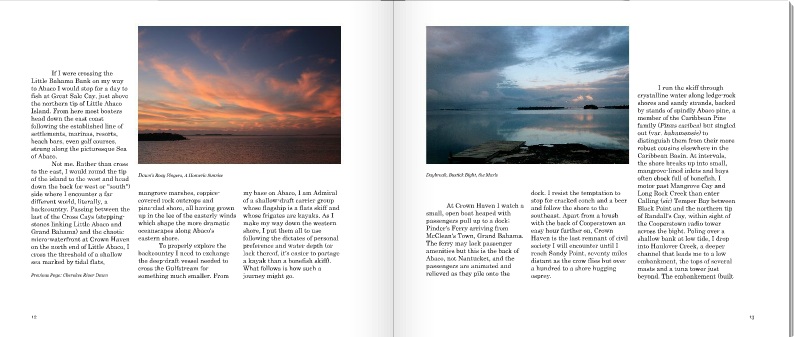
Jim Todd has produced an attractive self-published book, available in 3 formats, showcasing some of the outstanding features of the less-frequented areas of Abaco and its waters. It contains many excellent photographs, with interesting notes and observations. There are places and facts in the book that may not be known even to locals! Below are some sample pages. 

Abaco Backcountry Grab 2 Abaco Backcountry Grab 3 Abaco Backcountry Grab 4 Abaco Backcountry Grab 5Abaco Backcountry Grab 7 Abaco Backcountry Grab 6Abaco Backcountry Grab 1

Anyone who loves Abaco, its natural surroundings, its ecology and its wildlife will love this book. If this post has whetted your appetite, here are some further details:

Available exclusively on BLURB (this is the direct link)

“The Abaco Backcountry draws on the author’s extensive exploration of the area to describe a hypothetical traverse of its length in words and pictures. It is not a guidebook but an appreciation of a unique Bahamian marine ecosystem”

56 pp, available softcover ($35), Hardcover, Dustjacket ($38.99) and Hardcover, Image Wrap ($40.99)

STOP PRESS In answer to a UK query, the Blurb price is shown in $$$. When you go to the checkout, the shipping is added e.g. $10.99 to ship the PB version to the UK. You can pay by CC or Paypal. The conversion to sterling (or presumably euros) happens… by magic

Unknown's avatar

MAPPING ABACO: READ A NOVEL, TALK RUBBISH OR DISAPPEAR


Bahamas van Keulen Map 1728

Bahamas Map – Van Keulen – 1728

MAPPING ABACO: READ A NOVEL, TALK RUBBISH OR DISAPPEAR

I am probably the last person to twig the topological significance of Abaco’s location in the world. An email tipping me off about a TV programme led me to investigate further. There turn out to be 3 ways in which Abaco’s position in the Atlantic Ocean is of special interest. Two are geographic fact; and one is located in the grey area between myth and putative evidence-based supposition (if such a nebulous concept exists…). If everyone knew this already, sorry for being so late into the game. But you get some nice maps to look at, gratis, like the wonderful van Keulen map of 1728 above. About the only marked location on Abaco is ‘Hole Rok’ (now ‘GAP ROK’). For a history of Hole-in-the-Wall in historic maps, click HERE

1. THE DISAPPEARING TRICK?

Until the recent email, I hadn’t taken on board that Abaco is within the Bermuda Triangle. The island and its cays are contained snugly into the 60º tip of the western angle of an equilateral triangle based on Bermuda, Miami and Puerto Rico. The NOAA map below could not be clearer: Abaco is squarely within the triangle, if that is geometrically possible.

Bermuda triangle map NOAA / Google

I wrestled with whether to write an earnest discourse along the lines “Towards a Greater Understanding of Triangle Phenomenology”. Then I thought, Nah! If it’s a myth, what’s the point in examining its credibility. If it’s all true, I would’t want to worry you more than I already have by mentioning it… So you can do the hard graft if you wish by checking out the links below. Or you can just move on to section 2. Or relax in the sun, go fishing, find some nice birds, or have a Kalik or 3. 

THE WIKI ANGLE Excellent potted overview dealing with supposed position, the main ‘unexplained disappearances’, and the possible causes of these – both natural and supernatural. Frankly, this should do it for all but the most persistent, who probably are more widely informed already. 

SCIENCE CHANNEL The top ten Bermuda Triangle theories. Note: may not include your own pet theory of aliens from Planet Tharkron with their Pukotic Missile Rays

HISTORY.COM Comes complete with spooky-music video presentation. NB blurb nails its colours to the mast by using words like ‘Mythical’ and ‘Fanciful’ so if you are a believer you won’t want to go here, I suspect.

TEN WEIRD FACTS An informative video for those who want a bit more sensation.

2. WHAT A LOAD OF RUBBISH

great+atlantic sandiego.surfrider

Rowing through the Great Atlantic Garbage Patch (sandiego.surfrider)

Abaco also finds itself at the western edge of the Northern Atlantic Gyre. Strictly speaking the Gyre comprises a combination of  four main currents: the Gulf Stream in the west, the North Atlantic Current in the north, the Canary Current in the east, and the Atlantic North Equatorial Current in the south. It is not synonymous with the infamous North Atlantic Garbage Patch, which is contained within the geographical boundaries of the Gyre. The top image gives a broad-brush idea of  the central area of concentration of the Garbage Patch within the Gyre. Abaco looks to be well clear of trouble. But don’t be too optimistic.

North-Atlantic-Garbage-Patch-12Degreesoffreedom-300x204

North Atlantic Garbage Patch (12Degreesoffreedom)

Looking at various sources, there is some variation in the precise boundaries of the Gyre, though Abaco is plainly within it. Q: is it safely beyond the edges of the plastic peril? A: as any resident will know, the naturally pristine beaches tell a tale of constant plastic and other debris brought in on the high tide almost daily. The incidence depends to an extent on weather and wind direction, but the overall picture is of a relentless intrusion of rubbish on golden and white sand expanses. There is an extent to which what the tide giveth, the tide taketh away; and of course many beaches are scrupulously kept clean. NB I’m not trying to propagate anti-visitor publicity – many people will have experienced the same situation elsewhere. 

North Atlantic Gyre Garbage Patch wired_com

North Atlantic Gyre Garbage Patch (wired.com)

The research map above shows that, although the garbage hotspots and warmspots are well away from Abaco, the ever-widening circulating soup of plastic, rubber and metal has reached the island. Abaco is in the pale blue zone. Yellow is not that far off. Imagine what the orange or red areas must be like. This sort of thing:

garbage patch mail.colonial.nte

In some places the junk stacks up to form islands with hills

rubbish_telgraph.co.uk

Texas has become a standard ‘unit’ for large area comparisons. I notice that several sources describe the main area of the NA Garbage Patch in terms of Texas. But how big is that (BIG!)? To get an idea, I created a map overlaying Texas on an area centred on the Bahamas. So, Texas is this big… 

Texas / Bahamas size comparison

I’ve got more about some very specific rubbish to discuss another time, so I’ll leave you with the most interesting piece of marine debris to wash up on the Delphi Beach, a 12 ft ROCKET FAIRING from the Mars ‘Curiosity’ launch! Click link for more details. Rocket Fairing - Mars -Curiosity Launch - Beach Debris - Delphi Club Abaco

 3. A NOVEL PLACE TO BE?

The Sargasso Sea is named for the SARGASSUM seaweed found in large concentrations in the area. Columbus was the first person to sail right across the Sea, in 1492 (well, he and the crews of his 3 ships Niña, Pinta, and Santa Maria). He noted the large areas of seaweed that his expedition’s ships had to plough through. Eventually he made landfall on San Salvador, Bahamas.

This fine Krümmel map from 1891 shows the extent of the sea, and you’ll see that its western fringes reach the ocean side of Abaco. Have you seen the seaweed pictured below the map? That’s Sargassum.

1891 Sargasso See - Krummel

Sargasso See Map – Krummel -1891

 A close-up of Sargassum – maybe it washes up on a beach near you…Sargassum_on_the_beach,_Cuba Bogdan Giușcă
EIGHT FACTS ABOUT THE SARGASSO SEA TO IMPRESS YOUR FRIENDS
  • Jean Rhys’s famous 1966 novel ‘The Wide Sargasso Sea’ is actually set in Jamaica (nb the Sea is mentioned!)
  • The Sargasso is the only ‘Sea’ to have no land boundary, being entirely in the Atlantic Ocean
  • It is vital to mass migrations of eels, where they lay their eggs
  • Young loggerhead turtles are believed to head for the Sea for seaweed protection while they grow
  • Much of the debris trapped in the NA Garbage Patch is in the Sargasso, and is non-biodegradable plastic
  • The Sea is protected by Commission established in 2014 involving at present 5 countries, including (unbelievably) Monaco, the second smallest country in the world at 0.75 sq miles. Green Turtle Cay is about twice the area!
  • Cultural references include the track “Wide Sargasso Sea” on Stevie Nick’s “In Your Dreams” (2011)
  • There are loads of other literary & musical references but I lost the will to pursue them when I saw the inclusion of ‘Dungeons & Dragons’

If you want to find out more about Jean Rhys’s novel, read it or click HERE

JeanRhys_WideSargassoSea

 MUSICAL DIGRESSION

While writing this post I have had a song thrumming annoyingly inside my head. It’s ‘Bermuda Triangle’, with its coyly rhyming ‘look at it from my angle’. Now it’ll be inside your head too! I couldn’t remember who it sang it. Rupert Holmes? No, that was the egregious “Escape (The Piña Colada Song)” (1979). Ah yes. Barry Manilow. Bazza Mazza. The Bazzman. As you’ve finished with the maps etc, here’s a musical memory with a counterbalance of the Stevie Nicks song mentioned earlier…

Those cover the Triangle and the Sargasso; what of the Garbage? Try some Fresh Garbage from Spirit…

OPTIONAL MUSICAL NOTES Randy California’s fingerpicked intro to ‘TAURUS‘ is remarkably similar to the later, far more famous guitar work of Jimmy Page’s intro to ‘STAIRWAY TO HEAVEN‘. And Spirit happened to tour with the early Led Zep. Legal action was commenced last year for copyright infringement, as yet unresolved… You be the Judge!

Credits: As credited above; open source; NOAA; mail.colonial; telegraph.co.uk; Sandy Walker; Bogdan Giușcă, Youtube self-credited; Wiki; Random Researches and Magpie Map & Fact pickings

Unknown's avatar

ABACO ROAD TRIP: CHEROKEE SOUND


ABACO ROAD TRIP: CHEROKEE SOUND

A Guest Post by Amanda Diedrick of GTC – check out 

“Several years back, on a family road trip to the south end of the Abaco mainland, we took a quick swing through the settlement of Cherokee Sound. Though our stop was brief, I was enchanted by the beauty of the tiny town and its breathtaking beach.

bahamas, abaco, cherokee sound, marsh harbour

Earlier this year, I finally got the chance to get back to Cherokee. I spent an afternoon wandering through this small fishing village that, by comparison, makes sedate Green Turtle Cay seem like a lively metropolis.

Similar to Green Turtle, Cherokee was originally settled by Loyalist descendants who supported their families by fishing or building boats. Today, fewer than 200 residents — most of whom commute to other parts of Abaco for work — call Cherokee Sound home.

Though Cherokee’s streets were virtually deserted on the hot June afternoon I visited, I did spot a group of primary school students enjoying recess, and I met a few locals while photographing their quaint, colourful homes.

bahamas, abaco, cherokee sound

And then there’s that beach. That stunning, unspoiled beach. And jutting 700 feet out into the clear water, a beautiful old dock which, according to the sign posted nearby, is the longest wooden pier in the Bahamas.

bahamas, abaco, cherokee sound, pier Until a few decades ago, the only way into Cherokee Sound was by sea. And given the shallow waters surrounding the settlement, an extended pier was a necessity. These days, with a paved road connecting Cherokee to the rest of the Abaco mainland, the dock functions primarily as a tourist attraction.

Casuarina Old Jetty

The Old Jetty at Casuarina, Abaco – the pre-road shortcut to Cherokee (RH)

To get to Cherokee Sound from Marsh Harbour, head south on the main highway and turn left when you reach the sign below:

bahamas, abaco, cherokee sound, pete's pub

Follow the winding road until it ends at Cherokee Sound. The drive from Marsh Harbour takes 30-45 minutes or so.

Cherokee Sound jpg

Between the highway and Cherokee, there are two key points of interest and they could not be more different. Pete’s Pub and Gallery is a rustic, off-the-grid, on-the-sand restaurant that serves up local seafood and stunning ocean views, while the Abaco Club at Winding Bay is a manicured beachfront resort with a spa and fitness center, full-size golf course and pro shop.

If it’s meal time or you’re in need of refreshments, I’d suggest stopping at Pete’s or the Abaco Club, as there are no restaurants in Cherokee Sound. Nor are there any hotels, though a quick online search reveals nearly a dozen vacation homes for rent in or near the village.

bahamas, abaco, cherokee sound

Below are a few of the photos I shot that afternoon. And if you’d like to know more about Cherokee Sound and its history, here’s a great article by Abaco Life editor, Jim Kerr.

Unknown's avatar

ABACO’S FORGOTTEN LIGHTHOUSE: THE “OLD LIGHTHOUSE”, LITTLE HARBOUR


ABACO’S FORGOTTEN LIGHTHOUSE: THE “OLD LIGHTHOUSE”, LITTLE HARBOUR

Little Harbour Abaco, Aerial View -Simon Rodehn annotated

Little Harbour Abaco, Aerial View (Simon Rodehn)

There’s relatively little that a casual investigator can discover about the ruined lighthouse at Little Harbour, Abaco. This hurricane-damaged wreck is Abaco’s third and largely unknown light, after the icon on ELBOW REEF and the desolate but romantic HOLE-IN-THE-WALL that stands on the southern tip of Abaco, down 15 miles of dodgy track through the National Park. Two specific sources of information begin our tour of the “Old Lighthouse at Little Harbour.

Extract from ROWLETT LIGHTHOUSES OF THE BAHAMAS

“LITTLE HARBOUR Date unknown (station established 1889). Inactive. Ruins of a 1-story concrete keeper’s quarters, known locally as the “old lighthouse.” A modern steel framework tower carried an active light until it was blown over by Hurricane Sandy in October 2012; Trabas has Darlene Chisholm’s photo of the toppled light. A photo and a very distant view are available, and Bing has a satellite view. In an aerial view of the harbor, the light is on the peninsula at upper right. Located at the entrance to Little Harbour, about 25 km (15 mi) south of Marsh Harbour, Great Abaco Island. Accessible by a short walk to the end of the peninsula sheltering the harbor. Site open, tower closed. Site manager: unknown. ARLHS BAH-021; Admiralty J4576; NGA 11808.”

The “Old Lighthouse” – Little Harbour, Abaco

Abaco Escape  – Sandy Estabrook’s essential GUIDE TO THE ABACOS

Often overlooked is (or should we say was) the “Old Lighthouse” as it is called. It was established in 1889 at the entrance to of Little Harbour channel, the southern entrance to Abaco Sound. Once it was a manned light, with the lighthouse keeper and his wife being the only inhabitants of Little Harbour. Of course the keepers are long gone and so is most of the house. The light tower was converted to solar in modern times but was dealt a devastating blow by Hurricane Floyd in 1999. Access is via a path which starts from the shoreline and winds up the hill through seagrapes and bush. Few people venture up here these days. If there is a big ocean swell running, walk down to the cliff top in front of the lighthouse, where you’ll find a blowhole known as the Dragon. Depending on swell height, it could be roaring, snorting and shooting out clouds of spray. Sandy Estabrook

Photos referenced by Rowlett  – see extract above

Note the steel frame tower on the right, a structure replacing the old light destroyed by Hurricane Floyd in 1999; and itself toppled by Hurricane Sandy in 2012

A GALLERY OF RECENT IMAGES

Lighthouse ruins, Little Harbour Abaco, Patrick Shyu

Lighthouse ruins, Little Harbour Abaco, Patrick Shyu. The only interior shot I could find. Note the fallen steel tower (2012) (and seen from the outside below)

Lighthouse ruins, Little Harbour Abaco - Patrick Shyu

Lighthouse ruins, Little Harbour Abaco – Patrick Shyu

Little Harbour lighthouse Abaco - Darlene Chisholm

Little Harbour lighthouse Abaco, post Hurricane Sandy – Darlene Chisholm

Little Harbour Lighthouse Ruins, Abacos - MV Shingebiss

The Old Lighthouse ruins, taken during a cruise (MV Shingebiss)

LOCATION

In the header image, the location of the Light, looking very roughly north, is shown as a grey pimple on the eastern peninsula that forms the Little Harbour bay. There is no other building in this area. Below are some additional aerial maps showing the path to the Light and its relative remoteness. It is not covered in the wonderful book on Bahamas lighthouses by Annie Potts entitled “Last Lights” (2011, Fish House Press). I surmise that this small Light was more of a beacon to pinpoint the location of the entrance to Little Harbour, and perhaps to enable triangulation with the large lights at ELBOW REEF and HOLE-IN-THE-WALL.

Little Harbour Lighthouse 1 jpg copy

Little Harbour Lighthouse 2 jpg

An unusual aerial view of Little Harbour Lighthouse from the north, showing the path to it. You can see the ‘modern steel framework tower’ referred to in the ROWLETT entry above, replacing the original lighthouse tower destroyed by Hurricane Floyd and later toppled by Hurricane Sandy.

Little Harbour Lighthouse Marinas.com

Little Harbour lighthouse Marinas.com

Credits:  Simon Rodehn (LH aerial view – thanks again!), Rowlett’s Lighthouses, Sandy Estabrook / Abaco Escape, Wiki Map, Patrick Shyu, Darlene Chisholm, MV Shingbiss, marinas.com

Unknown's avatar

BIRDS OF SAN SALVADOR, BAHAMAS: BOOK REVIEW


Birds of San Salvador (cover) JPG

THE BIRDS OF SAN SALVADOR, BAHAMAS

  • Authors: R. Hays Cummins, Mark R. Boardman, Mark L. McPhail
  • Published 1 Jan 2013, 132pp with 400+ images covering 54 species
  • Available spiral bound for $29.95 on Am@zon; and a steal at $3.16 for Kindle (£5.99 in the UK)
  • STOP PRESS Also available on iTunes for iPhone / iPad, where I imagine it looks great. Once downloaded, author Hays says it can be viewed on a Mac, certainly if you have the latest OS X Mavericks. UK price: a very modest £1.99 (= $3.30)

Within a couple of weeks of the decision to use Tom Sheley’s wonderful Bahama Woodstar as the ‘cover bird’ for “THE BIRDS OF ABACO”, another Bahamas bird book was announced. The same colourful and enchanting endemic bird had also commended itself to the authors for their cover. I wrote to Hays Cummins at once to check whether he would mind another Bahamas bird book encroaching on the territory, especially one using the same cover bird into the bargain. He very charmingly said it would be fine and declared his support for our (luckily) rather different project.

It’s been a while since I added to the section BOOKS, but I thought I’d mention this one for two reasons. First, it is described as ‘A Photo Essay of Common Birds’, which in practical terms means that most if not all of the species featured will be common to the northern Bahamas and therefore familiar on Abaco. Secondly, I very much like the format of the book: there are clear photos; and all necessary general information including notes on individual characteristics and similar species is presented in an easily assimilable way. Were the Delphi book not designed to be the 2 kg bird-showcasing non-field guide doorstop it is, the San Salvador book is one I should liked to have produced! Birds of San Salvador (sample page 1) Birds of San Salvador (sample page 2) DESCRIPTION “This enchanting book addresses a need for an important audience, the budding naturalist, which many of our students are. Without fanfare and pomposity, the book presents beautiful and inspiring photos and lively discussion, but does not indulge in the details of the accomplished birder. The authors present information about the natural history of birds on San Salvador, Bahamas, not through the eyes of a professional or advanced birder, but through the eyes and photographic lenses of inquiring educators and naturalists. This book will help capture and catalyze the interests of aspiring birders and will be an asset for introductions to the birds of the Bahamas and neighboring Caribbean. Over 400 images, representing 54 species, are all original and include a variety of behaviors and highlight recognition characteristics. The authors’ aesthetic photography, printed on high quality paper, will help reinforce identification and enjoyment. Birds are organized by habitat (Coastal, Interior, and Lakes & Ponds), not by taxonomic affinities. A taxonomic index is included.” 

I’m pleased to see the decision to depart from the usual taxonomic ordering of species, though I recognise that for a serious field guide that tradition is pretty much sacrosanct. We played around with categories and sub-categories a bit (sea birds, water birds, land birds; big, medium, small; cute, splendid, dull, plug-ugly) before settling on Peter Mantle’s excellent idea of straight alphabetical organisation. For a mainly photographic book this gives an element of surprise to turning the pages, and avoids  e.g. 37 pages of warblers species, mostly yellow, all huddled together.  Birds of San Salvador (sample page 4) Birds of San Salvador (sample page 5) I notice that there is a single Amazon review, a good one, that says “This guide to one of the lesser known islands in the Bahamas is a nice one. While not exhaustive, it covers most of the species likely to be seen on San Salvador. The style is unorthodox for a field guide (elements of humor, gives brief description of species, but no real key field marks), the descriptions, locations on the island, and behaviors make this guide useful for those visiting San Salvador. The photographs are excellent.” Birds of San Salvador (sample page 3)For anyone interested in a useful reference guide to the common birds of Abaco, and in possession of a Kindle, this book is easily worth getting electronically.  ‘To be brutally honest’ (™ Sandy Walker), I’d like in due course to produce a small book very like this for Abaco, but it would obviously be naked plagiarism to do that, so of course I won’t. Still, all the same…

Unknown's avatar

ELBOW REEF LIGHTHOUSE, HOPE TOWN, ABACO: 150 YEARS OLD TODAY!


HT Lighthouse 1

HOPE TOWN LIGHTHOUSE ABACO: THE WORKS

ELBOW REEF LIGHTHOUSE, as it is properly called, is 150 years old. It is the stripy icon of Abaco – and quite flashy as well. One of the last remaining kerosene-lit lighthouses in the world, it retains its mechanisms and fresnel lenses in remarkable condition, a tribute to the conservation lovingly devoted to the building. Below is a re-post of an article I wrote some time ago, with photos of some of the internal works and some facts and figures thrown in, There’s a big event in the lighthouse’s honour today – here’s the flyer for it. We’ve donated a signed copy of “The Birds of Abaco” for auction, and I hope it makes a few $$$$ for the cause.

photo copy

Bahamas Lighthouse Pres Soc Logo     Bahamas Lighthouse Pres Soc Logo    Bahamas Lighthouse Pres Soc Logo    Bahamas Lighthouse Pres Soc Logo    Bahamas Lighthouse Pres Soc Logo

Hope Town Lighthouse, Abaco

Our visit to Elbow Cay was one part of our day’s Island Hopping / Reef Snorkelling expedition with Kay Politano. In Hope Town, while most of the party wandered round the streets (and shops…) Mrs RH took the boat across the harbour to the Hope Town Lighthouse. This must be the best known landmark of Abaco – ‘iconic’, perhaps, in the modern sense of the word. The weather on the day was pretty poor, with thick cloud and intermittent rain and drizzle. Which is a pity, because the photos would have looked even better with sunshine and blue sky… 

                                          All photos: Mrs Rolling Harbour


HOPE TOWN LIGHTHOUSE FACTS

(CLICK  on Coordinates below for position and Hope Town info)

Location: Elbow Cay, port of Hope Town
Coordinates 26.539421°N 76.958840°W
Year first constructed: 1862
Year first lit: 1864
Construction: Masonry
Tower shape: Conical
Markings/Pattern: Red and white bands
Focal Height: 37 m (121 ft)
Original lens: First order Fresnel
Range: 23 nmi
Characteristic: Fl(5) 15s
Admiralty number: J4572
NGA number: 11800
ARLHS number: BAH-010

THE HOPE TOWN LIGHTHOUSE is one of only three Manual Lighthouses left in the World. It has a spring mechanism that has to be hand cranked every few hours to maintain the sequence of five white flashes every 15 seconds. The lamp burns kerosene with a wick and mantle. The light is then focused as it passes through the optics of a first order (largest size) Fresnel lens which floats on a bed of mercury.

A FRESNEL LENS (pron. ‘Fray-nel’) is a type of lens originally developed by a French physicist Augustin-Jean Fresnel specifically for lighthouses.Compared to conventional bulky lenses, the Fresnel lens is much thinner, larger, and flatter, and captures more oblique light from a light source, thus allowing lighthouses to be visible over much greater distances. Fresnel’s lighthouse lenses ordinarily fell into six orders based on their focal length, first order being the largest (wiki-assist)

For some more images of this iconic – or do I mean symbolic (discuss) – building CLICK===>>> ILOVEHOPETOWN You’ll find that around half the images are of the lighthouse, internal and external. Then look at the colourful remainder. Then it’s a short step to the Facebook page and more info about this charming Cay

Logo of the World Lighthouse Society