ROCKET SCIENCE ON ABACO (2) / ELON-GATE: MORE SPACE DEBRIS
Having seasonally gifted Bahamas Palm Shores the benefit of the debris from his recent Falcon 9 rocket launch (see last post from BPS HERE) it turns out that Mr EM has spread his munificence rather wider on Abaco. And there may be still more to come.
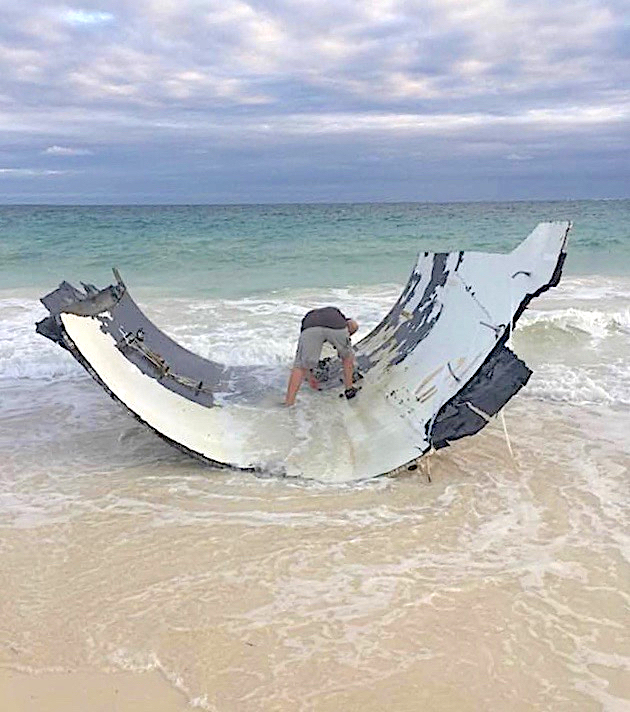
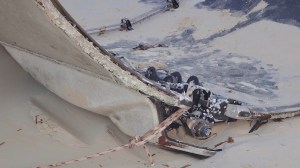
I pressed the ‘publish’ button re BPS a couple of days ago. Within hours, a further report was posted on the resulting FB thread. From Elbow Cay came the news that more space-related debris had washed up on beautiful Tahiti Beach. Mary McHenry posted 2 photos of a strange chunk of junk. I think we can reasonably assume that is from a rocket; and the timing is consistent with it being related to EM and his recent SpaceX program activities.
Mary’s photos show both sides of the gently curved item. I’ve no idea what part this is or what it does, but I hope that we can find out. It looks like a bit of fuselage, and presumably it is one of the parts that detach in the aftermath of a launch and falls back to earth to make an attractive and thought-provoking addition to the ocean and to whichever beach it turns up on.
In this case, it was Tahiti Beach (above), one of the most beautiful locations on Abaco. It is a beach in which I have a particular interest, because each year rare piping plovers hang out there in singles and pairs. It doesn’t seem to be their home, more like a little short-break destination for some quality foraging away from their usual stamping grounds. And to check out any space-based embellishments, of course.
A SpaceX Falcon 9 rocket on the launch pad
ANY MORE ASTONISHING ABACO SPACE HQ REVELATIONS IN THE PIPELINE?
Yes indeed. Within a few more hours I was contacted by Charlotte Dunn, Director of the Bahamas Marine Mammal Research Organisation (BMMRO) at Sandy Point, Abaco. They too had found some space stuff on their beach. This is interesting because, whereas Bahama Palm Shores and Tahiti Beach are on the east side of mainland Abaco, Sandy Point is on the west side. Somehow the debris seems to have spread surprisingly far and wide to both sides of Abaco
I’m waiting for some photos from Charlotte, then I’ll post Part 3 of what may be quite a long sequence. I say that in particular, because yesterday day there was news that another SpaceX Falcon 9 had been launched from Cape Canaveral carrying military hardware into space. I think we can guess where some of the components of this enterprise may wash up – those large pieces that detach over the ocean as the rocket ascends through the earth’s atmosphere into space. Keep your beach-combing shoes** handy… and a camera, maybe.
Tahiti Beach (drone’s-eye view)
CREDITS: Mary McHenry (1, 2); Samantha Regan; Bruce Hallett (bird); SpaceX + Spaceflight Now (unclassified) online material; David Rees (drone view); cartoon, OS; festive Christmas Tree Worms, the wonderful Melinda Riger (without whom… etc etc)
** Mmm. I don’t think these are a ‘thing’ at all; in this context I probably just mean ‘feet’
FINALLY, A VERYHAPPYXMASTO ALLTHOSETHATTOLERATETHISBLOGANDKINDLYCOMEBACK FORMORE
December has seen two remarkable events on Abaco. First, a huge dead sperm whale (estimated 50′ long) washed up at Bahama Palm Shores. Sharks had already had a go at it, and it was beginning to putrefy. An autopsy was unable to determine the cause of death (ship-strike is presumably a contender). It continued to decompose on the shoreline, becoming extremely… well, best kept at a distance. And upwind of it. I’ll post about the sad end of this magnificent creature – the largest marine mammal in the Bahamas – in a couple of weeks, after the festivities at Rolling Harbour Towers have calmed down.
———————————
STOP PRESS 🚀 you haven’t even reached the rocket part of this yet, but just to say that a few hours after posting this article, other reports of bits of Mr Musk’s rocket debris washed up on beaches are coming in – Tahiti Beach EC, and just now from BMMRO at Sandy Point. I’ll update tomorrow. 🚀
————————————
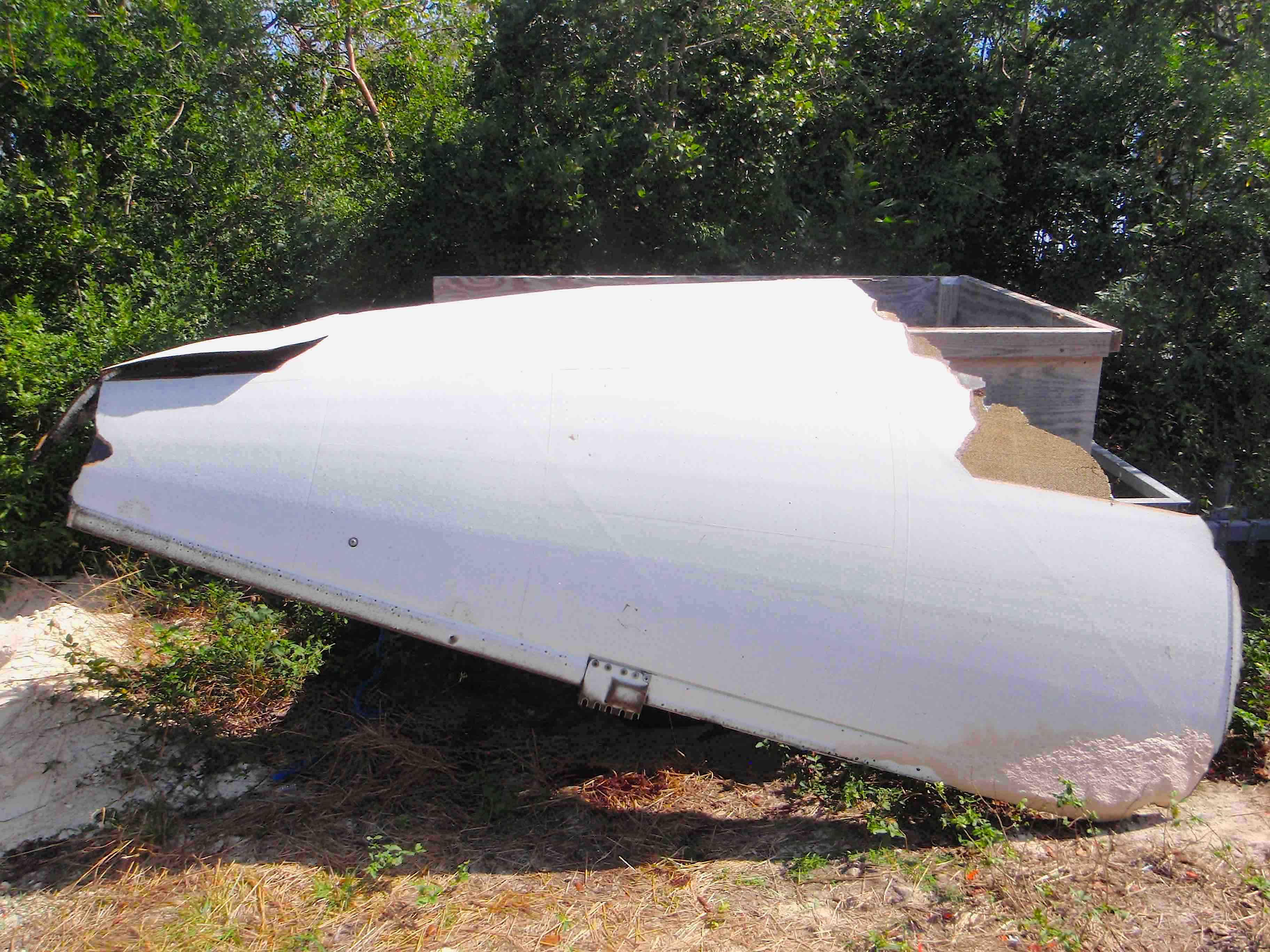
The second big news event for South Abaco was the discovery of a massive piece of (formerly) airborne debris drifting onto the BPS beach. Everyone was hoping the item wasn’t part of a plane fuselage, as it initially appeared to be. From the initial photos it looked to me like something from a rocket launch, maybe part of a booster rocket. It reminded me of the 12 foot part of a booster rocket fairing from the Atlas 5 rocket which launched Curiosity on its Mars mission, that washed up on the Delphi beach in early 2012. The men in black eventually came to reclaim it… More on that HERE
THIS REALLY IS ROCKET SCIENCE THEN?
Quite soon the mystery of the object’s purpose and origin began to get clearer. Luc Lavallee was quick to recognise the red external markings as matching Elon Musk’s logo, as used by his SpaceX venture. Events moved quickly. Contact with Musk’s operation confirmed that this was indeed “one of theirs”, a part from the latest launch a few days before.
AFTER a large chunk of strange space debris of (initially) unknown origin
BEFORE Elon Musk’s complete Falcon 9 Rocket – note the red ident
SO WHAT ON EARTH* WAS THIS CHUNK OF SPACE DEBRIS?
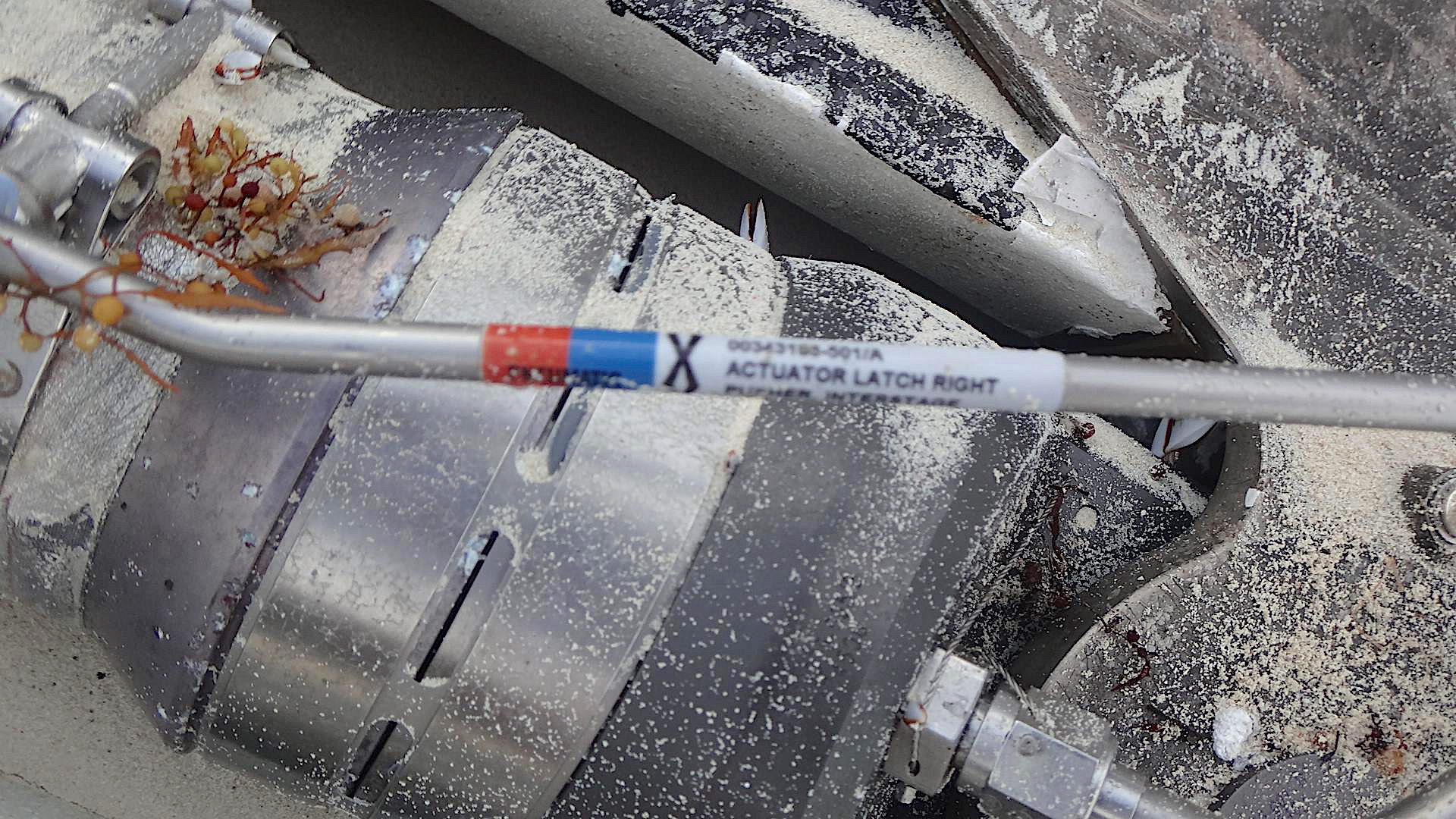
In the end the item was identified as part of the shroud from a Falcon 9 rocket. There was plenty of opportunity to take a good look at some of the workings. There’s potential here for some quality beach-combing (who would not want an ‘Actuator Latch Right’ rod in their living room?). There are interesting legal considerations in this type of situation… [Worried reader: please, no, I beg you]. Moving on, here’s a selection of rocket bits for contemplation.
More info was gathered, including the discovery of an astounding video from a camera fastened to a Falcon 9 rocket’s payload fairing, showing the nose cone spinning through space after its separation on a satellite launch earlier this year.
WHAT DOES A ROCKET SHROUD DO?
The nose shroud shields satellites during final preflight preparations and the early stages of launch. Once the rocket reaches space — an altitude above 100 kms / 62 miles — it jettisons the payload fairing to fall back into the ocean. The Falcon 9’s fairing is released in two halves, like a clamshell.
*This is the sort of occasion when people write ‘no pun intended’, though in fact they generally intend one, just rather a feeble one. Like mine, in fact.
CREDITS: Jack Bowers and others from the BPS community for photos, info and investigative acumen; SpaceX + Spaceflight Now (unclassified) online material + videos generously posted on YT; USA Today
BUNTING(S) FOR AN ABACO CHRISTMAS: AN OLD TRADITION
BUNTING /ˈbʌntɪŋ/ (Noun)
[A Christmas gift of a puntastic avian / festive double-meaning]
A small New World songbird of the cardinal subfamily
Flags and other colourful festive decorations
PAINTED BUNTING
One of the Winterval traditions at Rolling Harbour HQ – that haven of unreliable natural science powered by lazy insouciance and characterised by a regrettably unserious approach – is to break the rule that (mostly) forbids reposting old material without good reason (which there occasionally is). This means marking the imminence of Christmas with bunting. And indeed buntings, those lovely birds beautifully painted by nature. Nothing says ‘Happy Christmas’ better than a flock of PABU!
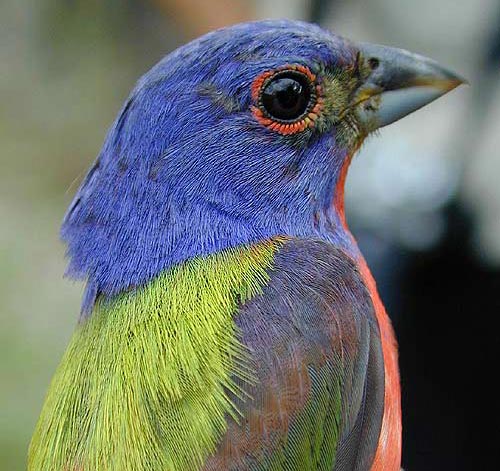
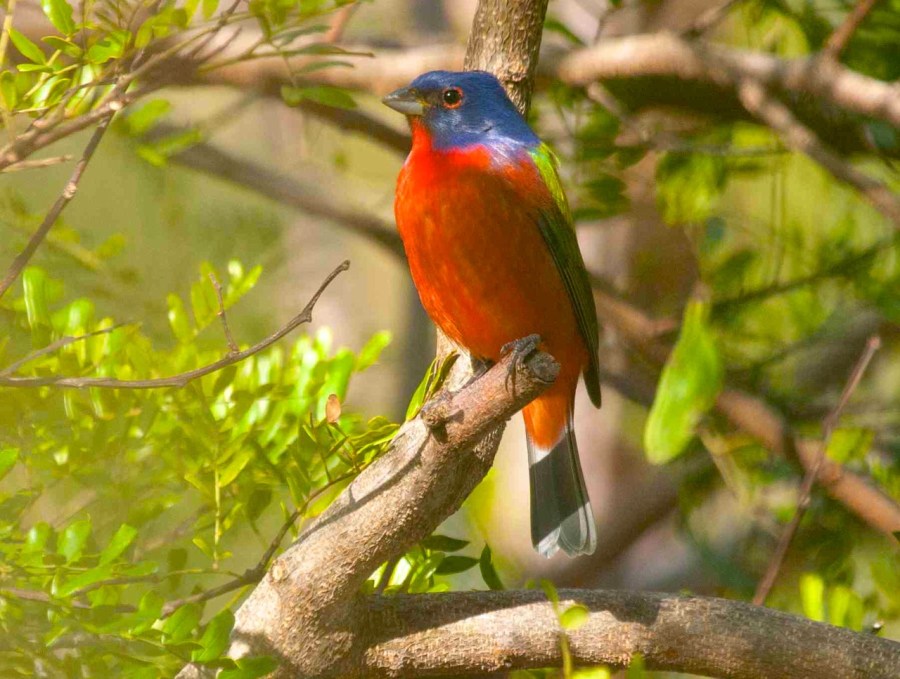
It’s hard to imagine a more Christmassy little bird than the Painted Bunting. Bright blue, red, green primary colours straight from a child’s paintbox make for a spectacular bird to grace the festive season. These are migratory winter residents, and the first reports of the bright and beautiful males on Abaco started to appear in late October. Some will stay around until March.
A female & a male PABU feeding together, and a male with a pair of black-faced grassquits
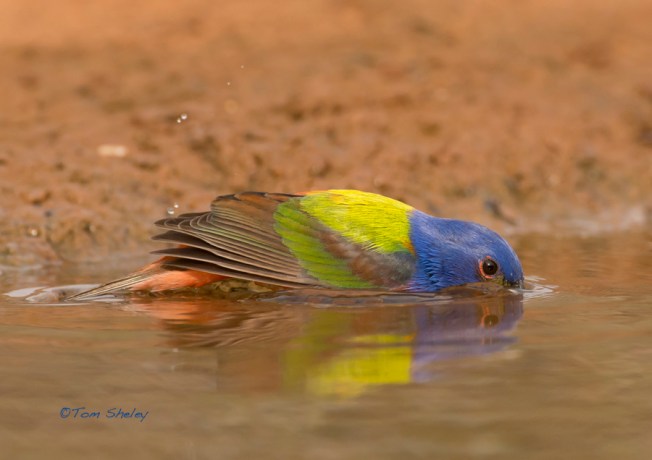
The two wonderful photos below are by Tom Sheley, a major photographic contributor to THE BIRDS OF ABACO. They were actually taken in Texas, but I include them because of Tom’s strong connection with the birdlife of Abaco; and also because they are fantastic shots…
This is my opportunity to wish a very Happy Christmas or [insert preferred seasonal appellation] to everyone who visits Rolling Harbour and especially those who, having done so, return for more! There could of course be anything from 600,000+ individuals who called in once, were put-off and never came back… to one sadly crazed person who has been pressing the ‘read’ button 600,000+ times over the last few years. If the former, thanks for trying, sorry to disappoint. If the latter, keep up the good work, buddy.
Credits: Tom Sheley (1, 7, 8), Erik Gauger (2), Tara Lavallee (3, 4), Keith Salvesen (5); Sandy Walker (6); Birdorable Cartoons
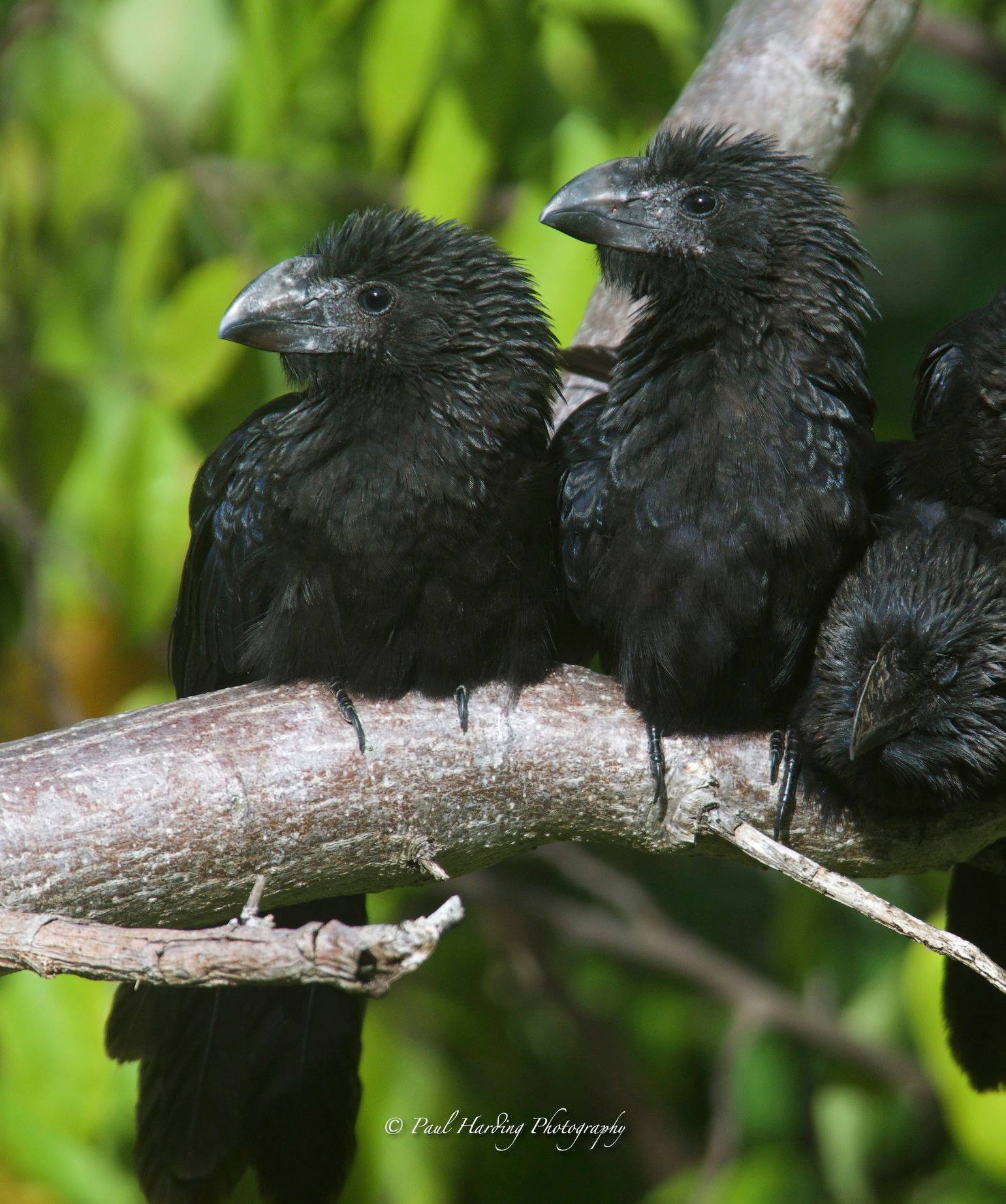
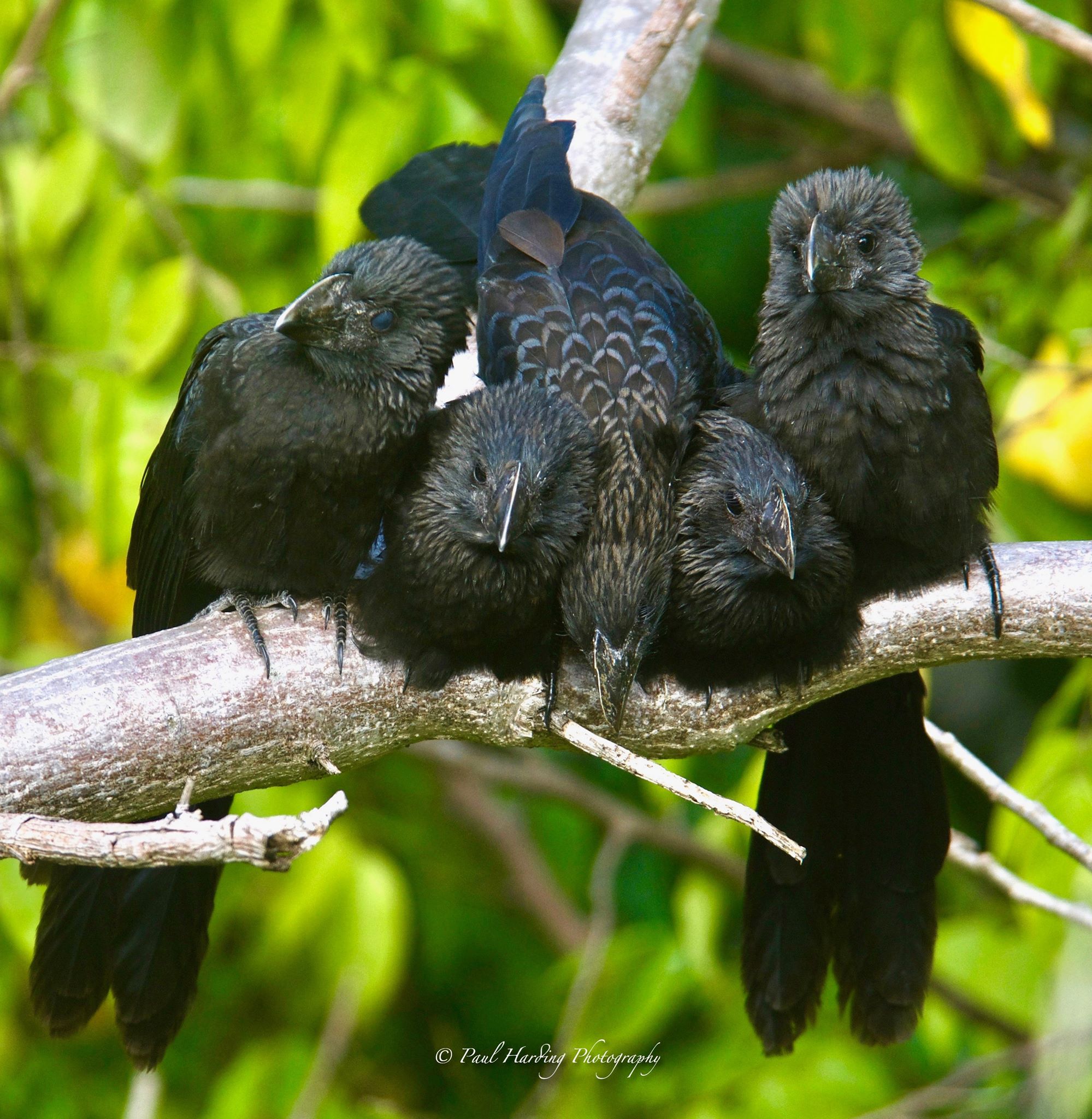
The Smooth-billed Ani (Crotophaga ani) – aka Cemetery Bird – is the third member of the cuckoo family found on Abaco, the others being the MANGROVE CUCKOOand theYELLOW-BILLED CUCKOO. You can (it’s voluntary) find out more about them in an earlier articleHERE.
I have returned to these engagingly gregarious birds and their raucous ways because Paul Harding has recently captured a sequence of a small group of anis behaving so endearingly that they are irresistible. Not for them the oddly incompetent fluttering flight, nor the disorganised, unbalanced landing technique. It’s simply a matter of getting settled on a branch, and then making room for one more in the middle (or perhaps resisting it…).
‘A COMMOTION OF ANIS’
There were 4 on the branch…
Hey – make room for another one…
Budge up, guys, I mean C’mon…
Yay, I’m in… a bit squished but…
Um… guys, I can’t breathe…
That’s better… all settled now….
Let the racket begin!
Credits: all terrific pics, Paul Harding; sound files, Xeno Canto
KIRTLAND’S WARBLERS ON ABACO: A FIRST FOR THE CAYS
I last wrote in April about the rare Kirtland’s warbler Setophaga kirtlandii that, in very small isolated numbers, overwinters on Abaco. You can get to the article HERE. You’ll find plenty of information, a range map, notes about the eponymous Mr Kirtland, and lots of good photos (none mine except the joke one – I messed up my one chance out of 4 birds encountered in the National Park). So I won’t go over the ground again…
I’m returning to this near-threatened species now because there has been a very exciting development for Abaco for the KIWA. Towards the end of last month, 2 birds were found over a couple of days at a location on Green Turtle Cay. Having now checked all reported sightings for Abaco since time immemorial (or at least from when eBird began), I believe that this may be the first time a Kirtland’s warbler has been reported on any of the cays. Certainly when we were researching The Birds of Abaco, we found no evidence of KIWA reports from the cays. Sightings are anyway few and far between (not even annual), and mostly on a ‘right place right time a hunch and a large slice of luck’ basis.
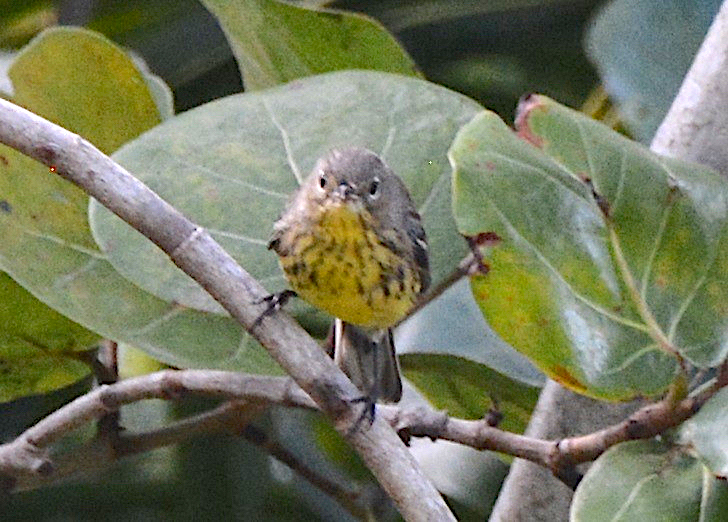
The first sighting of the season, on Ocotober 27, was (surprisingly) at Sandy Point, when Woody Bracey took a party of 3 birding for the day. Most KIWA sightings are in south Abaco, with selected areas of the huge National Forest being much the most likely places. There were in fact 2 birds seen – here’s a photograph of one of them. Sandy Point was an unexpected location, but they were on the mainland and in the south – a great ‘get’ by any standards, but not unique for the area.
AN EXCITING SIGHTING
On November 22 at 08.30, Sally Chisholm was birdwatching on GTC when she suddenly came across an unmistakeable KIWA, seeing it closely and clearly: “gray back with dark striping, gray head with white broken eye ring, pale yellow breast with small dark spots”. It was pumping its tail (‘tail-wagging’ J. Bond) characteristically, and eating the berries from a palm tree (see header image). Sally heard its repeated “chip” call, typical of the KIWA. Furthermore, a second bird was returning the call, though she could not see it.
KIWA CHIP CALL Paul Driver / Xeno Canto
Two days later, in the early morning on November 24, Sally returned to the same location and saw a single bird, clearly one (or perhaps the other) of the two birds already seen / heard. She got a fine clear shot this time, too.
I’m not by any stretch of the imagination a Kirtland’s expert (not even a bird expert, if I’m honest). The photos seem to me to show a young bird (compared with ones I have seen) and I wonder if they are juvenile adults (as it were) on their first migration from the jack pines of Michigan. Comments on this remark invited and welcomed… No matter: the great thing is that, whatever the age of the bird, photo #1 is, as far as I can tell, the first visual confirmation of a KIWA sighting on an Abaco cay. It’s a privilege to be able to give it a wider audience.
WHAT ARE THE MAIN THREATS TO THE SPECIES?
Mankind is the primary threat. The breeding areas are particularly vulnerable from deforestation and clearance of the jack pines that are essential for successful nesting and breeding – and therefore the survival of the species
Encroachment of development is another threat, as with so many species
There is a further threat of nest parasitism by brown-headed cowbirds, to which KIWAs are especially vulnerable
In the winter grounds where the habitat is mostly remote or in protected areas, there is rather less of a problem from these factors – for now at least
Overall, habitat degradation at one end of the migration – in particular the breeding grounds – poses a serious risk; at both ends, extinction could loom again. Check out the very limited range of the KIWA and you’ll see the point at once
Credits: Sally Chisholm (1, 2, 4, 5) with special thanks for use permission for her terrific photos; Rodger Neilson (3); Paul Driver / Xeno Canto, sound file; Birdorable, cartoon; Usual (range map); BPS (stamp)
It is axiomatic that people tend towards birding – if at all – in later life. Not the scientists, of course: they must commit themselves to the study of natural history at an early age, collecting qualifications by degrees (as it were), through Masters, Field Work, their first posts, PhDs and beyond.
American Redstart (m)
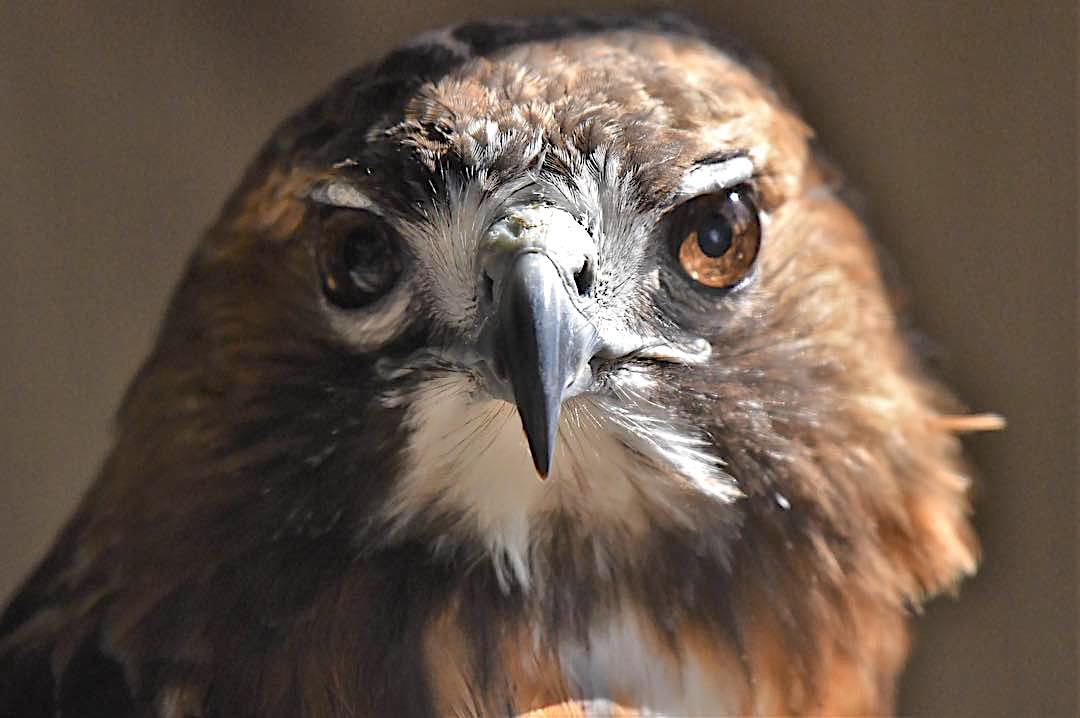
I didn’t take a very active interest in birds until the first time I investigated Central Park NYC and saw a blue jay. Followed by a cardinal… a red-tailed hawk… chickadees… American robins (or ‘Mercan rubbins‘, as I was informed). These were alien species for a European, and they awoke my interest.
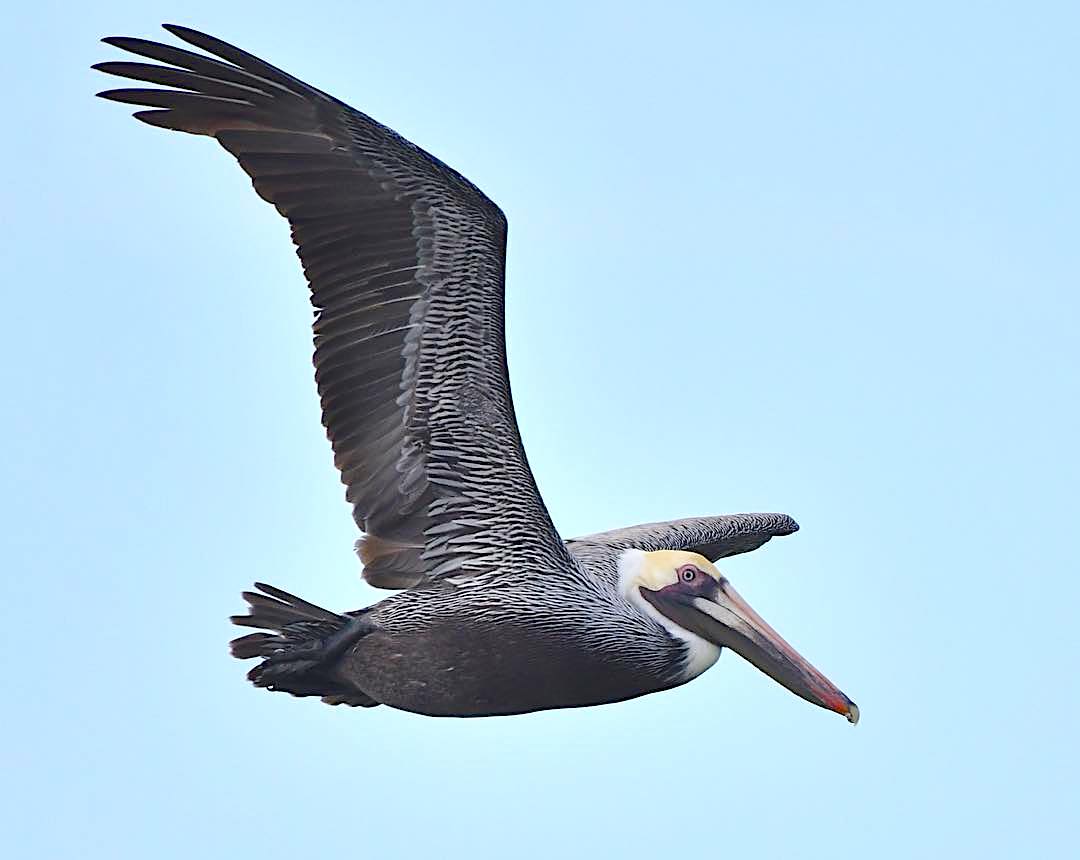
Brown Pelican
On later trips to NYC I have always spent a day in CP, wandering from end to end, spending time in the hotspots like The Ramble, the JO Reservoir, and the pretty Loch trail to the north, and wondering at the huge and expensive birding hardware toted by those around me (while knowing I didn’t want it). And then a visit to Prospect Park Brooklyn too, if I have the time. More recently came Abaco, and a whole new world of wildlife that has captivated me…
Hermit Thrush
This reminiscence by an oldster brings me to Chris Johnson, a young Bahamian man who will be familiar to many readers of this blog. I first encountered him when I was researching the Bahama Oriole and discovered that he, in his early teens, had found one on a trip to Andros and photographed it. It was a pleasure to be able to include the image in my article.
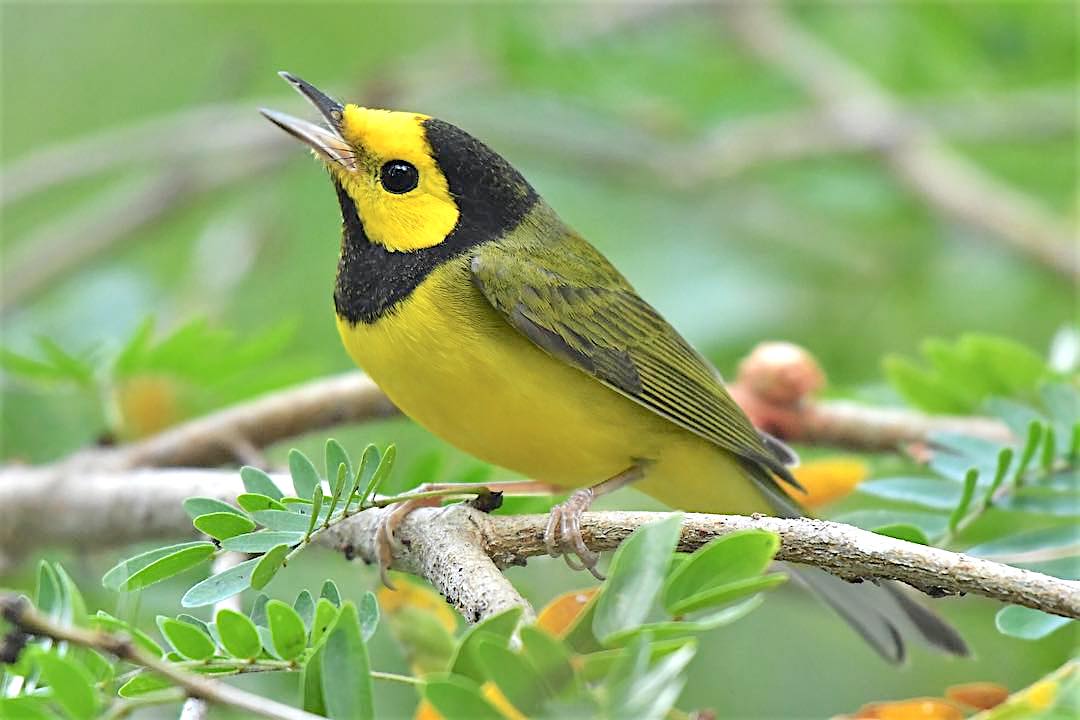
Hooded Warbler
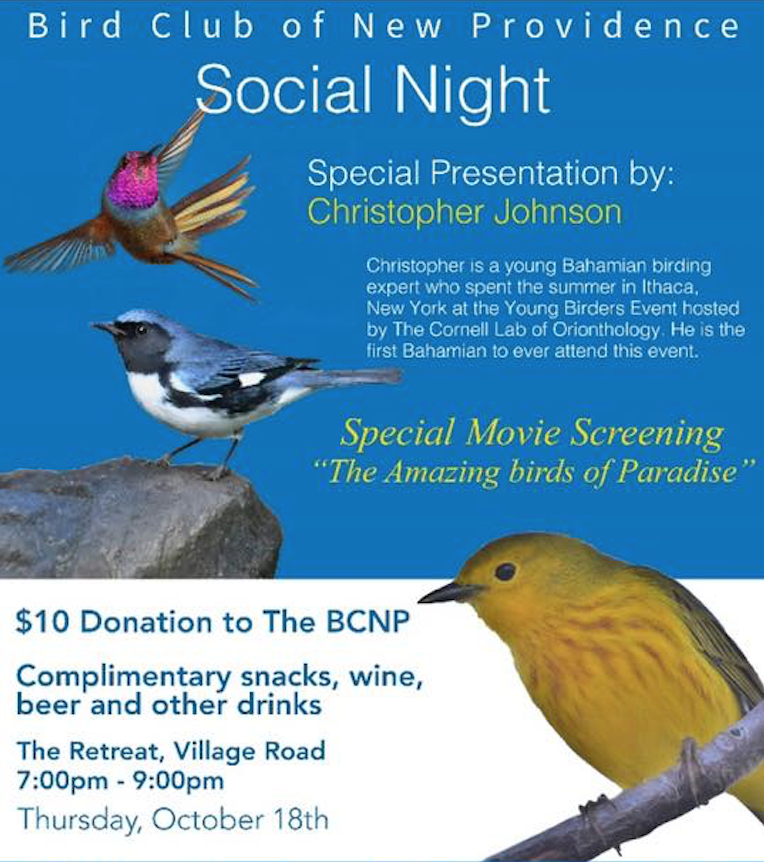
Since then, Chris’s birding and photographic skills have rapidly developed and his reputation is growing too. This summer he was one of 12 students chosen to attend Cornell University Lab of Ornithology for their Young Birder’s Event in Ithaca NY, a great tribute to his accomplishments and a wonderful opportunity too. It is worth noting that Chris is the first Bahamian to be invited to attend this event.
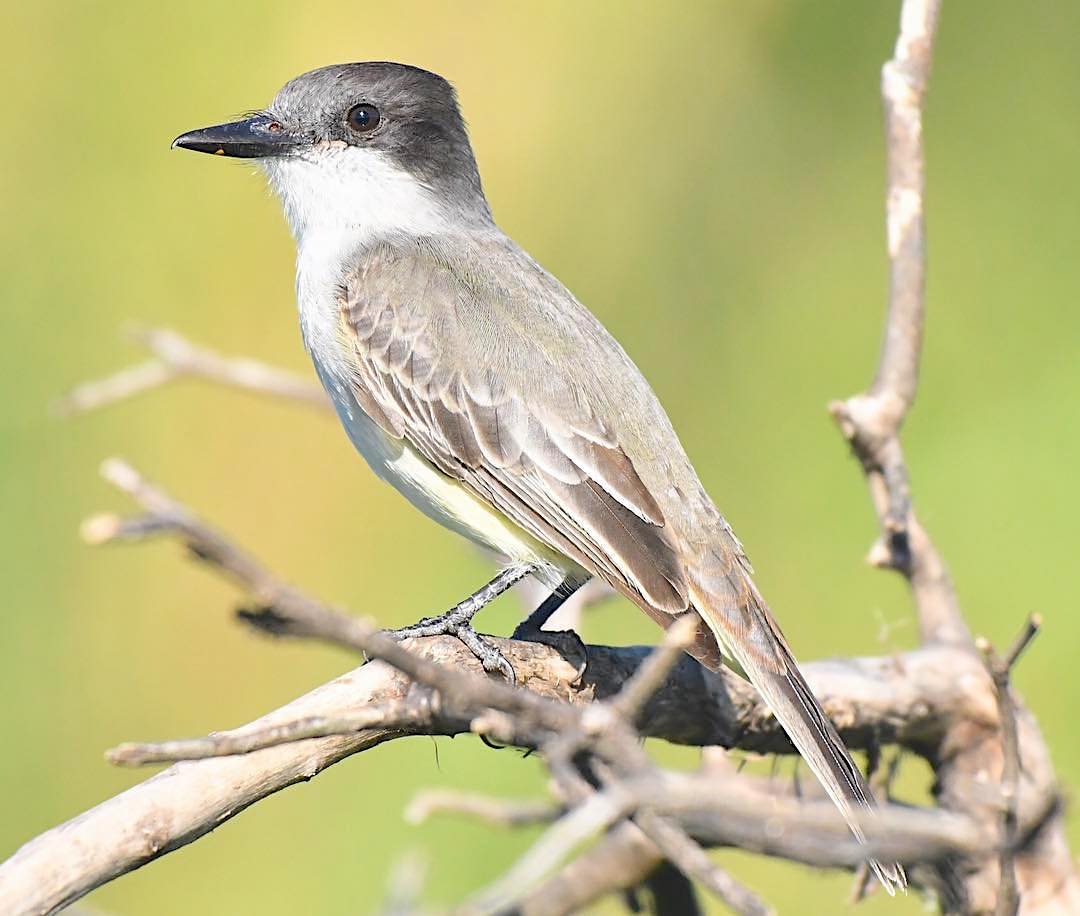
Loggerhead Kingbird
Chris is also beginning to make his own presentations, as he did recently to the Bird Club of New Providence. It won’t be long before he is leading bird groups – in fact, he is probably doing this already.
Another impressive feature of Chris’s birding is his photography. I have watched the progression online with interest. The crispness of his images, the composition and the right ‘take’ to make the best of each bird is wonderful, and he has a great eye for a neat shot – for example in the header image I have chosen, with its awareness of the effective use of dark and light.
Black-and-white Warbler
I should say that I have never met Chris, although we have occasionally been in touch. I am featuring him because I believe he and other young people of his age – Chris is 17 – are the future for birding, for wildlife, for species protection and for habitat conservation. The older generation will move on and the ‘middles’ may begin to take an interest in the birds around them. But Chris’s generation are the ones who can make a difference in the future. As things stand right now, they may have to. It’s a huge responsibility for them, but it’s one our generation is in the process of transferring to them.
Red-legged Thrush
I hope you have enjoyed the small gallery of Chris’s photographs displayed here. If you are interested in the birds of the Bahamas, keep an eye on him and others like him. They need all the encouragement we can give them.
All photos: Chris Johnson, with thanks for use permission. Please do not ‘borrow’ any of these images without asking first. That would only be fair.
ABACO BALD EAGLE(S): AN EYRIE COINCIDENCE (GEDDIT?)
I absolutely knew this would happen. In a sense, I rather wanted it to happen. And now it has, and I have got my comeuppance. Bigly. Hugely. No sooner had I pressed ‘send‘ on my post 2 days ago bemoaning the absence of bald eagles in 2018 than corrections began to come in.
Harsh Judgemental Reader: “Do you mean you were wrong?”
Contrite Writer: “Yes.”
HJR: “Did you check eBird before you fired off your intemperate post?”
CW (in a small apologetic voice): “No.”
HJR: Well then, what have you got to say for yourself?”
CW (*hangs head*): I’m very sorry, everyone. I’ll try to do better this time. Here goes:”
THE ABACO BALD EAGLE(S) OF 2018: IN NO WAY AWOL!
SIGHTING ONE
On October 25th legendary Bahamas birder Elwood Bracey and a party of 4 were looking out over the Marls from Sunset Ridge when they saw 4 birds flying high. Two were unmistakably turkey vultures; one was a magnificent frigatebird (ie totally non-eagle-ish); and the fourth was much larger, looking like a juvenile bald eagle. Any remaining doubts were dispelled when it dropped into a steep dive and smashed into the water, catching a fish in its talons, much like an osprey. There’s no room for confusion here: Woody has vast experience on Abaco and beyond – and besides, he had a powerful spotting scope and 4 birding witnesses. The ID is, as they say, solid. And it was posted on eBird. Which I should have checked. But didn’t. As Julia Roberts (qua Vivian Ward) actually did say, “Big Mistake. Huge!“
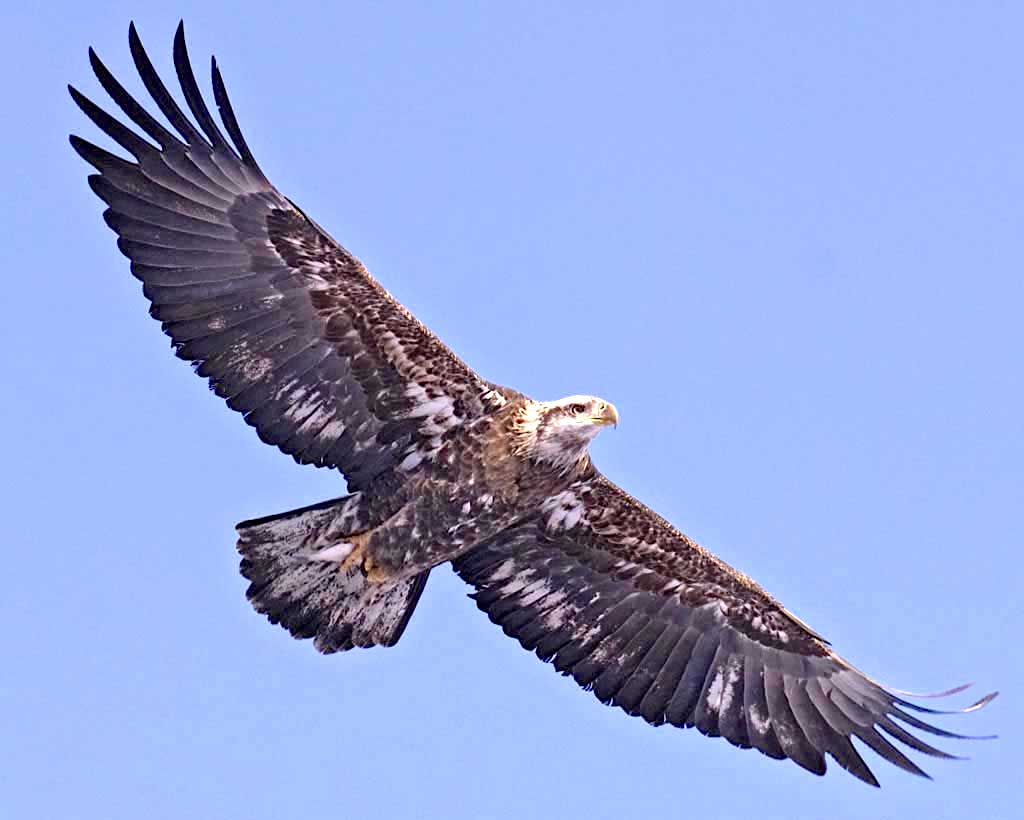
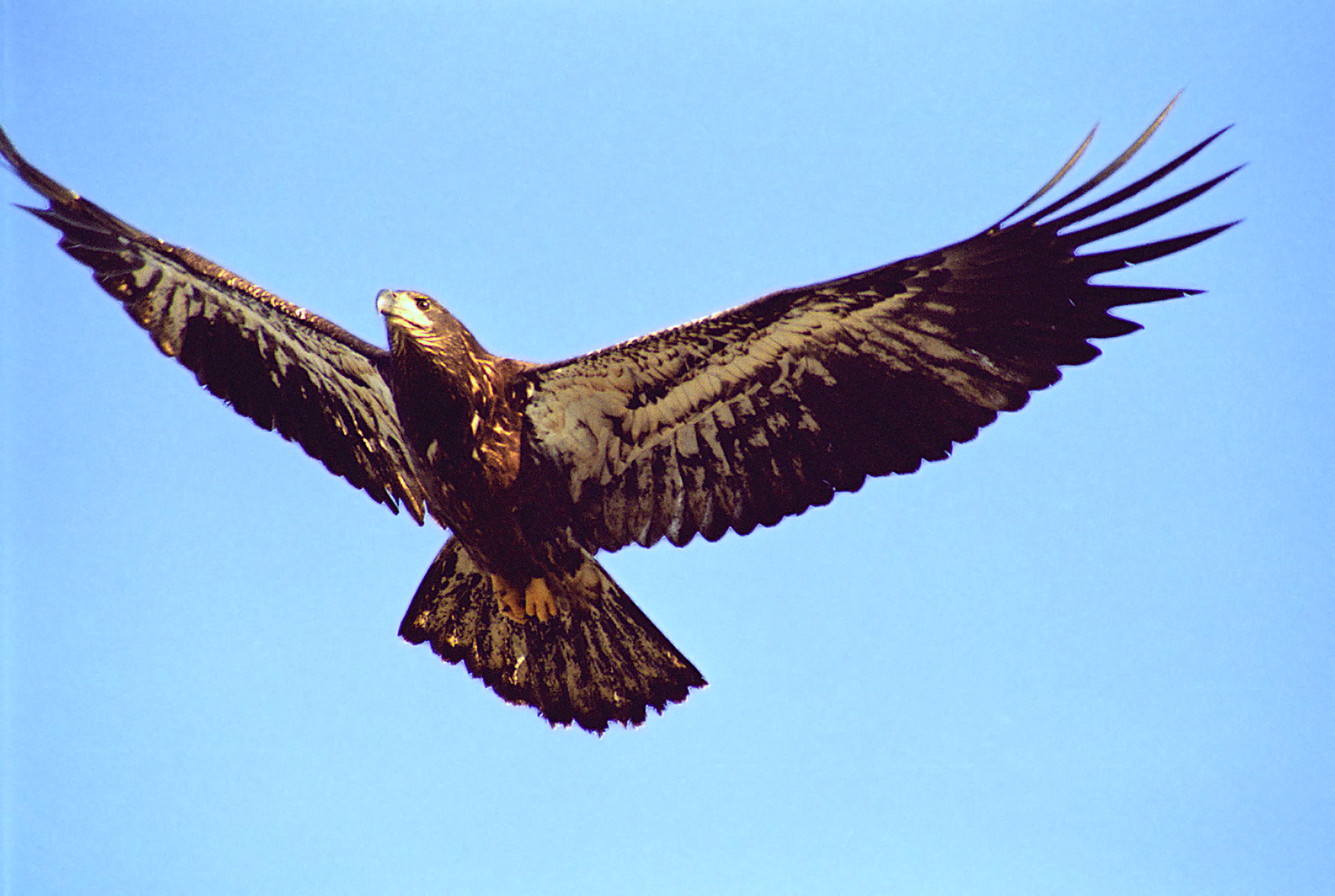
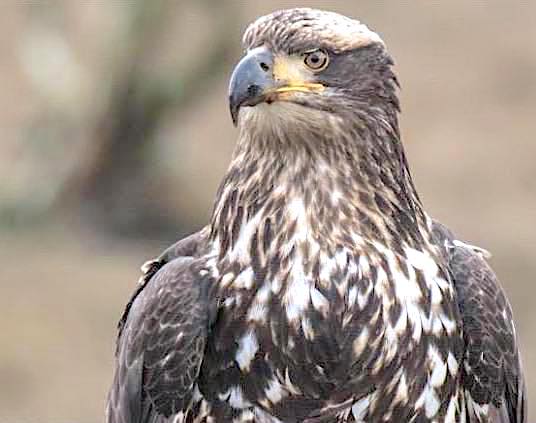
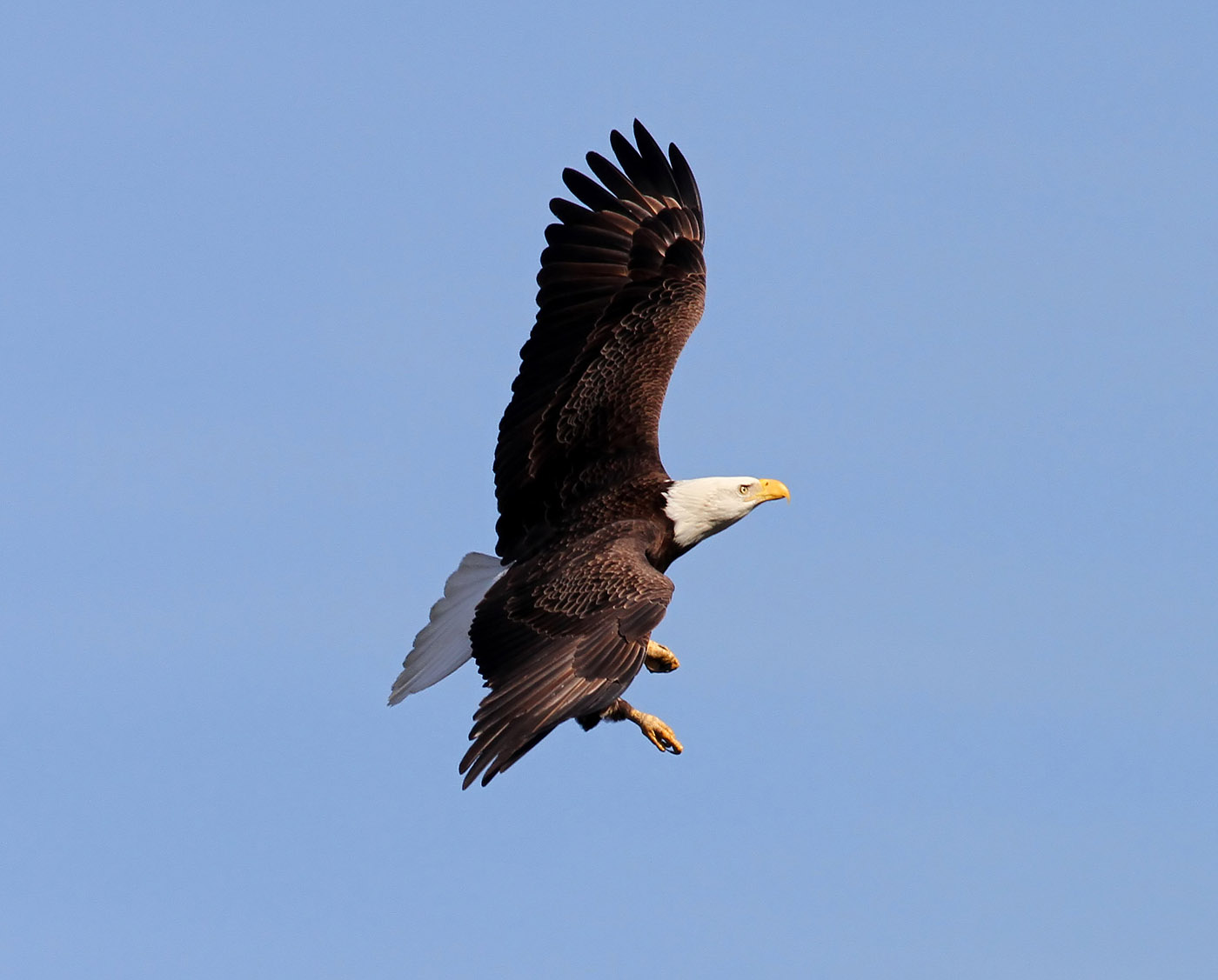
The problem here – you are ahead of me, aren’t you – is that a juvenile bald eagle does not resemble an adult. Rather than the familiar and symbolic look, they are dark brown with white flecks and mottling that changes as they grow older. A juvenile won’t even begin to look like a bald-headed adult until it is around 4 years old. Here are two comparisons of the confusing ages and stages.
SIGHTING 2
Within the last couple of weeks, a resident of Man-o-War Cay saw a huge brown bird – not an osprey, turkey vulture or red-tailed hawk – hunting chickens in the area. He told his family and identified the bird from looking at a photo of a juvenile bald eagle. I received this report – the first in time – from Charmaine Albury. Her brother was the sharp-eyed spotter. Had that been the only report, in the absence of a photo I might have had at least some doubt. Then Woody’s report arrived, a definite juvenile bald eagle only 3 weeks before, over the Marls. From there, with its spectacular eyesight it could practically have seen the individual chickens on Man-o-War. So it’s a good fit for ID.
WHAT’S THE CONCLUSION?
I’d say that right now on Abaco we have a single juvenile bald eagle. It’s a vagrant, away from its usual hunting ground but unchallenged in the skies where it has ended up. There has been the usual autumn extreme weather (though Abaco has dodged the worst of it) to throw a young bird of course in the last couple of months. So, rather late in the day, we really do have an Abaco Bald Eagle for 2018.
A juvenile bald eagle – not at all like its parents to look at
Credits: Woody and Char for the sighting reports; header image (1), Audubon; (2) wiki; (3) Allaboutbirds.com; comparative drawing, Birdwatchers’ Digest; (4) FB, source unknown (and a credit or take-down as you wish if it’s yours); cute cartoon, the most excellent Birdorable
It is a year since I last wrote about the Abaco Bald Eagle(s) of 2017. The bracketed ‘s’ signifies the absence of firm evidence that there was just the one. Equally, there was no indication that there were ever two. All reported sightings were of a single bird, seen at a distance. The likelihood is that it was a lone visitor. The bald eagle is classified as a very rare vagrant on Abaco, and I gathered together as many reports since 2000 as I could find (see below). Not many, in summary, and never two.
Last year, a bald eagle was sighted around to coast of Abaco over a period of several months. There were 8 sightings in all, and I had hoped that the bird might stay around for 2018. Sadly, not so. The photos featured here come from a sequence by photographer Phil Lanoue. They were not taken on Abaco of course, so don’t be confused. But they illustrate the magnificence of this iconic bird as it prepares for its landing in a pine tree. We do have wonderful ospreys of course, but the occasional eagle makes for a rare treat.
As I said last year, the 2017 sightings were most likely all of the same lone bird that had somehow strayed over to Abaco and found the available prey good, and the location congenial. As undisputed king of the skies, its daily hunting range was a wide one which would explain the varied sighting locations. I ended: “I’m sticking with this theory unless and until 2 eagles are seen together”.
BALD EAGLE SIGHTINGS REPORTED ON ABACO SINCE c1950 (= ‘ever’)
Here is the list of sightings. They start in 2000, because there are no known reports for Abaco prior to that from when they started to be kept in the 1950s. If anyone has others, I’d be pleased to hear from you.
2000 December, location unknown – info from Woody Bracey
2001 December – Chicken Farm area – Betsy Bracey
2002 December – over Marls opposite Treasure Cay – Woody Bracey
2004 Autumn – south of Lynard Cay (after hurricane) – Cheryl Noice
2014 Date unknown – circling the power plant – LC
===================================
2017 March – Big Pine Point, Marls – James Cheesewright
2017 Early May – Power plant area – LC
2017 May – Marls – Danny Sawyer
2017 May – Lubbers / Tahiti Beach area – ‘Kelly’s mom’
2017 September – Cross Harbour – Carol Rivard Roberts (with photo)
2017 November – Cherokee Road – Howard Pitts
2017 November – Bahama Palm Shores / 8-mile beach – Steve Roessler
2017 November – Tilloo Bank – Laurie Schreiner (with photo)
Italics = report in comments on Danny Sawyer’s FB page; Blue = added reports to me
The first-ever bald eagle photo on Abaco Sept 2017
Carol Rivard Roberts
The last bald eagle photo on Abaco Nov 2017
Laurie Schreiner
Credits: all brilliant ‘eagle landing’ photos, Phil Lanoue with many thanks for use permission; Abaco eagles by Carol Rivard Roberts and Laurie Schreiner; amusing cartoon, Birdorable; thanks to all spotters and reporters.
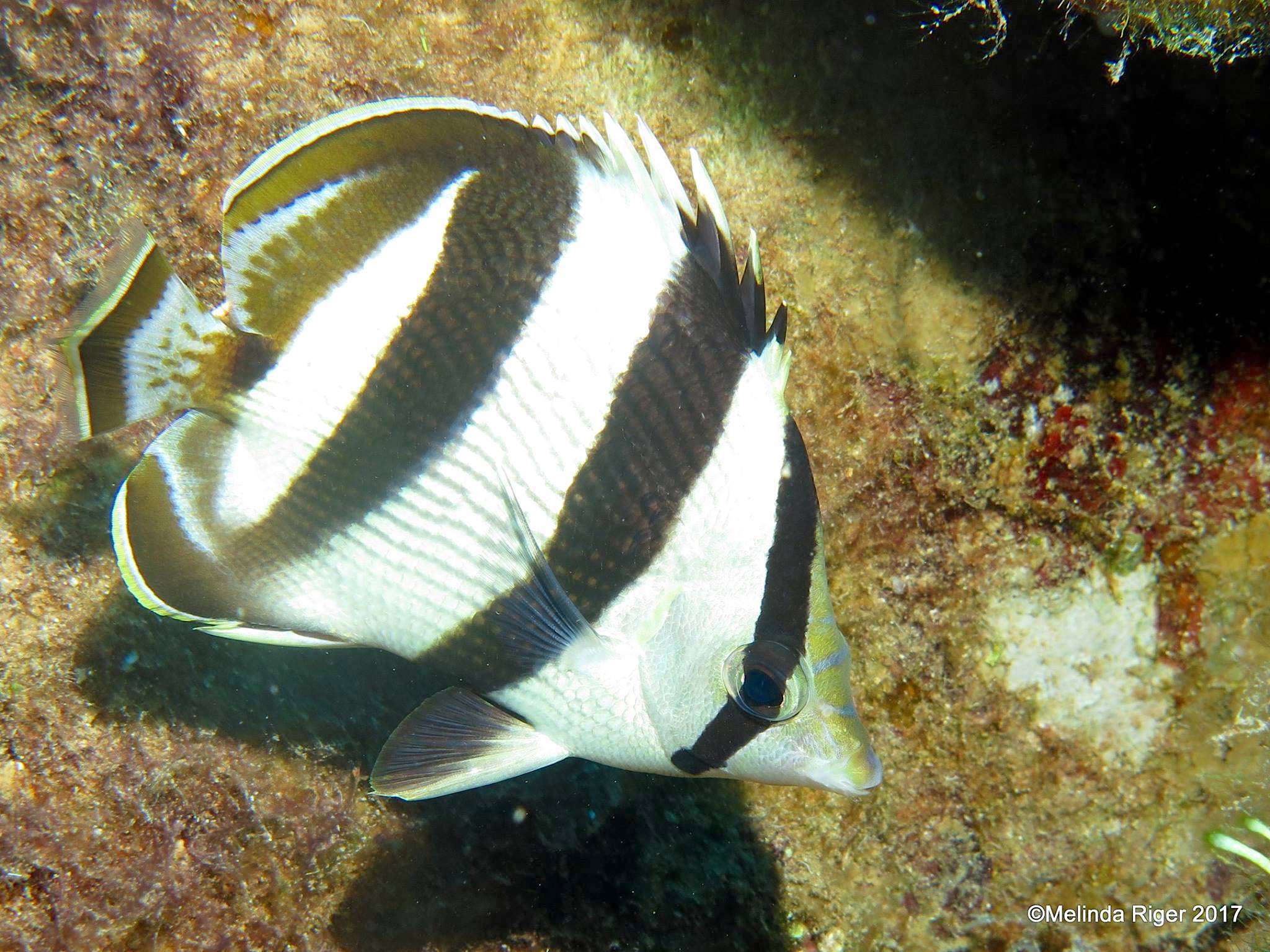
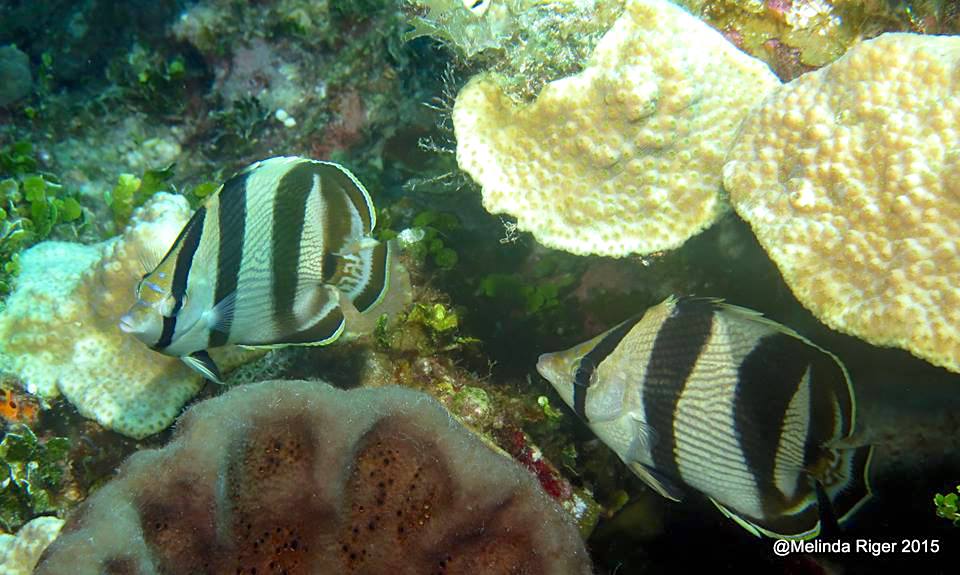
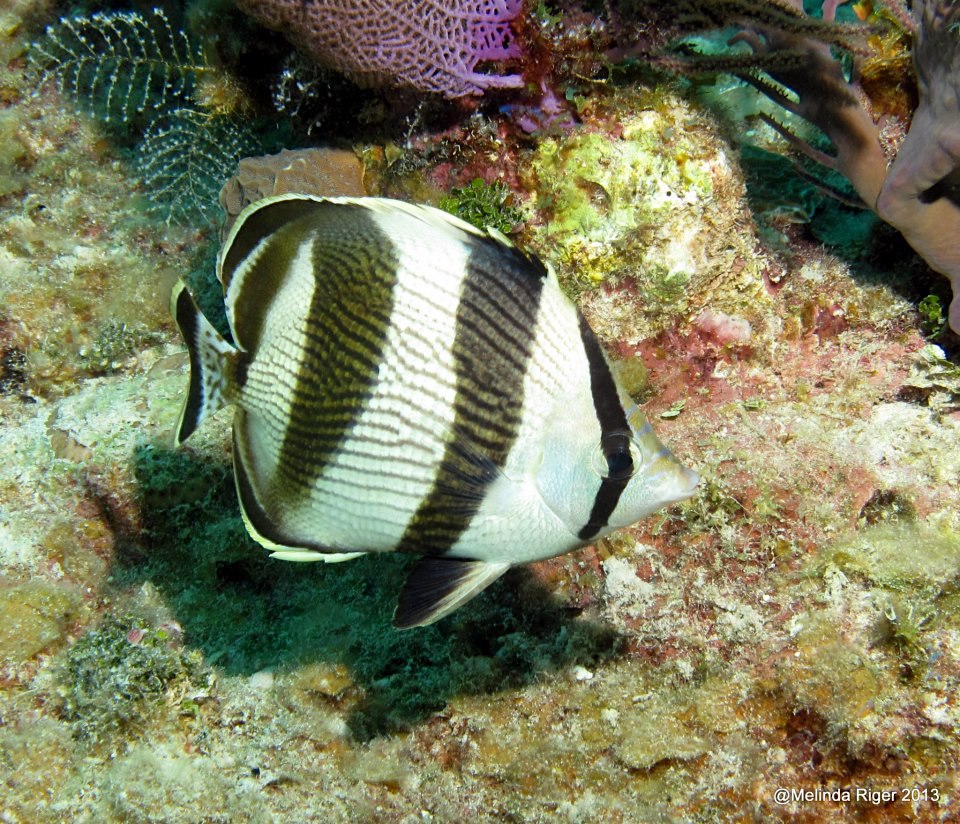
The banded butterflyfish (Chaetodon striatus) is one of several butterflyfish species found in Bahamas waters. There are links to some of the others at the end of this post. The reason for the name is obvious. The purpose of the patterning (striatus) is to act as an adaptive anti-predator defence when seen against the varied landscape of the coral reefs that are its home.
These little fish tend to be found either singly or in pairs. Two of them together may play a form of chase game among the corals and anemones of the reef.
Banded butterfishes, like their cousins, have a varied diet that includes small crustaceans, worms, and coral polyps. They also have a valuable role on the reef by acting a cleaner fish for larger species like grunts, tangs and parrot fish. This sort of relationship, where one party benefits from this kind of interaction , is known as ‘commensalism’, one of the 4 types of symbiotic relationship.
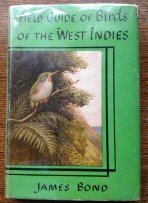
The number of bird books that are devoted entirely to the Bahamas is very small. Most books that include the region have a wider ambit. They feature birds of the West Indies as a whole, many of which are also found on Abaco but a good proportion of which are not. The header image, for example, is a resolutely non-Abaconian Jamaican Tody and is the cover bird for the book featured in this post.
In the early days of this blog I started a ‘birdyography’ page (accessible on the menu bar at the top under BOOKS ETC). This includes most (if not all) of the books most helpful for Bahamas birders, and all are field guides except for one. That’s my own Birds of Abaco, which some have described using the words ‘table’ in conjunction with ‘coffee’. Anyway, at nearly 2 kilos it’s certainly not a pocket field guide, nor even a backpack one…
The go-to Bahamas field guide is Bruce Hallett’s magisterial Birds of the Bahamas and TCI. So far so very good – except that it is out-of-print and highly sought after. I have just checked and a copy on Abe.com comes in at around $300! I have 3 copies but 2 are out on loan, probably permanently… There are several other book contenders for consideration, all appearing on my book list linked above.
These include the legendary James Bond’s book dating from 1936 (seeHERE for more) and its many subsequent incarnations (my 1947 2nd edition shown above, also featuring a tody); Brudenell-Bruce’s charming but dated book; Rafaelle’s rather good Field Guide of the Birds of the West Indies; and the excellent recent Bahamas-produced book Beautiful Bahama Birds by Carolyn Wardle, Lynn Gape and Predensa Moore that features most of the birds one might be likely to see, with help with locations and so on. I reviewed it HERE.
FLIEG & SANDER: A NEW EDITION
There’s one small book that is, at first glance, far too wide in scope and slim to be of much use in the Northern Bahamas. However, it contains many of the birds that a casual birder might come across on Abaco. It’s not comprehensive by any means, but it’s useful and handy. First published in 2000 with subsequent reprints, Birds of the West Indies by Flieg and Sander was repackaged as a new edition last year. I meant to write about it sooner; now I have got round to it. Here is a photo of the original – already a small pocket-sized book – and on top, the new revised edition: slimmer, lighter and apparently more up-to-date.
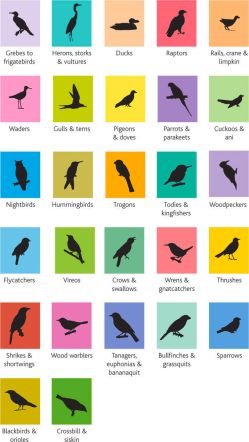
This compact pocket guide has 144 pages of photos of some 250 species, with brief descriptions (135 pp in the old version). Bird groups are listed under numerous helpful coloured-coded corner tabs (‘Gulls & Terns’; ‘Woodpeckers’; ‘Vireos’ etc). The book also contains (very) brief notes on birding locations; a detailed guide to the endemics throughout the region covered; a glossary; a reading list; and a decent index.
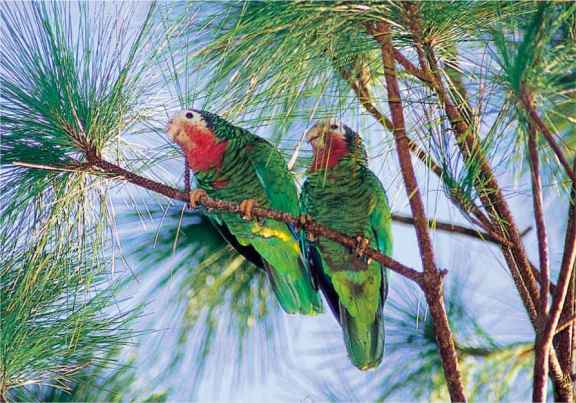
The photos in the original are generally quite clear and helpful for ID by the puzzled amateur birder; but inevitably the use of pre-millennial photographic equipment does not quite do the birds justice in terms of the bird book images we have become accustomed to in the digital age.
Recognisable as our beloved parrots but showing their age in digital times…
The disappointment is that Bloomsbury decided to go with what they had, a dated book that might have benefitted from a more radical approach to the contents as well as the design. Basically the very neat new edition is the old one repackaged in a better format, with few detectable changes to the original. In fact, the text itself seems unaltered. Most probably – since this is a budget book – a radical reworking was simply not a practical or cost-effective option. This means that changes between 2000 and 2017 go unremarked. For example (as far as the Bahamas is concerned):
The endemic bird we know as the Bahama Oriole (called Black-cowled Oriole in the book) was originally correctly described as ‘a resident of Andros‘, but also said to be ‘a rare resident of Abaco… threatened by unknown factors’. In fact by 2000, the bird was already believed to be extirpated from Abaco during the previous decade. None has been found since, and no one now expects to find one. The text, however, is unchanged in the new edition.
The original edition gives the Bahamas 3 endemic species: the swallow, the woodstar and the yellowthroat. Unchanged for the new edition is the fact that in 2011, the AOU awarded endemic status to another species – the Bahama Warbler. I haven’t checked for other locations, but similar changes have occurred over the period elsewhere in the region covered, so further inaccuracies are pretty inevitable.
Overall I’d say (as I did originally) this is a useful and handy little guide for ID of the mainstream birds you are likely to encounter on Abaco. It would do perfectly well as a book to take out and about with you for those “what on earth is that?” moments. For the interested birder travelling light for a few days, this would serve the purpose, with the added benefit of being cheap – around $15. Beware when online, especially on eBay. People are still selling old editions without reference to the new one, and at much the same price. You want to make sure you get the improved slimline version…
If I now had to recommend for an affordable, simple, portable, practical bird guide for the casual birder in the Bahamas, then I would go now go for Beautiful Bahama Birds. It is Bahamas-specific for a start; although it contains drawings rather than photographs, they are fresh and informative; it was published in 2014 and is as accurate as you could wish for as at that date; and it has a great deal more useful information for Bahamas (as opposed to more general) birding. The link to my detailed review is given above.
Credits: well, I took some photos from the book and publishers material (eg a good crop for the header image) for non-commercial illustrative purposes, so it’s more like apologies to publishers New Holland (original ed.) and Bloomsbury (new ed.). Last image – RH.
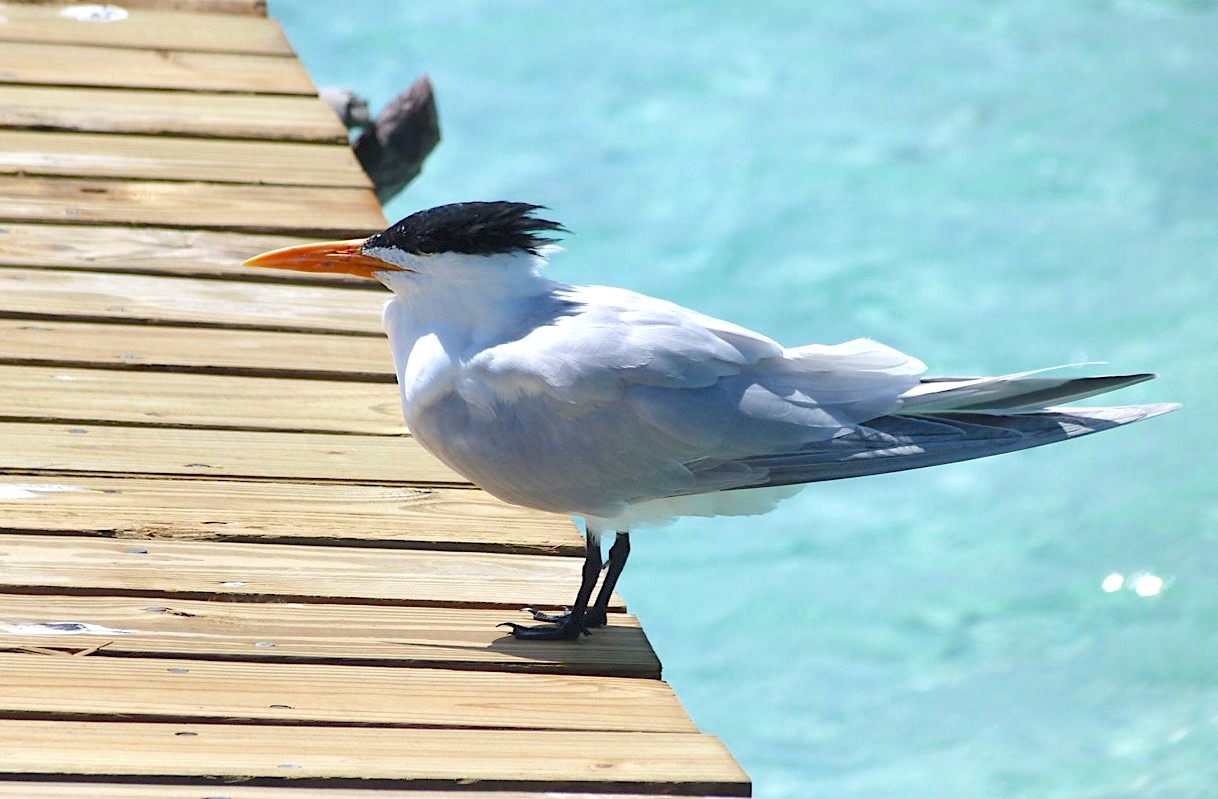
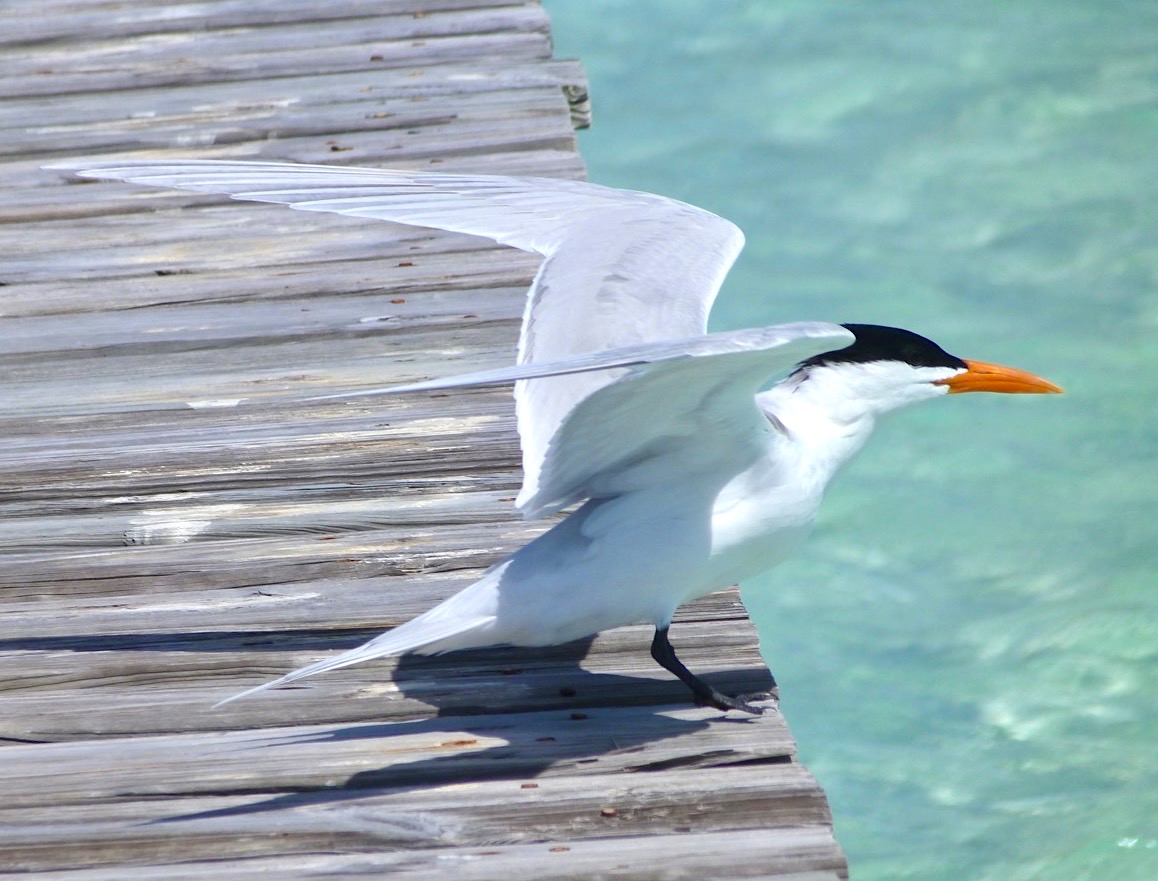
Royal terns Thalasseus maximus seem to have a great liking – quite rightly – for the charms of Cherokee, Abaco. Of the 12 tern species recorded for Abaco, ROTEs are the only permanent residents. Most of the others are summer visitors; a couple are winter visitors; and the rest pass through as migrating ‘transients’, stopping to rest and refuel on their long journeys. So ROTEs are undoubtedly the most commonly found terns on Abaco, and some might say the finest. And Cherokee Long Dock is one place to find them.
The historicLONG DOCKat Cherokee stretches far out into the sea to accommodate the varying tide levels of the area – click the link for more information and photos. It is a memorable feature for visitors, and much loved by locals. Also by the royal terns.
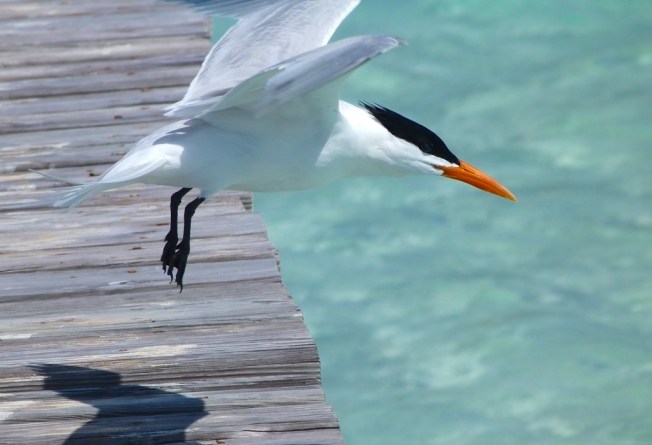
The dock provides an ideal safe platform for ROTEs to congregate and hang out. They have a perfect view of the small fishes that make up their diet as they swim in the clear turquoise waters a few feet below. Watching these birds diving off the dock after a fish is nearly as entertaining as watching brown pelicans dive off the jetty at Sandy Point.
There are buoys in the bay as well, and individual birds will fly from the dock to perch on a buoy and check out the fishing round it, before returning to the dock – hopefully with a fish in its beak. And the juveniles, with their endearing beginner ‘hair’styles (see #3) can learn the ropes from their elders and betters.
People often stroll the length of the dock, or pause on it to pass the time of day and watch the optimistic bonefishers casting hopefully at their silver prizes. These fish are often easier to see from the dock than from wading level – people sometimes shout helpful encouragement: “There… going left…look!… 20 feet in front of you… no, THERE…” and so on. The terns take little notice of all this. A group of people, especially with a dog, might persuade the birds to take flight, but they return as soon as they can; or simple move along the dock and settle in a different place.
The plaque for the long dock shows its importance to the community
The dock is so long that it tapers to a vanishing point on the horizon
KNOW YOUR TERNS (WITH THE ADMIRABLE BIRDORABLE)
Abaco has these species plus three more
Credits: Keith Salvesen Photography; BIRDORABLE, with thanks for their wit and amazingly effective highlighting of the essential distinguishing features of bird species
In the Old World, 1702 was a turbulent year politically, royally, and militarily. Treaties made were broken; new treaties were made. Queen Anne succeeded to the throne of England after William III died of complications after falling off his horse. Anne went on to have 17 children, any one of whom would have secured the succession, but the extraordinary and sad fact is that none survived beyond childhood. In the New World, English troops were abroad, attacking St Augustine in (then-Spanish) Florida.
Meanwhile in the world of cartography, the development of mapping continued apace with the Dutch retaining their pre-eminence, and the French and British making important contributions. Which brings me to Samuel Thornton, hydrographer, and his mapping ways. He was the son of the more famous cartographer, John Thornton, considered the principal English chart-maker of the late c17. As his father aged, a degree of uncertainty seems to have crept in over the authorship of Thornton maps. It is clear that after John’s death in 1708, Samuel took over the business and reissued maps under his own name, sometimes with little alteration other than the name in the cartouche. However there was possibly a ‘grey area’ for a few years before, when the same practice applied.
Samuel Thornton’s ‘…New Chart of the Bahama Islands and the Windward Pafsage (sic)’ is thought originally to date from c1702, when presumably the enjoyably colourful Cartouche (above) in fact bore his father’s name. The map covers an extensive geographical area besides the Bahamas, with the Florida coastline revealed as remarkably unpopulated. Zeroing in on the northern Bahamas (and as is usual with historic maps), certain features stand out, not least with spelling. Andros was written Androfs (sic). The Bahama Banck (sic) is shown to extend quite a long way north of Abbaco (sic) and Grand Bahama (shown as Bahama I). And as noted in earlier posts relating to Abaco’s history (see links below), ‘Hole in the Rock’ (ie Wall) is the only mainland location marked. This was not because there was any sizeable settlement there, but because for at least a century beforehand, Abaco’s most notable topographic feature was a significant and instantly recognisable navigation marker for shipping at the southern end of the island.
One problem with Samuel Thornton’s reissues of his father’s maps was that flaws an original map from which a reproduction was derived went uncorrected. For example if you look at the header image of the full map, there’s a dark band right down the centre of the map, which persisted in later versions. More importantly, there was probably little or no correction of errors that new expeditions in the area might have revealed. Be that as it may, the Thornton map plays a significant role in the mapping of the Bahama Islands and beyond, and marks the start of an increasing sophistication as the new century progressed.
A LIGHT EXTINGUISHED: LITTLE HARBOUR LIGHTHOUSE REVISITED
The words ‘Abaco Lighthouse’ are near-synonymous with the splendid striped edifice in Hope Town, Elbow Cay. This beloved building is truly iconic, in the modern sense of the word (see HERE). But it would not do to forget the other principal lighthouse of Abaco at Hole-in-the-Wall, also with its original Fresnel lenses (see HEREfor a post written ages ago).
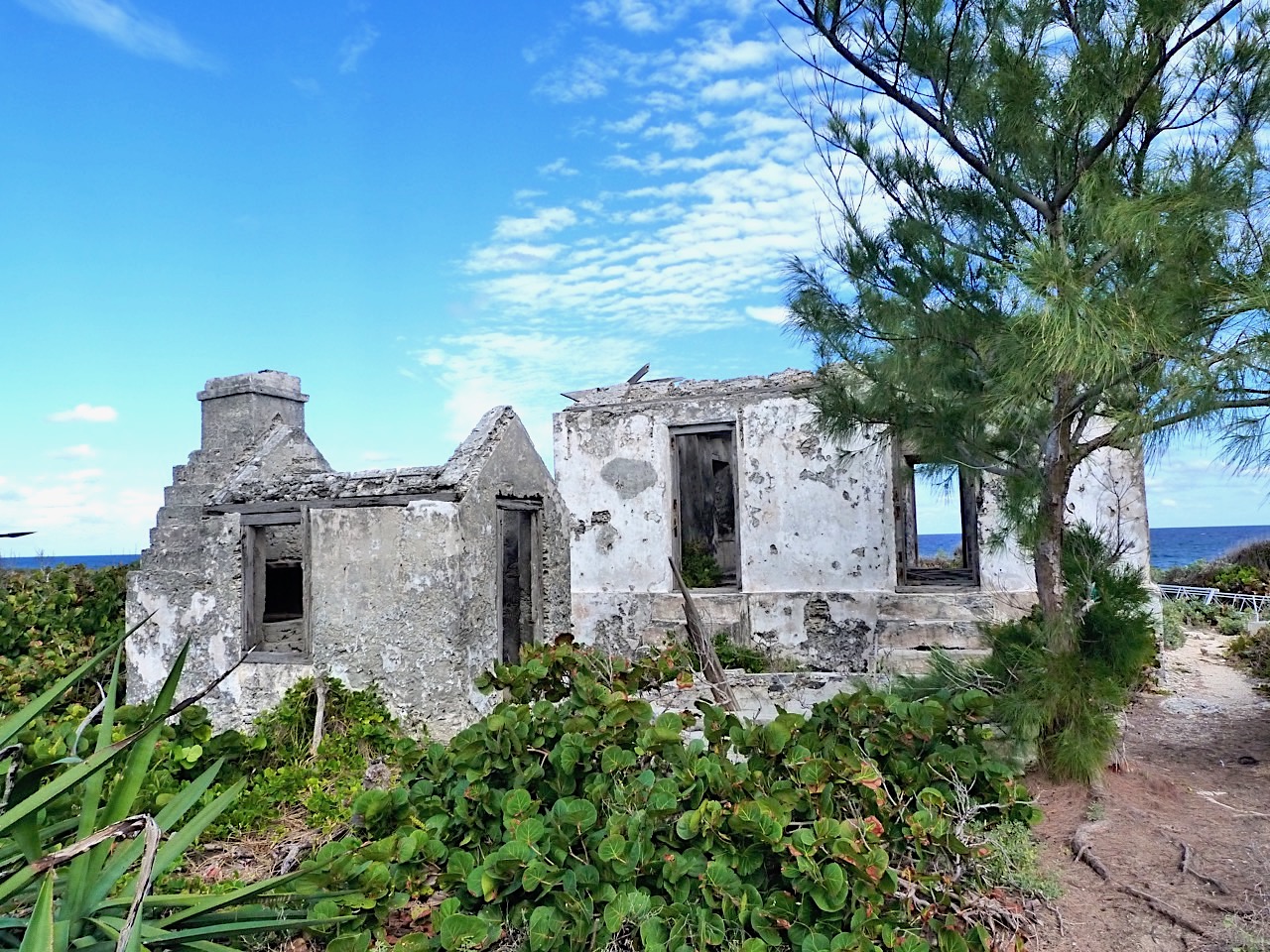
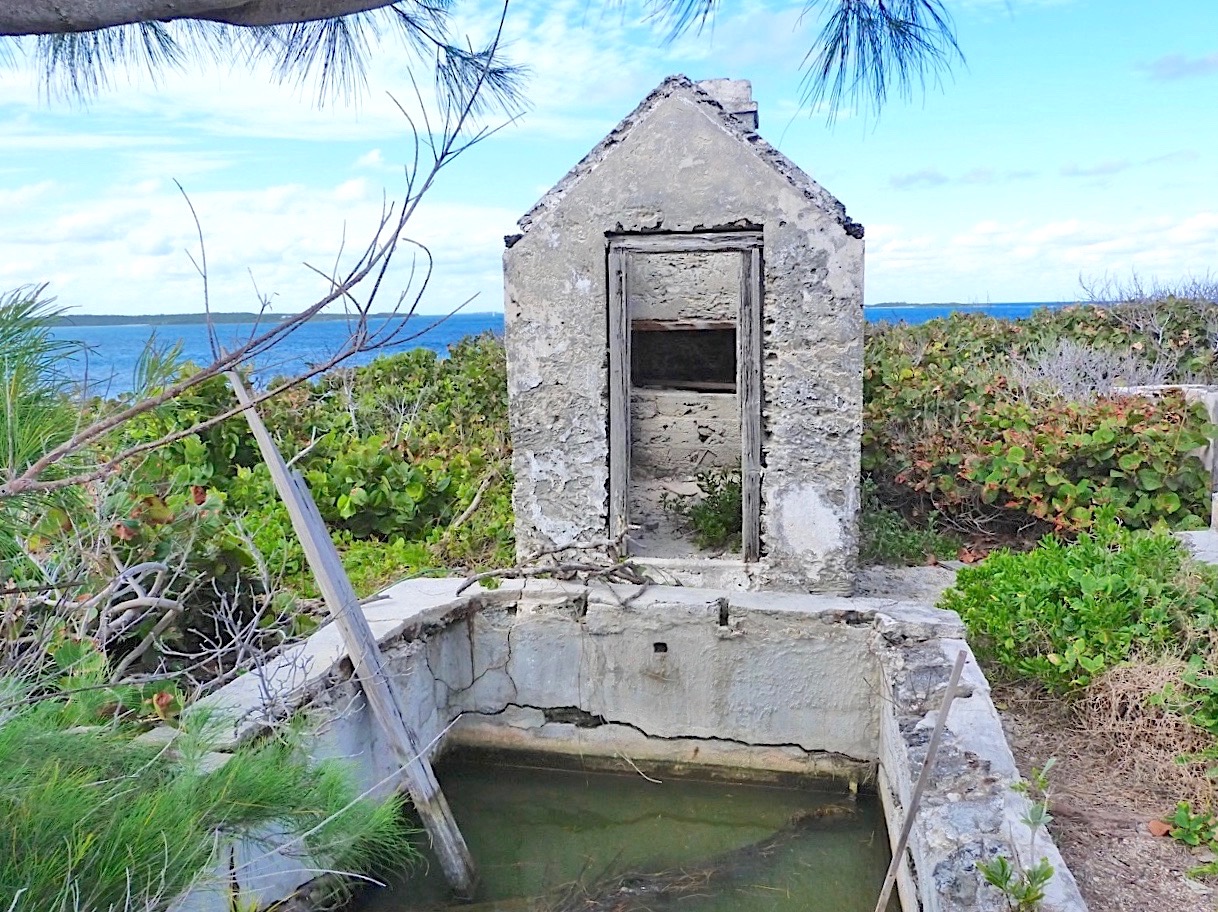
However, there’s a third lighthouse on Abaco. The small light at Little Harbour is, by contrast with the other two beacons, relatively unknown, unvisited, and unloved. Derelict, in fact, and a sad relic on its lonely promontory. Recently we prised ourselves away from the delights of Pete’s Pub and found the start of the overgrown track to the light. There’s a wooden sign that helps to locate the path.
This small lighthouse station – “The Old Lighthouse” – was established in 1889 close to the entrance to Little Harbour. Originally, it was manned, with the first lighthouse keeper and his wife being the only inhabitants of that part of Little Harbour. The light presumably served to guide shipping to the channel leading to the secluded and safe harbour.
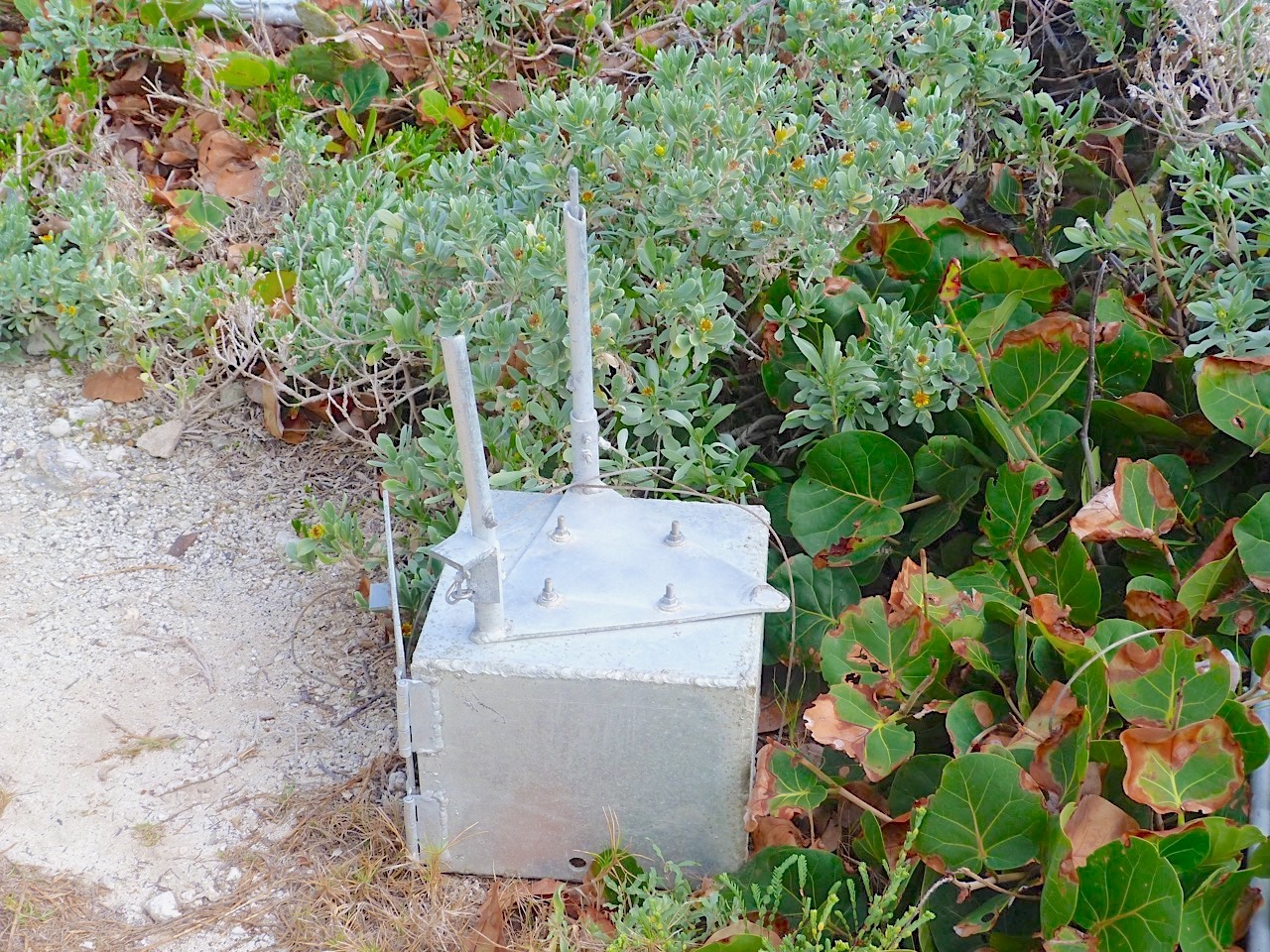
In due course the living quarters fell into dereliction and the existing beacon (type unknown?) on a small tower was converted to a solar-powered light. This arrangement did not survive the devastation of Hurricane Floyd in 1999. The replacement was a modern steel framework tower that carried an active light until eventually it was blown over by Hurricane Sandy in October 2012. Sandy was also the hurricane that destroyed forever the rock ‘hole’ – an important navigation mark for centuries – that gave Hole-in-the-Wall its distinctive name (see HEREand links).
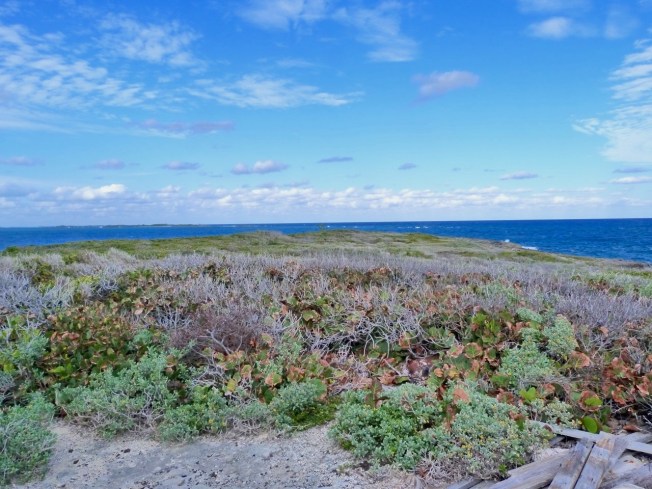
The views from the elevated position of the ruin are spectacular, both from the outside and from inside. In good weather, anyway… It remains to be seen whether the lonely light is now considered completely redundant, or whether another automatic light will in the end be positioned here when funds or willpower permit. I’m not aware of any groundswell of opinion suggesting that, in the absence of a beacon at Little Harbour, there is a potential safety issue.
The view north from the light to the tip of the promontory
The view roughly south past the fallen tower towards Cherokee
Over time, I have been contacted by people with family associations to previous keepers; and with personal experiences of life there. One or two Americans have wanted to track newly discovered family connections to the light, and even possible relatives. I have the makings of ‘Lighthouse Family’ tree. When I last wrote about the light, Chuck Rickey contacted me with his story, which gives a wonderful insight into the history of the light and its hardy occupants:
“My grandmother’s first cousin, Curtis Lowe, was lighthouse keeper here for many years and along with his wife, Bessie, raised children Hartley, Maitland, Lois and Robert, obtaining staples buy walking a tract road or sailing to Cherokee Sound. Later on, they were able to motor to Snake Cay, to get provisions from Owens Illinois’ company store aboard the “Robert Fulton”, an old side-wheel steamer, permanently moored there. I was fortunate to spend much fun time there during school vacations growing up”.
WHEREABOUTS IN LITTLE HARBOUR IS WAS THE LIGHTHOUSE
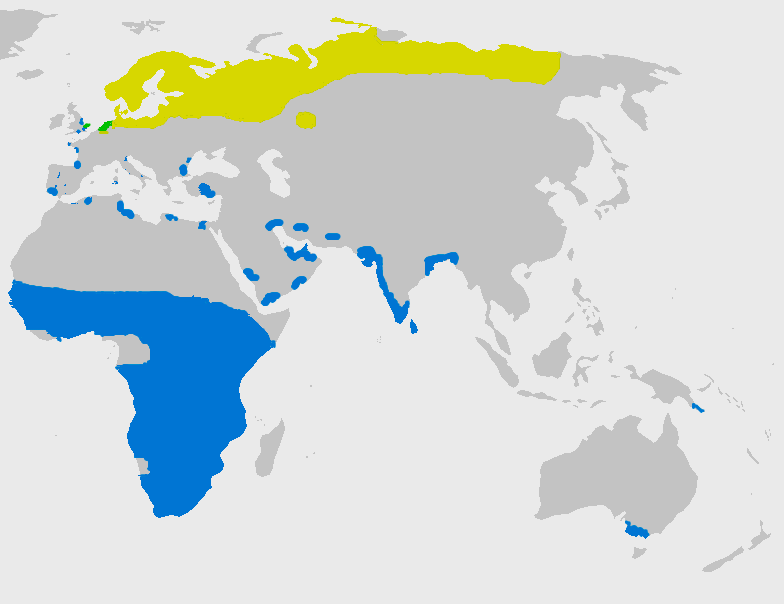
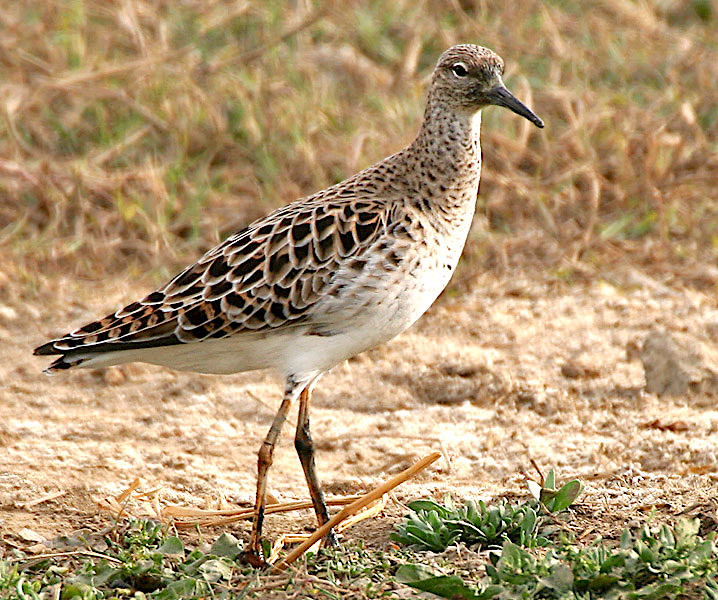
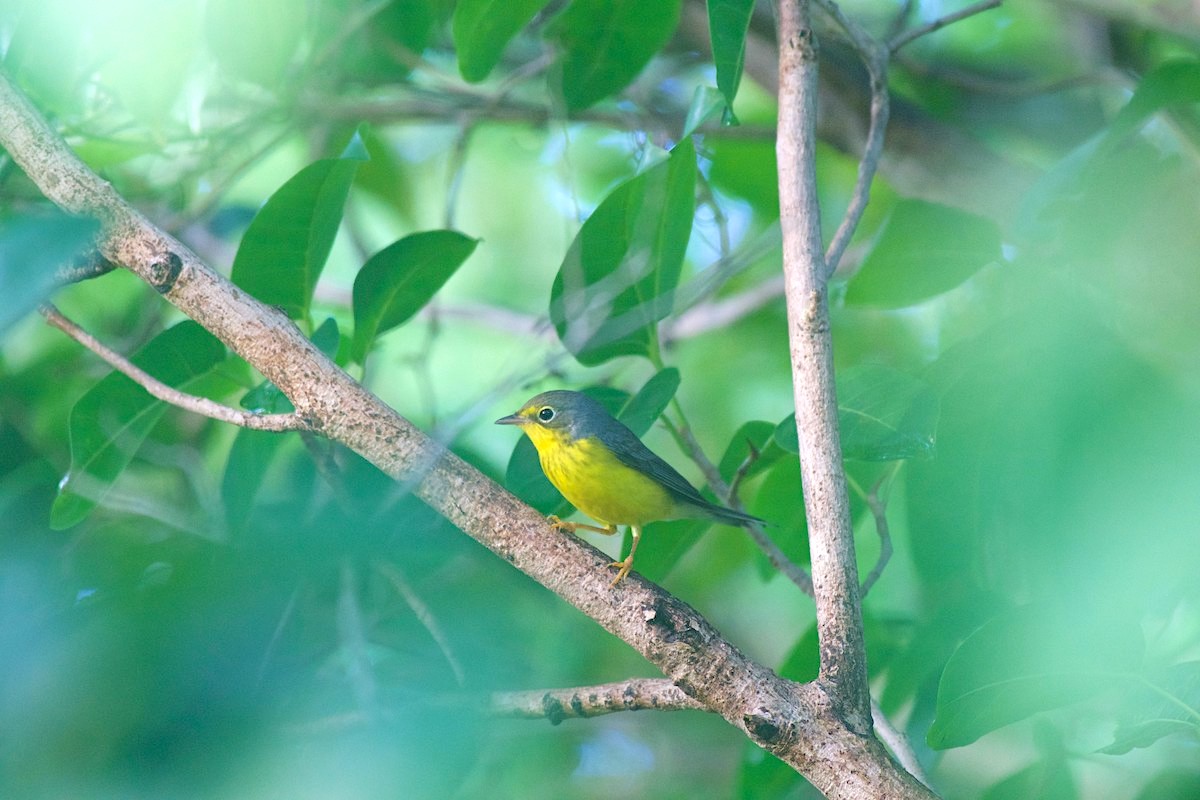
The list of new bird species recorded for the Bahamas in general and Abaco in particular continues to grow longer. At the end of August it was aCANADA WARBLER(now also recently seen on Grand Bahama and possibly New Providence). Now, a mere 4 weeks later, it’s a Ruff (Calidris pugnax), a mid-sized Eurasian shorebird that, it seems, has a tendency to ‘vagrate’ across the Atlantic from time to time.
Ruffs: the normal range
You have to take new birds as you find them, of course. First, you may not have a camera with you to record the sighting for posterity. Secondly, the bird may not be perched prettily on a twig or a small rock. In this instance the legendary Woody Bracey found his Ruff in the prosaic and arguably unattractive setting of the Treasure Cay dump. He didn’t have a camera, and when he next went back with a camera to check for the bird the ruff had gone…
Woody’s bird, a female (known as a Reeve), was standing next to a Lesser Yellowlegs. They are much the same height, but there the similarity ends – Ruffs are unmistakably plumper and with a shorter bill. Woody has good reason to recognise these rare and occasional transatlantic visitors, having often seen Ruffs both during his time living in the UK, and also in Africa. I’ve seen the appearance described as “like a gravy-boat”, which is well up there with the least useful descriptions of a bird’s appearance I have come across. Looked at another way, we have a couple of gravy boats that have an occasional outing. Neither looks remotely like a ruff.
IS THE ABACO RUFF A NEW SPECIES FOR THE WHOLE BAHAMAS?
Very nearly… but not quite. Only two previous Ruff sightings are recorded, in 2015 and 2018, and both in the same area on Grand Bahama, towards West End. And the only photo is from birder Duncan Mullis, who in 2015 took the first and maybe only one of a Reeve with a bunch of much smaller sanderlings (see also header image close-up).
The first ruff in the Bahamas
WHAT SHOULD WE KNOW ABOUT RUFFS?
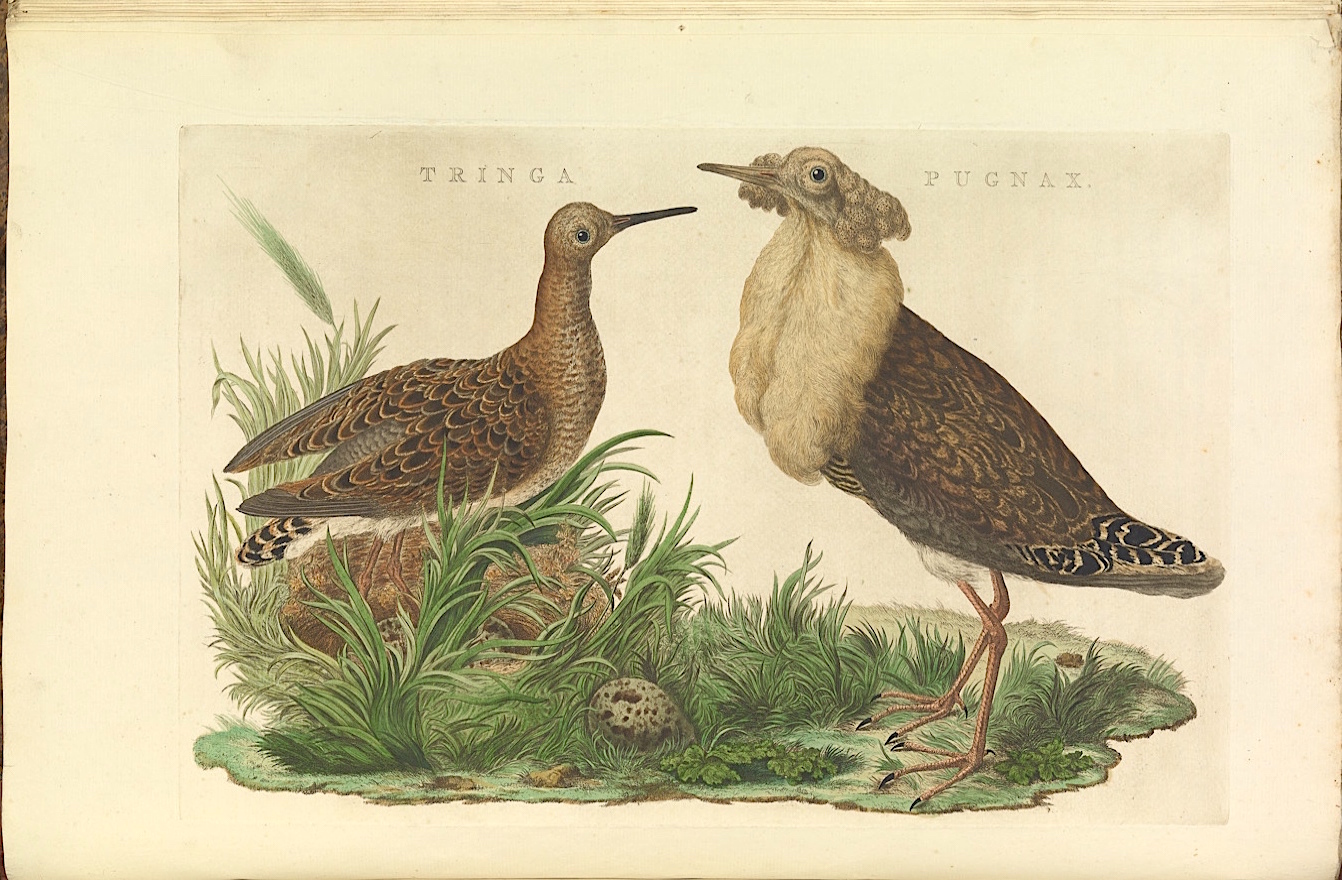
In the breeding season in particular, male ruffs are very different from the smaller reeves. They acquire a spectacular colourful plumage that includes a sort of ornamental collar (hence the name). They enhance their courtship rituals with elaborate displays designed to impress the reeves. These occur in chosen areas known as leks, places where strutting, preening and general competitive showing off occur to attract a mate. Such arenas are also created by a few other bird species – grouse, blackcock and peafowl, for example. The ruff’s lekking behaviour has some complex variations – including same-sex ‘copulation’ and polyandry – but sadly this isn’t the place to explore them in detail.
WHAT DOES A LEK LOOK LIKE?
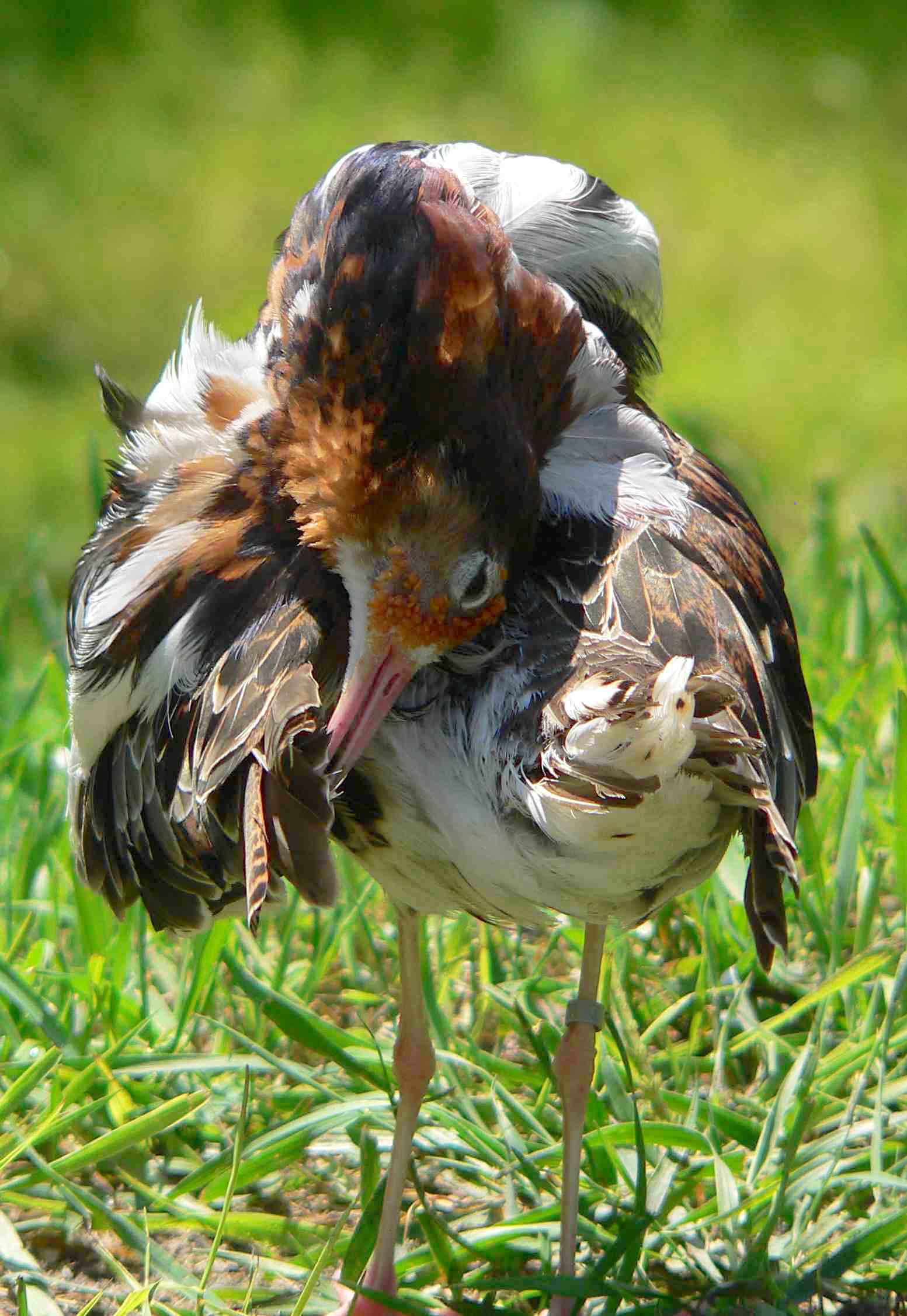
Here are two males with very different breeding plumages, giving it their all at the lek… When Carl Linnaeus described the ruff in his Systema Naturae, he gave it the binomial name Tringa pugnax, the latter word meaning ‘aggressive’ – the lek can also become a combat zone between competing males.
This male has decided to vogue it and ‘strike the pose’ as it preens
Writing inThe Spruce, a new multi-interest resource I discovered in researching this article, Melissa Mayntz describes succinctly some of the common behaviour seen at leks. This includes some (or all) of the following (baby-boomers and dad-dancers may recognise some of these moves):
Bowing, dipping, or bending
Head bobbing or quick turns and nods
Strutting, stomping, kicks, or similar footwork
Exaggerated wing postures, such as fluttering, drooping, or spreading wings
Tails fanned, flared, cocked, or spread
Chests puffed out, often to reveal air sacs or distinct plumage
Calling, songs, drumming, or booming sounds
Dance-like sequences with multiple movements, possibly coordinated between partners after a female shows an interest in a specific mate
To which I’d add aggressive male territorial rivalry within the lek, leading to physical attacks with beak, claws and wings. Meanwhile the females watch from the edge to assess their chosen mates. The illustration below shows this rather charmingly.
Illustration of a lek by Johann Friedrich Naumann (1780–1857)
There’s a lot to be described about how ruff’s moult, but it’s not especially interesting for anyone but a moult specialist, so instead you can have a reminder of Ogden Nash’s last word on the topic: ‘The song of canaries / Never varies / And when they are moulting / They are pretty revolting…’ And we’ll leave migration as well, since basically that factor is N/A for our particular part of the world.
♦ ♦ ♦ ♦ ♦
JUST OUT OF CURIOSITY, CAN YOU EAT RUFFS / REEVES?
In former times ruffs were considered a delicacy and were eaten in large numbers. Often they would be fattened in pens in preparation for the table. I’ll finish with an old description:
…if expedition is required, sugar is added, which will make them in a fortnight’s time a lump of fat: they then sell for two shillings or half-a-crown a piece… The method of killing them is by cutting off their head with a pair of ‘scissars’, the quantity of blood that issues is very great, considering the size of the bird. They are dressed like the Woodcock, with their intestines; and, when killed at the critical time, say the Epicures, are reckoned the most delicious of all morsels. Not a 21st century culinary trend I hope…
Credits: Woody Bracey (sighting smarts); Duncan Mullis (1, 5); Dick Daniels (2); J.M.Garg (3, 9); Open Source / Wiki, prints (4, 8); Arjan Haverkamp (6); B.S.Thurner-hof (7); Melissa Mayntz / The Spruce re Leks; debt to Wiki (and other O/S) for source material, photos, range map etc
Still in France, il still fait beau etc, “le wee-fee” still a crockful of merde so picture posts not really possible. But there is a good ‘spot’ to report. Annoyingly (only slightly), not my own sighting but thanks to Mrs RH’s increasingly astute bird smarts on a stretch of the Seine estuary. Somewhere amidst the stones, sand, and puddles she noticed a tiny movement. And then expertly pointed out the mover by reference to a small pool and a larger pale rock. It was at least 100 feet away, a distance that I’d normally need an energetic egret to get my attention. But through the viewfinder I could just make out a tiny bird of ploverish appearance. Having downloaded my speculative distance shots taken for ID purposes, the bird turns out to be a Little Ringed Plover. Here is my sighting ID photo of the header crop showing more of the available view. Good ‘spot’ indeed!
Normal service resumes next week – unless we decide to stay here, which would be delightful though not exactly convenient or practical…
Just like the Beach Boys who like to ‘Get Around…’, so do birds. It gives them excitations. Me too. We have ended up in France, not so much migratory as ‘occasional rare visitors’ and anyway not as vagrants. The habitat is wonderful, the foraging is excellent, but the wi-fi is a crockful of merde.
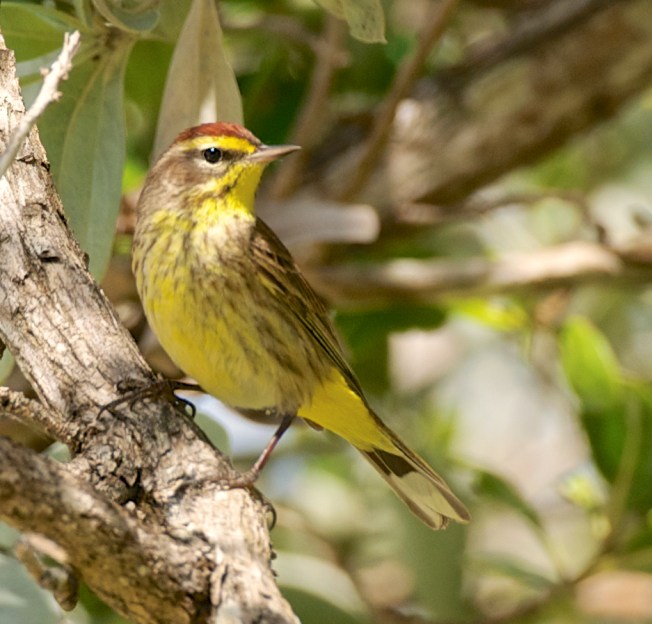
PALM WARBLER
Images take an age to upload so I am taking emergency measures. Today, it’s going to be a quick look at 4 common winter warblers you can easily find on Abaco. Then I’m back to the vin.
BLACK-AND-WHITE WARBLER
If you’d like to know more about Abaco’s 37 warbler species (not including the very recent discovery of a Canada Warbler) click on this PDF and all shall be revealed.
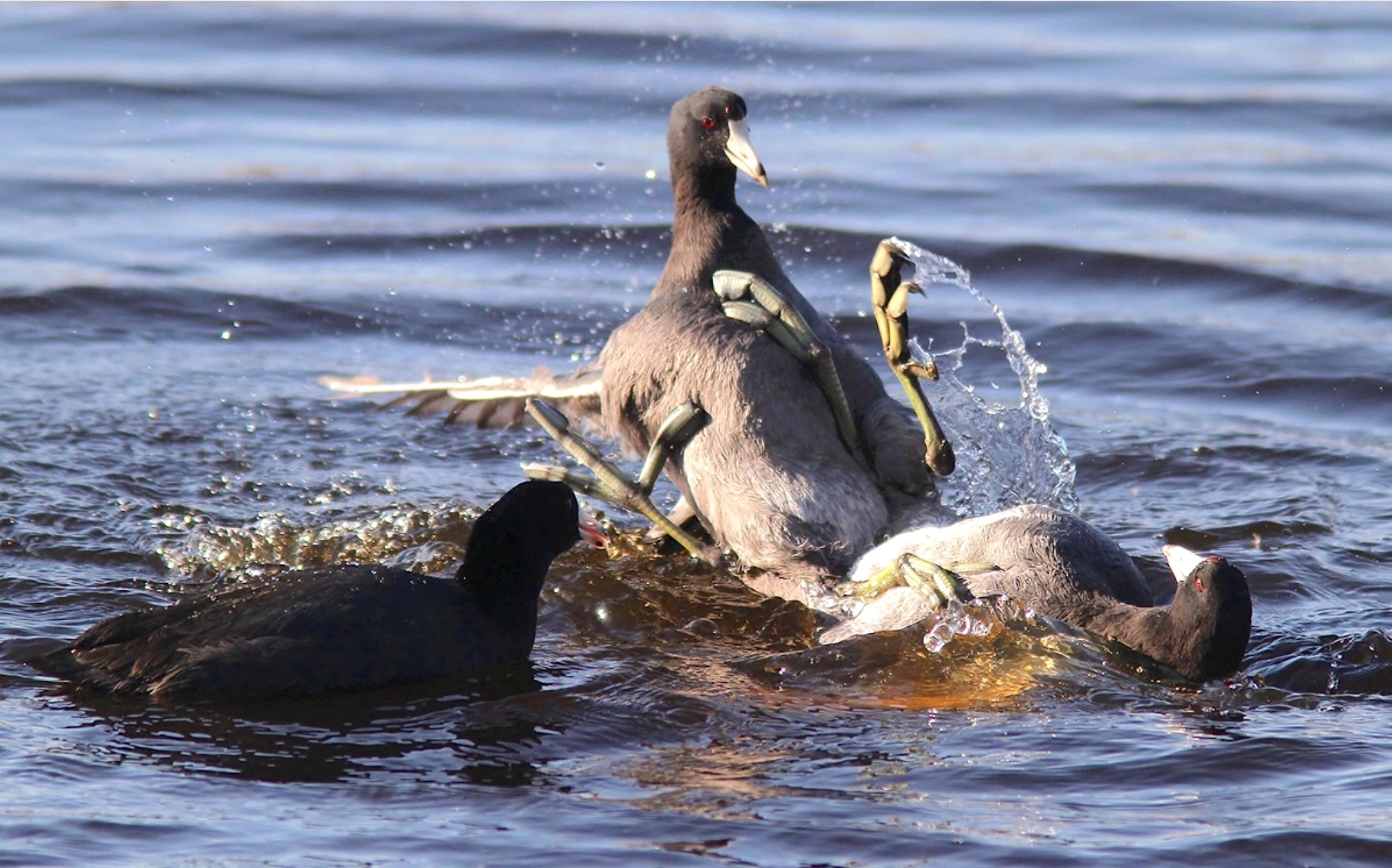
These coot fight images are from Phil Lanoue, whom I have featured before. He is a master of bird sequences, magicking a whole avian story or drama in a few clear, sharp photos. These types of image are well beyond my skills and my camera limitations. Here are 2 males battling over a female which, by the final aggressive image in which dominance is asserted, has disappeared for the picture…
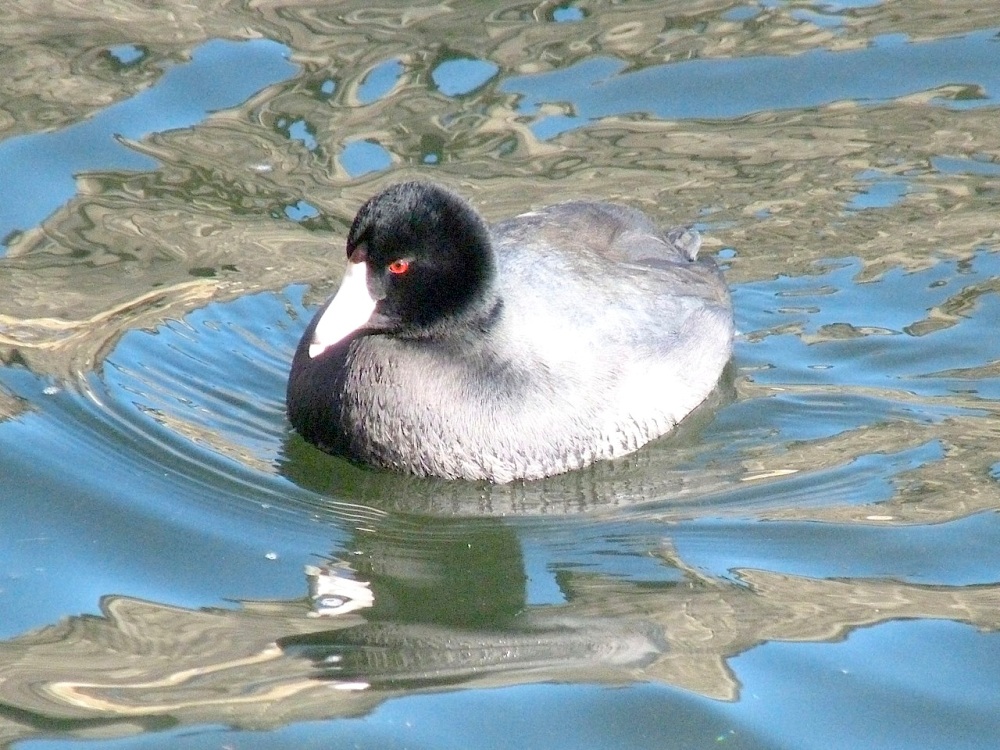
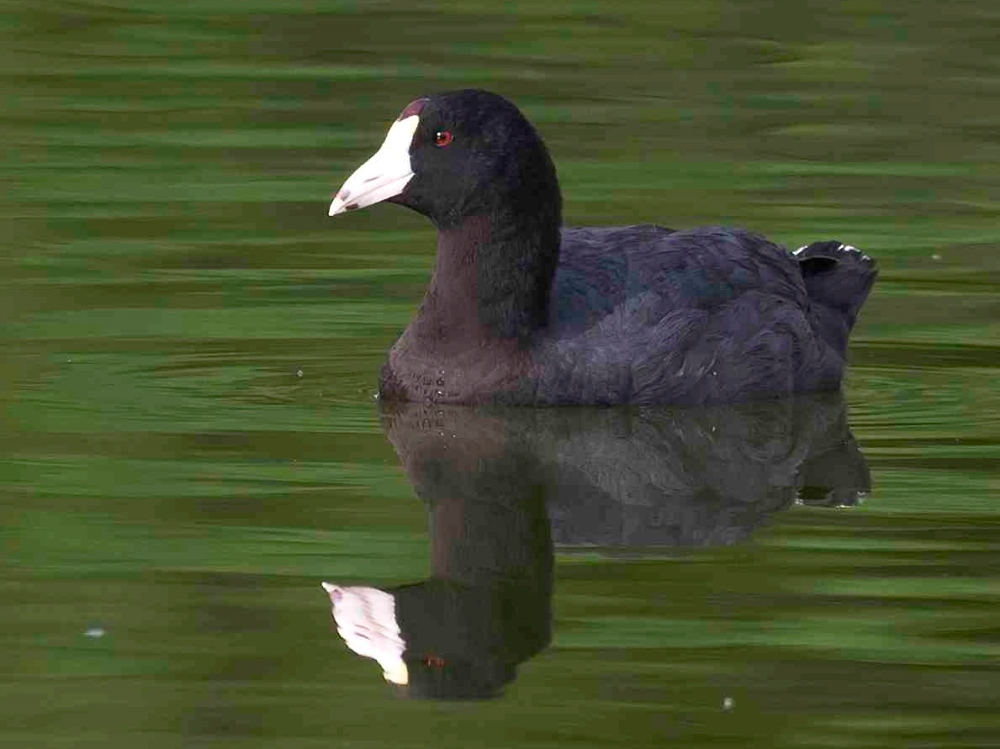
The other battle in Coot World occurred in 2016 when the endemic Caribbean Coot (formerly Fulica caribaea) was defeated by the combined forces of the American Coot (Fulica americana) and the all-powerful AOU, official arbiter of bird categorisation. They are now joined as a single species, the differences between the two types being considered insufficient to warrant separate species status. The familiar American version looks like this (note the red area on the shield above the beak):
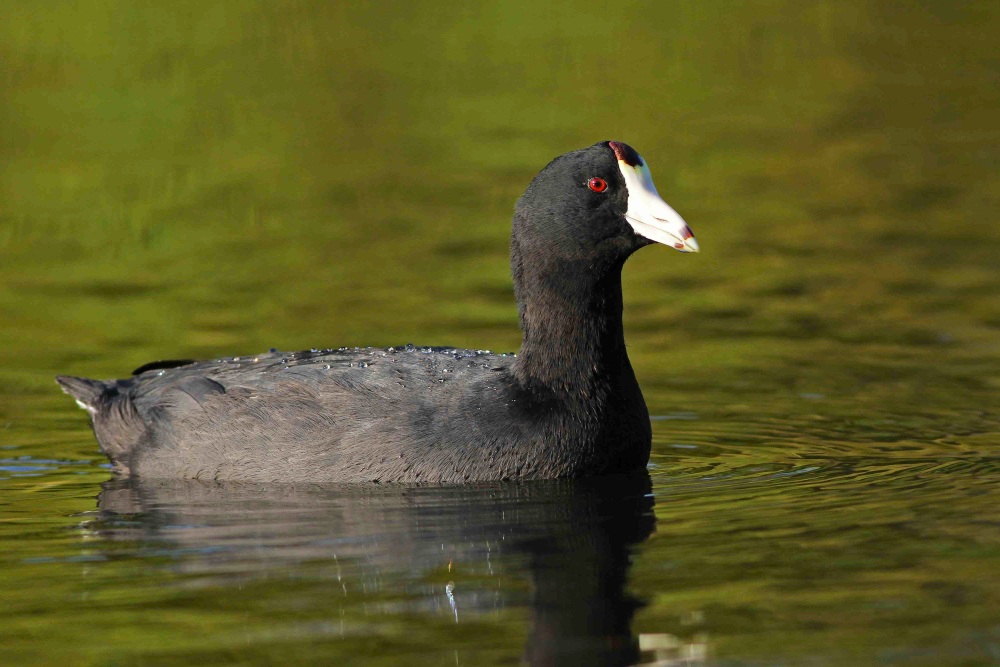
The ex-Caribbean Coot, has white frontal shield that extends to the top of the head. When I was compiling ‘Birds of Abaco‘ in 2013, there was already a question mark over the separate species status, with many regarding it as a sub-species of the American Coot. I wrote: “There is an intriguing debate, a small book in itself, about the existence as a distinct species of the Caribbean Coot, with its white frontal shield. Many field guides include it separately, some with the rider that it is ‘unrecorded in the Bahamas’. The Bahamas Bird Records Committee does not recognise it, and Hallett, among other experts, views it simply as an American Coot variant. The image below of the two coots together is included to illustrate the visible difference between the birds. The genetic debate is fortunately outside the scope of this book”.That said, I pigheadedly went ahead and included it as a separate species anyway…
An ex-Caribbean coot, with its white frontal shield. Since 2016, just another coot
The research that led to the reclassification was based on the fact that breeding biology suggests that different species favour their own species for breeding. Research by Douglas McNair and Carol Cramer-Burke indicated that there is little or no ‘reproductive isolation’ of the sort to be expected in different species. The coots had no particular preference in their choice of mate. Also, they sound alike.
Credits: Phil Lanoue (1 – 4); Gerlinde Taurer (5); Woody Bracey (6); Keith Salvesen (7); Tom Sheley (8). Research inc. eBird Caribbean – an excellent resource to check out
Today, September 6th, is World Shorebirds Day. Every year, a Shorebird of the Yearis selected by the organisers of this global event, and this year they have gone ‘large’. Perhaps in response to the declining populations of curlew species, they have chosen a fine representative – the whimbrel. Inconveniently – and although the whimbrel is a worldwide species – it is extremely rare on Abaco. In the definitive Abaco Checklist (see below), it is coded a TR4, i.e. a very uncommon transient with a handful of sporadic reports. Until last year, sightings were very few and far between. Then suddenly last autumn, they made a small migratory comeback. You can read about it HERE.
BLACK-NECKED STILT Himantopus mexicanus PR B 3
Abaco is home to 33 shorebird species. Like the human residents of the main island and cays, some are permanent; some are winter residents arriving from the north to enjoy a warmer climate; and some are transients – visitors that pass through a couple of times a year on their way from and to their nesting habitats.
CHECKLIST OF ALL 33 SHOREBIRDS
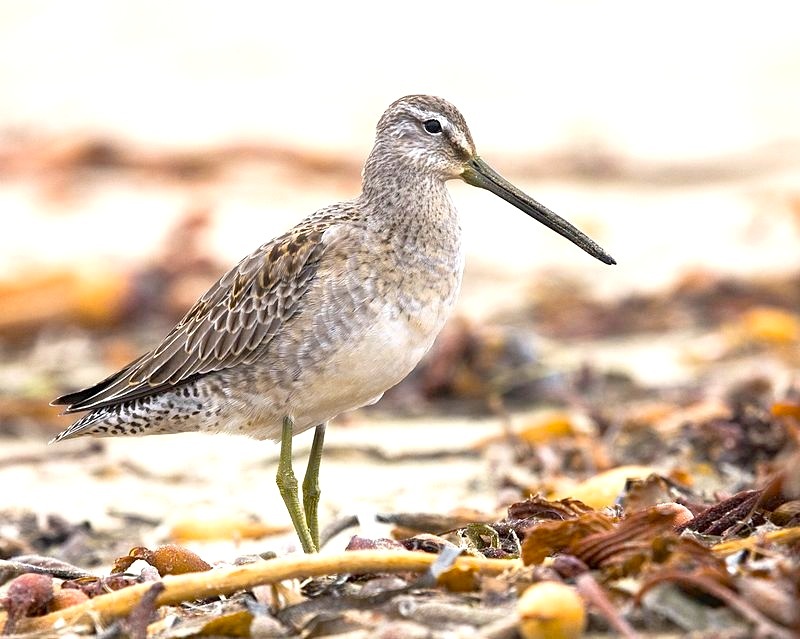
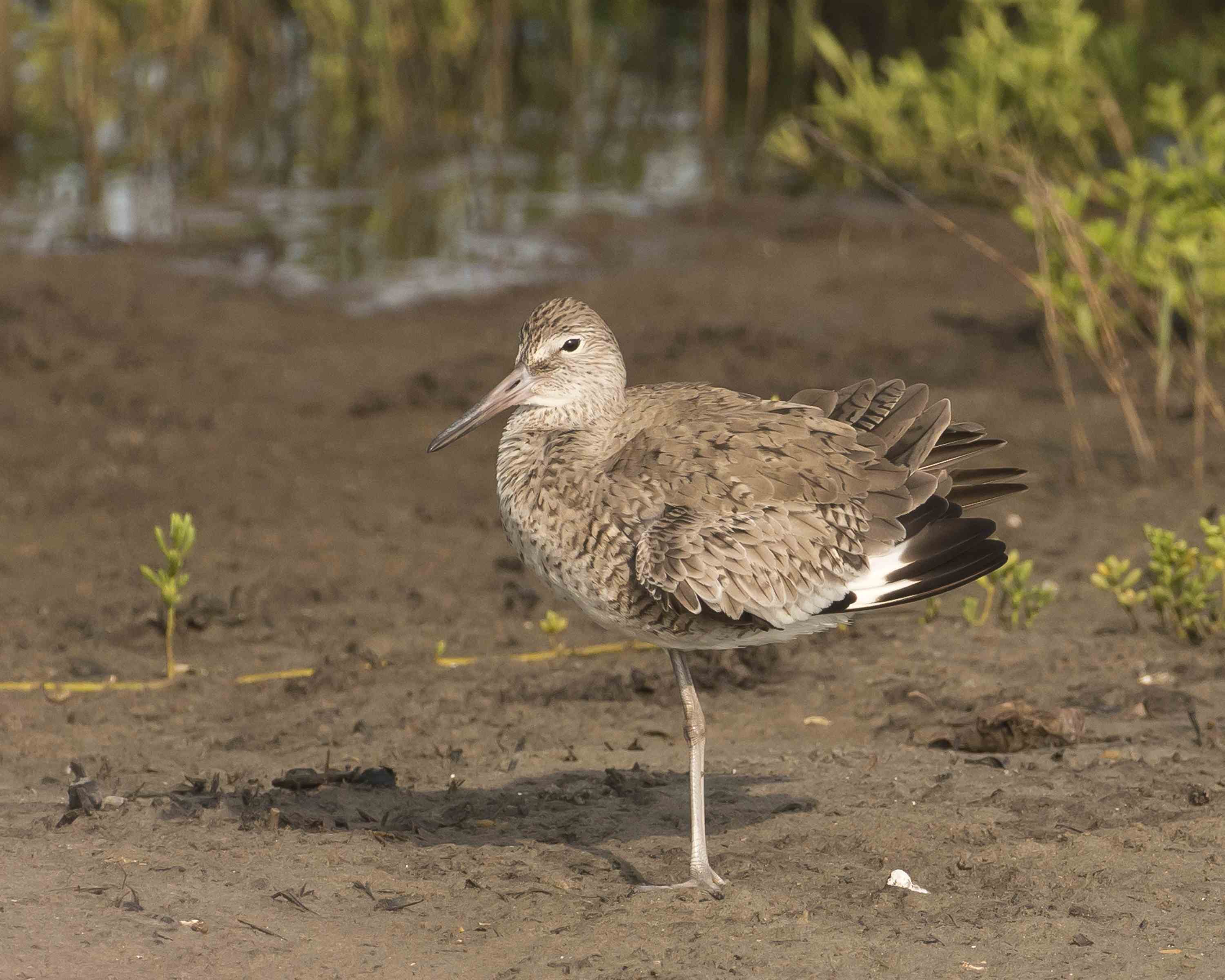
The definitive checklist of Abaco’s birds was compiled especially for the BIRDS OF ABACO by Bahamas Birding author and authority, the late and much missed Tony White, with Abaco’s bird expert Elwood Bracey. Below is the shorebird list, with a photographic selection of the larger and/or longer-billed shorebirds in checklist order. Yes, including an Abaco whimbrel.
The codes will tell you, for any particular bird, when you may see it (P = permanent, WR = winter resident, TR = transient, V = vagrant); whether it breeds (B) on Abaco; and your chance of seeing it, graded from easy (1) to vanishingly unlikely (5).
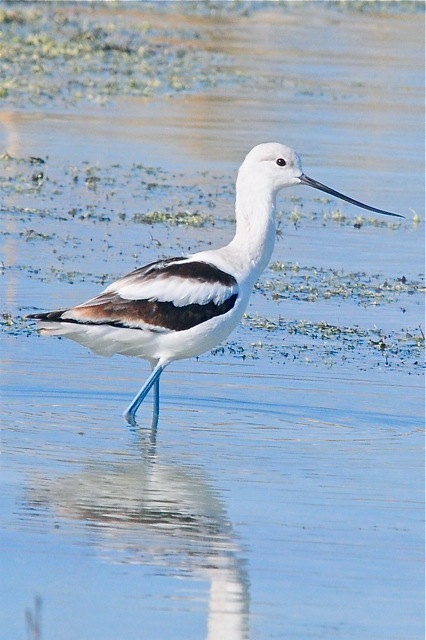
AMERICAN AVOCET Recurvirostra americana WR 4
AMERICAN OYSTERCATCHER Haematopus palliatus PR B 2
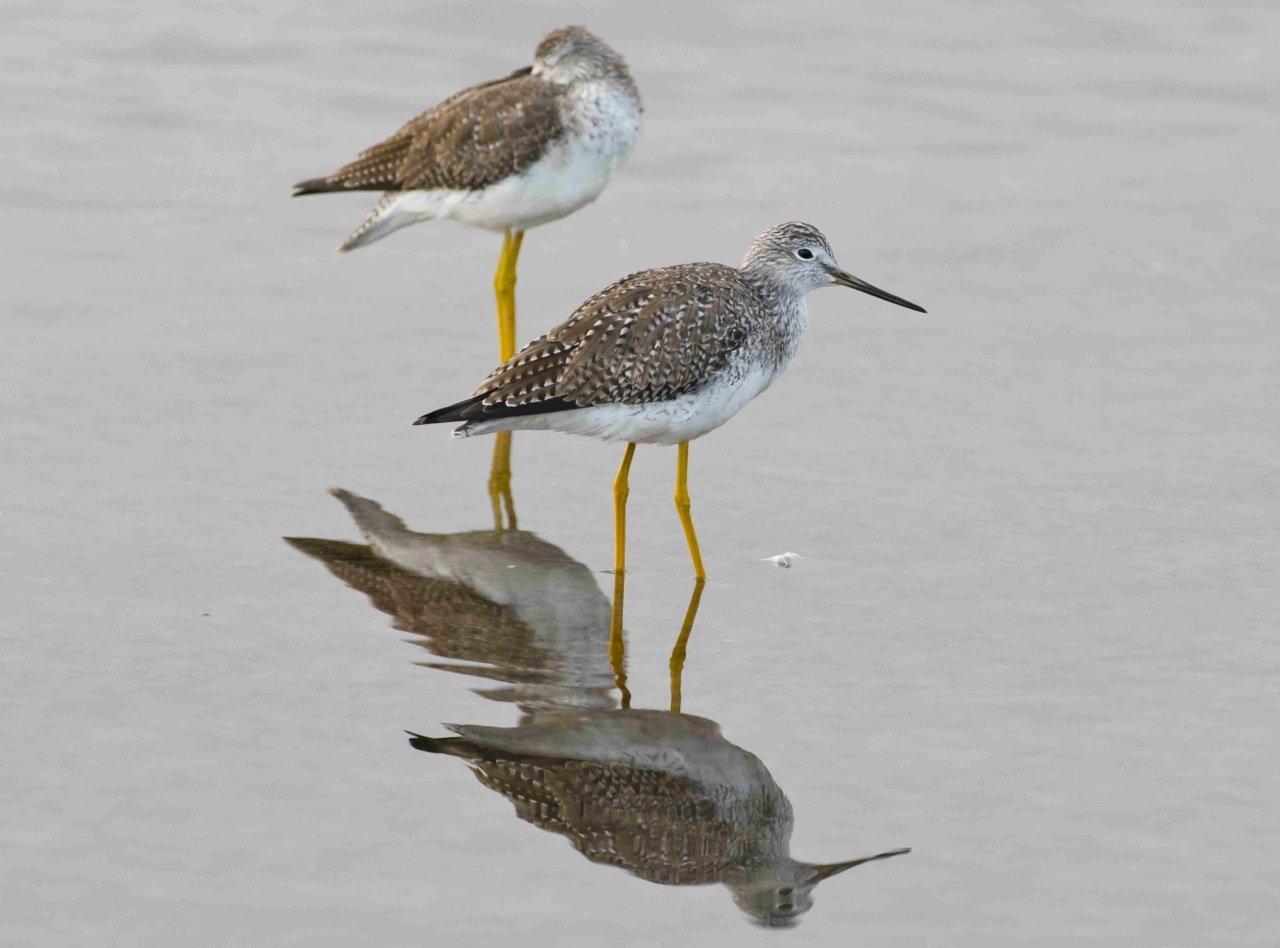
GREATER YELLOWLEGS Tringa melanoleuca WR 2
LESSER YELLOWLEGS Tringa flavipes WR 3
WHIMBREL Numenius phaeopus TR4 (an Abaco one)
HUDSONIAN GODWIT Limosa haemastica [V5]
Like the whimbrel, this bird is another special bird to be able to include. Until last October, it was categorised as a V5, meaning that one or perhaps 2 vagrants had ever been seen on Abaco. Then one appeared on a pond and was spotted by Woody Bracey and, a few days later, by Keith Kemp – who even took confirmatory photos. You can read the storyHERE.
Photo Credits: Andreas Trepte / Wiki (1);Tom Sheley (2, 5, 6, 7, 13); Alex Hughes (3);Tony Hepburn (4); Charmaine Albury (8, 9); Stewart Neilson / Wiki (10); Bruce Hallett (11); Mike Baird / Wiki (12); Woody Bracey (14)
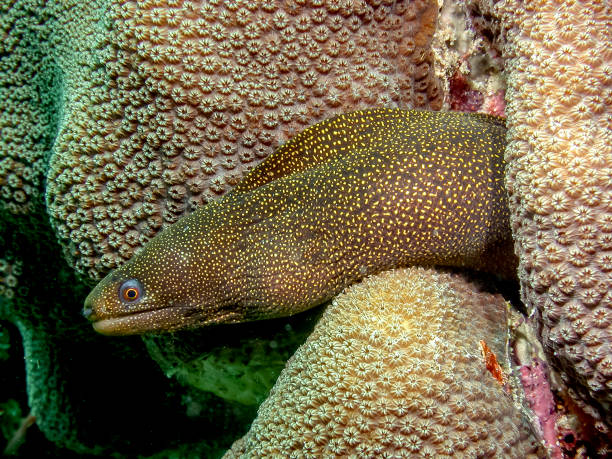
The Goldentail Moray Eel Gymnothorax miliaris is one of the half-dozen moray species found in Bahamas waters. Adults range in length from about 1.5 to 2.5 feet, and they are creatures of the reefs and rocks of the western Atlantic. As far as I can make out, the goldentails are rather less common than green or spotted morays, the two main eel species of the Bahamas.
Like their moray cousins, goldentails likes to keep themselves to themselves, and lead largely solitary lives. That said, sometimes they have been observed hunting in a group. They live in holes, clefts, and caverns which they leave both during the day and at night to hunt for prey along the reefs, aided by an acute sense of smell. Their diet is mainly of crustaceans, mollusks, and small fishes.
ARE GOLDENTAILS DANGEROUS?
Like many other eels, goldentails secrete a protective mucus that contains a toxin, making them unattractive prey for large predators such a groupers and barracudas. They are also associated with ciguatera poisoning, the active ingredients of which are found in the mucus coating. They are sometimes found in aquariums – the associated sites give a warning of painful bites, because they have backwards-pointing teeth (aka prey traps) – see header image for a clear view of this.
CAN YOU EAT THESE FISH?
Well I wondered that too, so I checked. The answer seems to be yes, if you real really want to. Comments on forums include:
“Yes they are edible, I just ate one few weeks ago. Some parts are little bony and skinning it is a bitch. But the meat is very soft and white, delicious. Deep fry works”.
“After eating our moray eel something changed. The next morning, we were decidedly feeling ill. I won’t get into the details, but let’s just say that “gastrointestinal effects”
“…symptoms (of ciguatera) include gastronomic effects, and neurological effects which include headaches, numbness, paresthesia, muscle ache, and even hallucinations”.
“Before you can eat one you have to kill it. They are amazingly hard to kill. I would skip it.”
“I would rather eat a shoe”
So I’ll be moving straight on to the next course, please. Or just a Kalik would do, thanks.
The first Canada Warbler recorded for Abaco AND Bahamas (Christopher Johnson)
CANADA WARBLER: A NEW BIRD FOR ABACO & BAHAMAS
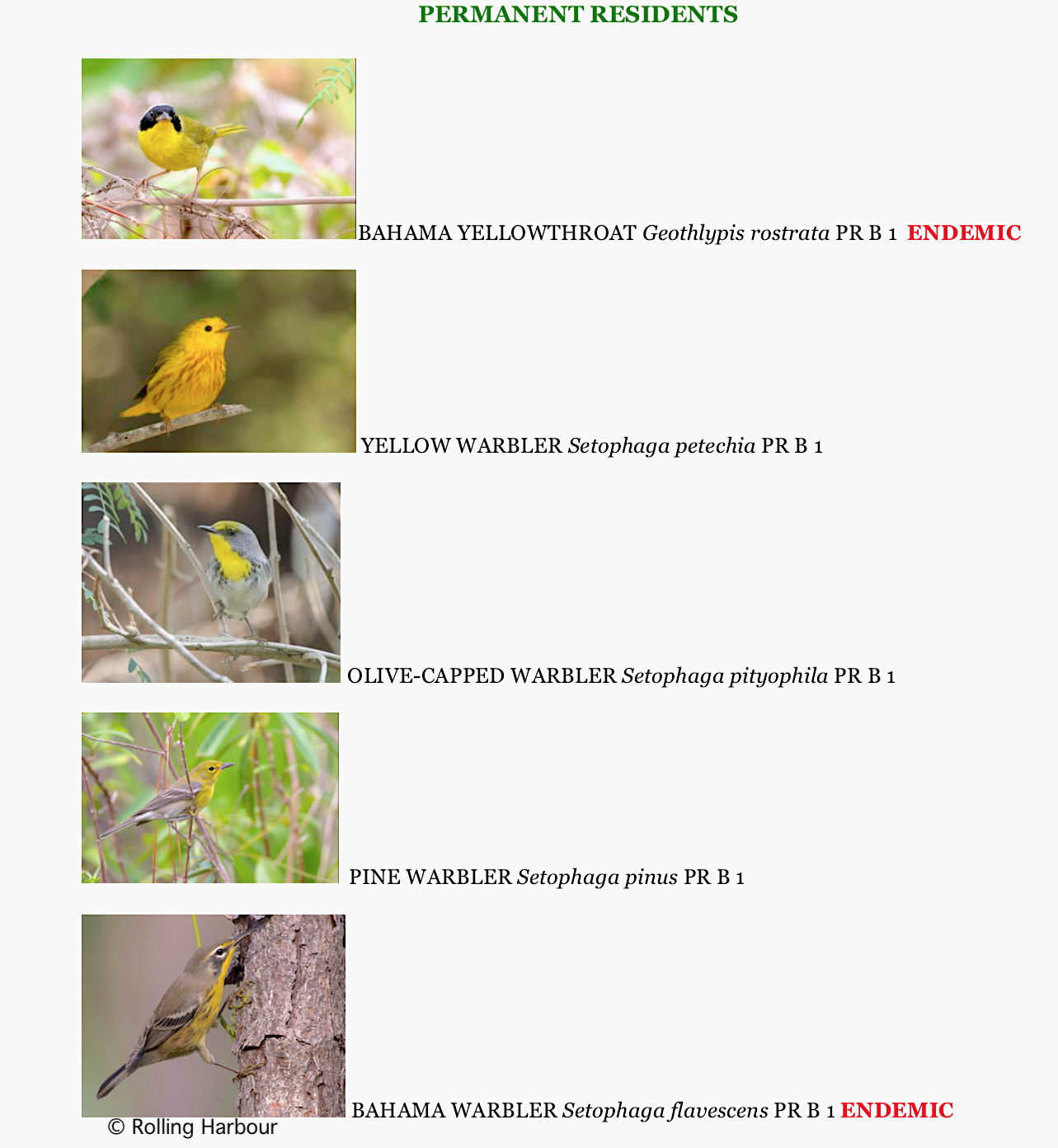
As reliable as seasonal clockwork, the migratory warblers are swarming south from their summer breeding grounds to warmer climes for the winter. In the case of Abaco, this amounts to 32 warbler species to add to the 5 resident breeding species (Bahama Yellowthroat, Yellow Warbler, Olive-capped Warbler, Pine Warbler & Bahama Warbler. 37 warblers in total.
Well, now make that 38. On August 28th, young birder Christopher Johnson was out with well-known birding sage Woody Bracey when he saw something small and yellow hopping about in the coppice. On closer examination – and he took the photos to prove it – it was not just one of the many familiar yellowy winter warblers, but a completely new species recorded for Abaco and (more significantly) the entire Bahamas. It was a Canada Warbler, Cardellina canadensis (Linn. 1766) aka Wilsonia canadensis.
The photo above is one of 3 that Christopher managed to take. In many respects it is typical of a field photograph: a small bird, at a distance, zero’d into focus through a small gap in the leaves and branches of thick coppice. Sharp bird, blurry surroundings. The trick is not to end up with a wonderful clear shot of a green leaf on its twig, with a small yellow blur in the background. (I perfected this ill-advised technique with my only photo of a Kirtland’s warbler).
WHERE WAS THIS BIRD DISCOVERED?
One of the features of the excellent birding to be found on Abaco is that some of it can be carried out in unexpected places. Town dumps are a classic example, though photos have to be taken with care to avoid unsightly rubbish-based settings. The Abaco Big Bird Poultry Farm area is another. This little bird was found there.
SO WHERE WOULD IT NORMALLY BE FOUND?
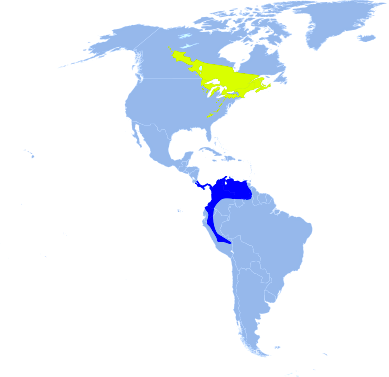
In summer, roughly 80% of CAWAs live and breed in Canada; 20% in the northern US. They spend a relatively short summer there. In the early Fall they fly down to South America. From the range map below, it looks as though their flight path would naturally take them right over the Bahamas to get to their destination. In fact, their journey is quite different. Following the central ‘bend’ of the Americas, they fly at night along a southwesterly route to the Texas coast, then on to southern Mexico and beyond.
I suspect that, as with many migratory birds, the occasional specimen takes a wrong turn on its route south, or is blown off-course by a storm. Maybe a few such vagrants pass through further east – even over the Bahamas perhaps – each year, as ‘vagrants’. But in reality their tiny size in the dense foliage of the land masses means that only a fluke sighting could result. So Christopher’s sighting will be recorded as a V5 – a vanishingly rare vagrant with only a single sighting (cf Abaco’s BLACK-BROWED ALBATROSS).
Q. DO MALES & FEMALES LOOK MUCH THE SAME? A. NO
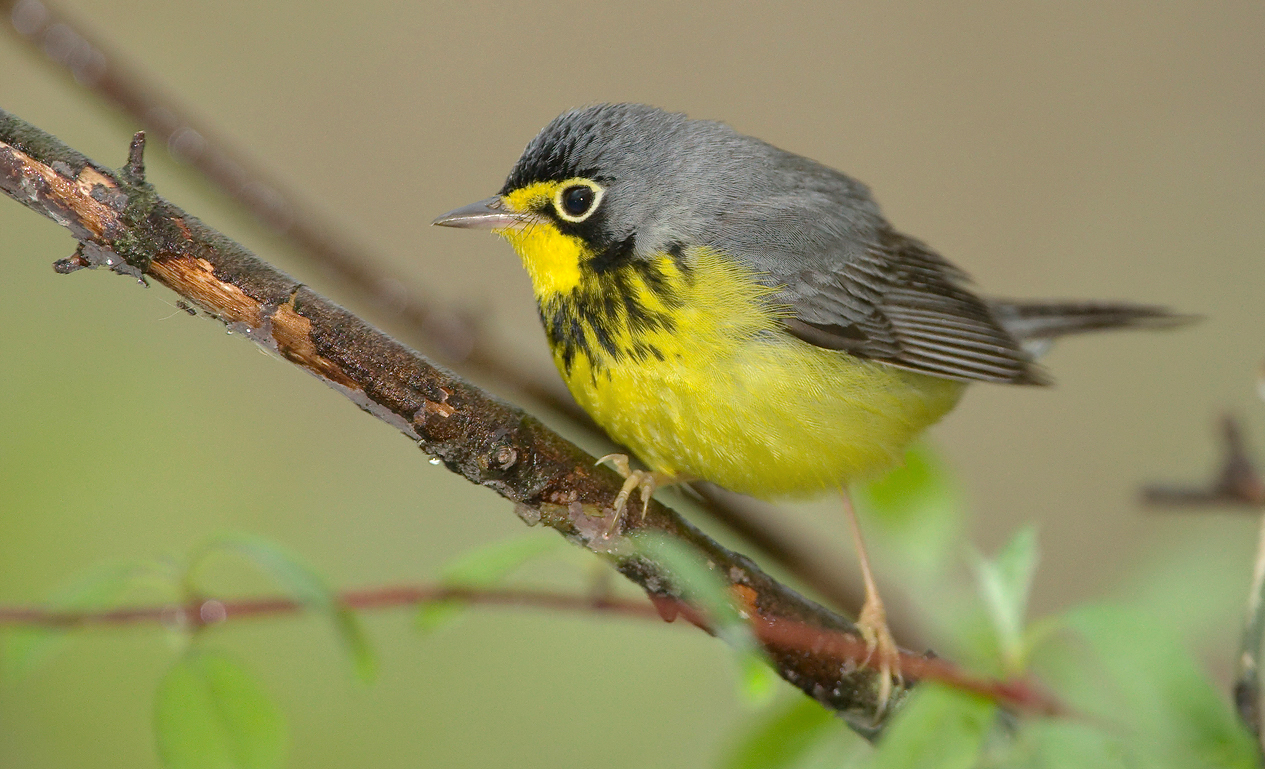
Based on the Macaulay Library pictures below, the Abaco CAWA must be a female or an immature male. In comparing photos of this species (which I had never come across before) I have noticed one thing. The yellow lore (the area between the base of the beak and the eye) extends to include the top of the bird’s otherwise white eye-ring. This is found in both the male and the female. Now I need to check other eye-ringed species to see if this feature is a unique identifier or not…
WHAT DO I LISTEN FOR (JUST IN CASE…)?
The two sounds to listen for are the chirpy scrap of song and the ‘chip’ call.
WHAT IS THE CAWA’S CONSERVATION STATUS?
The CAWA is IUCN-listed as being of ‘least concern’. That of course is very far from saying it is of no concern at all. Surveys are already showing a gradual population decline in the breeding grounds. The Committee on the Status of Endangered Wildlife in Canada has assessed the CAWA as ‘threatened’. Dull as it is to keep repeating the point, this species like most others faces all the usual threats to its existence, mostly man-made and during my lifetime…
Deforestation, habitat destruction and intrusion, development etc etc
Problems arising from acid rain and pollution
The uncontrolled spread of the tree-destroying woolly adelgid, an import from Asia
Oh, and all those damn deer browsing the understory a bit. Blame them!
ARE THERE ANY FUN FACTS ABOUT THIS BIRD?
Well, confusion about its name, maybe, though that’s more ‘interesting’ than ‘fun’, I think. In 1760, a French zoologist named Brisson gave a name to a warbler specimen from Canada. It was “Le gobe-mouche cendré de Canada”, ie ‘The Canadian Ash-gray Flycatcher’. Because he needed a conventional Latin name for the bird, he put together the name Muscicapa Canadensis Cinerea. This did not fit in with the binomial system of taxonomy (nor was it a very good description of the bird), and the name was accordingly rejected by the wonderfully named International Commission on Zoological Nomenclature. Linnaeus (to cut a longer story short) sorted it all out in his next edition of Systema Naturae in 1766, with the binomial name Muscicapa canadensis. In due course the genus Muscicapa was changed to Cardellina.
THAT WASN’T A WHOLE LOT OF FUN. IS THERE MORE?
Well, there were more naming shenanigans when John James Audubon illustrated a female Canada warbler in Birds of America nearly a century later. Plate 73 (below) was entitled “Bonaparte’s Flycatching-Warbler—Muscicapa bonapartii.” He’d slipped in the name of ornithologist (and nephew of the more famous Emperor) CHARLES BONAPARTE,he of the BONAPARTE’S GULL. This version did not stick. However the CAWA acquired another ‘tribute’ name, an alternative that is still in use: Wilsonia canadensis. This tip of the hat is to another ornithologist ALEXANDER WILSON, of Wilson’s Plover fame.
Photo Credits: Christopher Johnson (1, 2, 3); Emmet Hume / Wiki (4); Male / Female CAWAs, David Turgeon & Bob Edelen, Macaulay Library; Audubon Plate 73, OS; William H Majoros / Wiki. Sound Files, Ian Davies & Andrew Spencer / Xeno-Canto; Abaco Resident Warbler Chart, Keith Salvesen;, Cartoon by Birdorable; Range Map, Cornell U.








































































 ROLLING HARBOUR ABACO
You must be logged in to post a comment.