Unknown's avatar

“OL’ BLUE EYES”: WHITE-WINGED DOVES ON ABACO


1024px-Ala_Blanca

“OL’ BLUE EYES”: WHITE-WINGED DOVES ON ABACO

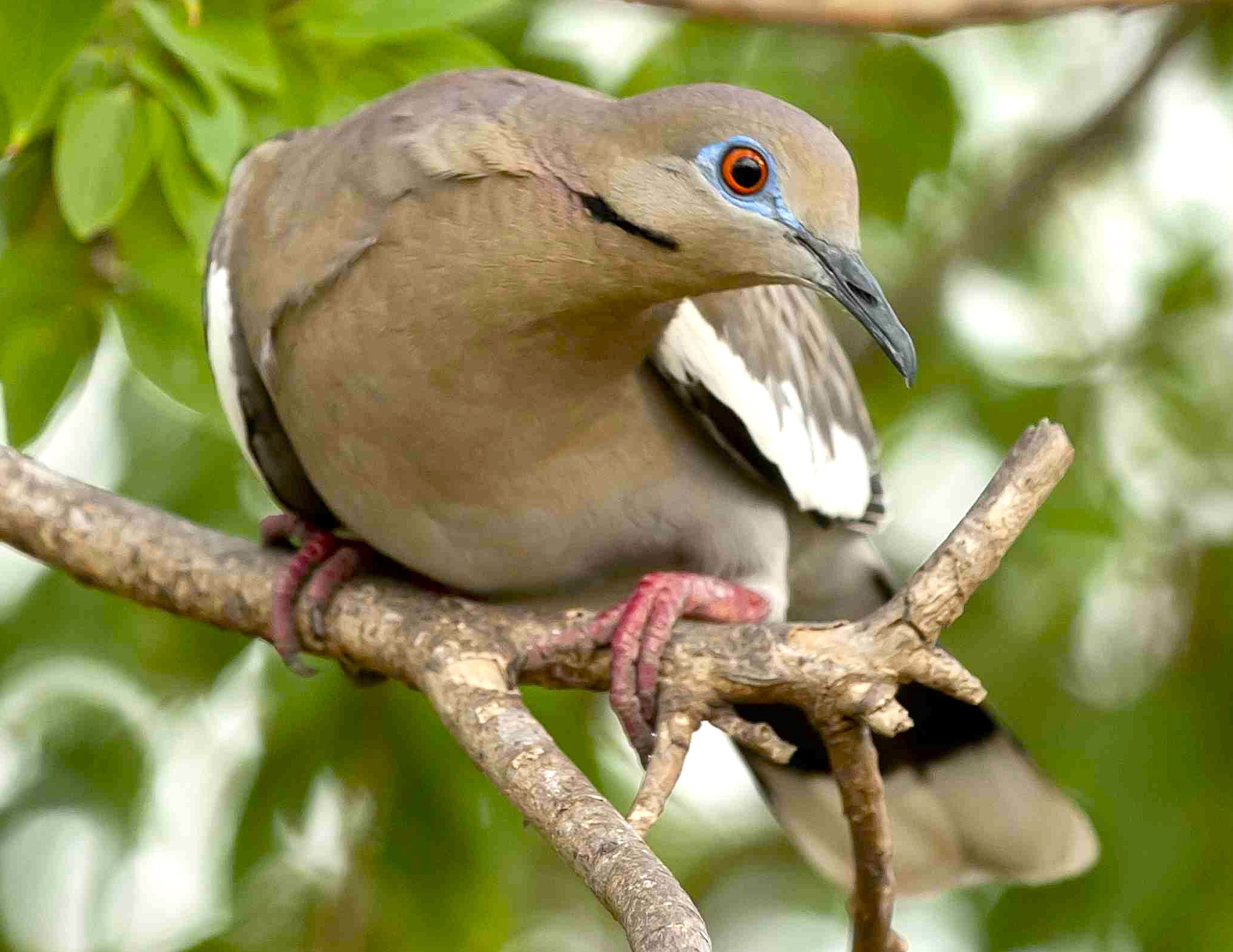
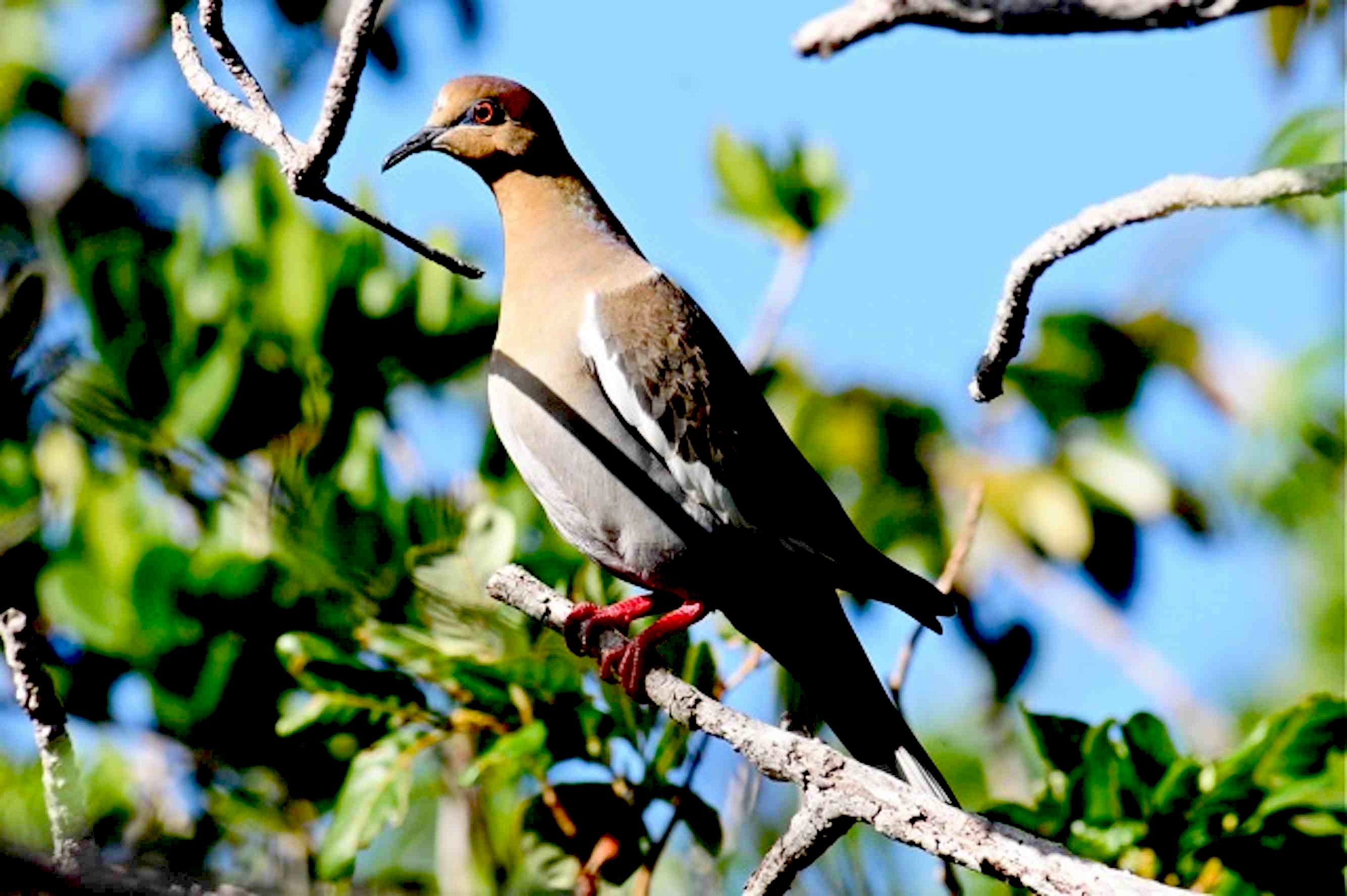
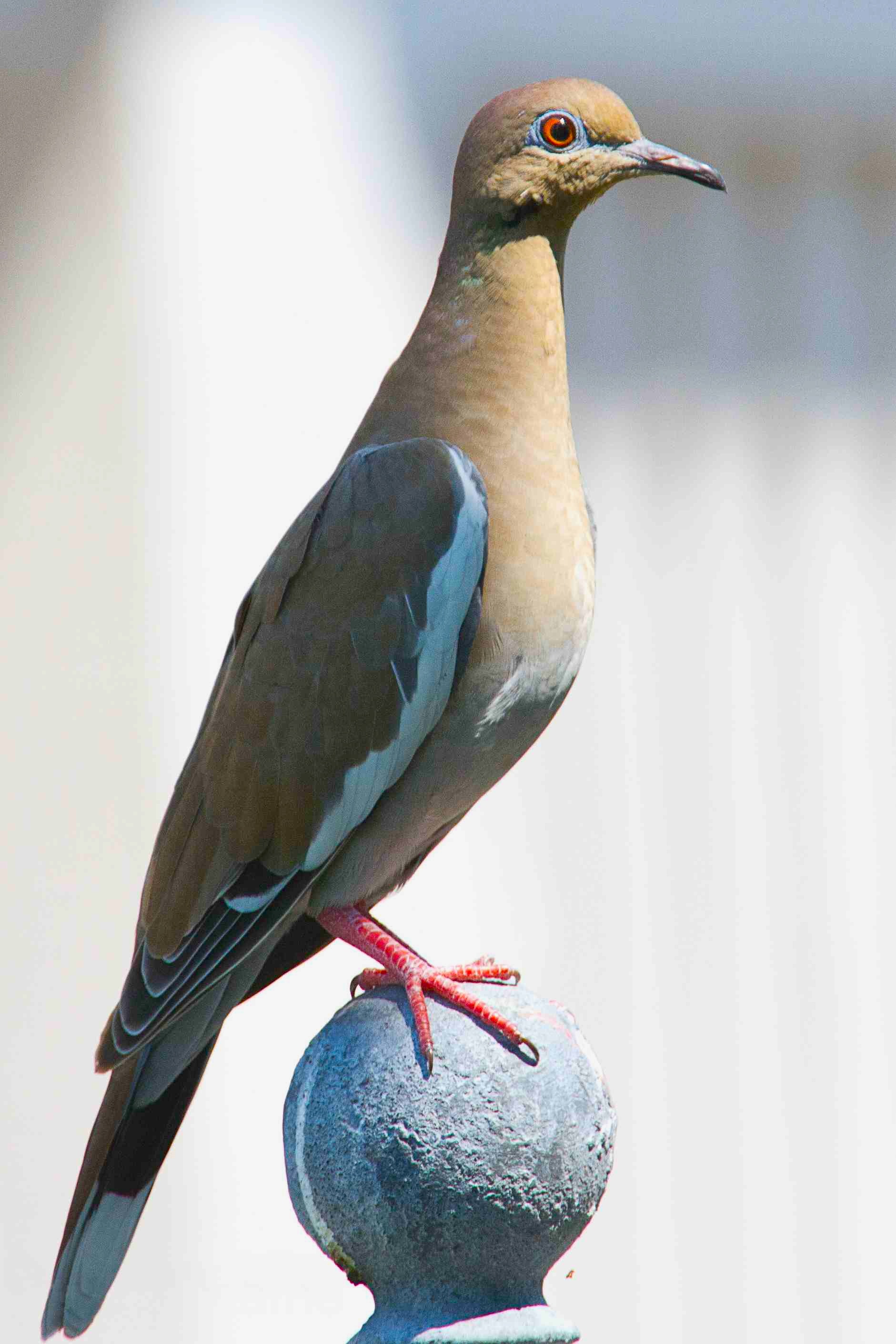
The White-winged Dove Zenaida asiatica  is an easily recognised dove species, being the only one on Abaco with conspicuous white wing markings. The prominent blue eye-rings are another unusual feature of this bird. The blue is skin and not feather colouring. Another identifier is the dark line on the upper neck.

Although the birds are permanent residents on Abaco, they are relatively uncommon. They are not a protected species, and yet unlike some other pigeon and dove species (Mourning Dove, Ring Necked Dove, White-crowned Pigeon, Zenaida Dove) they are not listed among the game birds that have a shooting season. Unlike many species whose range is decreasing for all the usual human-related reasons, this bird appears to be expanding its range – or is possibly being introduced in new areas. Urban development seems not to be not such a deterrent as for other birds, and feeders are also thought to contribute to the spread.

White-winged Dove Range - Xeno Canto

White-winged Dove, Abaco Bahamas - Tom Sheley crop - Version 2

This short audio clip of a White-winged Dove has other background bird sounds, mostly identifiably a red-winged blackbird making its ‘rusty gate hinge’ call

Mike Nelson / Xeno Canto

White-winged Dove, Abaco - Tony Hepburn

FANCY THAT!

STEVIE NICKS name-checks the White-winged Dove and its call in her 1981 hit “Edge of Seventeen” from her Bella Donna album. If your interest is piqued as the Mac again discuss putting behind them their various differences and prodigious substance sampling to re-form (Glastonbury 2015?), see below. However, rehearing this again (having hidden Bella Donna in a locked drawer 30 years ago) the music has not worn well and her voice – sometimes so exciting – is somewhat fingernails on blackboard. 

This final image is by Dan Pancamo who generously uploaded it to Wiki. It is several cuts above the usual generic illustrative images in both quality and style.

White-winged_Dove_by_Dan_Pancamo

Credits: Wiki / Dan Pancamo, Tom Sheley, Tony Hepburn, Xeno Canto

Unknown's avatar

ABACO’S FORGOTTEN LIGHTHOUSE: THE “OLD LIGHTHOUSE”, LITTLE HARBOUR


ABACO’S FORGOTTEN LIGHTHOUSE: THE “OLD LIGHTHOUSE”, LITTLE HARBOUR

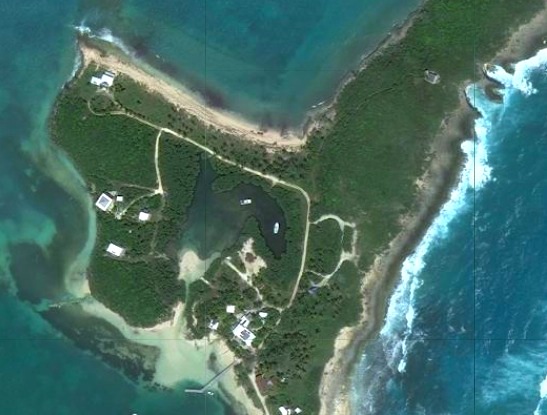
Little Harbour Abaco, Aerial View -Simon Rodehn annotated

Little Harbour Abaco, Aerial View (Simon Rodehn)

There’s relatively little that a casual investigator can discover about the ruined lighthouse at Little Harbour, Abaco. This hurricane-damaged wreck is Abaco’s third and largely unknown light, after the icon on ELBOW REEF and the desolate but romantic HOLE-IN-THE-WALL that stands on the southern tip of Abaco, down 15 miles of dodgy track through the National Park. Two specific sources of information begin our tour of the “Old Lighthouse at Little Harbour.

Extract from ROWLETT LIGHTHOUSES OF THE BAHAMAS

“LITTLE HARBOUR Date unknown (station established 1889). Inactive. Ruins of a 1-story concrete keeper’s quarters, known locally as the “old lighthouse.” A modern steel framework tower carried an active light until it was blown over by Hurricane Sandy in October 2012; Trabas has Darlene Chisholm’s photo of the toppled light. A photo and a very distant view are available, and Bing has a satellite view. In an aerial view of the harbor, the light is on the peninsula at upper right. Located at the entrance to Little Harbour, about 25 km (15 mi) south of Marsh Harbour, Great Abaco Island. Accessible by a short walk to the end of the peninsula sheltering the harbor. Site open, tower closed. Site manager: unknown. ARLHS BAH-021; Admiralty J4576; NGA 11808.”

The “Old Lighthouse” – Little Harbour, Abaco

Abaco Escape  – Sandy Estabrook’s essential GUIDE TO THE ABACOS

Often overlooked is (or should we say was) the “Old Lighthouse” as it is called. It was established in 1889 at the entrance to of Little Harbour channel, the southern entrance to Abaco Sound. Once it was a manned light, with the lighthouse keeper and his wife being the only inhabitants of Little Harbour. Of course the keepers are long gone and so is most of the house. The light tower was converted to solar in modern times but was dealt a devastating blow by Hurricane Floyd in 1999. Access is via a path which starts from the shoreline and winds up the hill through seagrapes and bush. Few people venture up here these days. If there is a big ocean swell running, walk down to the cliff top in front of the lighthouse, where you’ll find a blowhole known as the Dragon. Depending on swell height, it could be roaring, snorting and shooting out clouds of spray. Sandy Estabrook

Photos referenced by Rowlett  – see extract above

Note the steel frame tower on the right, a structure replacing the old light destroyed by Hurricane Floyd in 1999; and itself toppled by Hurricane Sandy in 2012

A GALLERY OF RECENT IMAGES

Lighthouse ruins, Little Harbour Abaco, Patrick Shyu

Lighthouse ruins, Little Harbour Abaco, Patrick Shyu. The only interior shot I could find. Note the fallen steel tower (2012) (and seen from the outside below)

Lighthouse ruins, Little Harbour Abaco - Patrick Shyu

Lighthouse ruins, Little Harbour Abaco – Patrick Shyu

Little Harbour lighthouse Abaco - Darlene Chisholm

Little Harbour lighthouse Abaco, post Hurricane Sandy – Darlene Chisholm

Little Harbour Lighthouse Ruins, Abacos - MV Shingebiss

The Old Lighthouse ruins, taken during a cruise (MV Shingebiss)

LOCATION

In the header image, the location of the Light, looking very roughly north, is shown as a grey pimple on the eastern peninsula that forms the Little Harbour bay. There is no other building in this area. Below are some additional aerial maps showing the path to the Light and its relative remoteness. It is not covered in the wonderful book on Bahamas lighthouses by Annie Potts entitled “Last Lights” (2011, Fish House Press). I surmise that this small Light was more of a beacon to pinpoint the location of the entrance to Little Harbour, and perhaps to enable triangulation with the large lights at ELBOW REEF and HOLE-IN-THE-WALL.

Little Harbour Lighthouse 1 jpg copy

Little Harbour Lighthouse 2 jpg

An unusual aerial view of Little Harbour Lighthouse from the north, showing the path to it. You can see the ‘modern steel framework tower’ referred to in the ROWLETT entry above, replacing the original lighthouse tower destroyed by Hurricane Floyd and later toppled by Hurricane Sandy.

Little Harbour Lighthouse Marinas.com

Little Harbour lighthouse Marinas.com

Credits:  Simon Rodehn (LH aerial view – thanks again!), Rowlett’s Lighthouses, Sandy Estabrook / Abaco Escape, Wiki Map, Patrick Shyu, Darlene Chisholm, MV Shingbiss, marinas.com

Unknown's avatar

WINTER WARBLERS ON ABACO: NORTHERN PARULA


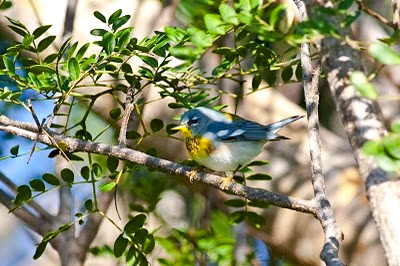
Northern Parula,  Abaco Craig Nash

WINTER WARBLERS ON ABACO: NORTHERN PARULA 

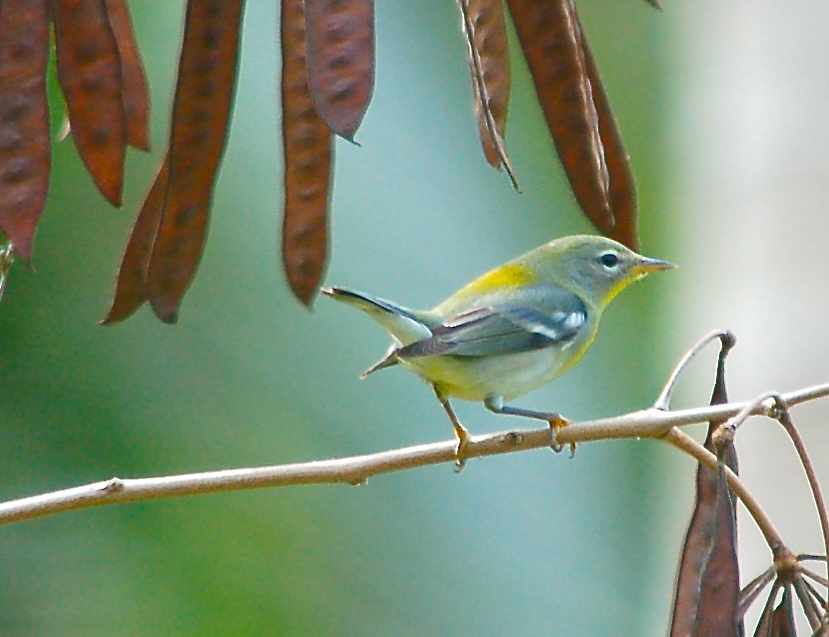
The NORTHERN PARULA Setophaga americana is a stumpy little migratory warbler with white arcs above and below the eyes, and with a slate-coloured back distinctively smudged with an olive patch in both sexes. These birds are winter residents on Abaco, and are common throughout the island and cays. They are arriving right now, including juveniles making their first trip to Abaco. Wonder what they’ll make of it?

This photo shows the distinctive colour difference between feet (orangey) and legs (grey-brown)Northern Parula, Abaco - Bruce Hallett (adult male)

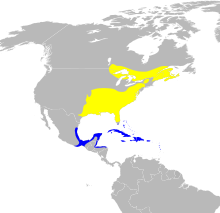
Range Map: Summer (Yellow) & Winter (Blue)220px-Parula_americana_map.svg

Parulas are primarily insect eaters, with a preference for caterpillars and spiders. They sometimes dart from a perch to snatch insect prey in mid-air. In winter they vary their diet with berries and fruit. You are most likely to see one foraging busily in bushes and low trees – maybe coming up for air by poking its head above the foliage…

Northern Parula, Abaco (Craig Nash)

TAXONOMY DOMINÉ

WHAT THE HECK IS  A “PARULA”? Originally, Linnaeus classified this little bird at a Tit, or Parus. For some reason, “as taxonomy developed the genus name was modified first to Parulus and then the current form” (Wiki Hat-tip). But although none of the other 37 Abaco warbler species is a Parus, Parulus or Parula, they all come under the family name Parulidae. The august institutions that deal with these things have classified the Parula as a ‘Setophaga’, along with many other warblers.

This photo shows the distinctive upper chest band of the adult bird very clearlyBAHAMAS - Northern Parula Warbler, Abaco -  Becky Marvil

The CORNELL LAB list of adult Parula identifiers is shown below, with adult females being similar ‘but with greener backs’. These specifics are pretty much borne out by the birds shown here (except for the last bird, an immature female just beginning to develop the Parula characteristics). The next photo by Woody Bracey, is a perfect example of what to look out for. 

  • Small songbird.
  • Blue-gray hood and wings.
  • Yellow chest with black and reddish band across it.
  • White crescents above and below eyes.
  • Green back.
  • Two white wingbars.

Northern Parula, Abaco (Woody Bracey)

Parulas produce different sounds to listen out for – a ‘chip’ call that could be any number of birds (IMO); a song; and a trill. Here are examples of each from the essential bird call site Xeno Canto.

CHIP CALL Paul Marvin / Xeno Canto

SONG Paul Marvin / Xeno Canto

TRILL Jelmer Poelstra / Xeno Canto

ABACO BAHAMAS - Northern Parula 2, 1-22-12, Nursery copy 2

This is an immature female parula, a ‘first fall’ bird, and therefore on its first visit to AbacoNorthern Parula, Abaco - Bruce Hallett (imm. - 1st fall female)

I’ll end with an excellent 2:18 mins-worth of Parula-based video from Wild Bird Video Productions

[youtube https://www.youtube.com/watch?v=fn8uzlYnt50]

RELATED POSTS

WARBLER GALLERY – ABACO’S 37 SPECIES

PERMANENT RESIDENT WARBLERS  – THE ABACO 5 

ENDEMIC BIRDS – ABACO’S 4, inc. 2 WARBLERS

CREDITS: Photos – Craig Nash, Bruce Hallett, Becky Marvil, Gerlinde Taurer; Audio – Xeno Canto; Video -Wild Bird Video Productions; Cornell Lab; a smidge of Wiki

Unknown's avatar

HURRICANE UPDATE: GONZALO TRACKS AWAY FROM ABACO, BAHAMAS


Hurricane Irene 2011 - the eye right on course for central Abaco

Hurricane Irene 2011 – the eye right on course for central Abaco

HURRICANE UPDATE: GONZALO TRACKS AWAY FROM ABACO, BAHAMAS

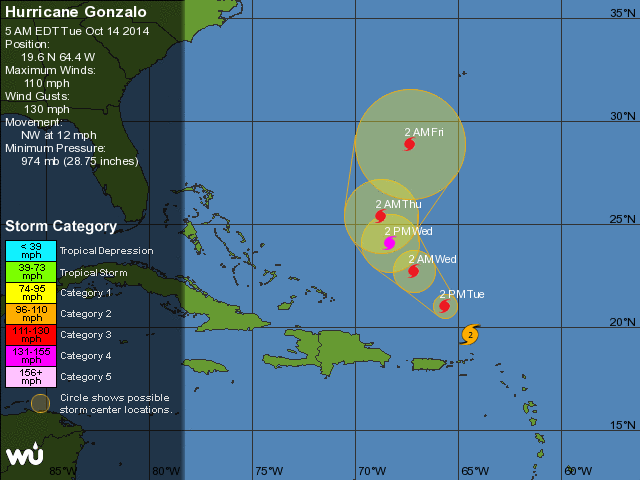
STOP PRESS – UPDATE Following yesterday’s post (below), the hurricane’s tendency to track further away from the Bahamas is confirmed by later models, for examples this one from Wunderground. So I think we are officially ‘off-risk’. But Bermuda is definitely not… Anyway, read on a bit and you will find out how hurricanes get their names! 

1901289_599770936795166_5297826701188883150_n

Yesterday I posted on my FB page an NOAA hurricane tracking map update for Hurricane Gonzalo, currently rated Cat. 2 on the SAFFIR-SIMPSON SCALE. It is making its way north through the Caribbean right now, and at one stage the storm cone looked on a possible course for the Bahamas. Abaco has been spared a major cyclone for a couple of years. However memories are very recent of Hurricane Irene (2011) which passed directly over Abaco as a Cat. 3 storm; and Hurricane Sandy (2012) that passed marginally to the east with (at that stage) an intensity of a Cat. 1 before going on to wreak havoc further north. During those ‘extreme weather events’ I posted regularly about them, with tracking maps and photos. At the time of Irene there was remarkable little information around online and I got a huge number of hits – 5000+ in a day, 15,000+ in a week. I also replied to lots of inquiries from the Bahamas, US and Canada, both general (“How are things at Cherokee?”) to very specific (“Do you happen to know if my boat ‘Blowdakidzinheritanz’ moored in Little Harbour is Okay?”).

Hurricane Sandy Earth from Space 2

Hurricane Sandy over Abaco from the International Space Station

I  have been surprised at the response the map generated by way of ‘Likes’ and comments expressing relief… So from my current safe distance of precisely 4250.00 miles from Marsh Harbour, I am posting an update with helpful maps and a bit of general hurricane info. The agencies all agree that Gonzalo will hook east as it progresses northwards. The Bahamas outlook is promising, though for example Bermuda looks to be at risk.  There’s more on hurricanes on the page ABACO WEATHER. I always think that Wunderground produce the clearest maps for general purposes, though there’s a great deal more information to be had from the NOAA site, to which there’s a direct link in the Sidebar (I’ve moved it to near the top for the time being).

CURRENT TRACKING FORECASTS OCT 14 2014 

WUNDERGROUND 3-DAY TRACKING & WIND MAP at201408at201408_satat201408_radar

NOAA TRACKERS & FORECASTS

085519203828W_NL_sm

ACCUWEATHER SATELLITE VIEW & TRACKERHurricane Gonzalo Tracking Map  - clip jpg

THE SAFFIR-SIMPSON SCALE

Here is a reminder of how tropical storms and hurricanes are measured for intensity, as decreed by the S-SS, followed by the National Hurricane Center’s explanation of the gradations of relative intensities.

Saffir-Simpson Scale (Wiki) jpgT

The Saffir-Simpson Hurricane Wind Scale is a 1 to 5 rating based on a hurricane’s sustained wind speed. This scale estimates potential property damage. Hurricanes reaching Category 3 and higher are considered major hurricanes because of their potential for significant loss of life and damage. Category 1 and 2 storms are still dangerous, however, and require preventative measures. In the western North Pacific, the term “super typhoon” is used for tropical cyclones with sustained winds exceeding 150 mph.

Category   Sustained Winds Types of Damage Due to Hurricane Winds
1 74-95 mph
64-82 kt
119-153 km/h
Very dangerous winds will produce some damage: Well-constructed frame homes could have damage to roof, shingles, vinyl siding and gutters. Large branches of trees will snap and shallowly rooted trees may be toppled. Extensive damage to power lines and poles likely will result in power outages that could last a few to several days.
2 96-110 mph
83-95 kt
154-177 km/h
Extremely dangerous winds will cause extensive damage:Well-constructed frame homes could sustain major roof and siding damage. Many shallowly rooted trees will be snapped or uprooted and block numerous roads. Near-total power loss is expected with outages that could last from several days to weeks.
3
(major)
111-129 mph
96-112 kt
178-208 km/h
Devastating damage will occur: Well-built framed homes may incur major damage or removal of roof decking and gable ends. Many trees will be snapped or uprooted, blocking numerous roads. Electricity and water will be unavailable for several days to weeks after the storm passes.
4
(major)
130-156 mph
113-136 kt
209-251 km/h
Catastrophic damage will occur: Well-built framed homes can sustain severe damage with loss of most of the roof structure and/or some exterior walls. Most trees will be snapped or uprooted and power poles downed. Fallen trees and power poles will isolate residential areas. Power outages will last weeks to possibly months. Most of the area will be uninhabitable for weeks or months.
5
(major)
157 mph or higher
137 kt or higher
252 km/h or higher
Catastrophic damage will occur: A high percentage of framed homes will be destroyed, with total roof failure and wall collapse. Fallen trees and power poles will isolate residential areas. Power outages will last for weeks to possibly months. Most of the area will be uninhabitable for weeks or months.

HOW DO HURRICANES GET THEIR NAMES?

Check out the page ABACO WEATHER

BACKTRACKING

Hurricane Irene 2011 Bahamas Map Accu jpg Hurricane Sandy Map Bahamas 2012 jpg

Unknown's avatar

“ALIEN FROM THE DEEP”: ABACO’S SCALELESS BLACK DRAGONFISH


Scaleless Black Dragonfish - Header - BMMRO Abaco

“ALIEN FROM THE DEEP”: ABACO’S SCALELESS BLACK DRAGONFISH

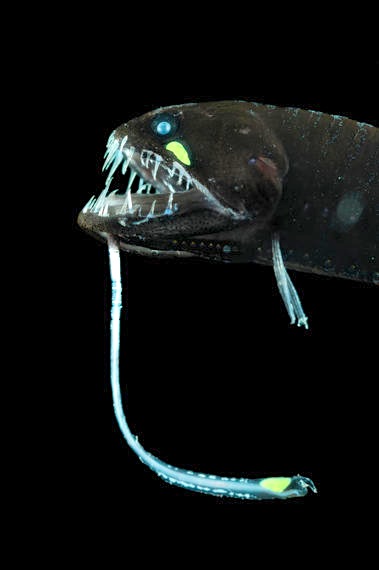
Prepared to be terrified. Beneath the placid turquoise waters of Abaco lurks a ruthless and implacable killer of hideous mien, armed with vicious teeth  … Yes, as the music from Jaws begins to throb round your temples I bring you… THE SCALELESS BLACK DRAGONFISH, aka the Deep Sea Dragonfish or Viperfish (of which it is one type). Oh, and it’s about 8 inches/ 20 cms long.

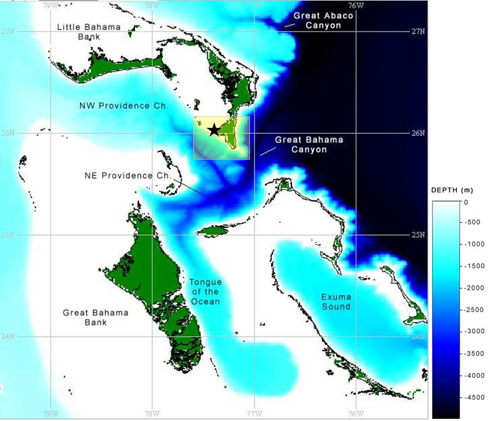
The specimen shown here was found off Rocky Point, Abaco during a whale and dolphin research trip by the BMMRO. This is an area where typical low waters give way to the far deeper waters of an arm of the Great Bahama Canyon. It is an excellent place for whale watching, since one effect of the canyon is to provide plentiful food of the sort that cetaceans thrive on. The chances of you ever meeting a dragonfish are very slim indeed, since they live at depths up to 1500 metres. 

MAP to be added after posting, to avoid FB’s deranged random ‘feature photo’ selection The black star at the south end of Abaco  (in the yellowish box) is where Rocky Point and Sandy Point are to be found.

BAHAMAS SEA DEPTH MAP (NEAQ)

Here is an account by BMMRO intern Luanettee Colebrooke who was lucky enough to be on the research vessel when this strange, vicious-looking creature was found. I have edited the material for present purposes, but I recommend reading the whole article which can be found on the BMMRO website HERE. You will get an excellent overview of a day’s research under the hot sun, and plenty about the collection of whale poop (a topic I have previously dwelt on HERE (“Familiar Feces“).

Scaleless Black Dragonfish - BMMRO Abaco
CREATURE by Luanettee’ Colebrooke, BMMRO intern, summer 2014
The crossing of this organism was by complete accident. It was something that none of us would have imagined finding floating along the surface of the water. For Dr Claridge, Jurique (another BMMRO summer intern from Cat Island) and I as Bahamians, who knew this creature even existed in our majestic waters? Who knew our waters were even that deep to hide this specimen? (I think Dr Claridge knew)
Our morning began as per the usual routine for a boat day. There are several research sites that we venture to regularly: Rocky Point for the coastal Bottlenose Dolphins, and an area about 2 miles south of Rocky Point for our very elusive and wary Blainville’s beaked whales, and the deep blue (a massive drop into waters that are 1500 metres deep) to listen for Sperm Whales.It is not that I do not believe that we have deep waters. The Tongue of the Ocean runs through the northern part of our country. My thought comes more from, ‘our waters are that deep’? To a point where light does not hit the bottom and organisms have to rely mainly on bioluminescence? It is a similar thought process I had when I saw a sperm whale for the first time. They are not small creatures of the sea. It is both an awe and scary thought that there are creatures out there we, as Bahamians, do not know exist in our waters.
Scaleless Black Dragonfish - BMMRO AbacoScaleless Black Dragonfish - BMMRO Abaco
“Our final activity of the day was tracking a sperm whale acoustically using a hydrophone…” There follows a graphic account of the technicalities of sperm whale poop collection and co-intern Jack’s “Faecal Dispersion Technique”. Then this: Jack stood up, Pringle in mouth and pointed to a black leather looking strap off of the port bow. “What is it?” Moving closer to the port, Jurique and I had our own thoughts. “It looks like a boxing glove strap,” he suggested. “More like an expensive underwater watch,” I mentioned. Dr. Claridge said, “It looks like a squid tentacle.” Jack added in, “More like the strap from a fin to me.” Our heads were turning with no closer answer. Taking it upon himself as the official sample collector, Jack popped back into the water to collect it. There were no sample pots large enough for it, so he had to use a large Ziplock bag to pick it up.
Scaleless Black Dragonfish - BMMRO AbacoLetting out a surprised chorus when he got back on the boat, we wondered what the heck it was. It had a mouth and a weird white patch that at first, I thought was its eye. The ventral abdominal section seemed swollen as if it had expanded from the decreasing pressure rising from the sea. As we looked at it and took photos, we determined several characteristics of the deceased specimen without having to autopsy it. The first was that it had three rows of needle like teeth that turned inward. There was what we assumed to be an angler under its ‘chin’ that had a murky transparent color. Another deduction we came to was the white dots that ran along the body all the way to its tail could be bioluminescent in nature like an angler. The pectoral fins were small and thin like a tooth pick. The final detail we took note of was the silver patch underneath its eyes.It was a type of angler fish we hypothesized. And it somehow ended up on the surface. There were several questions we voiced to each other: if it is a deep angler fish, how did it end up here? Where did it come from? Was it stunned by the sperm whale’s echolocation and pulled upwards as it surfaced? Later that night as we went through our faecal samples, photo IDs and data entry, the search began for what exactly this organism was. Jack did some image trickery and overlapped the photos with an alien from Alien. Scaleless Black Dragonfish c/w Alien - BMMRO AbacoI personally thought it looked more like Venom from Spiderman. As he did that, I took it upon myself to begin the search by looking up the most prominent feature: the angler on the anterior ventral side of the fish. By using this characteristic, I was able to narrow the organism down to a Scaleless Black Dragonfish by using several online scientific key identification guides and forums. The species we are still unsure about. The mystery continues…Scaleless Black Dragonfish - BMMRO Abaco
This creature is one of a number of dragonfish species found worldwide. This one might to be one of the genus Melanostomias (says he, hesitantly…). Like many deep sea creatures, its customary depths are pitch black, or nearly so; and so it is equipped with its own light source (bioluminescence), including the item dangling down from its lower jaw, called a barbel. The fish’s glow and no doubt the gleam of the barbel swaying around in the water act as a lure to attract prey that swim up to investigate and then.. snap! Those teeth start to do their work.
Scaleless black dragonfish (Melanostomias biseriatus) (imagesource.com)
I’ll end with an amazing short (2:28) video posted in early 2014 by ‘Indoona’. The accompanying description is the most authoritative account of the species and its little ways that I have  come across, complete with useful links. I include it before the video, noting only that the creature featured is a Pacific one from off the coast of California, and therefore not identical to the Abaco one.
                                                                       scaleless-black-dragonfish-mini-jpg          scaleless-black-dragonfish-mini-jpg          scaleless-black-dragonfish-mini-jpg

THE DEEP SEA DRAGONFISH OR VIPER FISH is an awesome looking creature from the middle depths of the ocean (this one comes from 600 metres or about 1000 feet deep). Also called the scaleless dragonfish, they are ferocious predators, with extremely large teeth compared to their body size. And they have one of nature’s most amazing tricks to give them the edge over their prey (more below).

There are several different species of dragonfish (one estimate is 67 species – all from the fish family known as Family Stomidae) and they are quite difficult to tell apart but this one is from the pacific depths of California and is likely Tactostoma macropus, the longfin dragonfish. Idiacanthus antrostomus is an Atlantic species that looks very similar – at least I think that’s the case correct me if I’m wrong.

They hunt with a bioluminescent barbel or lure. It is not glowing here but under the different lighting regimes I used – some of the darker images – you can see how much the lure stands out.

Sadly fish like this do not survive long on the surface, mainly because of temperature differences and mechanical damage in the net rather than pressure problems I think. It was caught in a cod-end trawl and filmed in a special tank (a kreisal aquarium). But is great to be able to share another wonder of the oceans on YouTube.

And their amazing trick? Unlike most other deep sea creatures which are sensitive to blue light – the dragonfish also produces a red light beam (see the organ to the rear of the eye) – it is also very sensitive to red light. Although red light does not travel very far underwater it allows them to see when other animals cannot and to sneak up on their prey – especially shrimps that glow in the red light. For more detail see: http://www.science-frontiers.com/sf10… and the work of Ron Douglas and Julian Partridge,http://blog.wellcomecollection.org/ta… (these images were filmed with the help of Julian and Ron). Oh and this dragon is not big – about 20 cm or just under a foot!

[youtube https://www.youtube.com/watch?v=i6cIoj7c2FI]

Credits: Luanettee Colebrooke, ‘Jack’ & BMMRO (to whom thanks as ever), imagesource.com, Indoona , and 2 sites I came across during my investigations – seasky.org & strangesounds.org

If you can’t get enough of dragonfish, check out this Tumblr site for dozens of images including photos, drawings, cartoons, and enough strange dragonfish-based characters to weird you out utterly… HERE

Unknown's avatar

CRYSTAL CLEAR: ABACO’S ASTOUNDING UNDERGROUND CAVES (3)


Crystal Caves of Abaco - Ralph's Cave (Brian Kakuk)

CRYSTAL CLEAR: ABACO’S ASTOUNDING UNDERGROUND CAVES (3) 

This is the third in a series showcasing the wealth of beauty that lies beneath the many thousands of acres of pine forest that cover the vast majority of South Abaco. I have previously  featured sets of wonderful photos taken by diver Hitoshi Miho in the underground cave systems of Abaco, in conjunction with the Bahamas Caves Research Foundation. The links to these posts are given below. This post showcases some of the photos taken by Abaco’s leading cave diver, well-known Brian Kakuk. The following images all come from RALPH’S CAVE, one of several systems that lie within the proposed South Abaco Blue Holes Conservation Area.

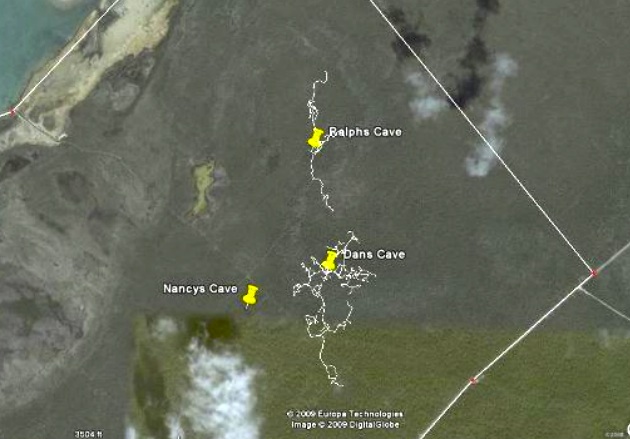
The maps show the 3 main caves in the SABHCA area, Ralph’s, Dan’s and Nancy’s – also Sawmill Sink. The curve of bay, bottom right, is Rolling Harbour – and one excuse for ‘borrowing’ the map is that I notice that it includes a (tiny) photo of mine of the Delphi Club from the beach that I uploaded to Google Earth a while back…

Abaco caves map jpg    Abaco Caves Ralph & Dan jpg

Crystal Caves of Abaco - Ralph's Cave (Brian Kakuk)Crystal Caves of Abaco - Ralph's Cave (Brian Kakuk) Crystal Caves of Abaco - Ralph's Cave (Brian Kakuk)Crystal Caves of Abaco - Ralph's Cave (Brian Kakuk)Crystal Caves of Abaco - Ralph's Cave (Brian Kakuk)

To get the ‘live’ experience of exploring these underground geological wonders, here is a 6 minute video of a dive in Ralph’s Cave made in June 2014 by Ramon Llaneza of Ramon Llaneza Technical Diving

RELATED POSTS

ABACO’S ASTOUNDING CAVES (1) Hirohito Miho

ABACO’S ASTOUNDING CAVES (2) Hirohito Miho

SAWMILL SINK Industrial Archaeology / Post-apolcalyptic Landscape

 Credits: Brian Kakuk, Bahamas Caves Research Foundation, Ramon Llaneza

Unknown's avatar

“50 WAYS TO PLEASE YOUR PLOVER”: PIPING PLOVERS ON ABACO (2)


Piping Plover - Danny Sauvageau

 “50 WAYS TO PLEASE YOUR PLOVER”: PIPING PLOVERS ON ABACO (2)

There must be 50 ways at least, most of them amounting to leaving Piping Plovers alone and respecting their habitat. So, in many cases simply NOT doing things . Refraining from driving your  SUV around on the beaches exactly where they are resting (with other shorebirds) during migration (yes, this very scenario is captured on film). Discouraging your canine friends from investigating their scrapes, eggs and chicks. Not building a concrete block on their favourite beach. Avoiding dumping quantities of oil in their vicinity. That kind of thing. Make a new plan, Stan! Watch where you drive, Clive! Find a new place, Grace! Safeguard your oil, Doyle! And leave the birds free…

Piping Plover - Danny Sauvageau

MIGRATION & CONSERVATION I’m returning to Piping Plovers at a time when concerns for their diminished population has led to intensive research and protection programs at both ends of their migration routes. For a long time, their winter destination was a mystery. Recent investigations have helped to pinpoint the wintering grounds, which include Abaco. Ringing programs in the summer breeding areas mean that birds can be identified in winter and traced back to their origin. So if you are out and about and see one of these little guys – let’s say, on the beach at Casuarina – and you happen to have a camera with you, can I repeat the request to please take a photo, if possible showing the leg bling, and let one of the island birders (or me) know…

You can see how the PIPLs live through the seasons and their migrations in an excellent Audubon interactive presentation I have featured previously entitled “Beating the Odds: A Year in the Life of a Piping Plover”. CLICK BEATING THE ODDS

Piping Plover - Danny Sauvageau

PIPL ON ABACO I shared this wonderful video from the reliably excellent CONCH SALAD TV on my FB page, but it’s such a great 15 minutes worth of Piping Plover information that I am including it in this post, not least because many of the the subscribers are different. The Bahamas in general and Abaco in particular are favoured by these delightful but rare and vulnerable birds for their winter habitat (sensible creatures). If you can spare 15 minutes and are interested in the importance of Abaco as a vital component in the conservation of migratory birds, do watch the video. Presenters include Todd Pover and Stephanie Egger of CONSERVE WILDLIFE NEW JERSEY, David Knowles of the BNT and Olivia Patterson of FOTE (Friends of the Environment, Abaco). One of the most heartening features is to see the responses of  the young children who were encouraged to participate in the project, and who take to it with huge enthusiasm.  

Piping Plover - Danny Sauvageau

A while back, well-known and much missed Abaco naturalist Ricky Johnson made his own Piping Plover film incorporating his own trademark style and sense of humour. My original post about it can be seen HERE, but far better to go straight to Ricky’s video. It’s good to recall his infectious enthusiasm for the wildlife of Abaco. Impossible to watch without smiling…

Piping Plover - Danny Sauvageau

Piping Plover - Danny Sauvageau

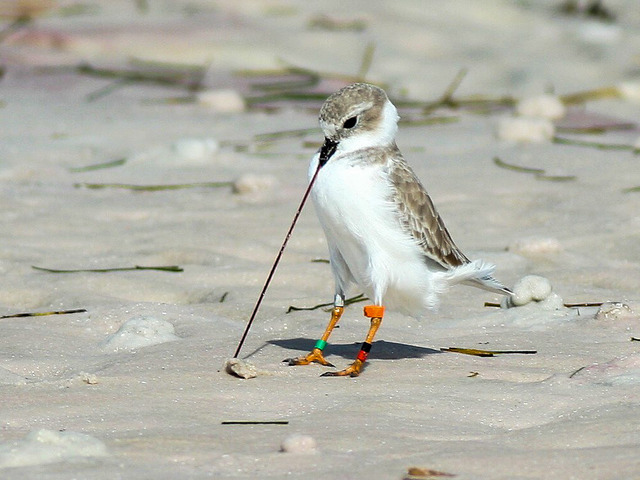
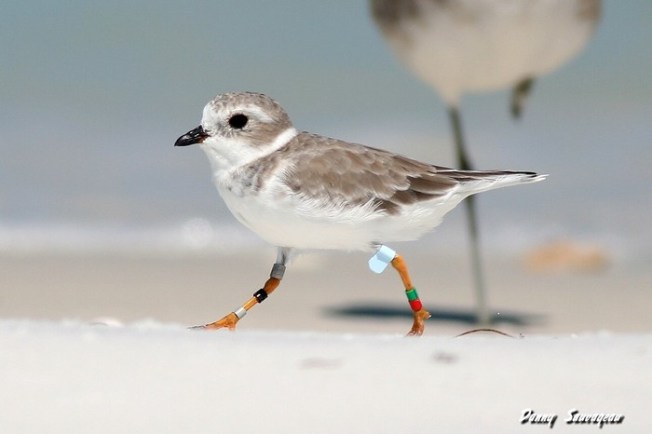
The PIPL in this post all have two things in common. The wonderful photos are all taken by Danny Sauvageau; and all of the birds are differently ringed, reflecting their various summer habitats. So this brings me to Danny’s Kickstarter project “Saving Endangered Piping Plovers through Photography”. He has put together a superb presentation explaining his project, and how his photography in prime PIPL resting areas during their migrations back and forth can help to map and complete the picture of this vulnerable species to enable their protection.

You can reach Danny’s film by clicking the link DANNY’S FILM (there’s no obligation to go further and contribute) and you will see some fabulous footage of these little birds scuttling around on the beach, looking enchanting; and the commentary will explain the importance of the the birds and the research into their conservation.

RELATED POSTS

RARE GEMS: PIPL ON ABACO 1

“GIVE PEEPS A CHANCE ” (I know, I know…)

Credits: All photos, Danny Sauvageau; Videos – Audbon, Conch Salad TV, Ricky Johnson, Danny Sauvageau; Tip of the Hat, Paul Simon

Piping-Plover Artmagenta          Piping-Plover Artmagenta          Piping-Plover Artmagenta          Piping-Plover Artmagenta          Piping-Plover Artmagenta          Piping-Plover Artmagenta

Unknown's avatar

FORK-TAILED FLYCATCHER: ANOTHER NEW SPECIES FOR ABACO


Rogier Klappe Wiki Tyrannus_savana_-Colombia-8

FORK-TAILED FLYCATCHER: ANOTHER NEW SPECIES FOR ABACO

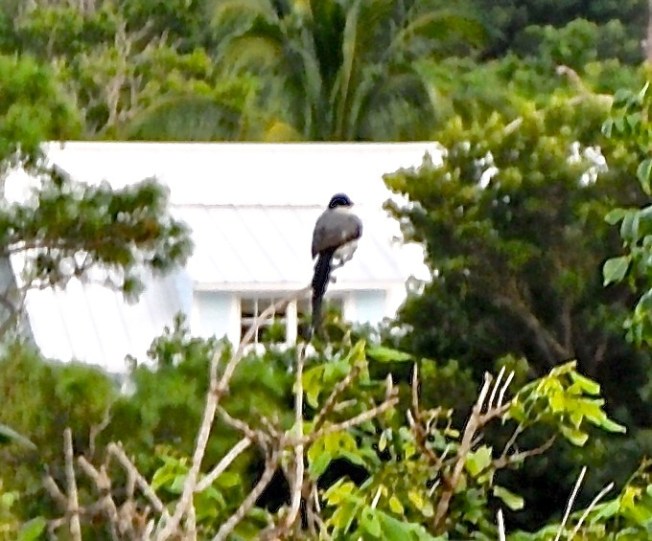
Following the flurry of reports and photos in June of Black-bellied Whistling Ducks on Abaco – a species never recorded here before – comes a new ‘first bird’: the Fork-Tailed Flycatcher Tyrannus savant. On September 24 Shirley Cartwright saw an unusual bird with a long dark tail and managed to get a photo of it of sufficient quality for a certain identification to be made. Never mind the photo detail, the fact that Shirley saw the bird and was able to obtain photographic confirmation is the thing. So here is the first-ever Fork-tailed Flycatcher for Abaco – and only the third for the Bahamas  (previous ones seen on New Providence and Great Inagua).

Fork-Tailed Flycatcher Tyrannus savant, Abaco (Shirley Cartwright)

I did a little brightening and clarifying of the original image, and also tried a cropFork-tailed Flycatcher, Abaco (Shirley Cartwright)

Tony White, the well-known authority on Bahamas birds, sent me the image with some information about this bird’s usual range:

“This is an interesting species as the race found in eastern US is South American and highly migratory. It breeds in Chile and Argentina. It is a frequent vagrant to USA, well over 100 records, and has appeared as far north as Nunavut, Canada. In the Austral fall (our spring) it migrates north and winters in Northern South America. Birds that appear in the USA at that time are considered overshoots. Birds that appear in our fall (Austral spring) are believed to be mostly first year birds that winter in northern South America and then fly a mirror image from the proper direction heading north instead of south. Unfortunately, the photos of the Abaco bird are not close enough to tell whether it was a young one or not. Field guides say young birds have shorter tails, but in fact there is considerable overlap in tail lengths between females and young. I strongly recommend a paper by McCaskie and Patton on this species in Western Birds 1994 Vol 25, No 3, pp 113=127. It can be found on SORA (Searchable Ornithological Research Archives).”

Treading carefully through a copyright minefield, I have dug out some illustrative images of this flycatcher, shown below. It belongs to the group known as tyrant flycatchers, which includes the kingbirds that are familiar on Abaco.

Fork-tailed flycatcher(Reynaldo wiki) Tesourinha_REFON

This first range map (Cornell Neotropical) shows the FTFs’ typical, largely subequatorial rangeRange Map Cornell (Neotropical) jpg

However this ‘overshoot’ range map (Audubon) reflects the fact that overshoots occur almost annually in the eastern United States seaboard and even as far north as Canada. To see these birds photographed in Connecticut (10000birds.com), click HEREGiven that the whole Florida coast is included, it’s perhaps not surprising that sooner or later the odd bird would misdirect to the northern Bahamas.fork-tailed flycatcher

This example of the species is taken from the Crossley ID Guide to Eastern Birds (open source) . The bird in the centre with the long tail is clearly a male; I imagine the mature-looking one on the left is a female; and the one on the right with the comparatively stumpy tail, a juvenile.

Fork_Tailed_Flycatcher_From_The_Crossley_ID_Guide_Eastern_Birds

It’s sometimes instructive to discover how John James Audubon saw a particular bird, so here is his FWF. While the bird is undeniably beautiful, I am not too certain of its proportion in relation to the size of the blossom. But then again, it seems to me that he didn’t always struggle for exactitude, preferring a broader, more relaxed approach to depict the birds as he saw them – and not afraid to exaggerate a characteristic for effect.

NEW INFO Woody Bracey has contacted me to point out that the male in the image above “is actually a pale mantled manachus subspecies from Central America, not the darker savana nominate subspecies from South America which Shirley photographed”. Which explains the colour difference.

640px-168_Fork-tailed_Flycatcher

ESSENTIAL FUN FACT

The fork-tailed flycatcher has the longest tail relative to body size of any bird on earth (trails.com)

As the name suggests, this species feeds mainly on insects, although in winter it may also eat berries and the like. They will often perch on wires of fence posts. I’ve no idea if they ‘hawk’ for flies on the wing, but if so the sight of a male feeding must be wonderful. Here is an example of their song

[audio http://www.xeno-canto.org/sounds/uploaded/DGVLLRYDXS/TYRSAV06.mp3] Jeremy Minns / Xeno-Canto

        Tyrannus_savanna-Fork-tailed_Flycatcher Hector Bottai wikimedia

To see a gallery of FWF photos on the excellent birding resource Oiseaux.net, click on the logo oiseaux

 RELATED POSTS
BLACK-BELLIED WHISTLING DUCK A new species for Abaco (June 2014)
BLACK-BROWED ALBATROSS New species, June 2013
Credits: Shirley Cartwright, Rogier Klappe, Tony White, ‘Reynaldo’, Cornell, Audubon, Crossley, Xeno-Canto,  Hector Bottai
Unknown's avatar

WTF? (WHAT’S THAT FISH?) 2: STRANGE BAHAMAS REEF FISH


Scorpionfish Close-up ©Melinda Riger @GBS copy

WTF? (WHAT’S THAT FISH?) 2: STRANGE BAHAMAS REEF FISH

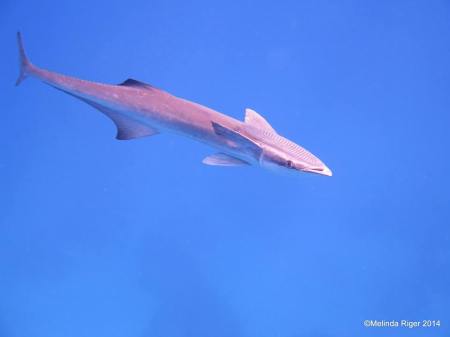
WTF 1 concerned the REMORA, the upside-down looking fish with the trainer-sole sucker on its head with which it attaches itself to sharks and other large undersea creatures. If you’ve ever seen a picture of a shark with one or more grey passengers hitching a ride, those are these.

Remora ©Melinda Riger @ GB Scuba

WTF 2 features some creatures found in the reef waters of the Bahamas that make you wonder just how and why they are as they are. They look unnecessarily complicated, and the design is somewhat outlandish. See what you think of these…

BURRFISH

Burrfish ©Melinda Riger @ G B Scuba

SLIPPER LOBSTER

Slipper Lobster ©Melinda Riger @ GB Scub.

SCORPIONFISH (& header image) camouflaged against coralScorpionfish camouflaged against coral ©Melinda Riger copy

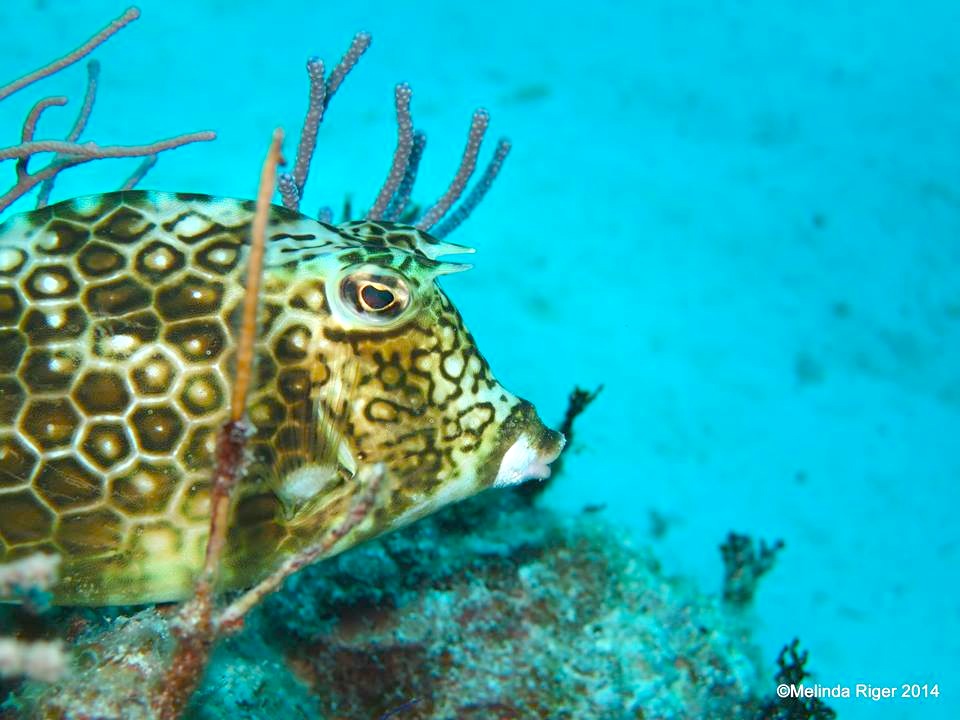
COWFISH

Cowfish ©Melinda Riger @ GB Scuba   Cowfish 2 ©Melinda Riger @ Grand Bahama Scuba copy

TRUNKFISH

Trunkfish ©Melinda Riger @GBS copy 3

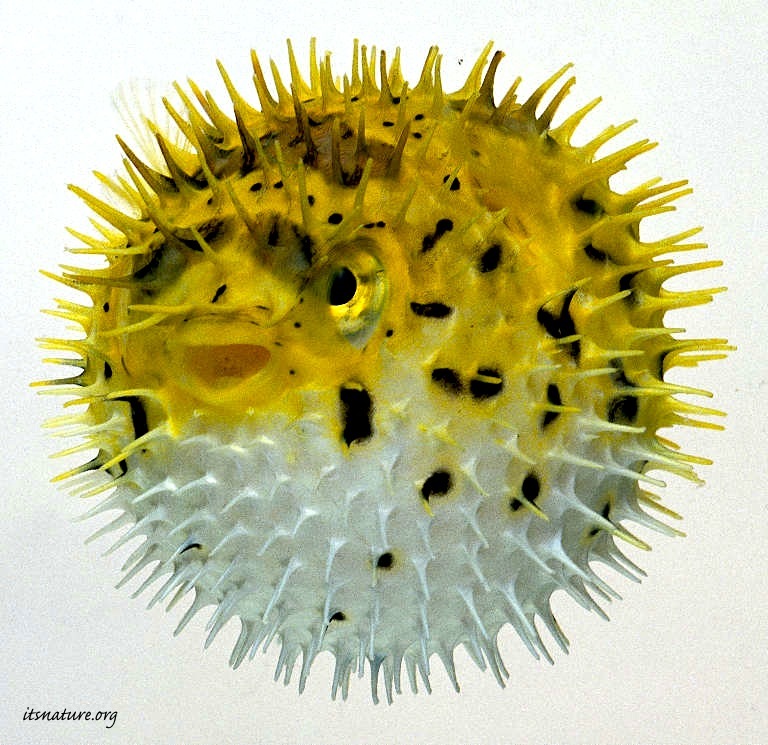
PORCUPINE FISH 

“Watch this…”Porcupine Fish (Virginia Cooper via G B Suba)

“Ta Daaaaaa”porcupine-fish

 AIRPLANEFISH*

Airplane remains ©Melinda Riger @ GB Scuba

*Well, it’s really airplane wreckage. Besides a few other planes and a variety of ships that can be explored underwater, there are also two locomotives in Abaco waters that “fell off” a ship while being transported. Now recreate in your mind the subsequent conversation with an insurance company…

APOLOGIES Header image repeated to sort out FB visuals problem that’s driving me nutsScorpionfish Close-up ©Melinda Riger @GBS copy

Credits: Melinda Riger, Grand Bahama Scuba;Virginia Cooper;  itsnature.org

Unknown's avatar

ABACO WARBLERS: A COMPLETE PDF GUIDE FOR TABLET & PHONE


Black & White Warbler, Abaco - Bruce Hallett

ABACO WARBLERS: A COMPLETE PDF GUIDE

Yesterday I posted a complete guide to Abaco’s 37 warblers. A few people said nice things about it. Two people spotted a mistake (my bad!), now corrected. It has now occurred to me that it might be helpful to reduce the contents to a shorter PDF so as to make the guide more handy – plus you will be able to print it out. If you click the link below, you can save the 1.6 mb ‘booklet’ onto your computer desktop / iPad / tablet / etc. You can email it to your phone and save it there. For an iPhone, you have the option to have a ‘quick check’. I you want to keep it, you can ‘cloud’ it, or save it in various ways on the phone, for example to iBook or Kindle if you have the App. I expect other cellphone  types are much the same. I have road-tested the system, and it works! So if one sunny day you suspect you are looking at a Bay-breasted Warbler (highly unlikely, but possible) in that small bush over there… yes look, near the top on the left… no, on the long twig lower down… you can check it out. 

AN ILLUSTRATED GUIDE TO ABACO’S WARBLERS

Bahamas-Great Abaco_Prairie Warbler_Gerlinde Taurer

And here’s the thing. You have a camera in your hand to record the encounter. And if the little rascal is happily singing away, you can use you phone to record it, using a simple technique I have previously described – check out the link. 

HOW TO RECORD BIRDS ON A PHONE 

Prothonotary Warbler, Abaco - Craig Nash

Photos: Black & White Warbler, Bruce Hallett; Prairie Warbler, Gerlinde Taurer; Female Prothonotary Warbler, Craig Nash

Unknown's avatar

AN ILLUSTRATED GUIDE TO ABACO’S 37 WARBLER SPECIES


Yellow-throated Warbler, Abaco - Bruce Hallett

Yellow-throated Warbler, Abaco

AN ILLUSTRATED GUIDE TO ABACO’S 37 WARBLER SPECIES

The winter warblers are arriving on Abaco right now, and a couple of people have already sent me ID queries. Until a couple of years ago, I lazily believed all of the warblers were near identical, differing only in their extent of yellowness. Not so. I know better now. Their arrival now has prompted me to devise a general guide to all the various warblers, so that the great diversity can be appreciated. The photos that follow show an example of each warbler, where possible (1) male (2) in breeding plumage and (3) taken on Abaco. Where I had no Abaco images – especially with the transients – I have used other mainstream birding resources and Wiki. All due credits at the foot of the post.

Abaco has 37 warbler species recorded for the main island and cays. They fall into 3 categories: 5 permanent residents (PR) that breed on Abaco (B), of which two are endemics; 21 winter residents (WR) ranging from ‘everyday’ species to rarities such as the Kirtland’s Warbler; and 11 transients, most of which you will be lucky to encounter. The codes given for each bird show the residence status and also the likelihood of seeing each species in its season, rated from 1 (very likely) to 5 (extreme rarities, maybe only recorded once or twice).

Yellow Warbler at sunrise.Abaco Bahamas.6.13.Tom Sheley copy copy

PERMANENT RESIDENTS

BAHAMA YELLOWTHROAT Geothlypis rostrata PR B 1  ENDEMIC

Bahama Yellowthroat, Abaco - Tom Reed

YELLOW WARBLER Setophaga petechia PR B 1 

Yellow Warbler, Abaco Bahamas.6.13.Tom Sheley

OLIVE-CAPPED WARBLER Setophaga pityophila PR B 1 

Olive-capped Warbler, Abaco - Bruce Hallett

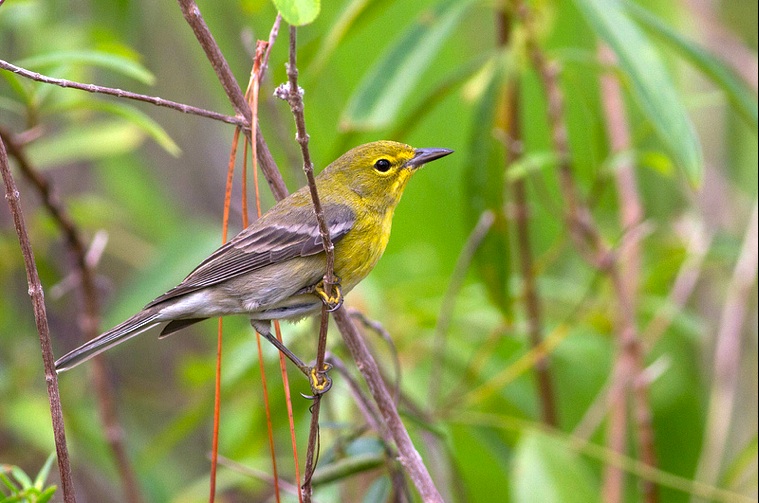
PINE WARBLER Setophaga pinus PR B 1 

Pine Warbler, Abaco - Tom Reed

BAHAMA WARBLER Setophaga flavescens PR B 1 ENDEMIC

Bahama Warbler, Abaco - Alex Hughes

Yellow Warbler at sunrise.Abaco Bahamas.6.13.Tom Sheley copy copy

WINTER RESIDENTS  (COMMON)

OVENBIRD Seiurus aurocapilla WR 1 

OVENBIRD_Bahamas-Great Abaco_6639_Ovenbird_Gerlinde Taurer 2

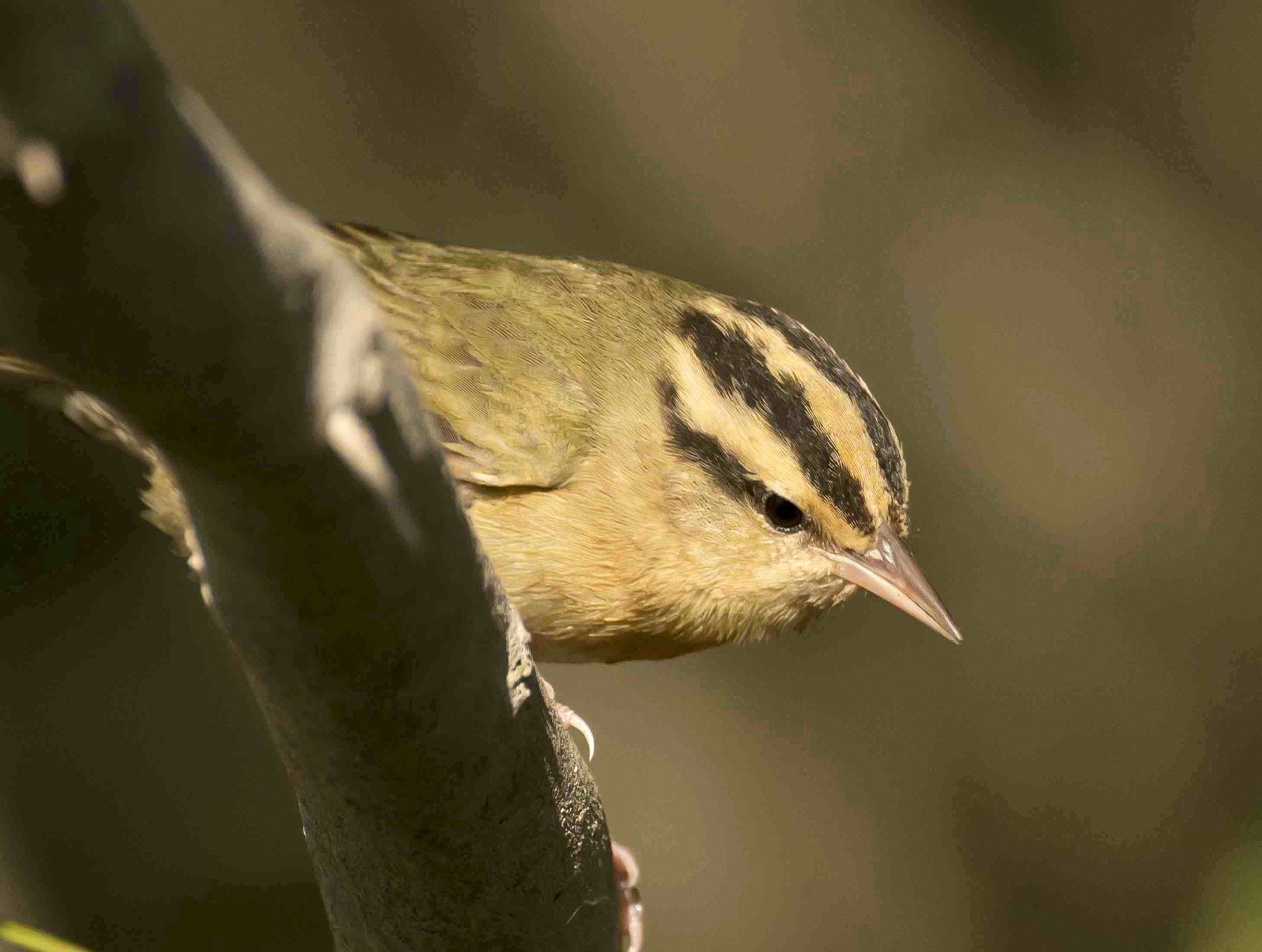
WORM-EATING WARBLER Helmitheros vermivorum WR 2 

Worm-eating Warbler.Bahama Palm Shores.Abaco Bahamas.Tom Sheley

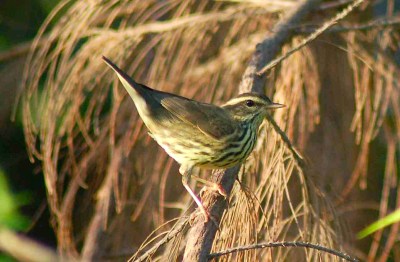
NORTHERN WATERTHRUSH  Parkesia noveboracensis WR 1 

BAHAMAS - Northern Waterthrush - Oct 2010 Becky Marvil

BLACK-AND-WHITE WARBLER Mniotilta varia WR 2 

Black & White Warbler, Abaco - Bruce Hallett

COMMON YELLOWTHROAT Geothlypis trichas WR 1 

Common Yellowthroat.Gilpin Pond.Abaco Bahamas.Tom Sheley copy

AMERICAN REDSTART  Setophaga ruticilla WR 1 

Bahamas-Great Abaco_6334_American Redstart_Gerlinde Taurer copy

CAPE MAY WARBLER Setophaga tigrina WR 1 

Cape May Warbler (m), Abaco - Bruce Hallett

NORTHERN PARULA Setophaga americana WR 1 

Northern Parula, Abaco - Woody Bracey

BLACK-THROATED BLUE WARBLER Setophaga caerulescens WR 2 

Black-throated Blue Warbler (m), Abaco - Bruce Hallett

PALM WARBLER  Setophaga palmarum WR 1 

Palm Warbler, Abaco - Peter Mantle

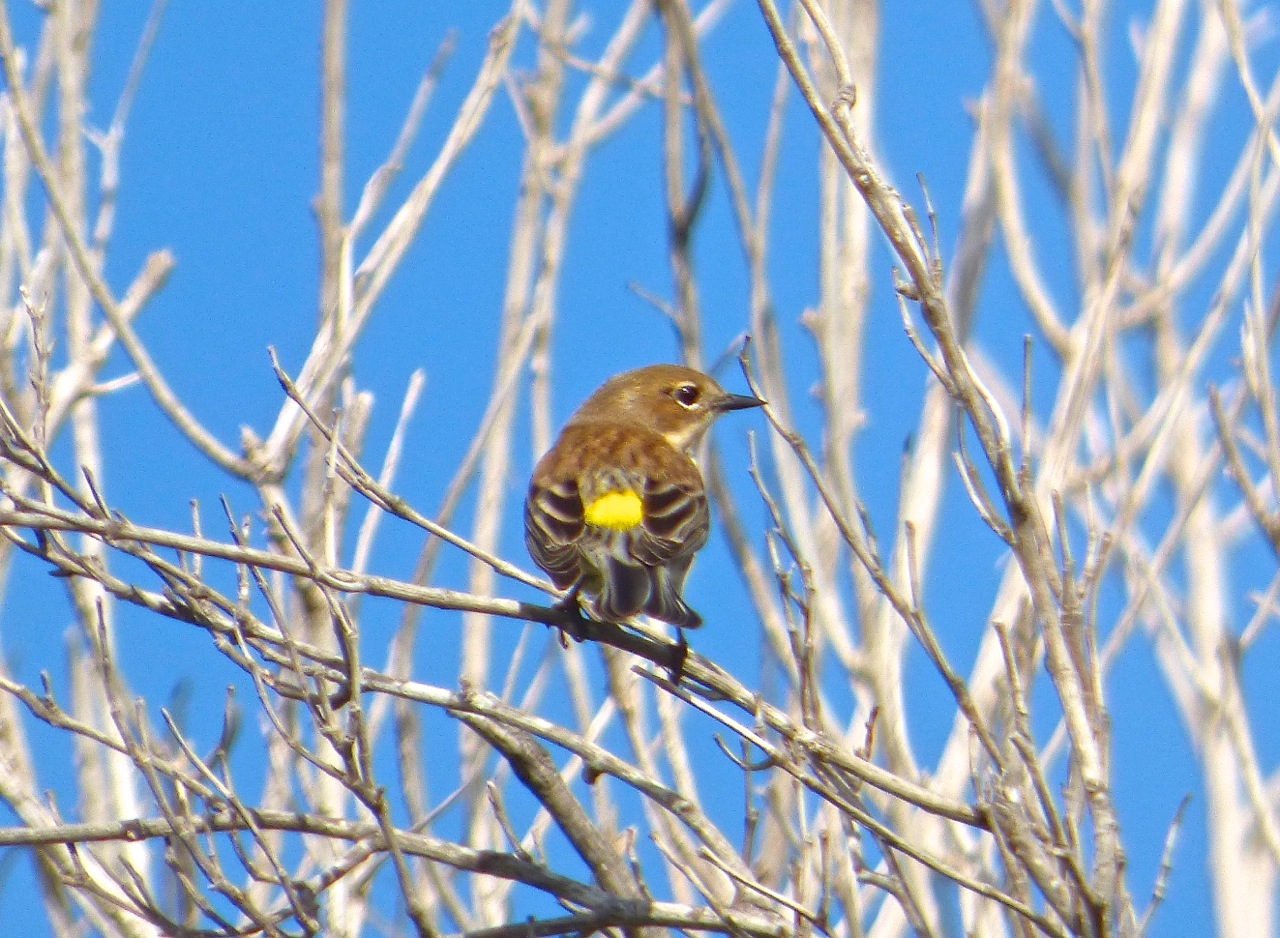
YELLOW-RUMPED WARBLER Setophaga coronata WR 2 

Yellow-rumped Warbler, Abaco - Keith Salvesen (RH)

YELLOW-THROATED WARBLER Setophaga dominica WR 1 

Yellow-throated Warbler, Abaco - Bruce Hallett

PRAIRIE WARBLER Setophaga discolor WR 1 

Bahamas-Great Abaco_6609_Prairie Warbler_Gerlinde Taurer copy 2

Yellow Warbler at sunrise.Abaco Bahamas.6.13.Tom Sheley copy copy

 WINTER RESIDENTS  (UNCOMMON TO RARE)

LOUISIANA WATERTHRUSH Parkesia motacilla WR 3 

Louisiana waterthrush William H. Majoros WIKI

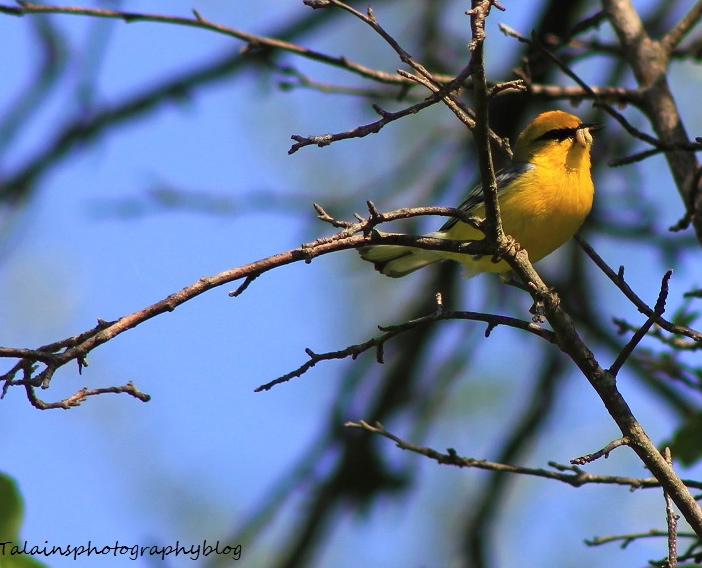
BLUE-WINGED WARBLER Vermivora cyanoptera WR 3

Blue-winged Warbler, Abaco (Becky Marvil)

Blue-winged Warbler. talainsphotographyblog

SWAINSON’S WARBLER  Limnothlypis swainsonii WR 4 

Swainson's Warbler, Abaco - Bruce Hallett

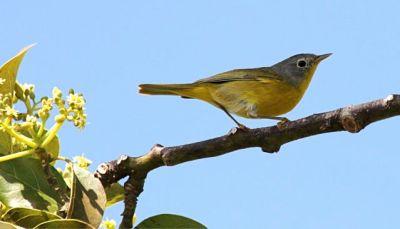
NASHVILLE WARBLER Oreothlypis ruficapilla WR 4 

Nashville Warbler, Abaco - Bruce Hallett

HOODED WARBLER Setophaga citrina WR 3 

Hooded Warbler, Abaco (Charmaine Albury)

KIRTLAND’S WARBLER Setophaga kirtlandii WR 4 

Kirtland's Warbler (m), Abaco - Woody Bracey

MAGNOLIA WARBLER Setophaga magnolia WR 3 

Magnolia warbler, Abaco - Craig Nash

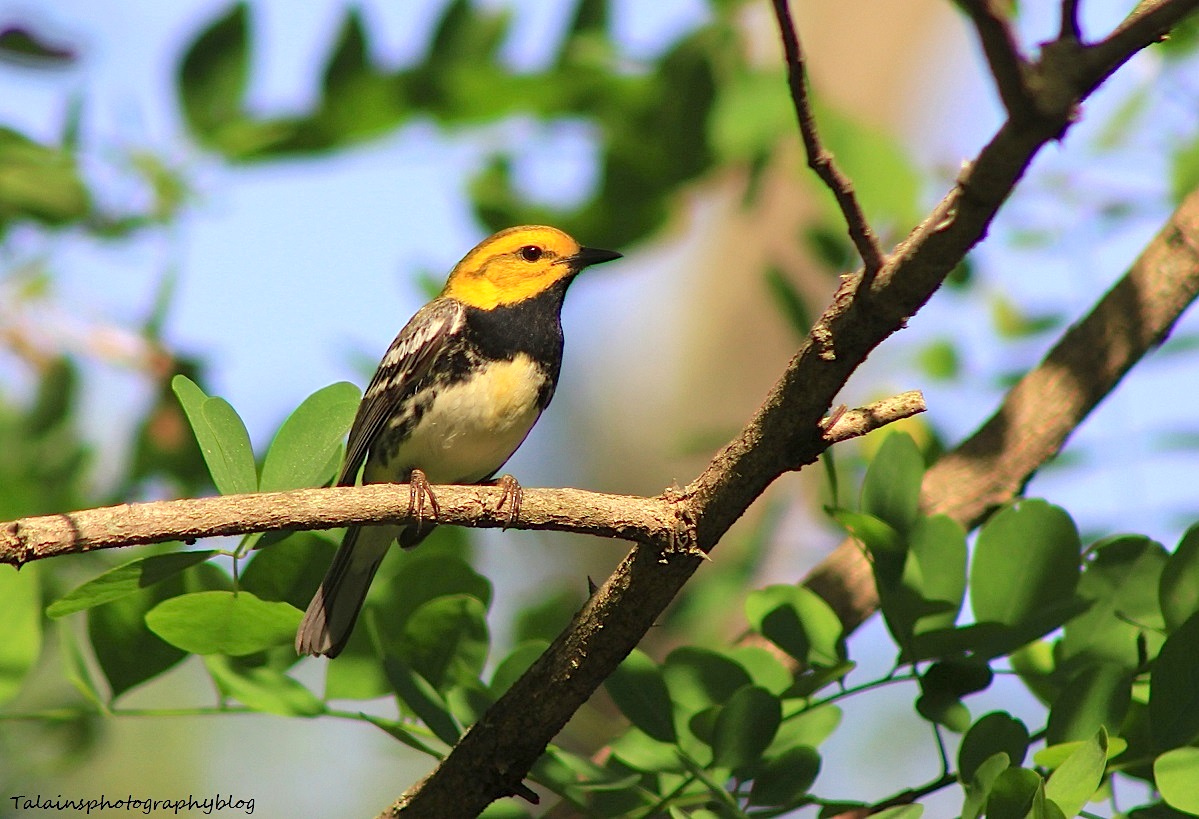
BLACK-THROATED GREEN WARBLER Setophaga virens WR 3 

Black-throated Green Warbler - talainsphotographyblog

Yellow Warbler at sunrise.Abaco Bahamas.6.13.Tom Sheley copy copy

TRANSIENTS

PROTHONOTARY WARBLER Protonotaria citrea TR 3 

Prothonotary Warbler, Abaco - Ann Capling

TENNESSEE WARBLER Oreothlypis peregrina TR 4 

Tennessee Warbler Jerry Oldenettel Wiki

ORANGE-CROWNED WARBLER  Oreothlypis celata TR 4 

Orange-crowned Warbler dominic sherony wiki

CONNECTICUT WARBLER Oporonis agilis TR 4 

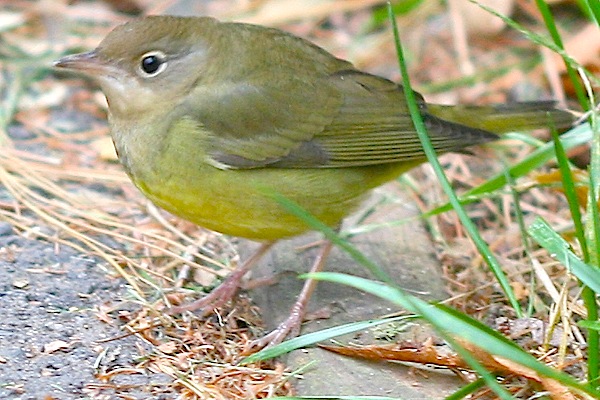
Connecticut Warbler Central Park NYC 10000birds.com

KENTUCKY WARBLER Geothlypis formosa TR 4 

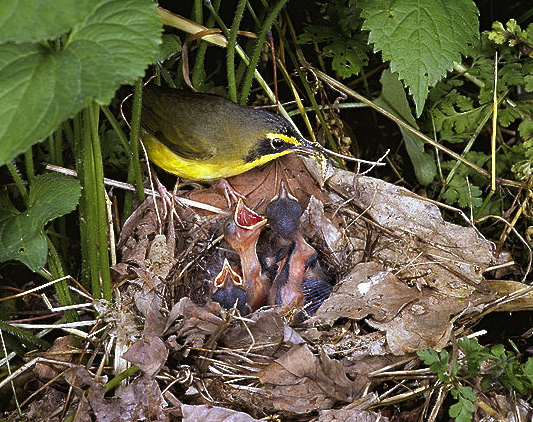
Kentucky_Warbler Steve Maslowski wiki - Version 2

BAY-BREASTED WARBLER Setophaga castanea TR 4 

Bay-breated warbler MDF Wiki

BLACKBURNIAN WARBLER Setophaga fusca TR 4

Blackburnian Warbler Mdf wiki

CHESTNUT-SIDED WARBLER Setophaga pensylvanica TR 4

Chestnut-sided Warbler talainsphotographyblog - Version 2

BLACKPOLL WARBLER Setophaga striata TR 3 

Blackpoll Warbler avibirds.com

WILSON’S WARBLER Cardellina pusilla TR 4 

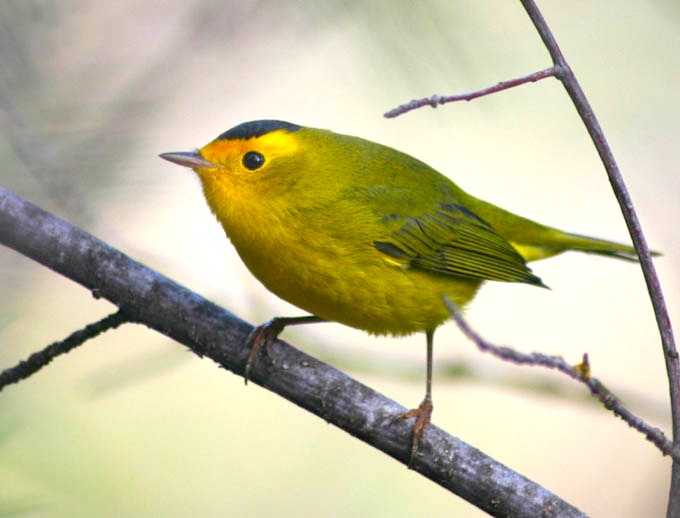
Wilson's Warbler Michael Woodruff wiki

YELLOW-BREASTED CHAT Icteria virens TR 4 

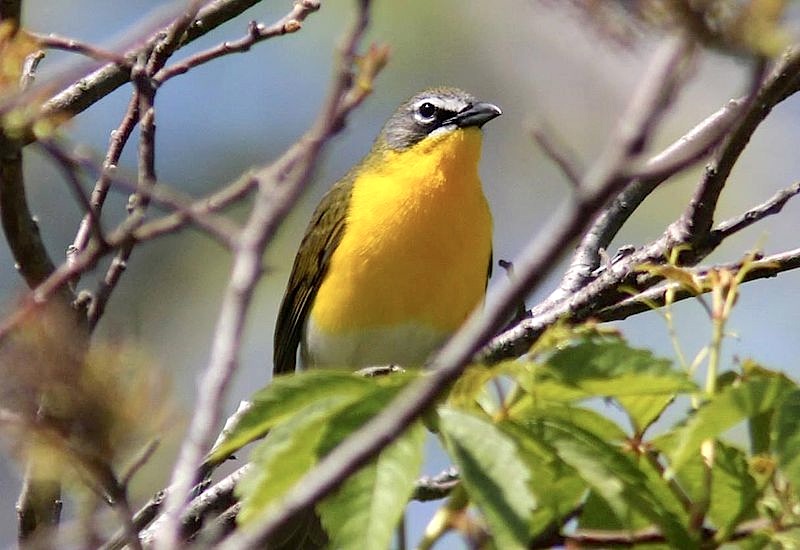
Yellow-breasted Chat Emily Willoughby wiki

PHOTO CREDITS (1 – 37) Bruce Hallett (Header, 3, 9, 12, 14, 17, 21, 22); Tom Reed (1, 4); Tom Sheley (2, 7, 10); Alex Hughes (5); Gerlinde Taurer (6, 11, 18);  Becky Marvil (8, 20a); Woody Bracey (13, 24); Peter Mantle (15); RH (16); William H. Majoros wiki (19); talainsphotographyblog (20b, 26, 34); Charmaine Albury (23); Craig Nash (25); Ann Capling (27); Jerry Oldenettel wiki (28); Dominic Sherony wiki (29); 10000birds (30); Steve Maslowski wiki (31);  MDF wiki (32, 33); Avibirds (35); Michael Woodruff wiki (36); Emily Willoughby wiki (37)

CHECKLIST based on the complete checklist and codes for Abaco devised by Tony White with Woody Bracey for “THE DELPHI CLUB GUIDE TO THE BIRDS OF ABACO” by Keith Salvesen

Unknown's avatar

BANANAQUITS ON ABACO: CHEERY VANQUISHERS OF GLOOM


Bananaquit, Abaco - Bruce Hallett

BANANAQUITS ON ABACO: CHEERY VANQUISHERS OF GLOOM

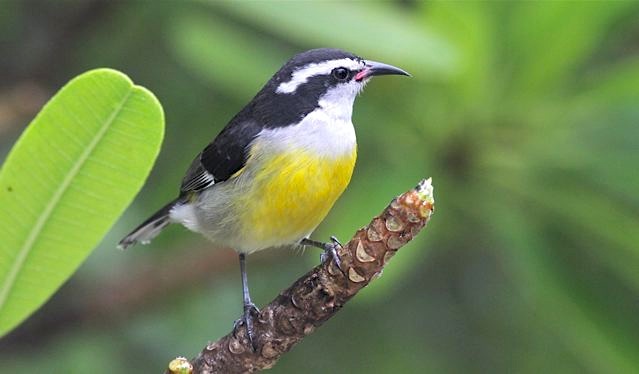
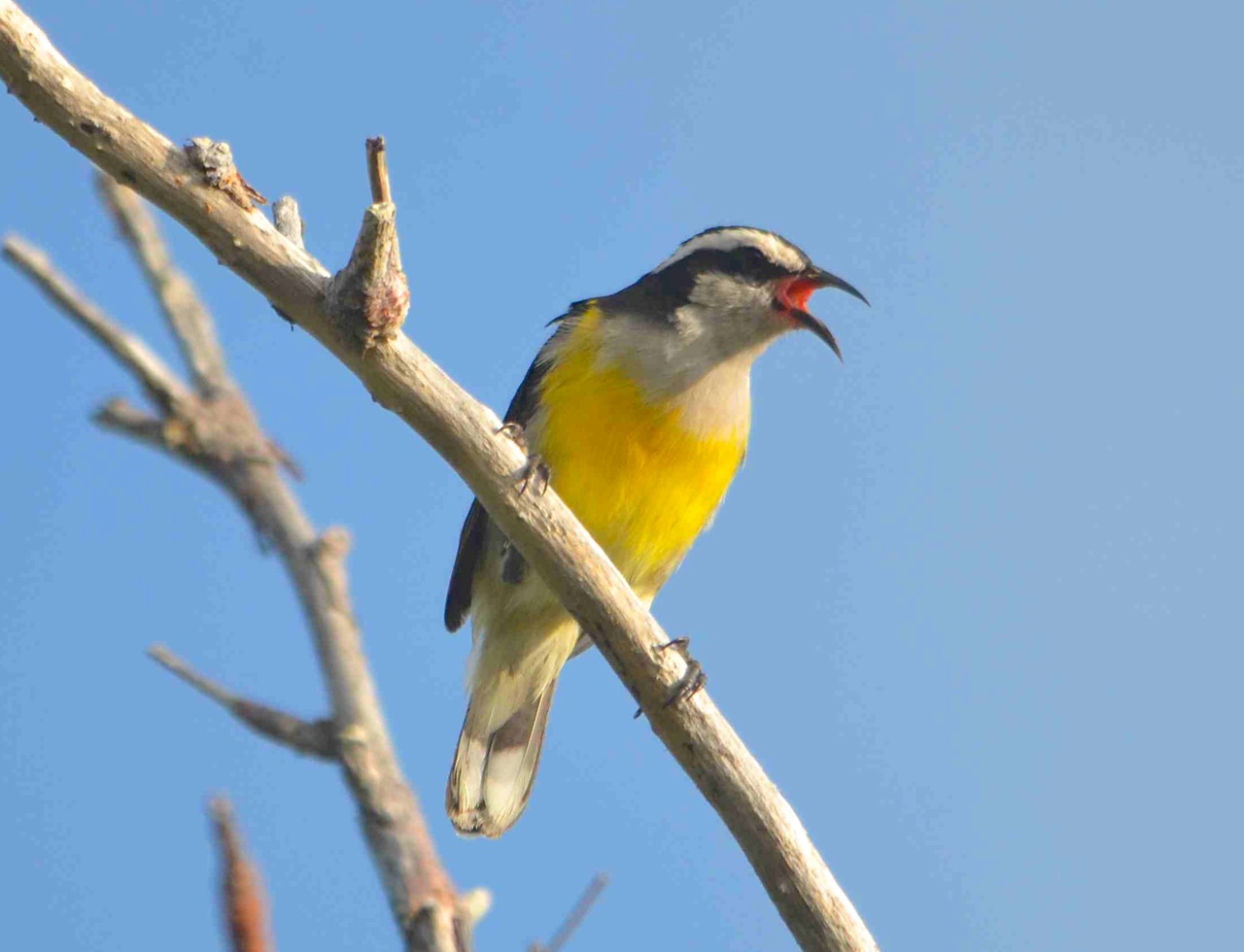
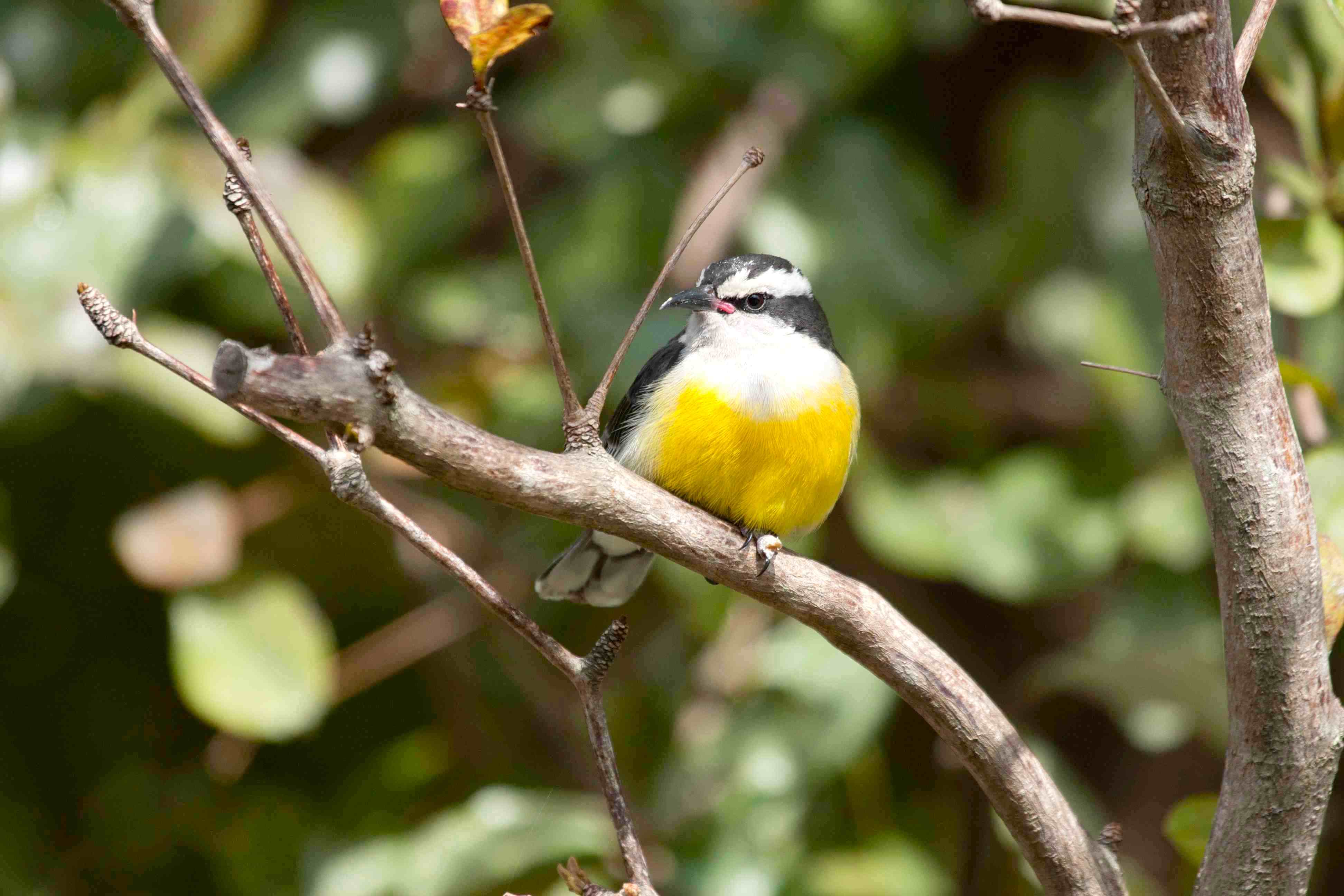
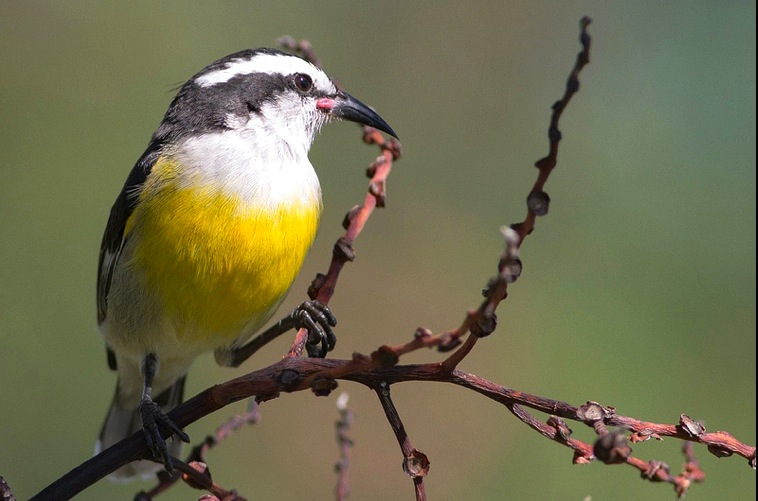
I’d been planning a post about marine debris and its dire effects on the natural world. Some images I proposed to use are distressing, and some simply suggest how futile it is to try to prevent mankind chucking harmful and semi-permanent rubbish into the sea. Depressing. A gyre of upset. Add in new military interventions without limitation and suddenly I longed for something more cheerful. Checking through a folder of photos of Bananaquits helped to stave of the gloom, so I picked out a few images of this lovely small bird taken by 9 photographers. 

Bananaquit, Abaco - Craig NashBananaquit & palm, Delphi, Abaco, Bahamas 2 (Keith Salvesen)Bananaquit, Treasure Cay, Abaco - Becky MarvilBananaquit, Bahamas, Great Abaco - Gerlinde TaurerBananaquit, Abaco - Bruce HallettBananaquit, Abaco - Charlie Skinner Bananaquit, Abaco - Erik Gauger Bananaquit, Abaco - Tom Reed Bananaquit, Abaco - Peter Mantle

Credits: Bruce Hallett, Craig Nash, Keith Salvesen, Becky Marvil, Gerlinde Taurer, Charlie Skinner, Erik Gauger, Tom Reed, Peter Mantle

Unknown's avatar

OWLS OF ABACO (2): BURROWING OWLS – RARE VISITORS


Burrowing Owl 1

OWLS OF ABACO (2): BURROWING OWLS – RARE VISITORS

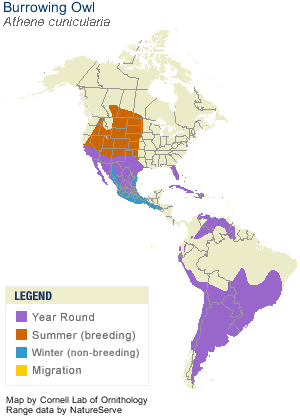
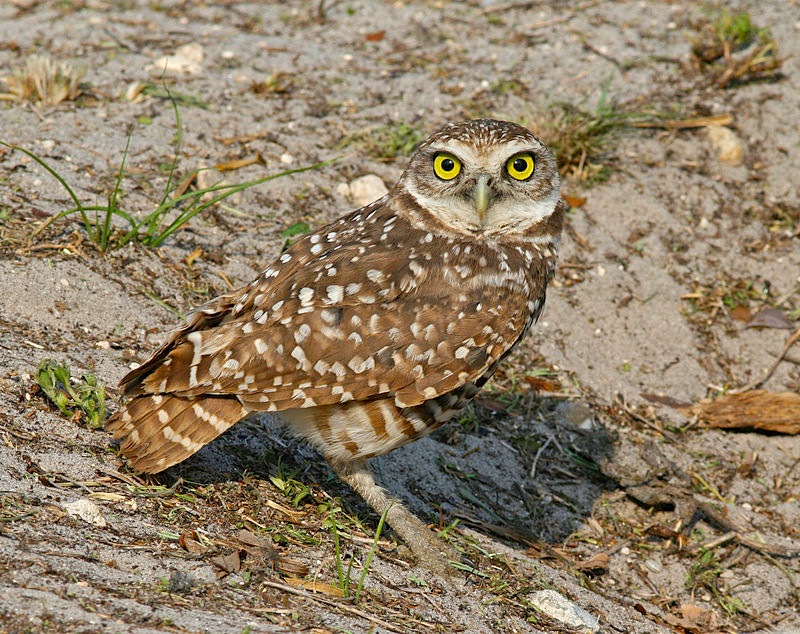
The Burrowing Owl Athene cunicularia is a small owl found in the open landscapes of North and South America. Their natural habitat is in grasslands, agricultural areas, and other open dry areas with low vegetation – even deserts. They nest and roost in burrows. Unlike most owls, Burrowing Owls are often active during the day, though they do most of their hunting from dusk until dawn when they can make use of their excellent night vision and acute hearing. 

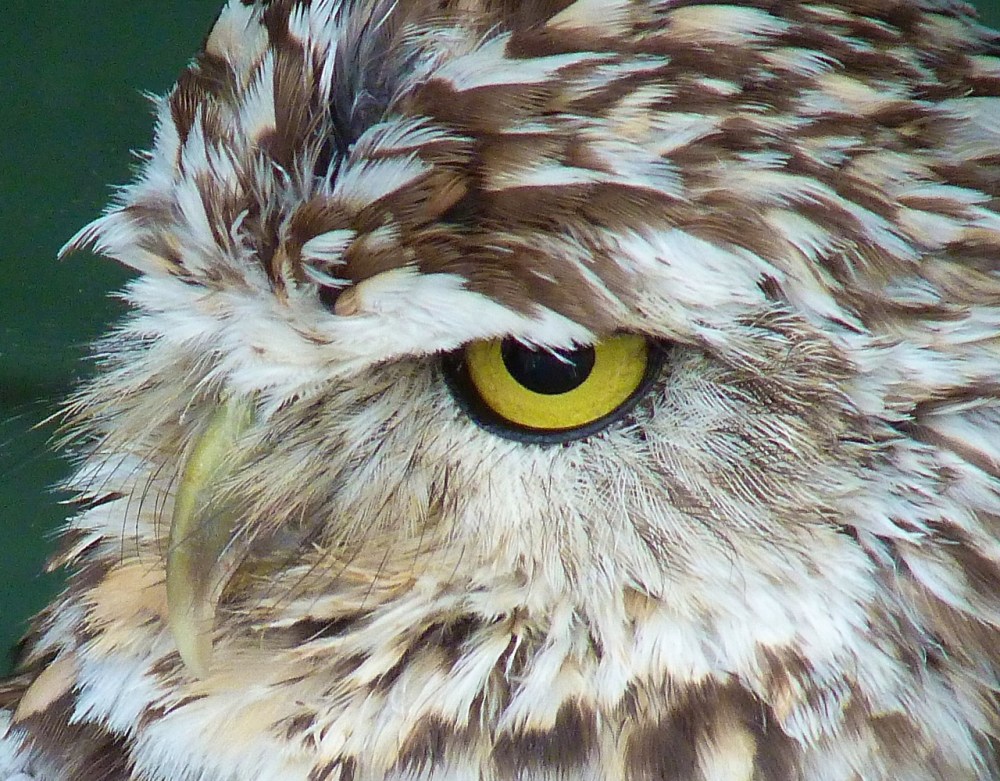
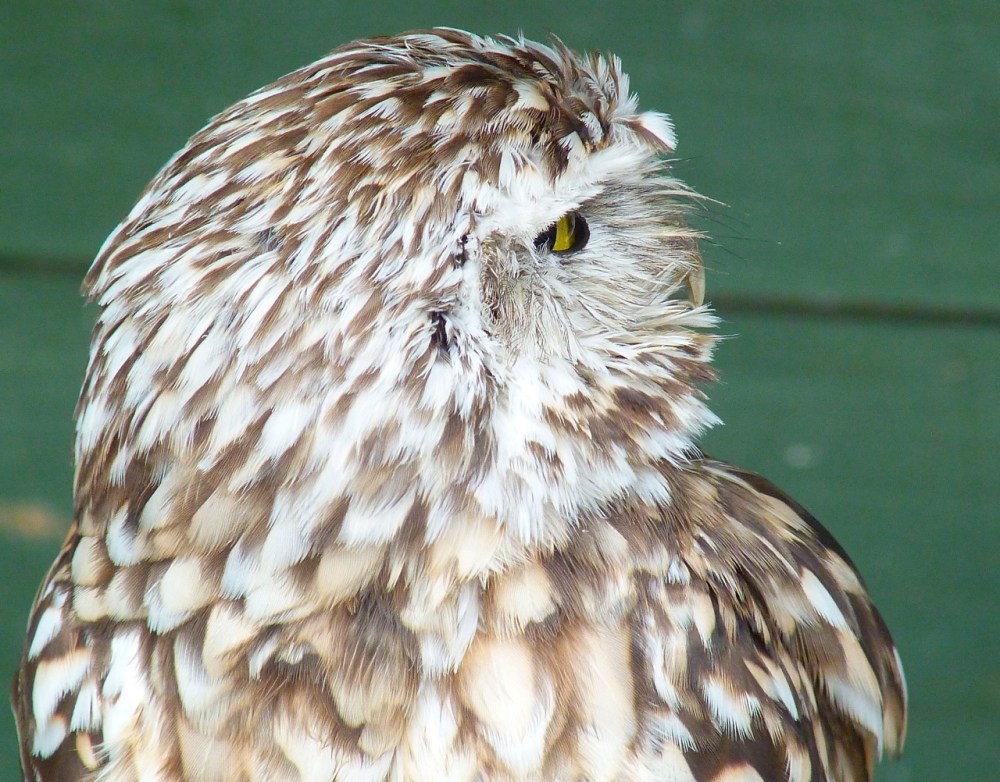
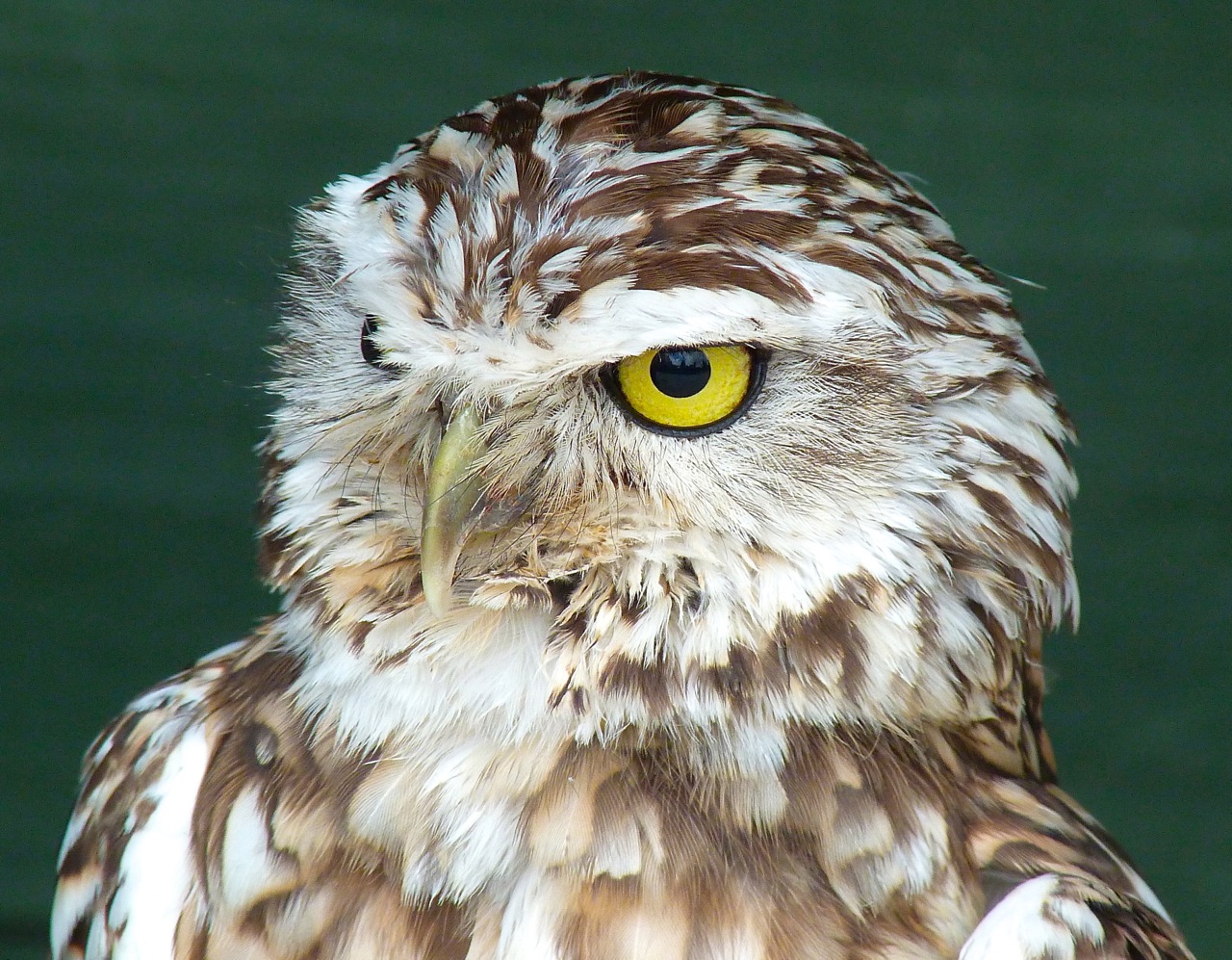
On Abaco, this little owl is a rare vagrant, presumably visiting from Florida which has the nearest resident population. There have been few reported sightings; and for ‘The Birds of Abaco’ we were unable to locate a photo taken on Abaco. The main images featured here were taken by me of a rescue bird that is used in wonderful free-flying displays. As you can see, it is in prime condition. 

ABACO SIGHTINGS REPORTED SINCE THIS POST

STOP PRESS Sept 27 Alison Ball from Little Harbour, Abaco has kindly contacted me to say “I saw a burrowing owl sometime during the first week of October last year here in Little Harbour.  I was watching some parrots eating the berries in the top of a large ficus tree by the edge of the road, and suddenly realized that the owl was sitting on a lower branch of the same tree, right at my eye level and only about 8 feet away.  We stared at each other for at least a minute – plenty long enough to get a definite identification – then he flapped off into the woods.  It was about 8 a.m.” Any other reports of sightings would be very welcome.

STOP PRESS Nov 5 Keith Kemp, with his sharp-eyed daughter Emily (11), saw one at the side of the road near Cherokee after dusk – possibly the Little Harbour one? It was Emily – already a promising birder, I gather – who first said ‘…it’s a little owl – he’s so cute’. Spot-on, too, Emily. The only other candidate for Abaco, the Barn Owl, could not be described as ‘little’. 

STOP PRESS 2016 NEW POST Burrowing Owls on Elbow Cay HERE

RANGE MAP

athe_cuni_AllAm_map

Burrowing Owl 1a

In the next photos you can see the bulging eye lensesBurrowing Owl 5Burrowing Owl 2

A DOZEN QUICK BURROWING OWL FACTS FOR SHORT ATTENTION SPANS

  • They have spectacular eyebrows above their piercing yellow eyes
  • When hunting, they use a perch to spot prey, then swoop down on it; or ‘hawk’ for insects in flight
  • Their long legs enable them to chase prey on the ground when hunting in open terrain
  • Burrowing owls mainly eat large insects and small rodents and reptiles
  • Unlike other owls, they also eat fruits and seeds
  • When agitated or excited, they bob their heads
  • They are one of the few avian species that benefit from deforestation
  • The owls often return to the same burrow nest each year
  • A major cause of mortality is vehicle-strike as they cross roads
  • Prehistoric fossil remains have been found in the Bahamas, showing they were once resident
  • There are many subspecies including a Floridian one, where they are ‘of special concern’
  • Florida Atlantic University campus is a National Audubon Society designated burrowing owl sanctuary
Show us, I hear you ask, a burrowing owl in a typical burrow for which it is namedBurrowing Owl Alan Vernon Wikimedia

Burrowing Owls may get quickly fed up with being photographed…Burrowing Owl 6

“Oh, do stop. I’ve had enough of you”Burrowing Owl 8 Burrowing Owl 9

“Right. I can’t see you anymore. You are sooooo gone”Burrowing Owl 3

The Burrowing Owl featured in a 1991 Bahamas bird stamp seriesBurrowing Owl - Bahamas - Animal Vista

I rather like this woodcut by Andrea RichBurrowing Owls woodcut 1987 andrea rich.com

Burrowing_Owl_Florida (Tom Friedel Wiki)

If anyone has seen one of these little guys anywhere on Abaco, I’d love to know when and where… [Now see the 2 stop press sightings near the start of this post]

RELATED POSTS

Credits: RH, Alan Vernon & Tom Friedel Wiki, Andrea Rich, Cornell Lab, Defenders.org

Unknown's avatar

SHELL HOMES: HERMIT CRABS IN THE BAHAMAS


Hermit Crab ©Melinda Riger @ Grand Bahama Scuba

SHELL HOMES: HERMIT CRABS IN THE BAHAMAS

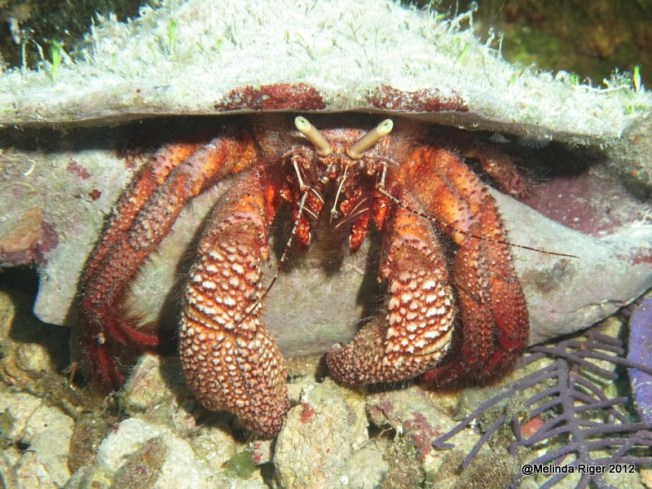
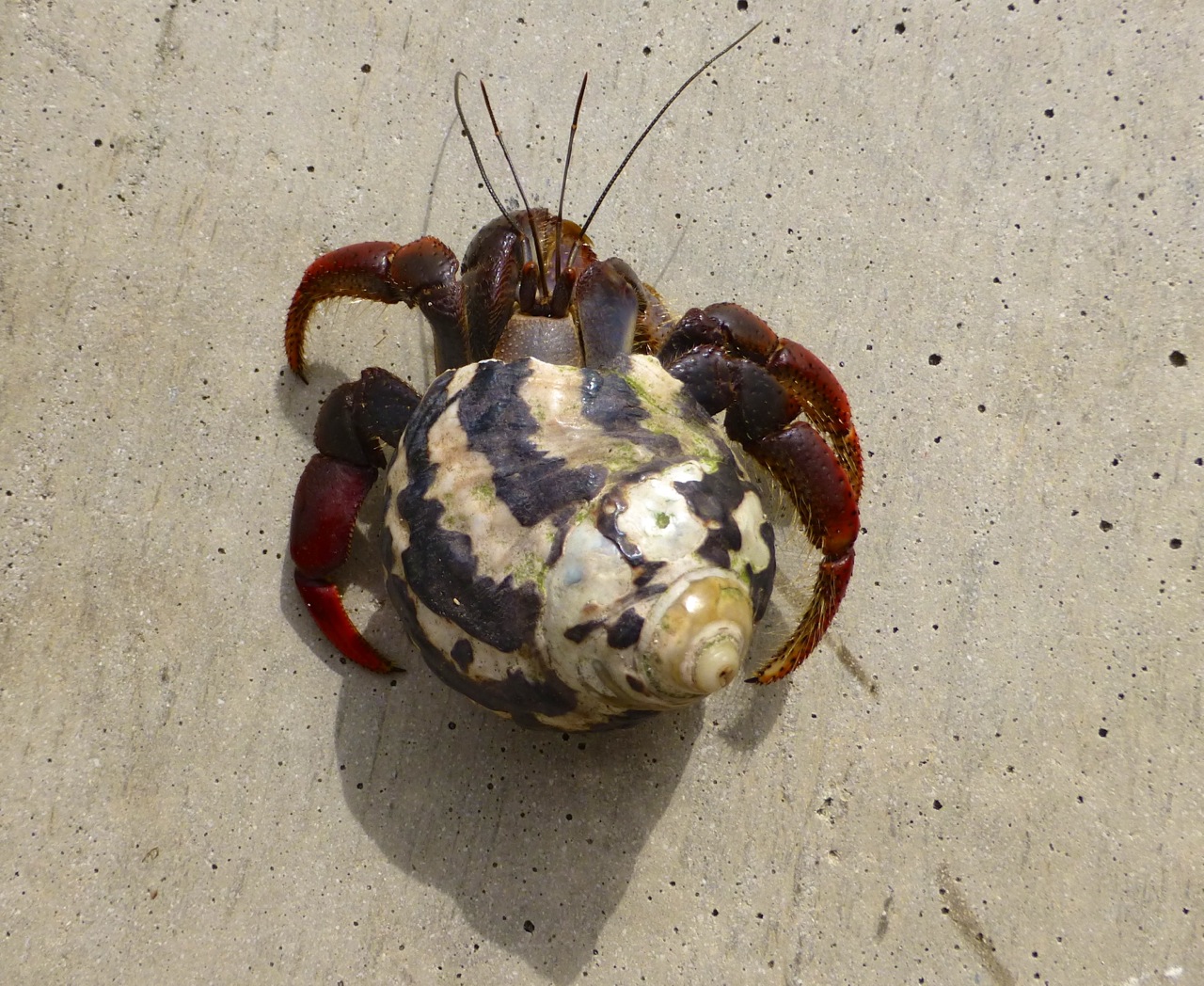
I’m feeling distinctly crabby right now. In a skilled move that would impress the Bahamas utility providers, the UK’s very own much-vaunted BT selected us for the privilege of being unplugged from the grid last week. From the time of reporting the problem, it has taken them 6 days to plug us back in. It’s a little reminder of the far more persistent Abaco experience! No landline, no wifi, no email for almost a week. To begin with, it was a light relief. After nearly a week, not funny anymore. Here are some nice crabs in conchs to celebrate getting back online while reflecting my crabby mood.Hermit Crab ©Melinda Riger @ G B Scuba Hermit Crab ©Melinda Riger @ GB Scuba copy Hermit Crab ©Melinda Riger @ GB ScubaFind out more about Hermit Crabs – in particular crab racing at Delphi and the intricate rules – here: WACKY RACES AT DELPHIHemit Crab, Delphi (Clare Latimer)

Hermit Crab in a conch ©Melinda Riger @ GB Scuba

Photo credits: all undersea shots – Melinda; potential crab race contestant – Clare

Unknown's avatar

ABACO PARROTS: A GALLERY OF GORGEOUS


'Over the Moon'

‘Over the Moon’

ABACO PARROTS: A GALLERY OF GORGEOUS

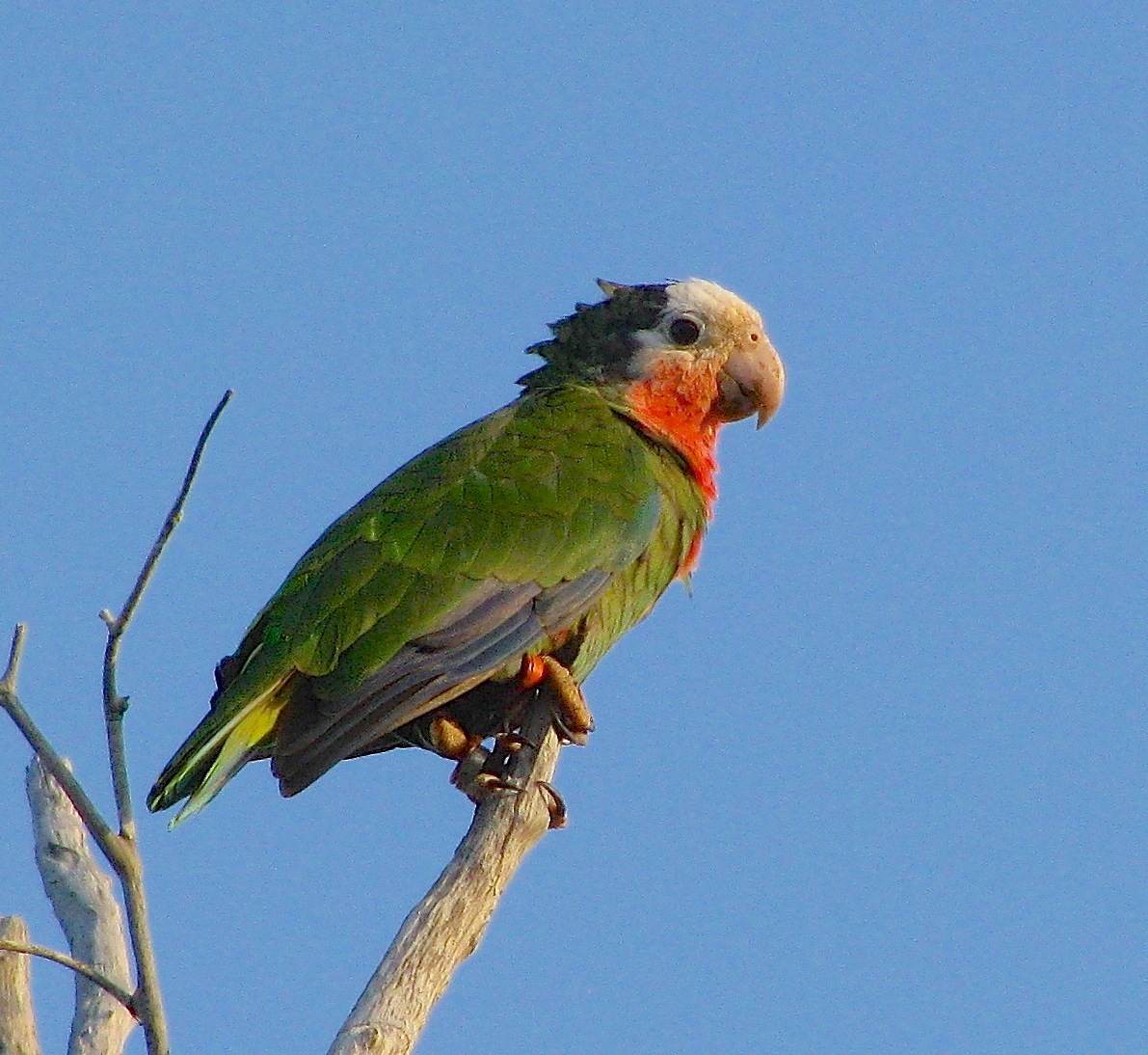
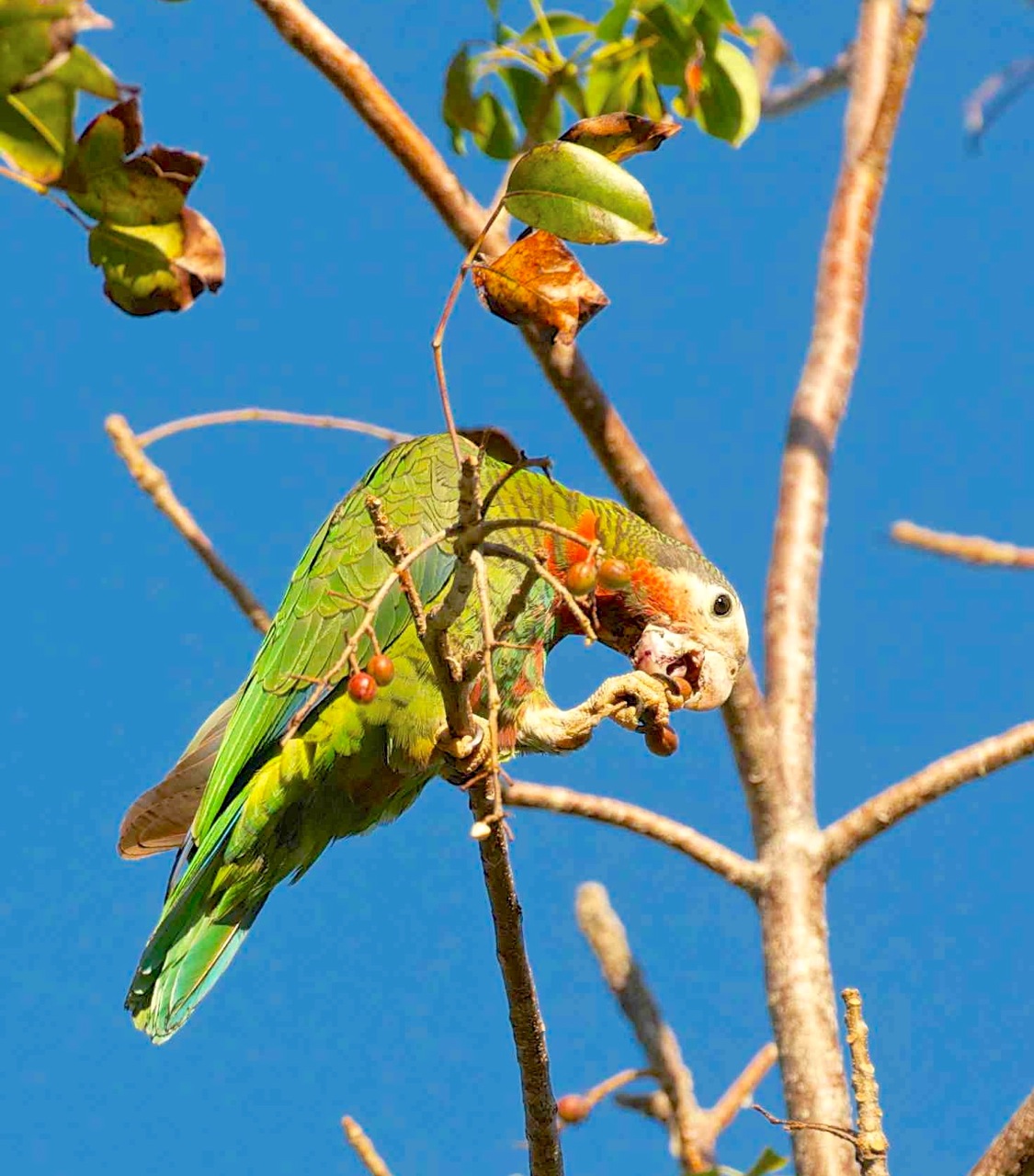
It’s been a while since the parrots of Abaco got a look-in hereabouts. Time to put that right. At the end of this gallery I will add some links to posts about the unique ground-nesting parrots of Abaco. Newcomers to this blog (I thank you both) may be interested to know that intensive conservation measures have brought this subspecies of the Cuban Parrot back from the brink of extinction – fewer than 1000 – to a sustainable and expanding population of around 4000.

For an overview of these lovely birds, I’ve made a slideshow presentation of a small booklet I put together in conjunction with scientist Caroline Stahala, who devoted several years to the research and protection of the parrots. Contents: parrots, nests, eggs, cute chicks, info, Sandy Walker with a fledgling on his lap.

Bahamas-Great Abaco_6419_Rose-throated Parrot_Cuban Parrot_Gerlinde Taurer Abaco Parrot Craig Nash.Cuban Parrot Abaco Abaco Parrot eating Gumbo Limbo fruit. Abaco Bahamas 2.12 copy

Here is the noise of a flock of parrots at Bahama Palm Shores, an excellent place to find them. It’s one of the less raucous recordings that I have made! We normally go to the main (north) turning, drive straight down to the end, cut the engine and listen. I’ve usually been lucky in that immediate area around 5.00 p.m., though others may have discovered other good times of day.

Abaco Parrot, Peter Mantle Abaco Parrot Keith Salvesen.Rolling Harbour Abaco
Bahama Parrot 1-Nina Henry sm Cuban Parrot Bruce Hallett IMG_7681ABACO (CUBAN) PARROT Abaco (Cuban) Parrot -  Charlie SkinnerAbaco (Cuban) Parrot -  Charlie SkinnerABACO PARROTS Unique parrots in pictures, video & sound

ABACO PARROTS Rare nesting footage

ABACO PARROTS Conservation & anti-predation programs 

Credits: Melissa Maura (brilliant header!), Gerlinde Taurer, Craig Nash, Tom Sheley, Peter Mantle, RH, Nina Henry, Bruce Hallett, Charlie Skinner, and Caroline Stahala

Unknown's avatar

SWAINSON’S HAWK: A UNIQUE VISITOR TO ABACO, BAHAMAS


Swainson's Hawk (imm), Abaco - Bruce Hallett

SWAINSON’S HAWK: A UNIQUE VISITOR TO ABACO, BAHAMAS

Abaco has 6 accipiter species (hawks, eagles and kites) recorded:  Swallow-tailed Kite TR 4, Bald Eagle V4, Northern Harrier WR 3, Sharp-shinned Hawk WR 4, Red-tailed Hawk PR B 1 and Swainson’s Hawk Buteo swainsoni V5. The Red-tail is a familiar permanent resident; the Harrier and Sharp-shinned hawk are uncommonly recorded winter residents; the Kites are occasionally seen passing through on their migratory path; the Bald Eagle has been reported on only a handful of occasions; and the Swainson’s Hawk has been seen (or anyway recognised) precisely once. One glance at its migration route shows why… 

Swainson's_hawk_migration_route

This fine raptor is definitely not worth travelling to Abaco in the hope of encountering. Managing to find one, identify it and photograph it, is a considerable achievement. Well-known Bahamas bird authority Bruce Hallett not only did so, but got great pictures of this juvenile bird both in flight and perched. No other sighting is recorded for Abaco; and few if any have ever been seen in the Bahamas generally.

Swainson's Hawk (imm), Abaco - Bruce Hallett

Swainson's Hawk (imm), Abaco - Bruce Hallett

WHO WAS MR SWAINSON?

Swainson was one of the early ornithologists  – along with men such as Wilson, Cory, Kirtland and La Sagra – whose name is now inextricably bound to the birds they became associated with. Swainson is the  ‘owner’ of 3 bird species recorded for Abaco: a hawk, a thrush and a warbler. I have previously written about him and these birds, so to find out more about him click SWAINSON.

WHAT DO THESE BIRDS SOUND LIKE?  

WHAT DO THEY LOOK LIKE IN FLIGHT?

A ringed Swainson’s Hawk in its more familiar territory – ColoradoButeo swainsoni (Pharoah Hound Wiki)

Credits: Photos, Bruce Hallett, Wiki (last); Migration Map, open source; videos, as shown

Unknown's avatar

RANDY: LOOKING FOR MANATEE LOVE IN ABACO?


Randy the Manatee, Abaco (BMMRO)

RANDY: LOOKING FOR MANATEE LOVE IN ABACO?

Strangely, the opportunistic title of this post may not be as contrived or daft as it looks. The facts are these.

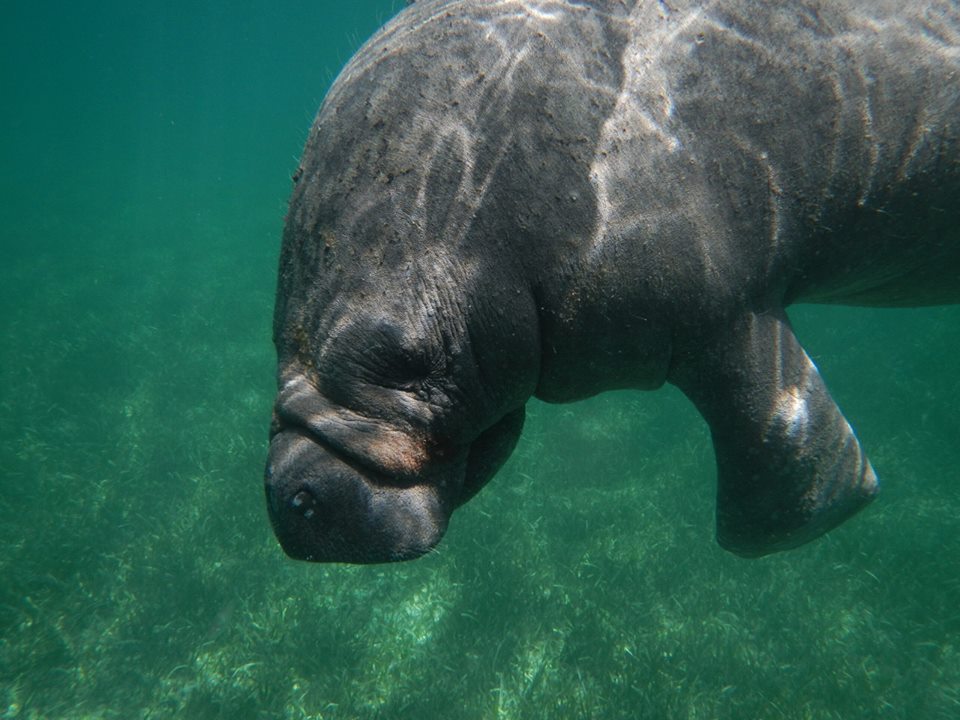
THE FEMALE In 2012 GEORGIE, a young female manatee, left her mum in the Berry Islands and braved the crossing to Abaco. She reached the Marls; went right round top and down the east side; and eventually settled in the Cherokee / Casuarina area. She managed to hole up there safely during hurricane Sandy but became sick and was removed to Atlantis for medical treatment and rehab, before being released back to the Berry Is. This spring she set of again for Abaco and seems to have made straight for Cherokee, where she has now been resident for several months. 

Georgie the Manatee as a calf in 2012, checking out the BMMRO boatGeorgie the Manatee Calf checks out the BMMRO Boat

THE MALE Randy also originates from the Berry Is, where he was born. He too set off on an expedition to Abaco in the spring, presumably following Georgie. He was seen at Gorda Cay in mid-August and then fetched up at Sandy Point. After spending the summer there, he too took a trip right round the top of Abaco and down the east side. By early September he had got as far as Little Harbour. However, the big question is whether he can, in some way, tell that a lady manatee is a shortish swim away. And if so, will he make the short trip down the coast? And might that lead to baby manatees on Abaco…? Here are some of the photos of Randy’s sightings along the way

RANDY AT SANDY POINT 

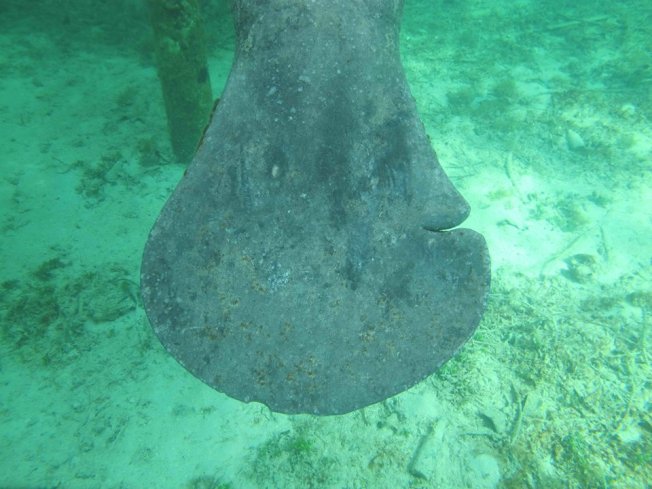
Sirenians and cetaceans are generally recognised from particular patterns to flukes or fins. The second image shows the notch in Randy’s tail that confirms IDRandy the West Indian Manatee, Sandy Point, Abaco, BahamasRandy the West Indian Manatee (tail), Sandy Point, Abaco, Bahamas

RANDY IN THE LITTLE HARBOUR AREA

Randy’s notched tail is clearly visible in the first pictureRandy the Manatee, Little Harbour, Abaco (BMMRO)Randy the Manatee, Little Harbour, Abaco (BMMRO)

This could be everyone’s favourite picture – almost like a ‘Randy Selfie’ with a GoPro…Randy the Manatee, Little Harbour, Abaco (BMMRO)

RANDY’S JOURNEY & THE DISTANCE BETWEEN HIM AND LOVE…

Excuse me while I anthropomorphise excessively here. Randy may only be appearing to follow Georgie; the route and the area may happen to suit manatees who may be a short distance apart yet completely ignorant of the presence of the other. Or else… Anyway, more news as (if) it breaks. Here are a couple of maps, of the sort that the red-top press might put together to go with the headline “Lovelorn Randy – A Man Manatee Seeks His Sirenian Siren”. Pictures, page 8, 9, 10 and in sports section.

Randy's the Manatee's trip Berry Is. to Abaco copy Page_1 copy 3

STOP PRESS SEPT 21

Oh dear. The course of love is rarely straightforward. Randy has retraced his route and returned to Castaway Cay. Meanwhile Georgie remains happily at Cherokee.

RELATED POSTS

GEORGIE at Cherokee, 2012

GEORGIE” the manatee movie (on location, Cherokee)

GEORGIE taken to Atlantis for medical treatment

GEORGIE Is she related to an elephant?

Credits: BMMRO + Heather Albury, Andrew Lowe & Richard Appaldo for pictures & reports, Loggerhead Productions, Abaco Scientist 

mantsw~1

Unknown's avatar

WORLD SHOREBIRDS DAY – ABACO’S 33 SHORE SPECIES (3): PLOVERS


Wilson's Plover & Chick, Delphi Beach, Abaco - Sandy Walker

Wilson’s Plover & Chick, Delphi Club Beach, Abaco (Sandy Walker)

 WORLD SHOREBIRDS DAY – ABACO’S 33 SHORE SPECIES (3): PLOVERS

Over the last 2 days, 20 of Abaco’s 33 shorebird species have been featured, LARGER SHOREBIRDS followed by SANDPIPERS. The third part of the series concentrates on the 6 plover species found on Abaco. First, I’ve repeated the main Abaco shorebird checklist of 26 species (birds previously featured in bold), with each bird’s ‘availability’ code. I am disregarding the 7 species listed under the checklist because (1) they are transients or vagrants and your chances of encountering one are slim to remote; and (2) because in 16 months I was unable to obtain photos of any of them taken on Abaco, which can’t simply be because they are not photogenic. I still haven’t managed to deal with the shonky formatting, so I’ve given up on that…

The codes will tell you, for any particular bird, when you may see it (P = permanent, WR = winter resident, TR = transient, V = vagrant); whether it breeds (B) on Abaco; and your chance of seeing it, graded from easy (1) to vanishingly unlikely (5).

  • Black-necked Stilt                         Himantopus mexicanus              PR B 3
  • American Avocet                           Recurvirostra americana           WR 4
  • American Oystercatcher          Haematopus palliatus                 PR B 2
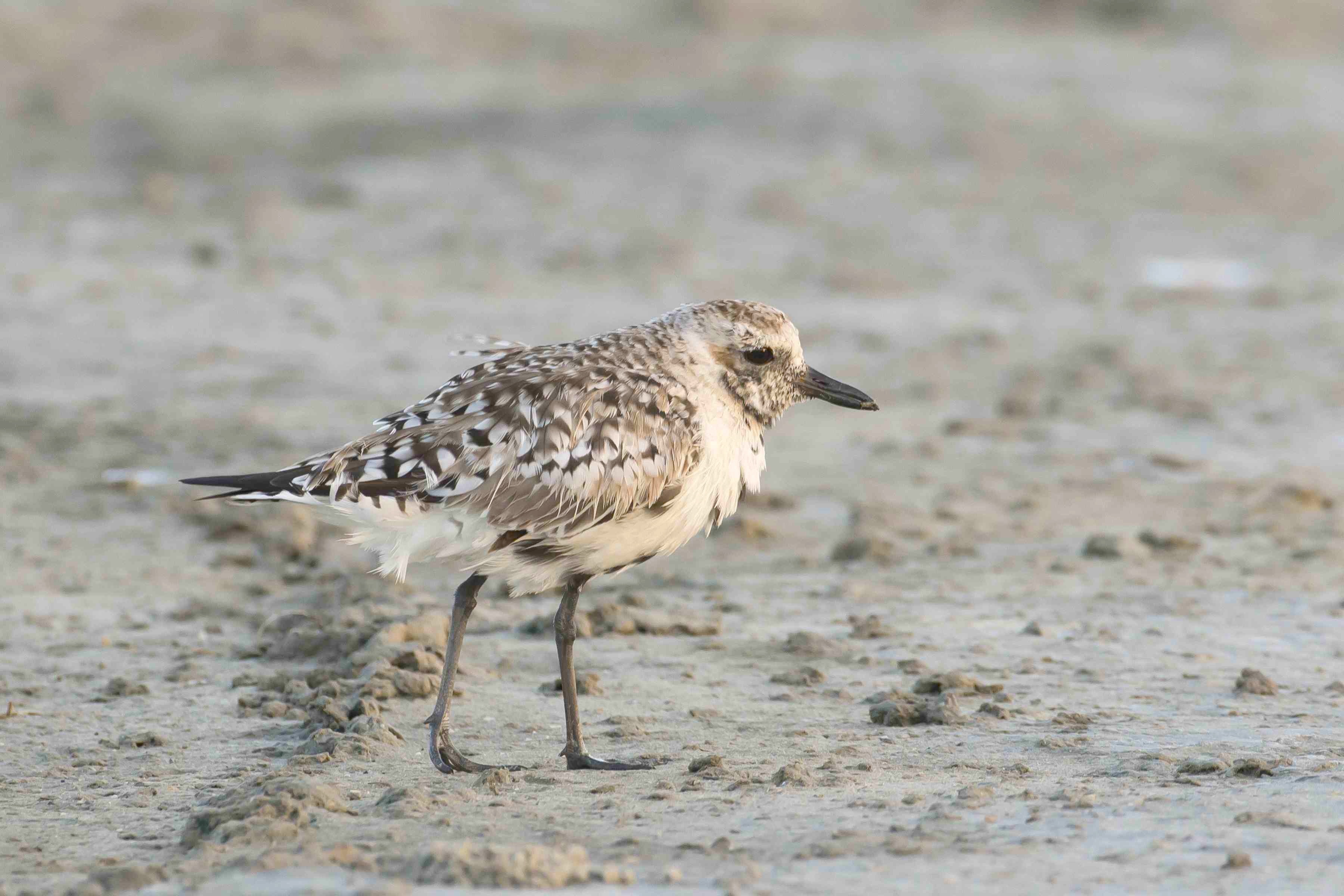
  • Black-bellied Plover                          Pluvialis squatarola                      WR 1
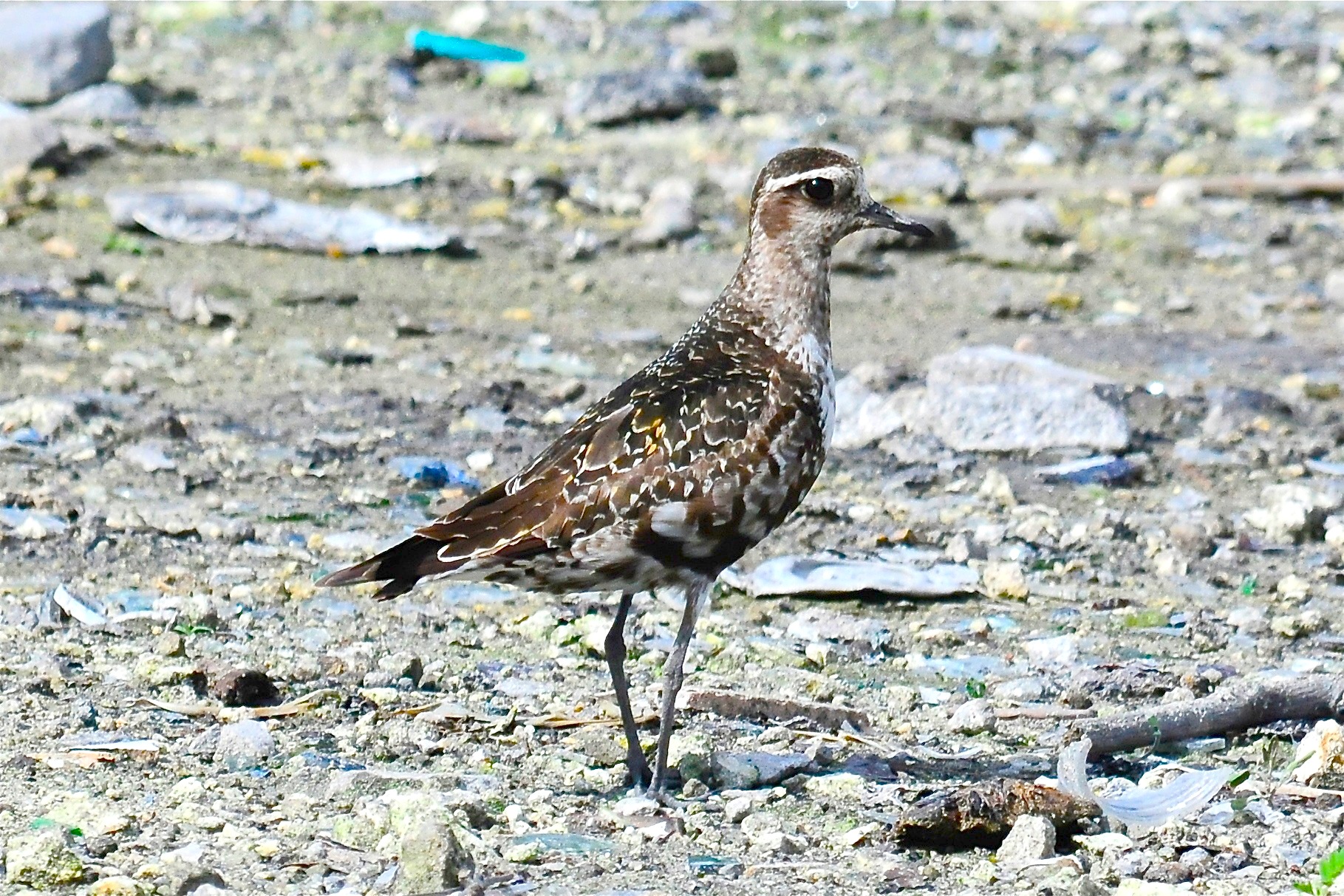
  • American Golden Plover                 Pluvialis dominica                         TR 4
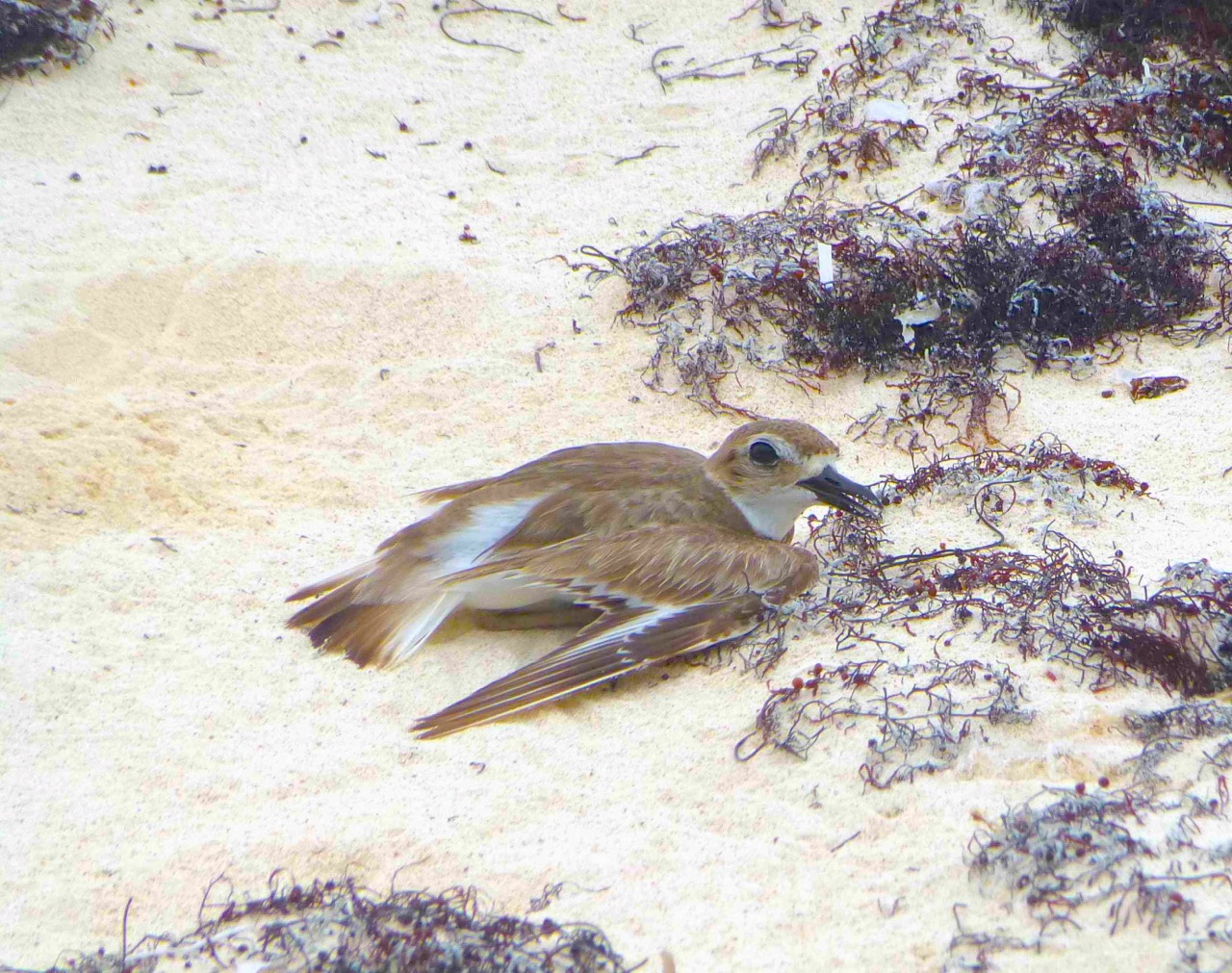
  • Wilson’s Plover                                  Ochthodromus wilsonia              PR B 2
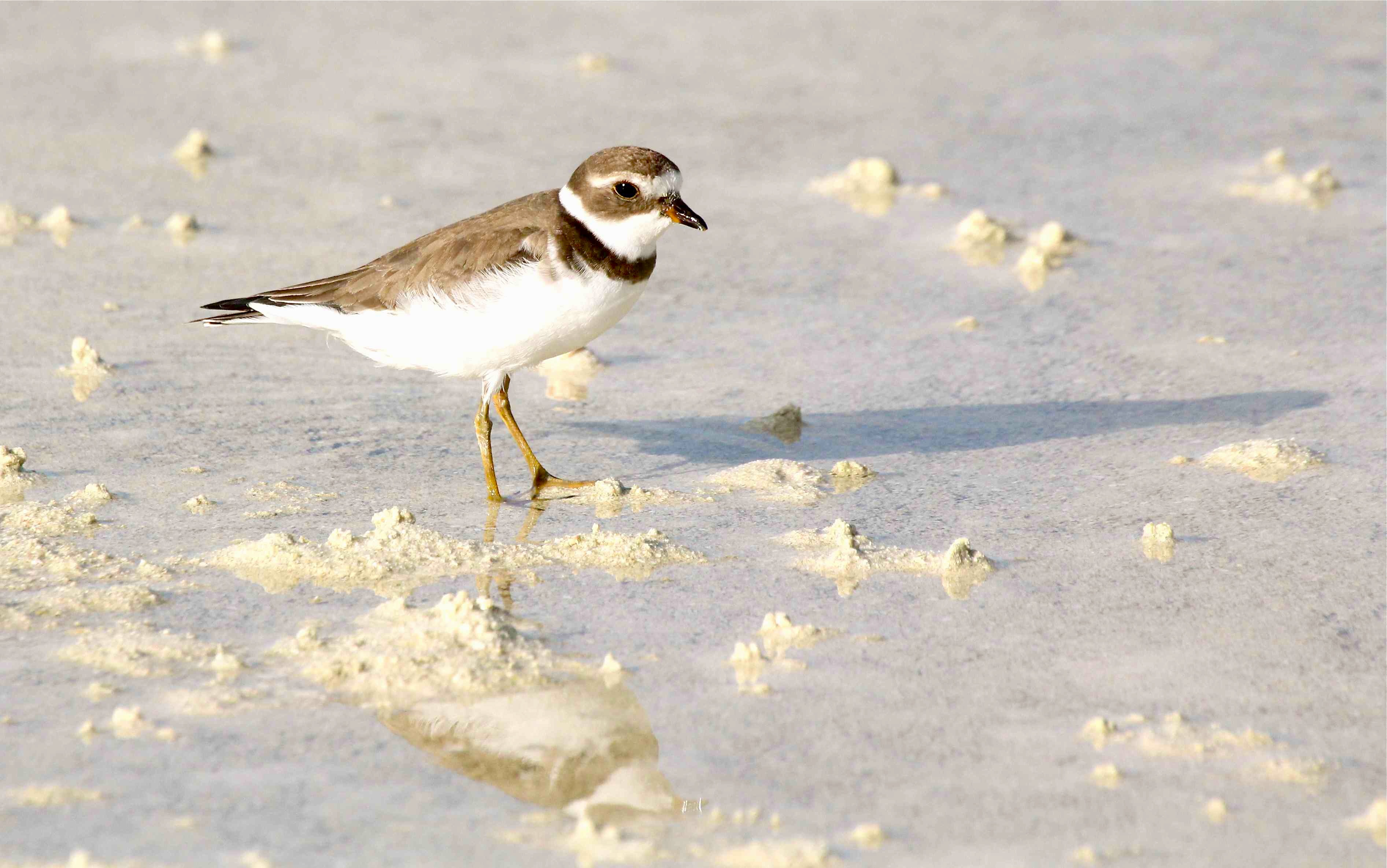
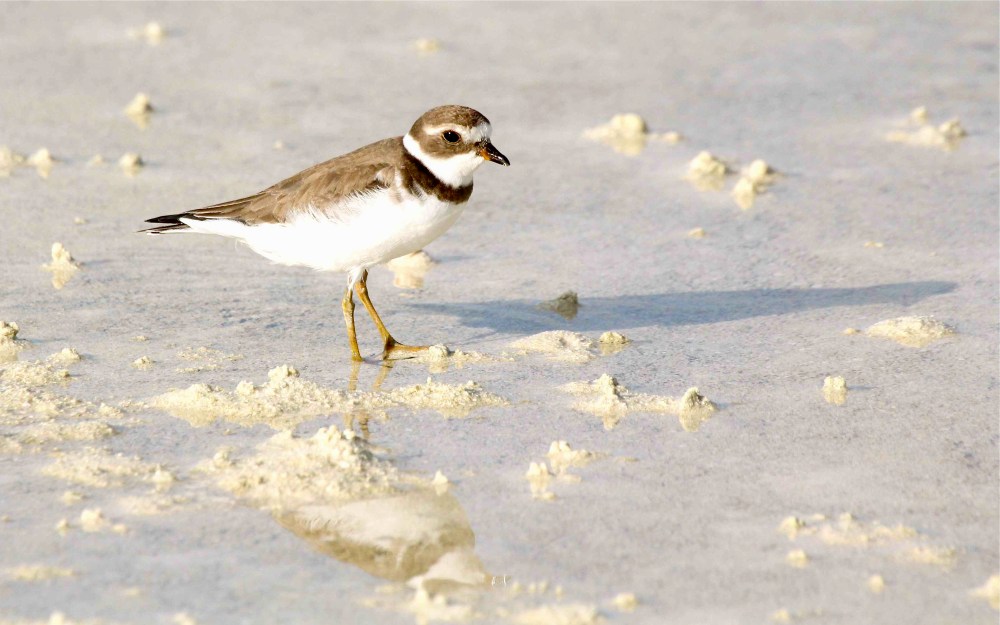
  • Semipalmated Plover                        Charadrius semipalmatus          WR 2
  • Piping Plover                                      Charadrius melodus                      WR 3
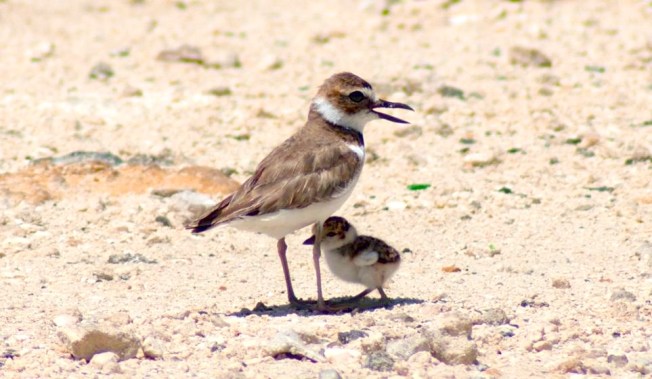
  • Killdeer                                                 Charadrius vociferus                    WR 2
  • Spotted Sandpiper                      Actitis macularius                         WR 1
  • Solitary Sandpiper                       Tringa solitaria                            WR 2
  • Greater Yellowlegs                       Tringa melanoleuca                      WR 2
  • Willet                                                   Tringa semipalmata                    PR B 2
  • Lesser Yellowlegs                          Tringa flavipes                              WR 3
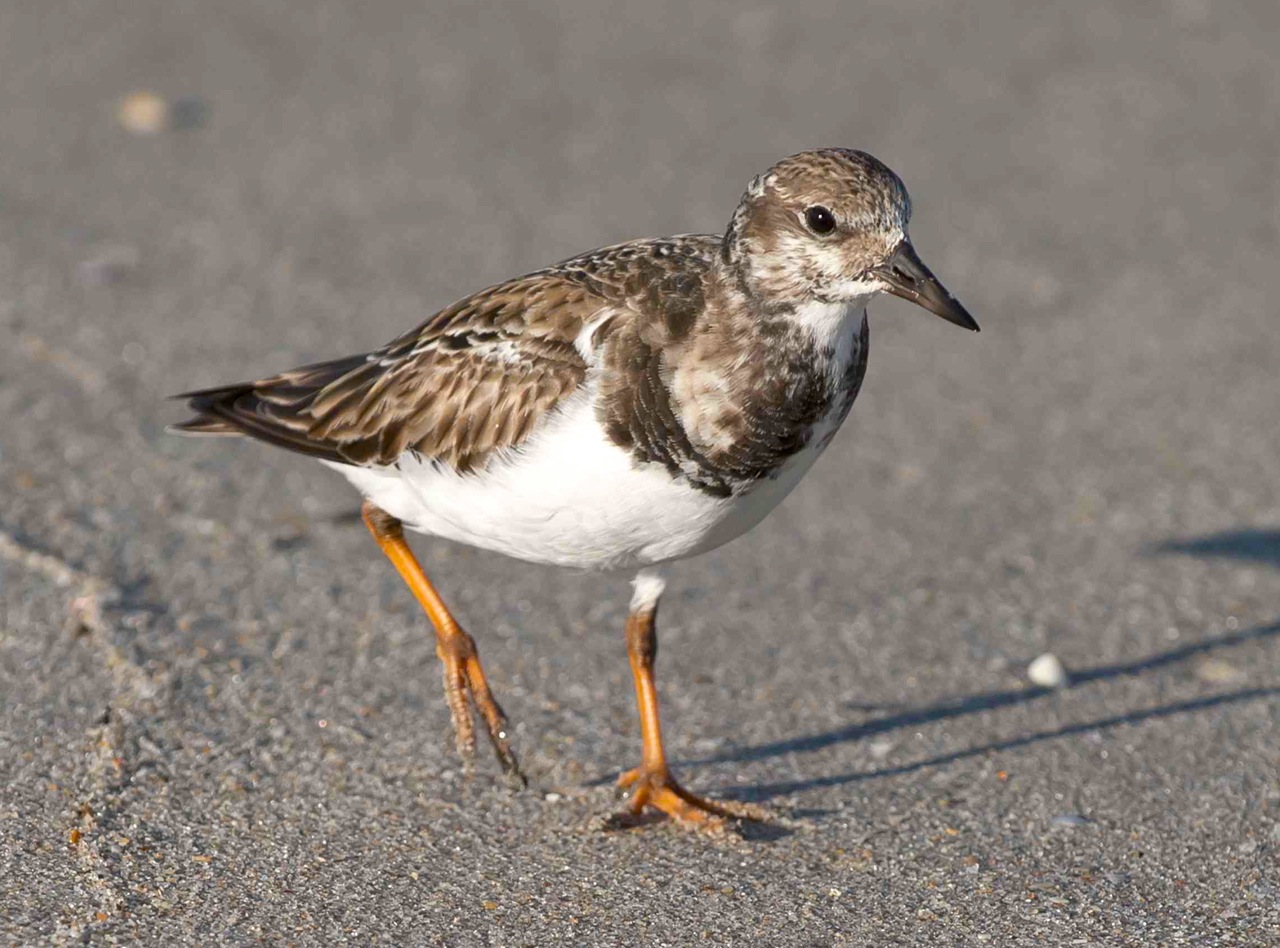
  • Ruddy Turnstone                          Arenaria interpres                      PR 2
  • Red Knot                                            Calidris canutus                           WR 3
  • Sanderling                                        Calidris alba                                  WR 1
  • Dunlin                                                 Calidris alpina                              WR 2
  • Least Sandpiper                            Calidris minutilla                         WR 2
  • White-rumped Sandpiper       Calidris fuscicollis                        TR 3
  • Semipalmated Sandpiper         Calidris pusilla                              TR 2
  • Western Sandpiper                      Calidris Mauri                                TR 2
  • Short-billed Dowitcher               Limnodromus griseus                  WR 1
  • Long-billed Dowitcher                Limnodromus scolopaceus         WR 4
  • Wilson’s Snipe                                 Gallinago delicata                         WR 3
  • Wilson’s Phalarope                      Phalaropus tricolor                        V 4

The other 7 species of shorebird recorded for Abaco – all transients or vagrants – are: Upland Sandpiper TR 4, Whimbrel  TR 4, Hudsonian Godwit V5, Marbled Godwit V5, Buff-breasted Sandpiper V5, Pectoral Sandpiper  TR 3, Stilt Sandpiper TR 3

PLOVERS ON ABACO

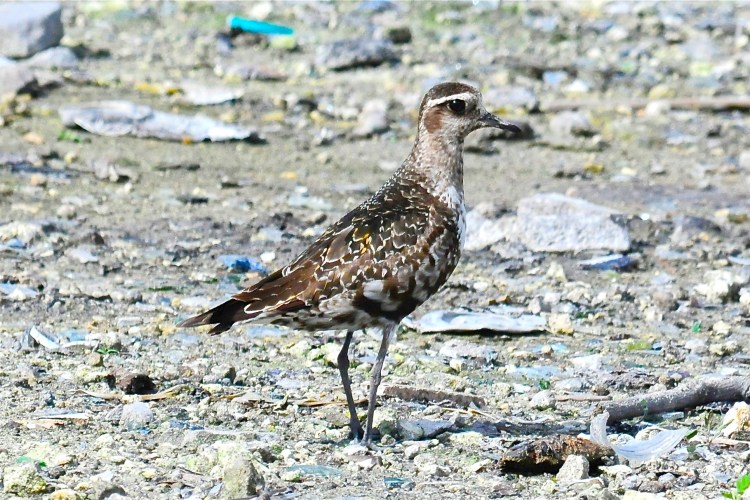
The best-known of the 6 Abaco plover species is the Wilson’s Plover, because it is the only permanent resident. The American Golden Plover is a rare transient, but we luckily have one taken on on Abaco. All the others are winter residents and easy to middling hard to find. All except the American Golden Plover may be found on the beach at Delphi or the rocks at either end. The Piping Plover is the most interesting species, with a mere 8000 left in the world and a vigorous conservation program to protect them and their habitat. Their summer breeding range is in Canada, central US and the eastern seaboard. In winter they migrate south, and Abaco is one of their homes. At Delphi we are very fortunate that every year some choose the beach for their winter retreat.

BLACK-BELLIED PLOVER  Pluvialis squatarola   WR 1Black-bellied Plover intermediate plumage.Marls.Abaco Bahamas.3.12.Tom Sheley edit

You  may well wonder why a bird with such a very specific belly-related colour designation has a white one in the photo. It’s because this is the non-breeding plumage (in fact, intermediate), so I have borrowed from Audubon Magazine (‘tip of the hat’) to show a non-Abaco bird in its breeding plumage. Black- Bellied Plover (Audubon Magazine)

AMERICAN GOLDEN PLOVER  Pluvialis dominica  TR 4American Golden Plover, Abaco - Tony Hepburn
 SEMIPALMATED PLOVER Charadrius semipalmatus WR 2Semipalmated Plover (f nb), Abaco - Bruce Hallett
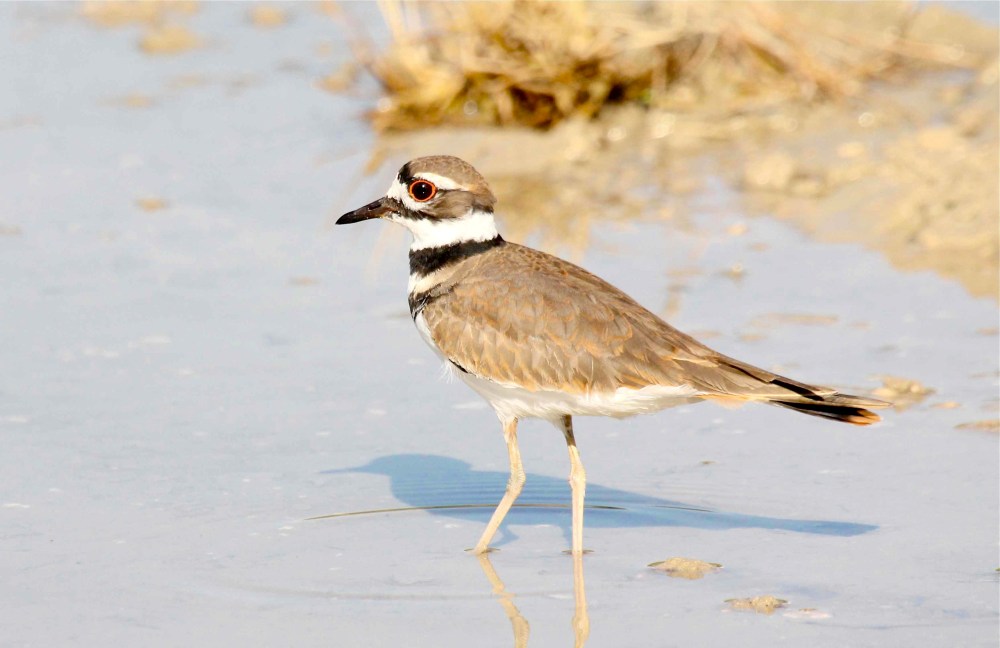
KILLDEER Charadrius vociferus WR 2Kildeer, Abaco - Bruce Hallett

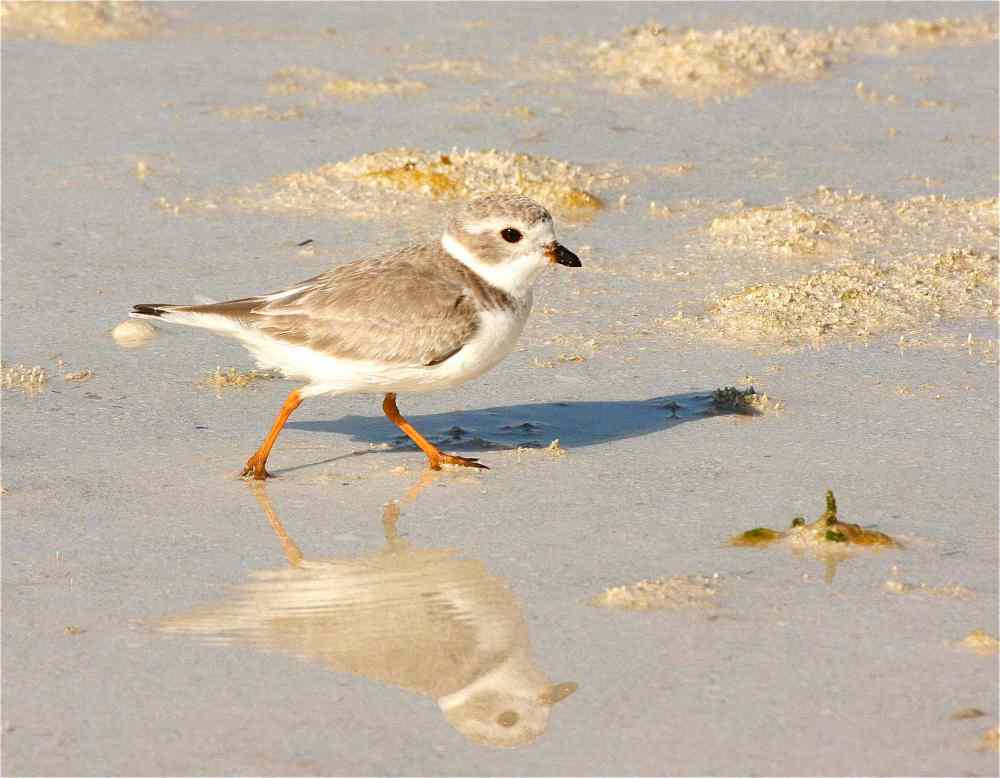
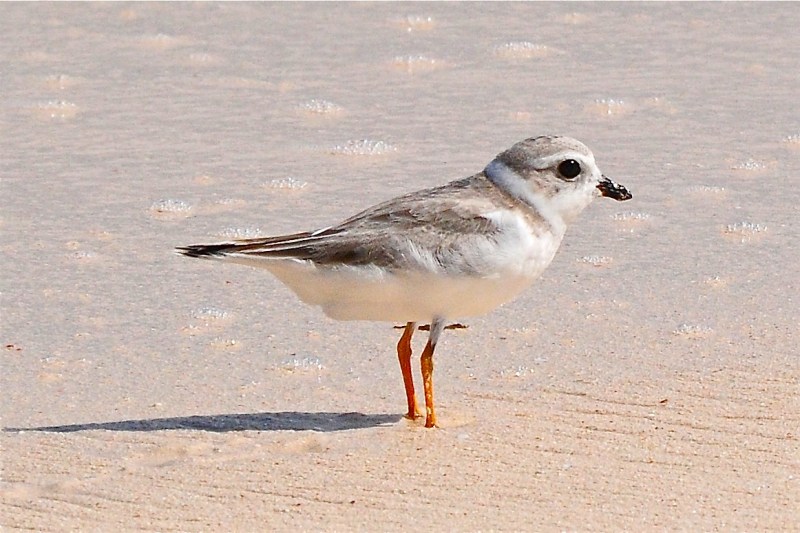
PIPING PLOVER  Charadrius melodus WR 3Piping Plover, Abaco - Bruce HallettPiping Plover, Abaco - Tony HepburnPiping Plover, Abaco  - Tom Reed

WILSON’S PLOVER Ochthodromus wilsonia  PR B 2

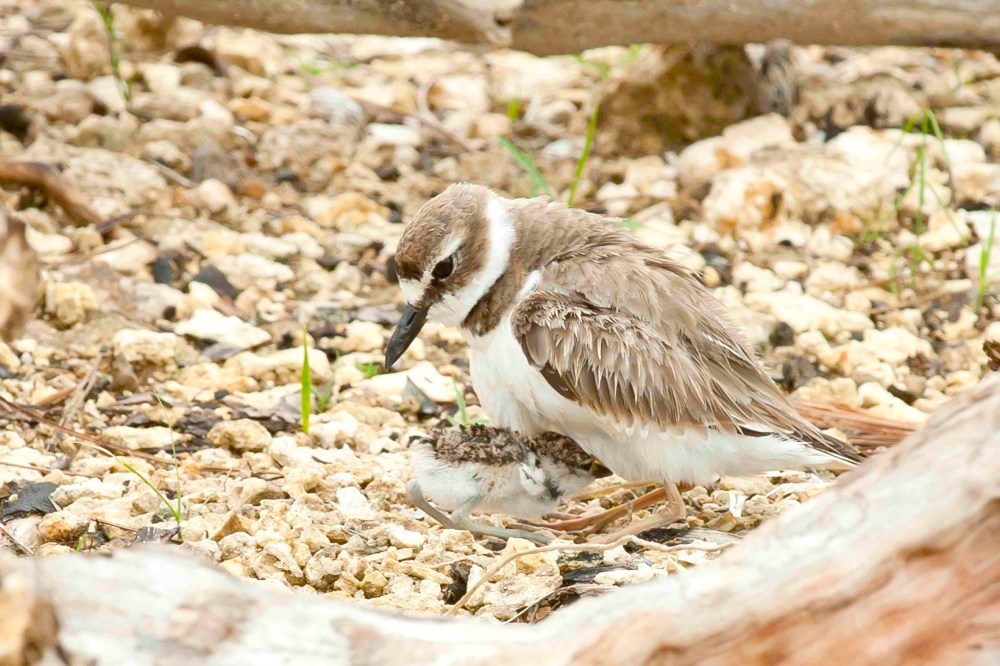
This permanent resident plover is a year-round presence on the Delphi Club beach, where in summer they nest and raise their tiny fluffball chicks (see Sandy Walker’s wonderful header image). I’m posting in some detail about these because it’s a while since I featured them. Links to other relevant posts are given below. All the following photos bar 1 were taken on the beach at Delphi.Wilson's Plover, Delphi Club Beach, Abaco - Craig Nash

The photo below was taken by Tom Sheley at Nettie’s Point, the skiff launching point for the day’s bonefishing on the Marls. The plover pair had made a scrape and nested there. They chose a tricky place to do so –  it was just where the trucks are turned after off-loading the skiffs. So the guides built a protective driftwood enclosure to protect the nest and prevent tragedy. The plovers, unfazed by the human proximity and activity, raised their family safely. I mostly saw the female on the nest within the square wooden pen, with the male usually close by, standing guard protectively. 
Wilson's Plover, Abaco Bahamas - Tom Sheley

This plover, photographed on the Delphi beach, is performing a typical ‘broken wing’ display, a tactic used to draw predators away from a nest site. The bird makes itself appear to be wounded and vulnerable, and flaps pathetically about on the ground… gradually getting further from the nest. If the going gets tough and the predator gets too close for comfort,  the plover gets going by unexpectedly flying off. Wilson's Plover, Abaco (broken wing display) Clare Latimer - Version 2

TWO MORE FROM THE DELPHI BEACHWilson's Plover, Abaco 12 Wilson's Plover, Abaco 11

RELATED POSTS

PIPING PLOVERS

WILSON’S PLOVERS (1) ‘Dream Plover’

 WILSON’S PLOVERS (2) Nest Protection

 WILSON’S PLOVERS (3) Scrapes, Chicks & Broken Wings

Photo credits: Sandy Walker, Tom Sheley, Audubon, Tony Hepburn, Bruce Hallett, Tom Reed, Craig Nash, Clare Latimer, RH
Unknown's avatar

WORLD SHOREBIRDS DAY – ABACO’S 33 SHOREBIRD SPECIES (2) – SANDPIPERS


Ruddy Turnstone winter plumage.Abaco Bahamas.2.13.Tom Sheley e

WORLD SHOREBIRDS DAY: ABACO’S 33 SHOREBIRD SPECIES (2)

Yesterday I featured 8 of the larger, longer-billed species among Abaco’s 33 shorebirds. Plus one cute Wilson’s Plover chick as page-bait! A number of those are classified as sandpipers. To see them, click HERE. Today it’s the turn of the smaller sandpiper species, little birds with long beaks for their size that in general help differentiate them from the stubby-beaked plover species. To recap, here is  the main Abaco shorebird checklist of 26 species (birds previously featured in bold):

The codes will tell you, for any particular bird, when you may see it (P = permanent, WR = winter resident, TR = transient, V = vagrant); whether it breeds (B) on Abaco; and your chance of seeing it, graded from easy (1) to vanishingly unlikely (5).

  • Black-necked Stilt                         Himantopus mexicanus              PR B 3
  • American Avocet                           Recurvirostra americana           WR 4
  • American Oystercatcher          Haematopus palliatus                 PR B 2
  • Black-bellied Plover                          Pluvialis squatarola                     WR 1
  • American Golden-Plover                 Pluvialis dominica                        TR 4
  • Wilson’s Plover                                  Ochthodromus wilsonia              PR B 2
  • Semipalmated Plover                        Charadrius semipalmatus         WR 2
  • Piping Plover                                      Charadrius melodus                      WR 3
  • Killdeer                                                 Charadrius vociferus                    WR 2
  • Spotted Sandpiper                              Actitis macularius                         WR 1
  • Solitary Sandpiper                             Tringa solitaria                              WR 2
  • Greater Yellowlegs                       Tringa melanoleuca                     WR 2
  • Willet                                                   Tringa semipalmata                     PR B 2
  • Lesser Yellowlegs                          Tringa flavipes                               WR 3
  • Ruddy Turnstone                                Arenaria interpres                        PR 2
  • Red Knot                                               Calidris canutus                              WR 3
  • Sanderling                                            Calidris alba                                     WR 1
  • Dunlin                                                 Calidris alpina                                 WR 2
  • Least Sandpiper                                  Calidris minutilla                           WR 2
  • White-rumped Sandpiper                 Calidris fuscicollis                          TR 3
  • Semipalmated Sandpiper                  Calidris pusilla                                TR 2
  • Western Sandpiper                             Calidris Mauri                                 TR 2
  • Short-billed Dowitcher               Limnodromus griseus                   WR 1
  • Long-billed Dowitcher                Limnodromus scolopaceus         WR 4
  • Wilson’s Snipe                                 Gallinago delicata                         WR 3
  • Wilson’s Phalarope                            Phalaropus tricolor                        V 4

The other 7 species of shorebird recorded for Abaco – all transients or vagrants – are: Upland Sandpiper TR 4, Whimbrel  TR 4, Hudsonian Godwit V5, Marbled Godwit V5, Buff-breasted Sandpiper V5, Pectoral Sandpiper  TR 3, Stilt Sandpiper TR 3

SANDPIPERS

Of the sandpiper species shown below, 9 of the 10 are ones that, at the right time and in the right place, you may see on Abaco. The tenth, the Wilson’s Phalarope, is the first specimen ever recorded for Abaco and as far as is known this is the only photo of it (props to Woody Bracey for this accomplished ‘get’). Again, some of the birds shown below were photographed on the Delphi Club beach.

SPOTTED SANDPIPER Actitis macularius   WR 1Spotted Sandpiper.Abaco Bahamas - Tom Sheley

SOLITARY SANDPIPER Tringa solitaria  WR 2Solitary Sandpiper, Petrie Island D G E Robertson Wiki

RUDDY TURNSTONE  Arenaria interpres  PR 2Ruddy Turnstone Abaco Bahamas. 2.12.Tom Sheley copy 2

RED KNOT Calidris canutus (non-breeding plumage)  WR 3Red Knot,  Green Turtle Cay, Abaco - Becky Marvil

SANDERLING  Calidris alba  WR 1Sanderling, Abaco -  Craig Nash

LEAST SANDPIPER  Calidris minutilla  WR 2Least Sandpiper, Delphi Club Beach, Abaco - Keith Salvesen

WHITE-RUMPED SANDPIPER  Calidris fuscicollis  TR 3White-rumped Sandpiper, Abaco - Tony Hepburn

SEMIPALMATED SANDPIPER   Calidris pusilla  TR 2Semipalmated Sandpiper, Abaco (juv) Bruce Hallett

WESTERN SANDPIPER  Calidris Mauri  TR 2Western Sandpiper, Abaco (Bruce Hallett)

WILSON’S PHALAROPE Phalaropus tricolor  V 4 Wilson's Phalarope, Abaco - Woody Bracey

RELATED POSTS

RUDDY TURNSTONES

LEAST SANDPIPERS

Photo Credits: Tom Sheley, D Robertson, Becky Marvil, Craig Nash, RH, Tony Hepburn, Bruce Hallett, Woody Bracey