Unknown's avatar

ABACO’S FOUR PROTECTED AREAS: THE PROPOSALS


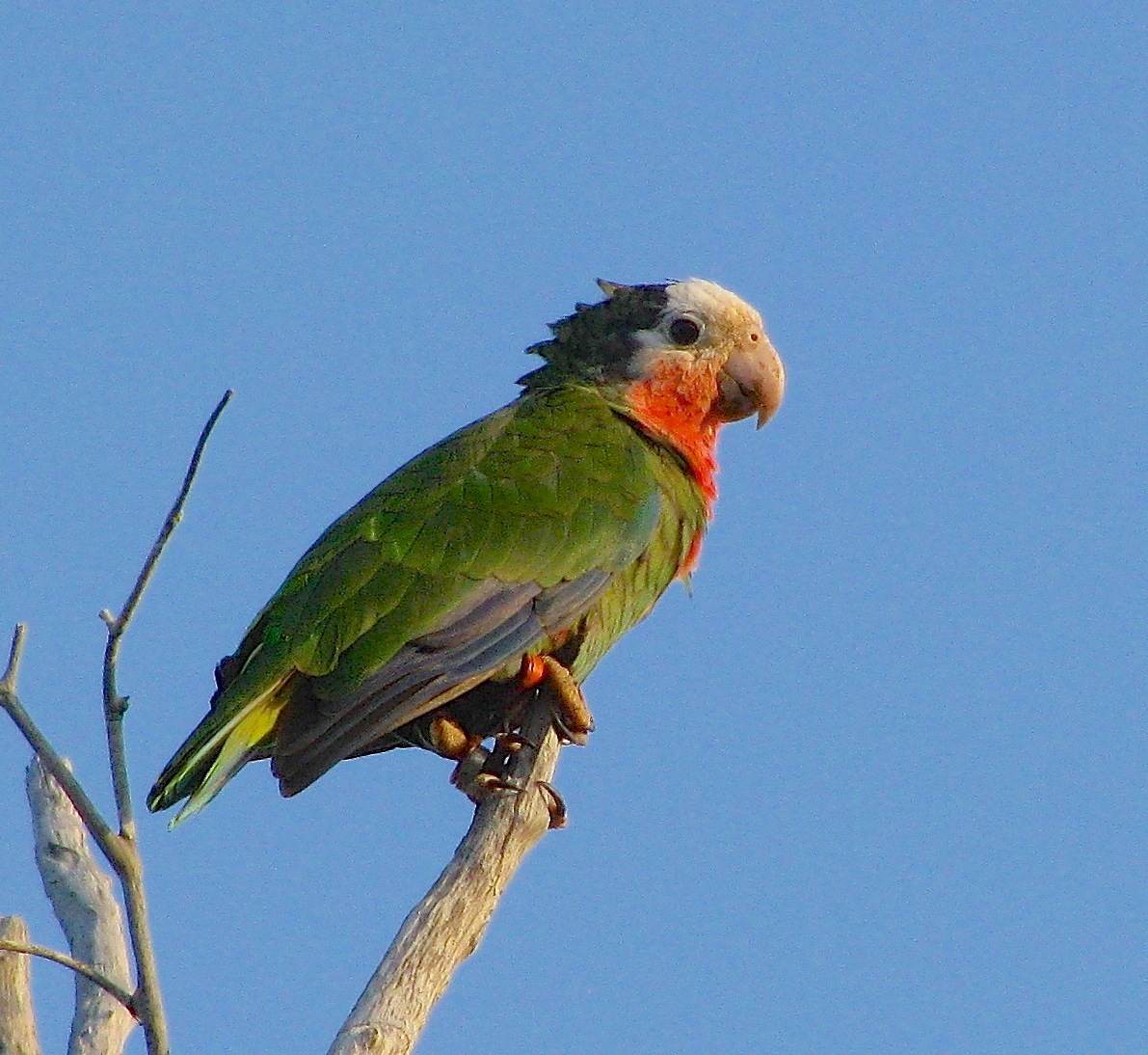
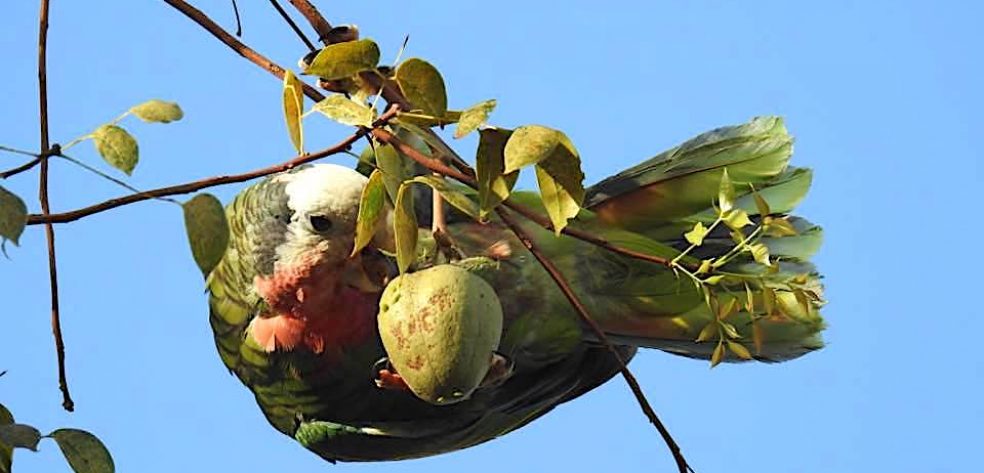
ABACO (CUBAN) PARROT (Caroline Stahala)

ABACO’S FOUR PROTECTED AREAS: THE PROPOSALS

The latest version of the 40TH ANNIVERSARY OF THE BAHAMAS PROPOSAL FOR THE EXPANSION OF THE PROTECTED AREA SYSTEM OF THE COMMONWEALTH OF THE BAHAMAS has been published. It is a joint proposal by the Bahamas Government, The Nature Conservancy and the Bahamas National Trust. The breadth of the scheme is very ambitious, affecting all the principal Bahama Islands. To understand the objectives and scope of the project, you can see the whole 34-page project by clicking BAHAMAS PROPOSED PROTECTED AREAS 2014 It is in pdf format, so you should be able to save it if you wish to.

Many people will be familiar with the proposals as they affect Abaco. However since the latest version appears to be a final draft, I thought it might be helpful to show the 4 proposed areas of protection and conservation in their present form. These are, in summary:

  1. THE ABACO MARLS NATIONAL RESERVE A vast area of nearly 200,000 acres (300 square miles) of mangrove flats, sandbanks, creeks and wetland habitat
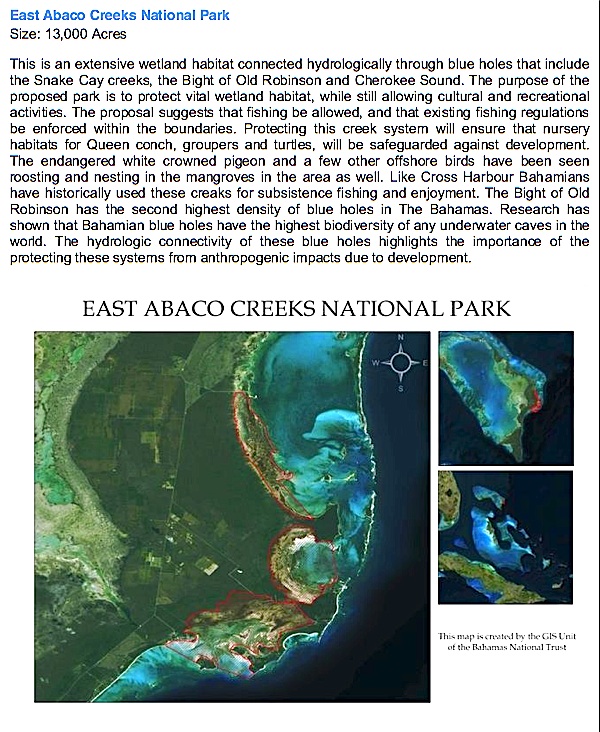
  2. EAST ABACO CREEKS NATIONAL PARK 13,000 acres (20 square miles) of wetland habitat that provides a vital wildlife nursery, and includes blue holes, creeks and a significant area for recreational activities (though Pete’s Pub at Little Harbour may be just outside the zone…)
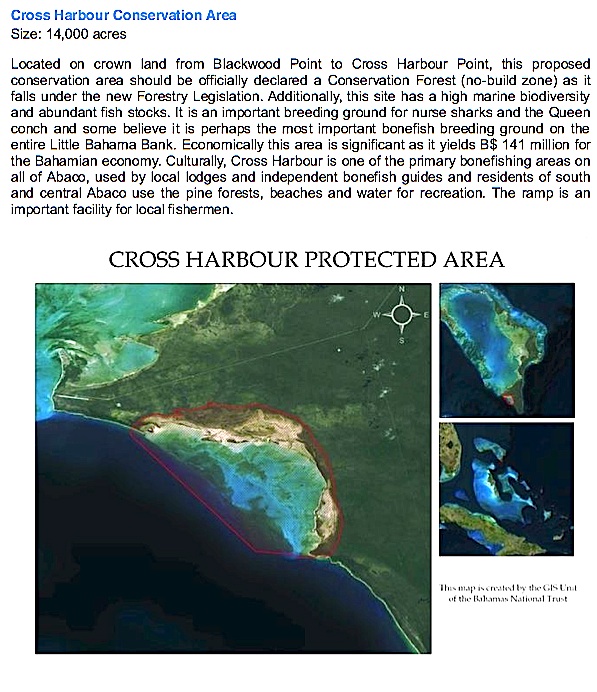
  3. CROSS HARBOUR PROTECTED AREA 14,000 acres (21 square miles) in South West Abaco, a crucial breeding area for a number of species,including bonefish
  4. SOUTH ABACO BLUE HOLES CONSERVATION AREA  A huge 34,000 acre (53 square miles) swathe of South Abaco to the west of the E D Highway, incorporating 4 inland blue holes and important cave systems, and 13 offshore blue holes. This is an area of mainly pine forest on land and low waters at sea, with an anticipated value for eco-tourism

Here are the BNT maps showing the extent of each area. Far more information will be found via the link to the report given above. 

THE ABACO PROPOSALS

Abaco Preserves 1 copy

Abaco Preserves 2 copyjpg Abaco Preserves 3 copyjpg Abaco Preserves 4 copyjpg

Credits: Parrot, (ex-)parrot protector Caroline Stahala; Maps, BNT; acres to sq m conversion, Gizmo!

Unknown's avatar

ABACO ROAD TRIP: CHEROKEE SOUND


ABACO ROAD TRIP: CHEROKEE SOUND

A Guest Post by Amanda Diedrick of GTC – check out 

“Several years back, on a family road trip to the south end of the Abaco mainland, we took a quick swing through the settlement of Cherokee Sound. Though our stop was brief, I was enchanted by the beauty of the tiny town and its breathtaking beach.

bahamas, abaco, cherokee sound, marsh harbour

Earlier this year, I finally got the chance to get back to Cherokee. I spent an afternoon wandering through this small fishing village that, by comparison, makes sedate Green Turtle Cay seem like a lively metropolis.

Similar to Green Turtle, Cherokee was originally settled by Loyalist descendants who supported their families by fishing or building boats. Today, fewer than 200 residents — most of whom commute to other parts of Abaco for work — call Cherokee Sound home.

Though Cherokee’s streets were virtually deserted on the hot June afternoon I visited, I did spot a group of primary school students enjoying recess, and I met a few locals while photographing their quaint, colourful homes.

bahamas, abaco, cherokee sound

And then there’s that beach. That stunning, unspoiled beach. And jutting 700 feet out into the clear water, a beautiful old dock which, according to the sign posted nearby, is the longest wooden pier in the Bahamas.

bahamas, abaco, cherokee sound, pier Until a few decades ago, the only way into Cherokee Sound was by sea. And given the shallow waters surrounding the settlement, an extended pier was a necessity. These days, with a paved road connecting Cherokee to the rest of the Abaco mainland, the dock functions primarily as a tourist attraction.

Casuarina Old Jetty

The Old Jetty at Casuarina, Abaco – the pre-road shortcut to Cherokee (RH)

To get to Cherokee Sound from Marsh Harbour, head south on the main highway and turn left when you reach the sign below:

bahamas, abaco, cherokee sound, pete's pub

Follow the winding road until it ends at Cherokee Sound. The drive from Marsh Harbour takes 30-45 minutes or so.

Cherokee Sound jpg

Between the highway and Cherokee, there are two key points of interest and they could not be more different. Pete’s Pub and Gallery is a rustic, off-the-grid, on-the-sand restaurant that serves up local seafood and stunning ocean views, while the Abaco Club at Winding Bay is a manicured beachfront resort with a spa and fitness center, full-size golf course and pro shop.

If it’s meal time or you’re in need of refreshments, I’d suggest stopping at Pete’s or the Abaco Club, as there are no restaurants in Cherokee Sound. Nor are there any hotels, though a quick online search reveals nearly a dozen vacation homes for rent in or near the village.

bahamas, abaco, cherokee sound

Below are a few of the photos I shot that afternoon. And if you’d like to know more about Cherokee Sound and its history, here’s a great article by Abaco Life editor, Jim Kerr.

Unknown's avatar

FLAMINGO TONGUE SNAILS: ALL YOU NEED TO KNOW


Cyphoma_gibbosum Clark Anderson - Aquaimages

FLAMINGO TONGUE SNAILS: ALL YOU NEED TO KNOW

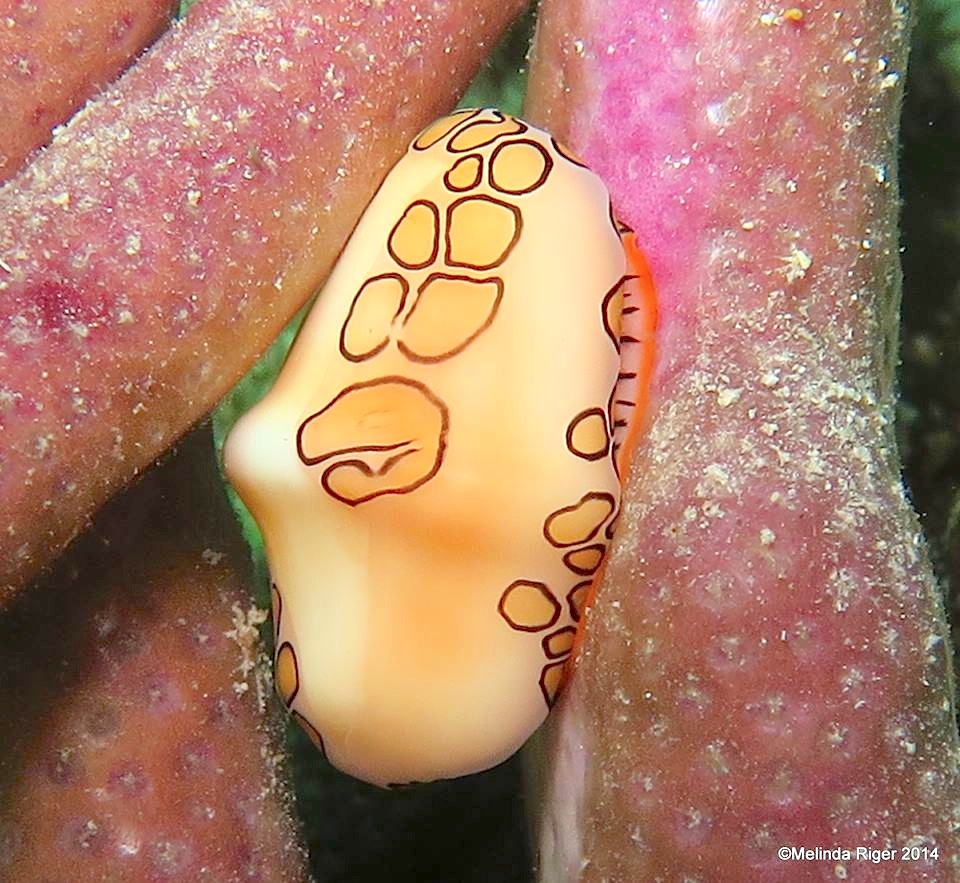
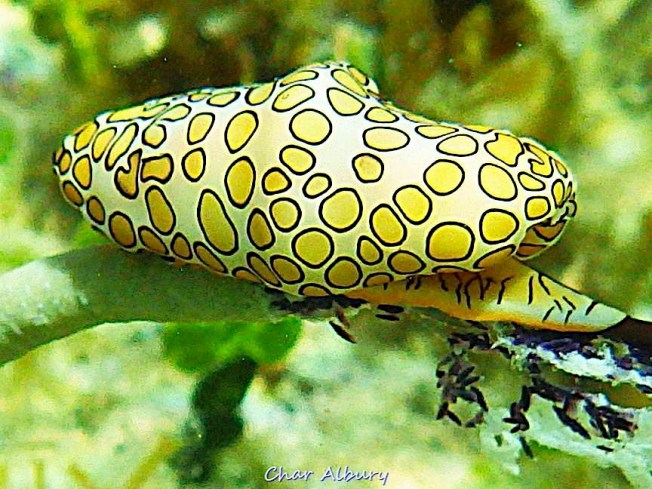
I wrote about FLAMINGO TONGUE SNAILS Cyphoma gibbous more than two years ago. They have not changed noticeably since then but this site has – in scope, available material and audience. So I am revisiting these small marine gastropod molluscs, which are related to cowries. The live animal is brightly coloured and strikingly patterned, but that colour only exists in the ‘live’ parts – the ‘mantle’. The shell itself is usually pale and characterised by  a thick ridge round the middle. These snails live in the tropical waters of the Caribbean and the wider western Atlantic. Whether alive or dead, they are gratifyingly easy to identify.

FLAMINGO TONGUE SNAIL ON A PURPLE ROPE SPONGEFlamingo Tongue on purple rope sponge ©Melinda Riger @ GB Scuba copy

FEEDING ON A CORAL STEM

This snail is snacking on a coral stem, leaving a feeding track behind it. The structural shell ridge is clearly visible beneath the distinctively marked live tissue of these creatures.

Flamingo Tongue LASZLO ILYES Cyphoma_gibbosum_(living)_2

The flamingo tongue feeds by browsing on soft corals. Adult females attach eggs to coral which they have recently fed upon. About 10 days later, the larvae hatch. They eventually settle onto other gorgonian corals such as Sea Fans. Juveniles tend to live on the underside of coral branches, while adults are far more visible and mobile. Where the snail leaves a feeding scar, the corals can regrow the polyps, and therefore the snail’s feeding preference is generally not harmful to the coral.

Flamingo_Tongue_Snail_on_Soft_Coral_LASZLO ILYES

The principal purpose of the mantle of  tissue over the shell is as the creature’s breathing apparatus.  The tissue absorbs oxygen and releases carbon dioxide. As I have seen it described (unkindly?) “it’s basically their lungs, stretched out over their rather boring-looking shell”. 

Flamingo Tongue, Abaco (Char Albury)

This snail species, once common, is becoming rarer. The natural predators include Hogfish, Pufferfish and Spiny Lobsters, though the spotted mantle provides some defence by being rather unpalatable. Gorgonian corals contain natural toxins and instead of secreting these, the snail stores them. This supplements the defence provided by its APOSEMATIC COLORATION, the vivid colour and /or pattern warning sign to predators found in many species.

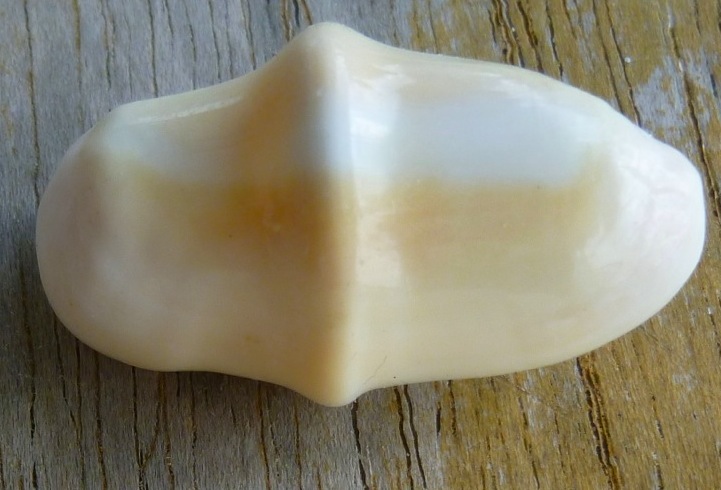
It comes as little surprise to learn that man is now considered to be the greatest menace to these little  creatures, and the reason for their significant decline in numbers. The threat comes from snorkelers and divers who mistakenly / ignorantly think that the colour of the mantle is the shell of the animal, collect up a whole bunch from the reef, and in due course are left with… “boring-looking shells” (see photos below). Don’t be a collector; be a protector…
Flamingo Tongue, Abaco (Char Albury)

These photos are of flamingo tongue shells from the Delphi Club Collection. Until I read the ‘boring-looking shell’ comment, I believed everyone thought they were rather lovely… I did, anyway. You decide!

Flamingo Tongue Snail Shell, Keith Salvesen AbacoFlamingo Tongue Snail Shell, Keith Salvesen AbacoFlamingo Tongue Snail Shell, Keith Salvesen Abaco

Finally, a couple of videos. The first is rather charmingly titled ‘FLAMINGO TONGUES DOING…. SOMETHING’. Any (printable but amusing) suggestions via the Comment box are welcome. The second punchily summarises this post in 30 seconds. Maybe that’s all that was needed!

Image Credits: Clark Anderson, Melinda Riger, Laszlo Ilyes, Charmaine Albury, RH

Doh! Reading through this after posting I can’t remove from my mind the likeness of Homer Simpson on the snail in Melinda’s photo (2). I had to  check it out and… it’s uncanny!

Homer Simpson Flamingo Tongue copy images

Unknown's avatar

TURTLEY AMAZING: HAWKSBILL TURTLES IN THE BAHAMAS


Hawksbill Turtle © Melinda Riger @ G B Scuba

TURTLEY AMAZING: HAWKSBILL TURTLES IN THE BAHAMAS

The Bahamas has breeding populations of 5 of the world’s 7 sea turtle species – Green, Loggerhead, Hawksbill, Leatherback and Kemp’s Ridley turtles (the other two are Olive Ridley – occasionally found in the Bahamas – and Flatback turtles). All are endangered. There’s no getting away from the fact that Man and Man’s activities are now the primary threats. The IUCN ratings below make for sad reading. To see some of the problems, check out THREATS TO SEA TURTLES

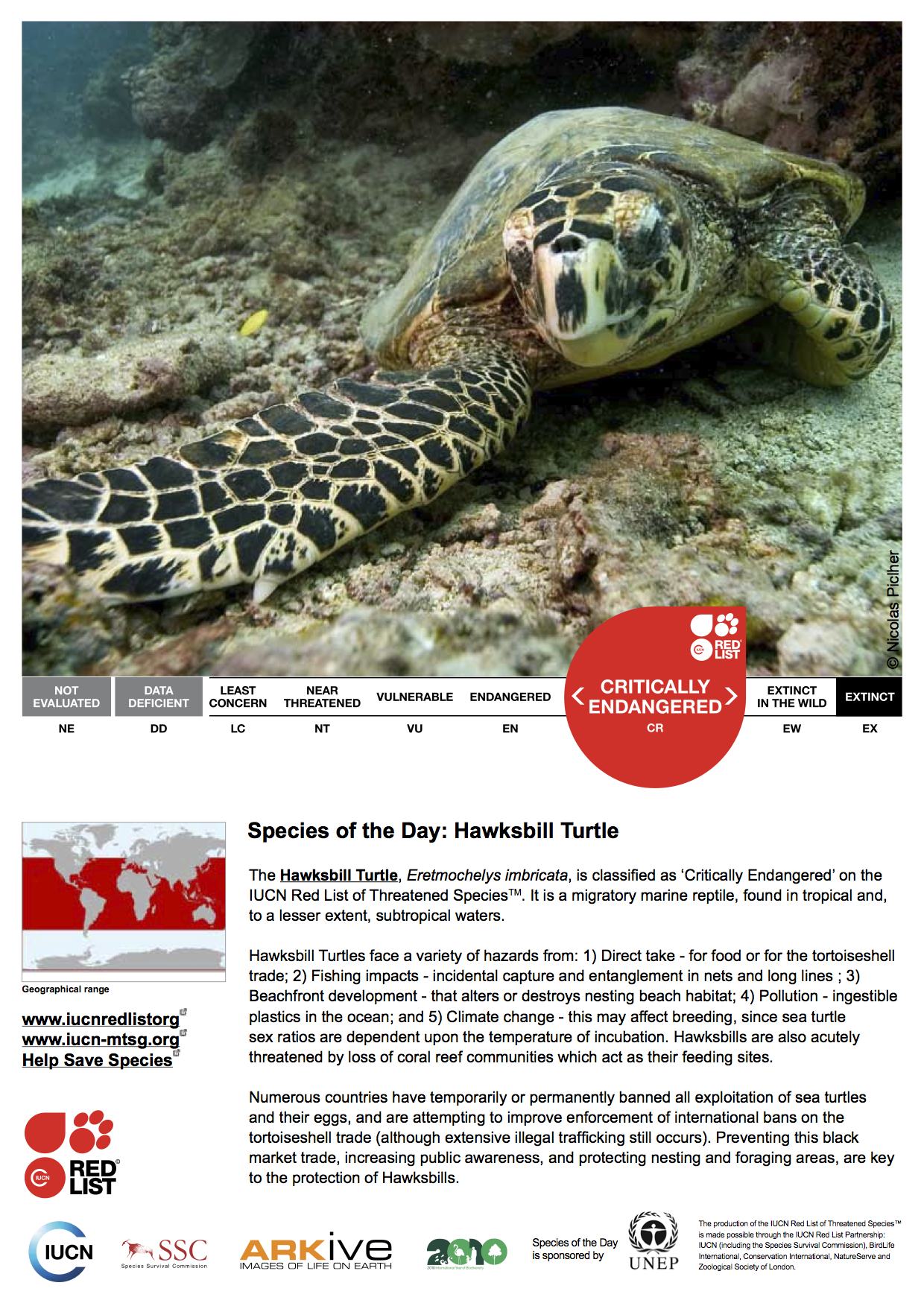
Admire the photos here of Hawksbill Turtles Eretmochelys imbricata while you can – the species is IUCN red-listed and I can’t improve on this explanatory display…Hawksbill Turtle Eretmochelys imbricata (IUCN Red List)

HAWKSBILL TURTLE GALLERY

(thanks as ever to Melinda Riger of Grand Bahama Scuba, but for whom etc)Hawksbill Turtle ©Melinda Riger @ G B Scuba Hawksbill Turtle ©Melinda Riger @ G B Scuba copy Hawksbill  Turtle ©Melinda Riger @ Grand Bahama Scuba copyHawksbill Turtle ©Melinda Riger @ GB Scuba copy

I did ask myself whether including this shot might show a lack of sensitivity for the essential dignity of a fine species, infringing its Testudinal rights. But overall, I feel the public interest is best  served by showing it. Anyway, it has plainly discovered something very tasty to get stuck into, so it won’t be unduly bothered. The pair of French Angelfish aren’t going to get a look-in…Hawksbill Turtle ©Melinda Riger @ G B Scuba copy 3

 The SEA TURTLE CONSERVANCY has produced an outstanding series of posters similar to the LOXAHATCHEE posters about corals, conchs, sea grass, bonefish etc. Here is their Hawksbill one, with illustrations by artist DAWN WITHERINGTON. Click the link to reach her website and see her excellent scientific drawings and a lot more besides. This excellent poster contains pretty much all the details you need to hold your own in any hawksbill-related conversation. You can enlarge it by doing that thing with 2 fingers on your track pad thingy.

HawksbillLifeHistoryPoster-STC-DWitherington

I rather like this video from Andros, with the turtle’s gentle tolerance while being approached by a photographer until at last  it decides to move slowly off. The music’s a bit annoying though – it doesn’t really fit the scene IMO. 

Credits: IUCN, Melinda for the fab photos, Sea Turtle Conservancy

Unknown's avatar

CORMORANTS: RAPACIOUS PESCATARIAN SEA-RAVENS


Cormorant WWT 12

CORMORANTS: RAPACIOUS PESCATARIAN SEA-RAVENS

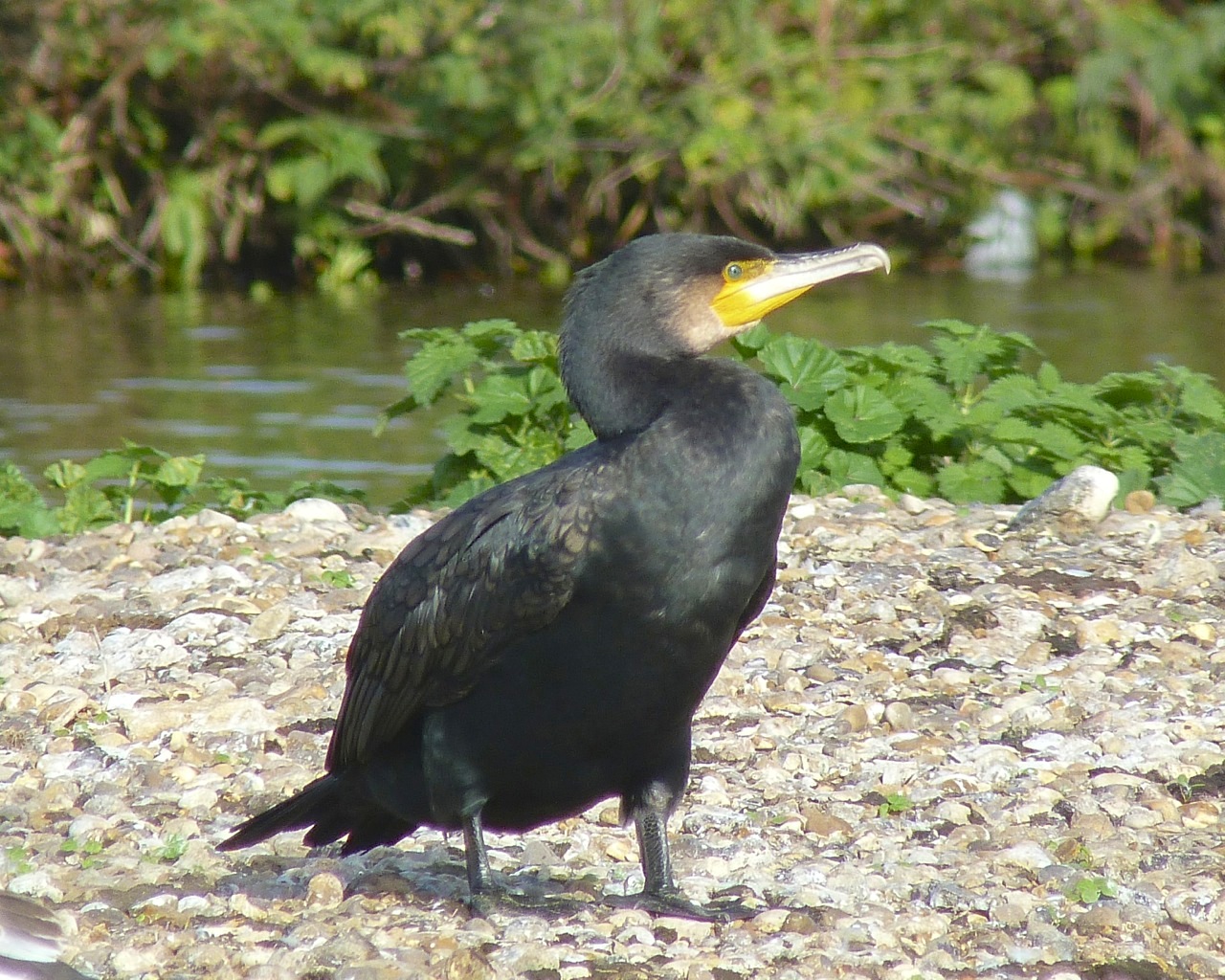
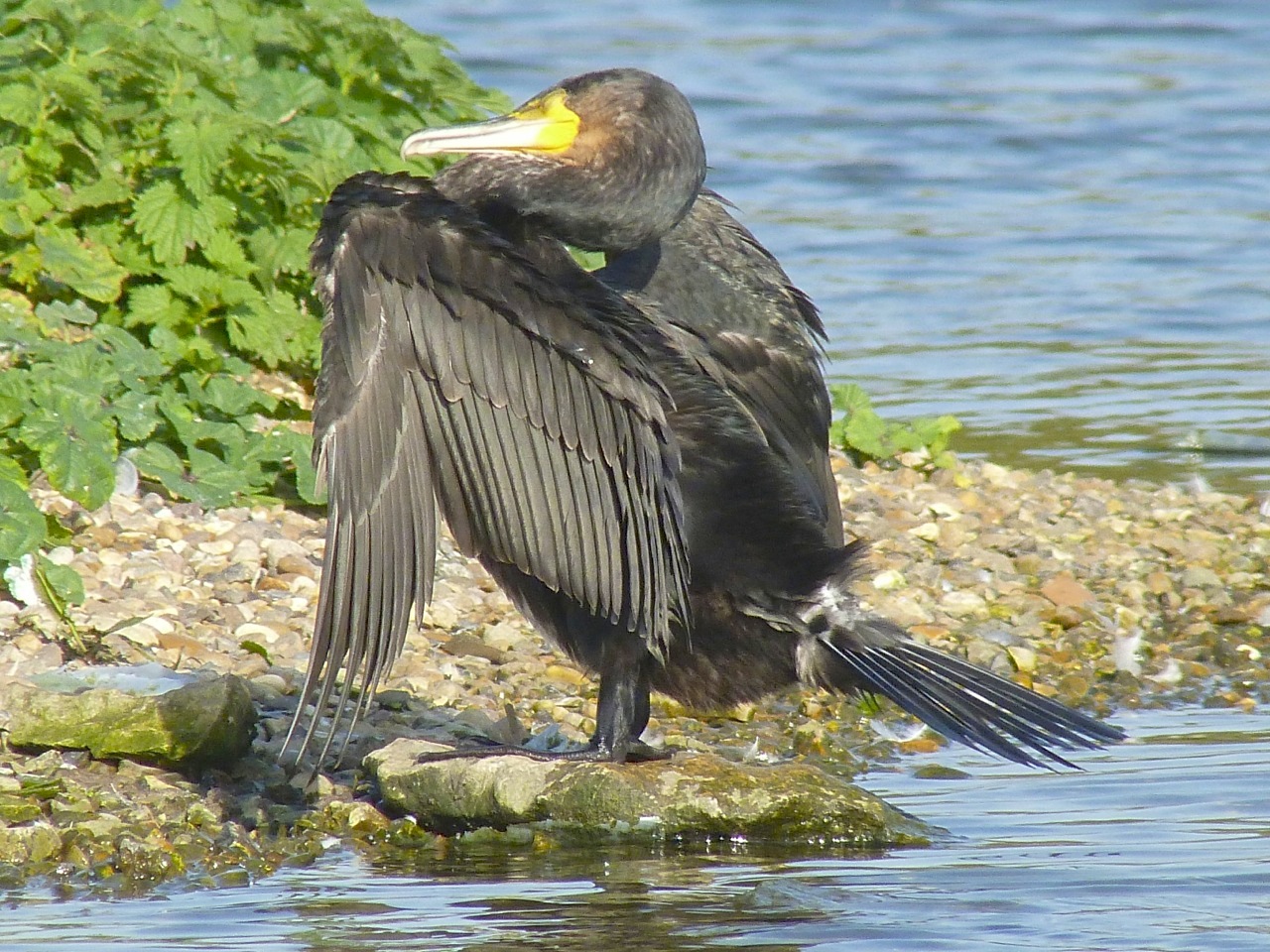
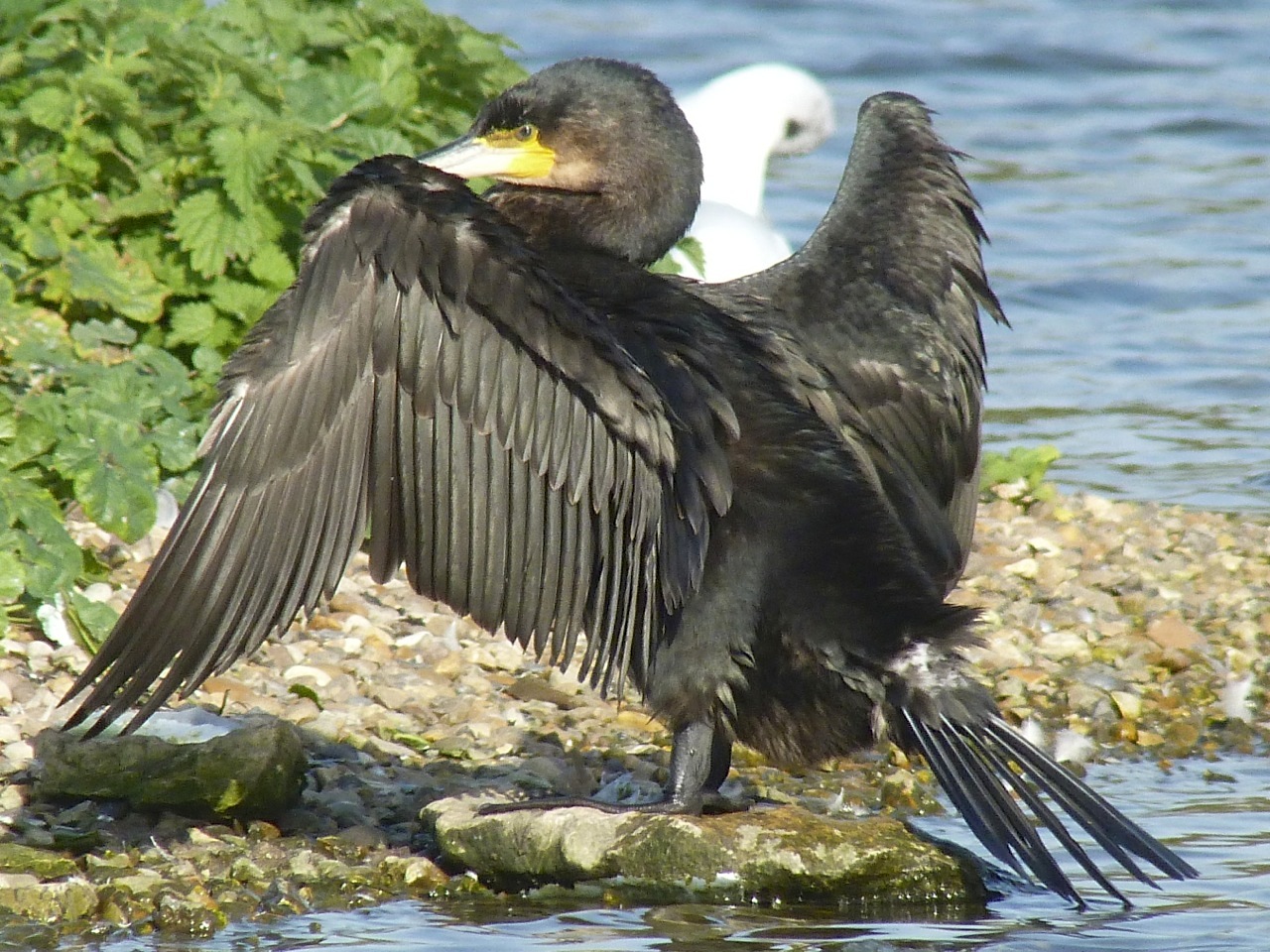
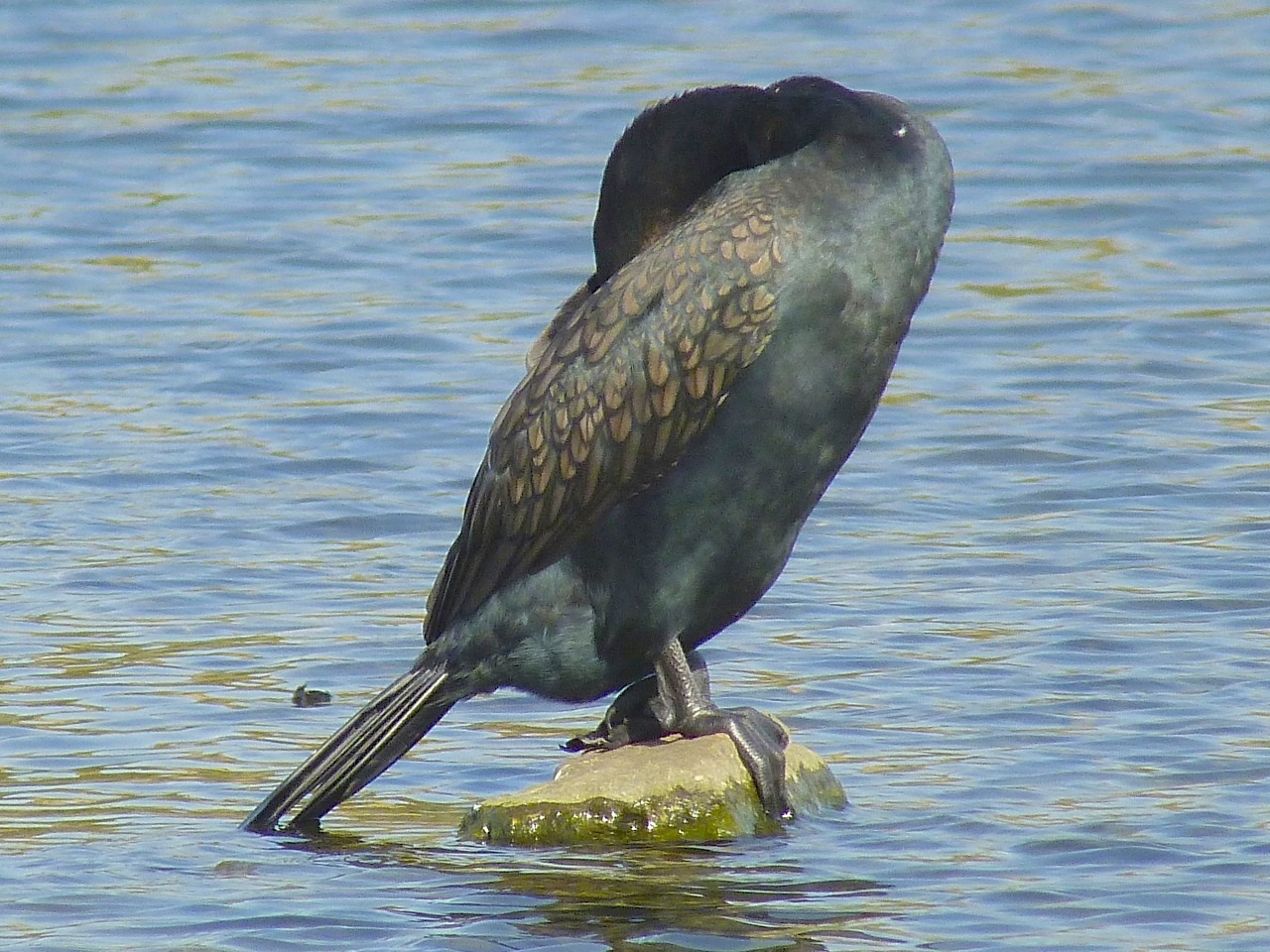
Cormorants are strange creatures. Strange to look at. Strange in their relationship with humans – love / hate in fishing terms and good / evil in mythology. Strangely useless for poetry, since – like the words ‘purple’ and ‘orange’ – there is no pure rhyme for the word cormorant. But they are undeniably striking, and a cormorant on the Abaco Marls effortlessly gliding inches above the water is an impressive sight.

Cormorant WWT 1Cormorant WWT 5

The cormorant’s name originates from the Latin name ‘Corvus Marinus’, the Sea Raven. Cormorants belong to the ‘Pelican’ order of birds known as the pelecaniformes that also encompasses tropicbirds, frigatebirds and anhingas. Worldwide, there are around 40 different species of cormorant. In many parts of the world, this seabird has established itself inland. Angling communities are increasingly concerned by the spread of this bird along productive fishing rivers, often far from the sea shore. In the UK as elsewhere they are very bad news for prime fishing rivers.

Cormorant WWT 8

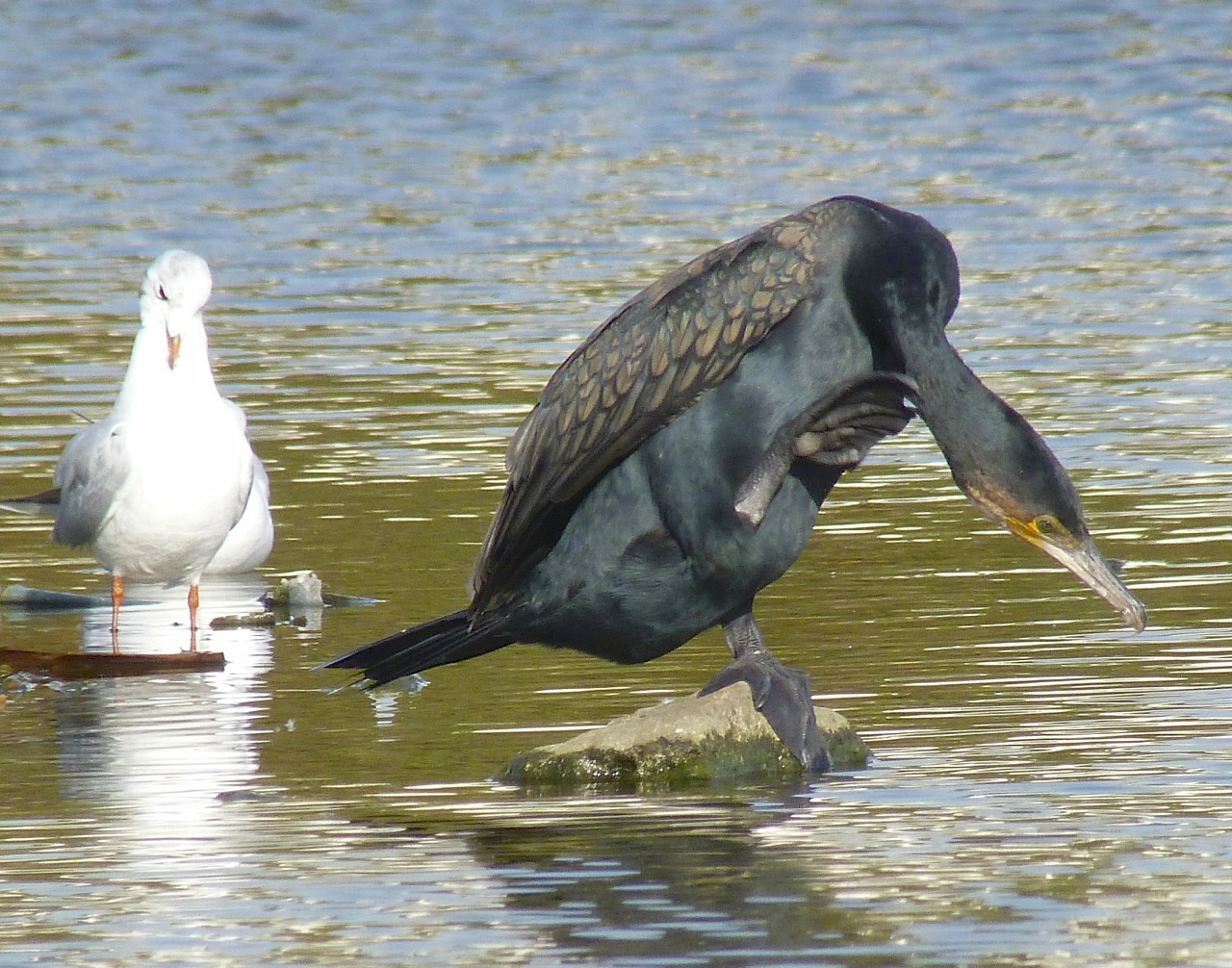
Splosh! Gull Photobomb! It wasn’t there when I decided to press the trigger…Cormorant WWT 4 (gull photobomb)Itchy neck? You just have to scratch it…Cormorant WWT 6Relaxed now, thanks…Cormorant WWT 7

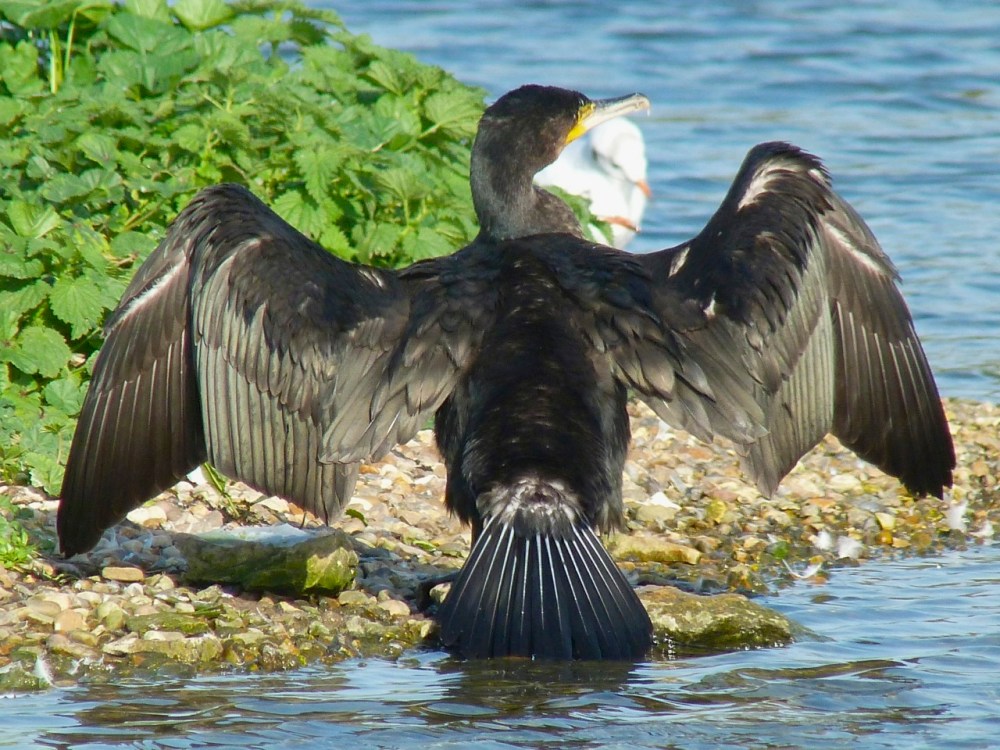
The birds here were photographed in the UK on Halloween. While the world was preparing to immerse up to its neck in blood, guts, gore and spider webs, I was out armed only with a camera in unseasonably warm sunshine. So these are Great Cormorants Phalacrocorax carbo, the species found in the UK. They a remarkably similar to the Double-crested Cormorants Phalacrocorax auritus found on Abaco but larger and with a pale cheek and upper neck. This was a perfect day for the cormorants to enjoy their preening and wing-drying routines.

Cormorant WWT 9 Cormorant WWT 10 Cormorant WWT 11  Cormorant WWT 13

Last sight of the one on the small rock: “Hey, photographer, for !@£$%&* sake leave me alone, ok?”Cormorant WWT 14

I will be writing about Neotopic Cormorants Phalacrocorax brasilianus on Abaco in detail soon, but for comparative purposes here is one from Bruce Hallett taken on Teasure Cay Golf Course, where the ponds are usually a productive birding resource (check in at the clubhouse for permission first).

Neotropic Cormorant, Treasure Cay, Abaco - Bruce Hallett

And as for the very familiar double-crested cormorant, here is a great photo taken on Abaco by Jim Todd of three chicks growing up fast in their unusual double-decker nest…OLYMPUS DIGITAL CAMERA

Credits: All photos RH except the last 2, Bruce Hallett and Jim Todd

Unknown's avatar

PLOVER LOVER? PIPING PLOVERS ON ABACO (3)


Piping Plover (Danny Sauvageau) 4

PLOVER LOVER? PIPING PLOVERS ON ABACO (3)

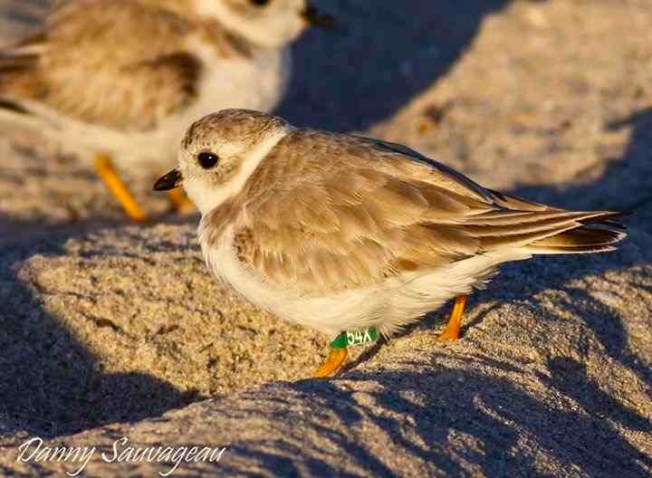
So much to post about – what to choose? Well, the fall migration is still in full swing, with warblers hurtling across land and sea to Abaco in large numbers for their overwintering. Palm warblers are currently arriving. However I’m going to stick with shorebirds for now, and one of the rarer winter visitors, the Piping Plover. I have some more great photos from Danny Sauvageau in Florida, who tirelessly patrols the plover resting areas to record the banded ones so that their origin can be determined. This research assists with vital habitat conservation programs at each end of the migration. There are only 8000 of these little birds left in the world and without protection there’ll be none before you can say “oh dear, very pretty, they’re gone, what a pity…”

PIPING PLOVERS IN THE EARLY MORNING SUNPiping Plover (Danny Sauvageau) 6Piping Plover (Danny Sauvageau) 5Piping Plover (Danny Sauvageau) 3

RING BLING & FLAG TAGS

The postions, colours and numbering of the rings and tags on these plovers identify individual birds, the location of their summer breeding grounds and so on. Dispersal and migration patterns of each bird can be recorded and specific facts – age for example – can be monitored.Piping Plover (Danny Sauvageau) 2

Piping Plover (Danny Sauvageau) 7Piping Plover (Danny Sauvageau) 8Piping Plover (Danny Sauvageau) 9Piping Plover (Danny Sauvageau) 1

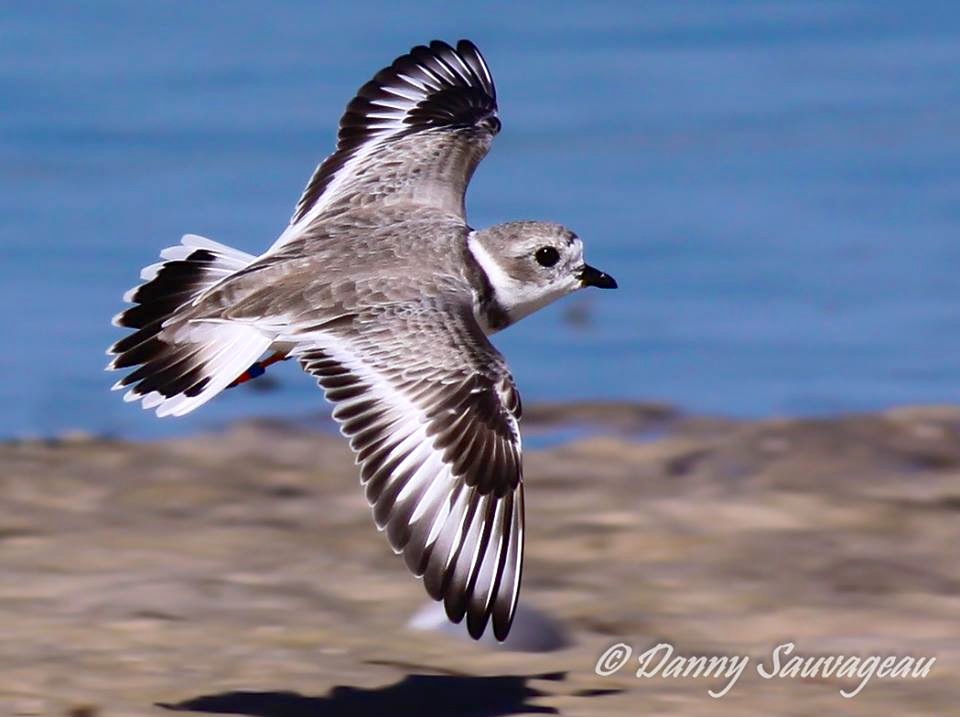
PIPL IN FLIGHT – AN AMAZING IMAGE

On the very day I was about to press the ‘publish’ button on this post, look what just flew in from Danny’s beach in Fl.! This is an outstanding photo of a PIPL in flight – you can even see its shadow on the sand. I have a few shots of these birds flying in groups over the sea but apart from a general impression of PIPL-ness, they could really be any small shorebirds travelling fast on the wing. This one is special. Piping Plover in flight (Fl., Danny Sauvageau)

ABACO PIPL NEWS

Piping plovers have already arrived on Abaco. Casuarina beach is a promising place to look. Rhonda Pearce sent me this nice photo taken on the point (see my map). This pretty bird looks as though it has a black tag. However Todd Pover of CONSERVE WILDLIFE NEW JERSEY who also monitors the Abaco end of the migration thinks it may just be a piece of wrack – black tags are not usually used.

If anyone sees a piping plover and has a camera handy, I’d be very pleased to receive any photos, especially showing rings if possible – or indeed ringless legs, which is also informative to the monitors. If it turns out to be a Wilson’s Plover, no matter: they are fine birds in their own right!

PIPL Casuarina Oct 14 Rhonda Pearce via RHCasuarina Map jpg

Finally a quick reminder about Danny’s Kickstarter project “Saving Endangered Piping Plovers through Photography” and his presentation explaining how his photography in PIPL resting areas during their migrations can help to map and complete the picture of this vulnerable species to enable their protection.

You can reach Danny’s film by clicking the link DANNY’S FILM and you will see some fabulous footage of these little birds scuttling around on the beach, looking enchanting; and the commentary will explain the importance of the the birds and the research into their conservation.

RELATED POSTS

RARE GEMS: PIPL ON ABACO 1

50 WAYS TO PLEASE YOUR PLOVER

And finally – what are the good people of Massachusetts doing to help? (great plover skitterings on the shoreline here!)

[youtube https://www.youtube.com/watch?v=tWxema5pef4&app=desktop]

Credits: All photos, Danny Sauvageau except the last, Rhonda Pearce

Piping-Plover Artmagenta          Piping-Plover Artmagenta          Piping-Plover Artmagenta          Piping-Plover Artmagenta          Piping-Plover Artmagenta          Piping-Plover Artmagenta        Piping-Plover Artmagenta

Unknown's avatar

‘WTF?’ IN BAHAMAS WATERS (3) : LETTUCE SEA SLUG


Lettuce Sea Slug ©Melinda Riger @ Grand Bahama Scuba copy

  ‘WTF?’ IN BAHAMAS WATERS (3): LETTUCE SEA SLUG

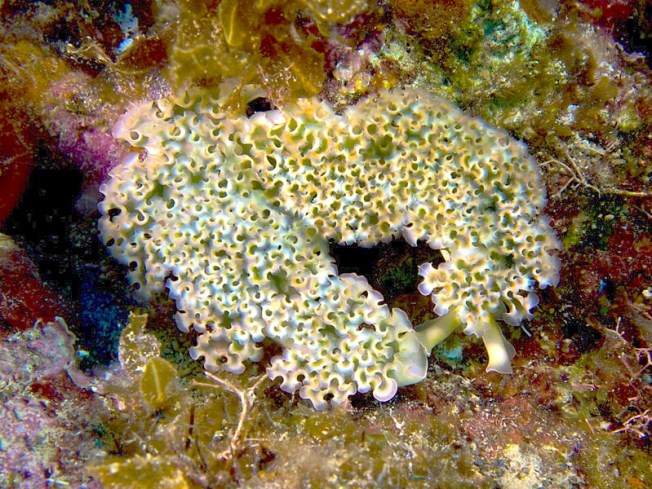
The ‘WTF’ series so far has covered Bahamas reef fish on the bizarre end of the unusual-to-completely-weird appearance spectrum. And it has stood, of course, for ‘What’s That Fish?’. Today, it doesn’t. The feature creature isn’t a fish at all; it looks like a plant; it is in fact a SACOGLOSSAN – specifically the Lettuce Sea Slug Elysia crispata

The head end is on the left…Lettuce Sea Slug ©Melinda Riger @ G B Scuba copy

The name ‘sacoglossan’ literally means ‘sap-sucker’ (the sapsucker bird has a different latin name, however). And the slug’s frilly edges supposedly resemble certain types of curly lettuce. I’ve no idea where the ‘crispata’ comes from, but I am sure it doesn’t relate to crisp lettuce. These are creatures of shallow, clear waters such as the sub-tropical reefs of the Bahamas.

Lettuce_Sea_Slug_LASZLO ILYES

 ‘SOLAR POWERED SLUGS’

This isn’t a technical forum and too much science hurts my head. This species primarily lives off algae. However I give you the word KLEPTOPLASTY to drop into your conversation. In a sentence, algae is eaten but only partially digested; certain elements are stored to produce photosynthesis by which light is converted to energy and the slug can live without food. But baffle your neighbour at dinner, why not, by summarising the process as “chloroplast symbiosis”. Meanwhile, I’m fetching a beer.

Lettuce Sea Slug ©Melinda Riger @ GB Scuba copy

My research suggests that very little is known about the mating behaviour of these slugs. The pair shown below may be exploring the possibilities, or at least trying to work out which end is which. One is easy to tell, but the other? Time to make our excuses and leave…

Elysia_crispata_(Lettuce_Sea_Slug_pair) Nick Hobgood

HOW FAST, EXACTLY, DOES A LETTUCE SEA SLUG MOVE?

This rather beautiful video from ‘CORAL MORPHOLOGIC’ will reveal all. You’ll soon see that progress is very slow. I recommend watching the first 30 seconds and you’ll get the idea. If you choose to persist, you will see the slug sort of turn a corner to the left.

Credits: Melinda @ Grand Bahama Scuba, Laszlo Ilyes, Nick Hobgood, Coral Morphologic, Wiki

Unknown's avatar

STANDIN’ ON THE DOCK OF THE BAY: GREAT BLUE HERON ON ABACO


Great Blue Heron, Sandy Point, Abaco - Keith Salvesen 2

STANDIN’ ON THE DOCK OF THE BAY: GREAT BLUE HERON ON ABACO

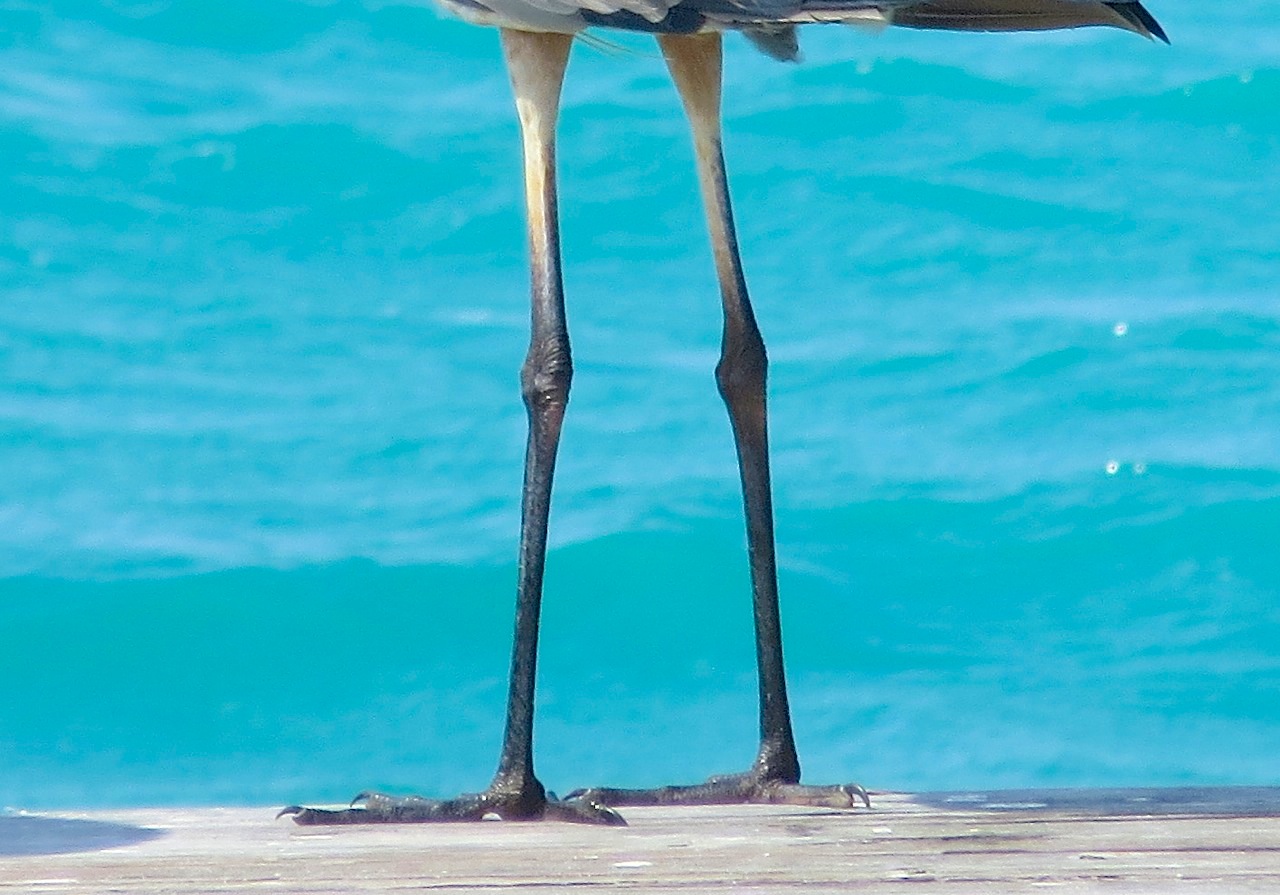
The occasion: a trip to Sandy Point for a lunch party at the legendary Nancy’s in honour of  Sandy Walker at the end of his 5 years as manager of the Delphi Club. A pair of brown pelicans on the nearby dock were clumsily flying around, diving, perching, drying their feathers, then repeating the cycle. In a quiet moment I slipped away to watch them – and a Great Blue Heron landed quite close by me. So as well as taking photos of the pelicans, I pointed the camera at the heron from time to time. My favourite view is of it standing proudly on the edge of the dock, with the truly azure sea behind it (header and final image).

Great Blue Heron, Sandy Point, Abaco - Keith Salvesen 6

THE PERILS OF A CAMERA UPGRADE

[PHOTOGRAPHIC INTERLUDE – SKIP IF EASILY BORED BY SUCH THINGS]

I don’t have a fancy camera. I would never get the settings right before the bird had flown. Or died, even. So I had been using a Panasonic Lumix FZ45 kindly given to me by Mrs RH in a benign moment, possibly Christmas. Then I made a classic error of upgrading to an FZ72 with an alleged massive 60X zoom. Brilliant, I thought. Big mistake. My old camera has a Leica lens. Used with care and a lens extension (zeugma score!), it is / I am occasionally capable of taking pin-sharp photos. The upgrade camera’s lens turned out not to be a Leica. Almost all the shots I took were ‘soft’, the more so using the zoom. A soft photo taken with a less good lens, zoomed 60X, will never be a better photo. Just an even softer one. I wish I’d had Old Faithful with me instead. When we got home, I immediately dug out OF and sold 60X disappointment. OF is now reinstated as my BF.  

The shots of this heron mostly turned out fairly well, largely because it stayed quite close to me. It flew off a couple of times, then returned to the edge of the dock. Here are a few close-up views of the heron selected from the various pics I took, showing some of the details of this fine bird. Great Blue Heron, Sandy Point, Abaco - Keith Salvesen 3 Great Blue Heron, Sandy Point, Abaco - Keith Salvesen 4 Great Blue Heron, Sandy Point, Abaco - Keith Salvesen 5Great Blue Heron, Sandy Point, Abaco - Keith Salvesen 7Great Blue Heron, Sandy Point, Abaco - Keith Salvesen 10 Then I remembered why I was meant to be at Sandy Point, and went back to Nancy’s for conch fritters and a Kalik or two well OK make that three… Great Blue Heron, Sandy Point, Abaco - Keith Salvesen 11

ROLLING HARBOUR MUSICAL DIGRESSION

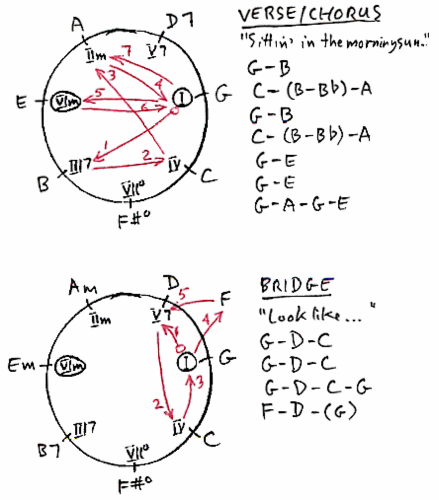
Otis Redding recorded ‘Sittin’ on the Dock of the Bay’, arguably his greatest moment, in 1967 a matter of days before he died in a plane crash. The record became the first ever posthumous US Chart #1 (#3 in UK). I’ve dug out a video compo by the excellent Rhino outfit that disinters or at least recycles gems from our musical heritage. It’s not just the voice of Otis Redding that makes this song so poignant and so good – Steve Cropper’s guitar is outstanding too.

Guitarists out there – you want a ‘Chase Chart’, don’t you?

Ch_6_Fig_114http://www.howmusicreallyworks.com

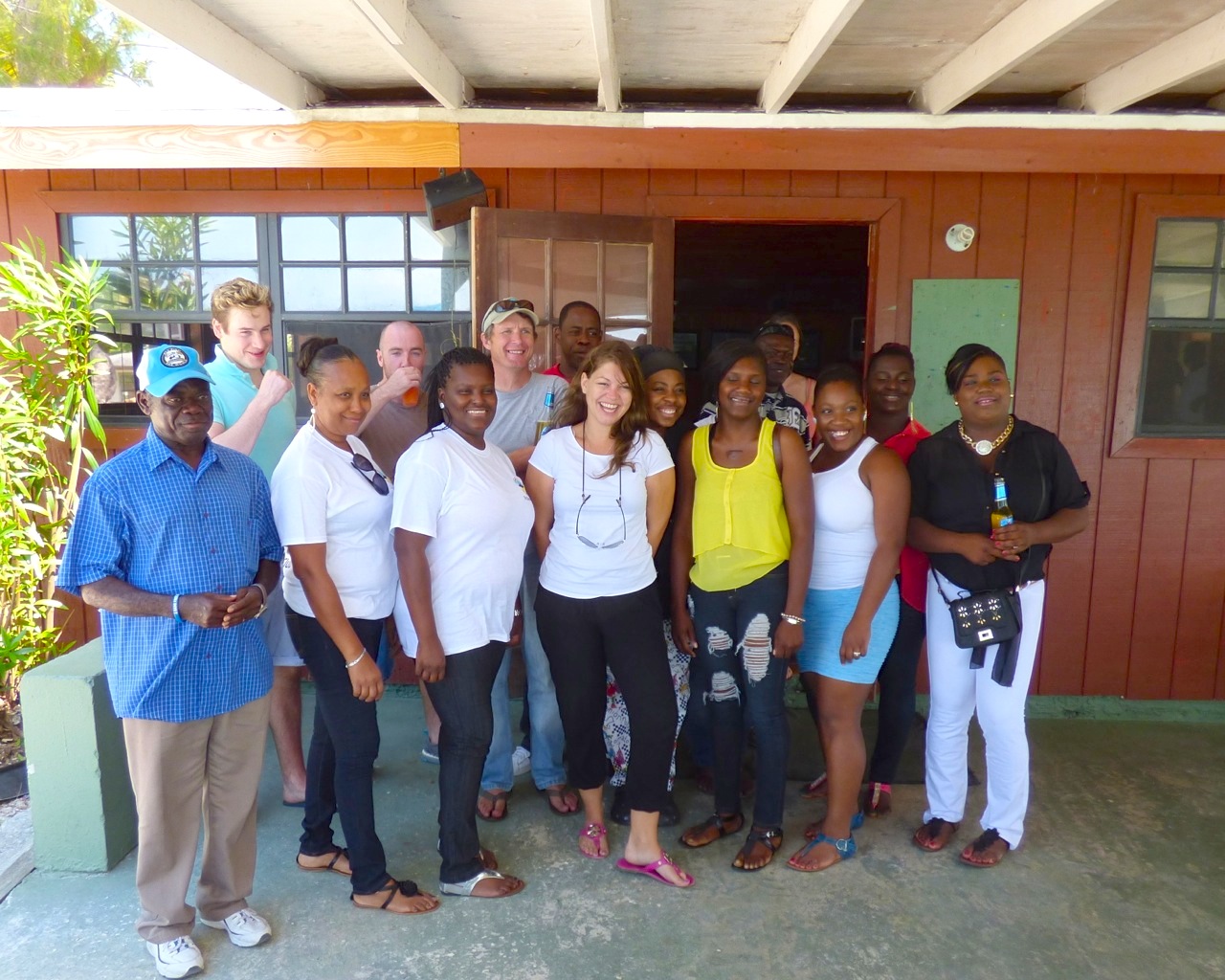
A rare photo of Sandy (centre back row, sunnies on cap) smilingSandy at Sandy Point

Photo Credits: RH, er… that it…

Unknown's avatar

ABACO’S FORGOTTEN LIGHTHOUSE: THE “OLD LIGHTHOUSE”, LITTLE HARBOUR


ABACO’S FORGOTTEN LIGHTHOUSE: THE “OLD LIGHTHOUSE”, LITTLE HARBOUR

Little Harbour Abaco, Aerial View -Simon Rodehn annotated

Little Harbour Abaco, Aerial View (Simon Rodehn)

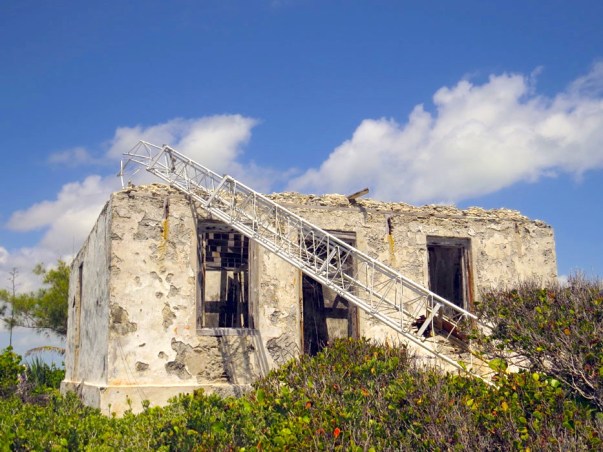
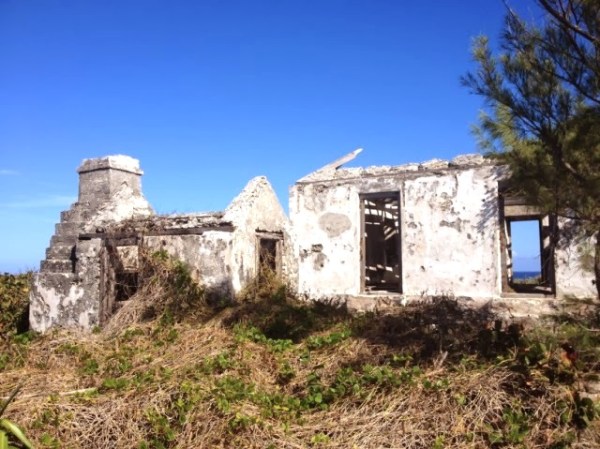
There’s relatively little that a casual investigator can discover about the ruined lighthouse at Little Harbour, Abaco. This hurricane-damaged wreck is Abaco’s third and largely unknown light, after the icon on ELBOW REEF and the desolate but romantic HOLE-IN-THE-WALL that stands on the southern tip of Abaco, down 15 miles of dodgy track through the National Park. Two specific sources of information begin our tour of the “Old Lighthouse at Little Harbour.

Extract from ROWLETT LIGHTHOUSES OF THE BAHAMAS

“LITTLE HARBOUR Date unknown (station established 1889). Inactive. Ruins of a 1-story concrete keeper’s quarters, known locally as the “old lighthouse.” A modern steel framework tower carried an active light until it was blown over by Hurricane Sandy in October 2012; Trabas has Darlene Chisholm’s photo of the toppled light. A photo and a very distant view are available, and Bing has a satellite view. In an aerial view of the harbor, the light is on the peninsula at upper right. Located at the entrance to Little Harbour, about 25 km (15 mi) south of Marsh Harbour, Great Abaco Island. Accessible by a short walk to the end of the peninsula sheltering the harbor. Site open, tower closed. Site manager: unknown. ARLHS BAH-021; Admiralty J4576; NGA 11808.”

The “Old Lighthouse” – Little Harbour, Abaco

Abaco Escape  – Sandy Estabrook’s essential GUIDE TO THE ABACOS

Often overlooked is (or should we say was) the “Old Lighthouse” as it is called. It was established in 1889 at the entrance to of Little Harbour channel, the southern entrance to Abaco Sound. Once it was a manned light, with the lighthouse keeper and his wife being the only inhabitants of Little Harbour. Of course the keepers are long gone and so is most of the house. The light tower was converted to solar in modern times but was dealt a devastating blow by Hurricane Floyd in 1999. Access is via a path which starts from the shoreline and winds up the hill through seagrapes and bush. Few people venture up here these days. If there is a big ocean swell running, walk down to the cliff top in front of the lighthouse, where you’ll find a blowhole known as the Dragon. Depending on swell height, it could be roaring, snorting and shooting out clouds of spray. Sandy Estabrook

Photos referenced by Rowlett  – see extract above

Note the steel frame tower on the right, a structure replacing the old light destroyed by Hurricane Floyd in 1999; and itself toppled by Hurricane Sandy in 2012

A GALLERY OF RECENT IMAGES

Lighthouse ruins, Little Harbour Abaco, Patrick Shyu

Lighthouse ruins, Little Harbour Abaco, Patrick Shyu. The only interior shot I could find. Note the fallen steel tower (2012) (and seen from the outside below)

Lighthouse ruins, Little Harbour Abaco - Patrick Shyu

Lighthouse ruins, Little Harbour Abaco – Patrick Shyu
Little Harbour lighthouse Abaco - Darlene Chisholm

Little Harbour lighthouse Abaco, post Hurricane Sandy – Darlene Chisholm
Little Harbour Lighthouse Ruins, Abacos - MV Shingebiss

The Old Lighthouse ruins, taken during a cruise (MV Shingebiss)

LOCATION

In the header image, the location of the Light, looking very roughly north, is shown as a grey pimple on the eastern peninsula that forms the Little Harbour bay. There is no other building in this area. Below are some additional aerial maps showing the path to the Light and its relative remoteness. It is not covered in the wonderful book on Bahamas lighthouses by Annie Potts entitled “Last Lights” (2011, Fish House Press). I surmise that this small Light was more of a beacon to pinpoint the location of the entrance to Little Harbour, and perhaps to enable triangulation with the large lights at ELBOW REEF and HOLE-IN-THE-WALL.

Little Harbour Lighthouse 1 jpg copy

Little Harbour Lighthouse 2 jpg

An unusual aerial view of Little Harbour Lighthouse from the north, showing the path to it. You can see the ‘modern steel framework tower’ referred to in the ROWLETT entry above, replacing the original lighthouse tower destroyed by Hurricane Floyd and later toppled by Hurricane Sandy.

Little Harbour Lighthouse Marinas.com

Little Harbour lighthouse Marinas.com

Credits:  Simon Rodehn (LH aerial view – thanks again!), Rowlett’s Lighthouses, Sandy Estabrook / Abaco Escape, Wiki Map, Patrick Shyu, Darlene Chisholm, MV Shingbiss, marinas.com
Unknown's avatar

HURRICANE UPDATE: GONZALO TRACKS AWAY FROM ABACO, BAHAMAS


Hurricane Irene 2011 - the eye right on course for central Abaco

Hurricane Irene 2011 – the eye right on course for central Abaco

HURRICANE UPDATE: GONZALO TRACKS AWAY FROM ABACO, BAHAMAS

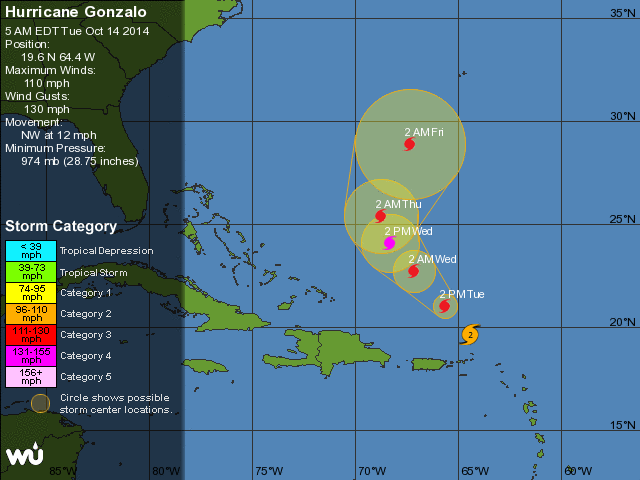
STOP PRESS – UPDATE Following yesterday’s post (below), the hurricane’s tendency to track further away from the Bahamas is confirmed by later models, for examples this one from Wunderground. So I think we are officially ‘off-risk’. But Bermuda is definitely not… Anyway, read on a bit and you will find out how hurricanes get their names! 

1901289_599770936795166_5297826701188883150_n

Yesterday I posted on my FB page an NOAA hurricane tracking map update for Hurricane Gonzalo, currently rated Cat. 2 on the SAFFIR-SIMPSON SCALE. It is making its way north through the Caribbean right now, and at one stage the storm cone looked on a possible course for the Bahamas. Abaco has been spared a major cyclone for a couple of years. However memories are very recent of Hurricane Irene (2011) which passed directly over Abaco as a Cat. 3 storm; and Hurricane Sandy (2012) that passed marginally to the east with (at that stage) an intensity of a Cat. 1 before going on to wreak havoc further north. During those ‘extreme weather events’ I posted regularly about them, with tracking maps and photos. At the time of Irene there was remarkable little information around online and I got a huge number of hits – 5000+ in a day, 15,000+ in a week. I also replied to lots of inquiries from the Bahamas, US and Canada, both general (“How are things at Cherokee?”) to very specific (“Do you happen to know if my boat ‘Blowdakidzinheritanz’ moored in Little Harbour is Okay?”).

Hurricane Sandy Earth from Space 2

Hurricane Sandy over Abaco from the International Space Station

I  have been surprised at the response the map generated by way of ‘Likes’ and comments expressing relief… So from my current safe distance of precisely 4250.00 miles from Marsh Harbour, I am posting an update with helpful maps and a bit of general hurricane info. The agencies all agree that Gonzalo will hook east as it progresses northwards. The Bahamas outlook is promising, though for example Bermuda looks to be at risk.  There’s more on hurricanes on the page ABACO WEATHER. I always think that Wunderground produce the clearest maps for general purposes, though there’s a great deal more information to be had from the NOAA site, to which there’s a direct link in the Sidebar (I’ve moved it to near the top for the time being).

CURRENT TRACKING FORECASTS OCT 14 2014 

WUNDERGROUND 3-DAY TRACKING & WIND MAP at201408at201408_satat201408_radar

NOAA TRACKERS & FORECASTS

085519203828W_NL_sm

ACCUWEATHER SATELLITE VIEW & TRACKERHurricane Gonzalo Tracking Map  - clip jpg

THE SAFFIR-SIMPSON SCALE

Here is a reminder of how tropical storms and hurricanes are measured for intensity, as decreed by the S-SS, followed by the National Hurricane Center’s explanation of the gradations of relative intensities.

Saffir-Simpson Scale (Wiki) jpgT

The Saffir-Simpson Hurricane Wind Scale is a 1 to 5 rating based on a hurricane’s sustained wind speed. This scale estimates potential property damage. Hurricanes reaching Category 3 and higher are considered major hurricanes because of their potential for significant loss of life and damage. Category 1 and 2 storms are still dangerous, however, and require preventative measures. In the western North Pacific, the term “super typhoon” is used for tropical cyclones with sustained winds exceeding 150 mph.

Category   Sustained Winds Types of Damage Due to Hurricane Winds
1 74-95 mph
64-82 kt
119-153 km/h
Very dangerous winds will produce some damage: Well-constructed frame homes could have damage to roof, shingles, vinyl siding and gutters. Large branches of trees will snap and shallowly rooted trees may be toppled. Extensive damage to power lines and poles likely will result in power outages that could last a few to several days.
2 96-110 mph
83-95 kt
154-177 km/h
Extremely dangerous winds will cause extensive damage:Well-constructed frame homes could sustain major roof and siding damage. Many shallowly rooted trees will be snapped or uprooted and block numerous roads. Near-total power loss is expected with outages that could last from several days to weeks.
3
(major)
111-129 mph
96-112 kt
178-208 km/h
Devastating damage will occur: Well-built framed homes may incur major damage or removal of roof decking and gable ends. Many trees will be snapped or uprooted, blocking numerous roads. Electricity and water will be unavailable for several days to weeks after the storm passes.
4
(major)
130-156 mph
113-136 kt
209-251 km/h
Catastrophic damage will occur: Well-built framed homes can sustain severe damage with loss of most of the roof structure and/or some exterior walls. Most trees will be snapped or uprooted and power poles downed. Fallen trees and power poles will isolate residential areas. Power outages will last weeks to possibly months. Most of the area will be uninhabitable for weeks or months.
5
(major)
157 mph or higher
137 kt or higher
252 km/h or higher
Catastrophic damage will occur: A high percentage of framed homes will be destroyed, with total roof failure and wall collapse. Fallen trees and power poles will isolate residential areas. Power outages will last for weeks to possibly months. Most of the area will be uninhabitable for weeks or months.

HOW DO HURRICANES GET THEIR NAMES?

Check out the page ABACO WEATHER

BACKTRACKING

Hurricane Irene 2011 Bahamas Map Accu jpg Hurricane Sandy Map Bahamas 2012 jpg

Unknown's avatar

WTF? (WHAT’S THAT FISH?) 2: STRANGE BAHAMAS REEF FISH


Scorpionfish Close-up ©Melinda Riger @GBS copy

WTF? (WHAT’S THAT FISH?) 2: STRANGE BAHAMAS REEF FISH

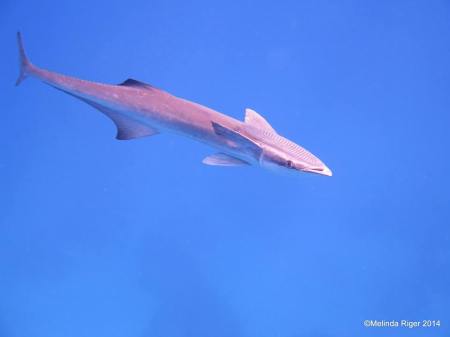
WTF 1 concerned the REMORA, the upside-down looking fish with the trainer-sole sucker on its head with which it attaches itself to sharks and other large undersea creatures. If you’ve ever seen a picture of a shark with one or more grey passengers hitching a ride, those are these.

Remora ©Melinda Riger @ GB Scuba

WTF 2 features some creatures found in the reef waters of the Bahamas that make you wonder just how and why they are as they are. They look unnecessarily complicated, and the design is somewhat outlandish. See what you think of these…

BURRFISH

Burrfish ©Melinda Riger @ G B Scuba

SLIPPER LOBSTER

Slipper Lobster ©Melinda Riger @ GB Scub.

SCORPIONFISH (& header image) camouflaged against coralScorpionfish camouflaged against coral ©Melinda Riger copy

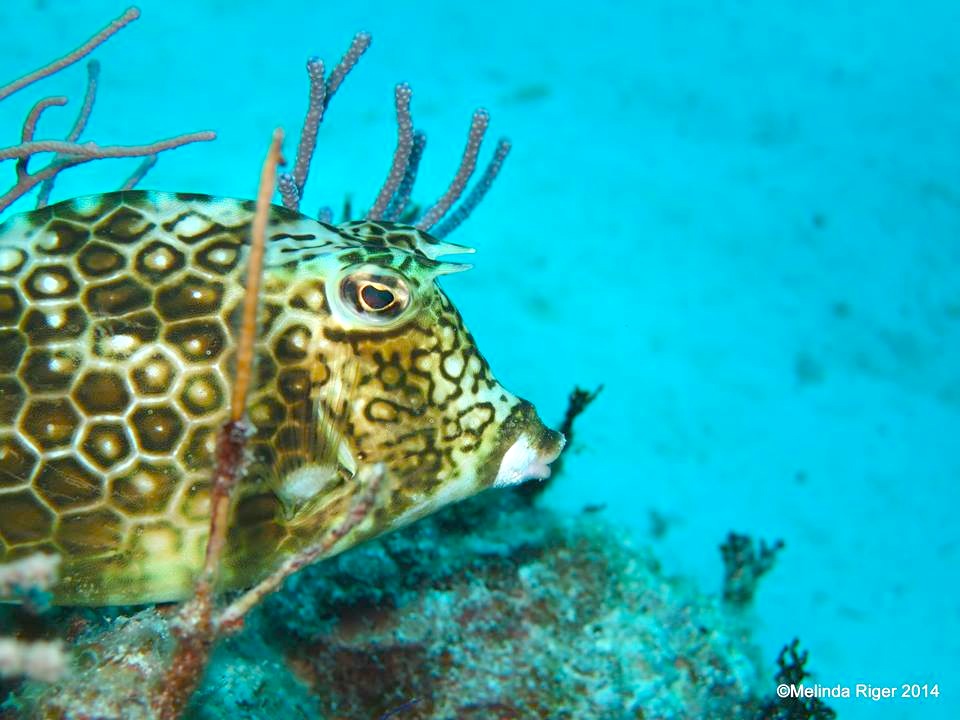
COWFISH

Cowfish ©Melinda Riger @ GB Scuba   Cowfish 2 ©Melinda Riger @ Grand Bahama Scuba copy

TRUNKFISH

Trunkfish ©Melinda Riger @GBS copy 3

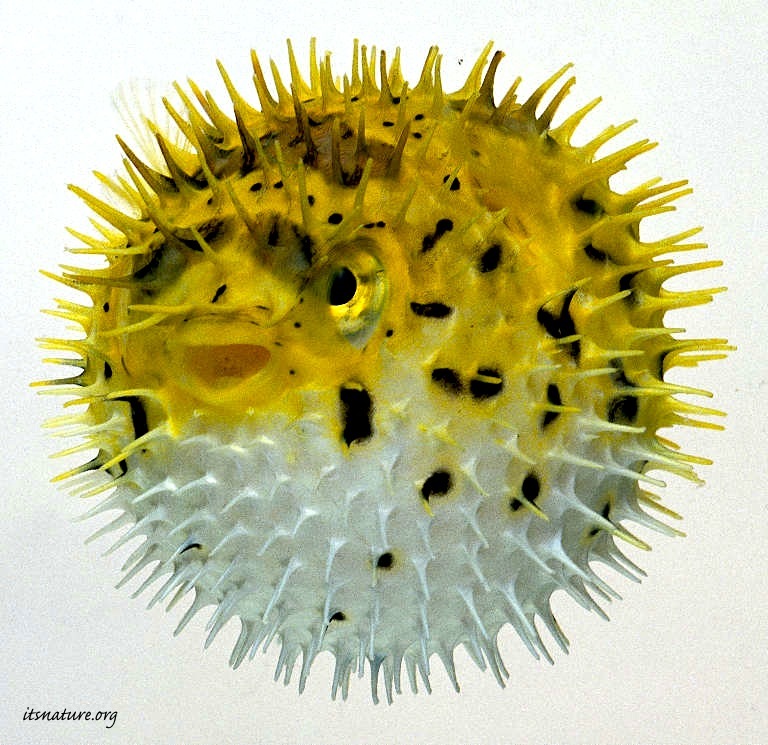
PORCUPINE FISH 

“Watch this…”Porcupine Fish (Virginia Cooper via G B Suba)

“Ta Daaaaaa”porcupine-fish

 AIRPLANEFISH*

Airplane remains ©Melinda Riger @ GB Scuba

*Well, it’s really airplane wreckage. Besides a few other planes and a variety of ships that can be explored underwater, there are also two locomotives in Abaco waters that “fell off” a ship while being transported. Now recreate in your mind the subsequent conversation with an insurance company…

APOLOGIES Header image repeated to sort out FB visuals problem that’s driving me nutsScorpionfish Close-up ©Melinda Riger @GBS copy

Credits: Melinda Riger, Grand Bahama Scuba;Virginia Cooper;  itsnature.org

Unknown's avatar

ABACO WARBLERS: A COMPLETE PDF GUIDE FOR TABLET & PHONE


Black & White Warbler, Abaco - Bruce Hallett

ABACO WARBLERS: A COMPLETE PDF GUIDE

Yesterday I posted a complete guide to Abaco’s 37 warblers. A few people said nice things about it. Two people spotted a mistake (my bad!), now corrected. It has now occurred to me that it might be helpful to reduce the contents to a shorter PDF so as to make the guide more handy – plus you will be able to print it out. If you click the link below, you can save the 1.6 mb ‘booklet’ onto your computer desktop / iPad / tablet / etc. You can email it to your phone and save it there. For an iPhone, you have the option to have a ‘quick check’. I you want to keep it, you can ‘cloud’ it, or save it in various ways on the phone, for example to iBook or Kindle if you have the App. I expect other cellphone  types are much the same. I have road-tested the system, and it works! So if one sunny day you suspect you are looking at a Bay-breasted Warbler (highly unlikely, but possible) in that small bush over there… yes look, near the top on the left… no, on the long twig lower down… you can check it out. 

AN ILLUSTRATED GUIDE TO ABACO’S WARBLERS

Bahamas-Great Abaco_Prairie Warbler_Gerlinde Taurer

And here’s the thing. You have a camera in your hand to record the encounter. And if the little rascal is happily singing away, you can use you phone to record it, using a simple technique I have previously described – check out the link. 

HOW TO RECORD BIRDS ON A PHONE 

Prothonotary Warbler, Abaco - Craig Nash

Photos: Black & White Warbler, Bruce Hallett; Prairie Warbler, Gerlinde Taurer; Female Prothonotary Warbler, Craig Nash

Unknown's avatar

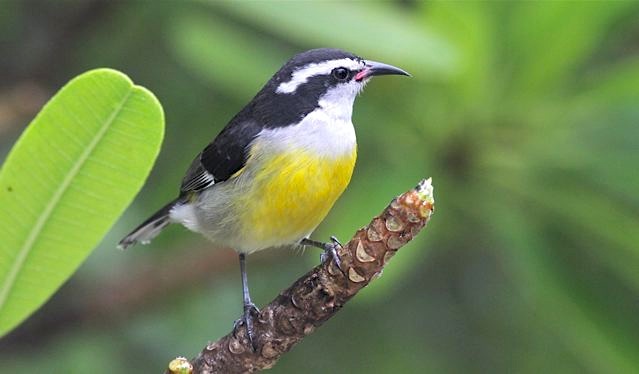
BANANAQUITS ON ABACO: CHEERY VANQUISHERS OF GLOOM


Bananaquit, Abaco - Bruce Hallett

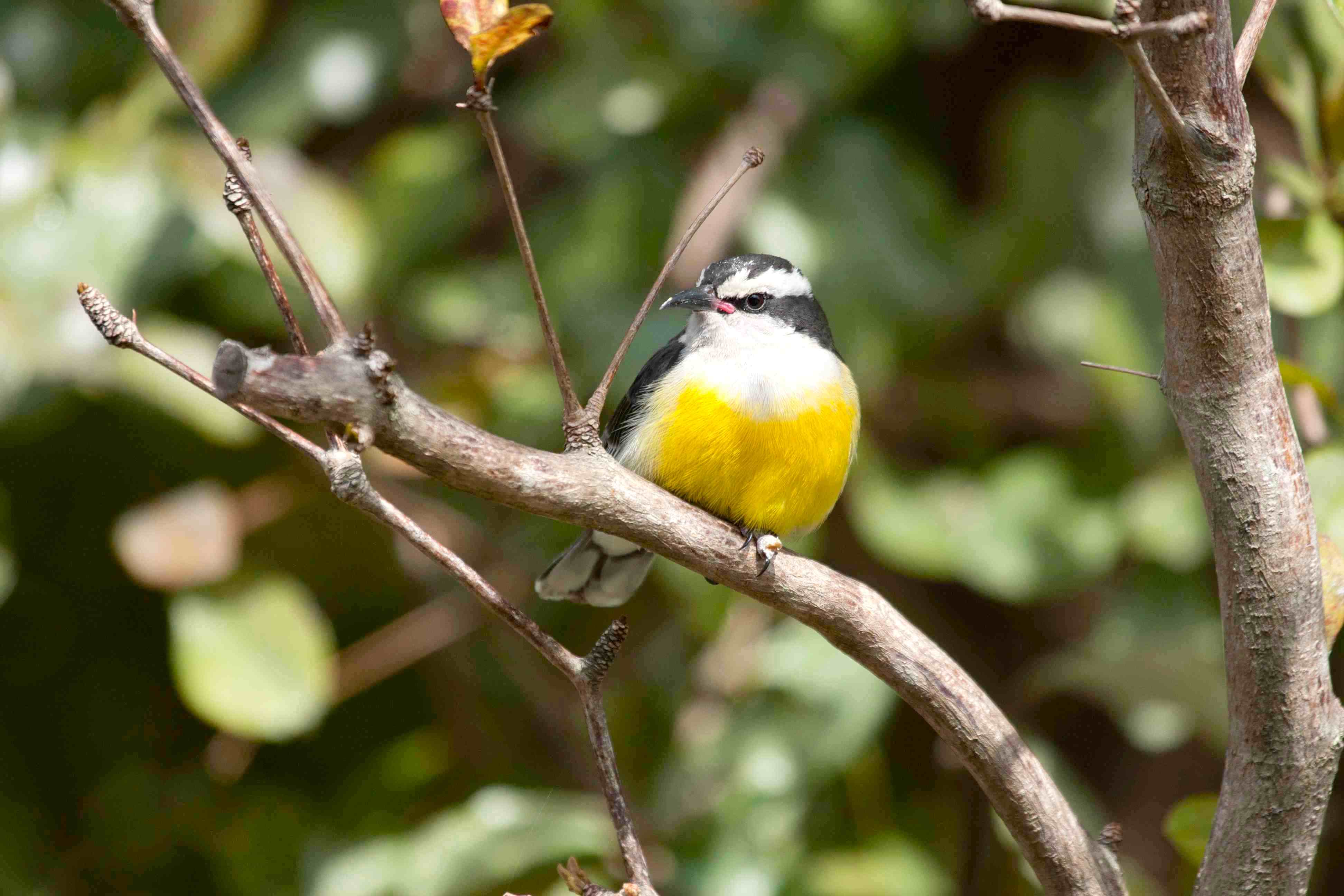
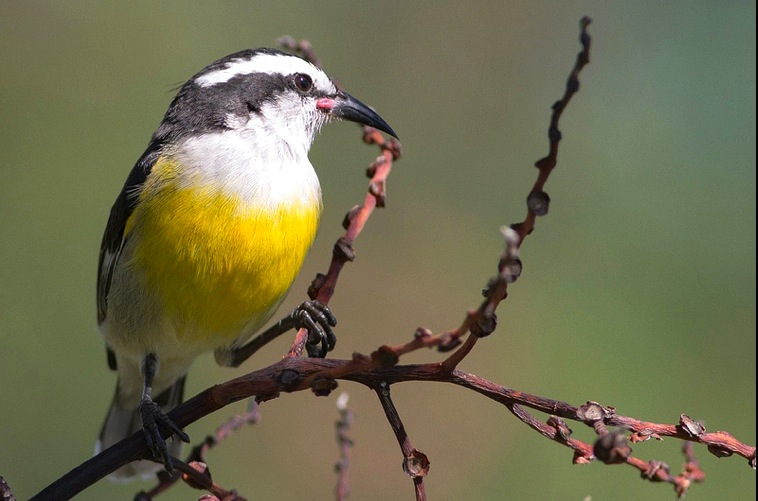
BANANAQUITS ON ABACO: CHEERY VANQUISHERS OF GLOOM

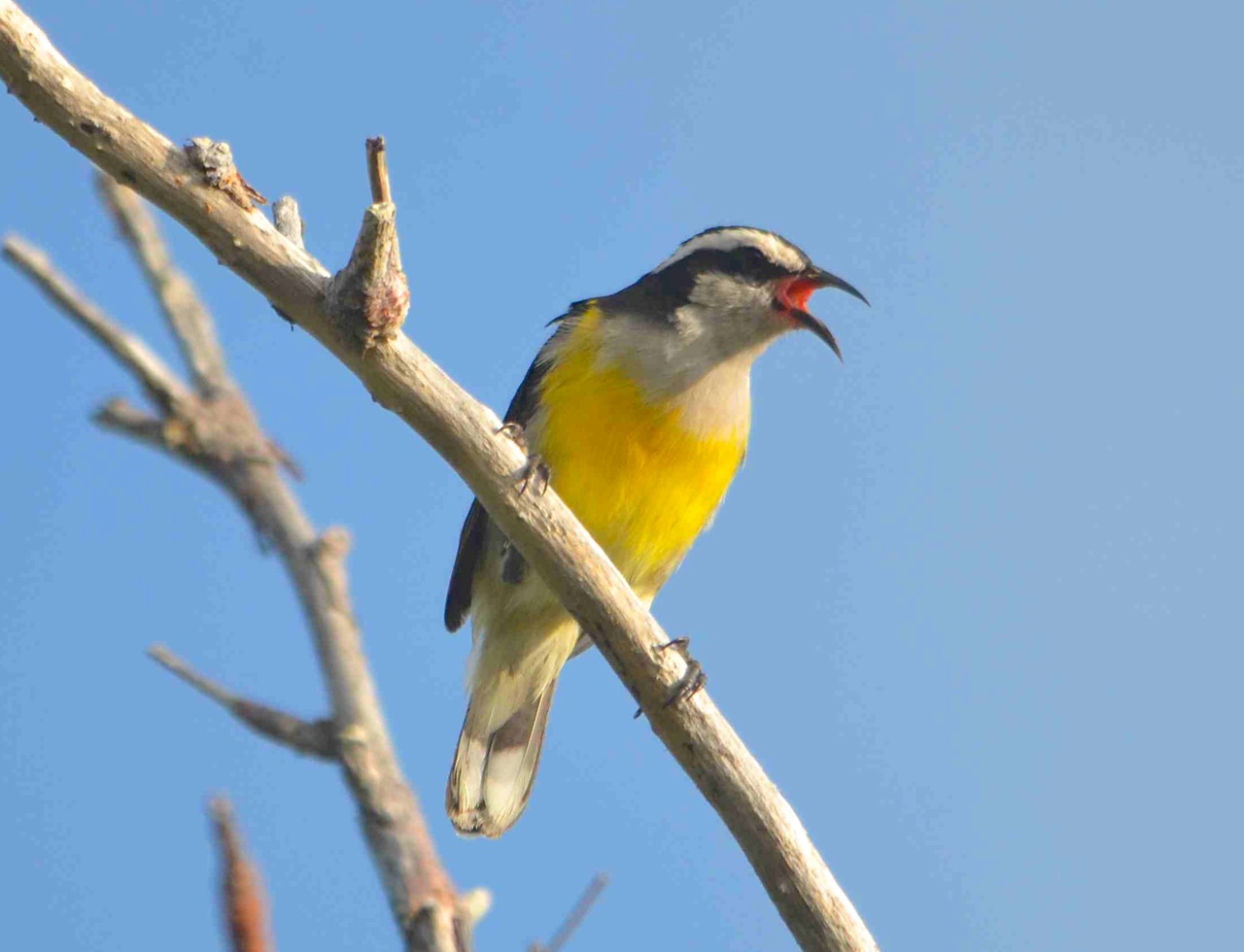
I’d been planning a post about marine debris and its dire effects on the natural world. Some images I proposed to use are distressing, and some simply suggest how futile it is to try to prevent mankind chucking harmful and semi-permanent rubbish into the sea. Depressing. A gyre of upset. Add in new military interventions without limitation and suddenly I longed for something more cheerful. Checking through a folder of photos of Bananaquits helped to stave of the gloom, so I picked out a few images of this lovely small bird taken by 9 photographers. 

Bananaquit, Abaco - Craig NashBananaquit & palm, Delphi, Abaco, Bahamas 2 (Keith Salvesen)Bananaquit, Treasure Cay, Abaco - Becky MarvilBananaquit, Bahamas, Great Abaco - Gerlinde TaurerBananaquit, Abaco - Bruce HallettBananaquit, Abaco - Charlie Skinner Bananaquit, Abaco - Erik Gauger Bananaquit, Abaco - Tom Reed Bananaquit, Abaco - Peter Mantle

Credits: Bruce Hallett, Craig Nash, Keith Salvesen, Becky Marvil, Gerlinde Taurer, Charlie Skinner, Erik Gauger, Tom Reed, Peter Mantle

Unknown's avatar

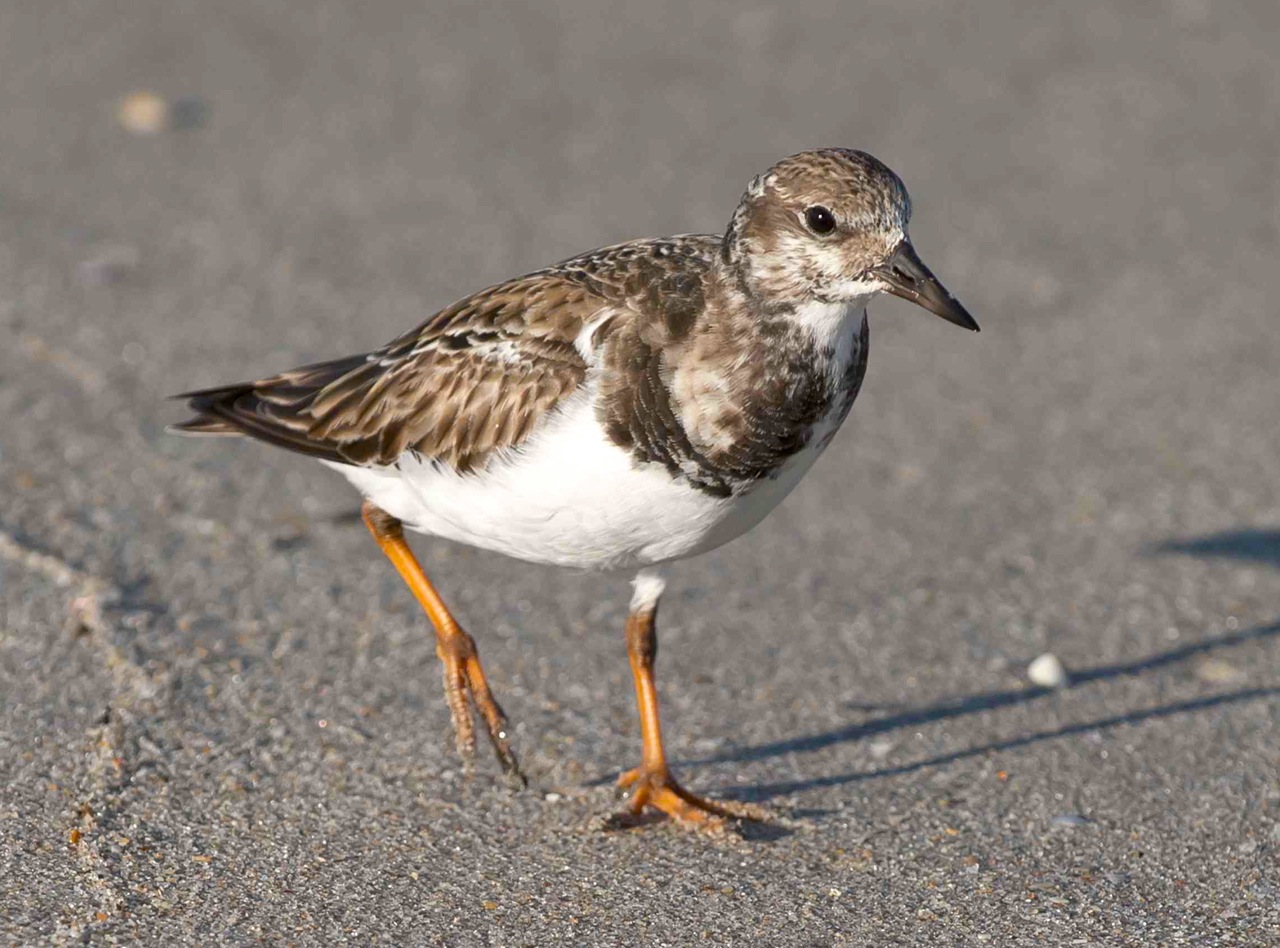
WORLD SHOREBIRDS DAY – ABACO’S 33 SHOREBIRD SPECIES (2) – SANDPIPERS


Ruddy Turnstone winter plumage.Abaco Bahamas.2.13.Tom Sheley e

WORLD SHOREBIRDS DAY: ABACO’S 33 SHOREBIRD SPECIES (2)

Yesterday I featured 8 of the larger, longer-billed species among Abaco’s 33 shorebirds. Plus one cute Wilson’s Plover chick as page-bait! A number of those are classified as sandpipers. To see them, click HERE. Today it’s the turn of the smaller sandpiper species, little birds with long beaks for their size that in general help differentiate them from the stubby-beaked plover species. To recap, here is  the main Abaco shorebird checklist of 26 species (birds previously featured in bold):

The codes will tell you, for any particular bird, when you may see it (P = permanent, WR = winter resident, TR = transient, V = vagrant); whether it breeds (B) on Abaco; and your chance of seeing it, graded from easy (1) to vanishingly unlikely (5).

  • Black-necked Stilt                         Himantopus mexicanus              PR B 3
  • American Avocet                           Recurvirostra americana           WR 4
  • American Oystercatcher          Haematopus palliatus                 PR B 2
  • Black-bellied Plover                          Pluvialis squatarola                     WR 1
  • American Golden-Plover                 Pluvialis dominica                        TR 4
  • Wilson’s Plover                                  Ochthodromus wilsonia              PR B 2
  • Semipalmated Plover                        Charadrius semipalmatus         WR 2
  • Piping Plover                                      Charadrius melodus                      WR 3
  • Killdeer                                                 Charadrius vociferus                    WR 2
  • Spotted Sandpiper                              Actitis macularius                         WR 1
  • Solitary Sandpiper                             Tringa solitaria                              WR 2
  • Greater Yellowlegs                       Tringa melanoleuca                     WR 2
  • Willet                                                   Tringa semipalmata                     PR B 2
  • Lesser Yellowlegs                          Tringa flavipes                               WR 3
  • Ruddy Turnstone                                Arenaria interpres                        PR 2
  • Red Knot                                               Calidris canutus                              WR 3
  • Sanderling                                            Calidris alba                                     WR 1
  • Dunlin                                                 Calidris alpina                                 WR 2
  • Least Sandpiper                                  Calidris minutilla                           WR 2
  • White-rumped Sandpiper                 Calidris fuscicollis                          TR 3
  • Semipalmated Sandpiper                  Calidris pusilla                                TR 2
  • Western Sandpiper                             Calidris Mauri                                 TR 2
  • Short-billed Dowitcher               Limnodromus griseus                   WR 1
  • Long-billed Dowitcher                Limnodromus scolopaceus         WR 4
  • Wilson’s Snipe                                 Gallinago delicata                         WR 3
  • Wilson’s Phalarope                            Phalaropus tricolor                        V 4

The other 7 species of shorebird recorded for Abaco – all transients or vagrants – are: Upland Sandpiper TR 4, Whimbrel  TR 4, Hudsonian Godwit V5, Marbled Godwit V5, Buff-breasted Sandpiper V5, Pectoral Sandpiper  TR 3, Stilt Sandpiper TR 3

SANDPIPERS

Of the sandpiper species shown below, 9 of the 10 are ones that, at the right time and in the right place, you may see on Abaco. The tenth, the Wilson’s Phalarope, is the first specimen ever recorded for Abaco and as far as is known this is the only photo of it (props to Woody Bracey for this accomplished ‘get’). Again, some of the birds shown below were photographed on the Delphi Club beach.

SPOTTED SANDPIPER Actitis macularius   WR 1Spotted Sandpiper.Abaco Bahamas - Tom Sheley

SOLITARY SANDPIPER Tringa solitaria  WR 2Solitary Sandpiper, Petrie Island D G E Robertson Wiki

RUDDY TURNSTONE  Arenaria interpres  PR 2Ruddy Turnstone Abaco Bahamas. 2.12.Tom Sheley copy 2

RED KNOT Calidris canutus (non-breeding plumage)  WR 3Red Knot,  Green Turtle Cay, Abaco - Becky Marvil

SANDERLING  Calidris alba  WR 1Sanderling, Abaco -  Craig Nash

LEAST SANDPIPER  Calidris minutilla  WR 2Least Sandpiper, Delphi Club Beach, Abaco - Keith Salvesen

WHITE-RUMPED SANDPIPER  Calidris fuscicollis  TR 3White-rumped Sandpiper, Abaco - Tony Hepburn

SEMIPALMATED SANDPIPER   Calidris pusilla  TR 2Semipalmated Sandpiper, Abaco (juv) Bruce Hallett

WESTERN SANDPIPER  Calidris Mauri  TR 2Western Sandpiper, Abaco (Bruce Hallett)

WILSON’S PHALAROPE Phalaropus tricolor  V 4 Wilson's Phalarope, Abaco - Woody Bracey

RELATED POSTS

RUDDY TURNSTONES

LEAST SANDPIPERS

Photo Credits: Tom Sheley, D Robertson, Becky Marvil, Craig Nash, RH, Tony Hepburn, Bruce Hallett, Woody Bracey

Unknown's avatar

‘AMOY’ THERE! AMERICAN OYSTERCATCHERS ON ABACO


American Oystercatcher.Delphi Club.Abaco Bahamas.Tom Sheley

‘AMOY’ THERE! AMERICAN OYSTERCATCHERS ON ABACO

The American Oystercatcher Haematopus palliatus is a familiar shorebird, with the significant advantage that it cannot be mistaken for any other shore species either to look at or to hear. All those little sandpipers and plovers can be very confusing; the handsome AMOY stands out from the crowd. I am posting about this species now as a prelude to WORLD SHOREBIRDS DAY on September 6th. The link will take you to the official Facebook Page where you will find more information, including how to sign up for a pleasant day’s birding, with the chance to report your sightings.world-shorebirds-day1000

The header picture and the next 2 were taken by photographer and ace birder Tom Sheley on the Delphi Club beach. Unsurprisingly, we used one of these wonderful photographs as a full-page image in The Delphi Club Guide to THE BIRDS OF ABACO.

American Oystercatcher.Delphi Club.Abaco Bahamas.Tom Sheley American Oystercatcher.Delphi Club.Abaco Bahamas.Tom Sheley

Bruce Hallett, author of the essential field guide ‘Birds of the Bahamas and the TCI’ (featured in the sidebar) was a major contributor to the book. Not just with his excellent photographs, either, such as the two below. His knowledge, his patience with my queries, and his scrupulous reading of the final draft to eliminate my errors were vital to the project. American Oystercatcher.Abaco Bahamas.Bruce HallettAmerican Oystercatcher.Abaco Bahamas.Bruce Hallett163952

Here are two recordings of oystercatchers, unmistakeable call sounds that will probably be instantly familiar.

Lopez Lanus / Xeno-Canto

Krzysztof Deoniziak / Xeno-Canto

I like the rather dishevelled appearance of this AMOY from Jim Todd, fly fisherman, author of ‘The Abaco Backcountry’, and intrepid kayak explorer around the coast of Abaco.American oystercatcher Abaco (Jim Todd)

The next two photos were taken on the Delphi beach by Charlie Skinner, another contributor to the book. Below them is an ‘in-flight’ shot by Bruce Hallett.American Oystercatcher, Abaco (Charlie Skinner)American Oystercatcher, Abaco (Charlie Skinner)     American Oystercatcher.Abaco Bahamas.Bruce Hallett

This fine video from Audubon shows close-up views of the American Oystercatcher, and unleashes more of the distinctive call-sounds – an insistent wittering – of the species. [vimeo https://vimeo.com/48479131%5D

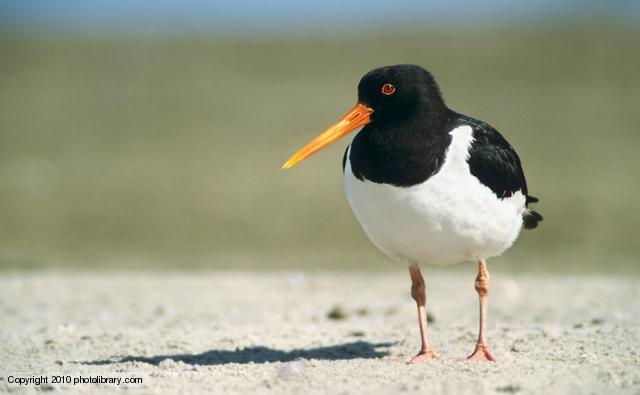
For some time, I found it difficult to distinguish American and Eurasian Oystercatchers. The markings of both species are variable according to gender, age, season and so on, but are generally very similar. Mrs RH noticed the salient difference at once – the eyes. The AMOY has bright orange eyes with red eye-rings; the EUROY’s eyes are the reverse colouring, as this example shows.Eurasian Oystercatcher. BBC

 Credits: Tom Sheley, Bruce Hallett, Jim Todd, Charlie Skinner, Xeno-Canto, Audubon, BBC
world-shorebirds-day1000

Unknown's avatar

‘SPOTTED IN ABACO WATERS’: PANTROPICAL SPOTTED DOLPHINS


 Spotted Dolphins Abaco Bahamas (BMMRO)

‘SPOTTED IN ABACO WATERS’: PANTROPICAL SPOTTED DOLPHINS

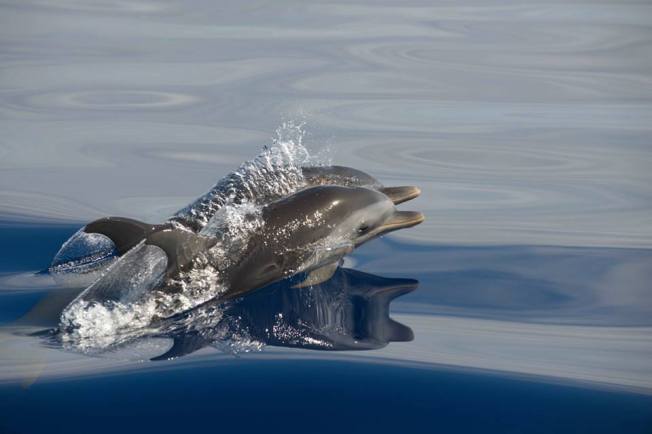
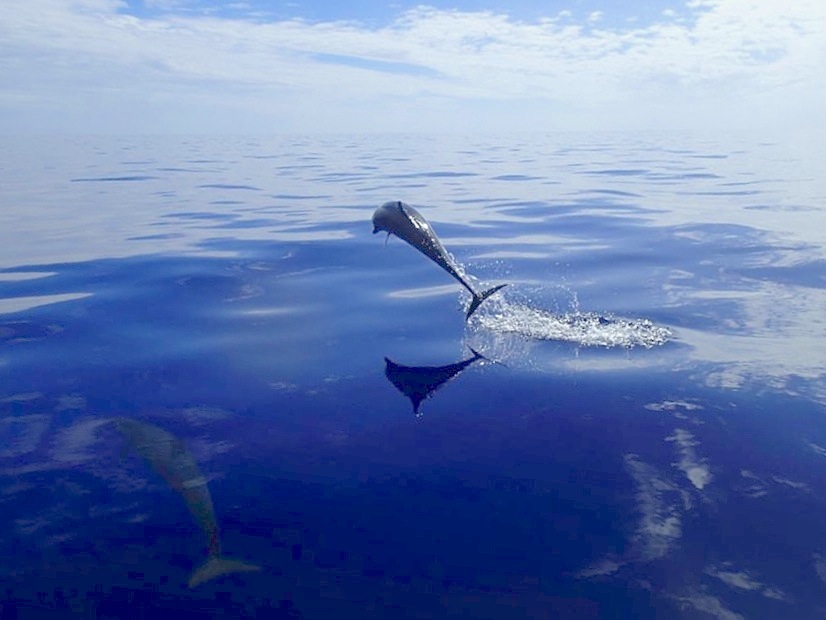
The BMMRO has posted several reports of dolphin and whale activity around the coast of Abaco during August, with some outstanding photos to accompany them. I had been going to post rather generally about this until a couple of days ago, when an unusual dolphin species for the region was… er… spotted and some memorable images taken.

Spotted Dolphins Abaco Bahamas (BMMRO)

These are PANTROPICAL SPOTTED DOLPHINS Stenella attenuata, whose range encircles the globe but at a lower latitude than the far more frequently encountered resident  ATLANTIC SPOTTED DOLPHINS Stenella frontalis. Here are comparative range maps. The rarity of the Pantropical species in the Bahamas is indicated in the BMMRO report of a stranding in 2011 – see below.

ATLANTIC SPOTTED DOLPHIN                                                                    PANTROPICAL SPOTTED DOLPHIN

Verbreitungsgebiet des Zügeldelfins Stenella frontalis.PNG                                                Cetacea range map Pantropical Spotted Dolphin.PNG

Spotted Dolphin Abaco, Bahamas (BMMRO) copy 2

Spotted Dolphins Abaco  Bahamas (BMMRO)Spotted Dolphins  Abaco Bahamas (BMMRO) copy

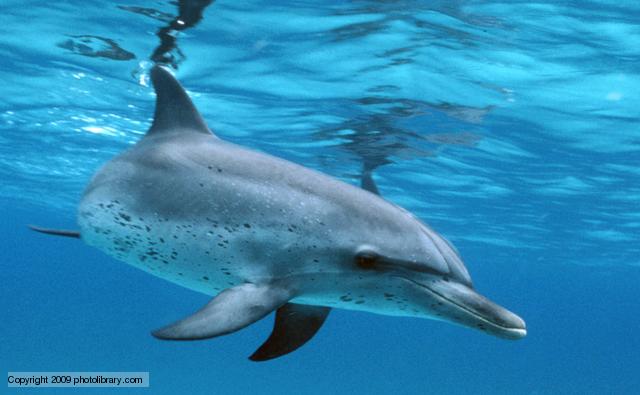
The pantropical image below is from the BBC archive and not taken in the Bahamas. I’ve included it for illustrative purposes due to the close-up underwater view of the dolphin.Pantropical spotted dolphin (BBC)

This wonderful underwater video of pantropicals is by Jake Levenson, shot from a polecam. Although it is 6 minutes long, I highly recommend it for (a) the stunning views of these creatures at very close quarters (b) the excellent audio quality – you can clearly hear the dolphins communicating with ‘sonar’ clicks and squeaks, and (c) the strange sense of peace you may feel when you have watched it. 

[youtube http://youtu.be/-hXTYe58g34]

PANTROPICAL SPOTTED DOLPHIN STRANDING 2011

In May 2011 a dead dolphin was found on the sandbank at Casaurina Point, Abaco. BMMRO’s scientists established that it was a sub-adult male pantropical spotted dolphin with a stomach full of squid beaks, a known prey for the species. A full necropsy was conducted on the animal and samples were taken for scientific testing to determine the cause of death. At the time the BMMRO reported the find in their quarterly Newsletter:

Pantropical spotted dolphins are commonly found in off-shore waters, although they can be found close to Abaco’s coastline due to the close proximity of deep waters. They can occur in large group sizes of up to 100 animals. Adult males and females reach up to 2.6 m (8.5 ft) and 2.4m (7.9 ft) in length, respectively. Since our efforts began in 1991, BMMRO has records of only 28 sightings of pantropical spotted dolphins in The Bahamas (my rubric), although their cousin species, Atlantic spotted dolphin, is a common resident. This is the first recorded stranding of this species in The Bahamas.”

Credits: BMMRO / Diane Claridge; BBC; Jake Leveneson (video); Wiki (range maps)

Unknown's avatar

VIREOS ON ABACO (1): GOING CHEEP – THE BLACK-WHISKERED VIREO


Black-whiskered Vireo, Abaco (Bruce Hallett)

GOING CHEEP ON ABACO: THE BLACK-WHISKERED VIREO

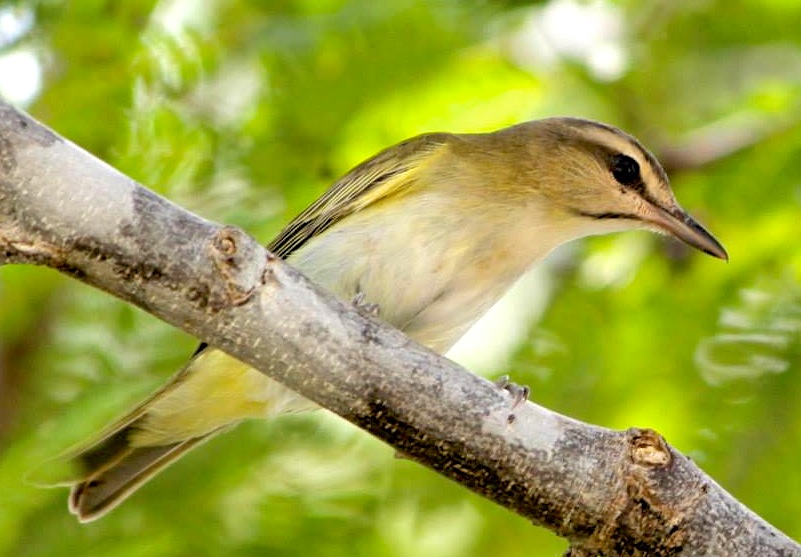
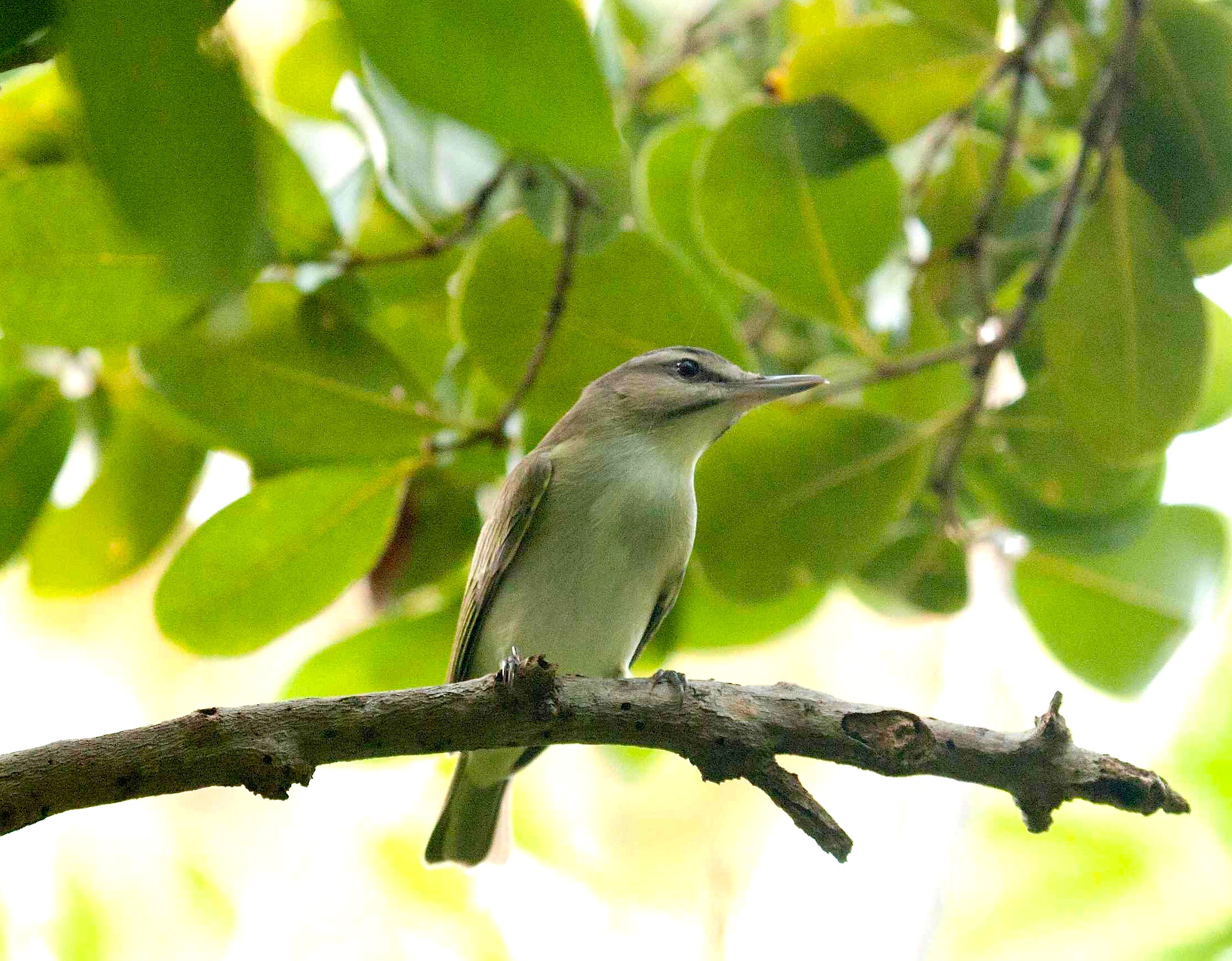
There are 8 vireo species recorded for Abaco. The most common is the ubiquitous Thick-billed Vireo Vireo crassirostris – the only permanent resident vireo – whose cheery chirp is part of the background of bird song heard daily all over the island.  The only other species you are likely to encounter without going out of your way is the summer resident BLACK-WHISKERED VIREO Vireo altiloquus, which breeds on Abaco. The other 6 are the White-eyed, Yellow-throated, Blue-headed, Warbling, Philadelphia, and Red-eyed Vireo. Of these, the first 2 are quite rare winter residents; and the other 4 are considered to be transients. Black-whiskered Vireo, Abaco

The BWV’s song is similar to the Thick-billed Vireo, but (luckily) identifiably different. I’m not a great one for phonetic attempts at turning a bird call into a human sentence of the ‘Quick!-come-to-pick-up-a-brick’ and the ‘Skin-me-a-nice-bit-of-bonefish’ type. The Black-whiskered Vireo’s song has been described as sounding like ‘Whip, Tom Kelly’. But not to me. See what you make of it…

Brian Cox / Xeno-Canto

Black-whiskered Vireo, Abaco Bahamas 2 (Tom Sheley)

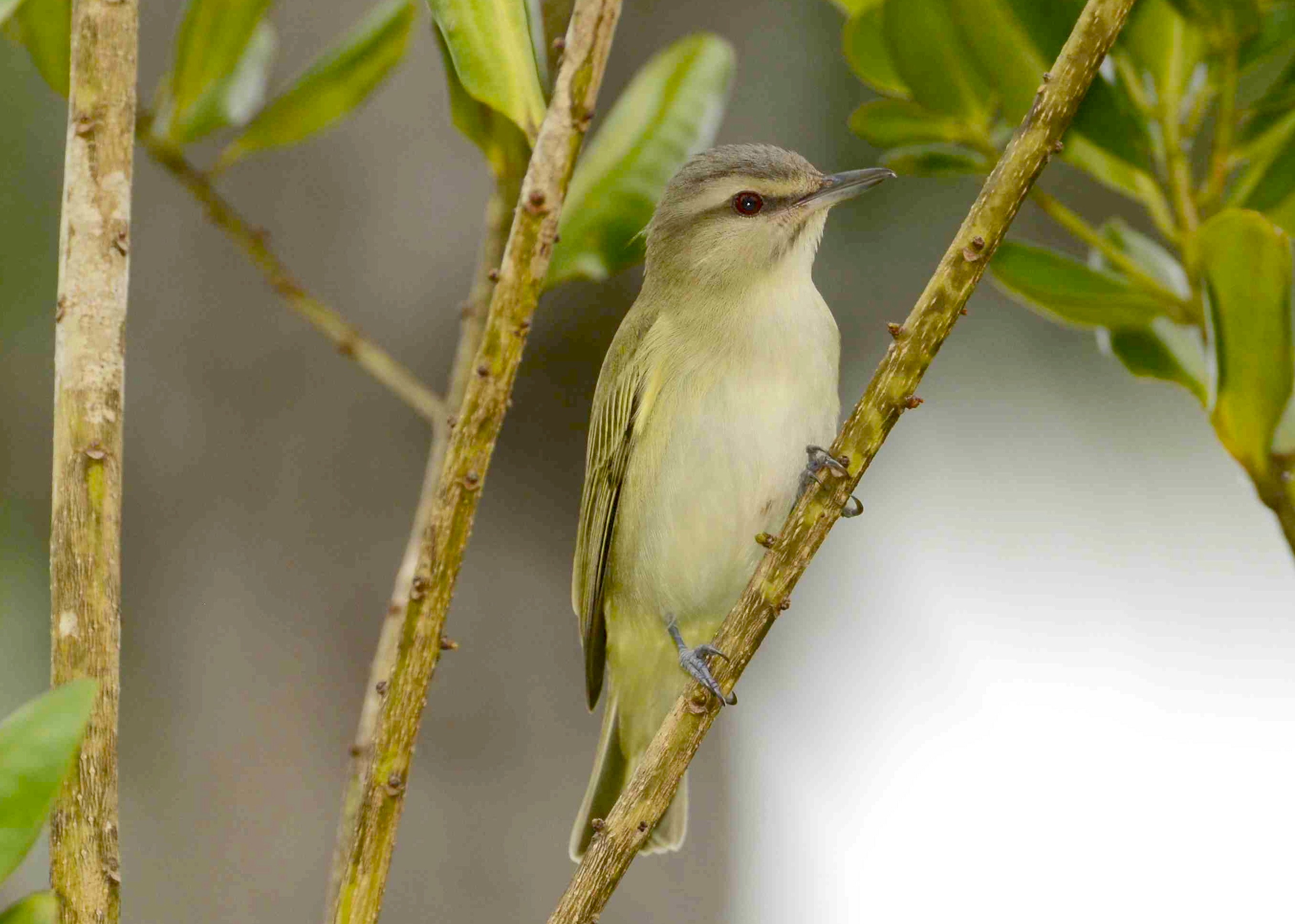
As with other vireo species, the BWV has a stout bill, a feature that helps to distinguish vireos from the many thin-billed warbler species on Abaco. The main signifiers are found on this bird’s head: the dark stripe right through the eye; the long white eyebrows; and the noticeable black lines – the ‘whiskers’ – on the sides of the neck. Other identification pointers are the pale underside with a yellow tinge to the flanks and undertail; and the red eyes (the red-eyed vireo, a very similar bird, lacks the whiskers).Black-whiskered Vireo, Abaco (Charmaine Albury)

Black-whiskered vireos feed mostly on insects in trees, bushes and undergrowth. They can sometimes be seen hovering while they forage. They also vary their diet with small quantities of berries. Here are two great shots of a mother BWV feeding a very large chick with a berry, followed by some vile insect.Black-whiskered Vireo, Abaco (Charlie Skinner)Black-whiskered Vireo, Abaco (Charlie Skinner)

Image Credits: Bruce Hallett, Tom Shelley, Charlie Skinner, Charmaine Albury, Erik Gaugerblack-whiskered-vireo, Abaco (Erik Gauger) 1

Unknown's avatar

‘TREAT WITH PATIENCE…’ – NURSE SHARKS IN THE BAHAMAS


Nurse Shark ©Melinda Riger @ GB Scuba

‘TREAT WITH PATIENCE…’ – NURSE SHARKS IN THE BAHAMAS

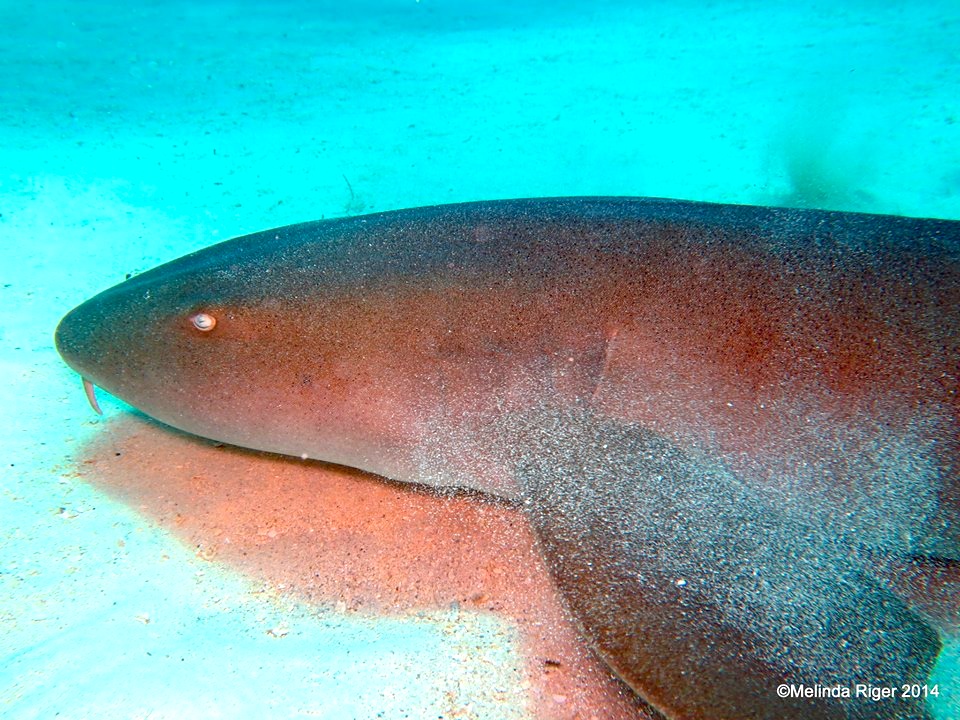
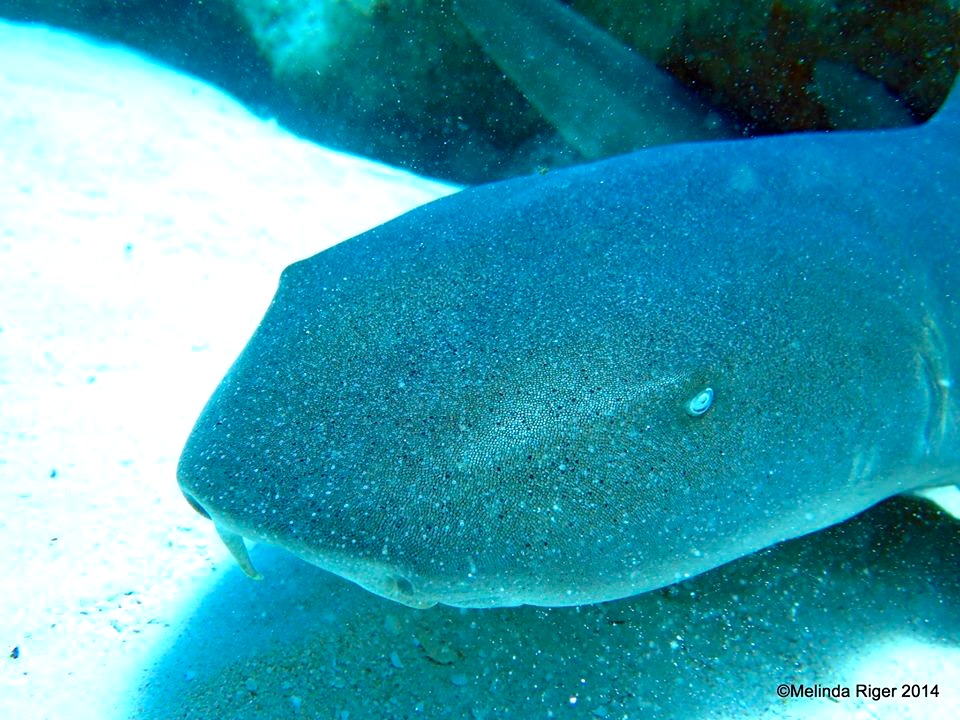
The scientific name for the nurse shark sounds like something Bilbo Baggins might have said to summon elves to his rescue: Ginglymostoma cirratum. Actually the name is a mix of Greek and Latin and means “curled, hinged mouth” to describe this shark’s somewhat puckered appearance. The origin of the name “nurse shark” is unclear. It may come from the sucking sound they make when hunting for prey in the sand, which vaguely resembles that of a nursing baby. Or it may derive from an archaic word, nusse, meaning cat shark. The most likely theory though is that the name comes from the Old English word for sea-floor shark: hurse.

Shark ©Melinda Riger @ GB Scuba

Nurse sharks are slow-moving bottom-dwellers and are, for the most part, harmless to humans. However, they can be huge—up to 14 feet (4.3 meters)—and have very strong jaws filled with thousands of tiny, serrated teeth, and will bite defensively if stepped on or bothered by divers who assume they’re docile. [There are recorded instances of injuries caused to divers who have tried to pull nurse sharks by the tail. And serve them right, I say. Treat them with patience – and respect!] 

Nurse_shark_with_remoras Duncan Wright (Sabine's Sunbird)

Notice that the nurse shark in the above photo, and in the header image, is being attended by REMORAS. Click the link to find out more about the strange relationship these ‘weird suckers’ have with larger marine creatures.

Nurse Shark ©Melinda Riger @ G B Scuba

They use their strong jaws to crush and eat shellfish and even coral, but prefer to dine on fish, shrimp, and squid. [And also stingrays, apparently. They have been observed resting on the bottom with their bodies supported on their fins, possibly providing a false shelter for crustaceans which they then ambush and eat.] They are gray-brown and have distinctive tail fins that can be up to one-fourth their total length. Unlike most other sharks, nurses are smooth to the touch. 

Nurse Shark ©Melinda Riger @ Grand Bahama Scuba

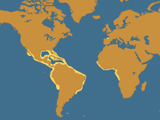
Nurse sharks are found in the warm, shallow waters of the western Atlantic and eastern Pacific oceans. They are abundant throughout their range and have no special conservation status, although the closeness of their habit to human activities is putting pressure on the species.

map-nurse-shark-160-20135-cb1321035858

Nurse sharks are nocturnal and will often rest on the sea floor during the day in groups of up to 40 sharks, sometimes piled on top of each other.

Shark, Nurse (young) ©Melinda Riger @ GB Scuba

FAST FACTS

  • Type: Fish 
  • Diet:  Carnivore
  • Size: 7.5 to 9.75 ft (2.2 to 3 m)
  • Weight: 200 to 330 lbs (90 to 150 kg)
  • Size relative to a 6-ft (2-m) man:
Illustration: Shark compared with adult manNurse Shark ©Melinda Riger @ G B Scuba copy

Credits: All photos Melinda Riger, Grand Bahama Scuba; range map and text mostly  NATIONAL GEOGRAPHIC  filled out with other pickings

Unknown's avatar

RARE GEMS: PIPING PLOVERS ON ABACO (1)


Piping Plover (non-breeding), Abaco (Bruce Hallett)

Piping-Plover Artmagenta  RARE GEMS: PIPING PLOVERS ON ABACO (1) Piping-Plover Artmagenta

8000 

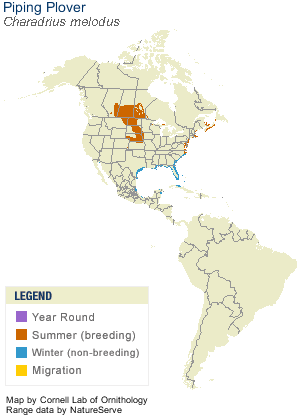
That’s the total number of all the piping plovers (Charadrius melodus) left in the world. Like many other rare and vulnerable species (e.g. the Kirtland’s Warbler), the habitat at both ends of their migration routes is under threat. And, as with the Kirtland’s, vigorous conservation campaigns are underway. Problems such as habitat loss at one end are bad enough – if at both ends, population decline is a certainty and extinction looms. The summer breeding range of PIPLs takes in Canada, central US and the eastern seaboard. In winter they join the mass migration of other birds south to warmer climes. Abaco is lucky enough to receive these little winter visitors; and at Delphi we are fortunate that every year some choose the beach for their winter retreat.

char_melo_AllAm_map

Piping Plover, Abaco (Tony Hepburn)

This is the first of a planned Piping Plover series that I have been working on. The reason for beginning now is because the autumn migrations are starting, and before long a few of this precious species will be on a beach near you on Abaco. Many of them will be ringed as part of the ongoing conservation projects. One of the best ways to monitor success is to follow the migratory lives of these birds; and this can very easily be done by taking photographs of a piping plover that show its rings. The number and colours of the rings on each leg tell the conservationists a great deal about an individual bird. Here is a photo by Don Freiday that shows what to look out for – these 4 items of plover-bling are an integral part of the preservation efforts for this species.

PIPLfledge_banded_Meb_DF

The Audubon Society has produced a wonderful interactive demonstration of the PIPL’s year-round life  that can be found at BEATING THE ODDS. For anyone interested in these fascinating little birds, I highly recommend a click on the link. Some clips are shown below.

A good example of one of the organisations involved in the conservation of PIPLs is CONSERVE WILDLIFE NEW JERSEY, of which Todd Pover and Stephanie Egger are also directly involved on both Abaco and with the CAPE ELEUTHERA INSTITUTE.

With due acknowledgement to Audubon, here are a couple of outstanding photos by Shawn Carey from the site; and below them, details of the range of the Piping Plovers and their 4000-odd mile two-way trip made in the course of each year.

TWO LEGS                                                                SIX LEGS

ShawnCarey[3] ShawnCarey.crop[1}

SUMMER                                                                      FALL

PIPL range Summer jpgPIPL range Fall jpg

WINTER                                                                         SPRING

PIPL range Winter jpgPIPL range Spring jpg

THE PIPING OF THE PLOVER Originator Lang Elliot, as featured by Audubon, eNature, Birdwatchers Digest etc

That’s enough to begin with. I will return to PIPLs soon, with more photos, information and links. Meanwhile, here is a great 4-minute video from Plymouth Beach MA. And if you see a Piping Plover on Abaco this autumn and are not part of the ‘bird count community’, please let me know the location; if you can, describe the rings – how many, which legs, what colour; if possible, photograph the bird (and – a big ask – try to include the legs). Whether ringed or not, all data is invaluable and I’ll pass it on.
 Migration ProductionsMigration Productions

Piping Plover Chick (Beaun -Wiki)

Credits with thanks: Bruce Hallett, Cornell Lab, Tony Hepburn, Don Freiday, Shawn Carey, Audubon, Beaun/wiki, Lang Elliott (audio) Migration Productions (video), Artmagenta (mini drawings)

Piping-Plover Artmagenta          Piping-Plover Artmagenta          Piping-Plover Artmagenta          Piping-Plover Artmagenta          Piping-Plover Artmagenta          Piping-Plover Artmagenta

Unknown's avatar

‘ELEGANTLY WEIRD’ – SPOTTED DRUMFISH JUVENILES: BAHAMAS REEF FISH (20)


‘ELEGANTLY WEIRD’ – SPOTTED DRUMFISH JUVENILES: BAHAMAS REEF FISH 20

I’ve posted before about the rather extraordinary SPOTTED DRUMFISH, one of those reef fish which in juvenile form is very different from the adult. This species was first up in the Bahamas Reef Fish series – click above link. Here are a few recent images, courtesy of Melinda Riger. The first three show the juvenile form (note the piscine photobomb in the first one). The last shows a group of adults hanging out on the reef with (I think) some soldierfish. You can see how the juvenile drumfish becomes the adult, but those little stripy bullet-heads with their two long elegantly trailing appendages differ considerably from the rather solid-looking spotty / stripy adults with their dramatic punko-rockabilly quiffs.
Drumfish (juv) 3 ©Melinda Riger @ Grand Bahama Scuba Drumfish (juv) 4 ©Melinda Riger @ Grand Bahama ScubaDrumfish (juv) 2 ©Melinda Riger @ Grand Bahama Scuba Drumfish ©Melinda Riger @ Grand Bahama Scuba